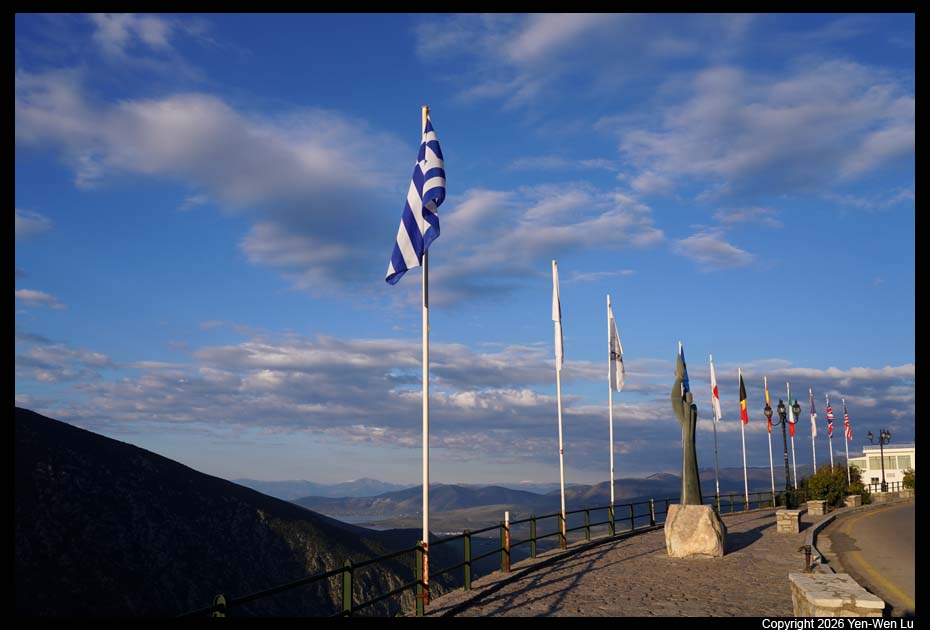
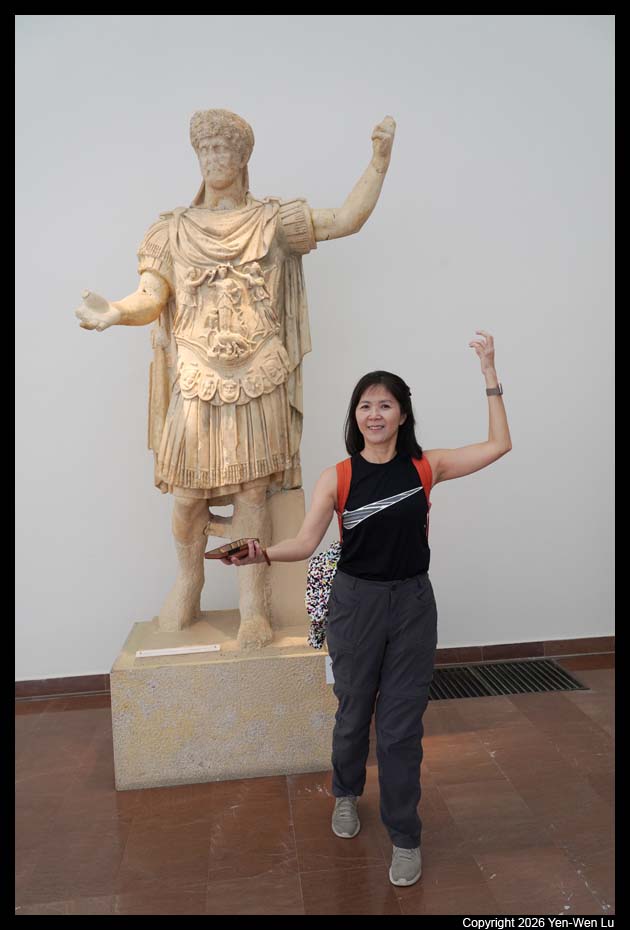
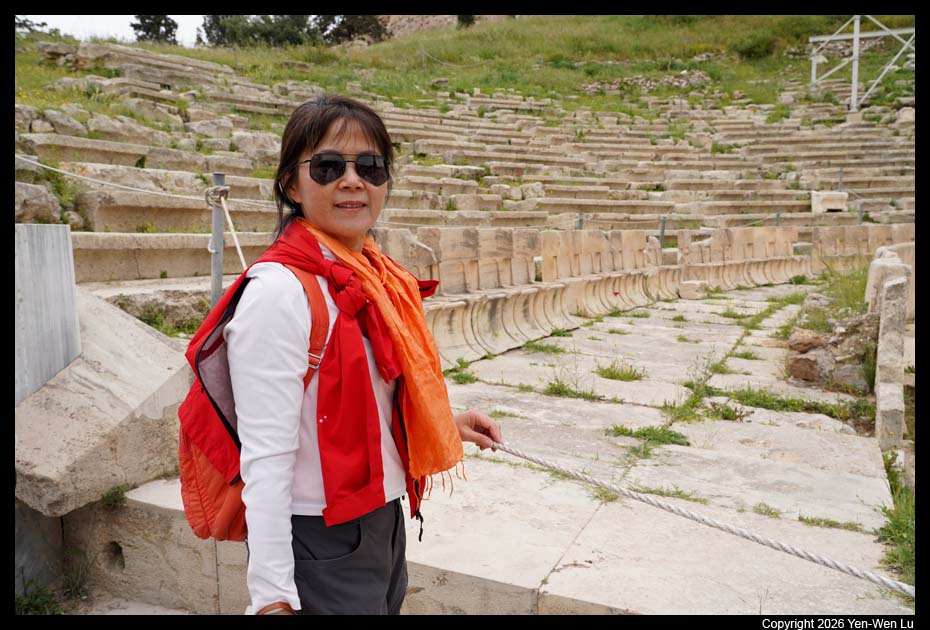
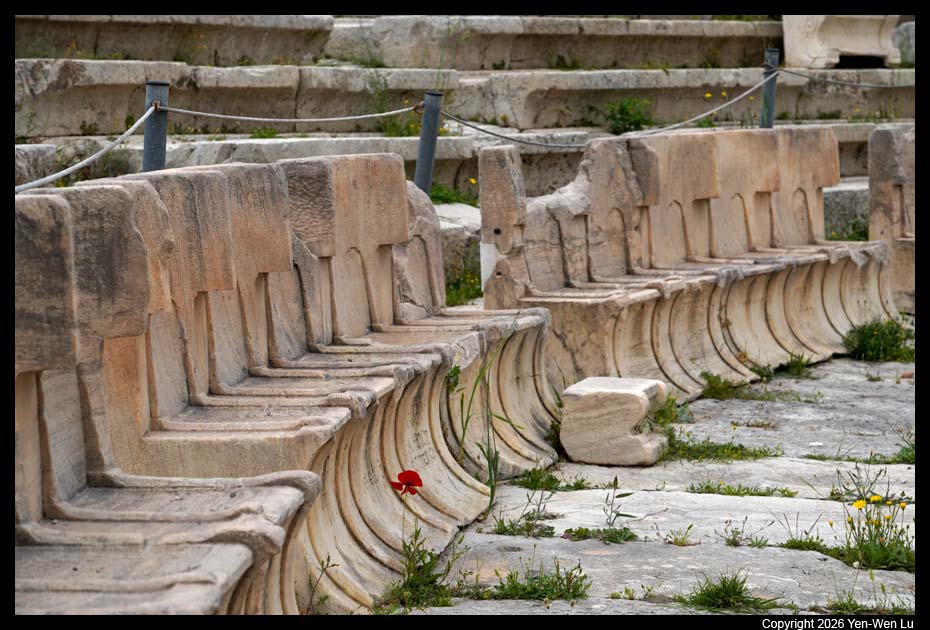
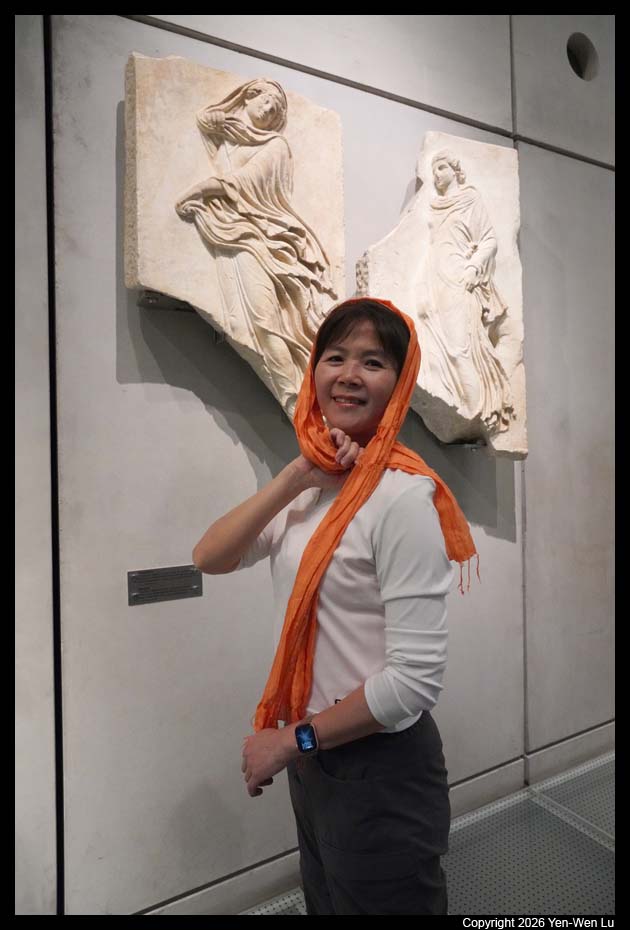
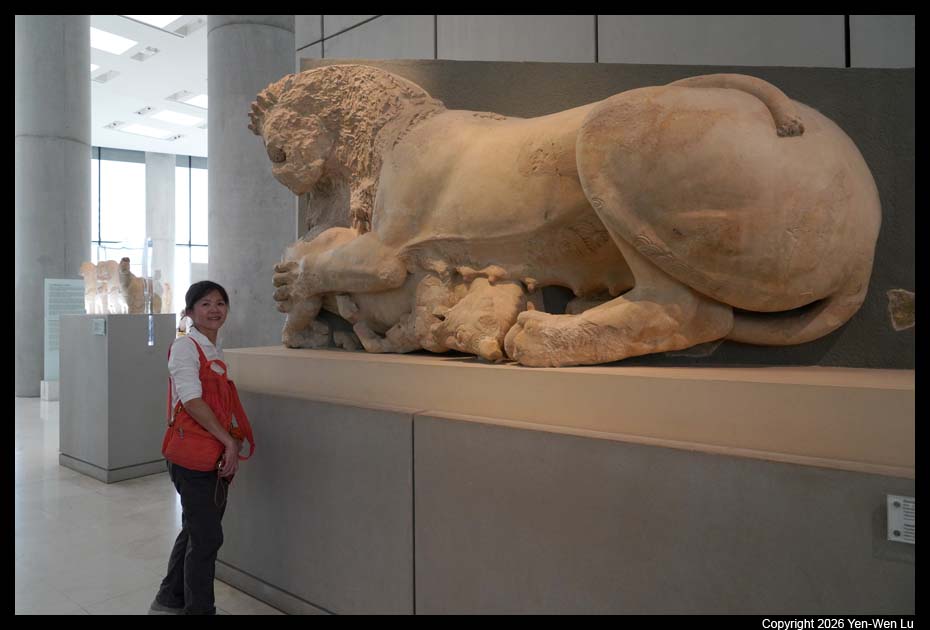
Greece (officially the Hellenic Republic) has the longest coastline on the
Mediterranean basin and is the southernmost country in Europe. The
mainland has rugged mountains, forests, and lakes, but the country is well known
for the thousands of islands dotting the blue Aegean Sea to the east, the
Mediterranean Sea to the south, and the Ionian Sea to the west. Greece is
considered the cradle of Western civilization and the birthplace of democracy,
Western philosophy, Western literature, historiography, political science, major
scientific and mathematical principles, theatre, and the Olympic Games.
The Ancient Greeks were organized into independent city-states, or poleis
(singular polis). Philip II of Macedon united most of present-day Greece
in the fourth century BC, with his son Alexander the Great conquering much of
the known ancient world from the Near East to northwestern India. Greece
was annexed by Rome in the second century BC and became an integral part of the
Roman Empire and its continuation, the Byzantine Empire. The Greek
Orthodox Church helped shape modern Greek identity and transmitted Greek
traditions to the wider Orthodox world.
Getting there ...
We had a late night flight on 4/3 (day 0) from SFO to Newark with a long
7-hour layover. Since we had some time during the layover, we went into
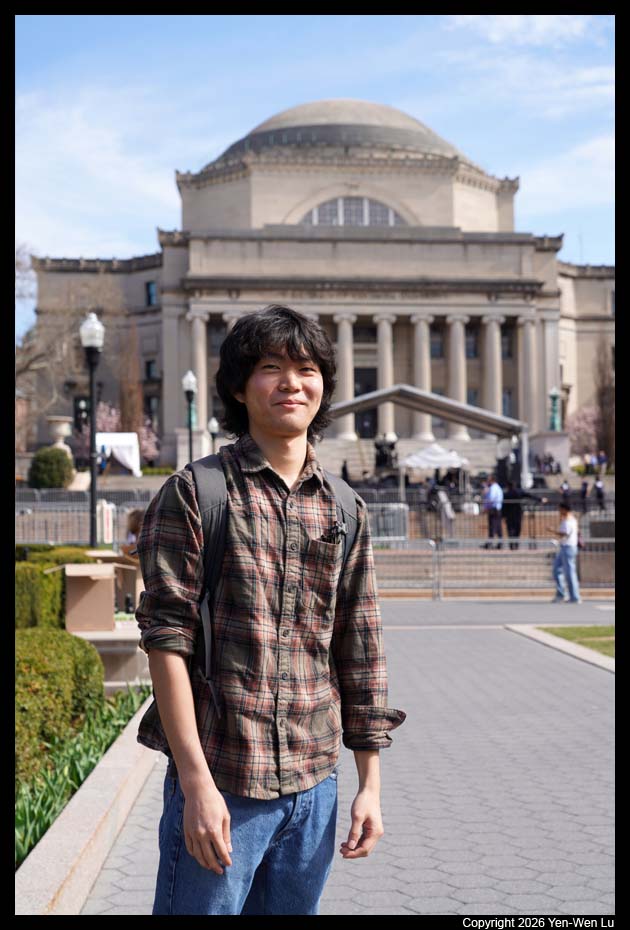
the NYC (on 4/4 morning) to meet with my nephew
Tim to have a brunch together
and visited Columbia University. We took the metro and train back to
Newark (EWR) to catch our flight at 4PM to continue to Athens, Greece.
We arrived in Athens at ~ 8AM on 4/5. With a long immigration line and
some struggle to find the right rental car counters, we were ready to start our
Greece journey.
Day 2 (4/5) ...
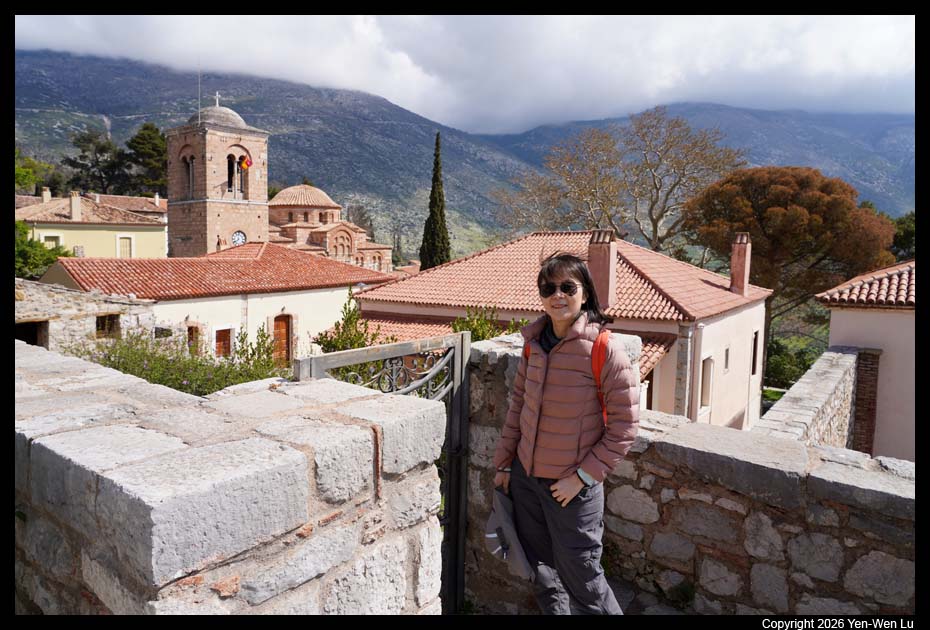
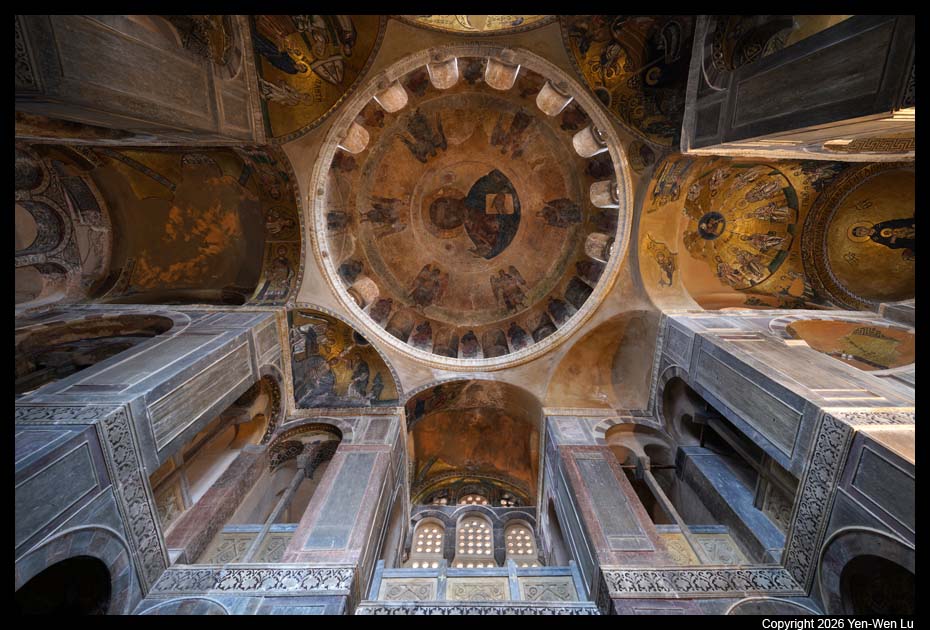
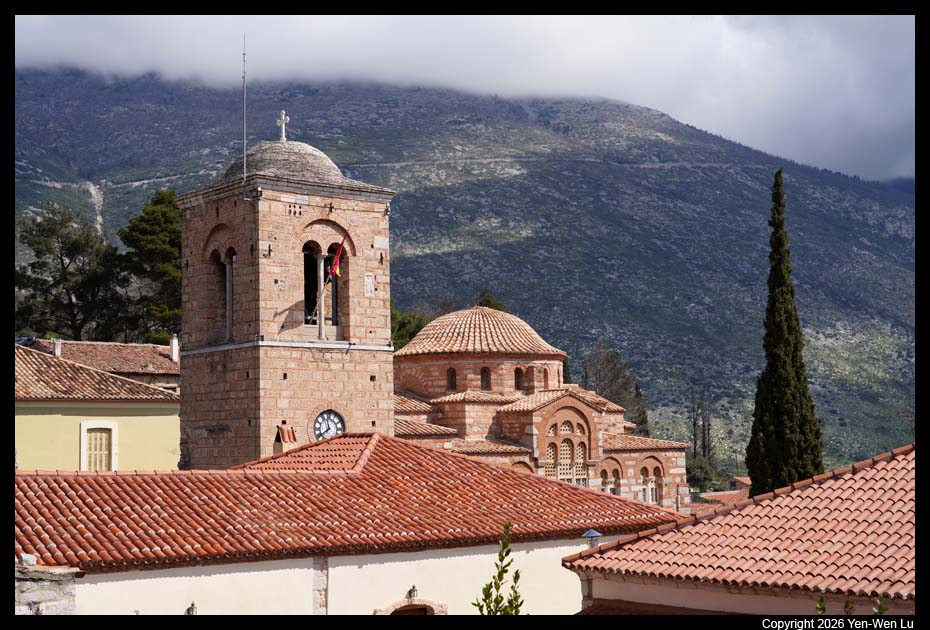
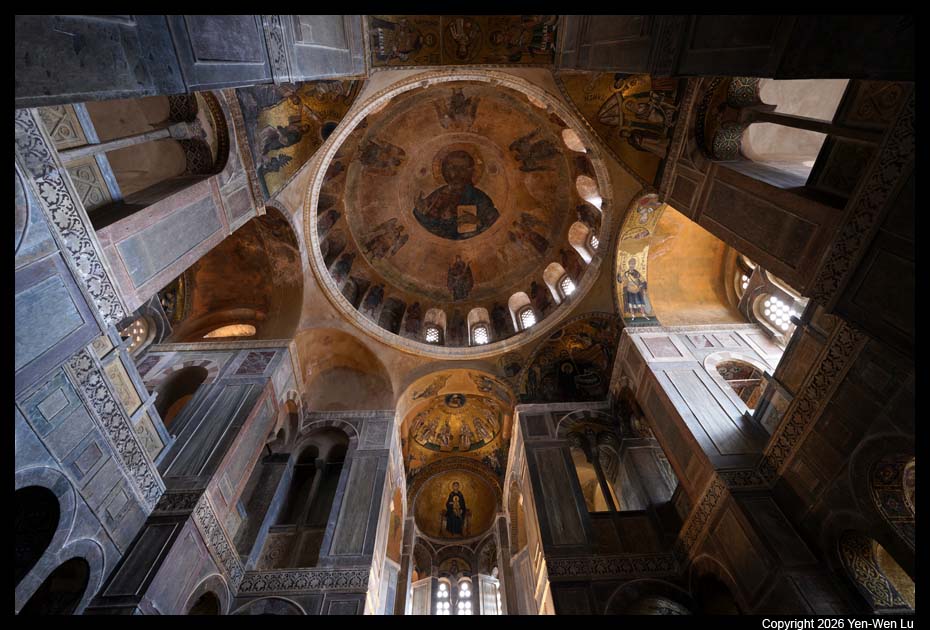
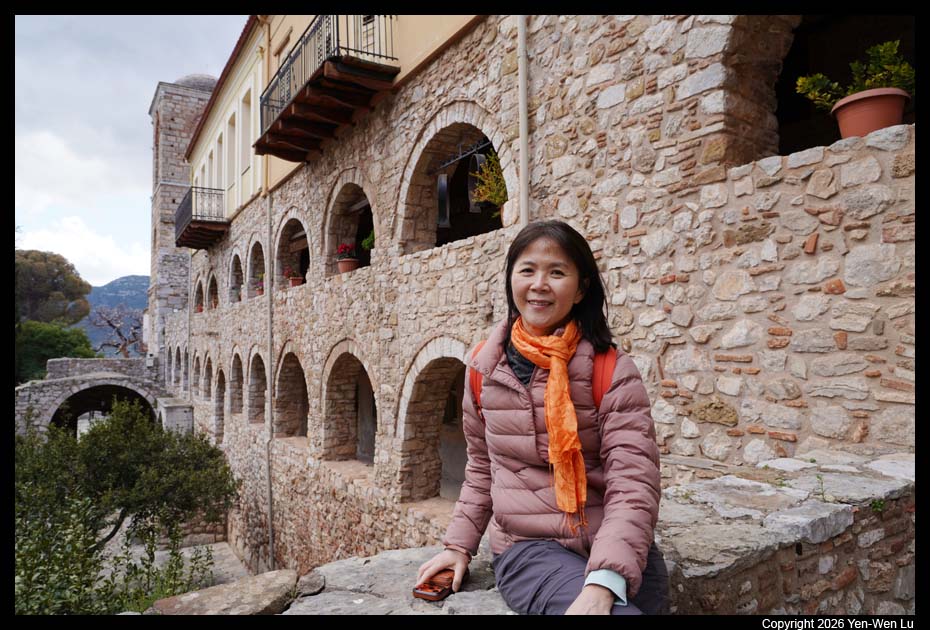
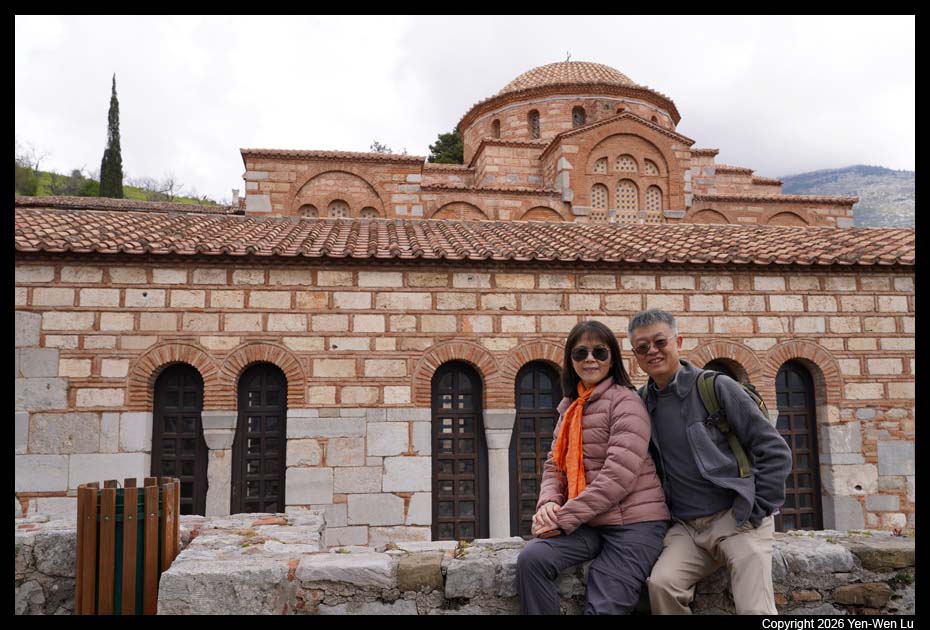
- Holy Monastery of Hosios Loukas
After about 2 hours of driving, we
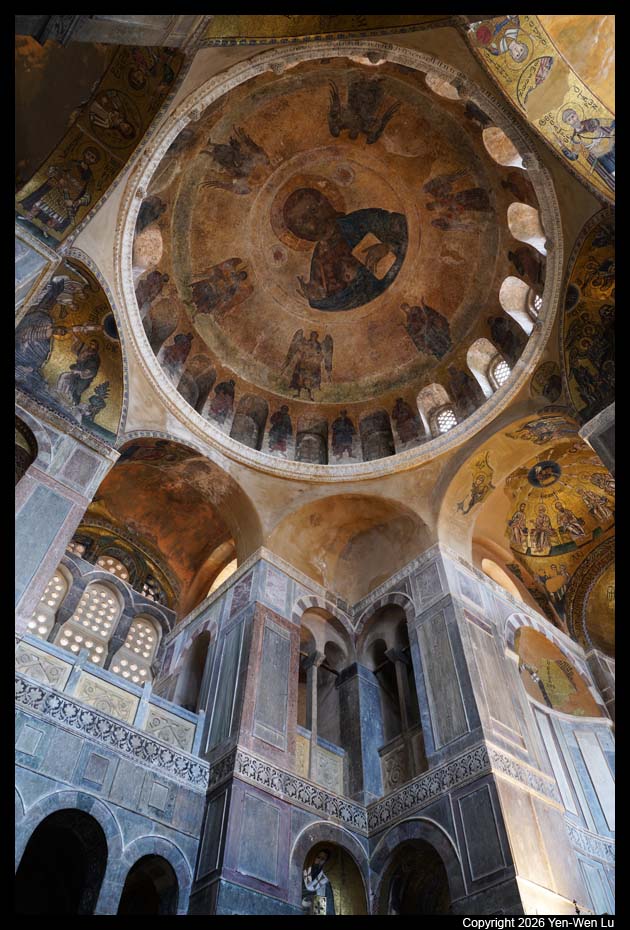
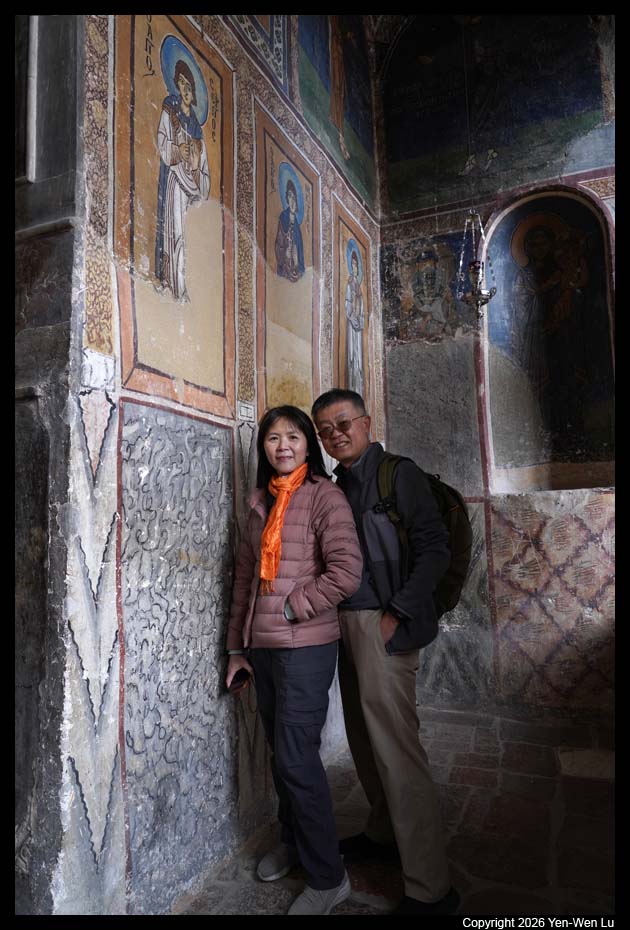
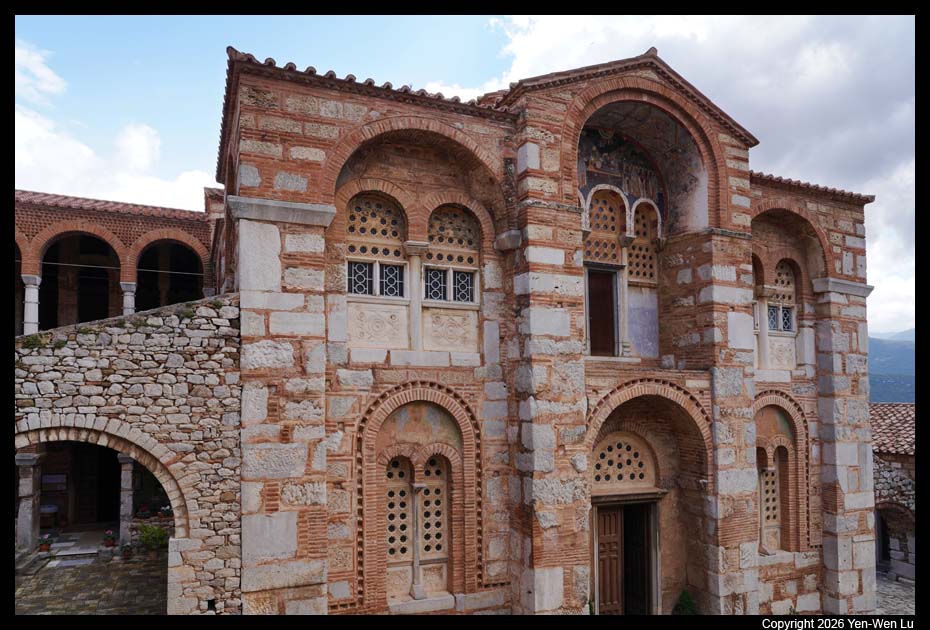
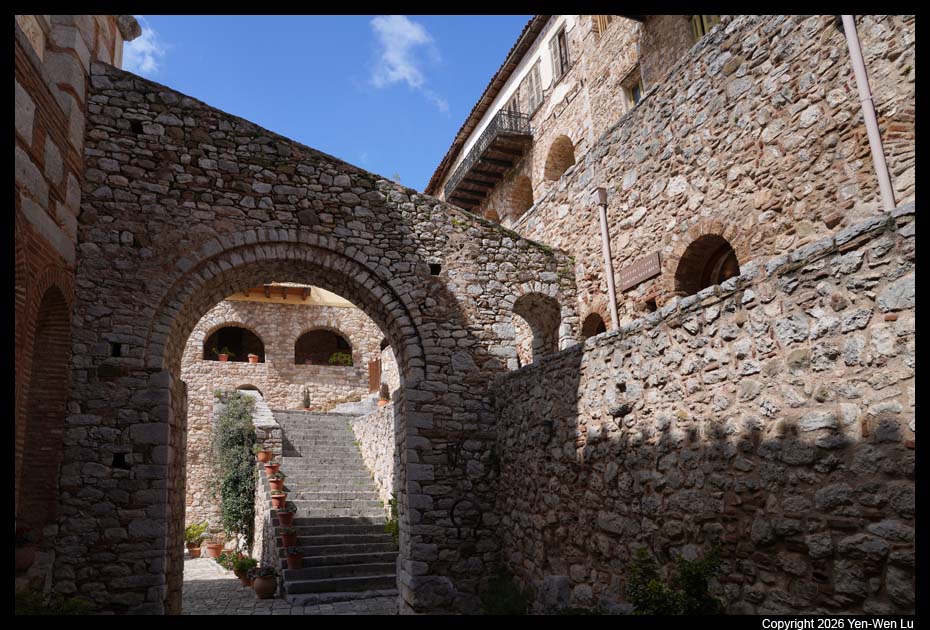
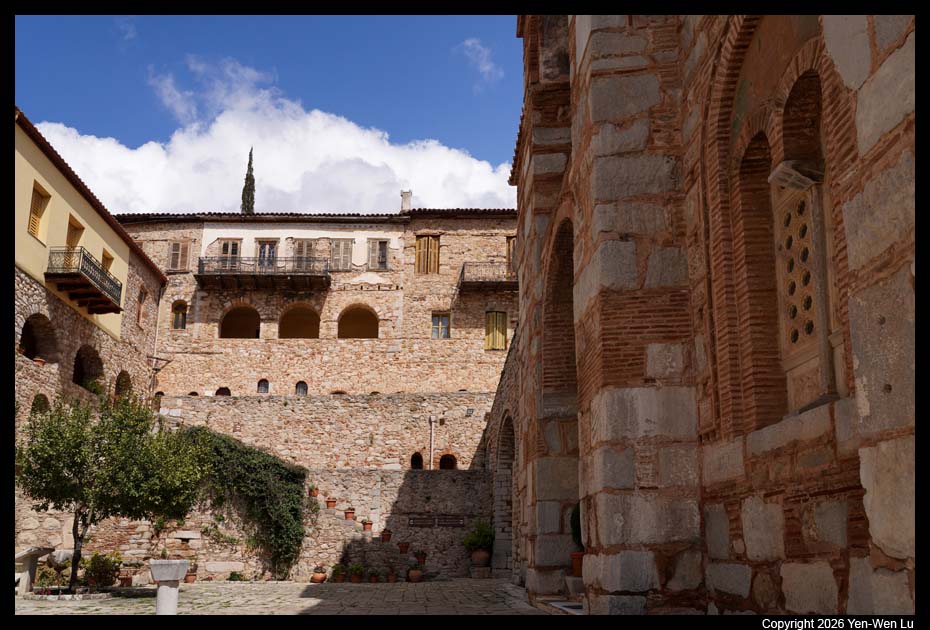
reached our first destination, Holy Monastery of Hosios Loukas.
Founded in the mid-10th century, the monastery is one of the most important
monuments of Middle Byzantine architecture and art, and has been listed on
UNESCO's World Heritage Sites since 1990. Nestled in a
picturesque valley teeming with olive trees, this Byzantine monastery
exemplifies the tradition of being built in sites of extraordinary natural
beauty, harmonizing seamlessly with the surrounding landscape, much like the
ancient temples.
After visiting the monastery, we continued to drive
to Delphi. My original plan was to stop by Arachova, a beautiful
mountain town, for lunch. However, when we drove by the town, we could
not find any parking space so we could only continue to drive to Delphi,
where we would stay for tonight.
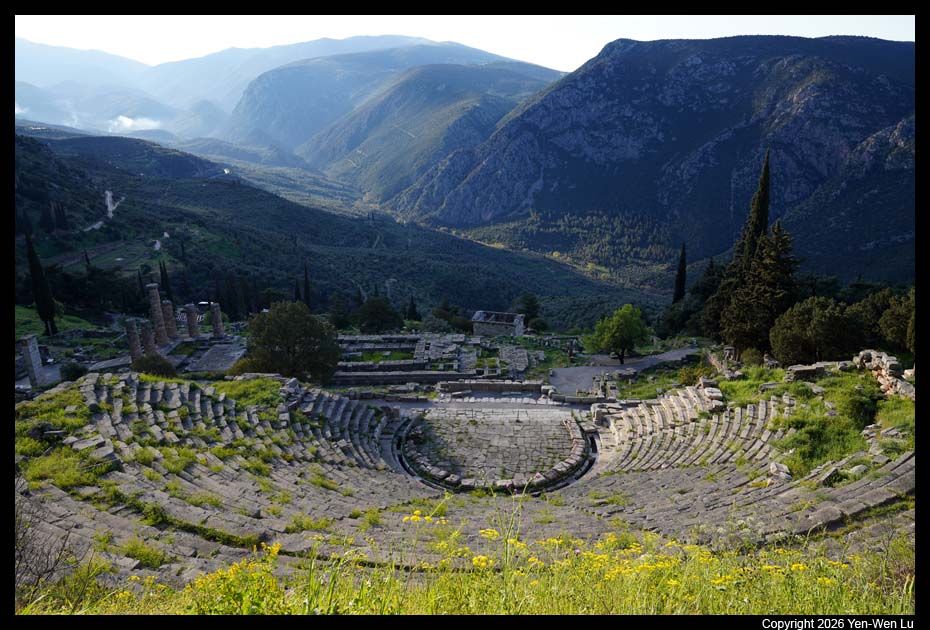
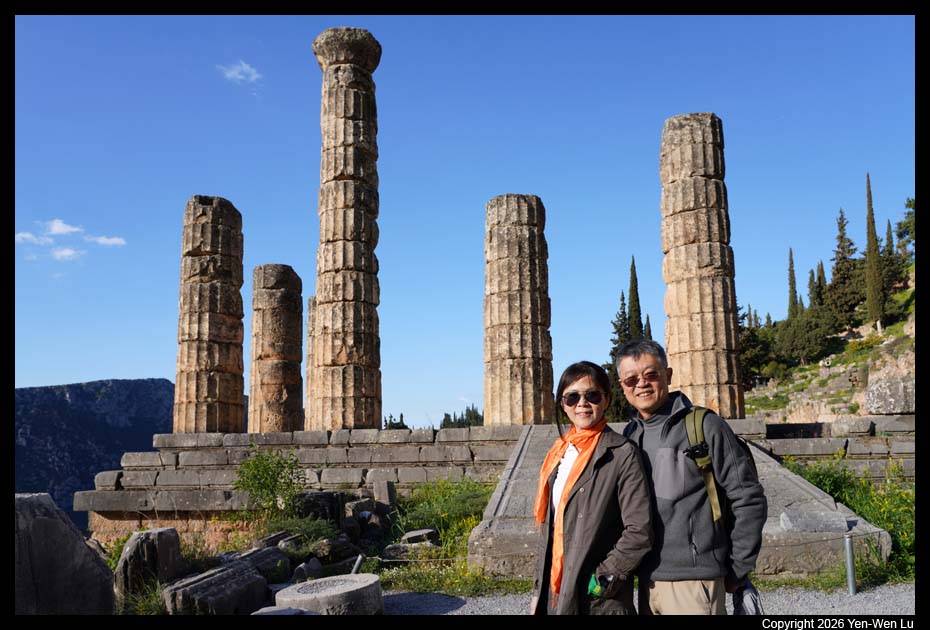
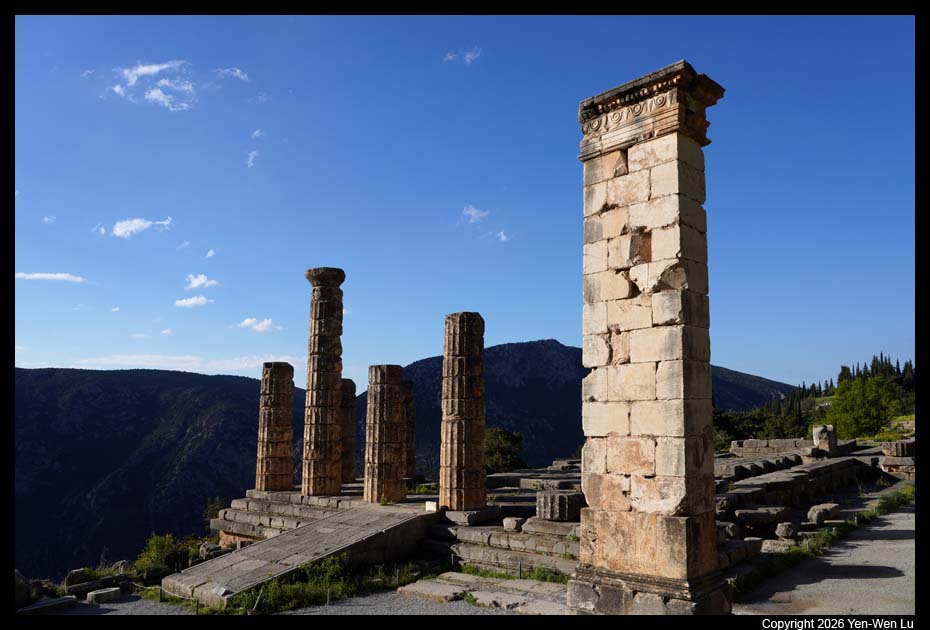
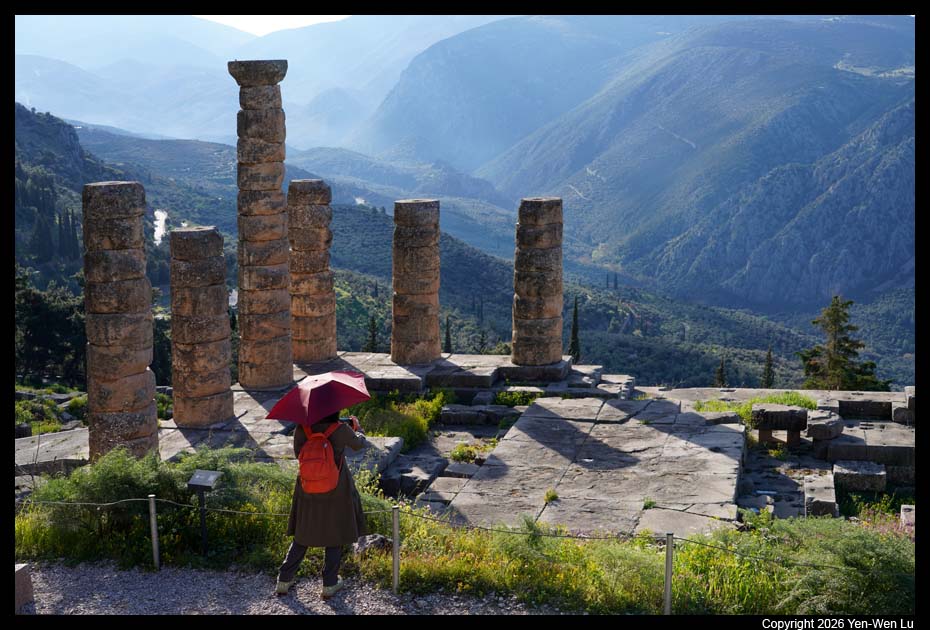
- Delphi
After lunch and some sleep (very needed rest after the long
flight) in the hotel room, we headed to the Delphi Archaeological Site.
It's only ~ 10 minutes walk from our hotel so we did not need to worry about
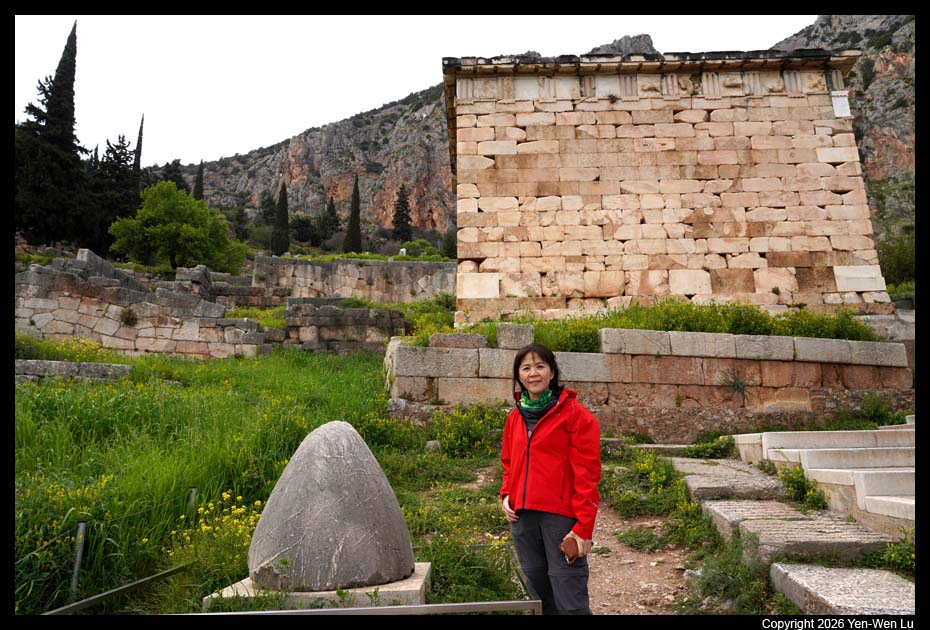
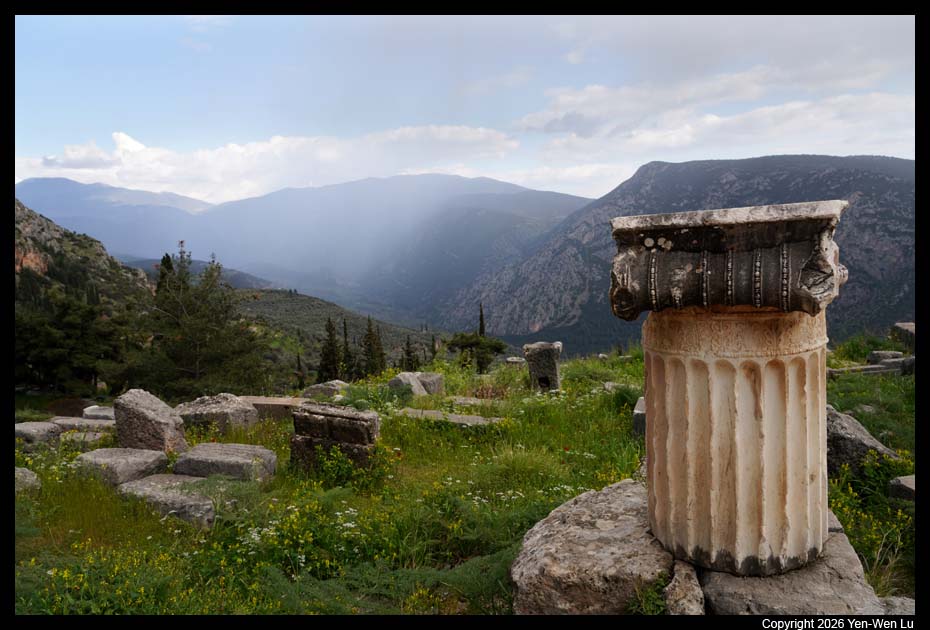
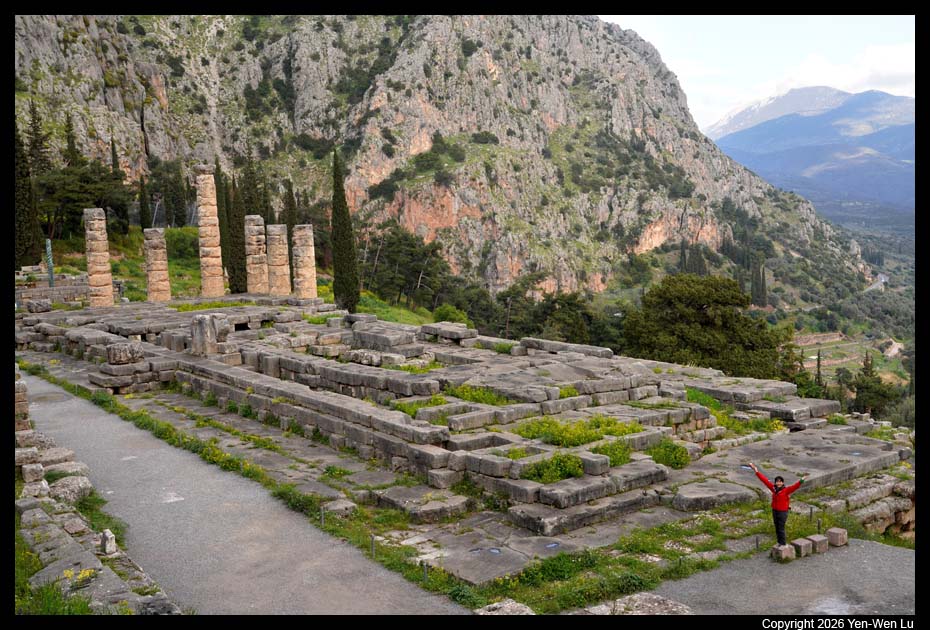
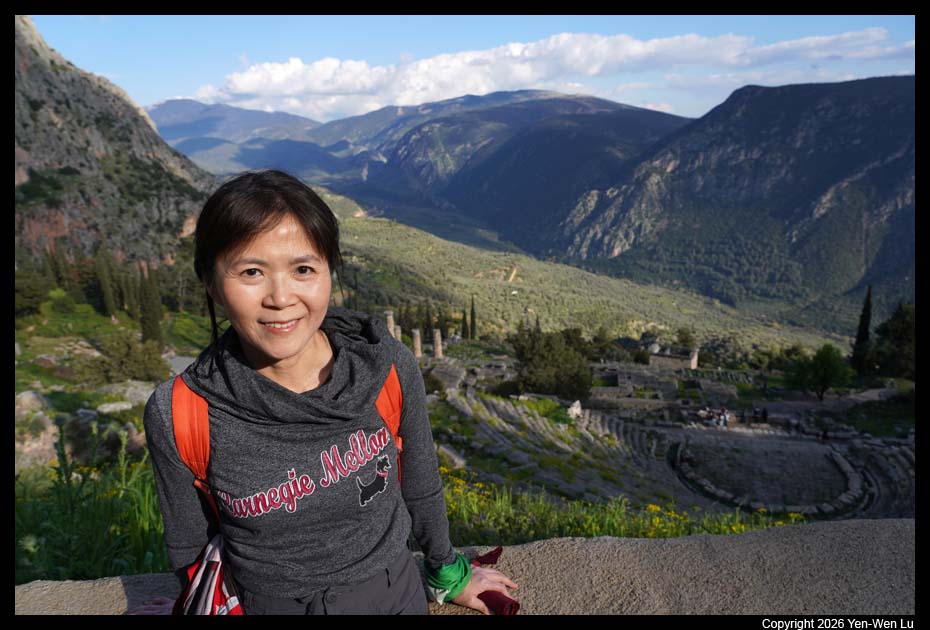
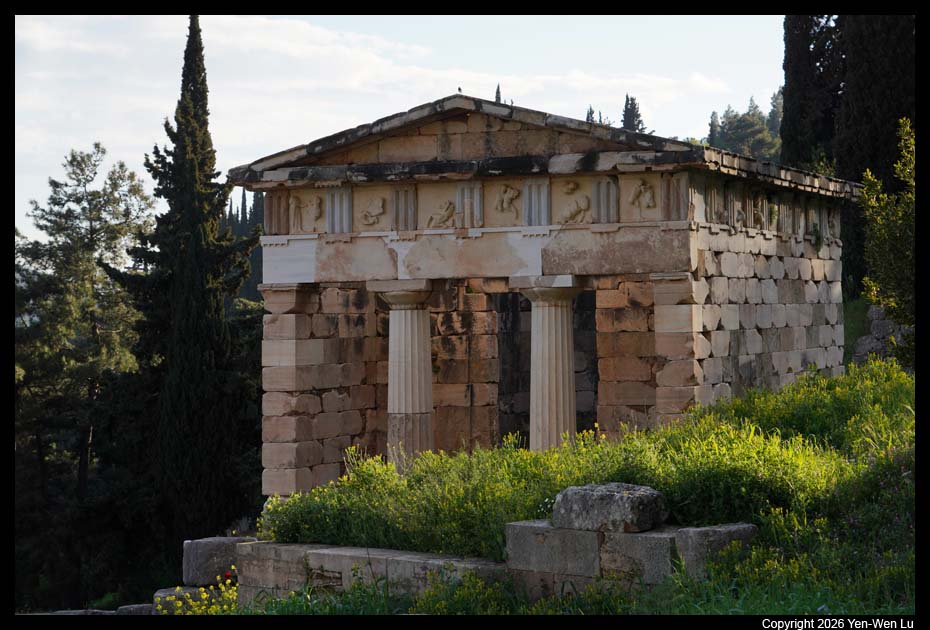
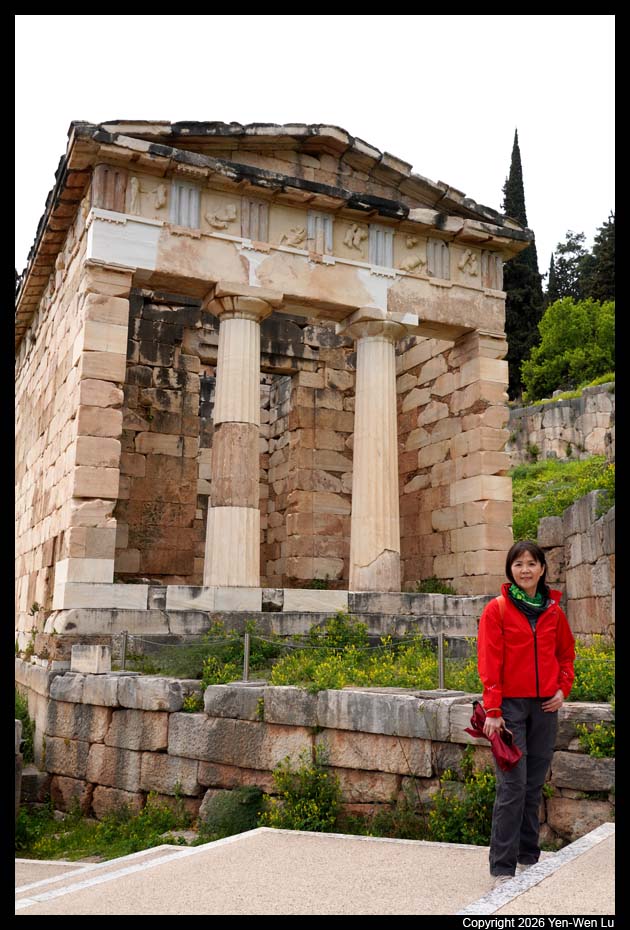
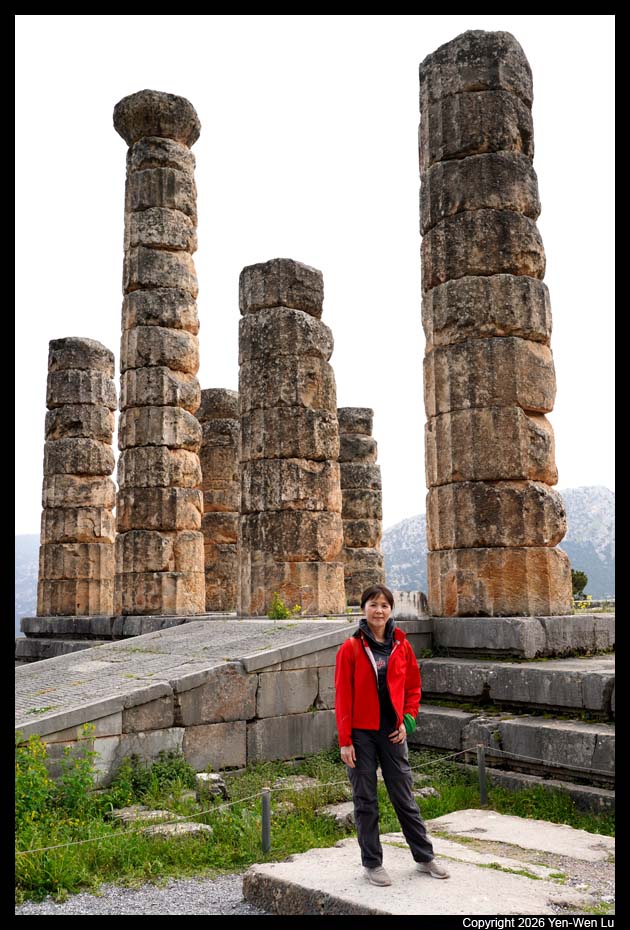
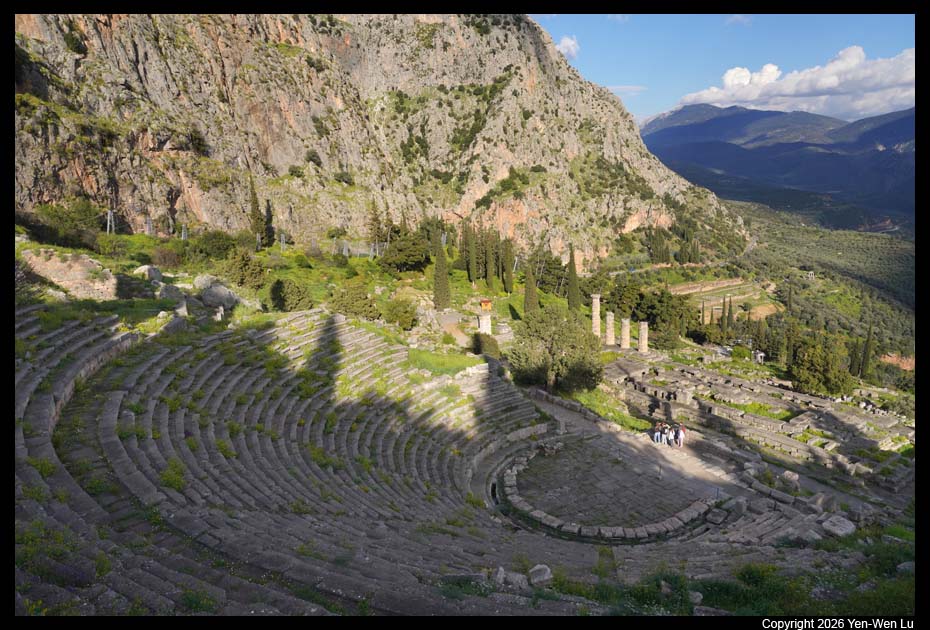
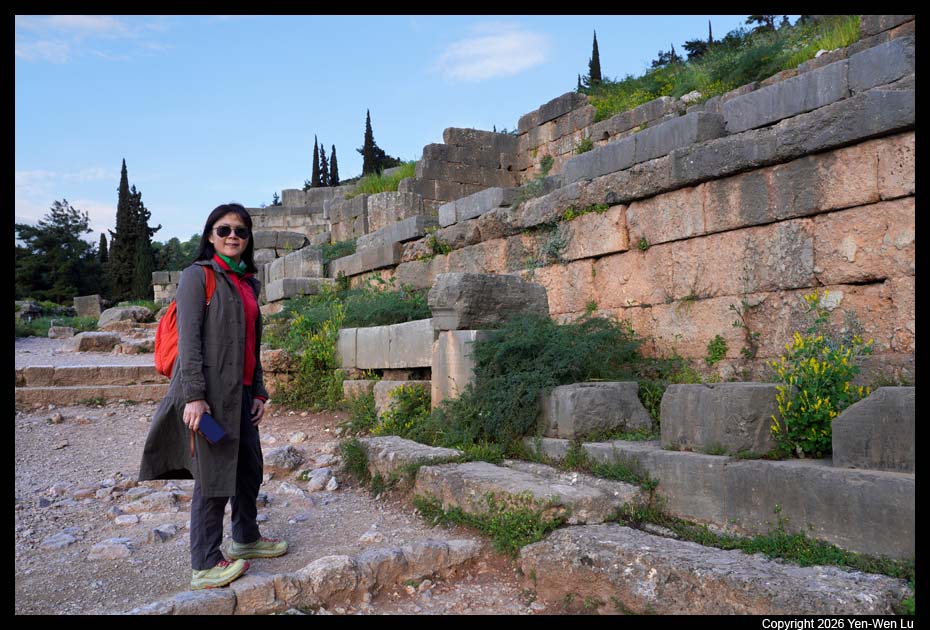
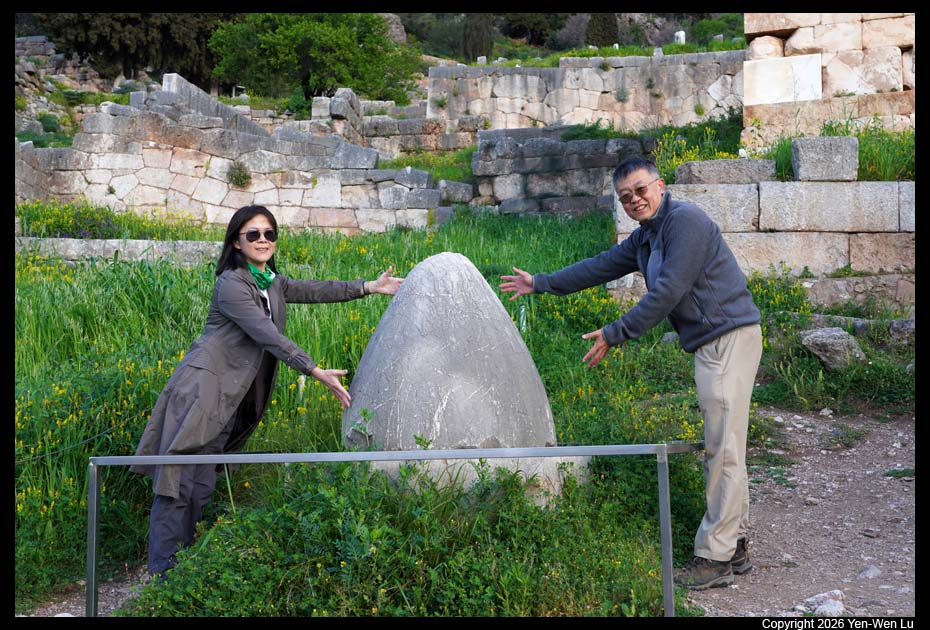
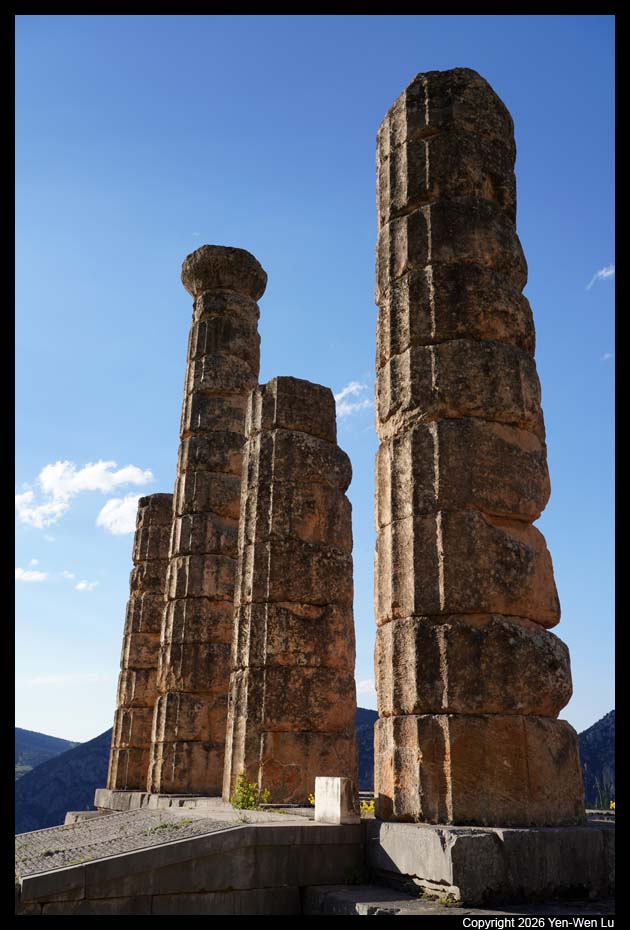
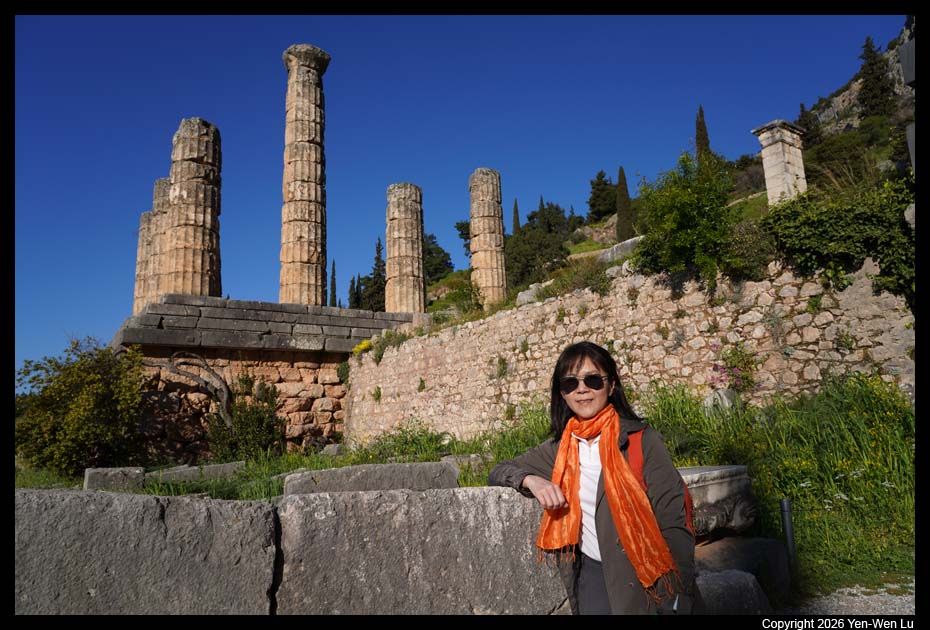
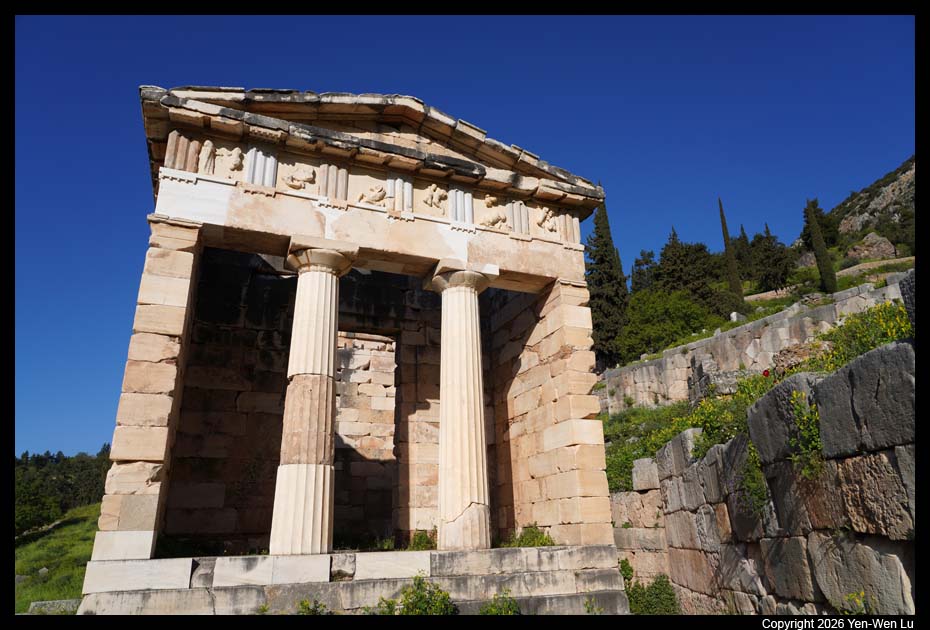
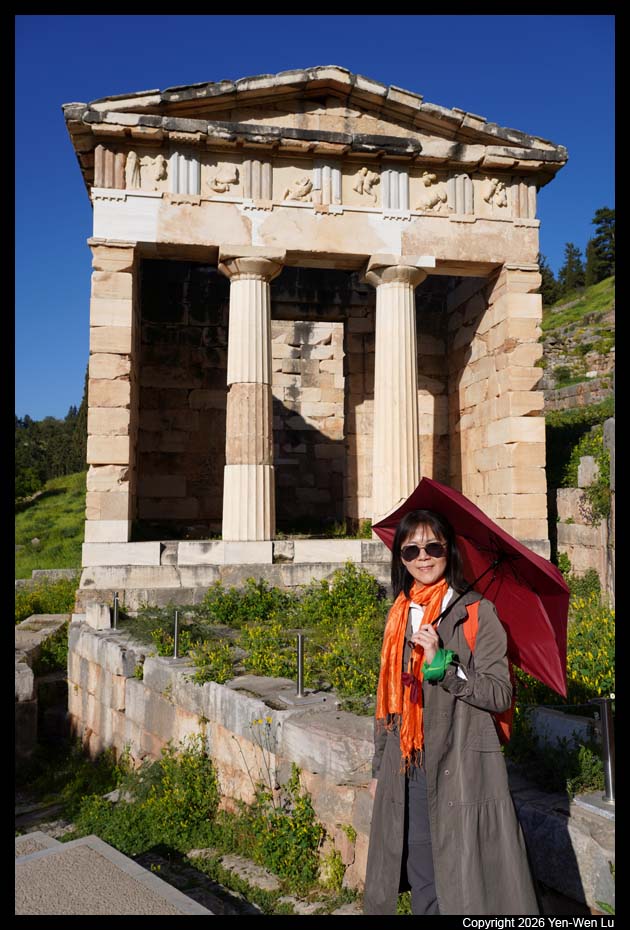
parking at the archaeological site. The Delphi Archaeological Site was
considered the "navel of the world" (omphalos) by the ancient Greeks and
served as the spiritual heart of the Hellenic world for centuries. Perched
on the slopes of Mount Parnassus, this UNESCO World Heritage Site was
primarily famous for the Oracle of Delphi, where the high priestess Pythia
delivered divine prophecies in the name of the god Apollo. The
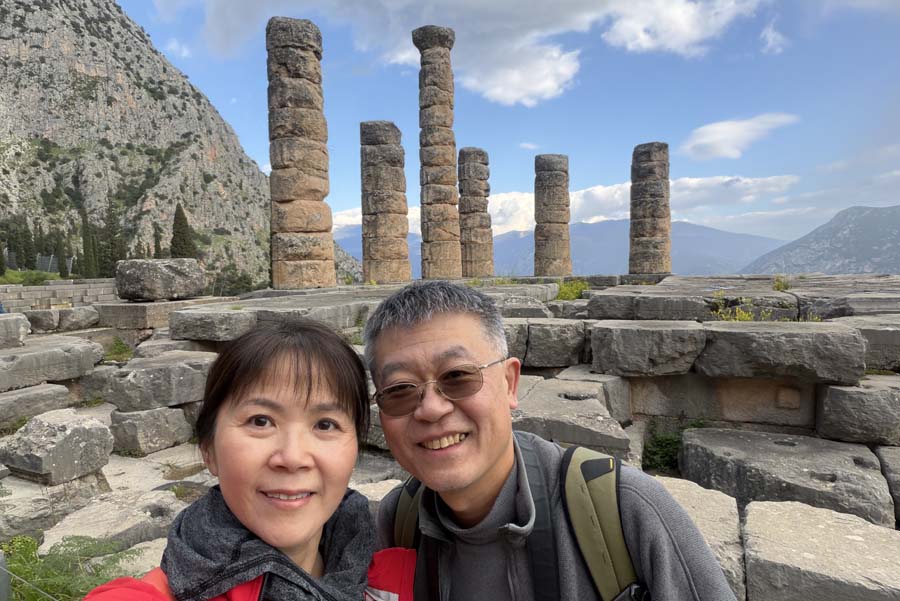
most important monument is the temple of Apollo where Pythia gave its
oracles surrounded by luxurious treasuries of Greek cities and a variety of
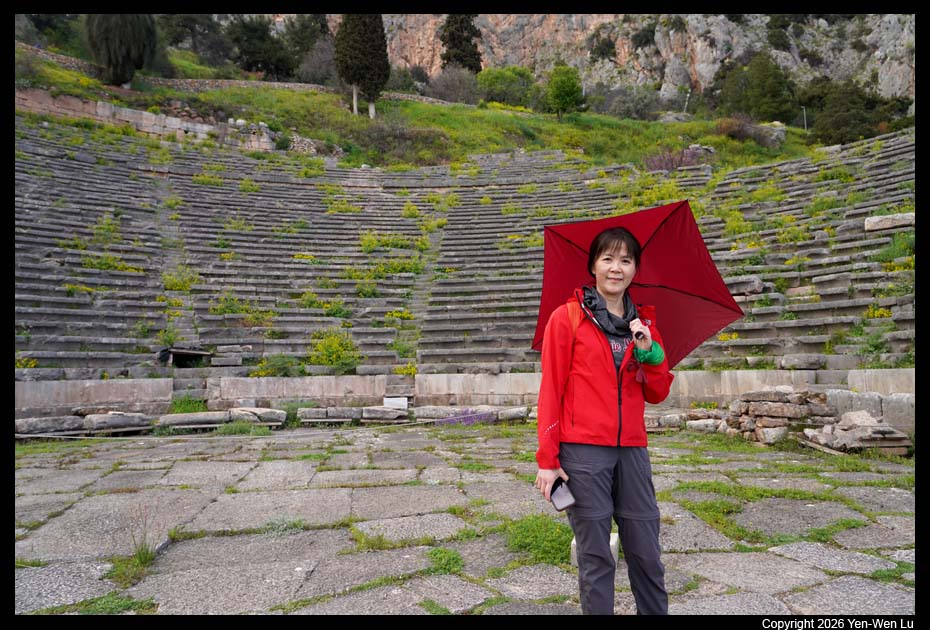
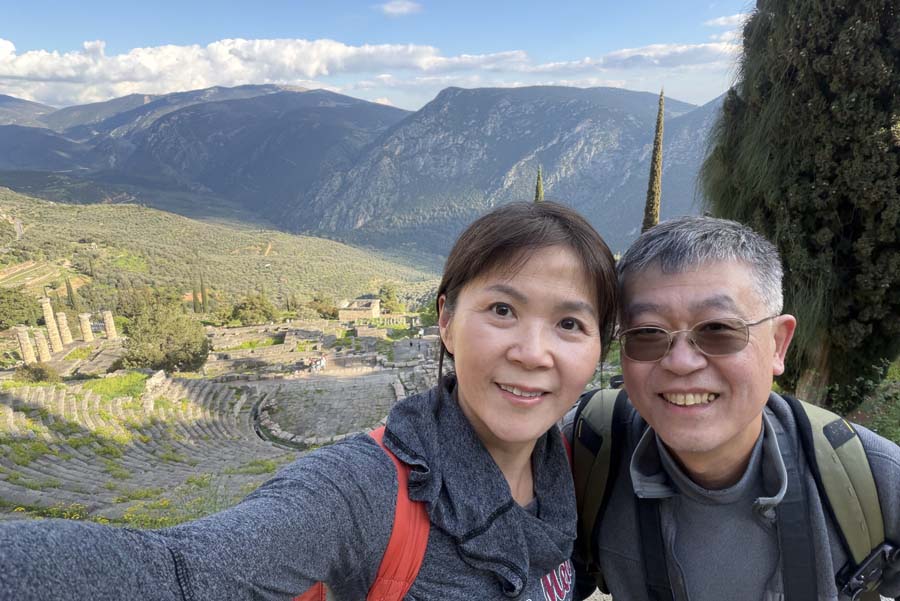
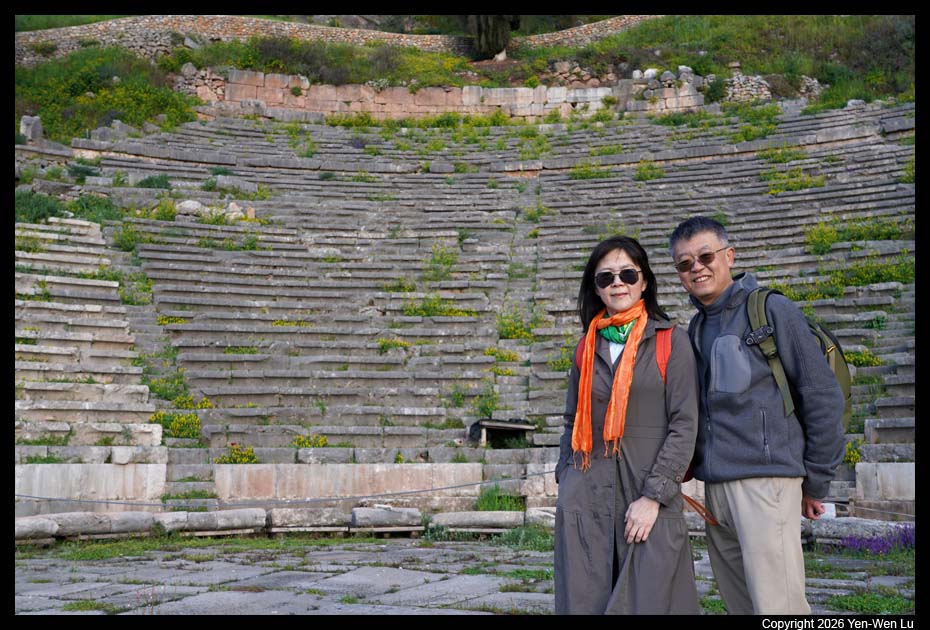
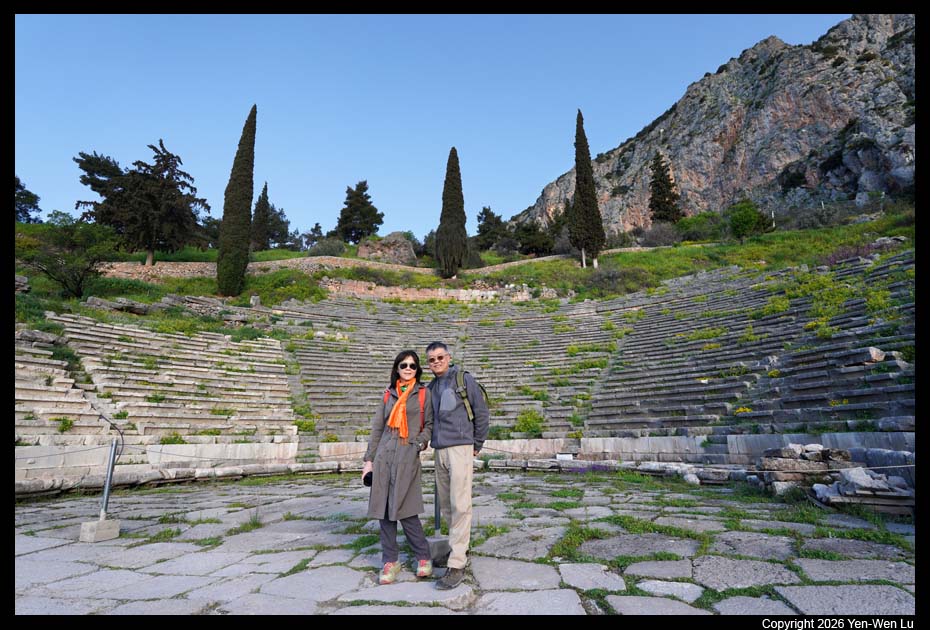
architectural monuments. The site also includes the ancient theater
where the dramatic and musical games Pythia took place and further north the
stadium which hosted athletic contests.
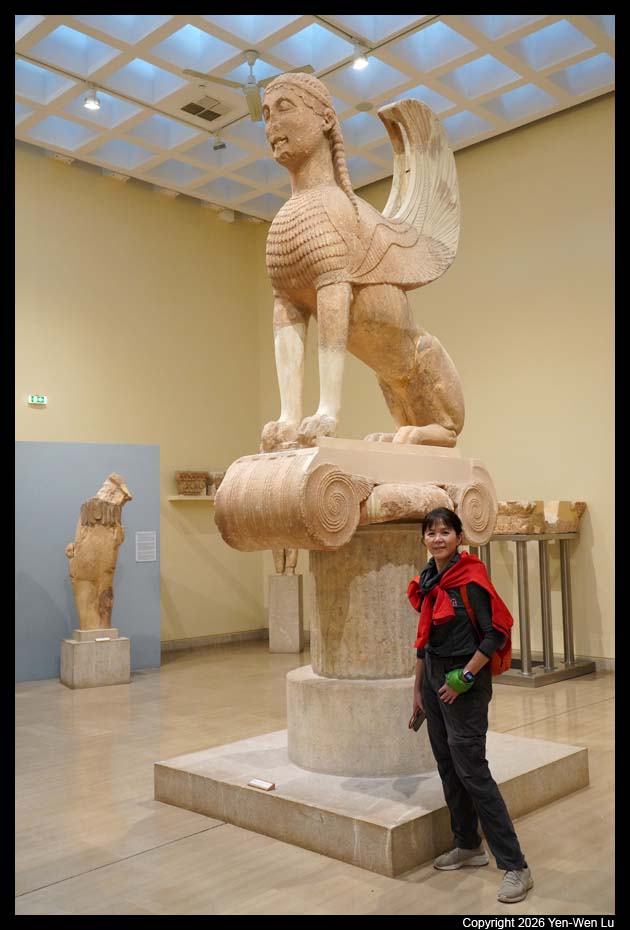
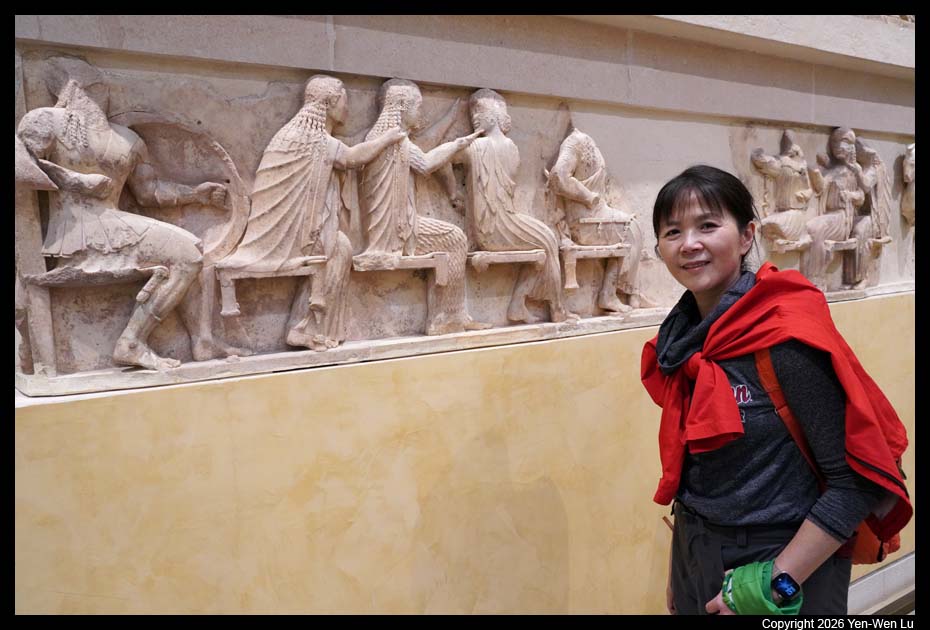
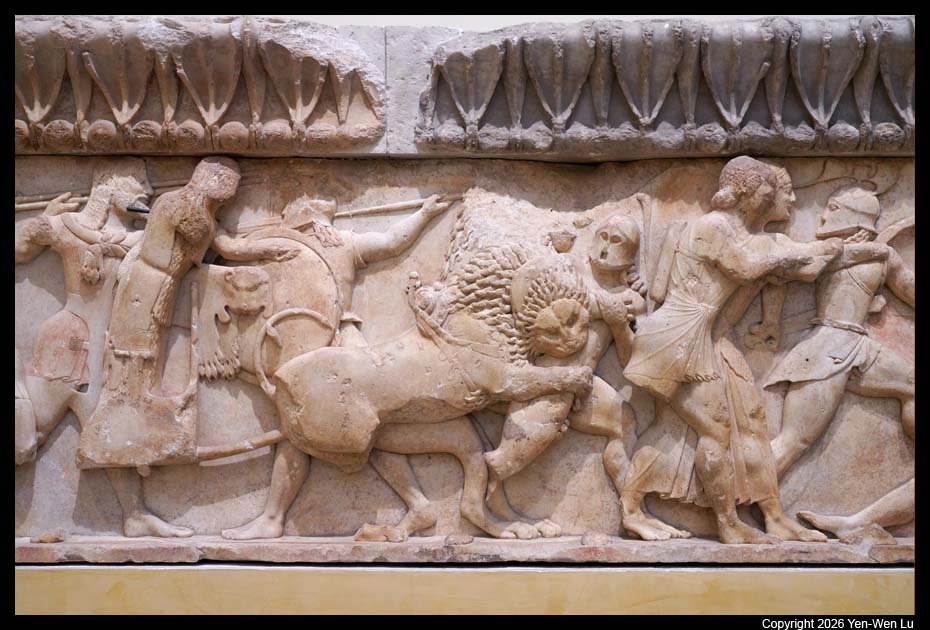
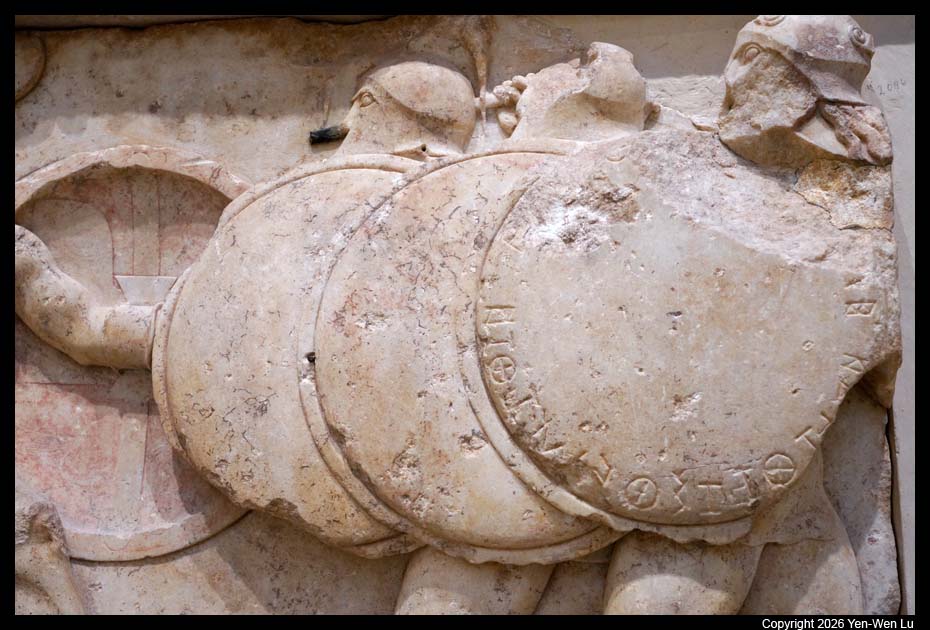
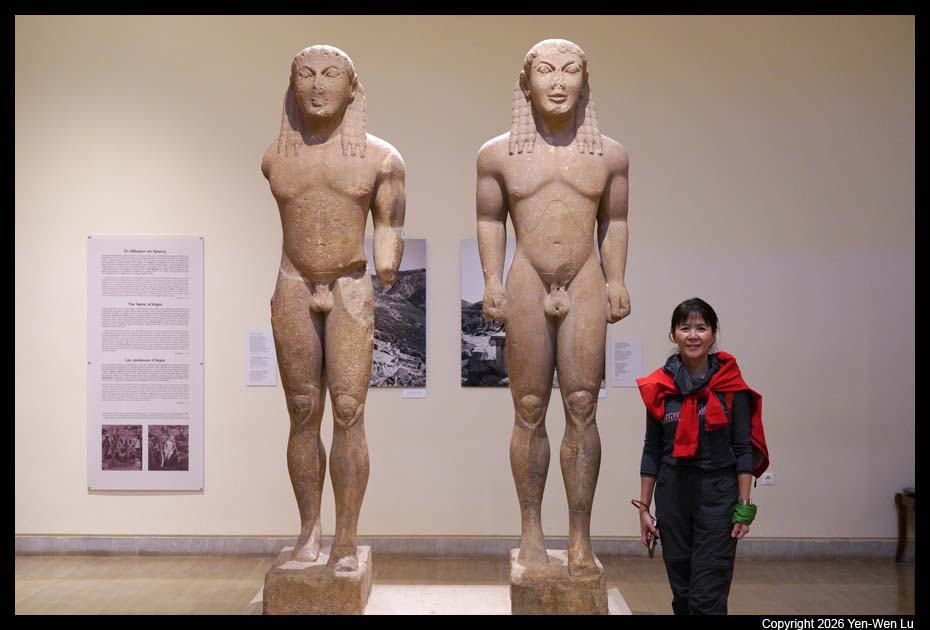
The Archaeological Museum of
Delphi presents the history of the famous Delphic sanctuary throughout its
unique architectural sculptures statues and small votive objects donated to
the sanctuary reflecting its religious political and artistic activity from
its foundation to its decline.
- V Hotel
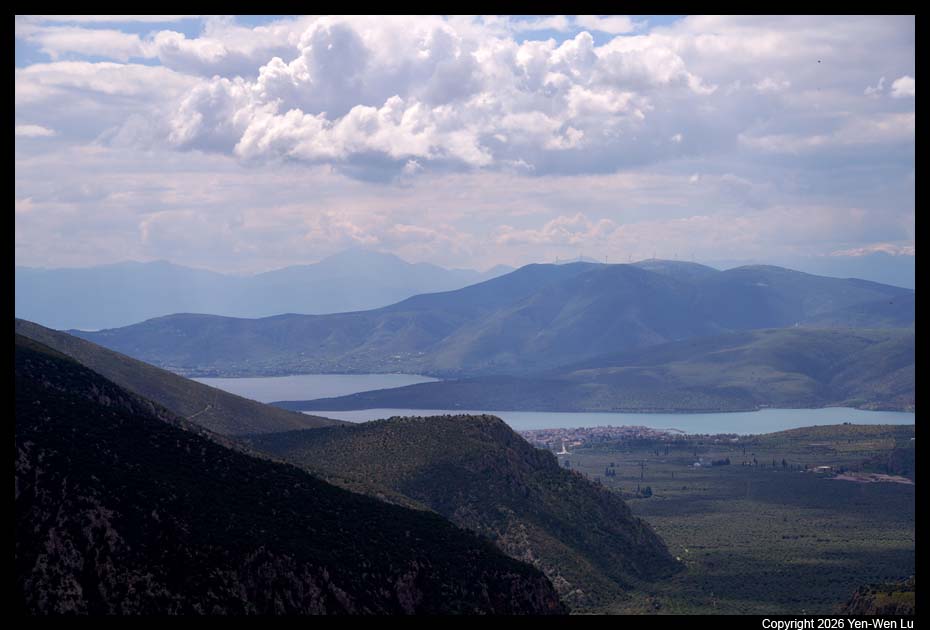
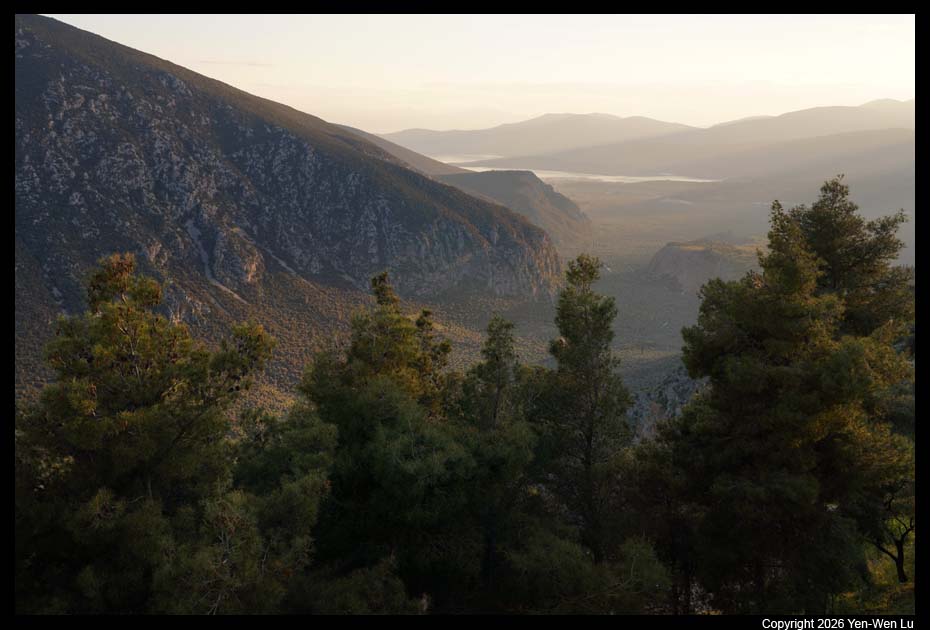
We had a balcony with a magical view of the thrilling Delphic landscape.
Day 3 (4/6) ...
- Delphi
We went back to the Delphi Archaeological Site again in the
morning. At 8AM, we were the first to enter the site, and we did not
see any other tourists (only a few staff around) until 40 minutes later, so
we had plenty of time to enjoy the site with ourselves.
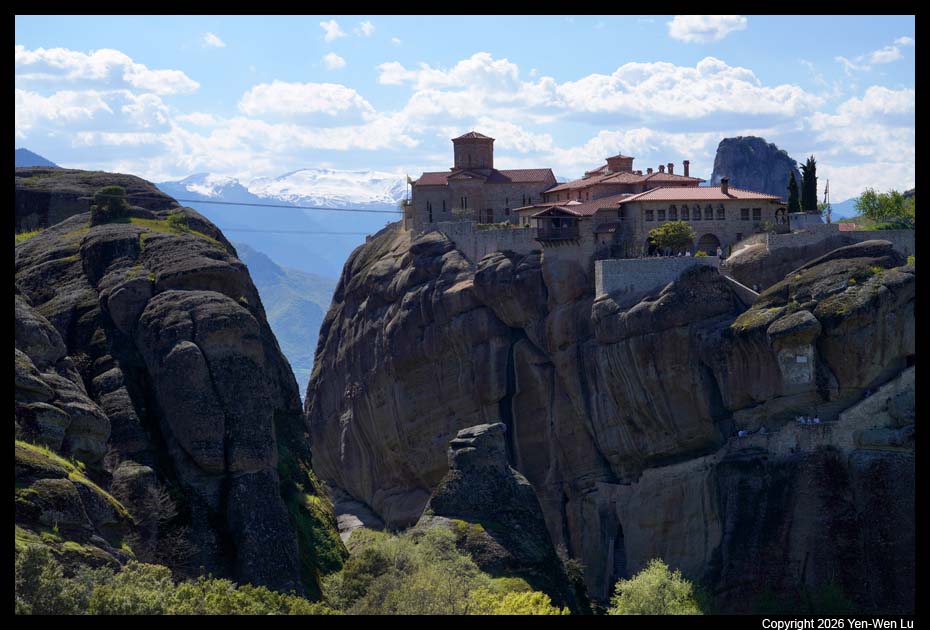
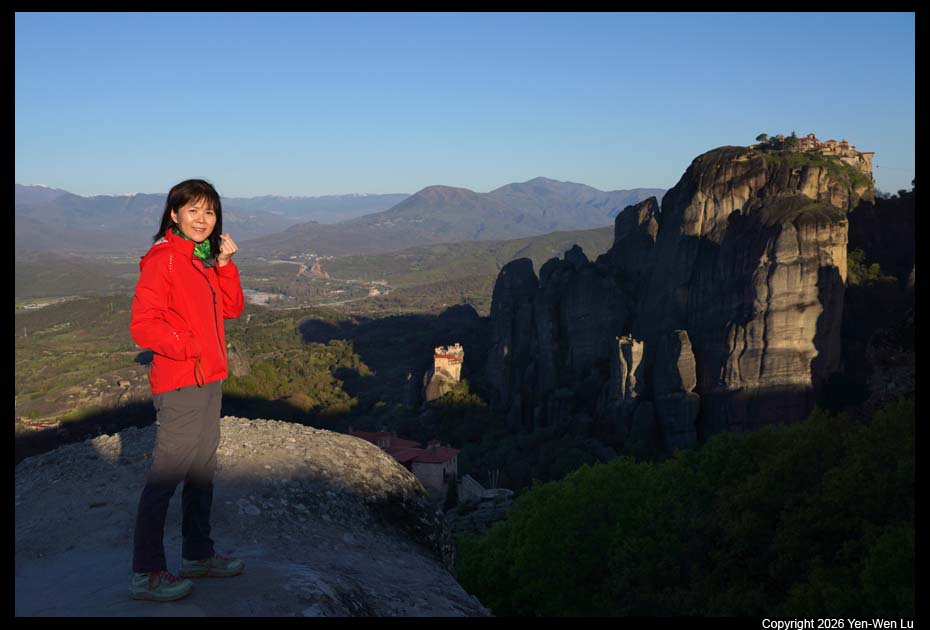
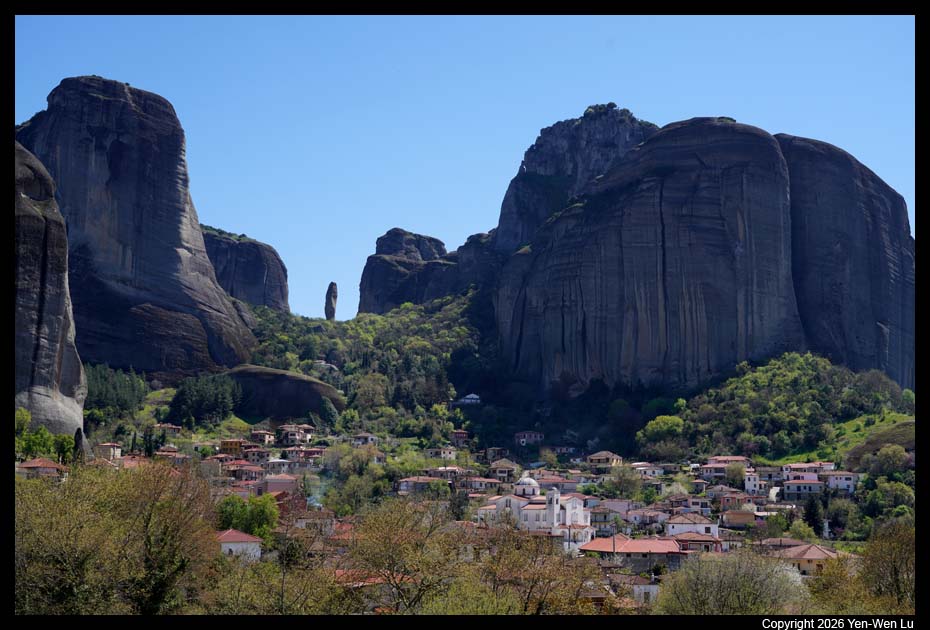
- Meteora
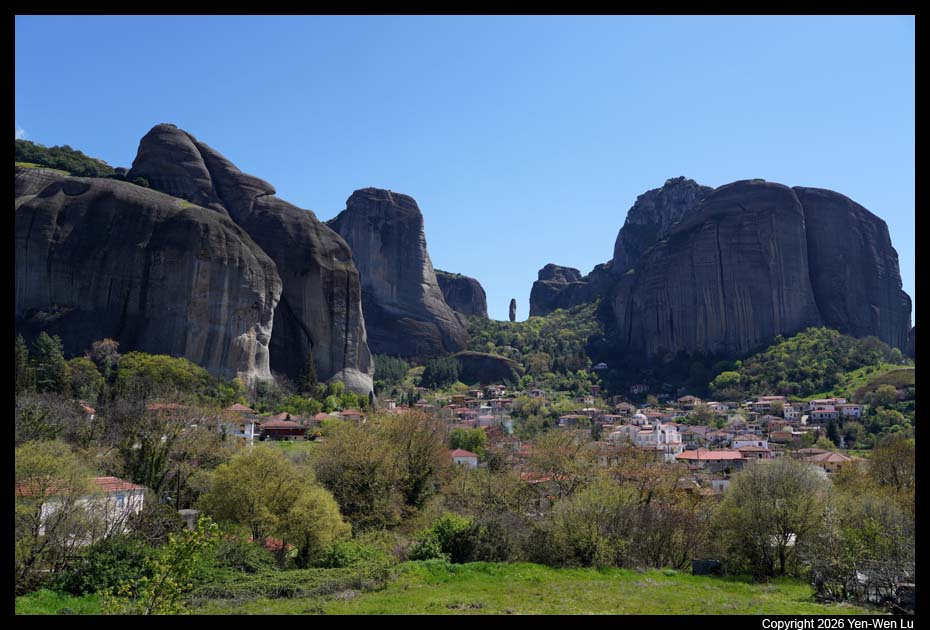
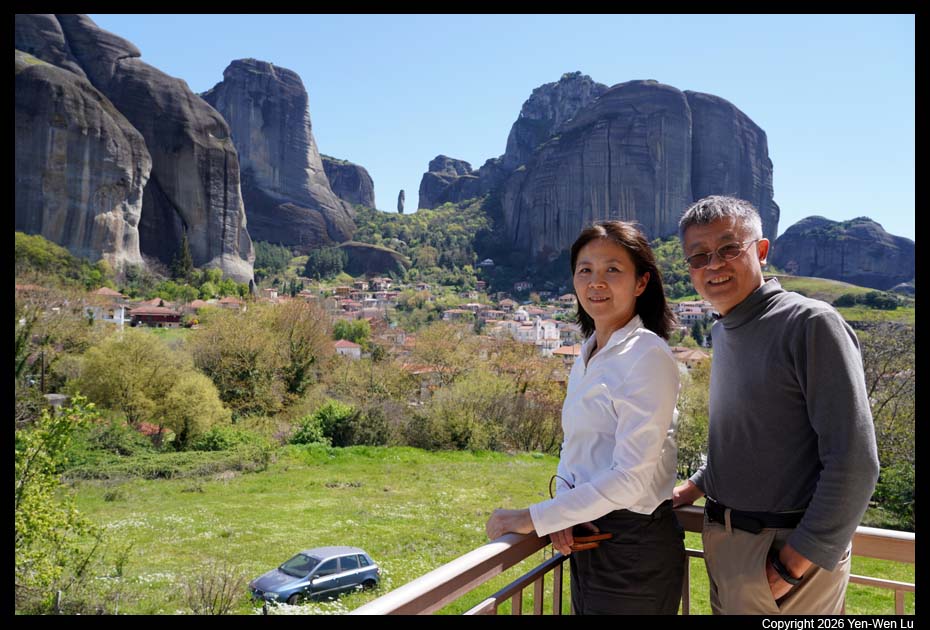
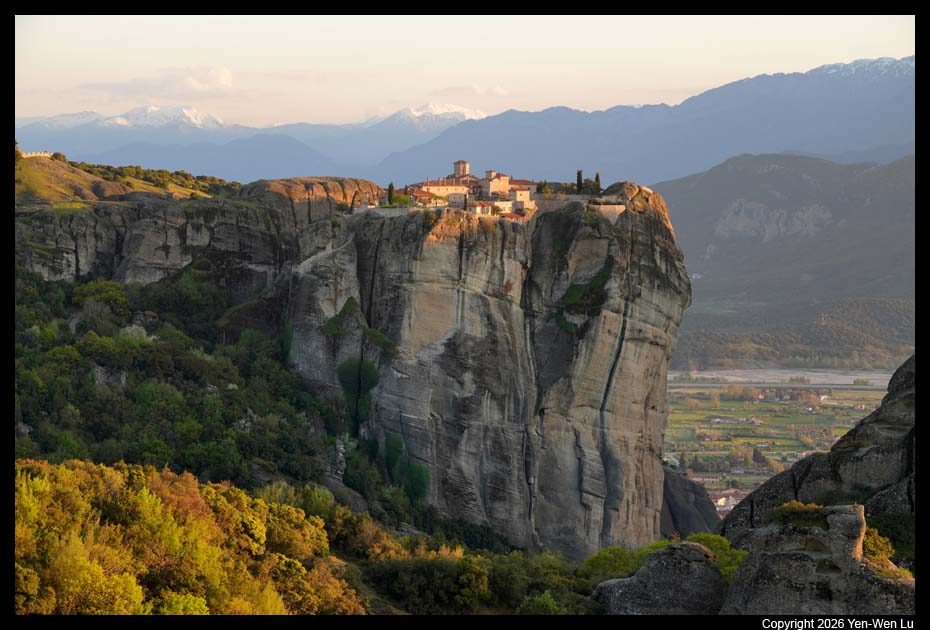
After lunch at a local restaurant in Kastraki, we got an
early check-in (good thing for less busy season) at our hotel
Spartacus House.
It is a small family run hotel (you can see wife/husband and their 2 kids
around), but it has the best view of the stunning
Meteora.
I booked a
sunset
Meteora tour at 3PM. Since we were the closest hotel to Meteora,
therefore we were the last stop for the pick up and we waited until
3:30PM for the tour group to show up. The guide took us around a
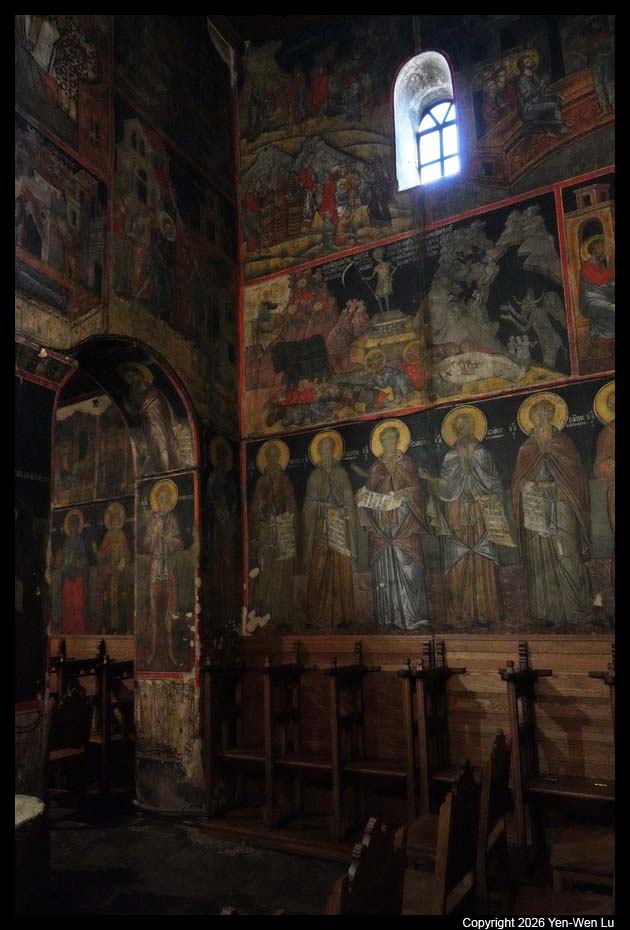
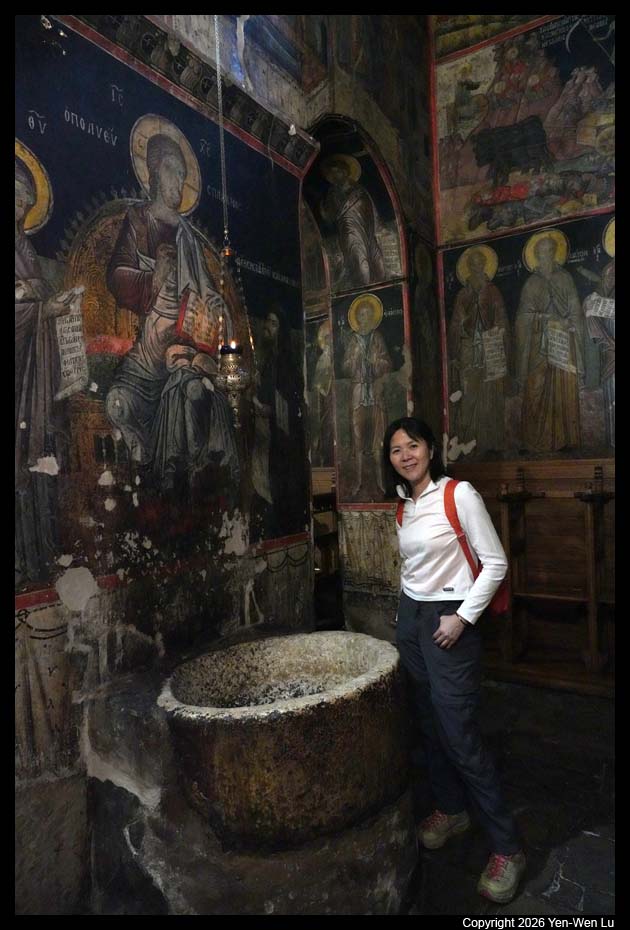
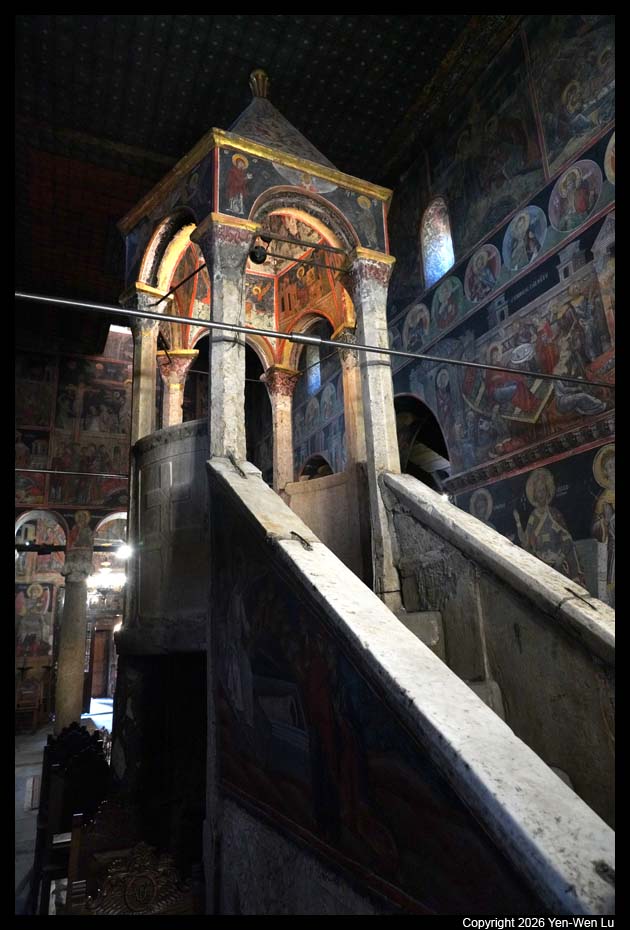
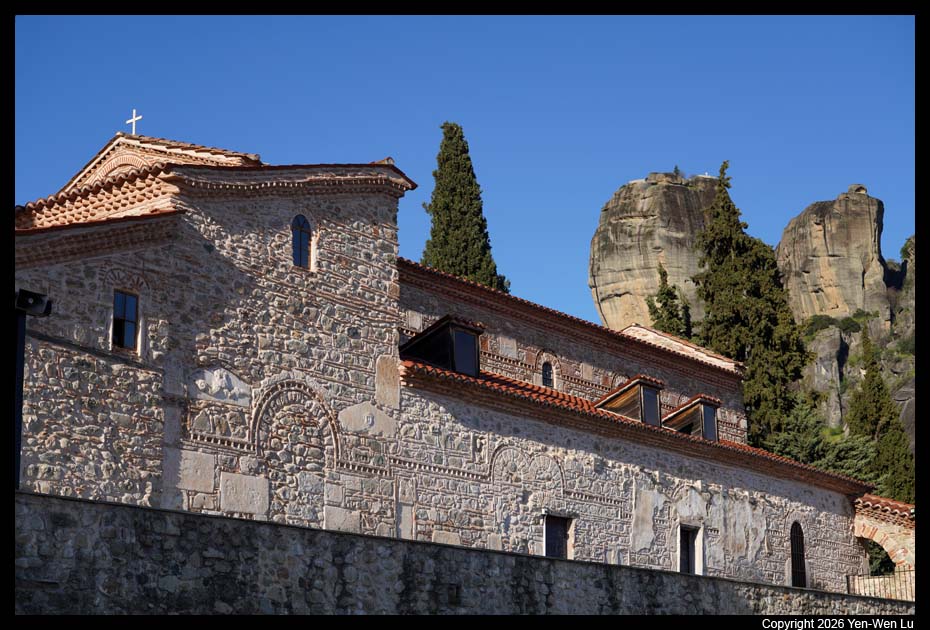
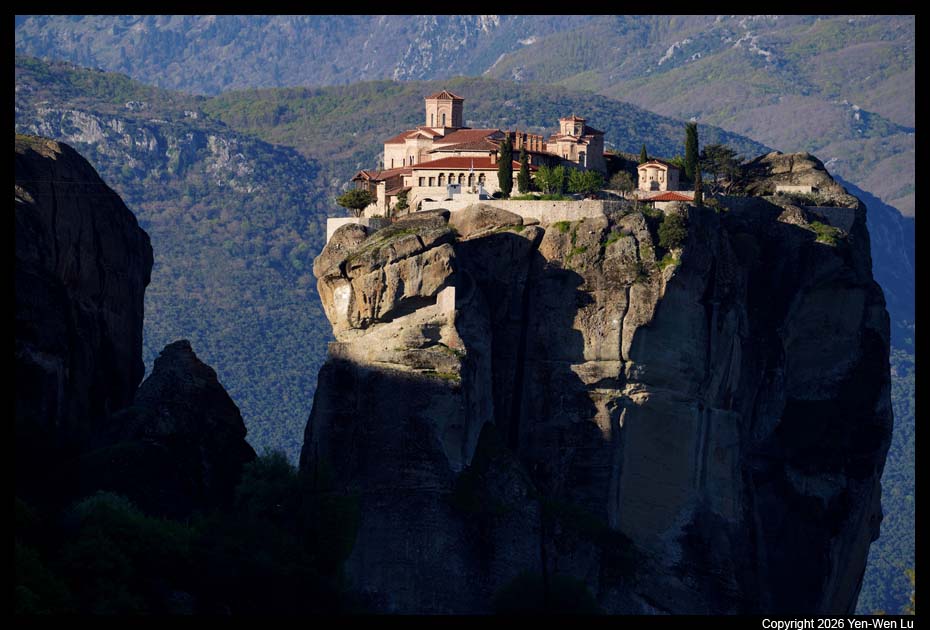
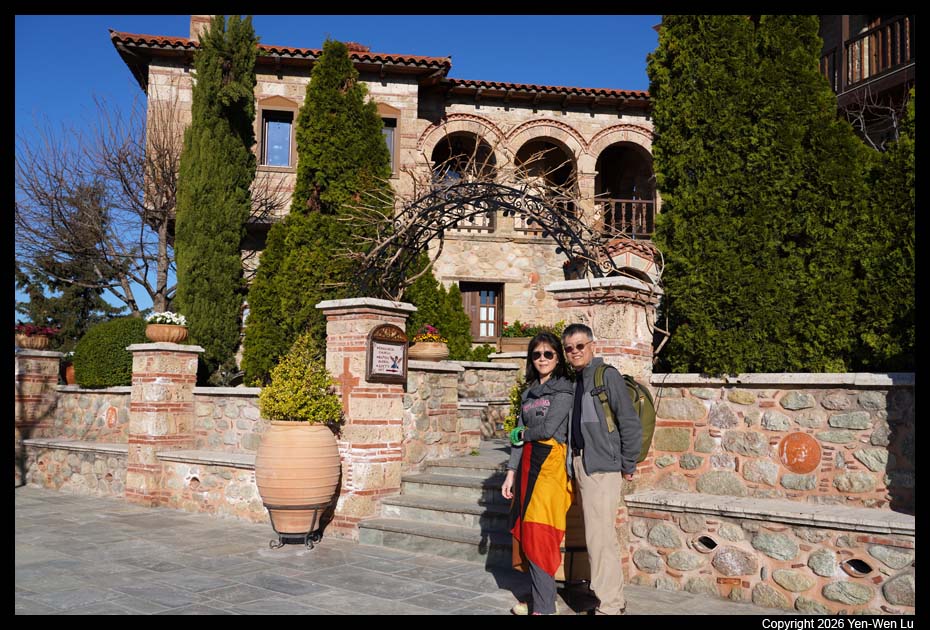
few viewpoints, and we visited the Trinity Monastery, Holy Church of the
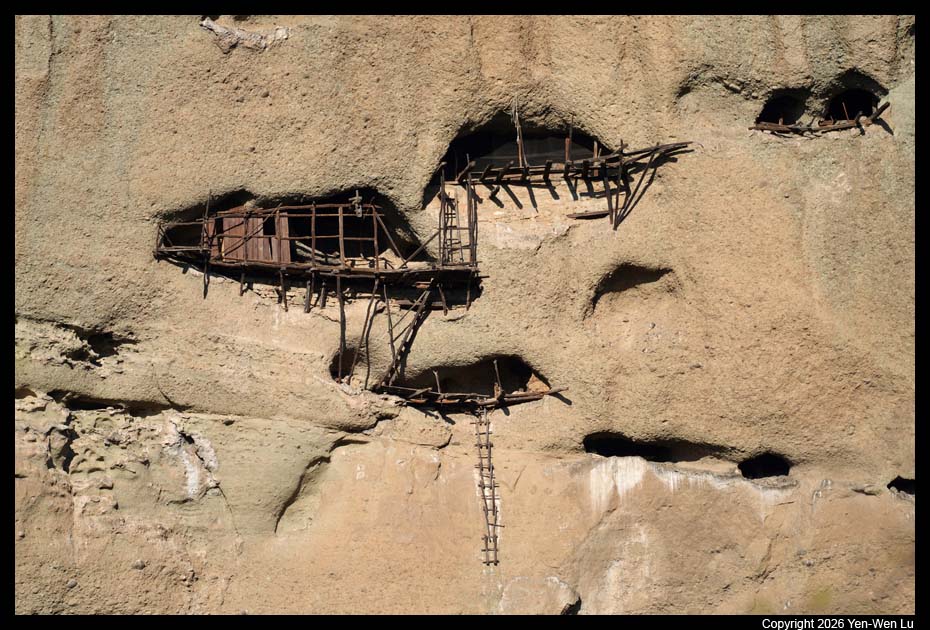
Dormition of the Virgin Mary in Kalabaka, some hidden hermit caves in
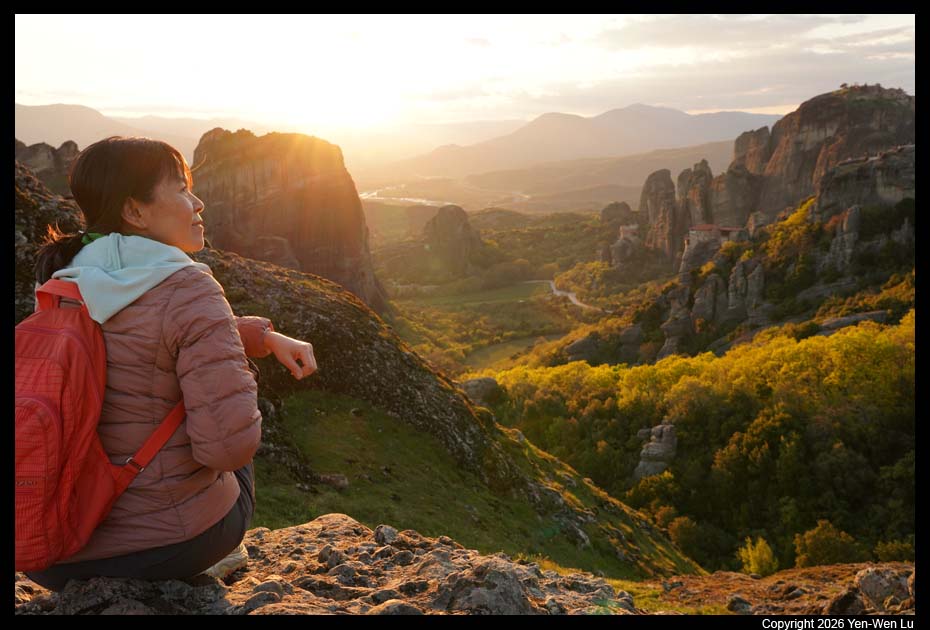
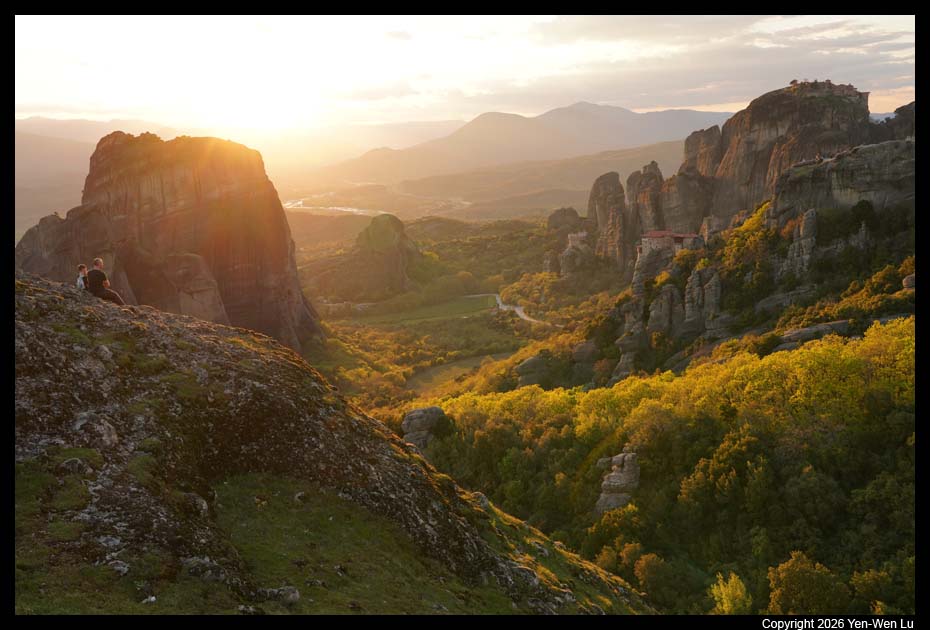
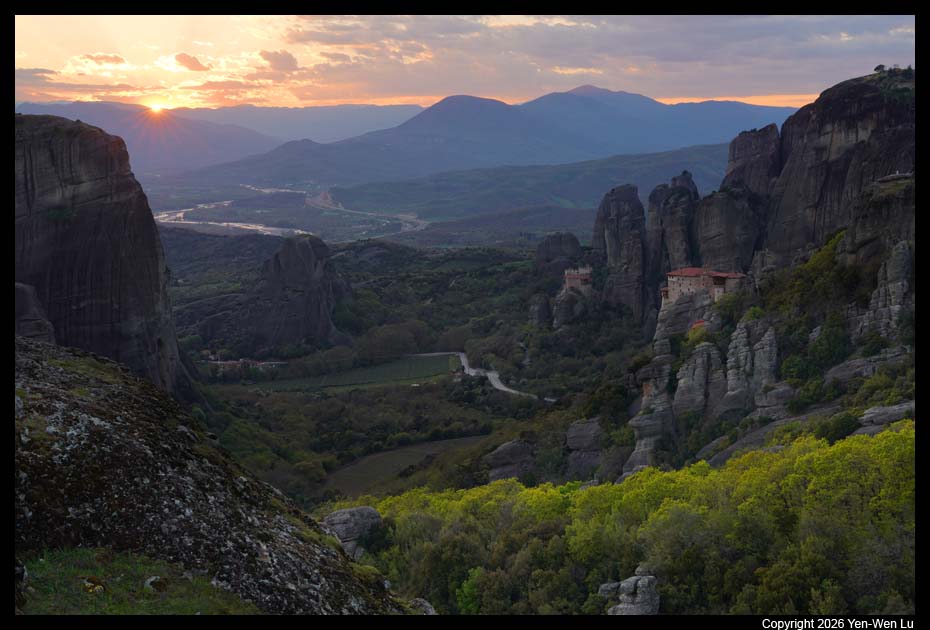
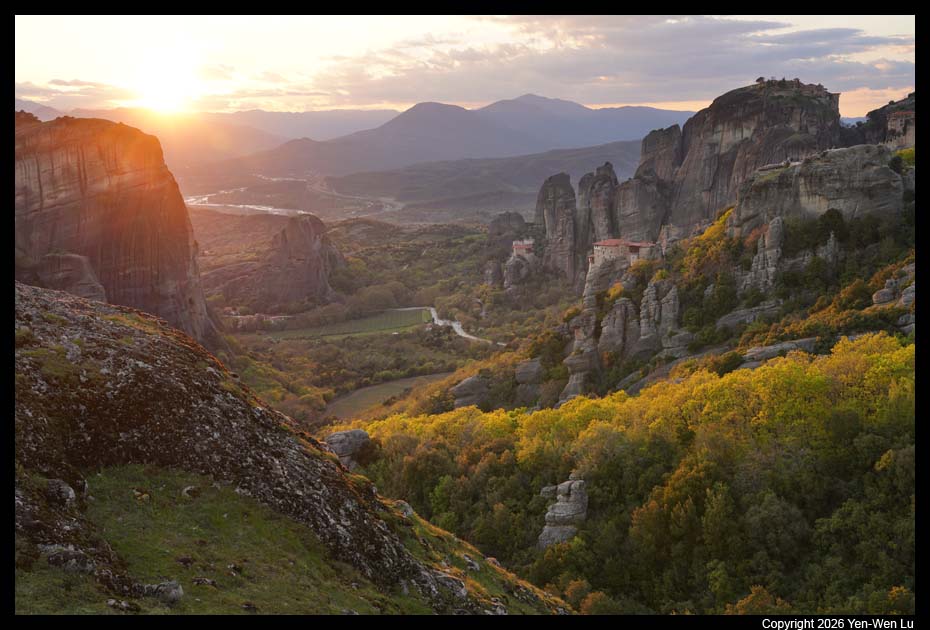
Meteora, and wrapped up with the fantastic
sunset views.
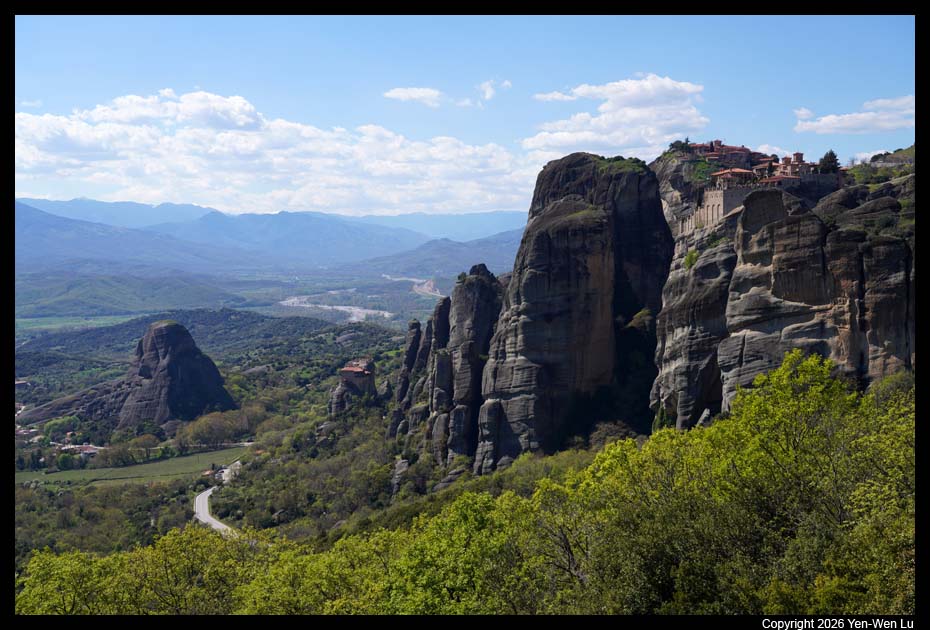
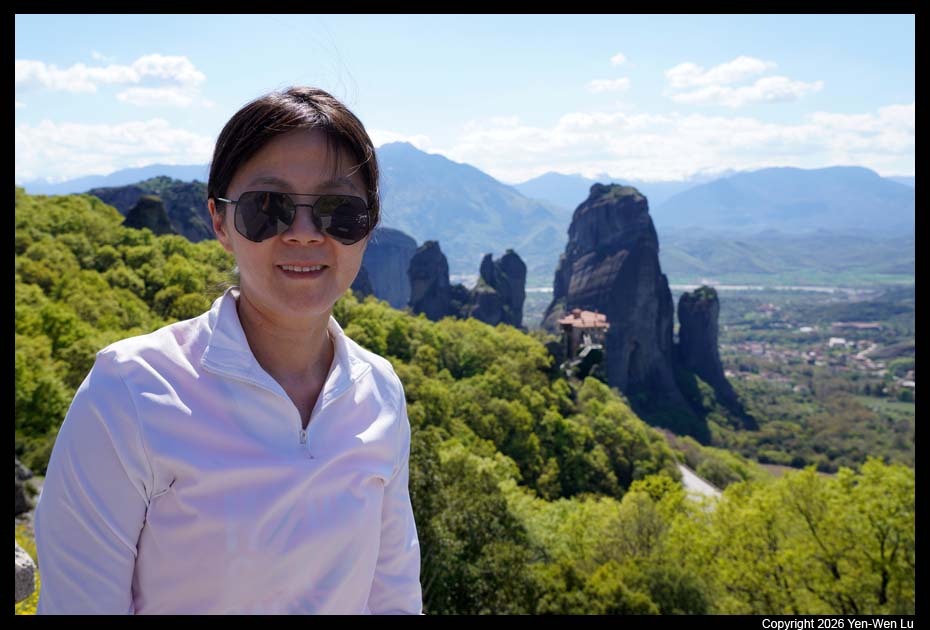
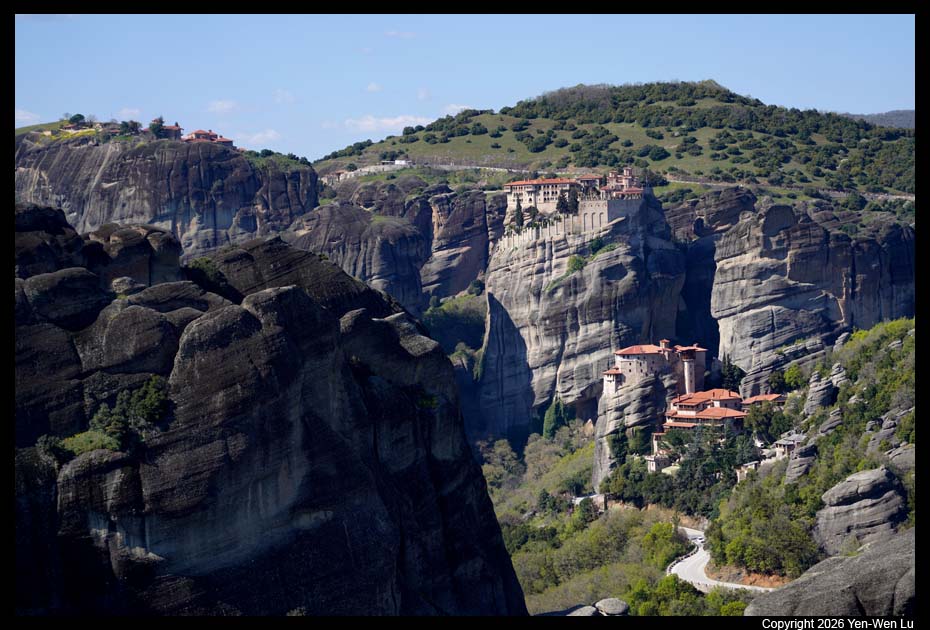
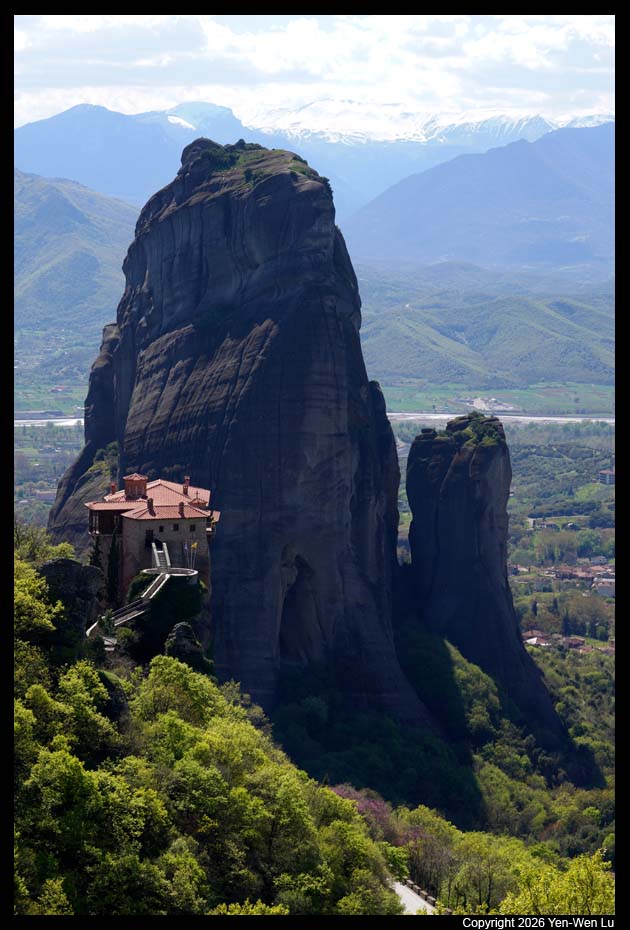
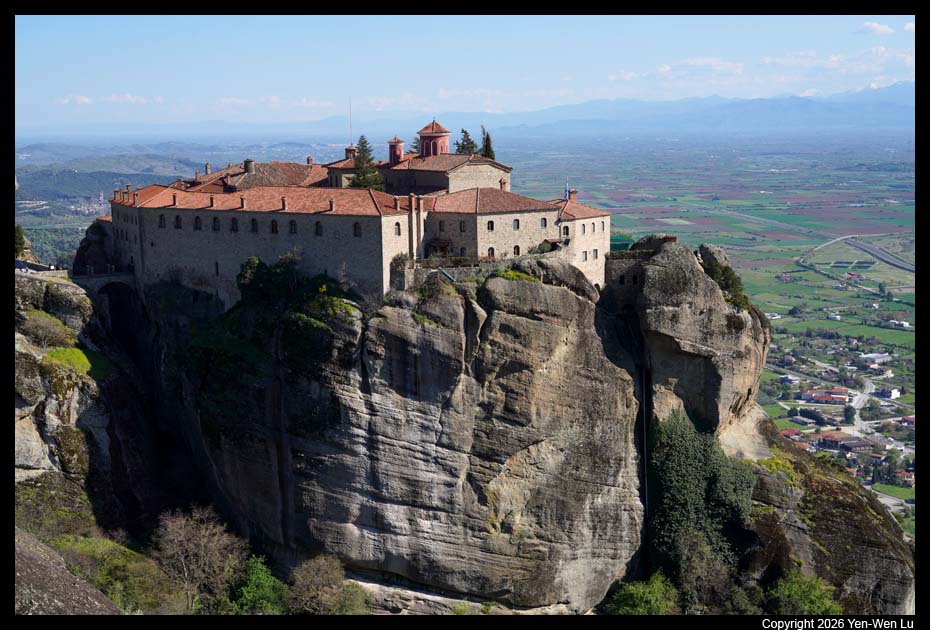
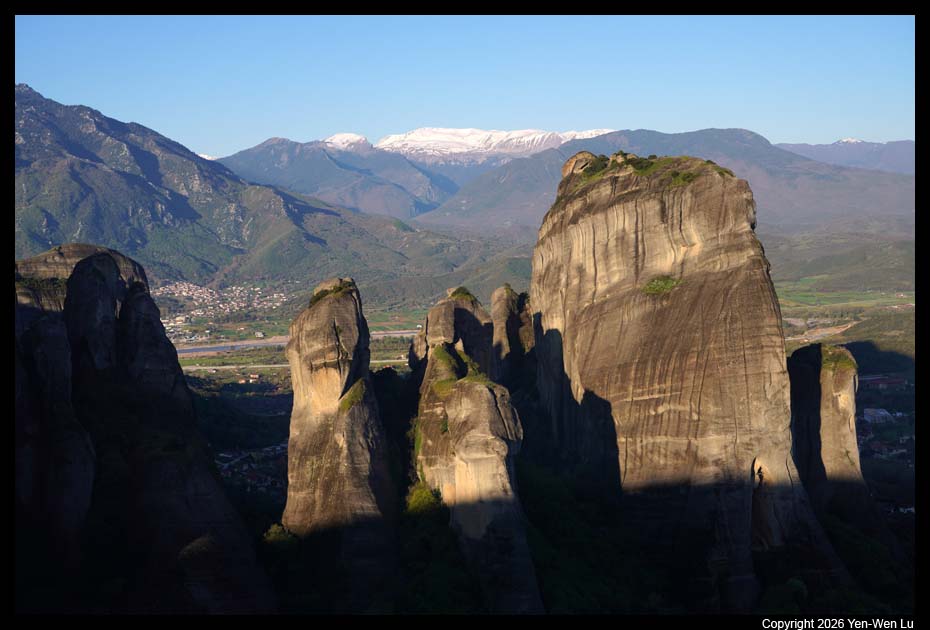
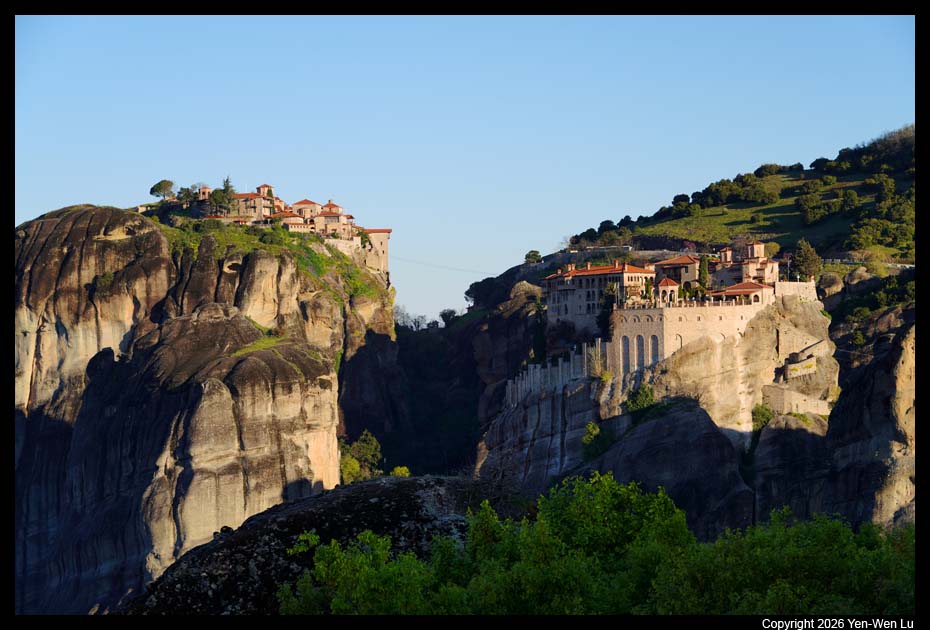
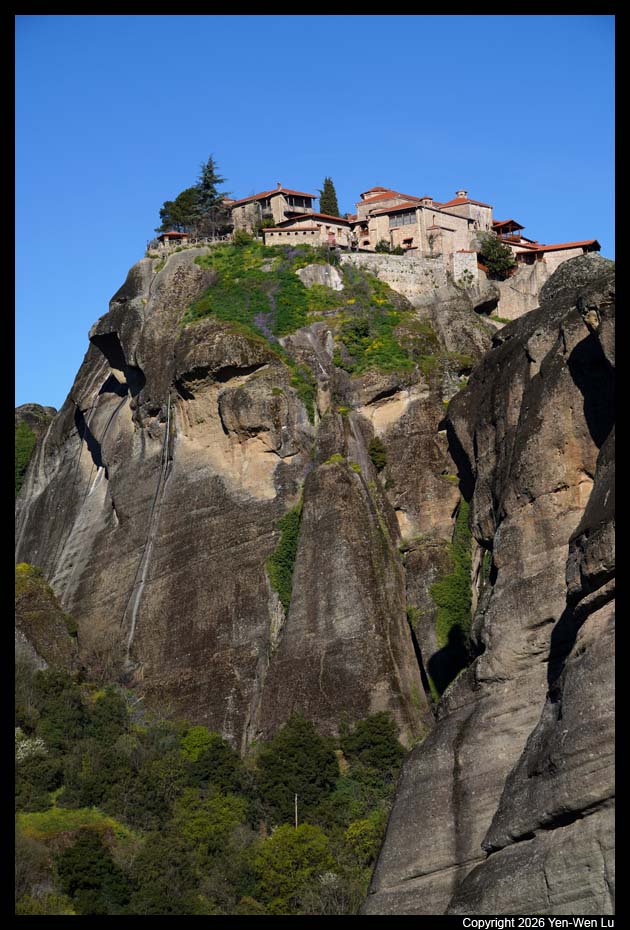
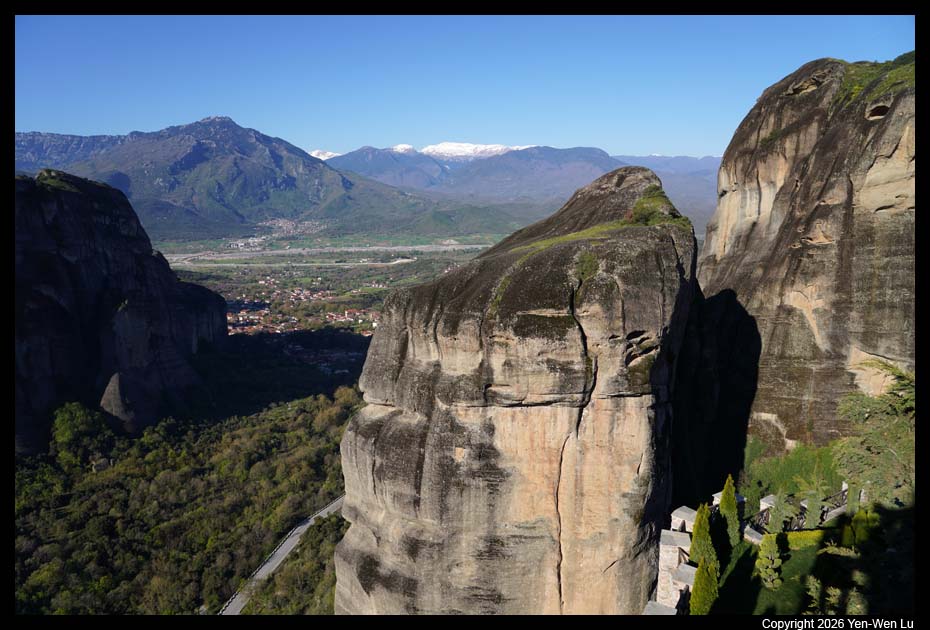
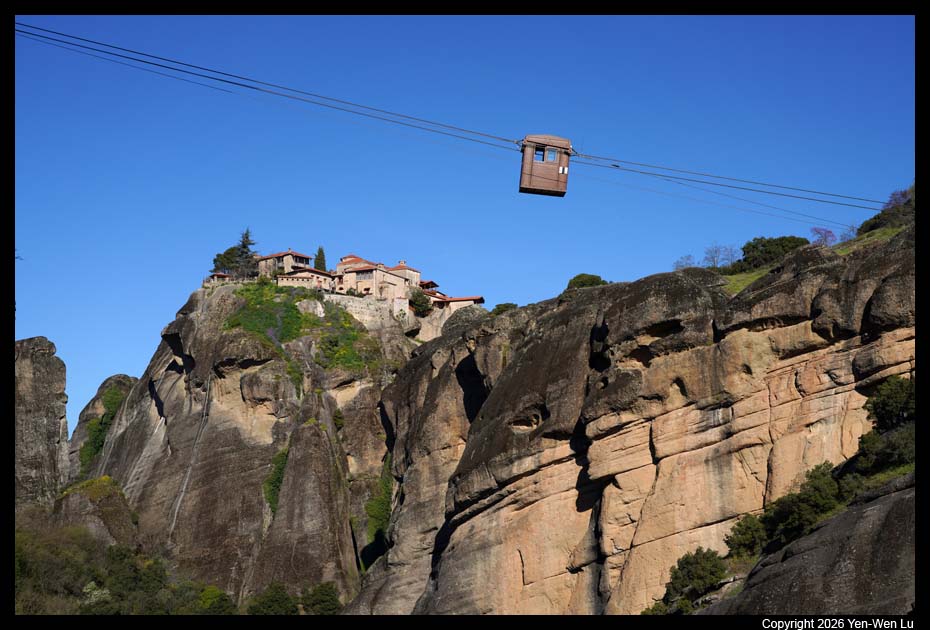
Meteora, meaning
"suspended in the air", is a region of almost inaccessible sandstone peaks
where monks settled on these 'columns of the sky' from the 11th century
onwards. Twenty-four of these monasteries were built at the time of
the great revival of the hermitic ideal in the 15th century. Today six
of these monasteries are open to visitors. Meteora is one of those
places where natural and cultural elements come together in perfect harmony
to create a natural work of art on a monumental, yet human scale.
Day 4 (4/7) ...
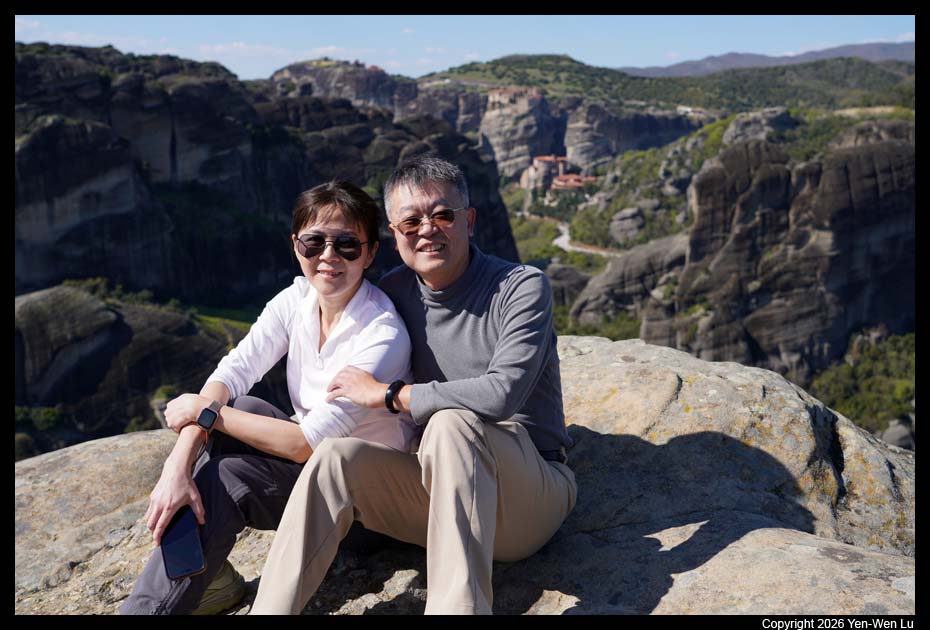
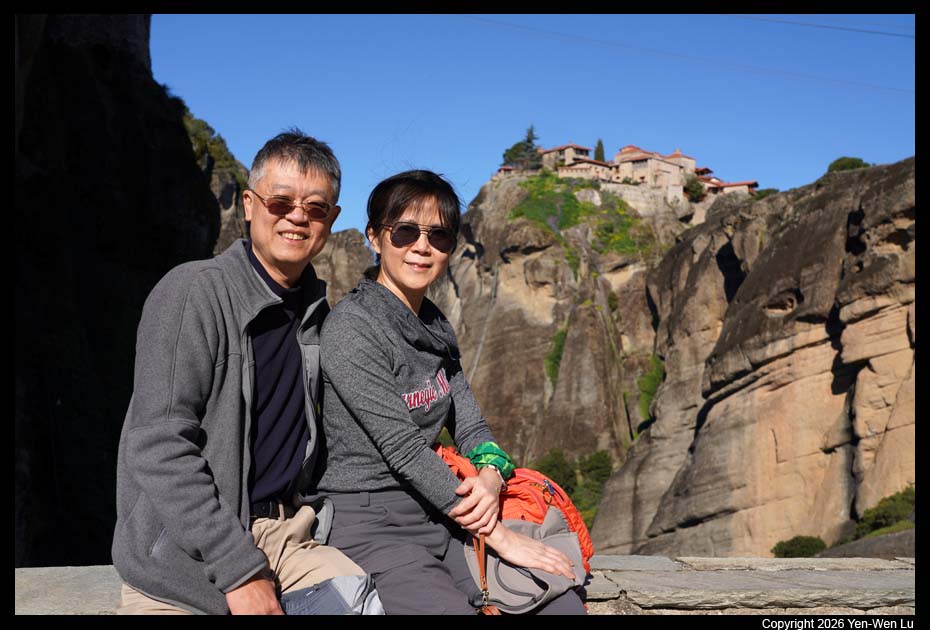
- Meteora
We got up early to drive around Meteora (no parking problem
at the early morning) to enjoy more of these stunning stone pillars and
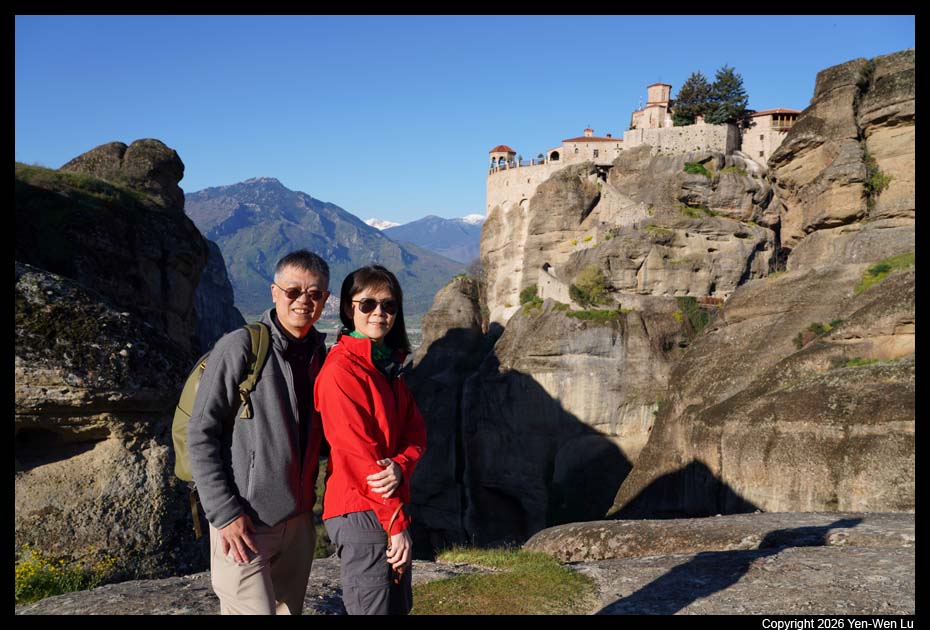
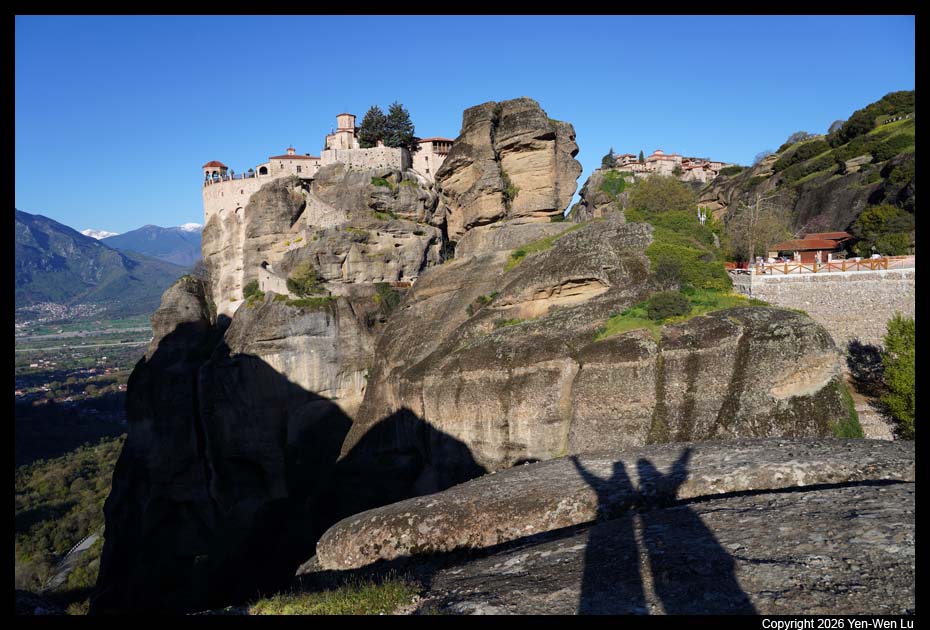
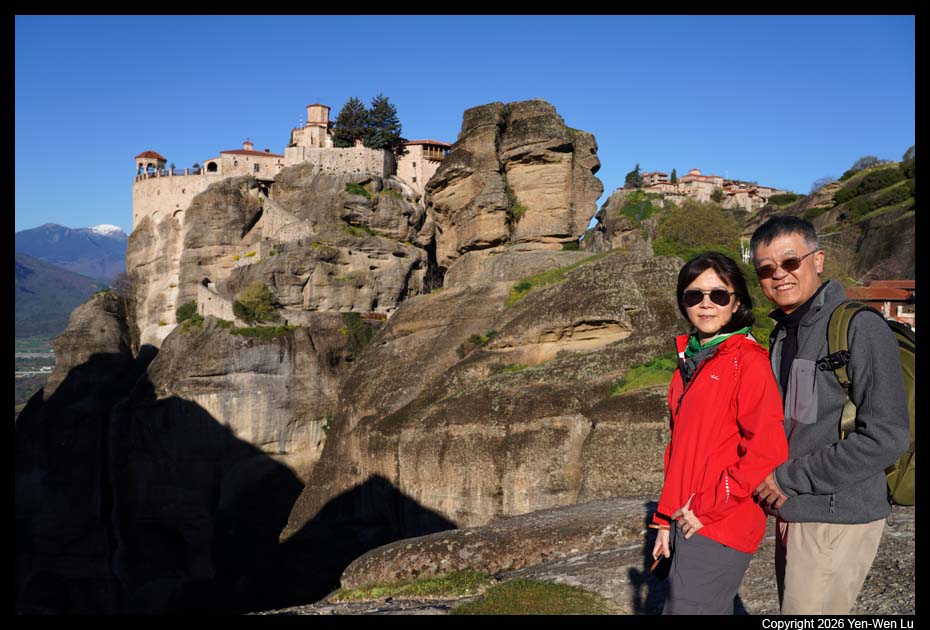
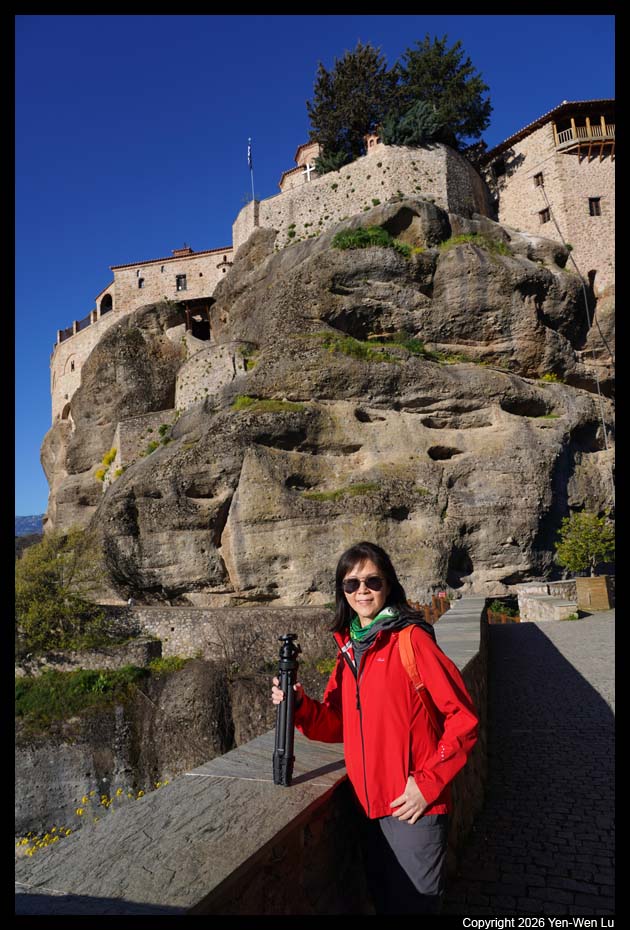
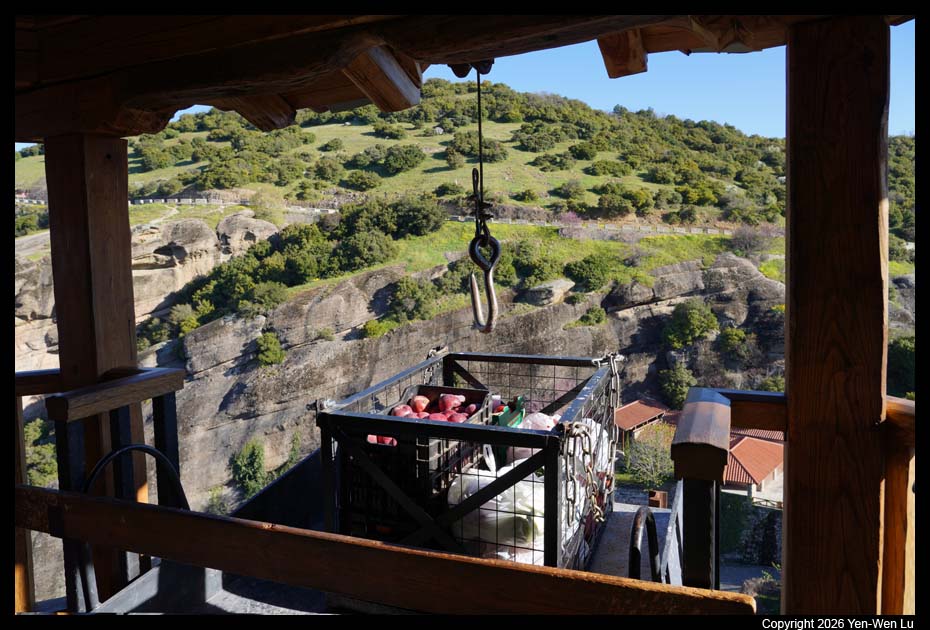
monasteries. We visited the Monastery of Varlaam when it opened at 9AM
before the tour buses came.
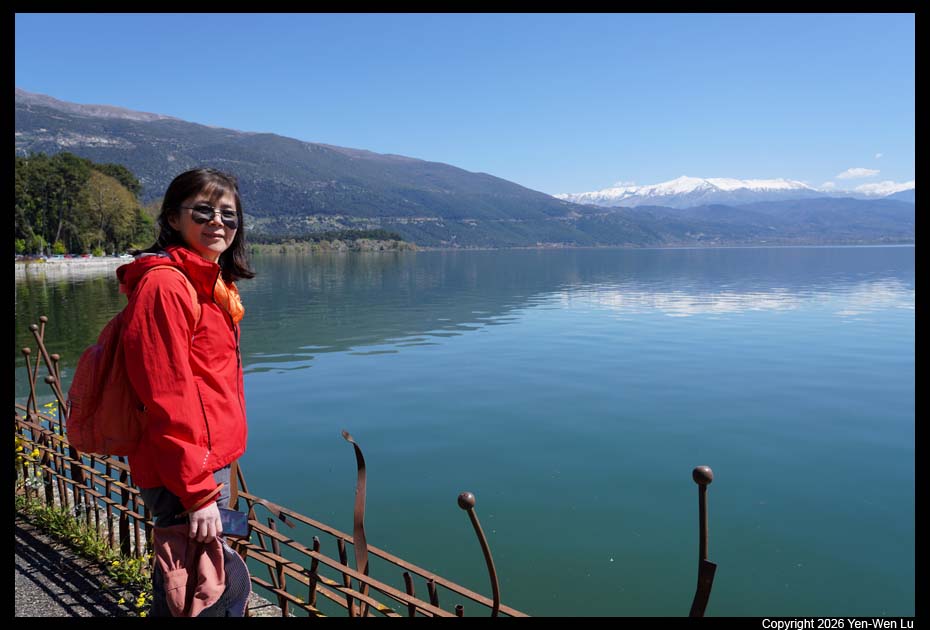
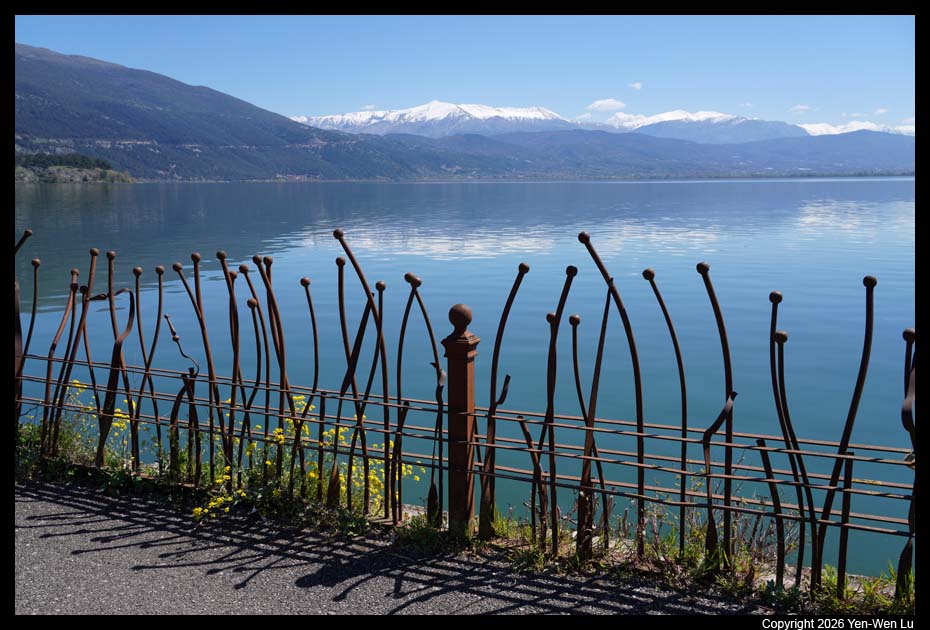
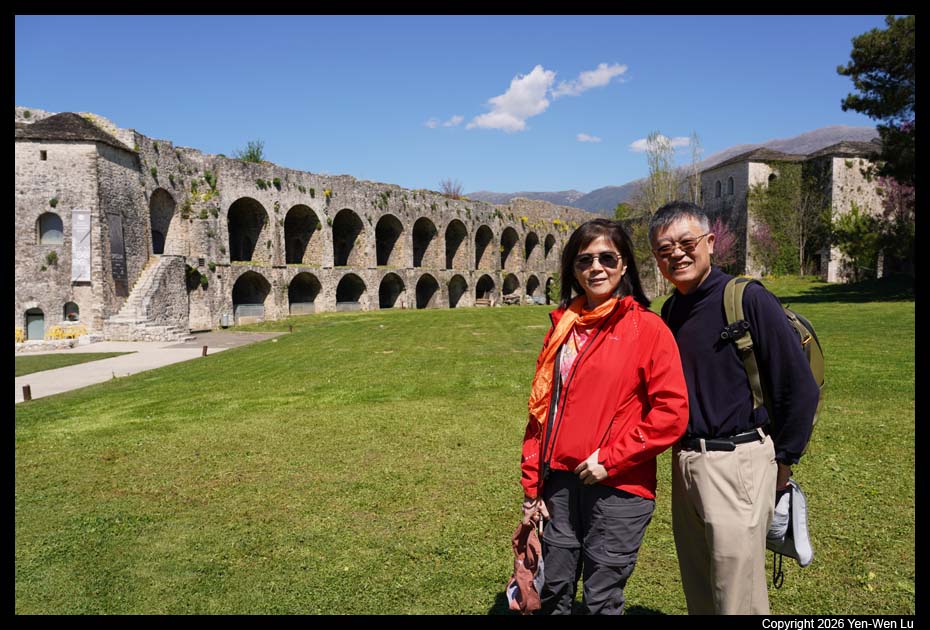
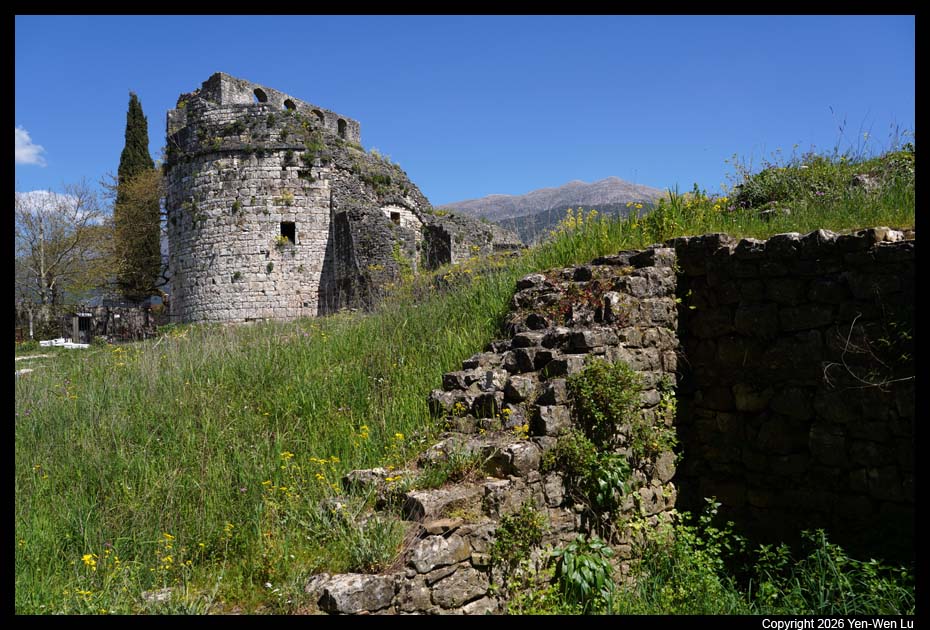
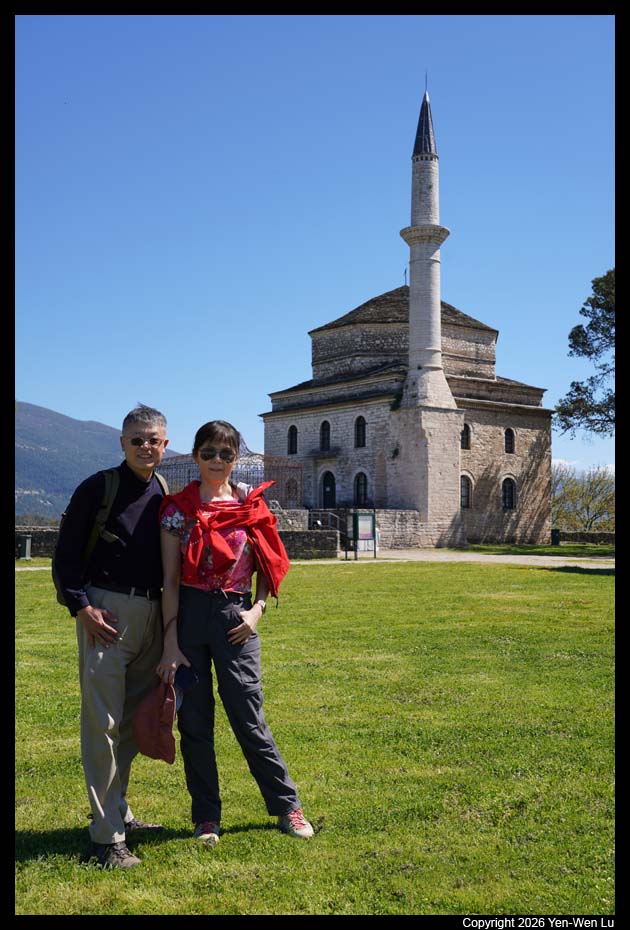
- Ioannina Castle
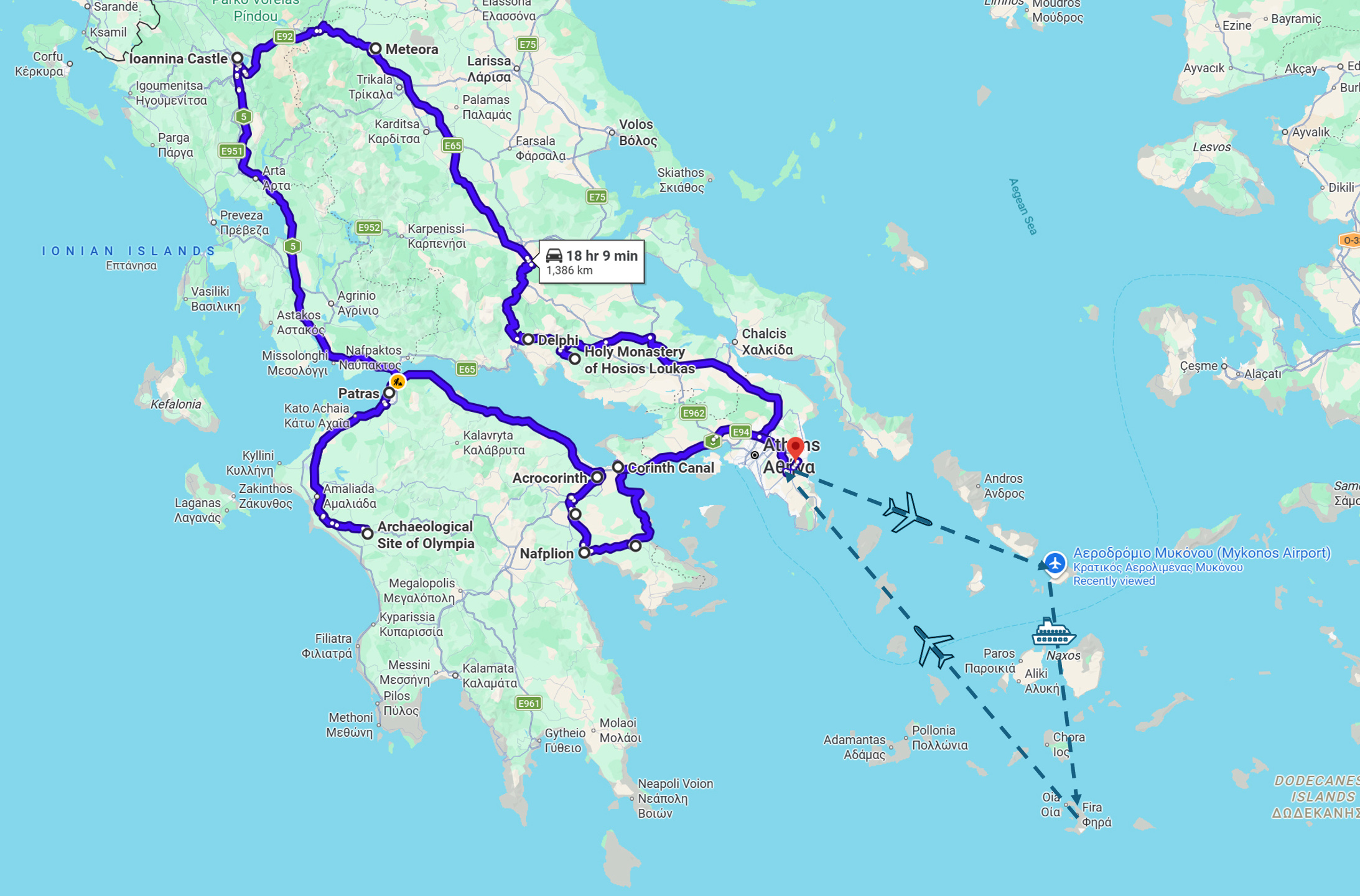
Today we moved from Meteora to the Peloponnese
peninsula in southern Greece, and stopped by Ioannina for a lunch break.
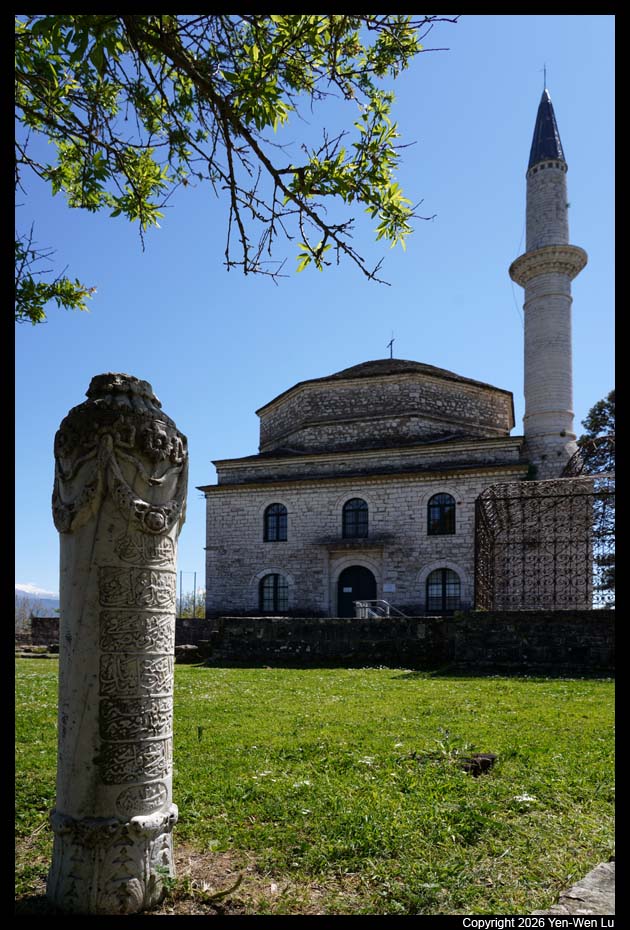
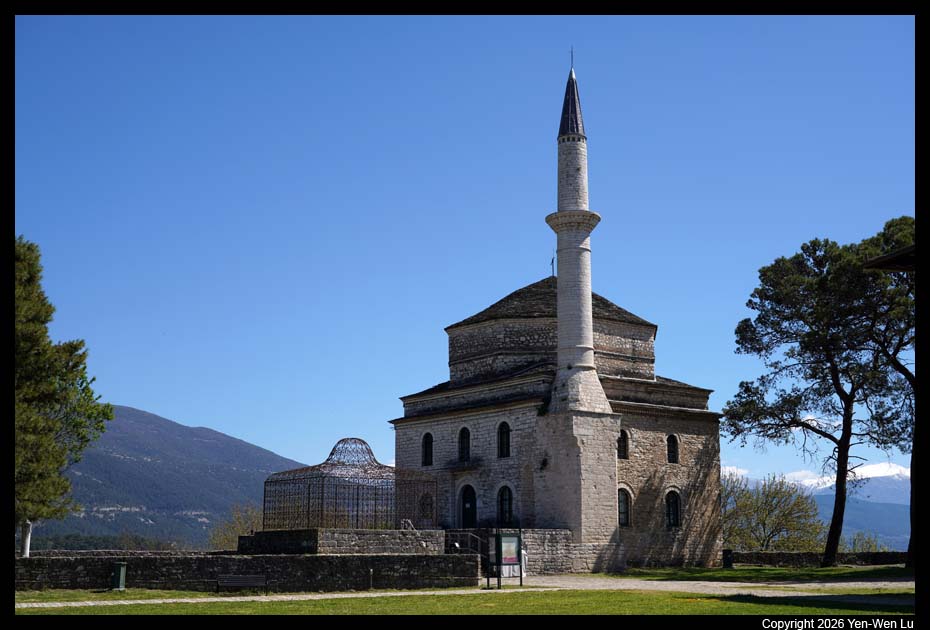
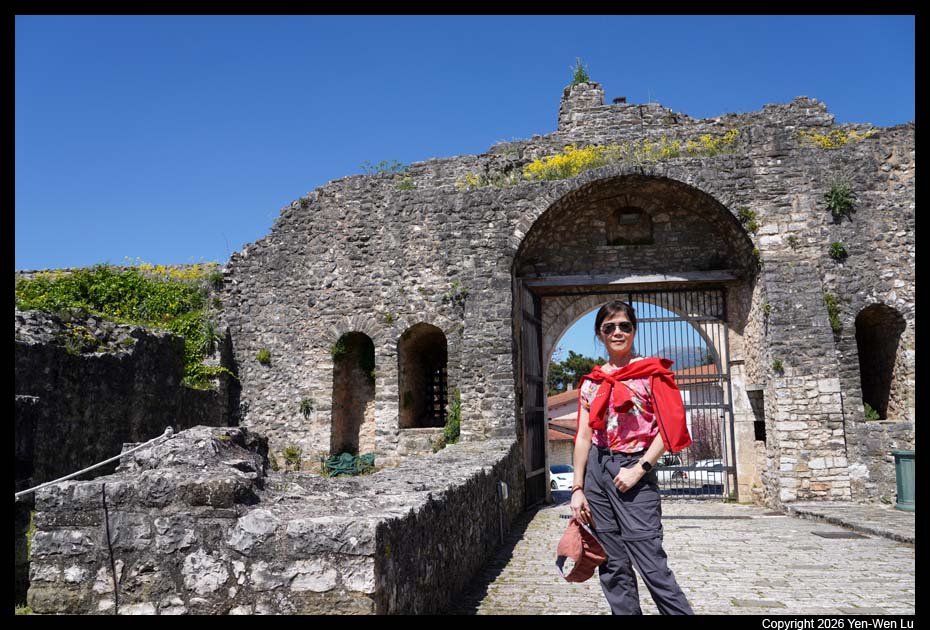
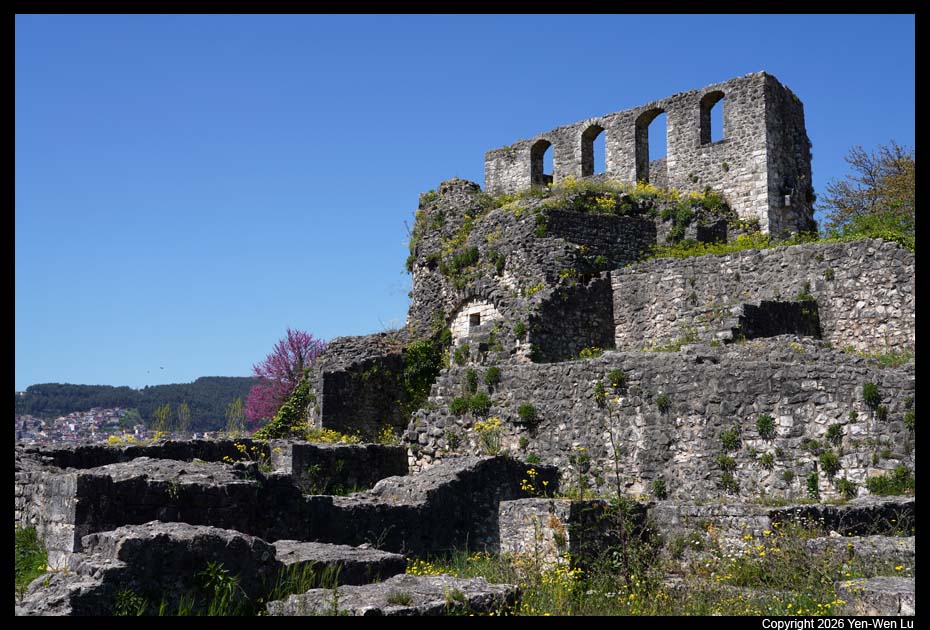
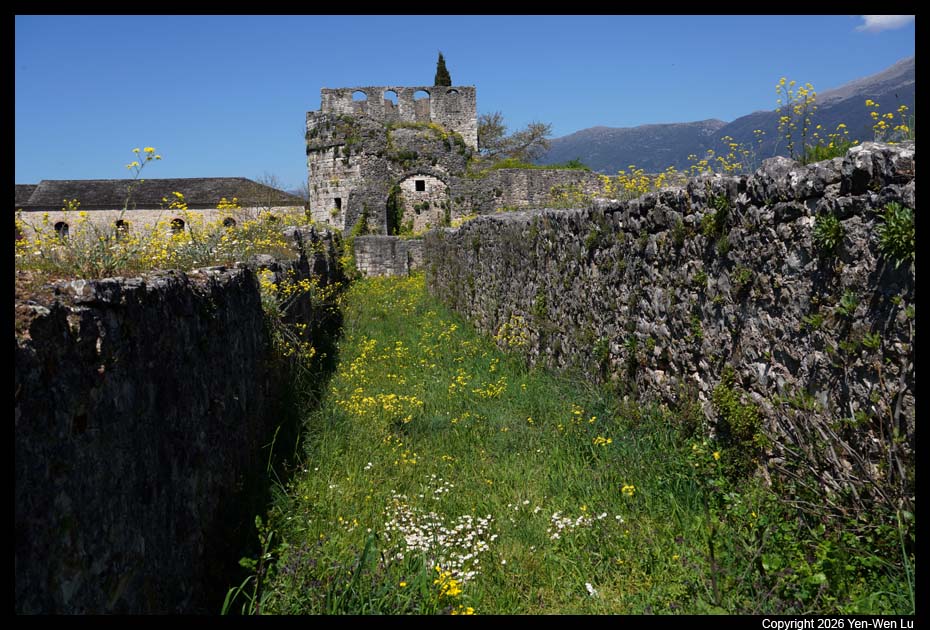
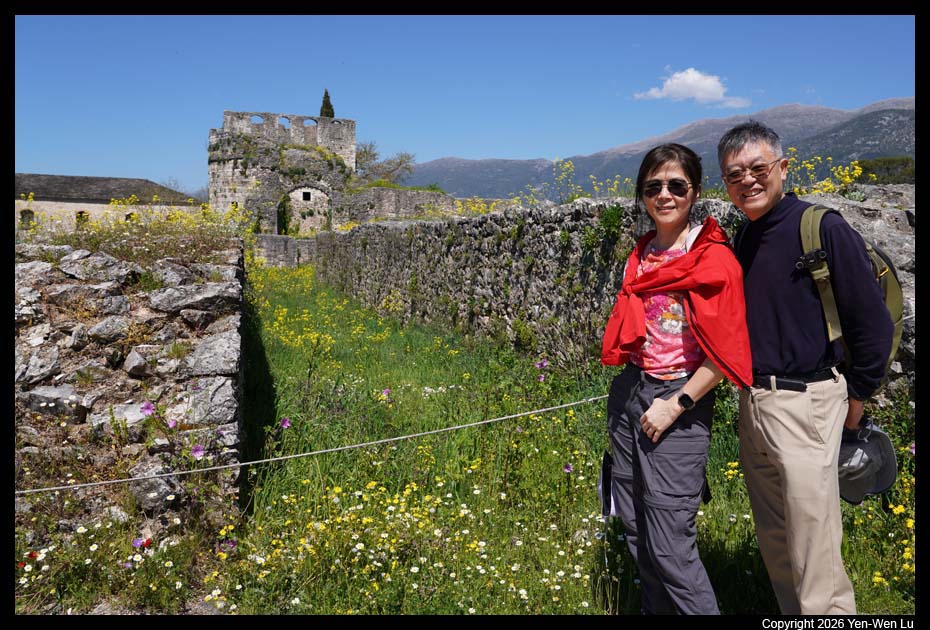
The Ioannina Castle is the fortified old town of the city of Ioannina. The
present fortification dates largely to the reconstruction under Ali Pasha in
the late Ottoman period, but incorporates also pre-existing Byzantine
elements. Traditionally, the foundation and first fortification of the
city have been placed in the 6th century. Early 21st-century
excavations furthermore have brought to light fortifications dating to the
Hellenistic period (4th–3rd centuries BC).
- Patras
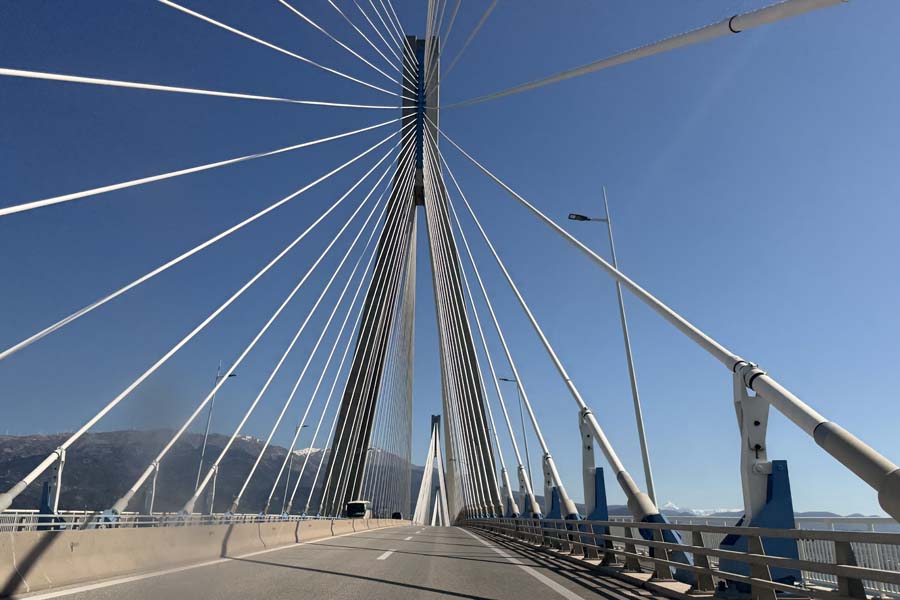
After passing the beautiful
Rio–Antirrio Bridge, we
entered the city of Patras, where we will stay for 2 nights to explore the
Peloponnese peninsula. Patras, in the northern Peloponnese, is Greece's
third-largest city and the regional capital and largest city of Western
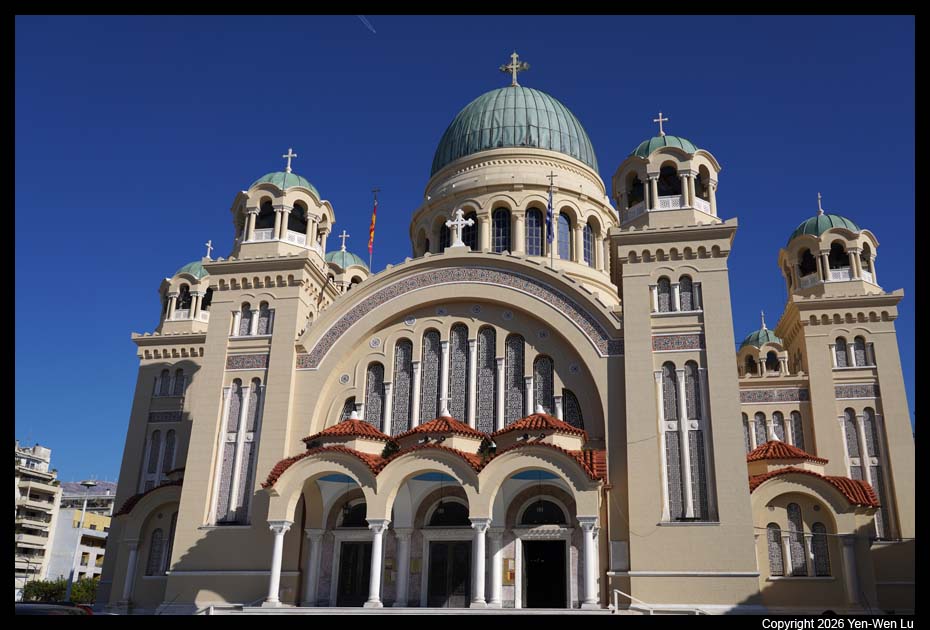
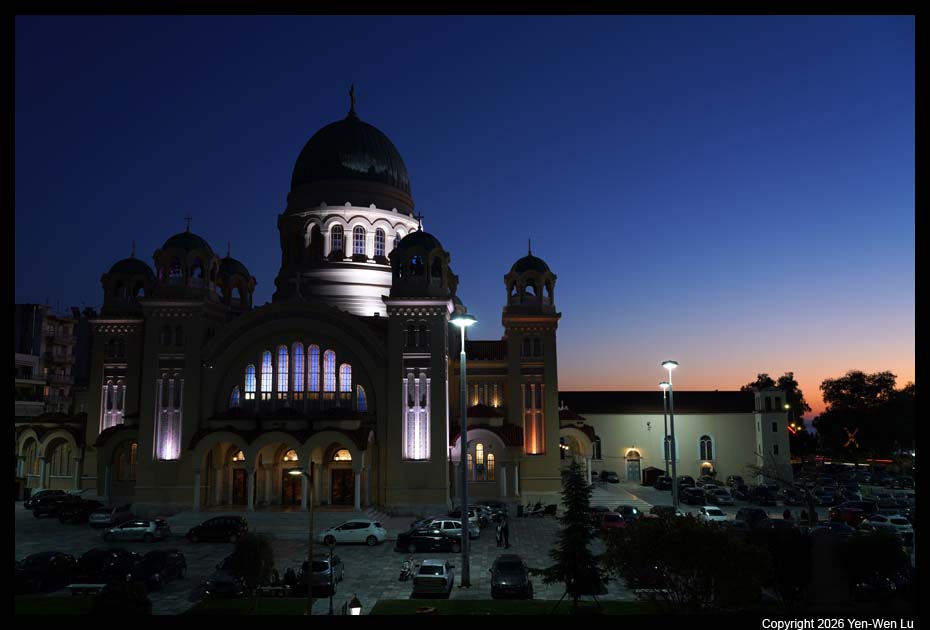
Greece. Our
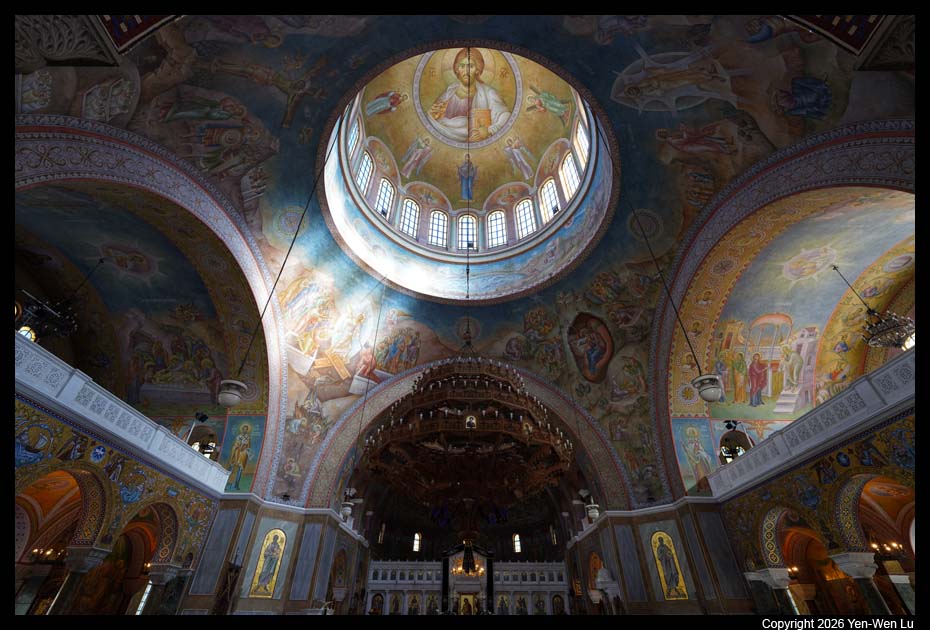
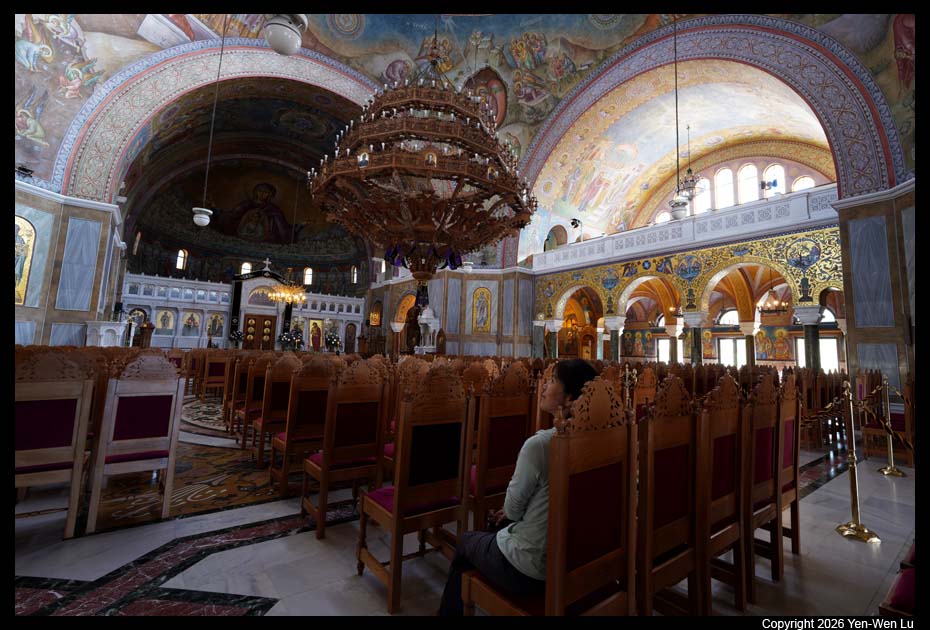
apartment was right next to the Cathedral Church of Saint Andrew, a Greek
Orthodox basilica. Construction of the Greek Byzantine-style church
began in 1908. It was inaugurated 66 years later, in 1974. It is
considered the largest Orthodox church in Greece and the third largest
Byzantine-style church in the Balkans (after the Cathedral of Saint Sava in
Belgrade, Serbia and Alexander Nevsky Cathedral in Sofia, Bulgaria).
Day 5 (4/8) ...
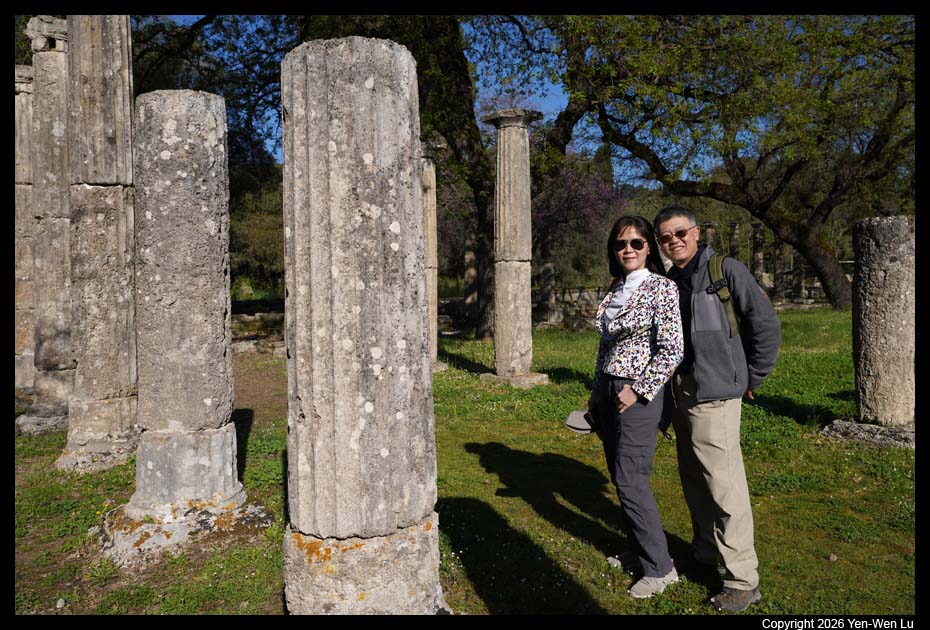
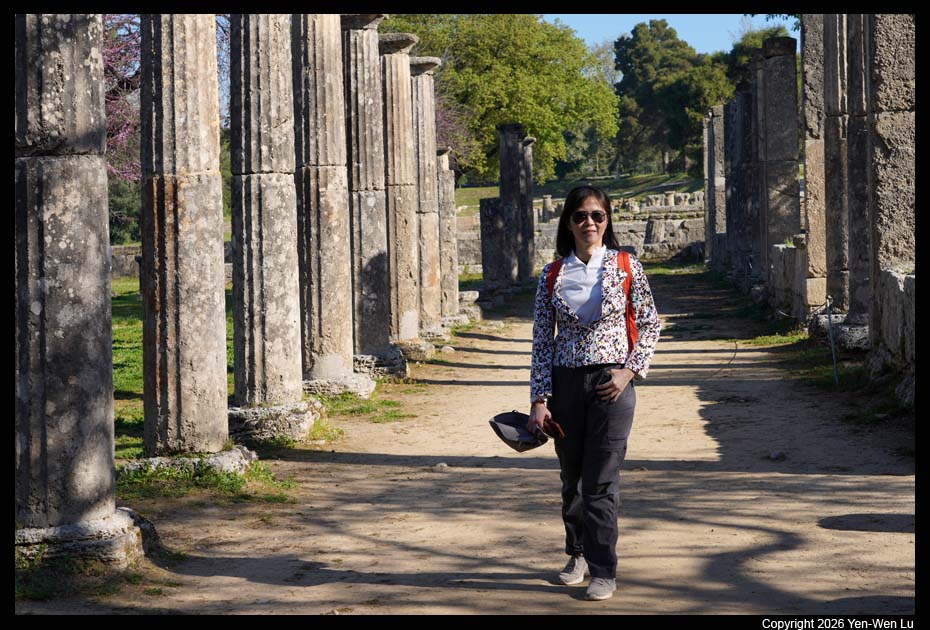
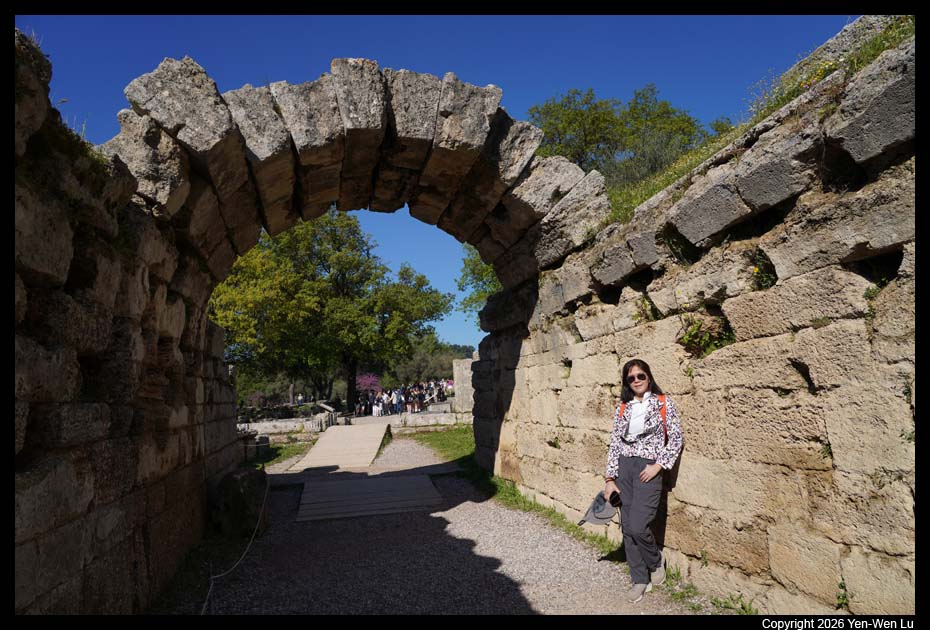
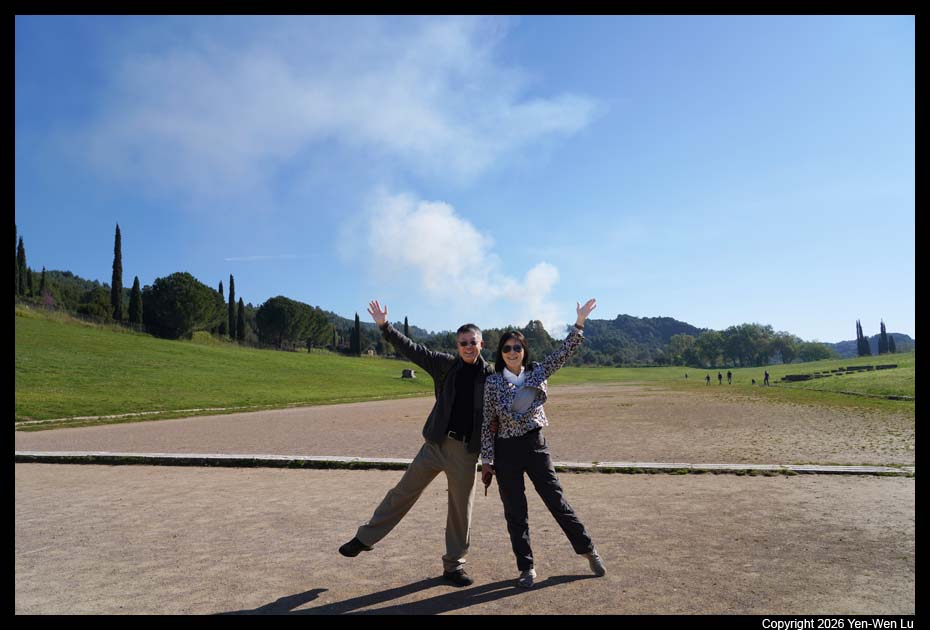
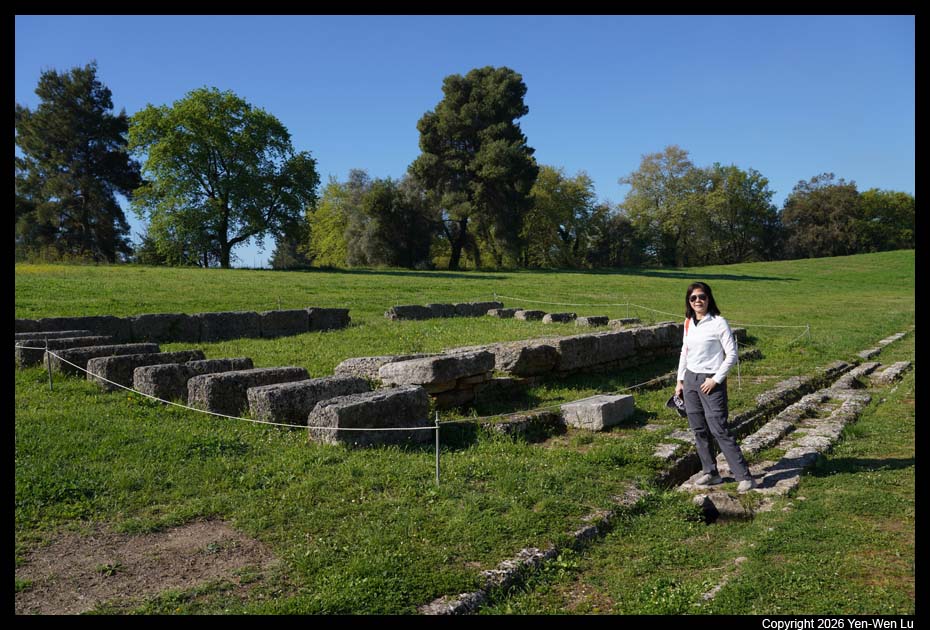
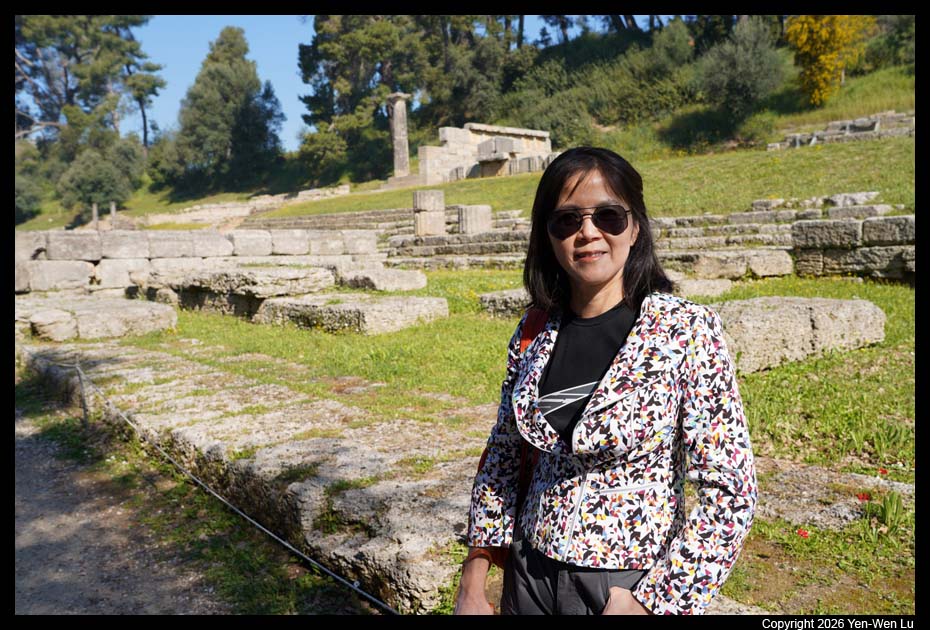
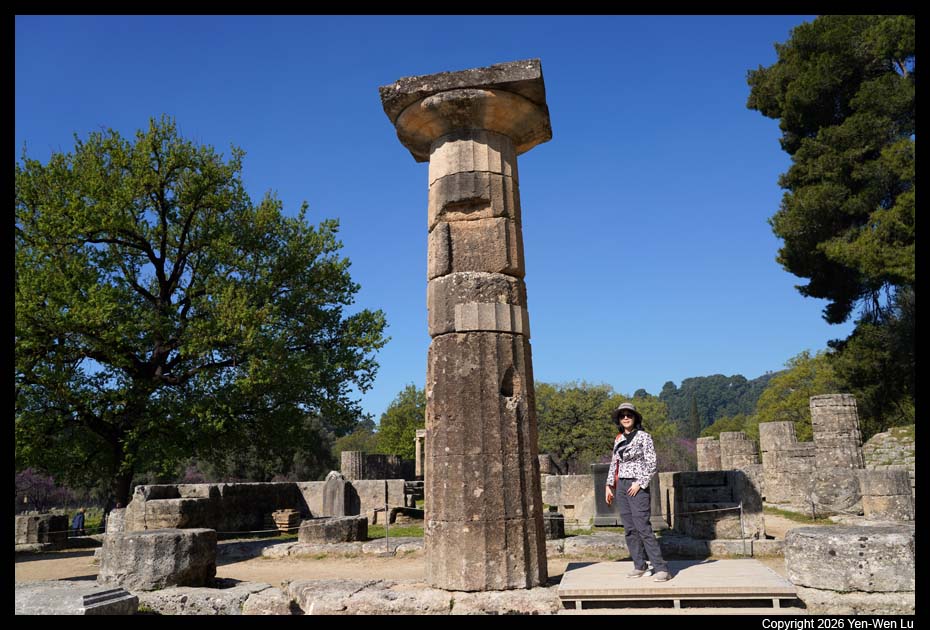
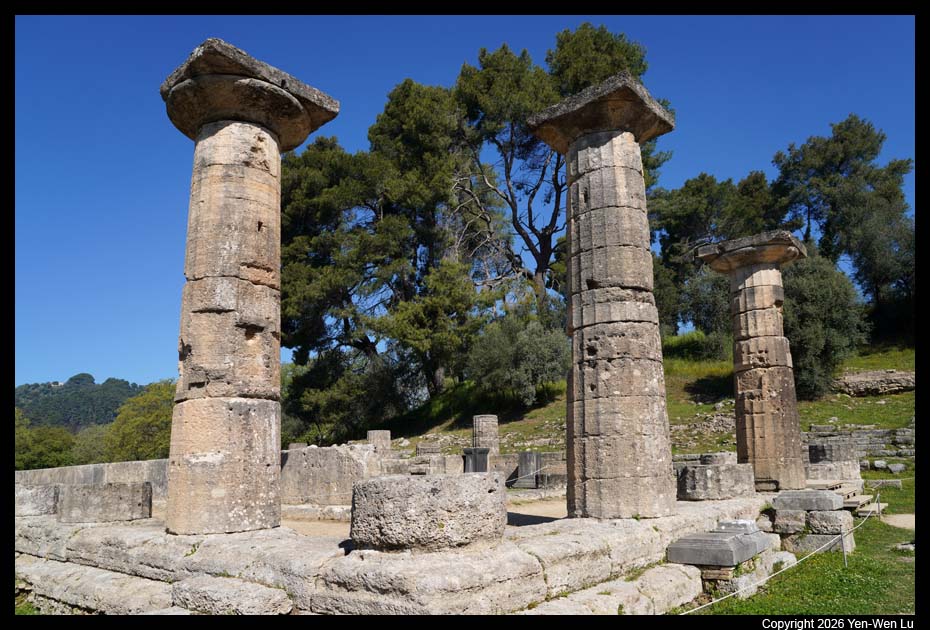
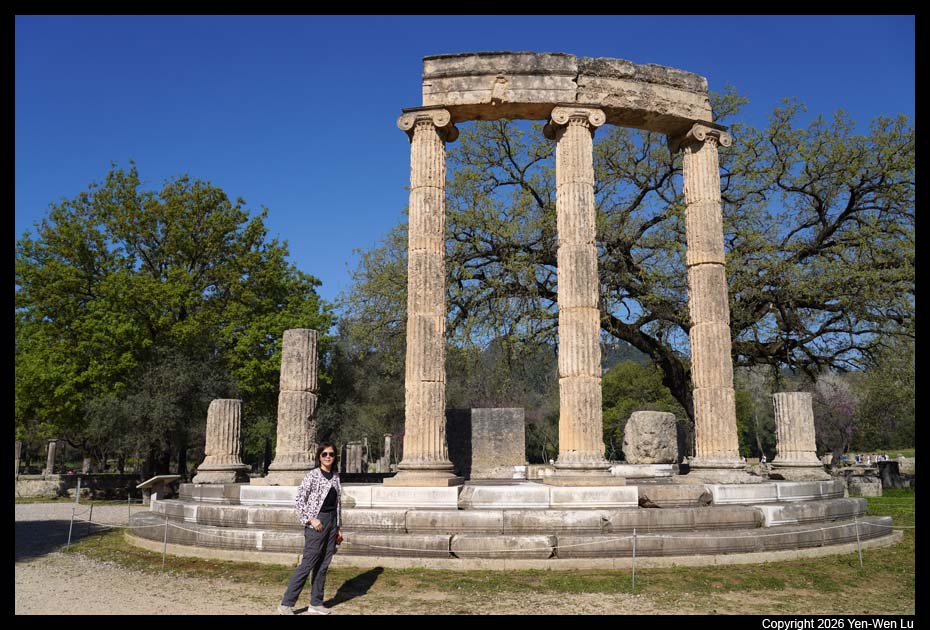
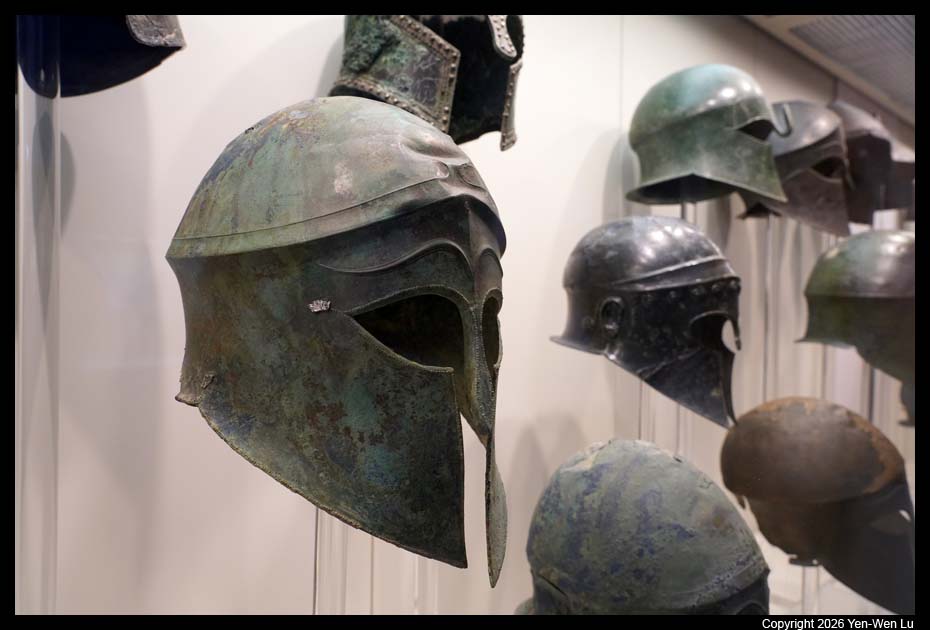
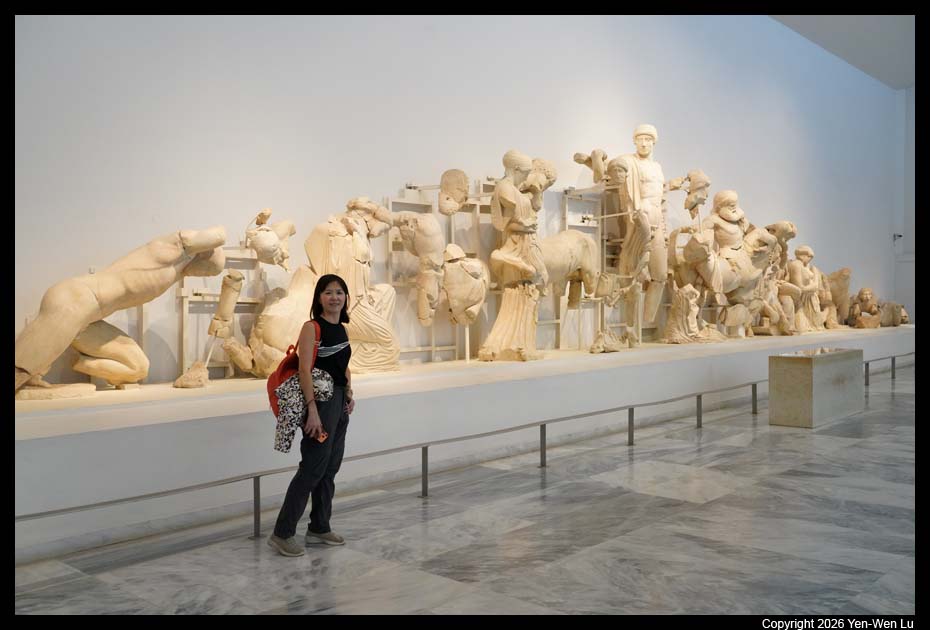
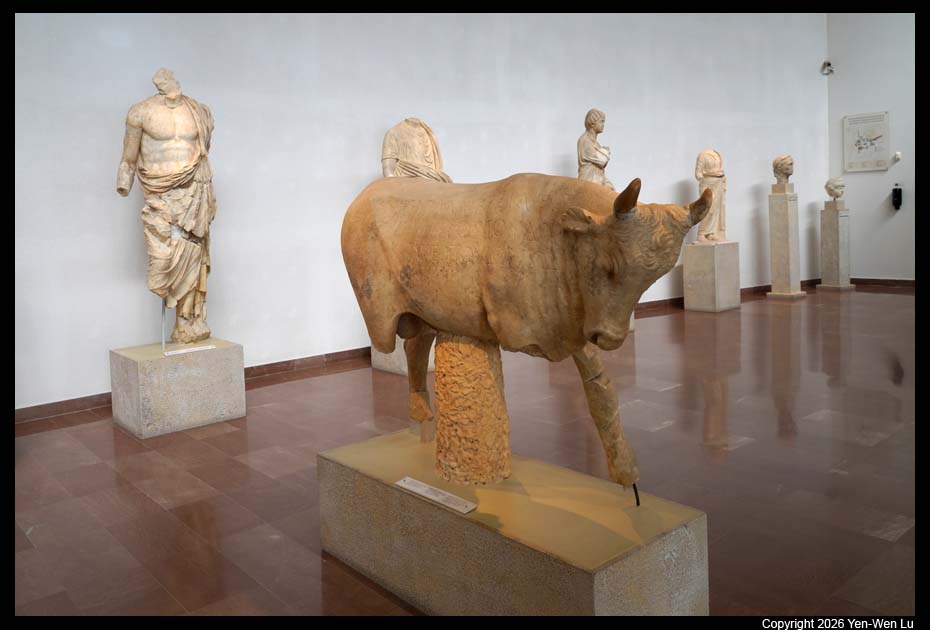
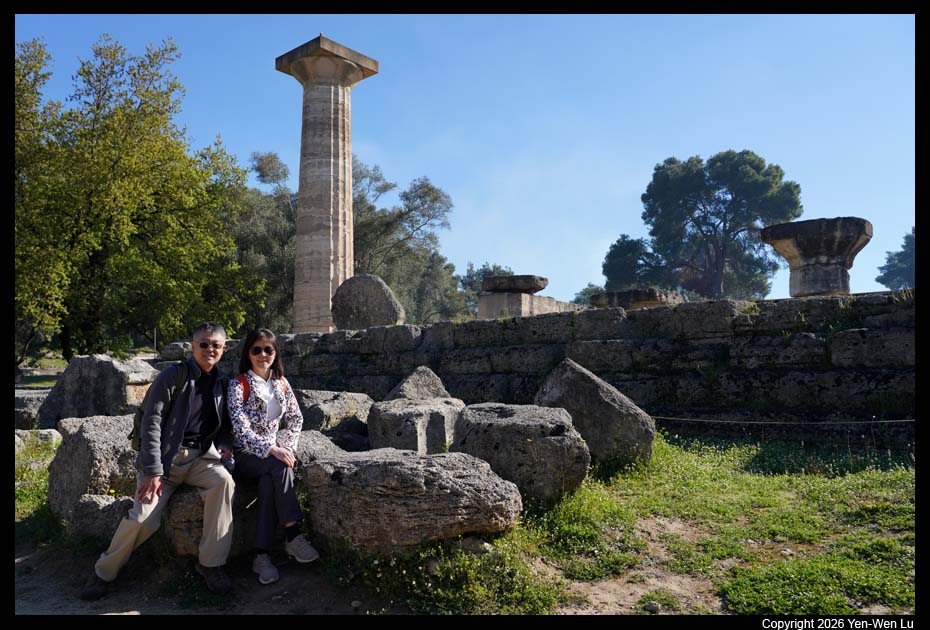
- Ancient Olympia
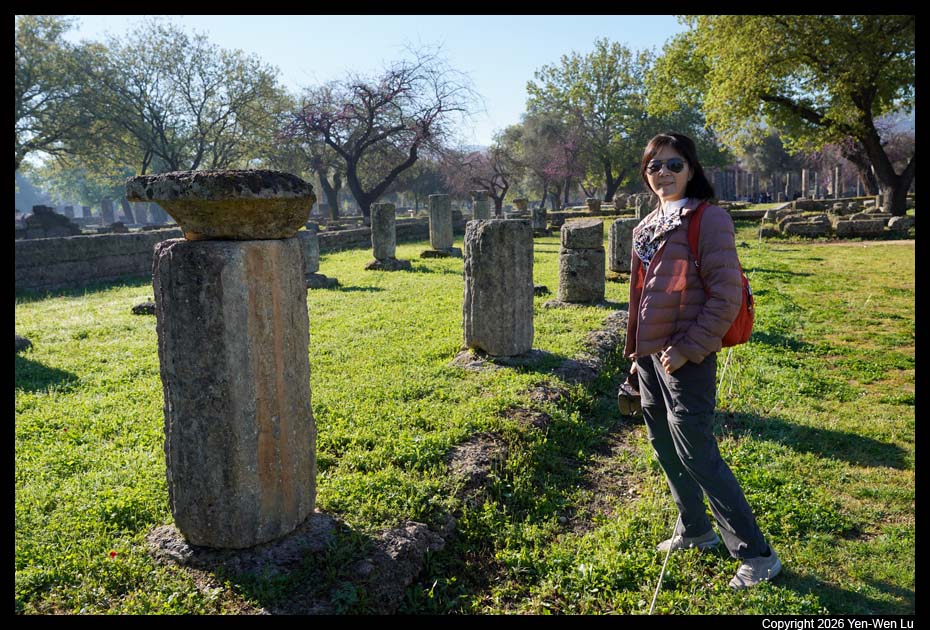
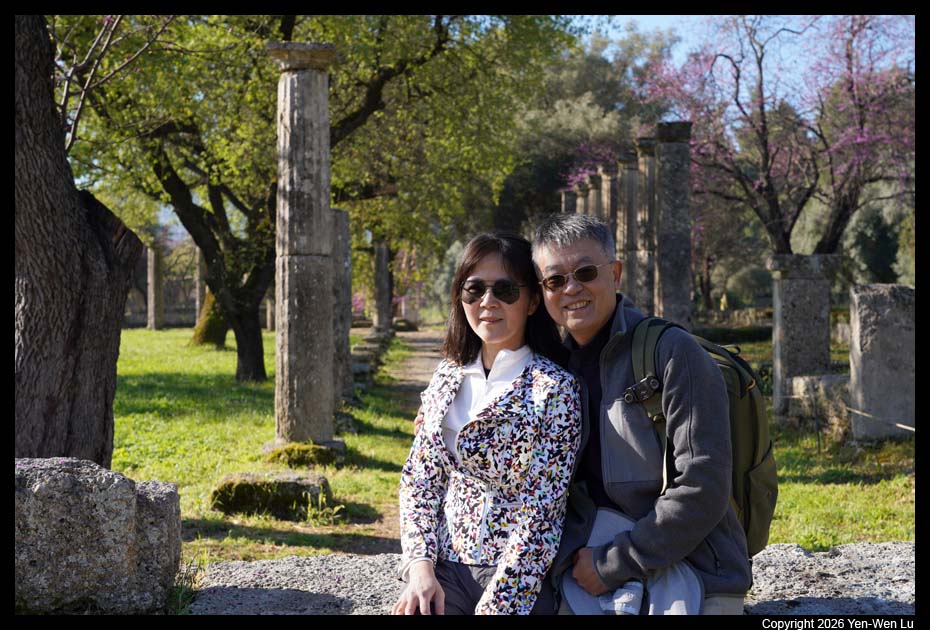
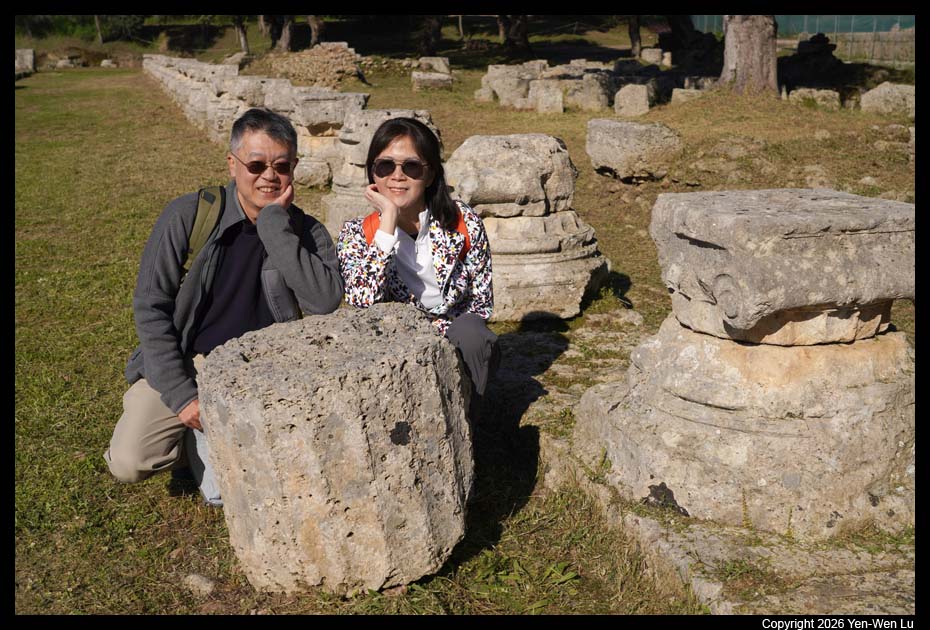
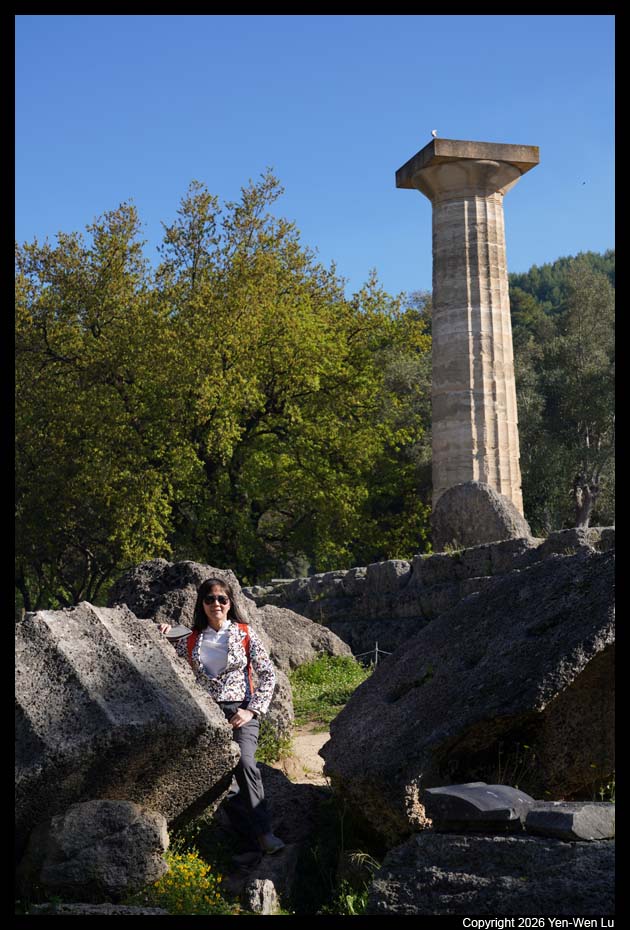
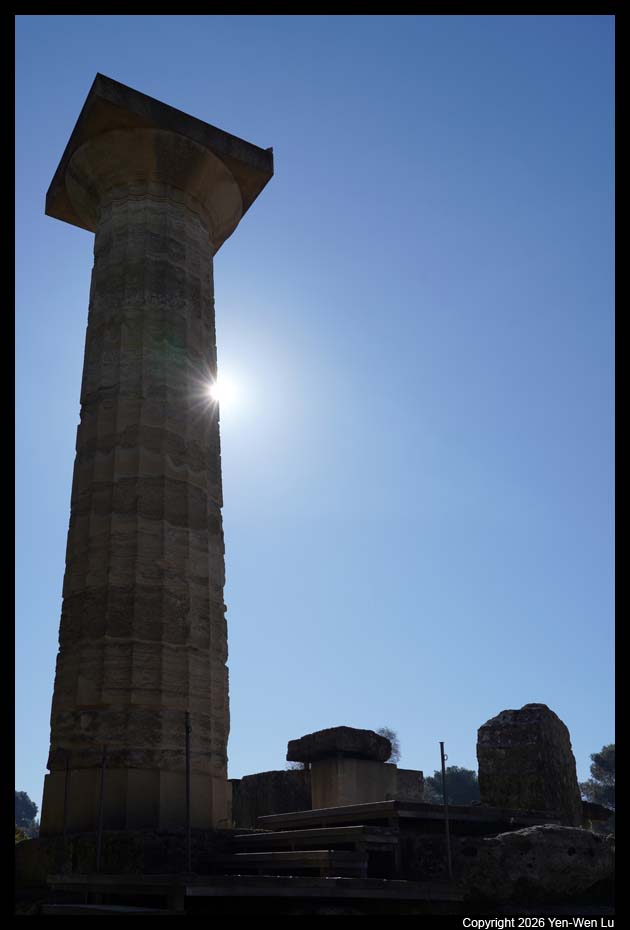
In western Peloponnese, in the so-called "valley of
the gods", Ancient Olympia grew to be the most celebrated sacred site of
Ancient Greece. In the 10th century BC, Olympia became a center for
the worship of Zeus. The Altis – the sanctuary to the gods – has one of the
highest concentrations of masterpieces from the ancient Greek world. In
addition to temples, there are the remains of all the sports structures
erected for the Olympic Games, which were held in Olympia every four years
beginning in 776 BC to the 4th century AD. Today the torch of the
Olympic flame is lit here in the Temple of Hera, and carried to all parts of
the world.
We had a nice lunch at a restaurant close to the
entrance of the archaeological site. I started to enjoy more and more
Greek cuisine, souvlaki and gyro :-) When we headed back to
Patras, we made a detour to an Ikea store to buy some bowls because we forgot
to bring our lightweight travel bowls for our instant noodles...
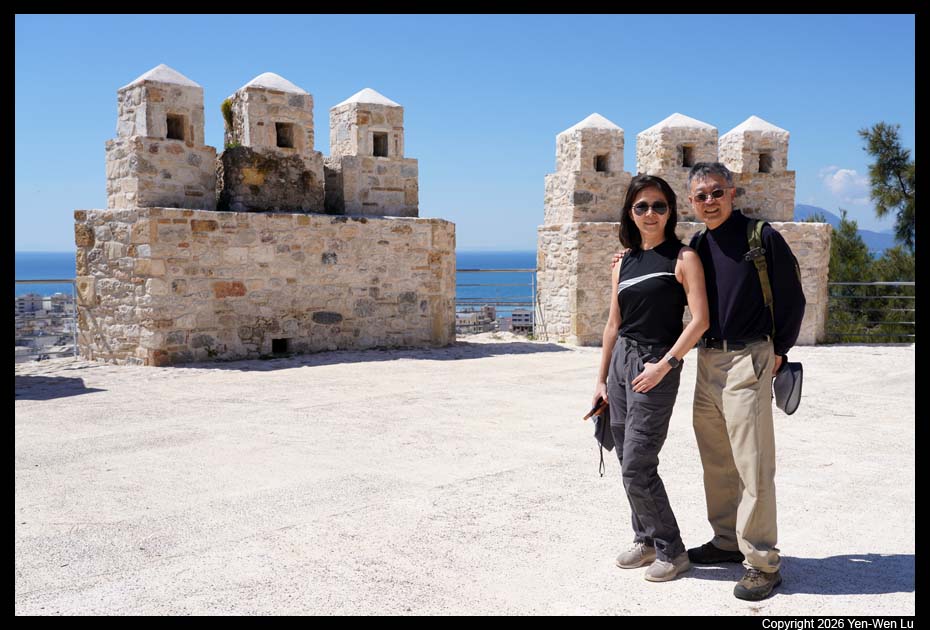
- Patras Castle
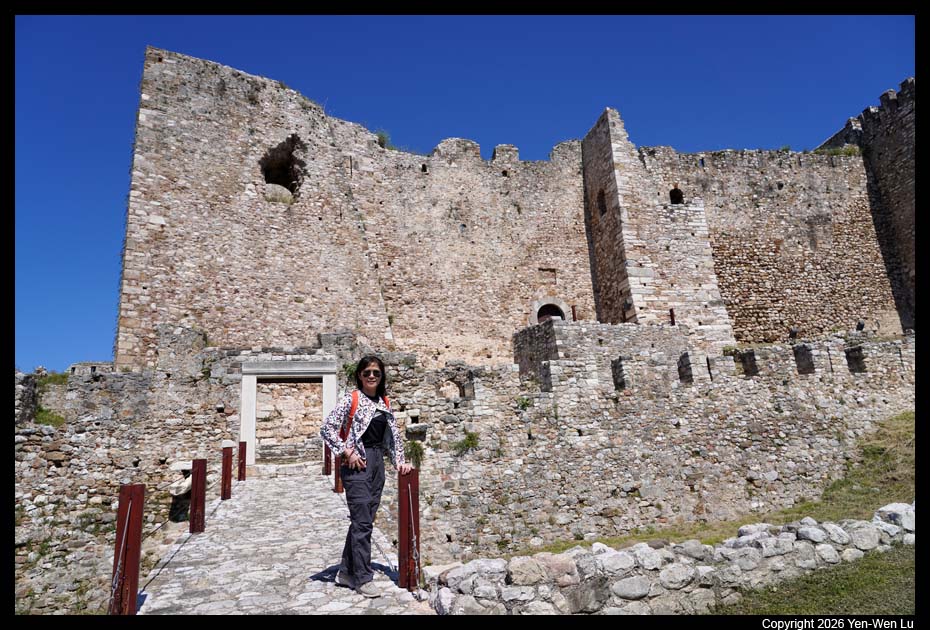
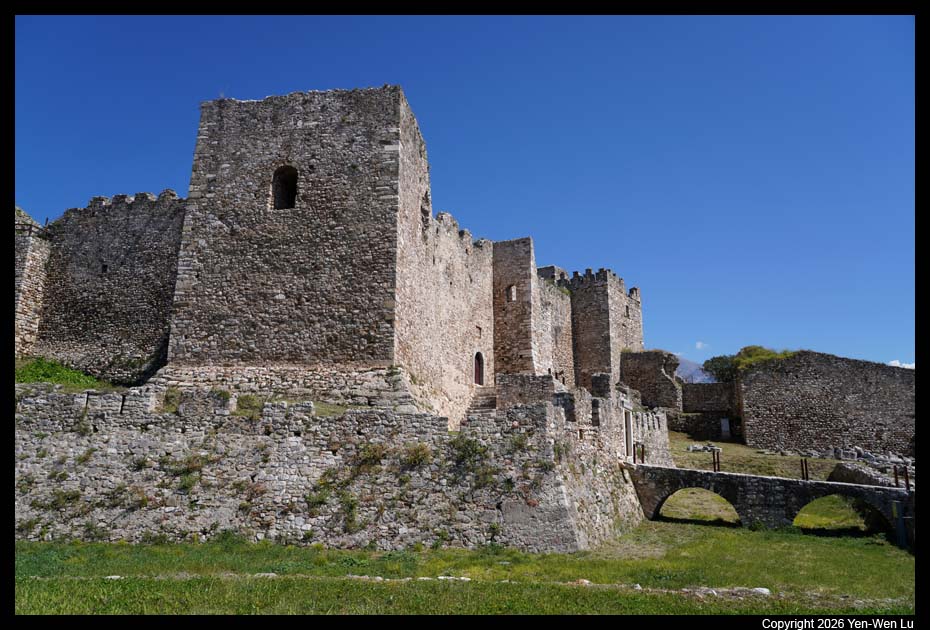
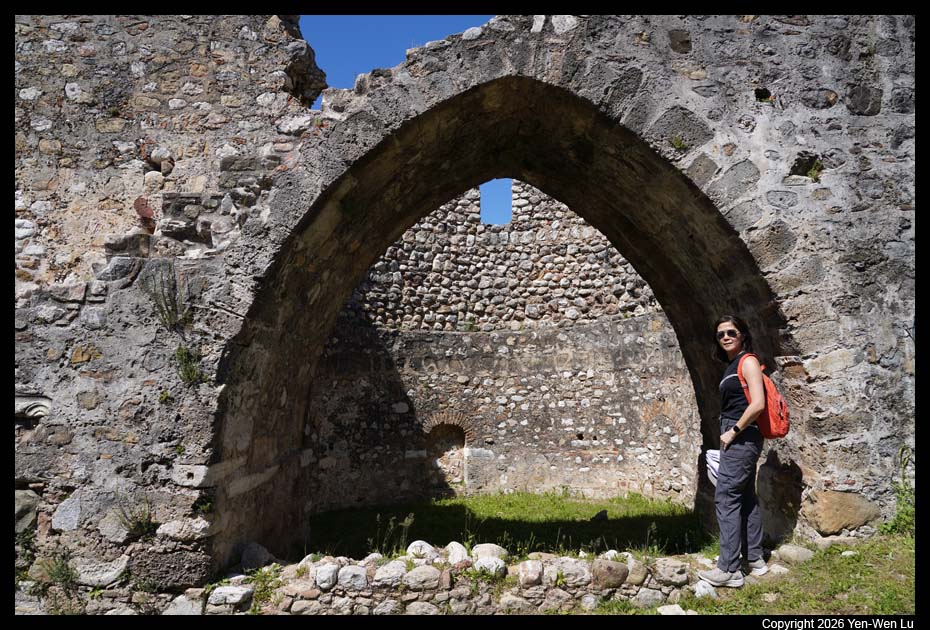
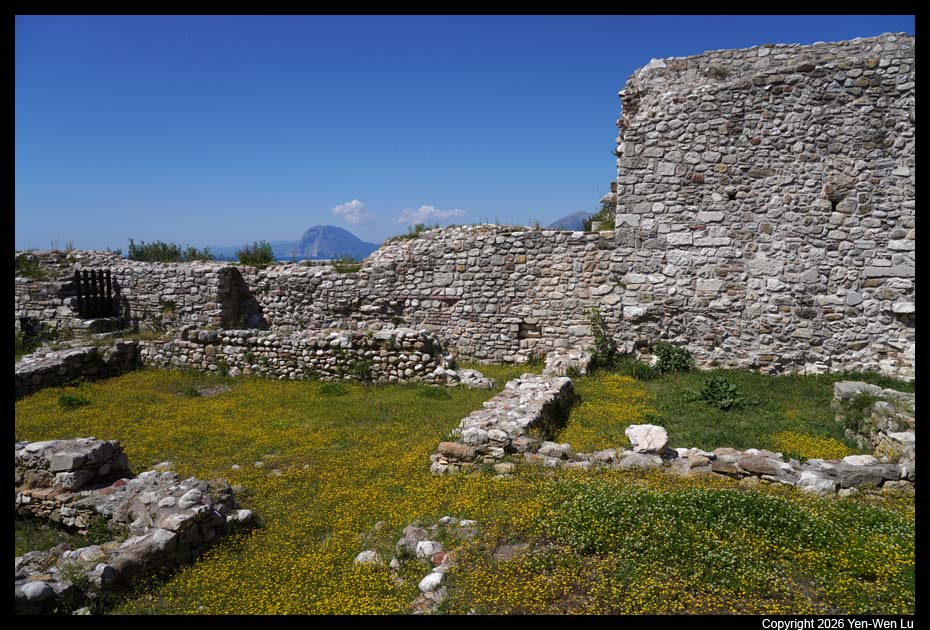
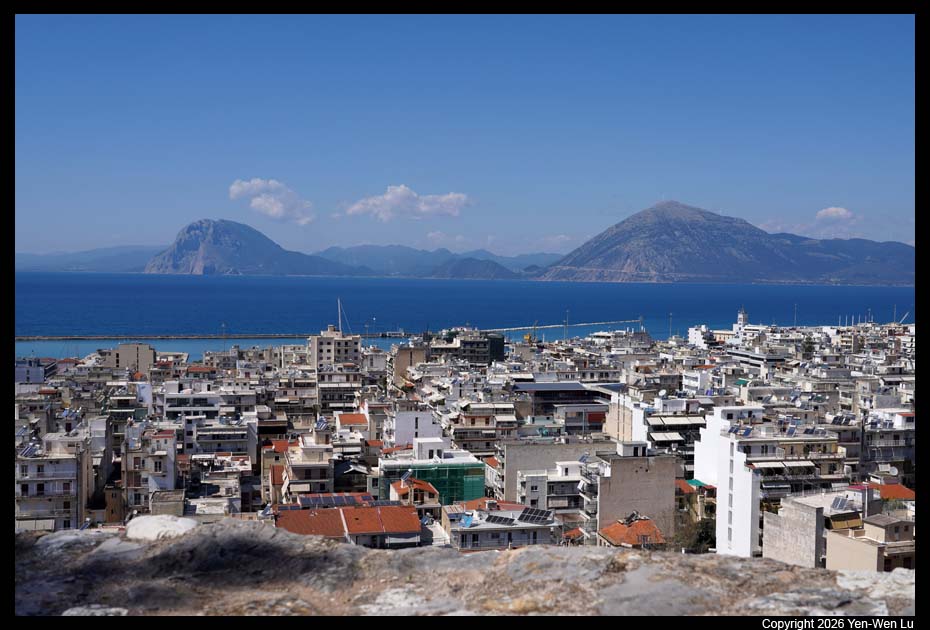
Patras Castle was built around the mid-6th century AD
above the ruins of the ancient acropolis of the city of Patras. The
first castle on the spot was built by Byzantine emperor Justinian I after
the catastrophic earthquake of 551, re-using building material from
pre-Christian structures. In the Byzantine period, it was besieged by
Slavs, Saracens, Normans and many others, but it never fell. The
castle fell to the Ottoman Turks in 1458, and remained one of their main
seats of power in the Peloponnese. The fort remained in constant use
thereafter, even until the Second World War.
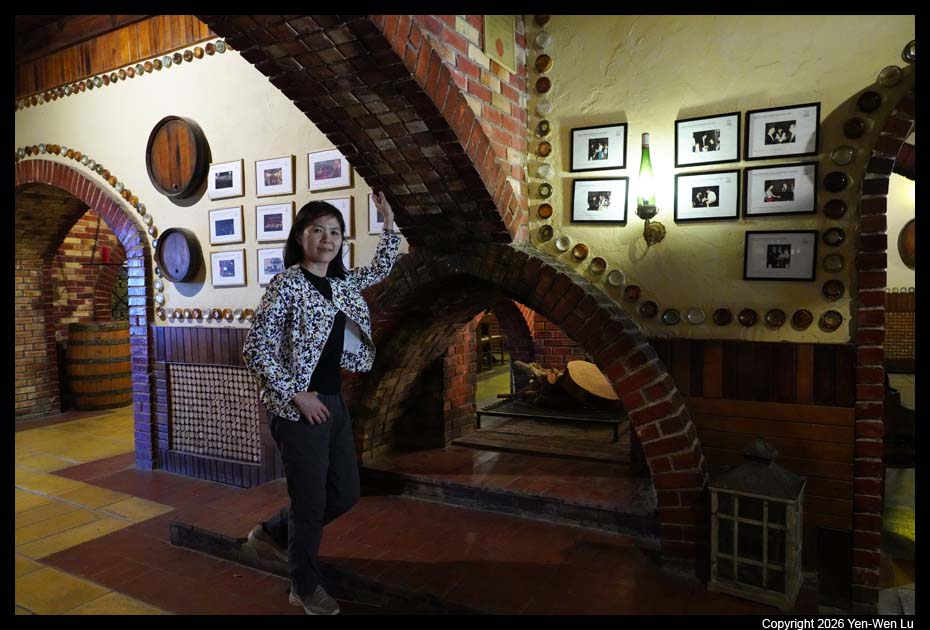
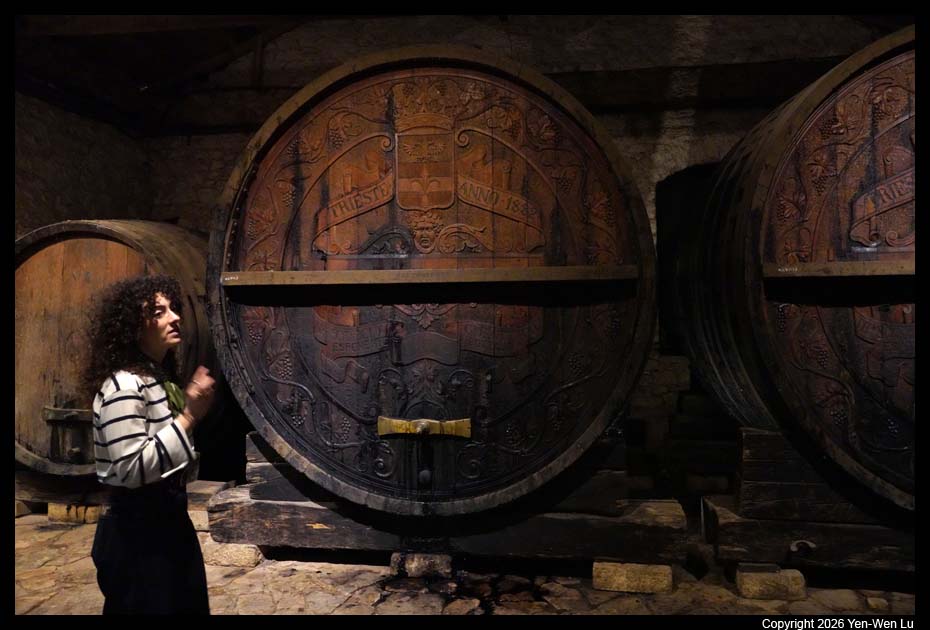
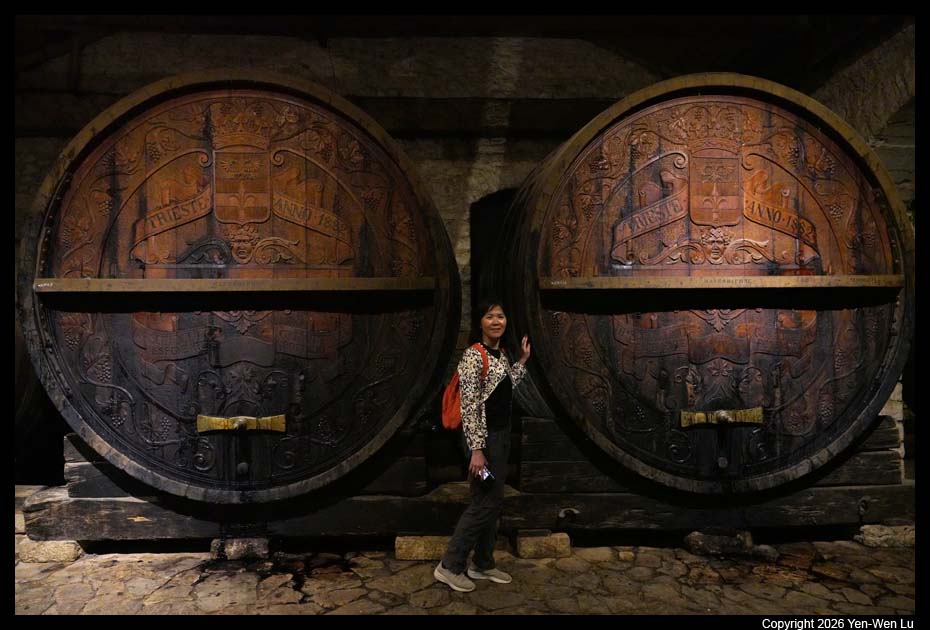
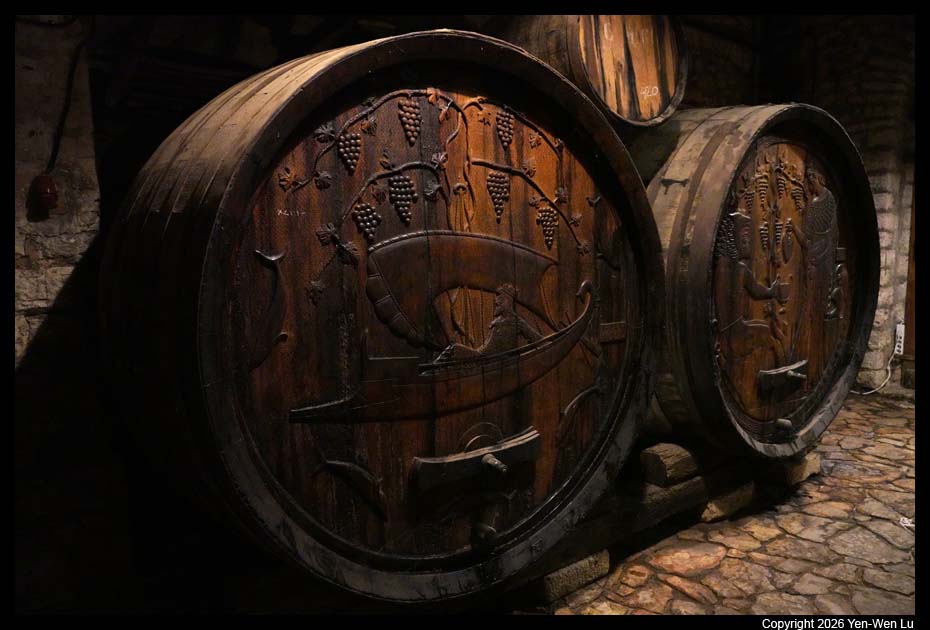
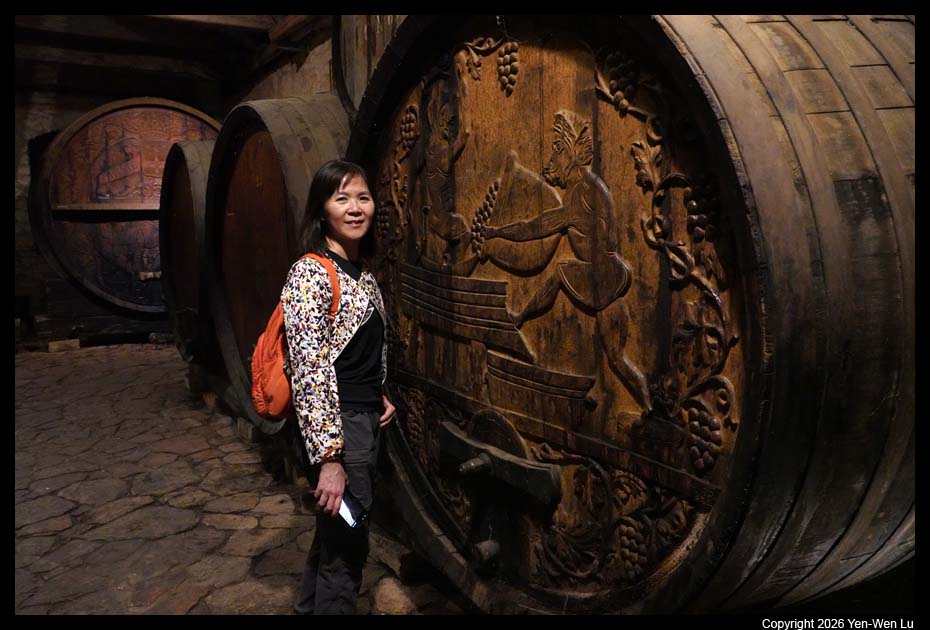
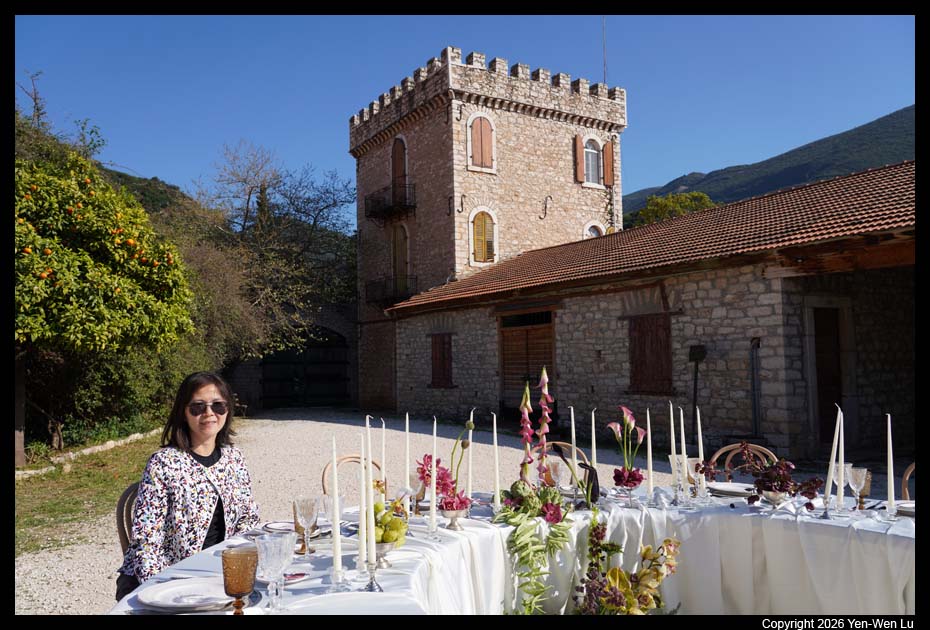
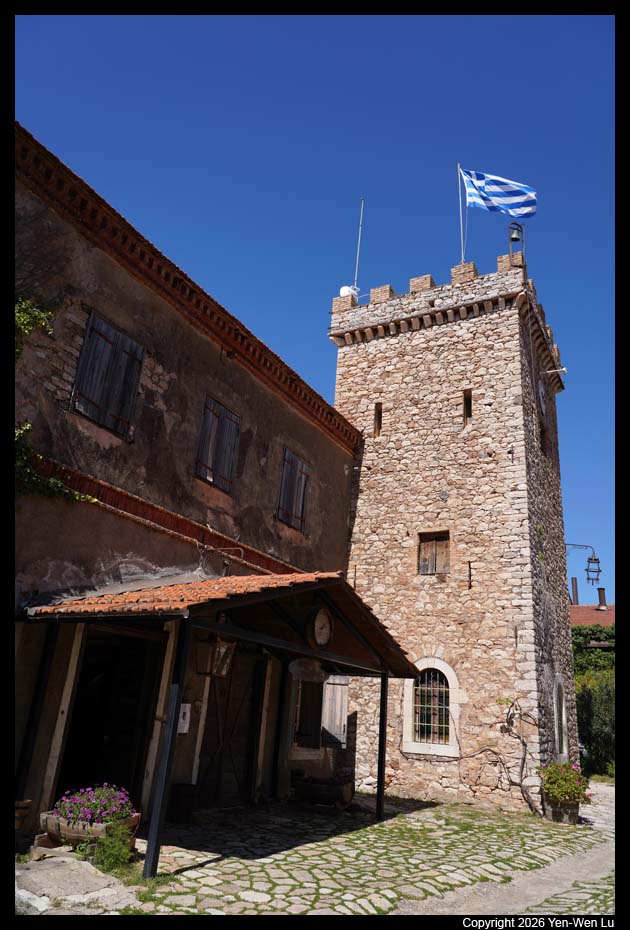
- Achaia Clauss
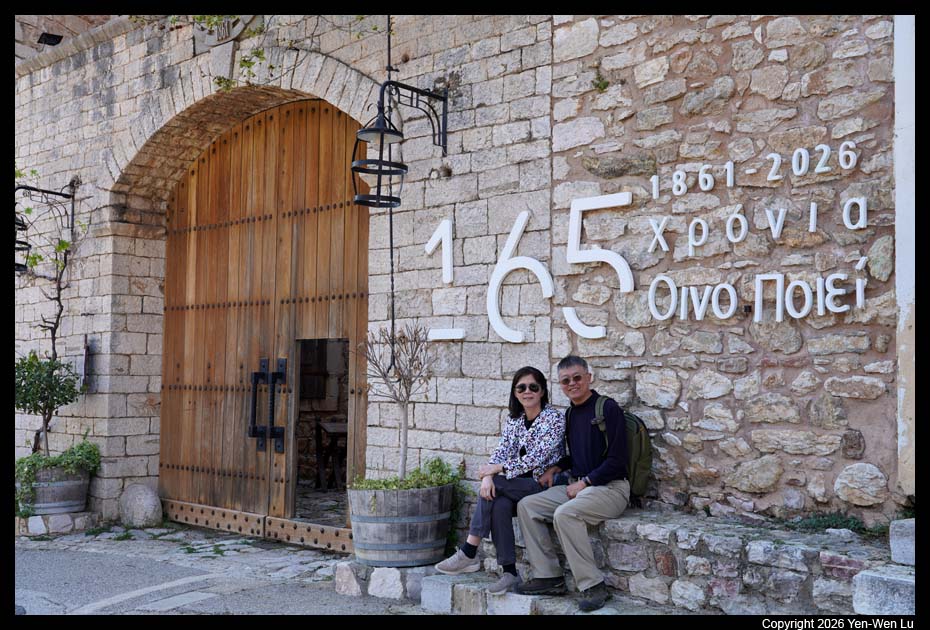
Achaia Clauss,
founded in 1861 near Patras in the Peloponnese by Bavarian Gustav Clauss, is
recognized as the oldest commercial winery in Greece. It is most famous for
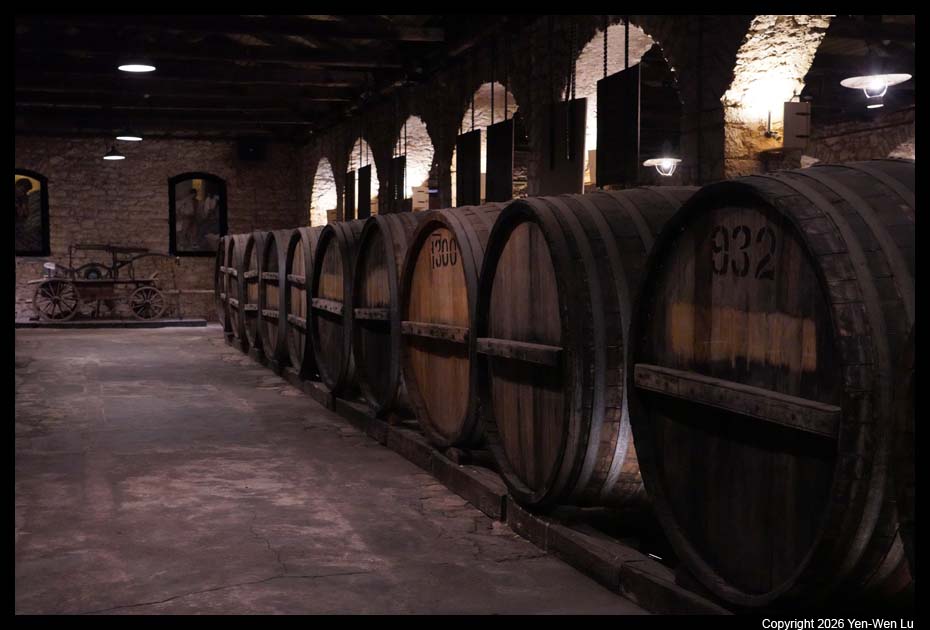
establishing the fortified red wine, Mavrodaphne. The estate is renowned for
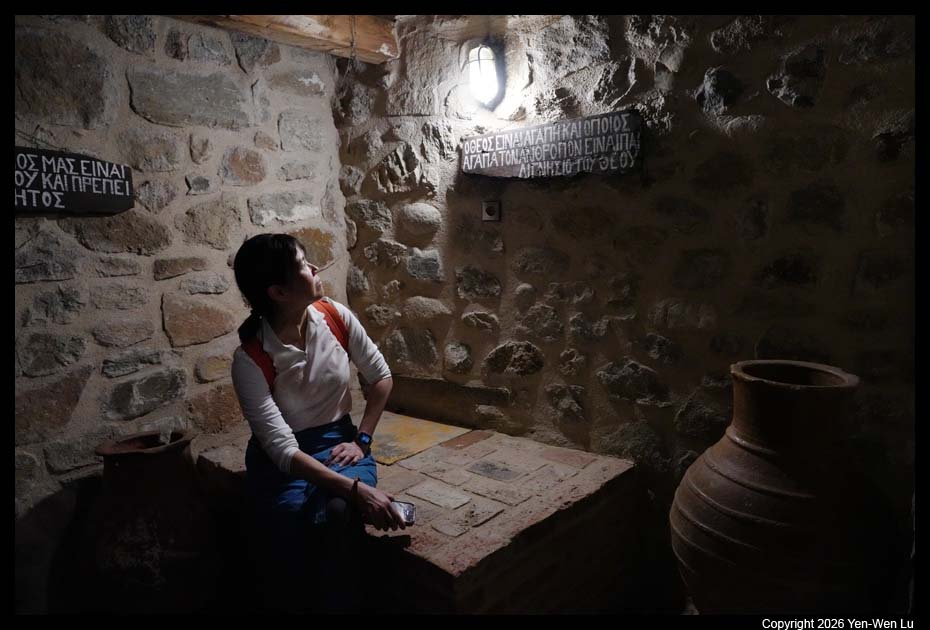
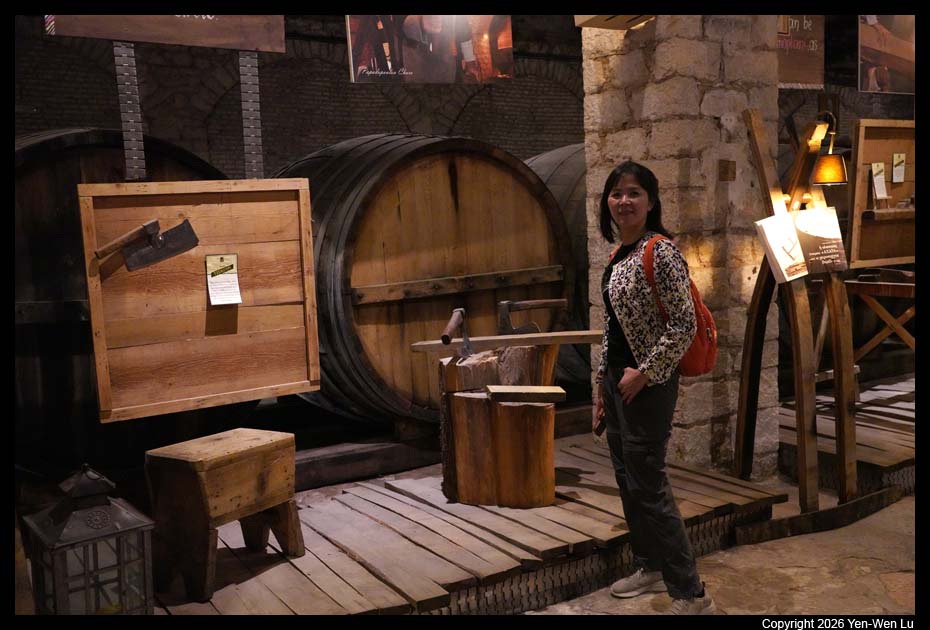
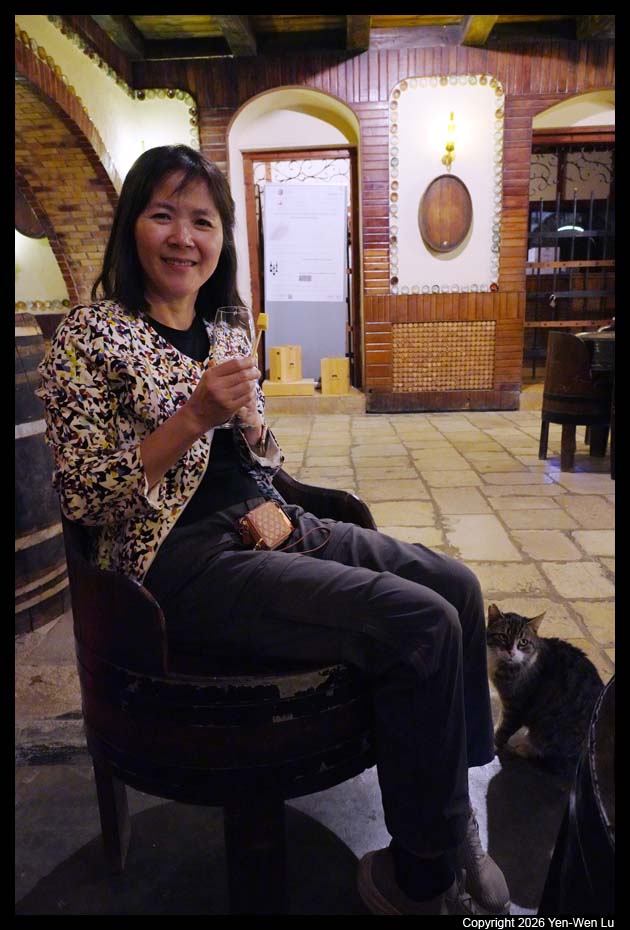
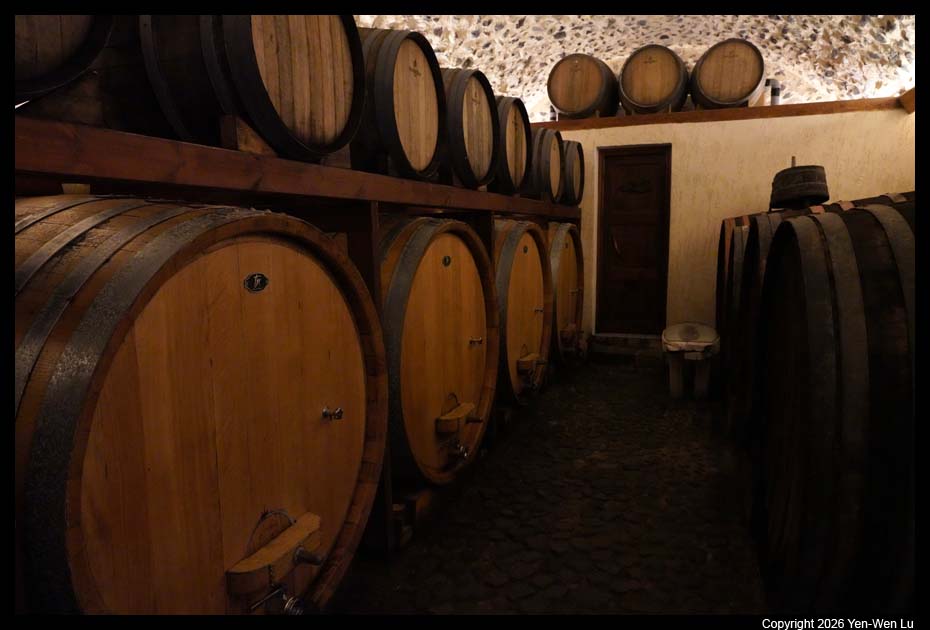
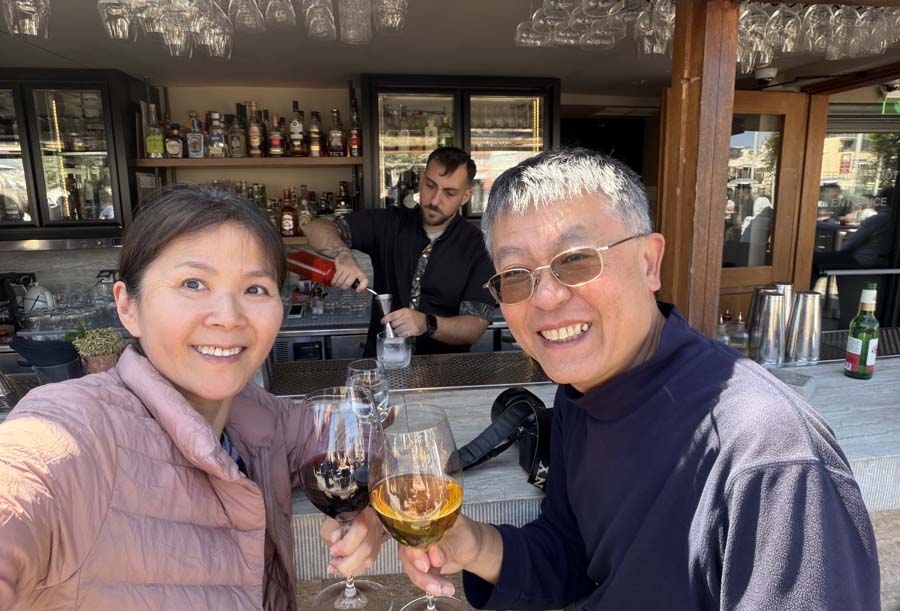
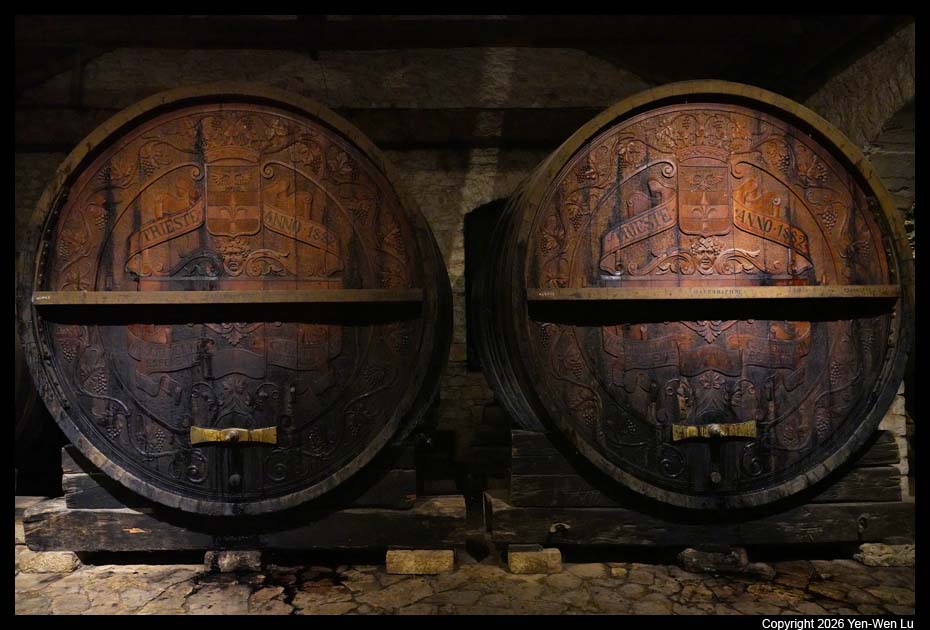
its historic cellars and holds significant wine reserves. I booked a
historical tour with wine tasting. Since we were the only one for the
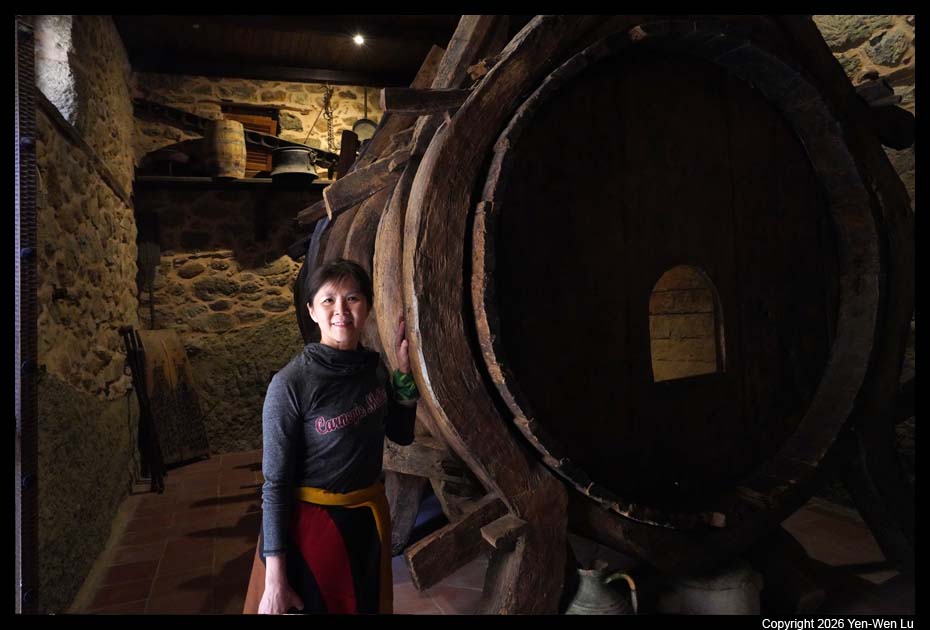
tour today, we got a private tour and visited their special wine cellar with
beautifully decorated barrels. The visit concludes with a wine tasting
of 4 wines (with a sweet wine as the finale!).
Day 6 (4/9) ...
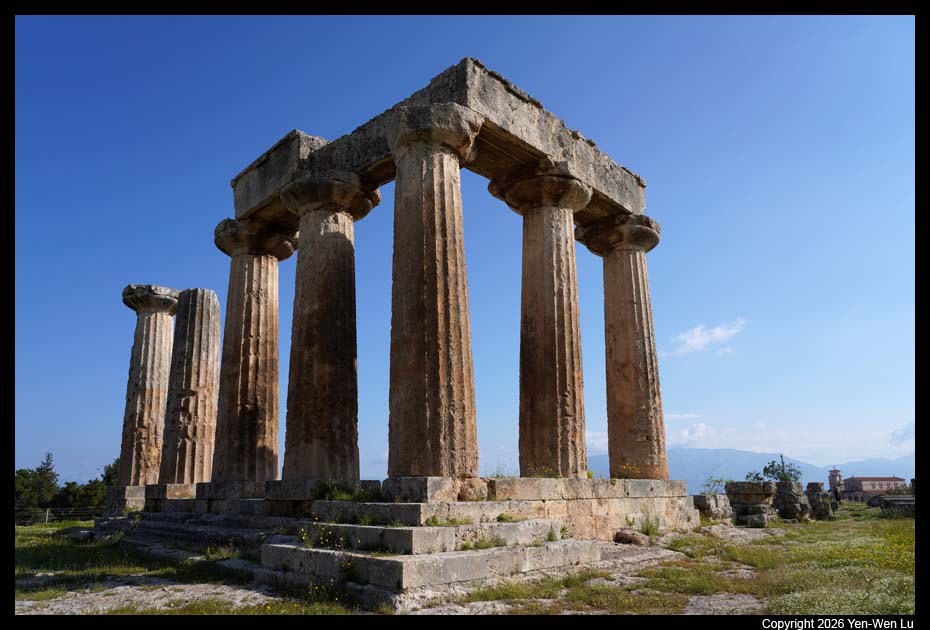
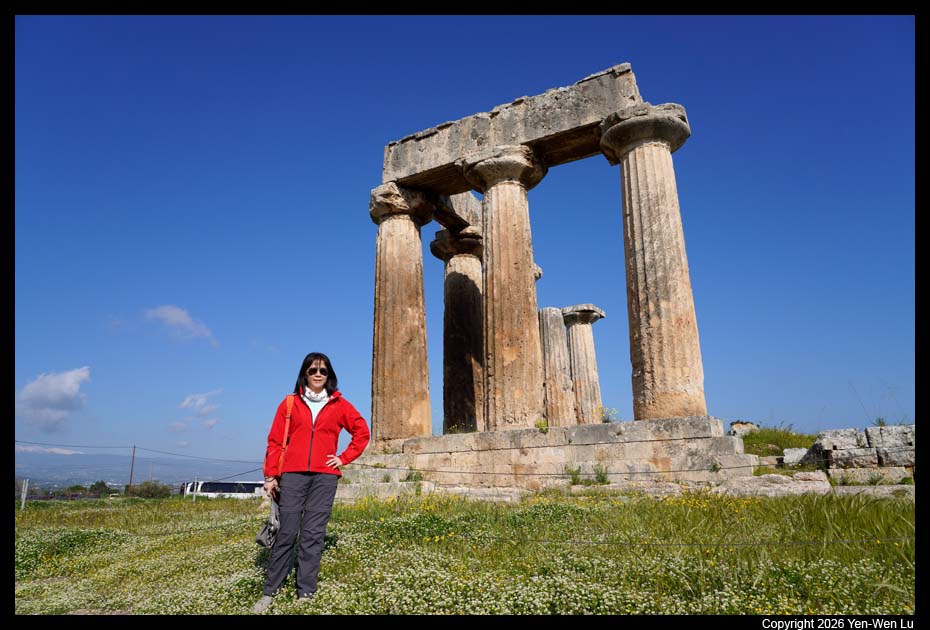
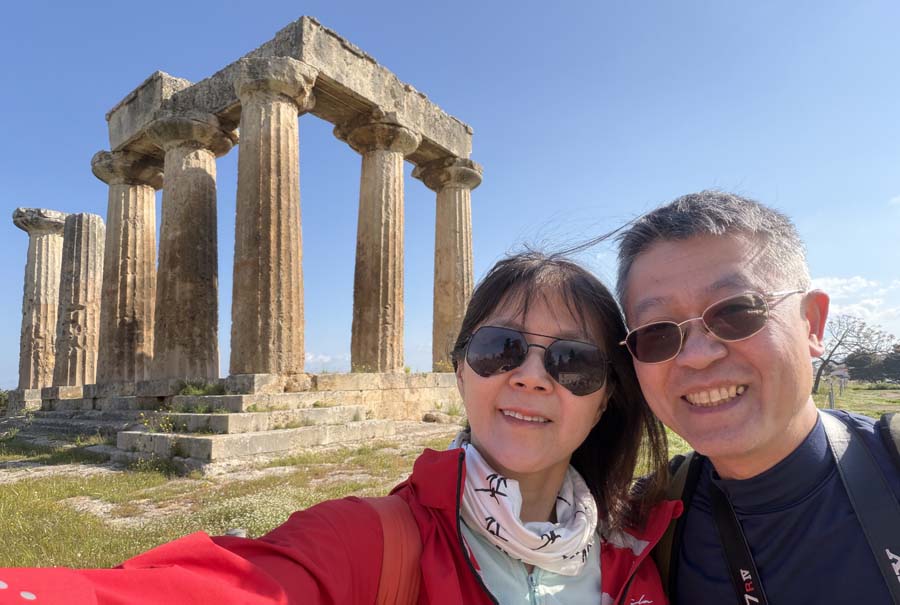
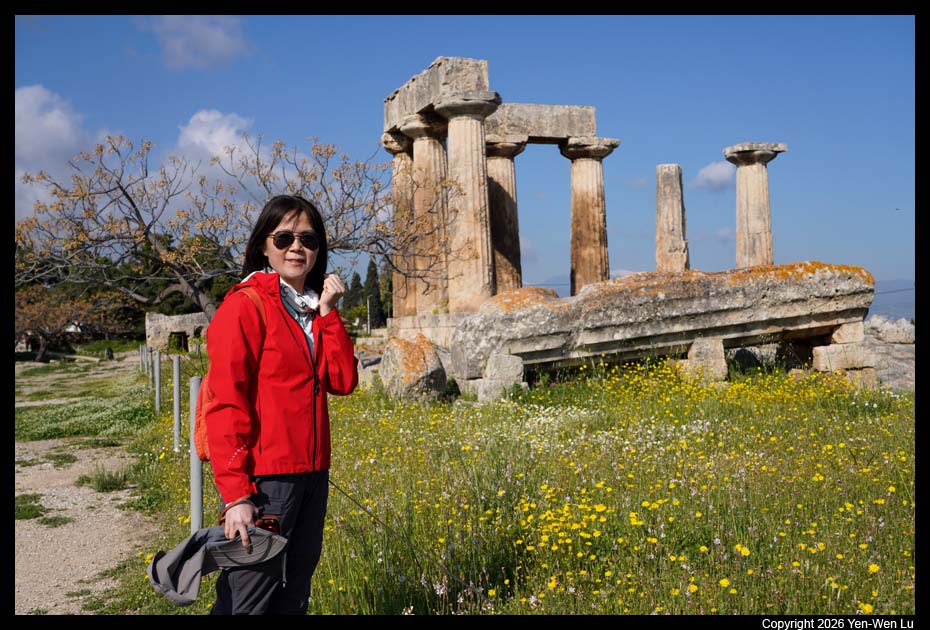
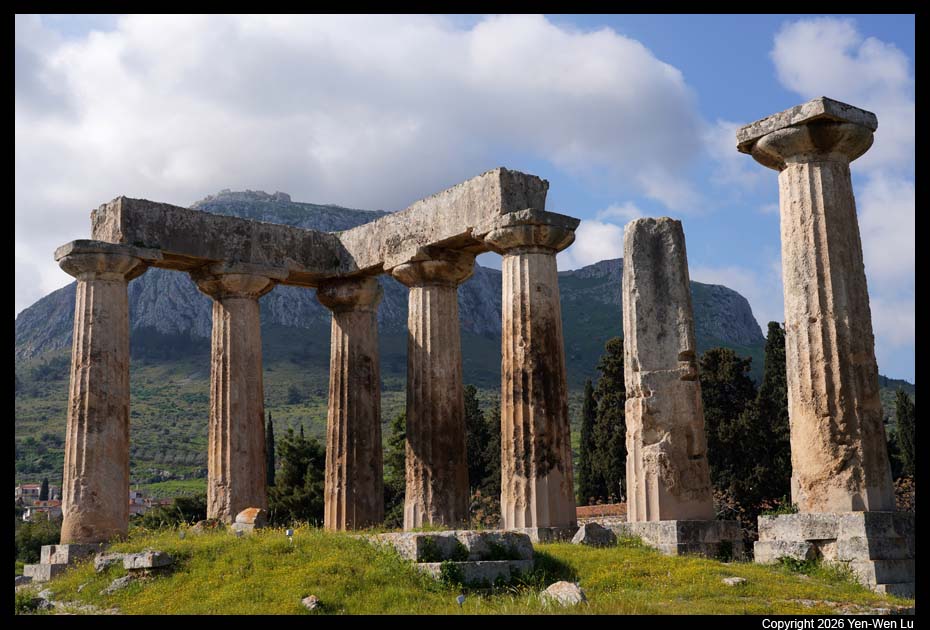
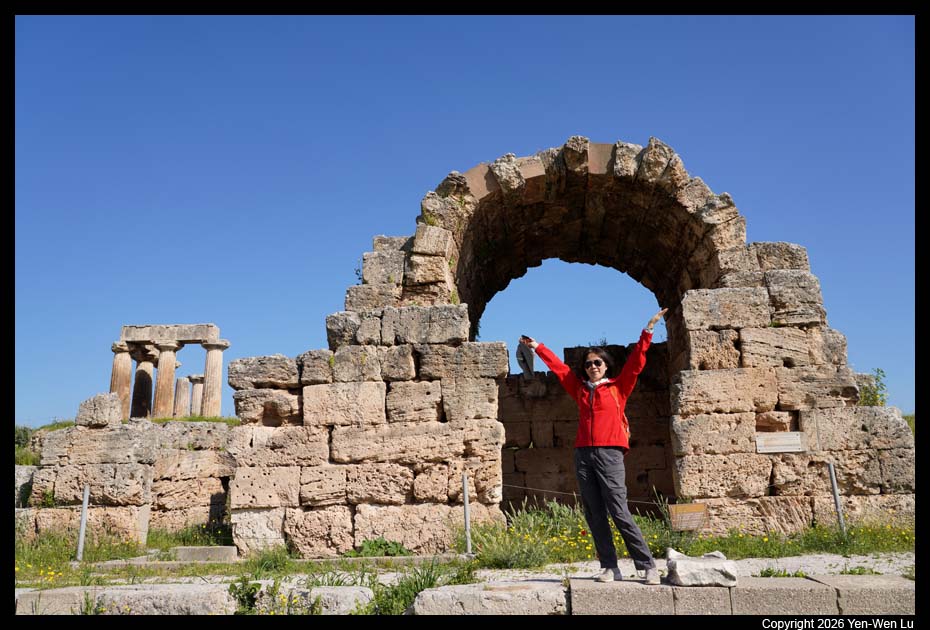
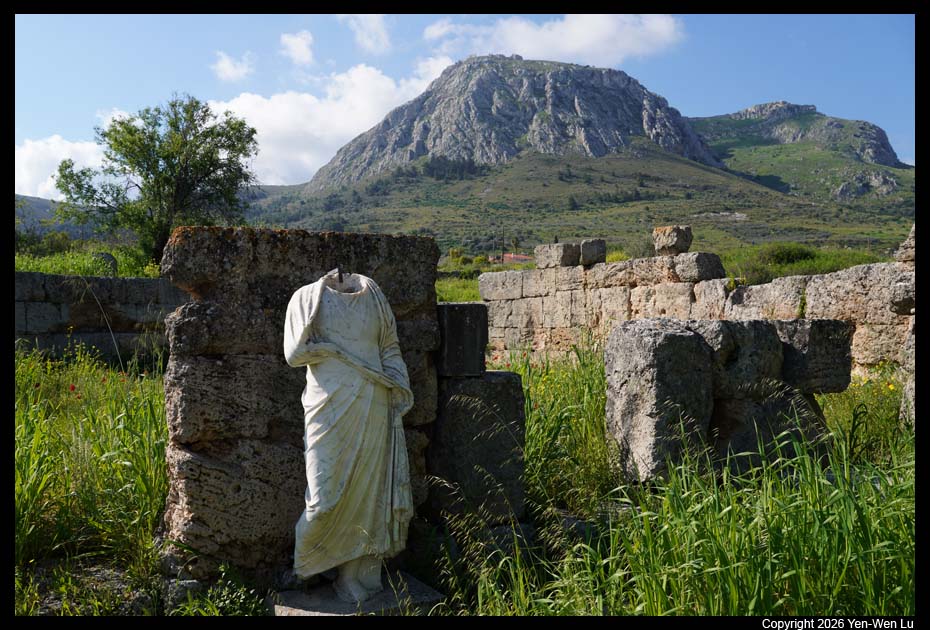
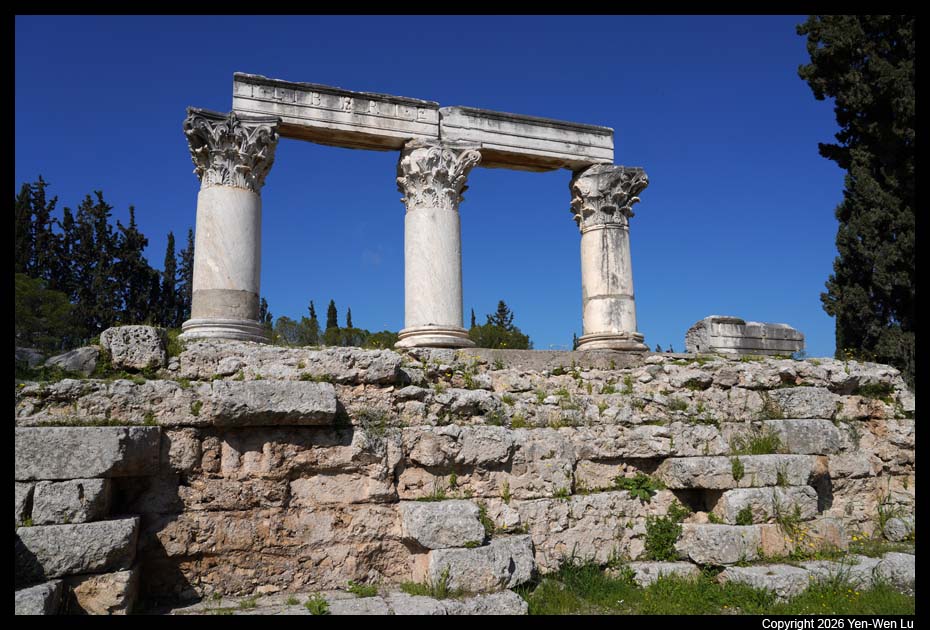
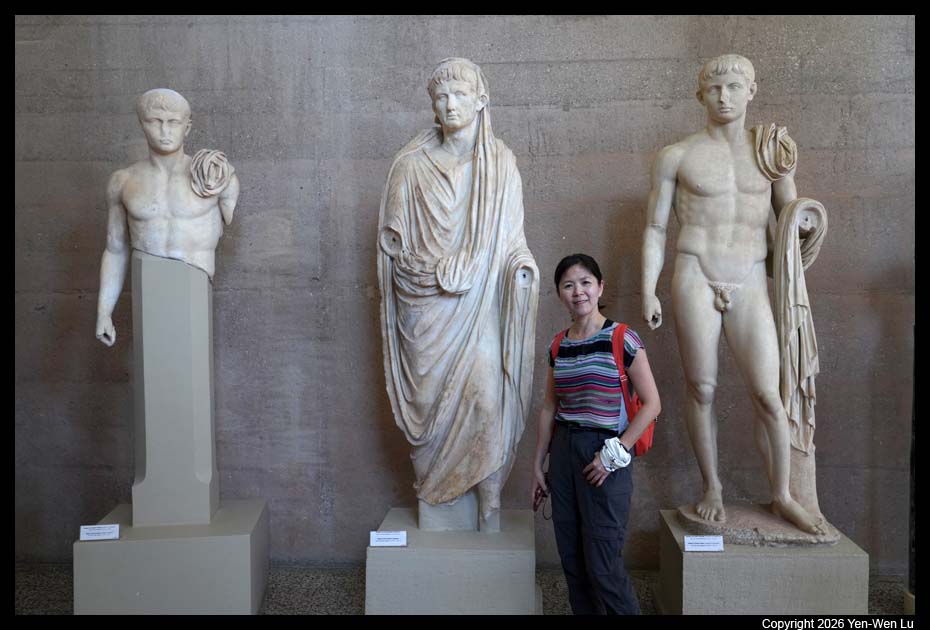
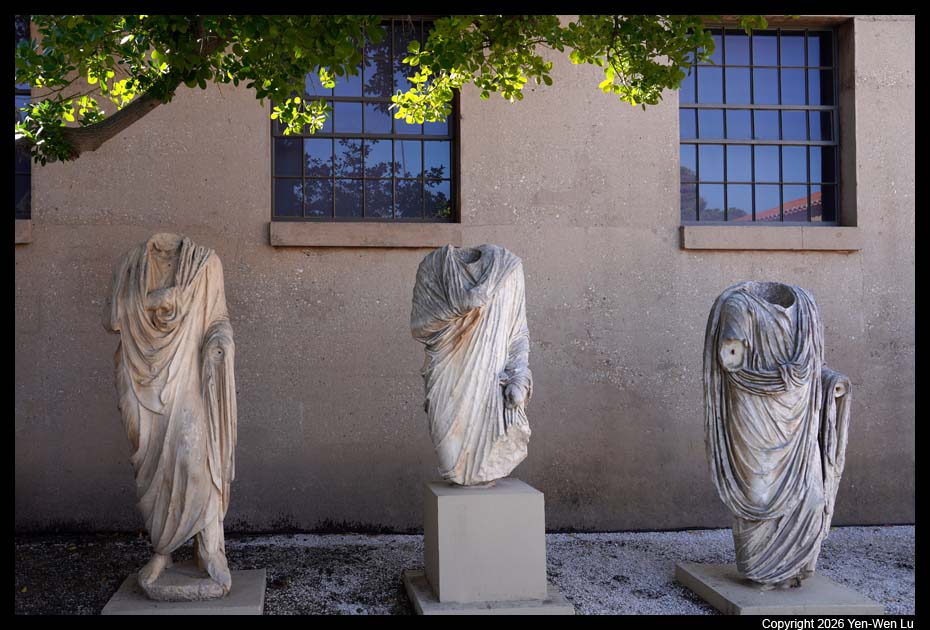
- Ancient Corinth
Corinth, located on the isthmus connecting mainland
Greece to the Peloponnese, is a historic city-port known for its ancient
ruins, the dramatic Acrocorinth fortress, and the 19th-century Corinth
Canal. The Ancient Corinth archaeological site contains the Doric
Temple of Apollo (c. 550 BC), the Bema where St. Paul addressed the city, a
Roman forum, and a museum. In classical times, Corinth rivaled
Athens and Thebes in wealth. During this era, Corinthians developed
the Corinthian order, the third main style of classical architecture after
the Doric and the Ionic. The Corinthian order was the most complicated of
the three, showing the city's wealth and the luxurious lifestyle.
-
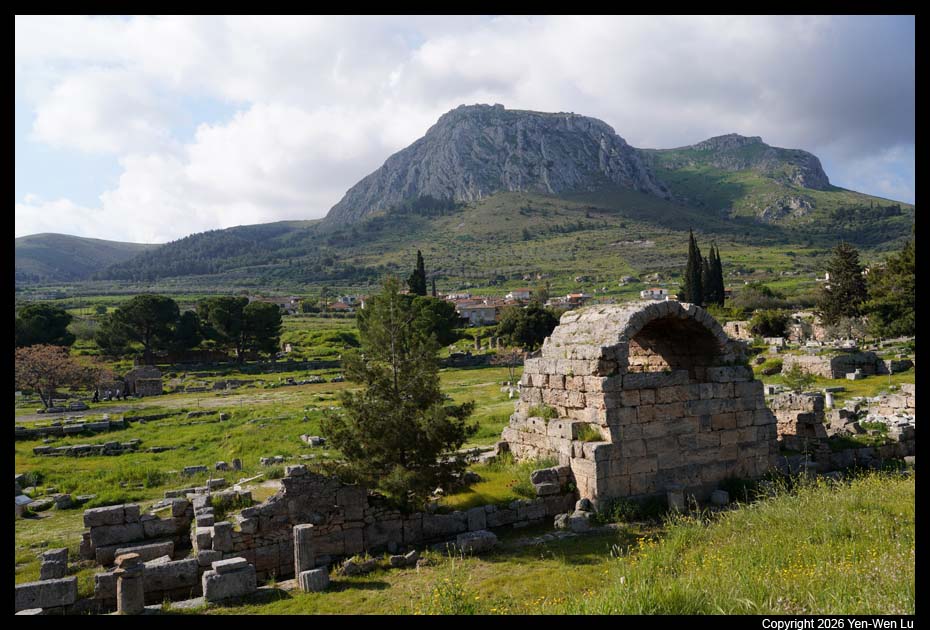
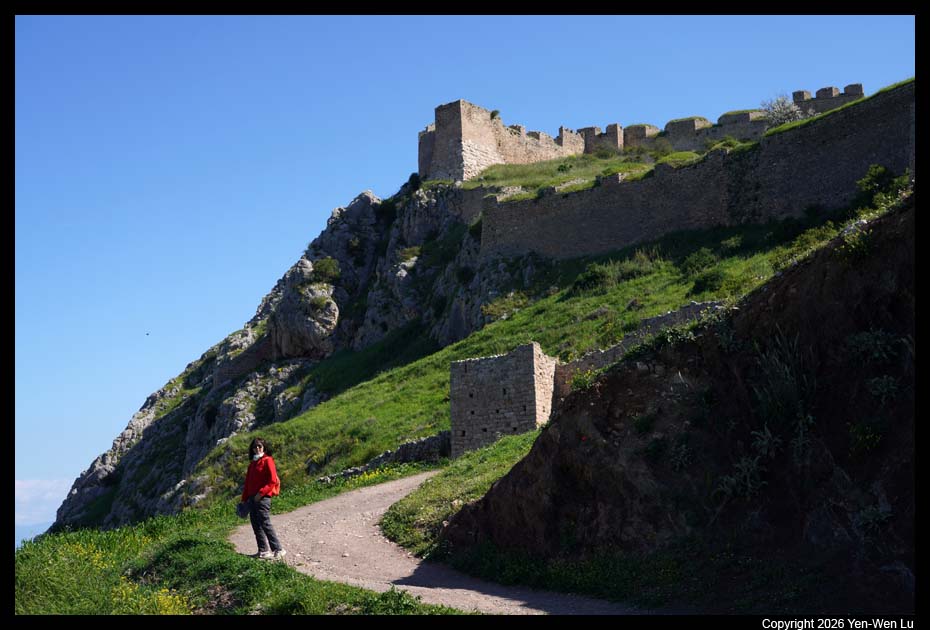
Acrocorinth
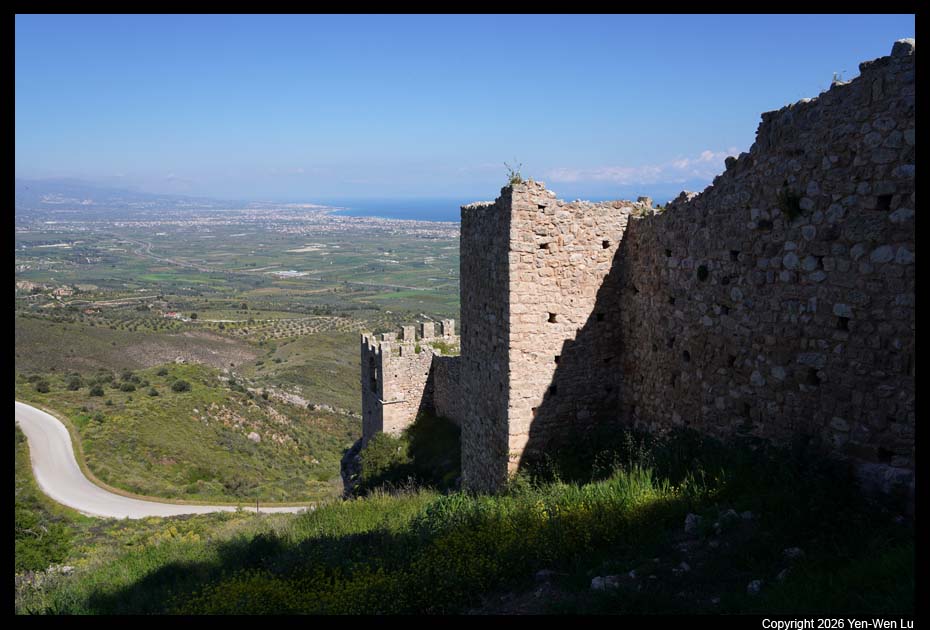
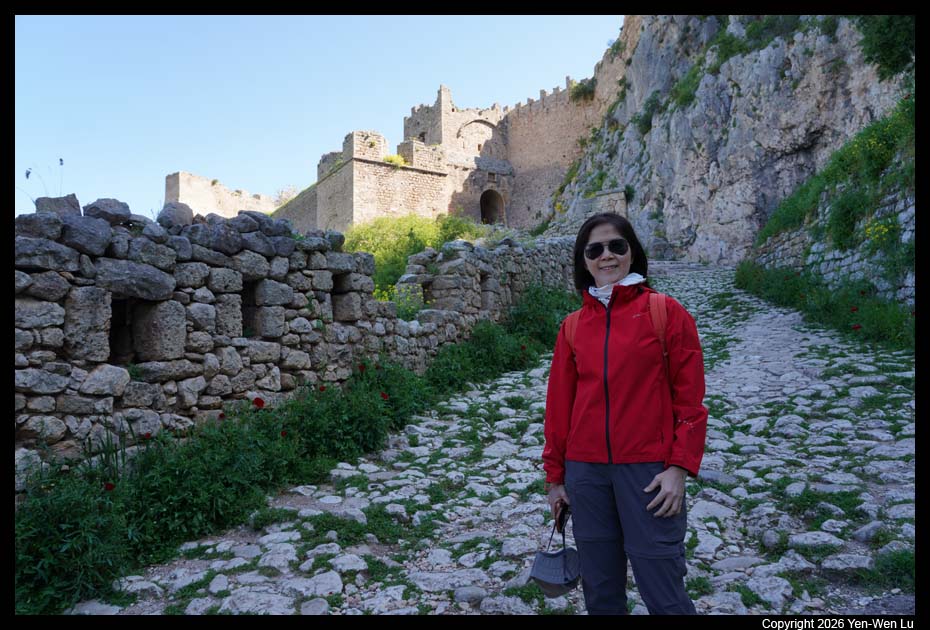
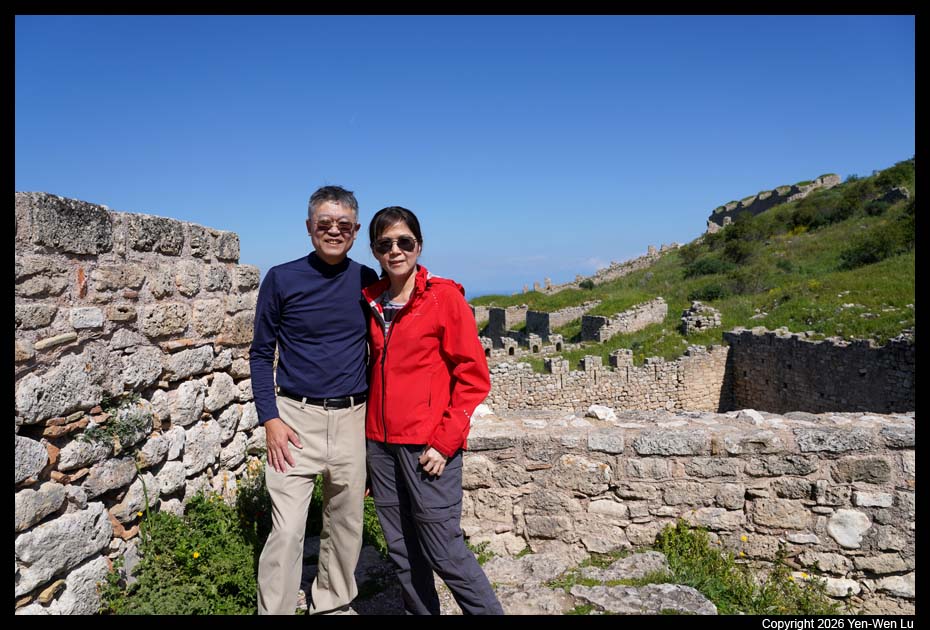
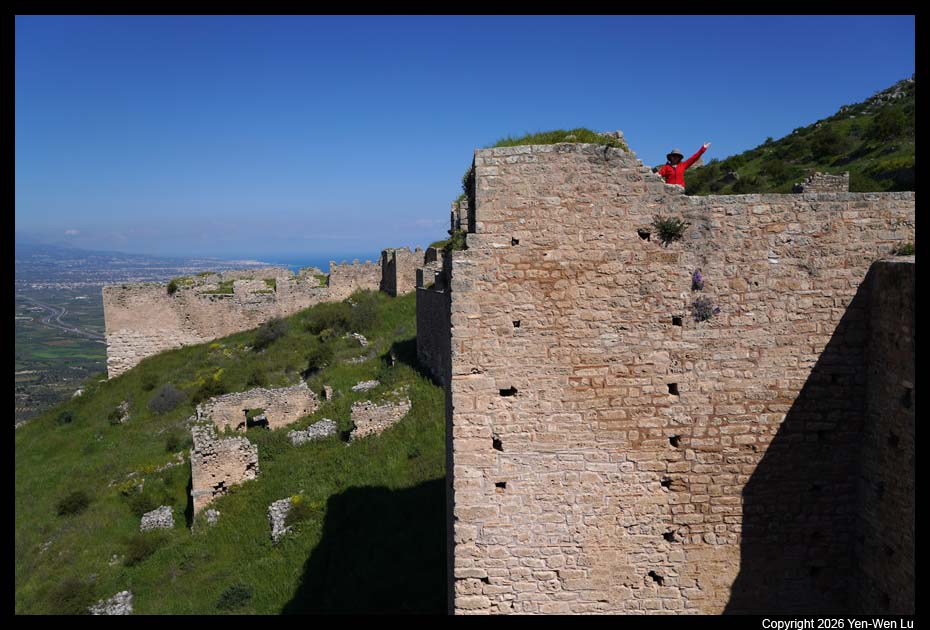
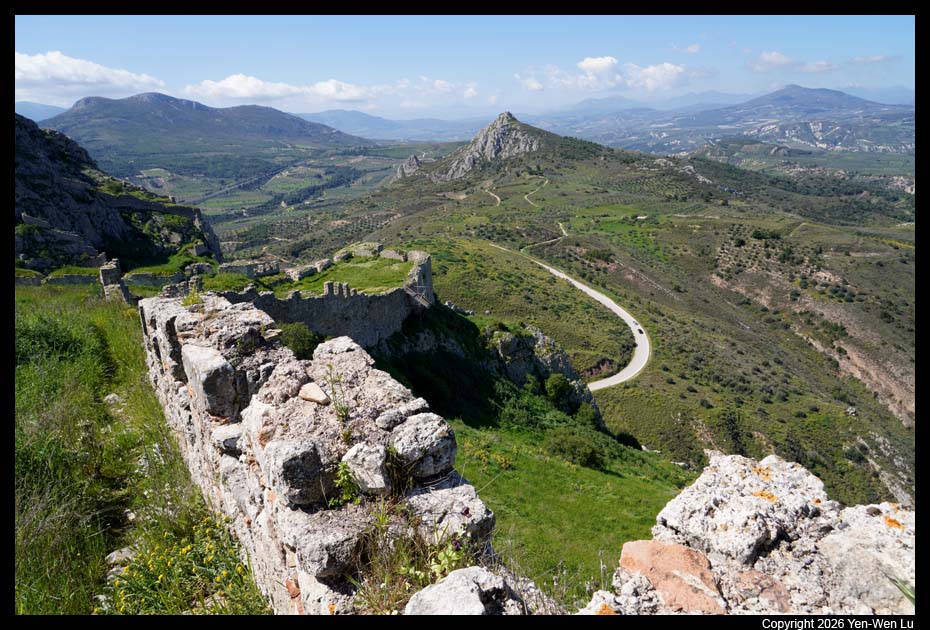
Acrocorinth is a monolithic rock overlooking the ancient city
of Corinth. The castle is spread out on an imposing rocky hill, the
highest peak of which is 574 meters. It is located in a strategic
position as it controls the movement from the Isthmus to the interior and the
northern coasts of the Peloponnese. Acrocorinth was first
fortified by the tyrant Periander or his father Cypselus in the 7th-6th
century BC and gradually developed into an Acropolis. Julius Caesar
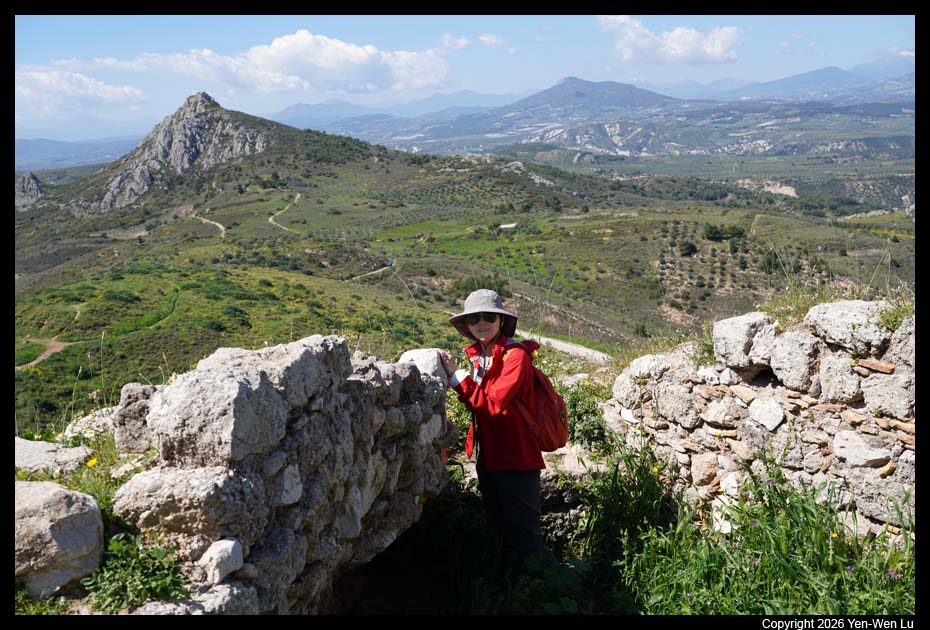
repaired the acropolis in 44 BC. There are many hiking trails around the top
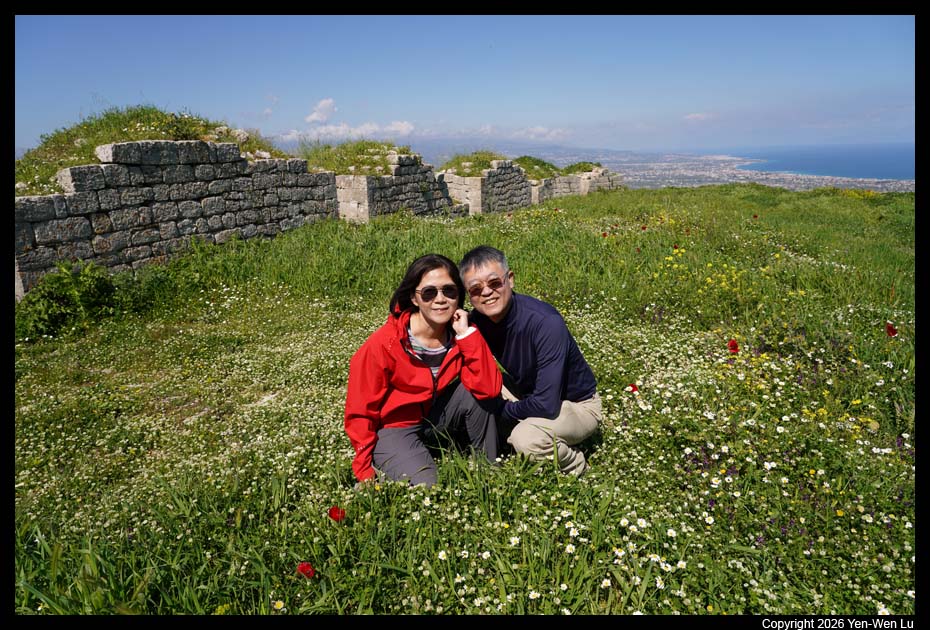
of the castle. We only had time to walk a small section and had a
excellent view of the surrounding mountains and the Gulf of Corinth.
- Archaeological site of Mycenae
In the second millennium BC, Mycenae
was one of the major centers of Greek civilization—a military stronghold
which dominated much of southern Greece, Crete, the Cyclades and parts of
southwest Anatolia. The period of Greek history from about 1600 BC to about
1100 BC is called Mycenaean. It represents the first advanced and
distinctively Greek civilization in mainland Greece with its palatial
states, urban organization, works of art, and writing system.
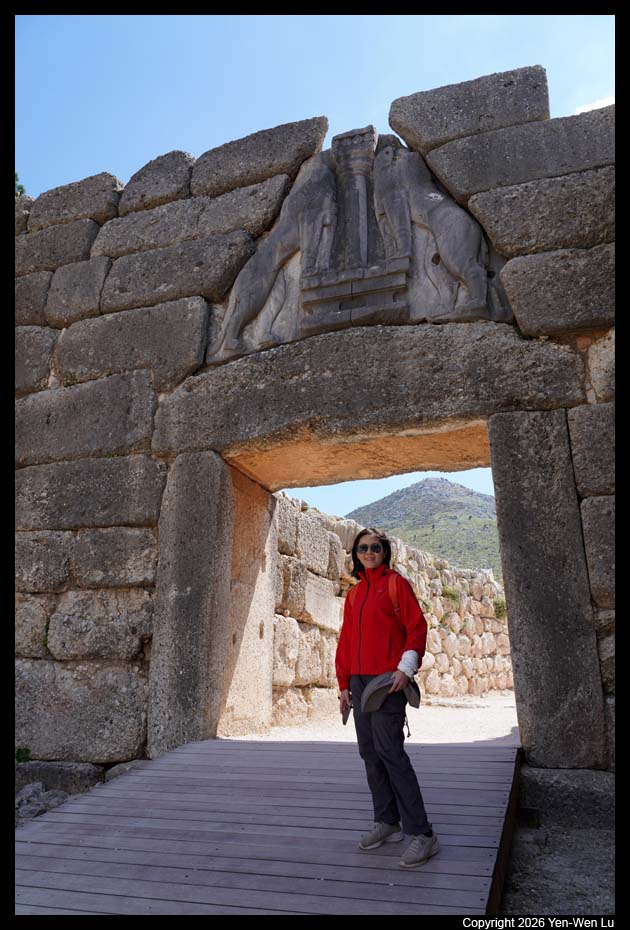
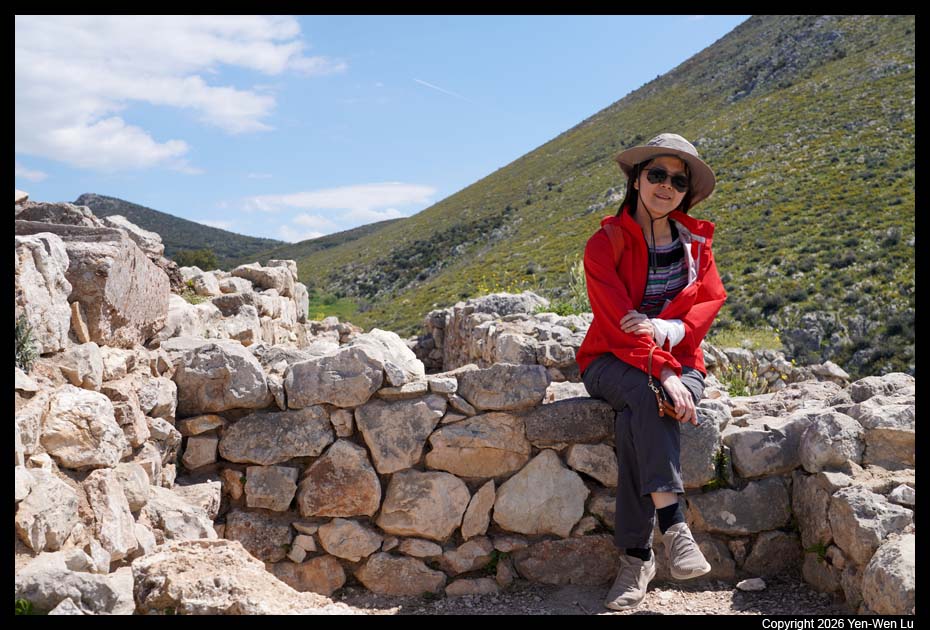
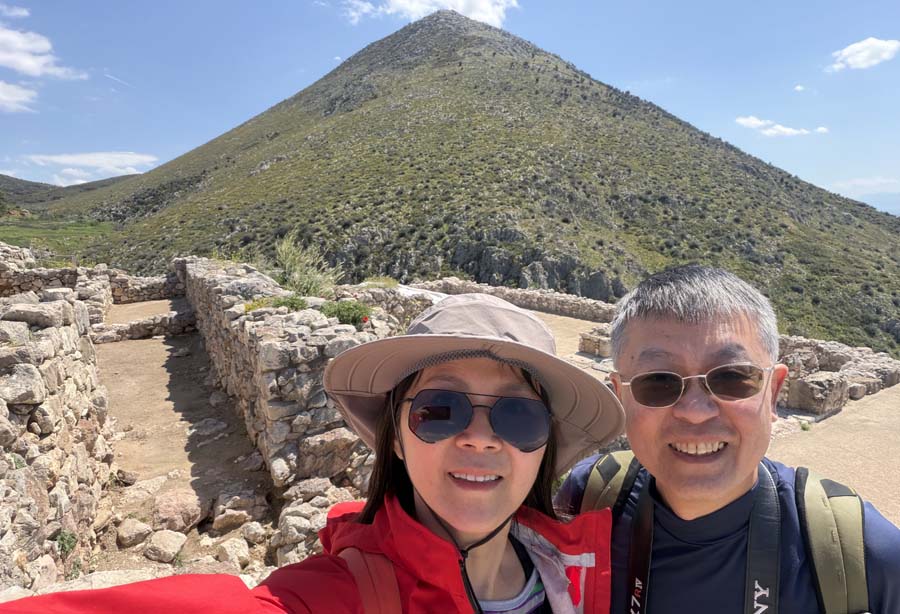
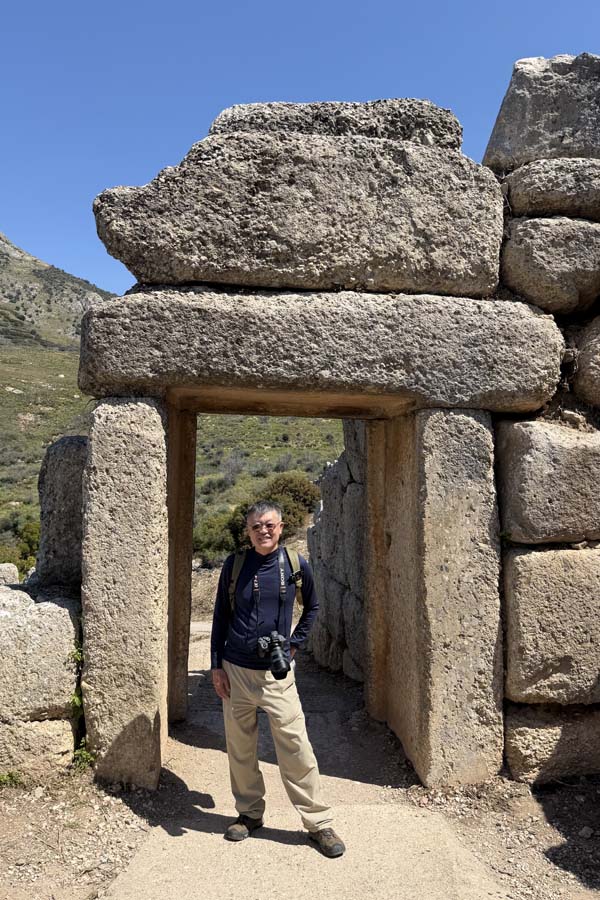
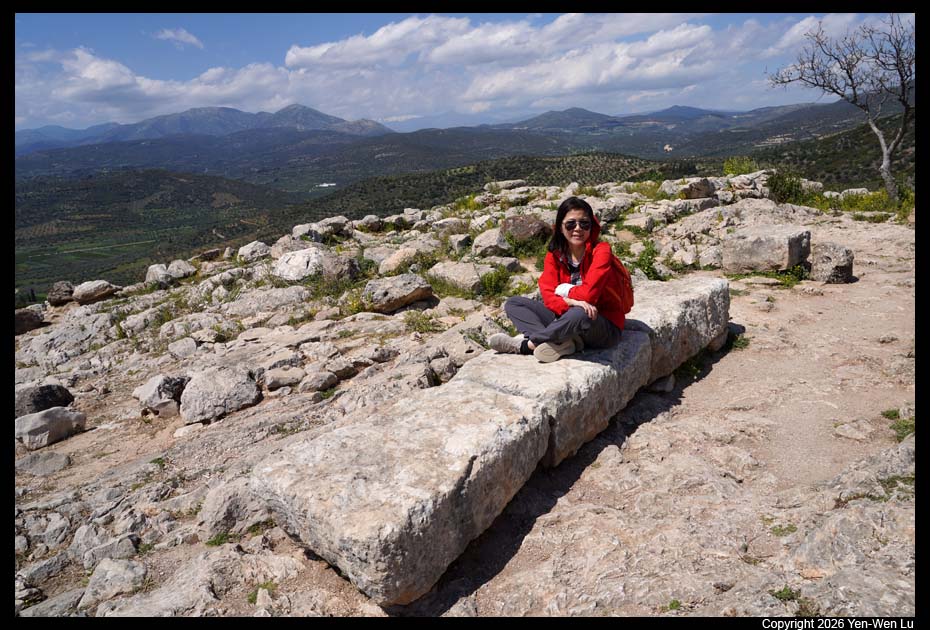
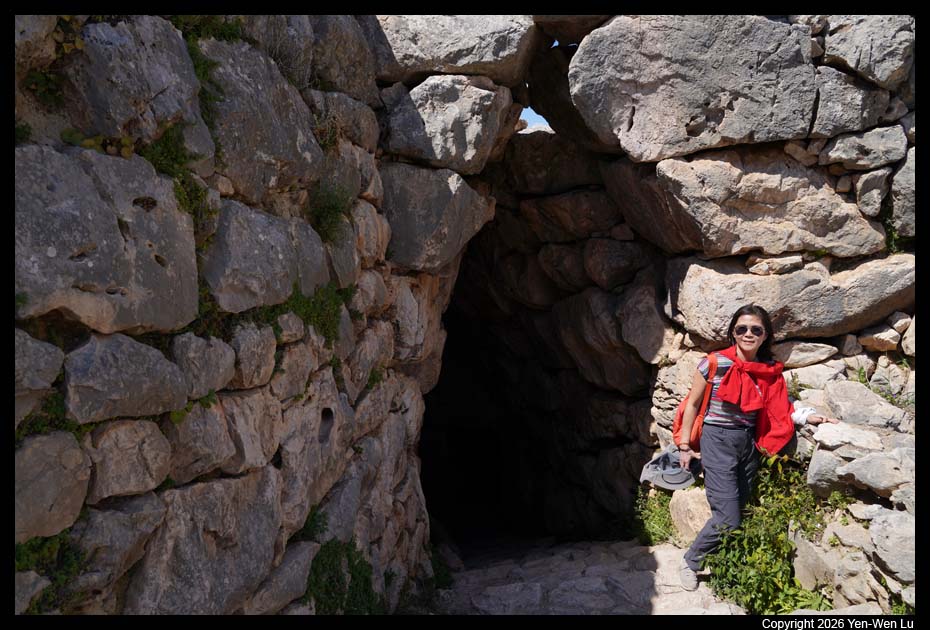
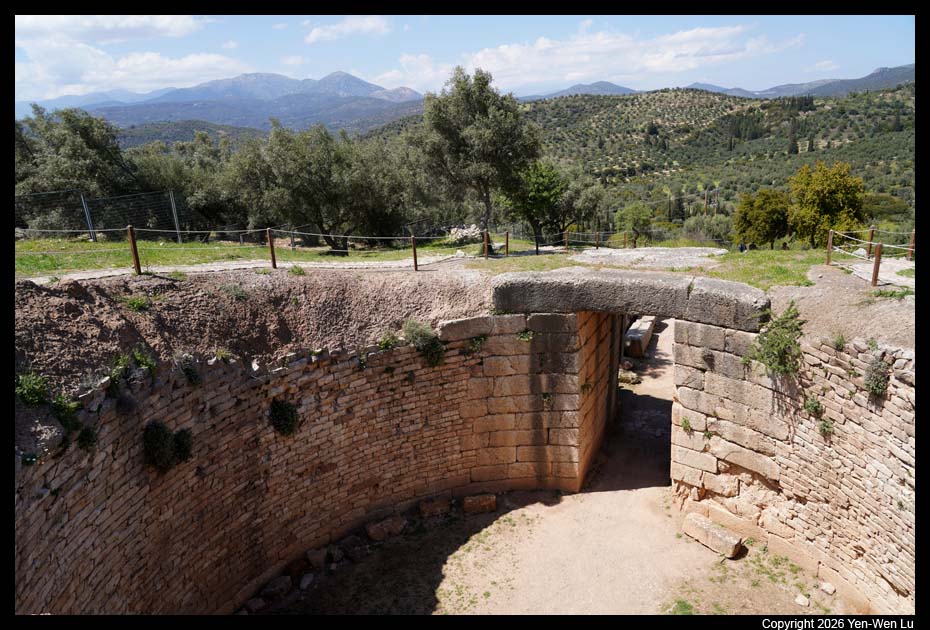
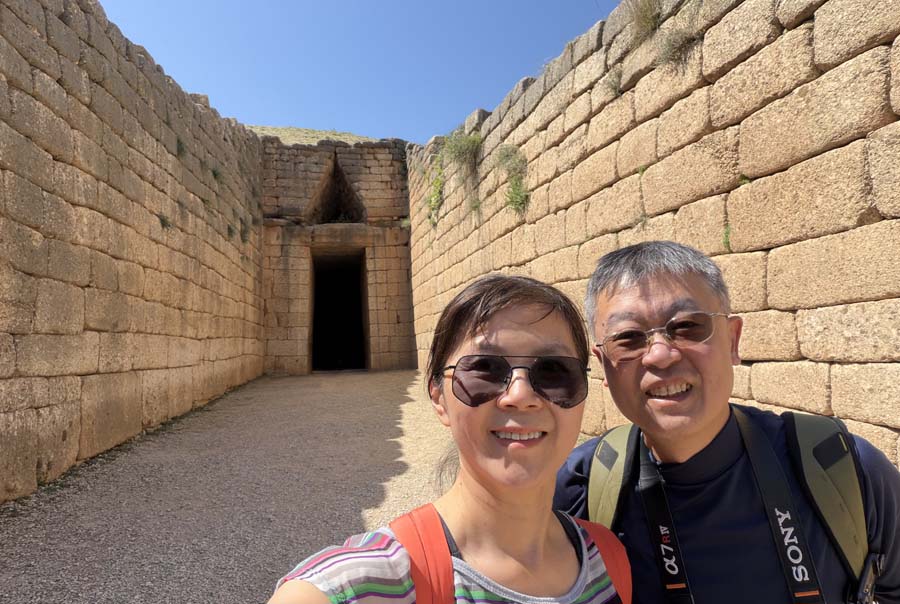
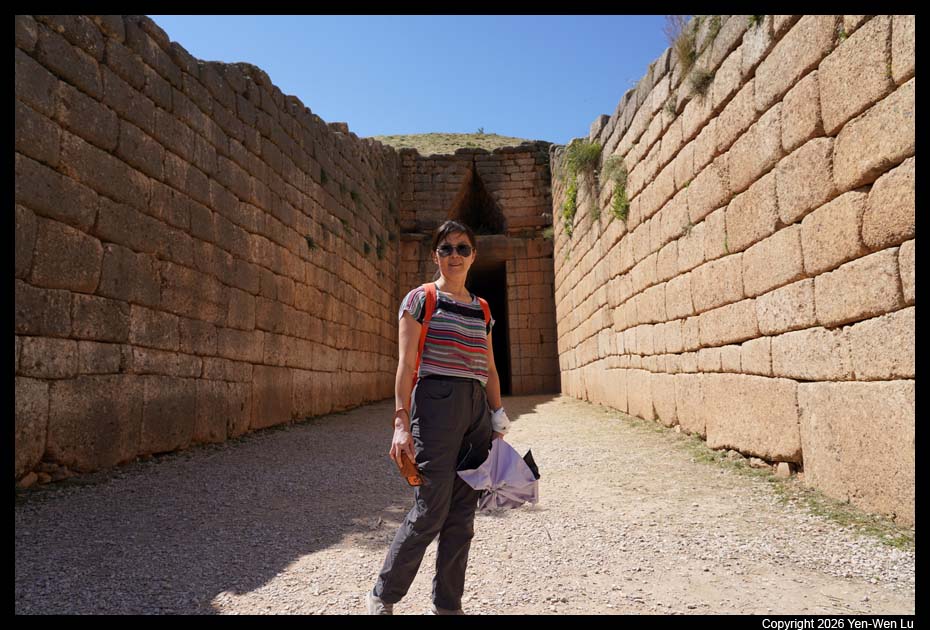
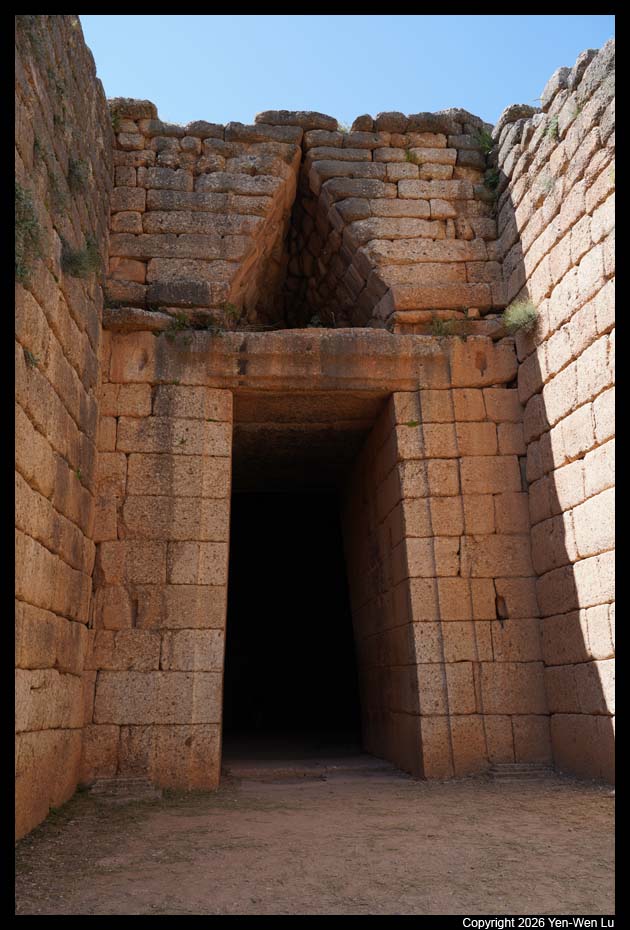
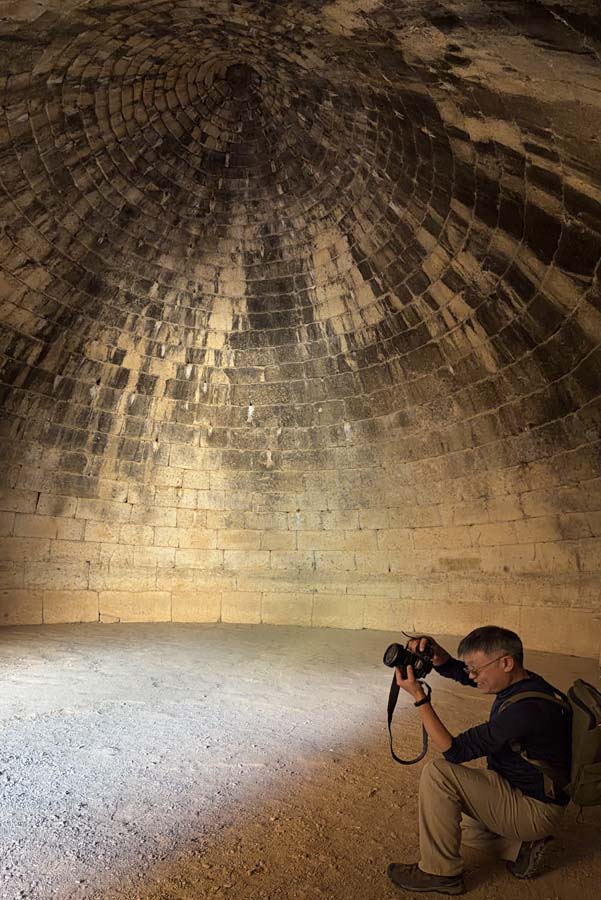
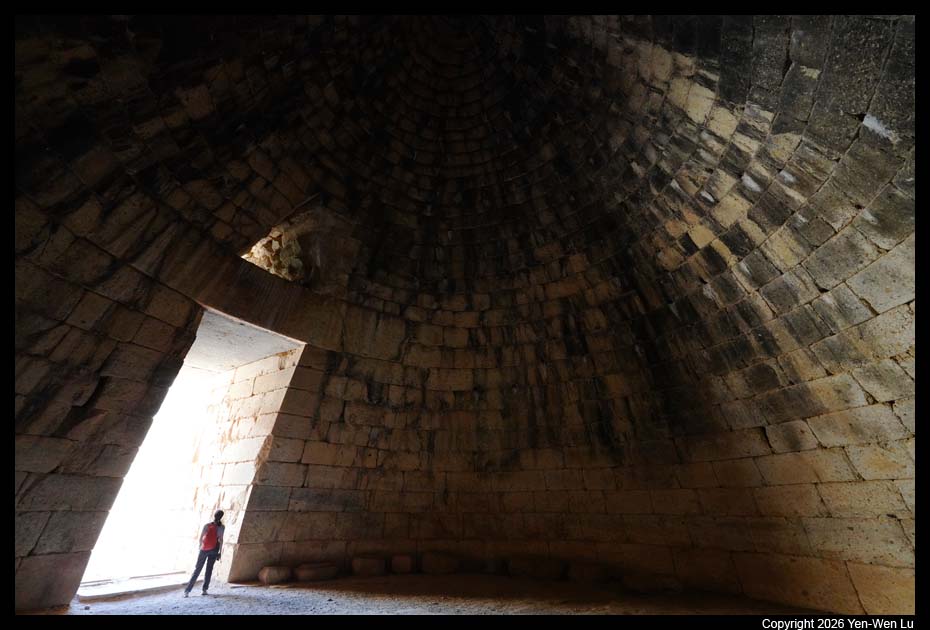
The most famous spots of Mycenae Greece is the Lion Gate, the entrance of
the town, and the Treasury of Atreus, the vaulted tomb of King Agamemnon.
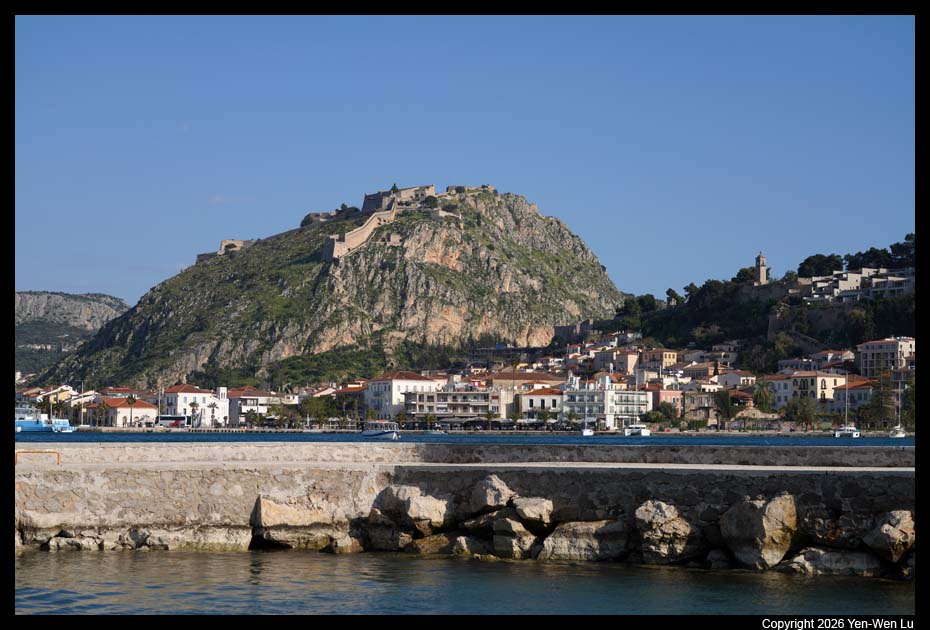
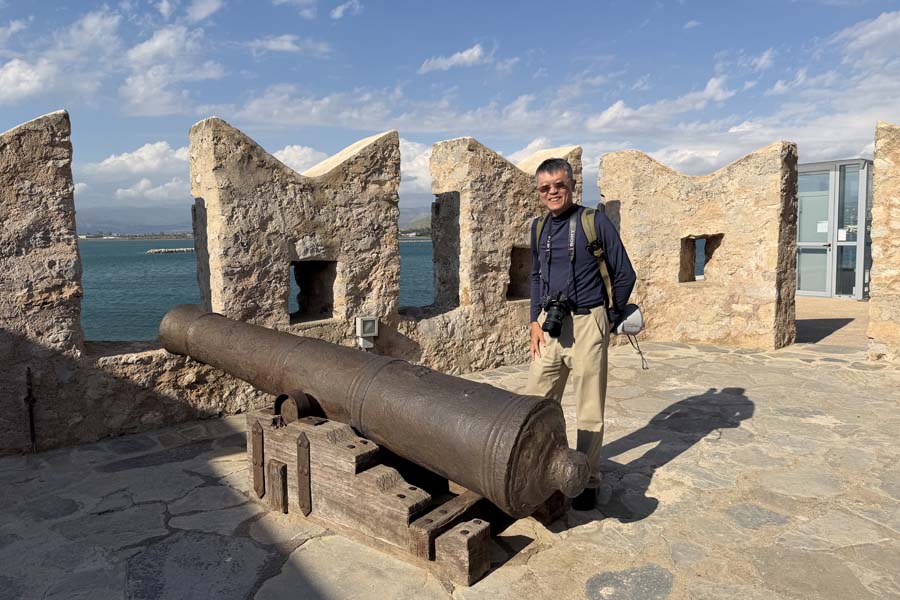
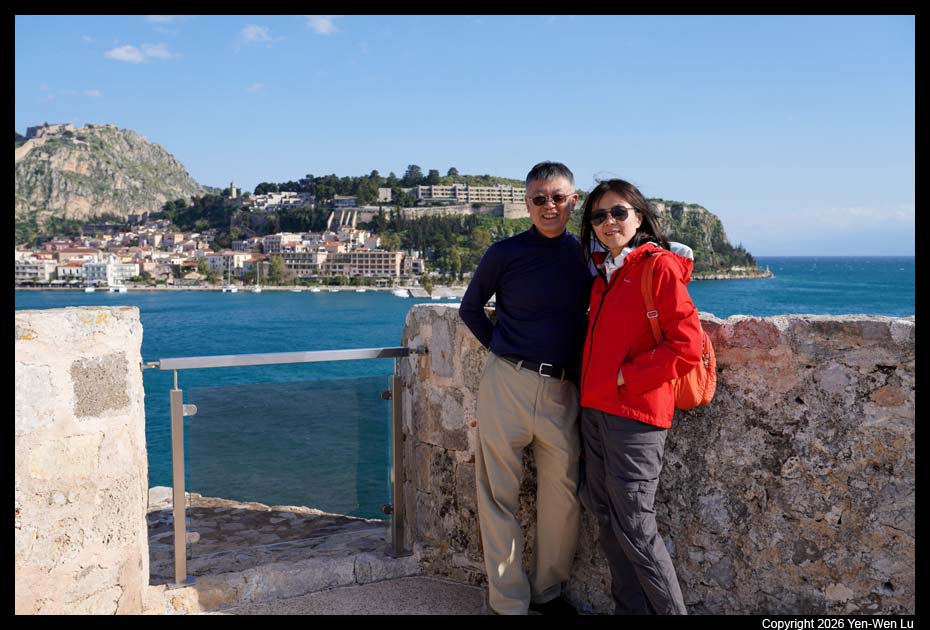
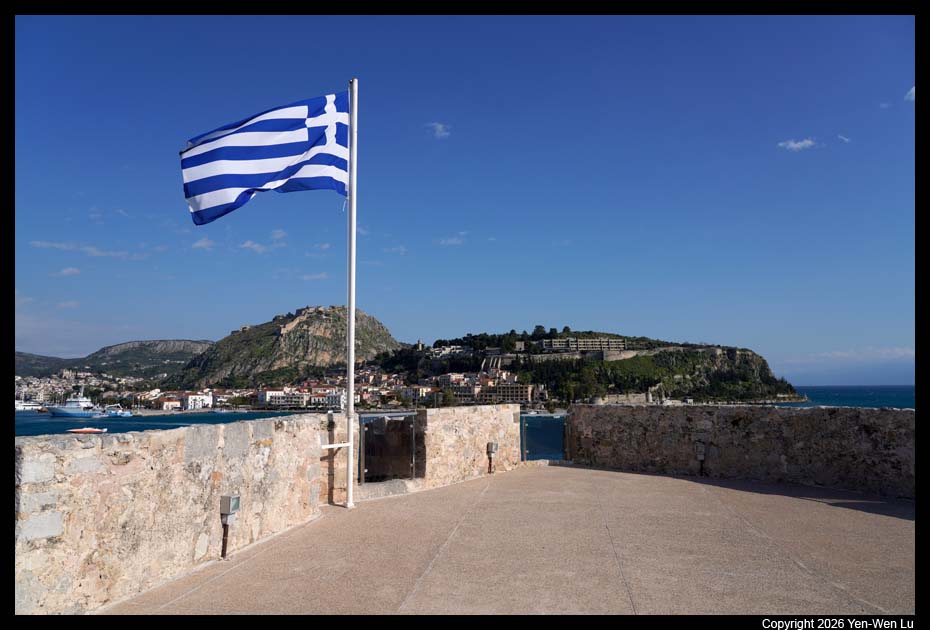
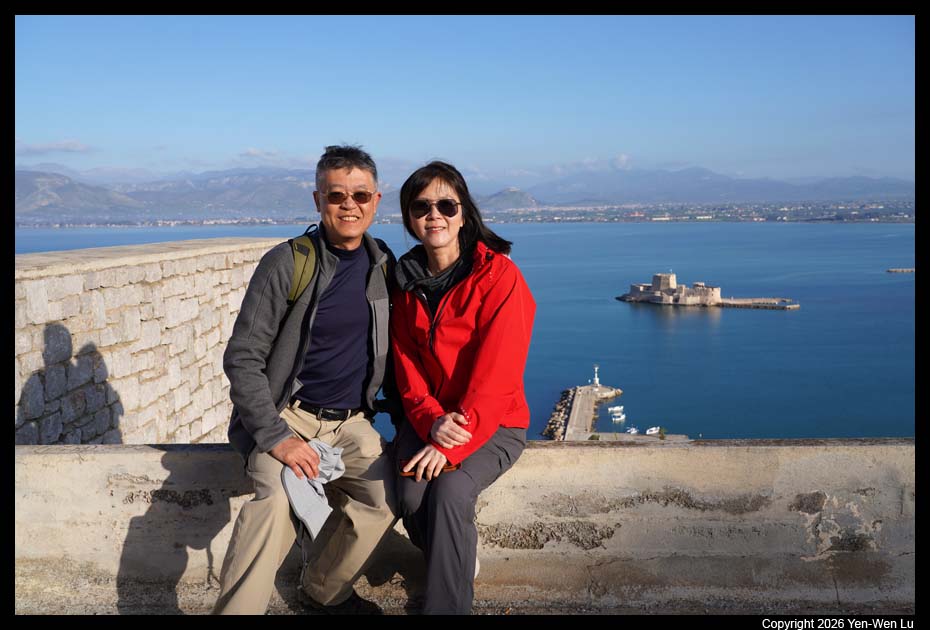
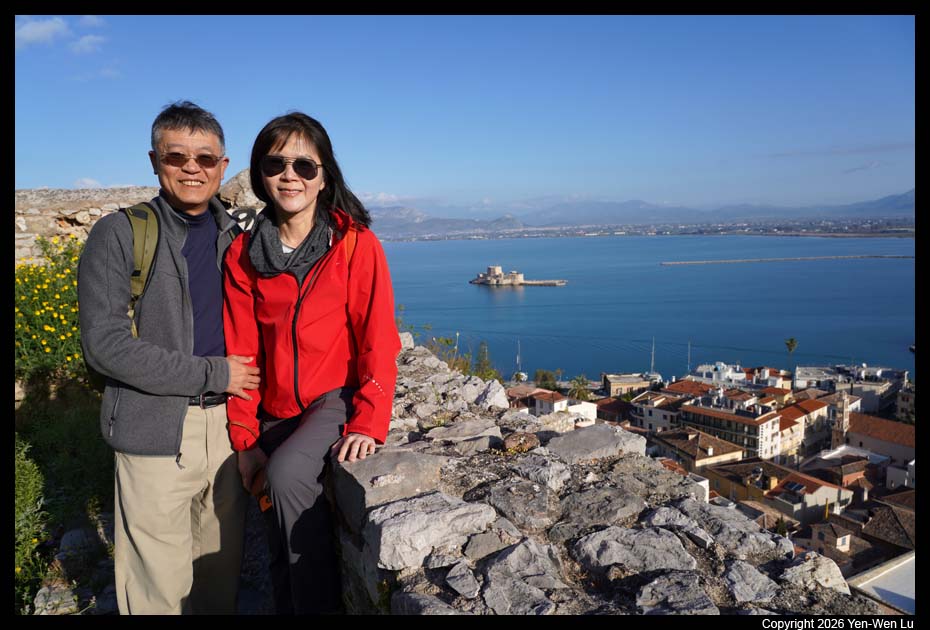
- Bourtzi Fortress, Nafplio
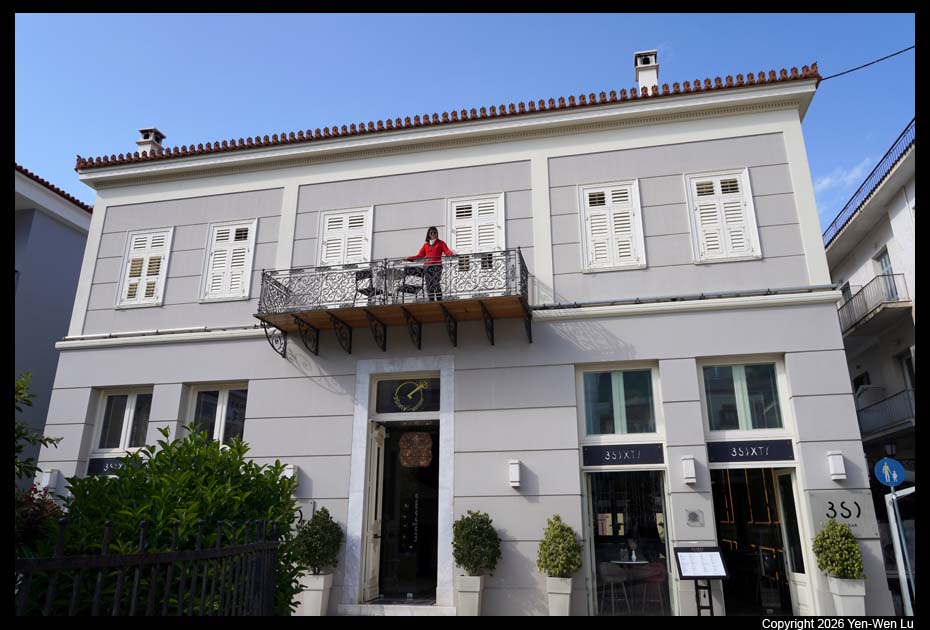
After checked in the hotel (3
Sixty Hotel & Suites) in Nafplio, we walked to the waterfront to take
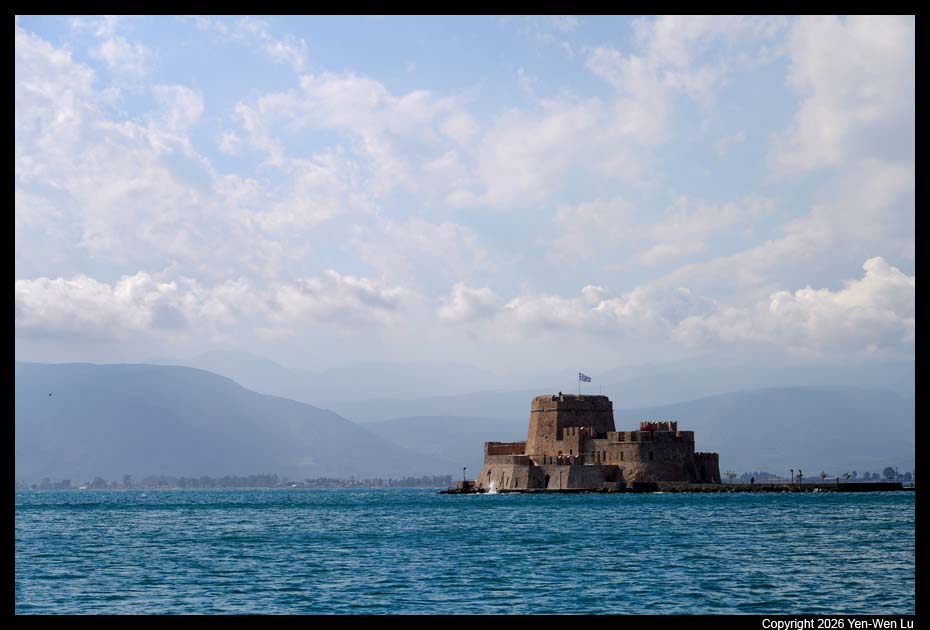
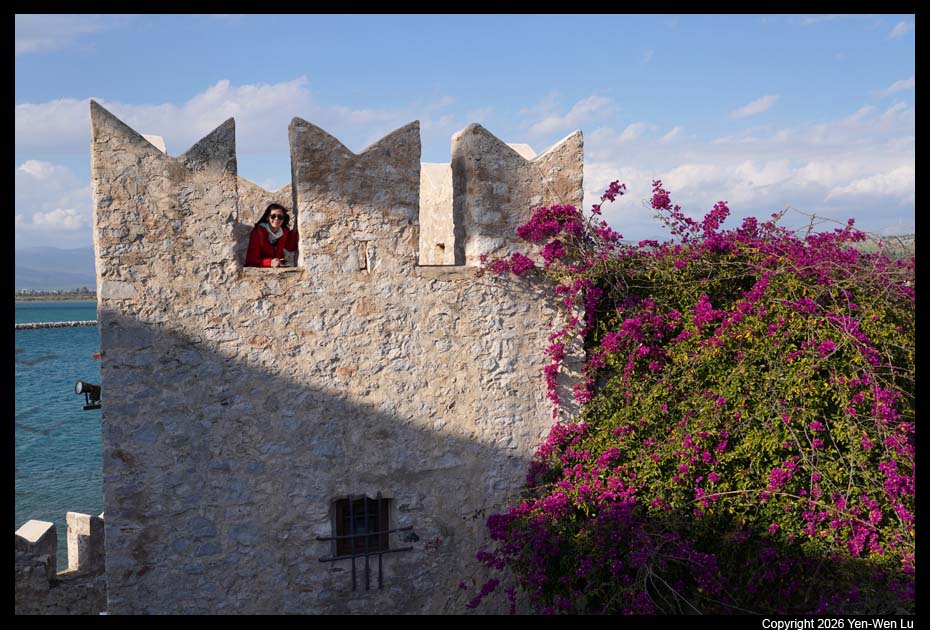
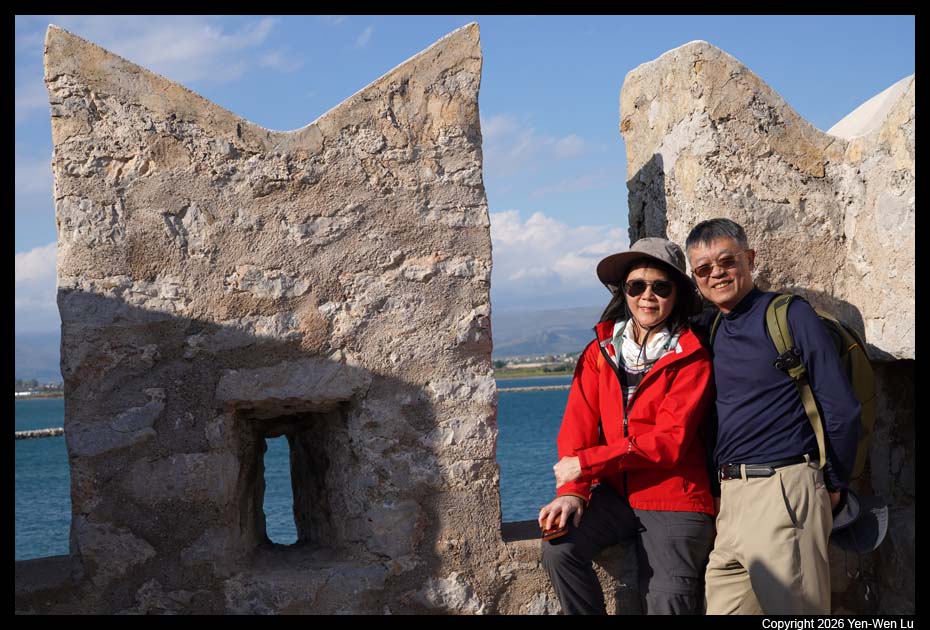
the last ferry (4:50PM) to Bourtzi Fortress. The Bourtzi fortress is
one of the most important fortifications in the whole of Greek lands.
It was built during the first period of the Venetian rule, when Vittore
Pasqualigo was the commander of Nauplion, from whom originally it took its
name, i.e. “Castel Pasqualigo”. During the Venetian occupation it was also
known as the “Fortress of the Rock” or “of the Sea” (“Castello dello
scoglio” or “Castello a mare”). The current name “Bourtzi” (Tower or
Fortress) was established during the Ottoman occupation.
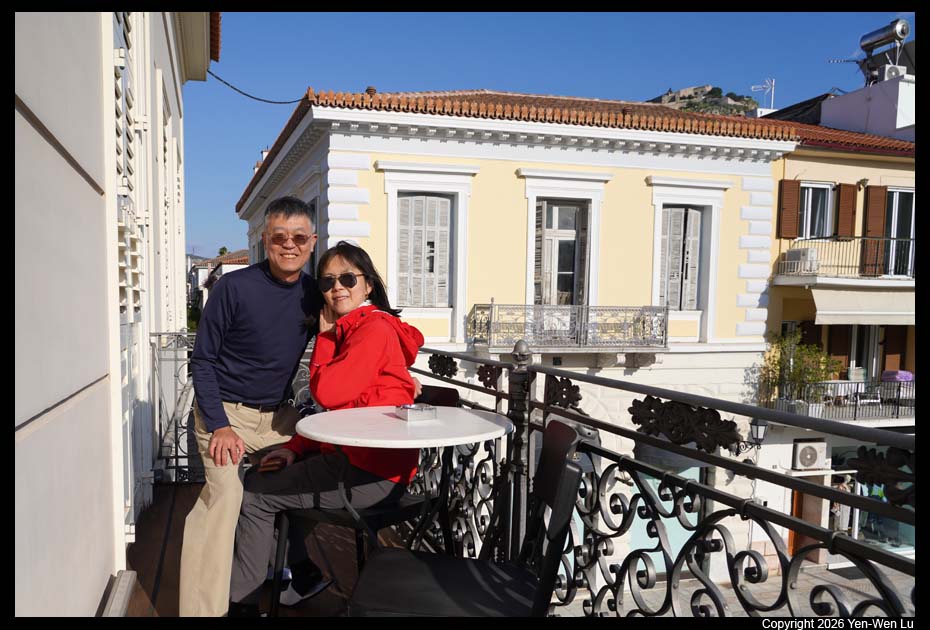
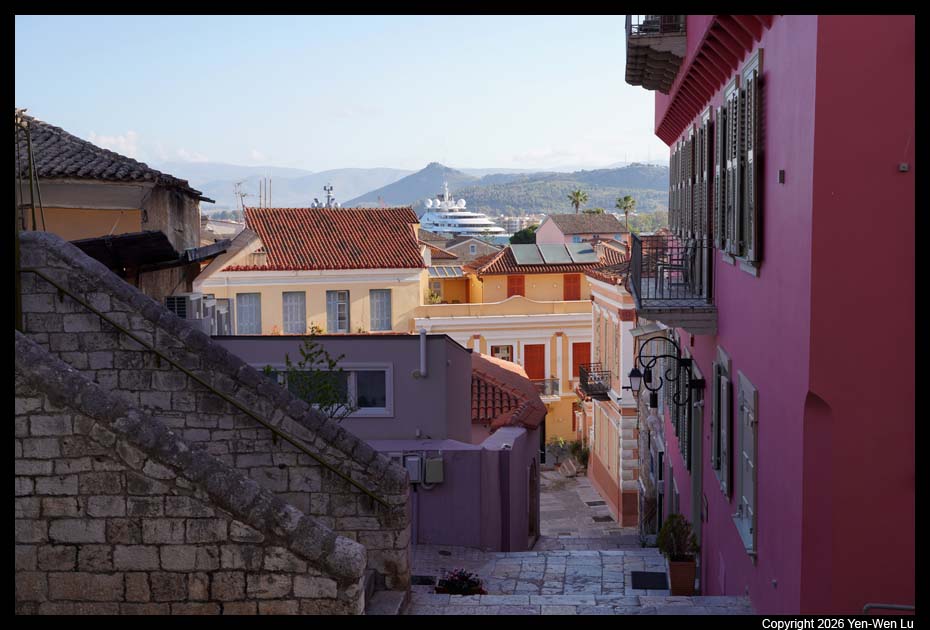
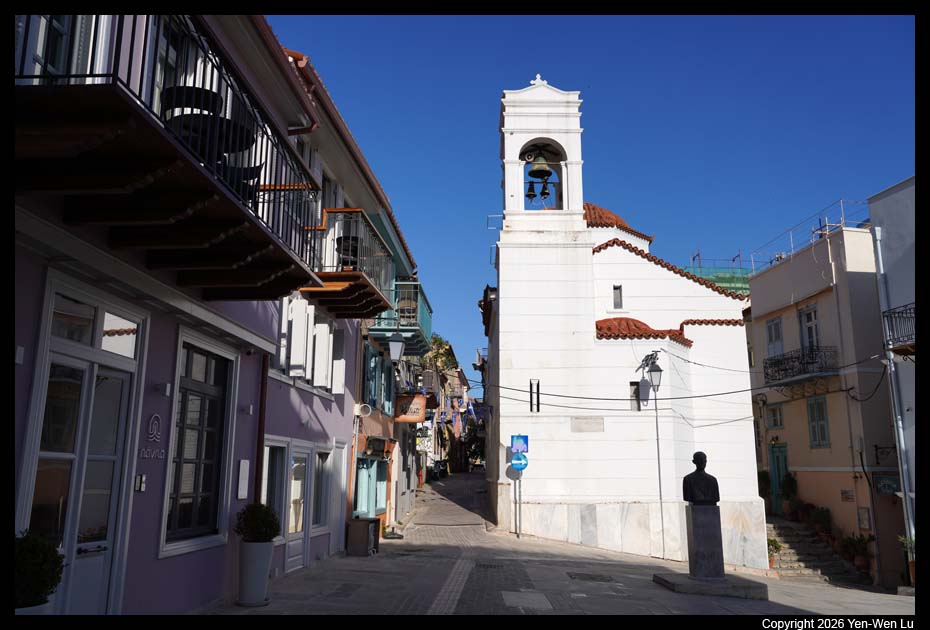
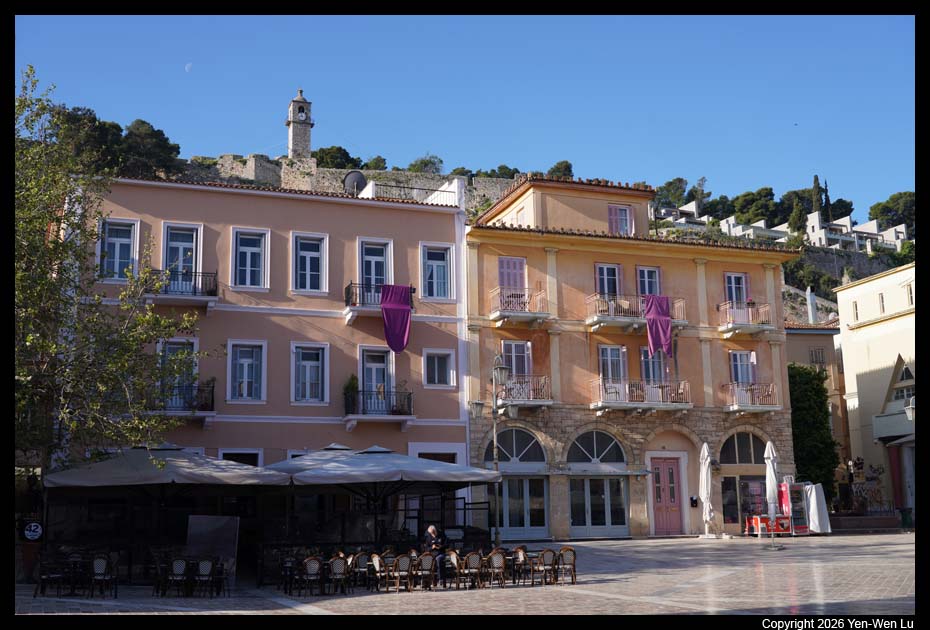
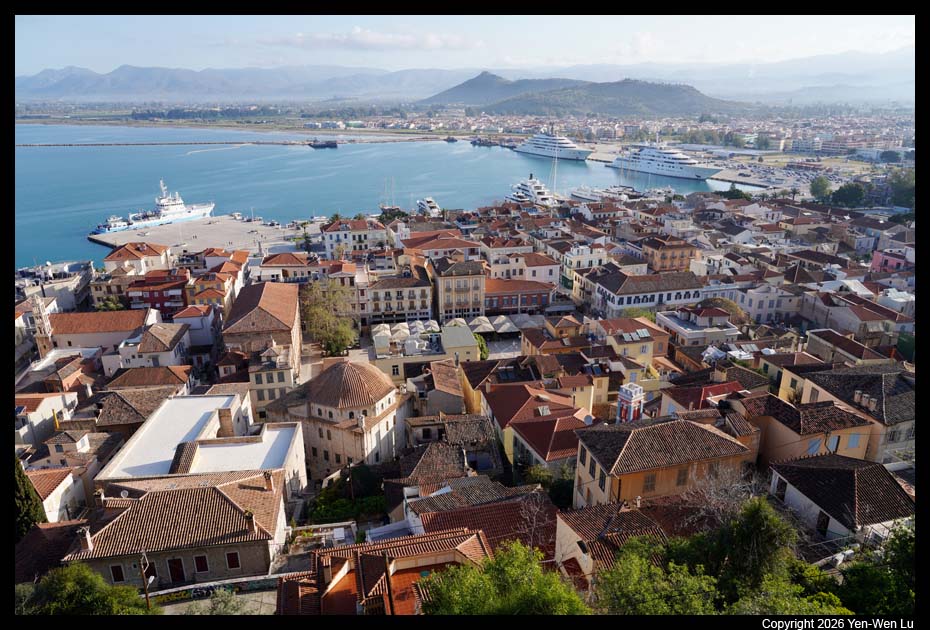
- Nafplio
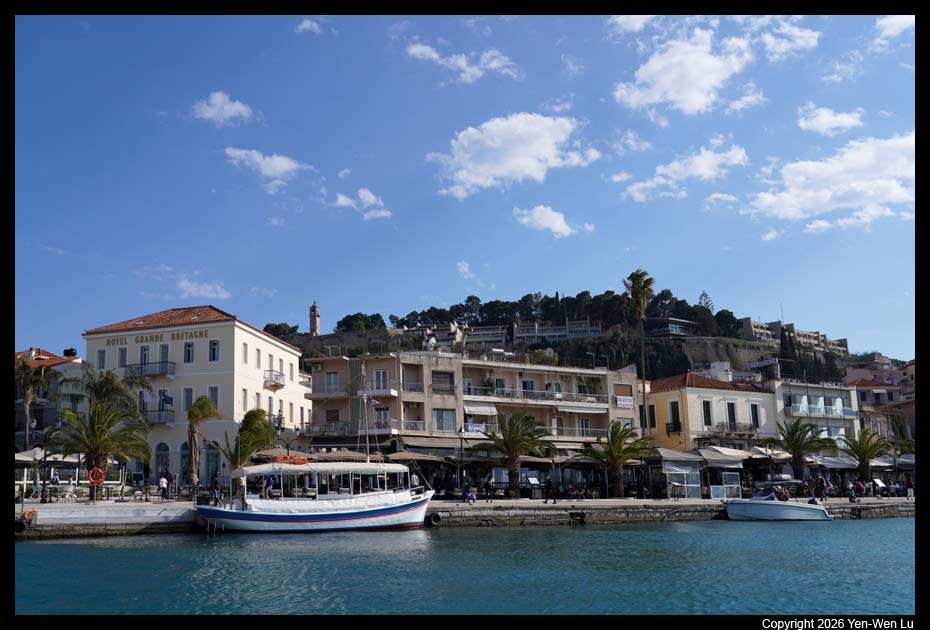
One of the most beautiful towns in the area of Argolis (in
eastern Peloponnese) as well as one of the most romantic cities all over
Greece, Nafplio was the first capital of the newly born Greek state between
1823 and 1834. Today, it is a popular year-round destination known for
its well-preserved Venetian architecture, stunning fortresses, and narrow
cobblestone alleyways.
Day 7 (4/10) ...
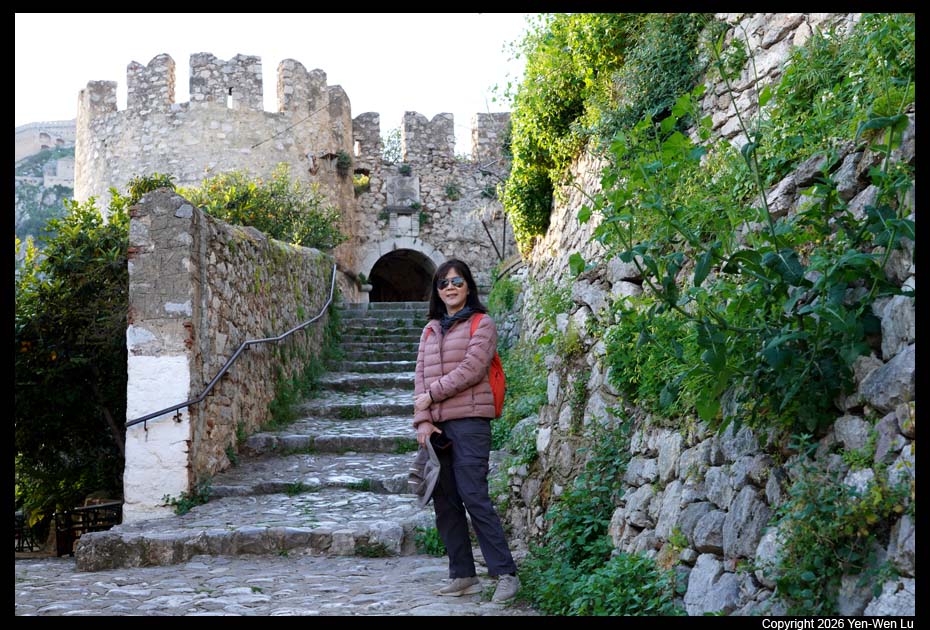
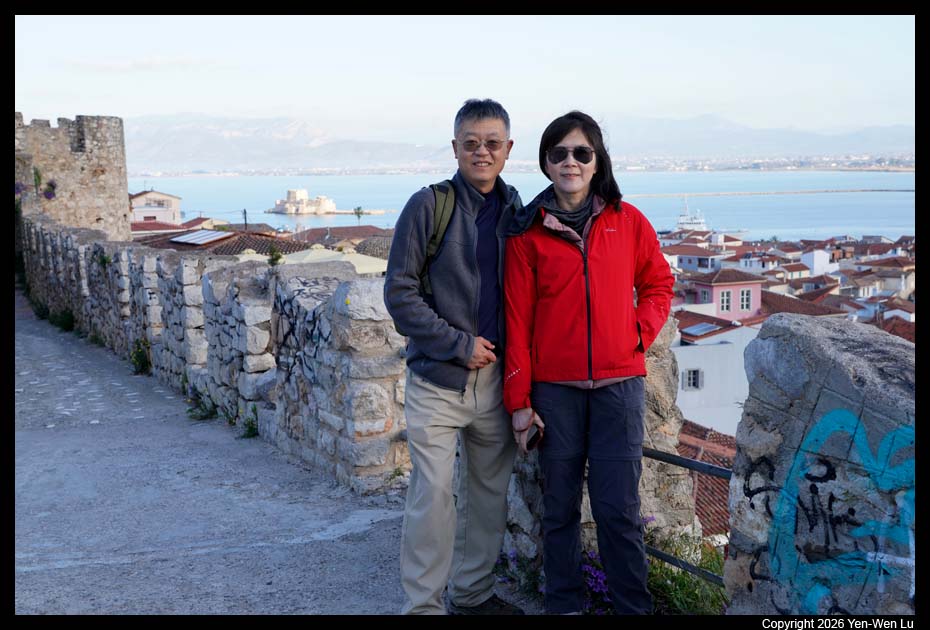
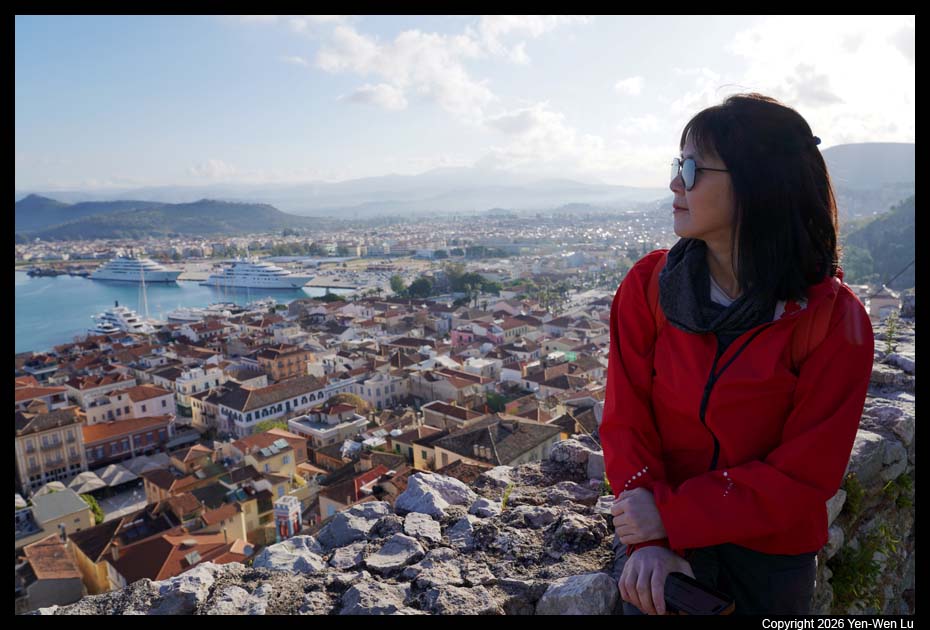
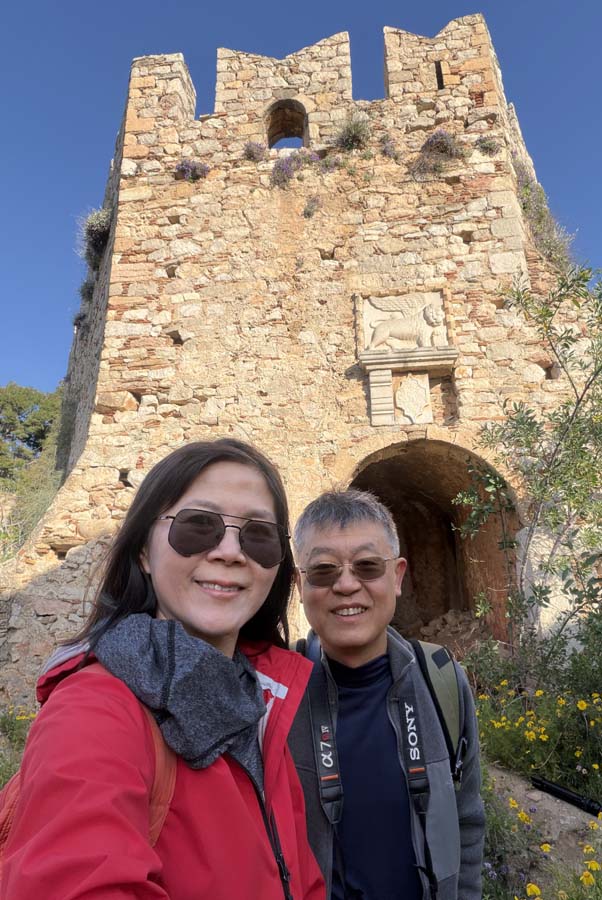
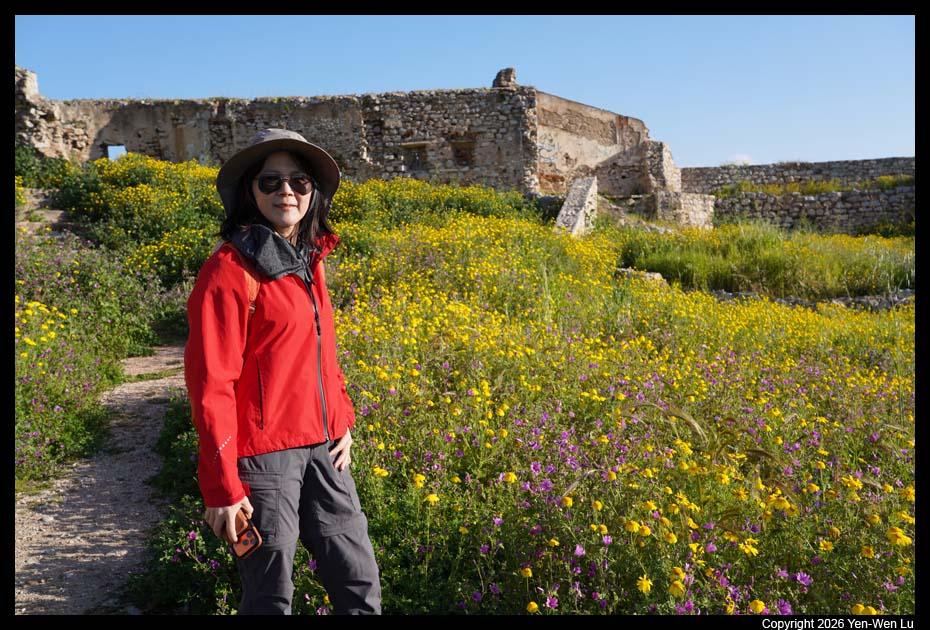
- Acronauplia
We got up early to walk to Acronauplia, perched right above
the old town. Until the thirteenth century, it was a town on its own.
The arrival of the Venetians and the Franks transformed it into part of the
town fortifications. Later, part of it was used as a prison until the Greek
government decided that the view provided from its location would benefit the
local tourism and built a hotel complex which still stands there today.
My original plan was to visit Ancient Theatre of
Epidaurus after checking out in Nafplio. However, when we got to
Epidaurus, we found out it was not open until 12PM because it was Easter
Friday (normally it is open at 8AM). We decided to continue to our next
planned destination, Corinth Canal, and I found another place (Holy Monastery of Daphni)
to visit before we headed to the Athens Airport in the afternoon.
- Corinth Canal
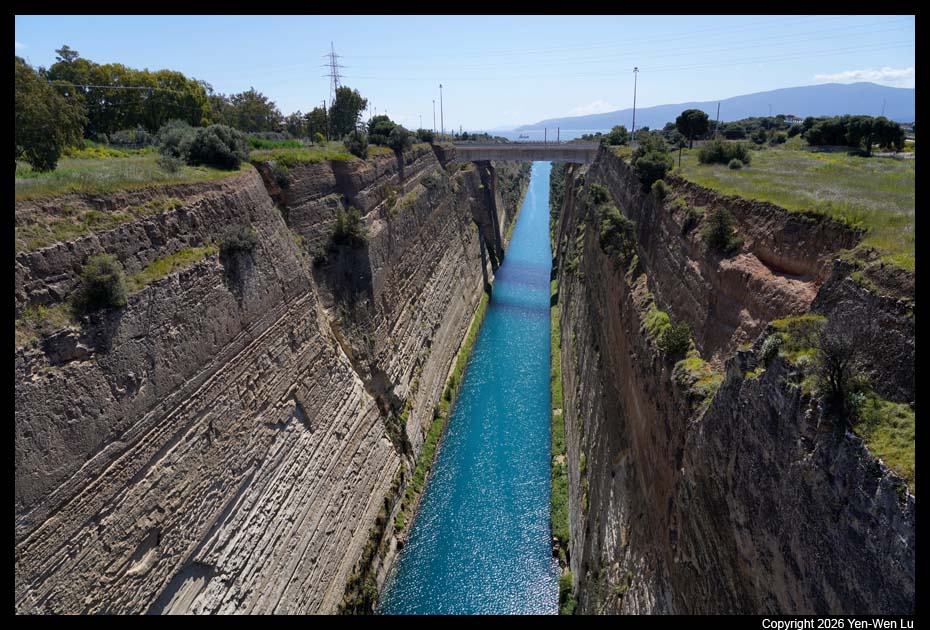
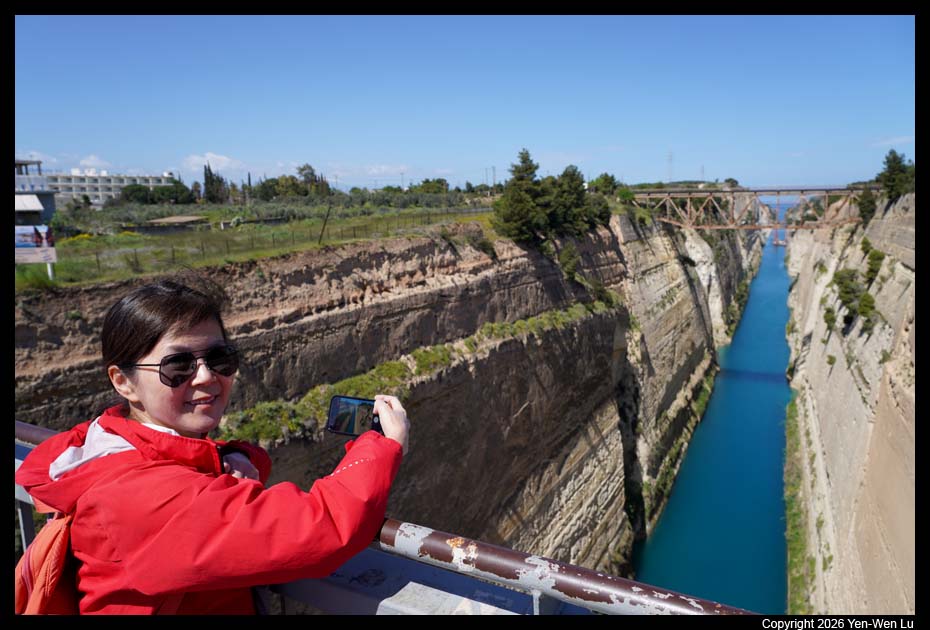
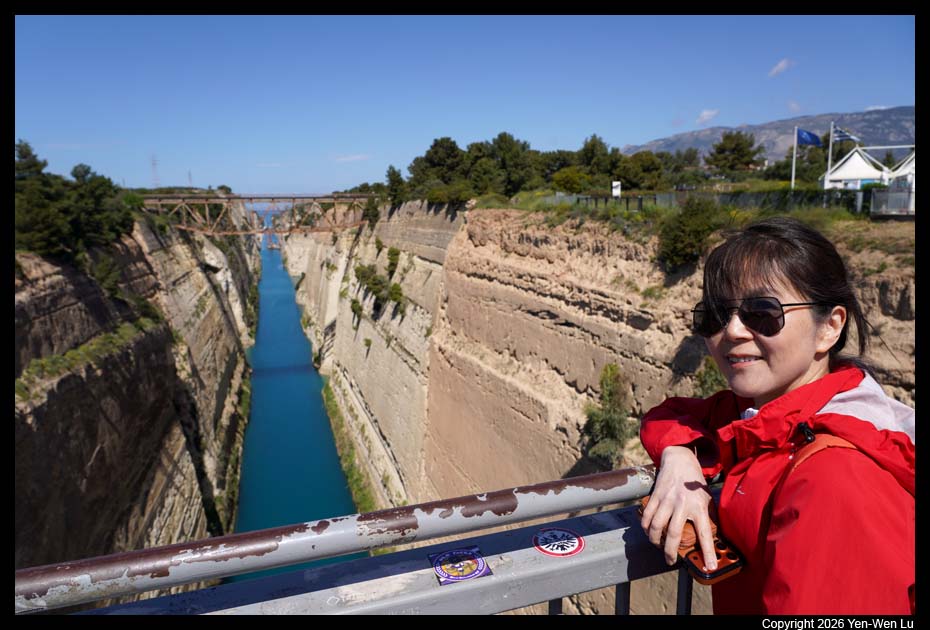
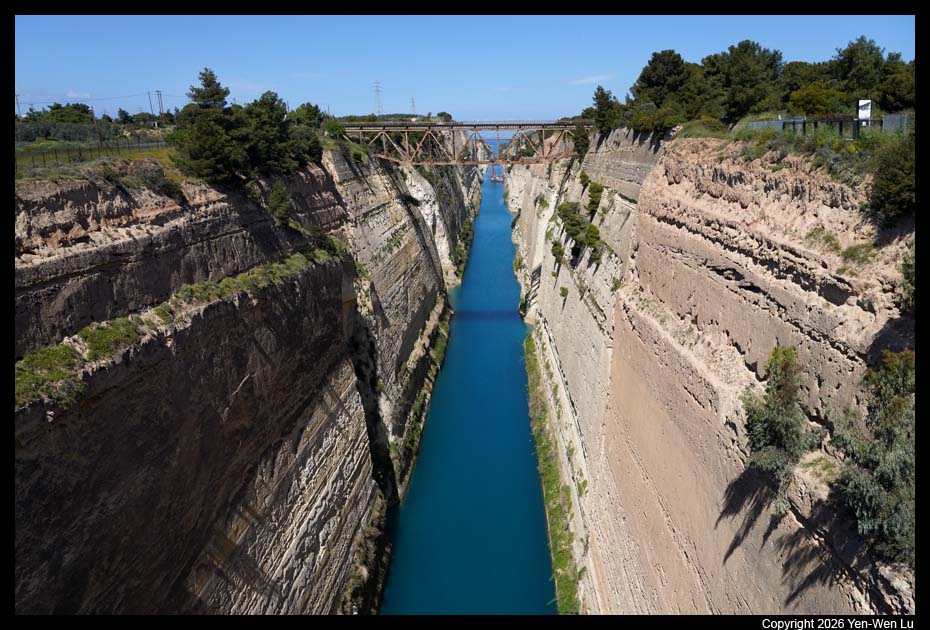
The Corinth Canal, a tidal waterway across the Isthmus
of Corinth, connects the Gulf of Corinth in the Ionian Sea with the Saronic
Gulf in the Aegean Sea. The Corinth Canal concept originated with
Periander of Corinth in the 7th century BC. Construction of a canal
finally began under Roman Emperor Nero in 67 AD, using Jewish prisoners.
However, the project ceased shortly after his death. Construction
finally recommenced in 1881 and completed in 1893. It is 6.4
kilometers (4 miles) in length and at 24.6 meters (80.7 feet) wide at sea
level; it is impassable for many modern ships. It is currently of little
economic importance and is mainly a tourist attraction.
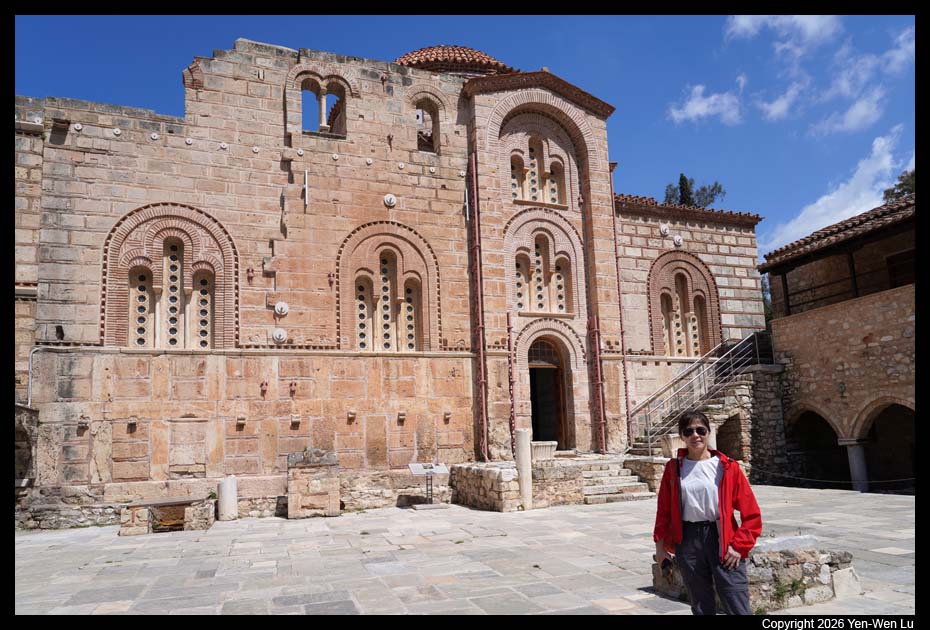
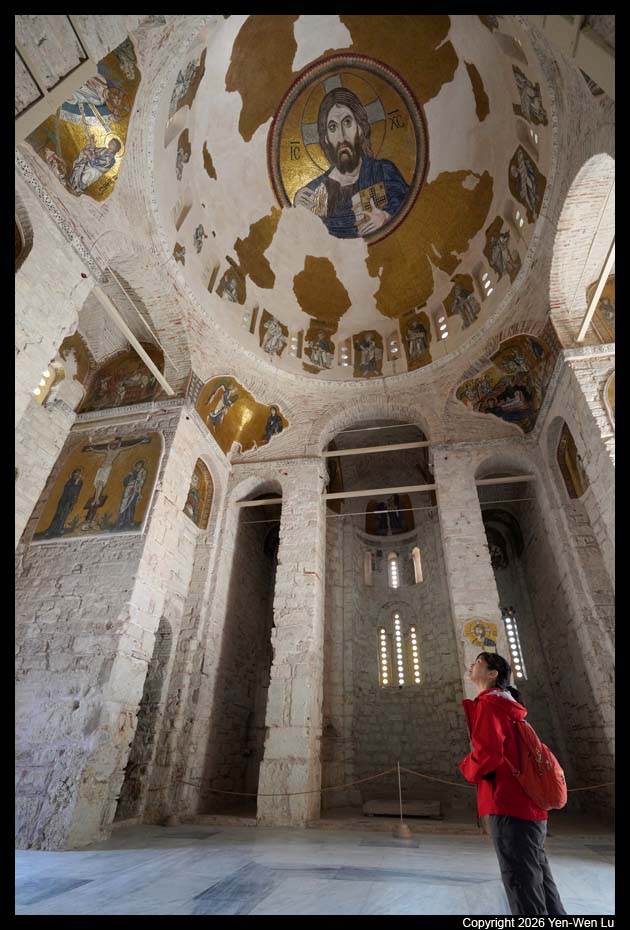
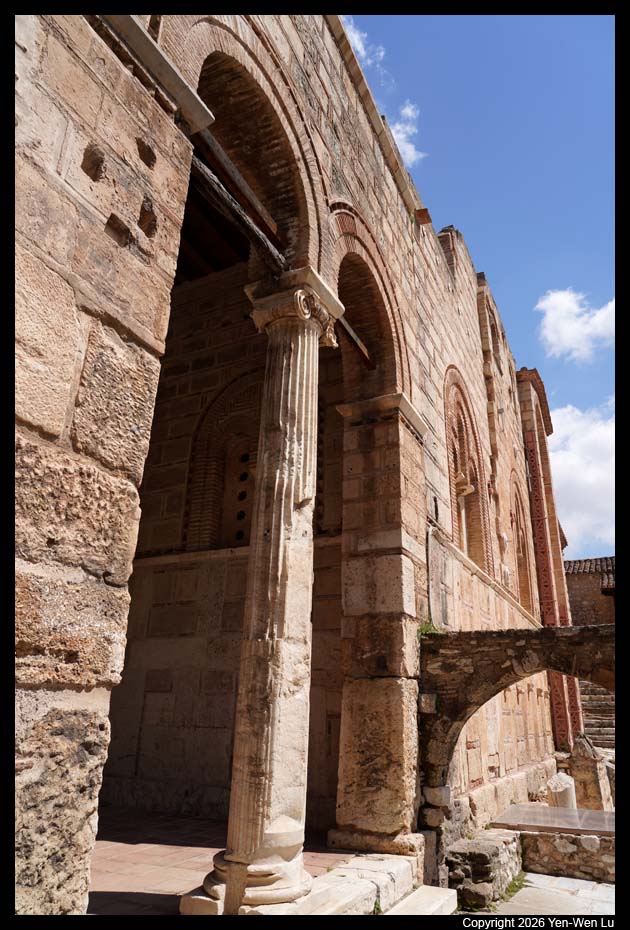
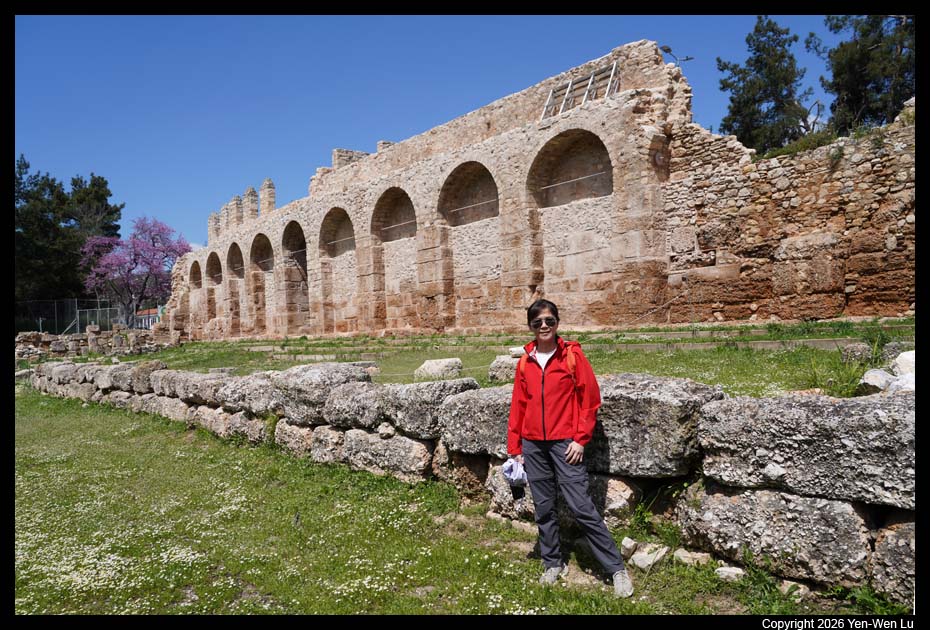
- Holy Monastery of Daphni
The Daphni Monastery was founded towards the
end of the sixth century A.D. on the site of the Sanctuary of Apollo.
The second phase, dated to the end of the 11th century (around 1080), is the
one preserved today. The Daphni Monastery, along with the famous
monasteries of Hosios
Loukas (where we visited on our first day in Greece) and Nea Moni on the
island of Chios, are designated UNESCO World Heritage Sites for their
significant historical and architectural value. These monasteries are famed
as masterpieces of middle Byzantine architecture, and are especially noted
for their sumptuous interior gold-ground mosaics.
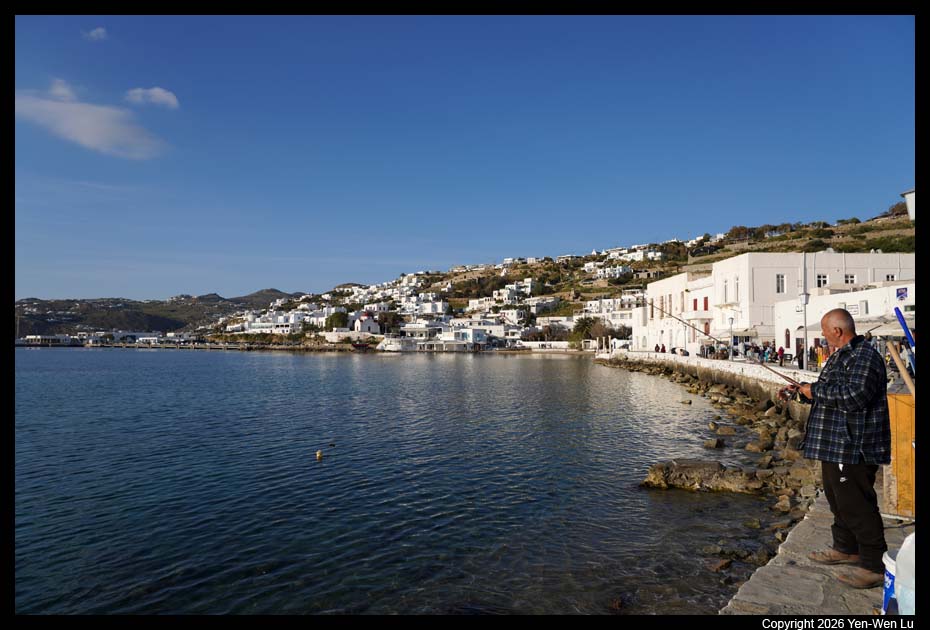
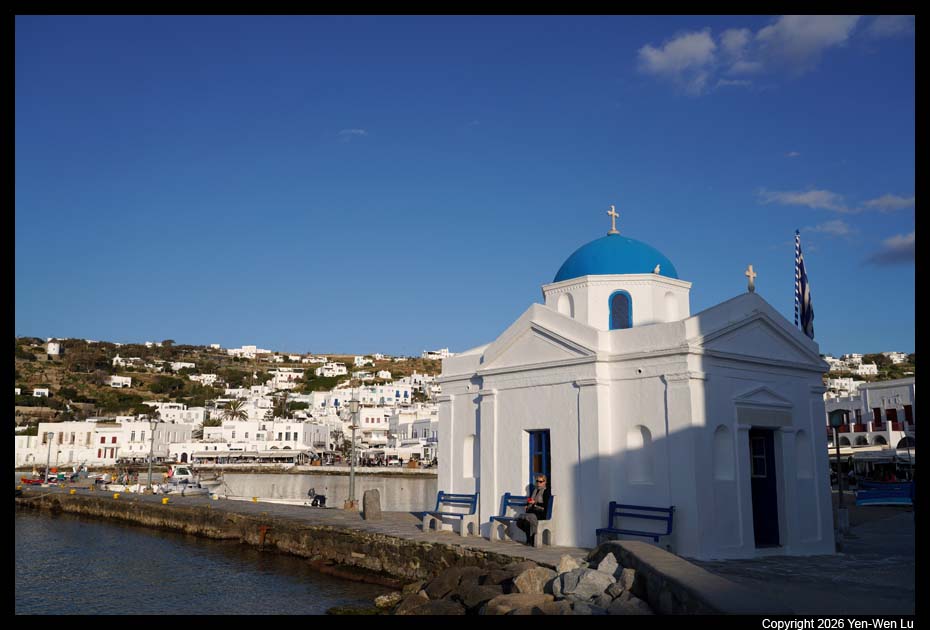
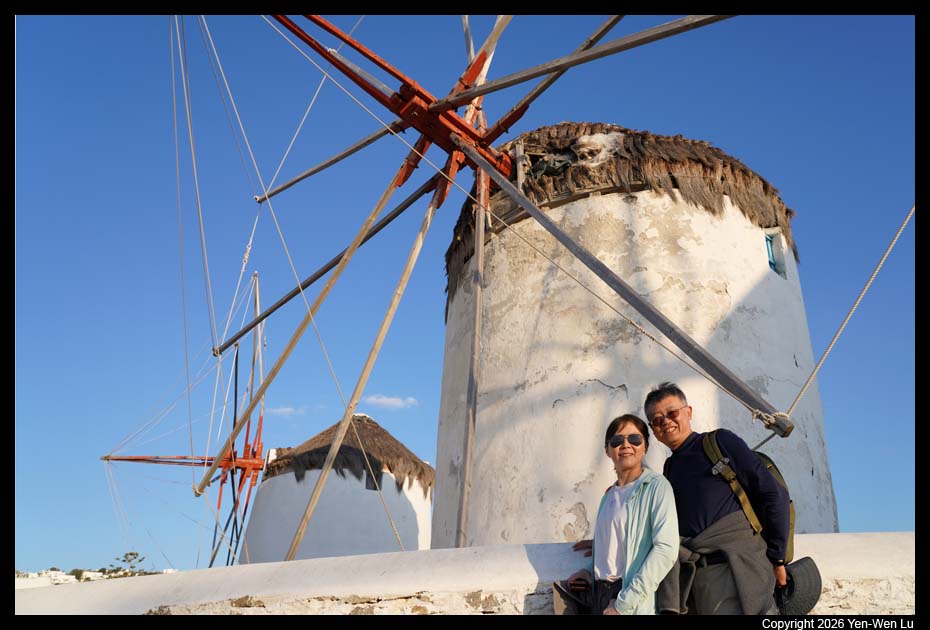
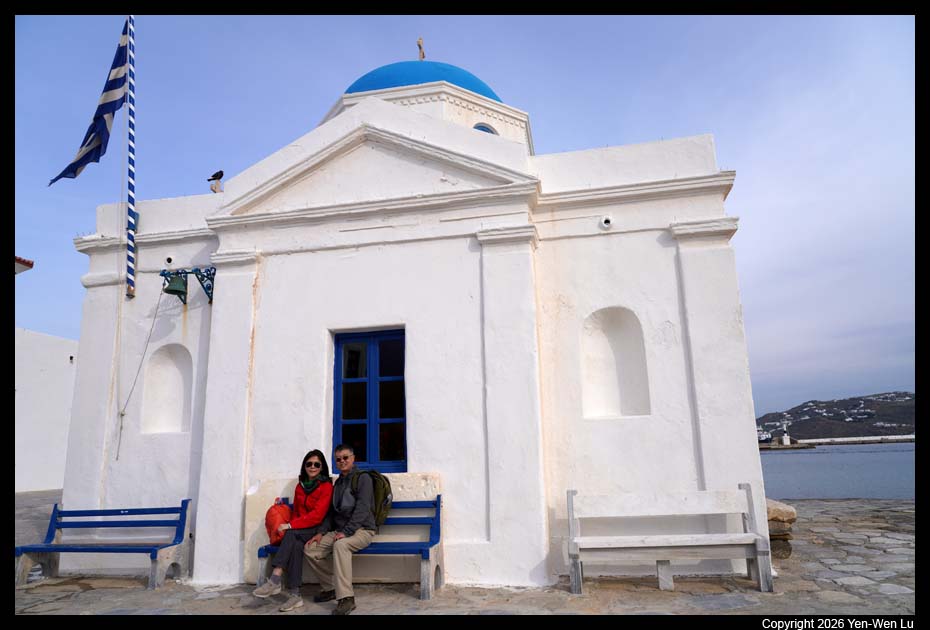
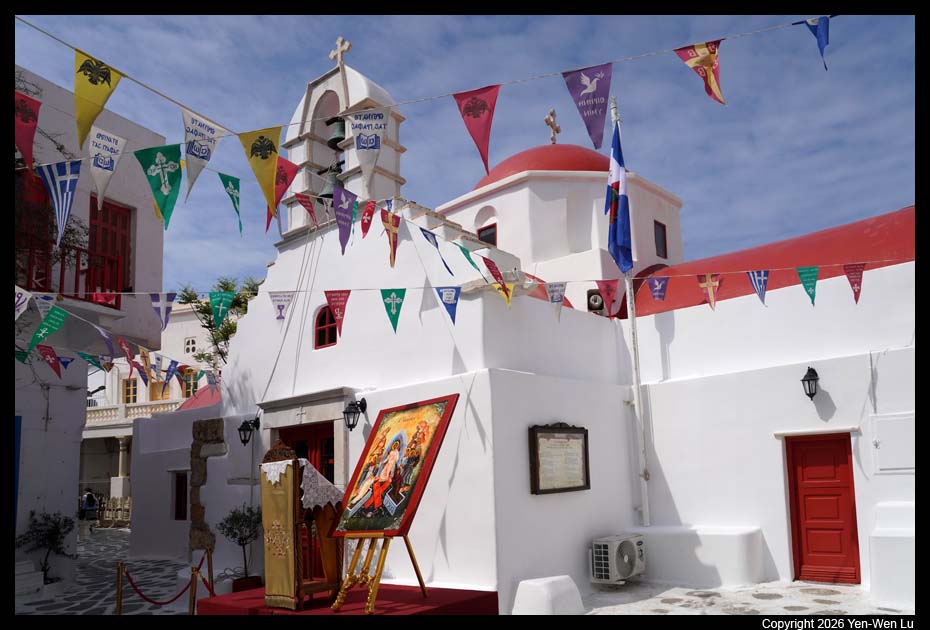
- Mykonos
It's time to leave the Greece mainland to embark our next
segment of Greece journey, Greek Islands (Mykonos and Santorini). We
flew from Athens (at 4:20PM) to Mykonos (5:05PM) with the real flight time
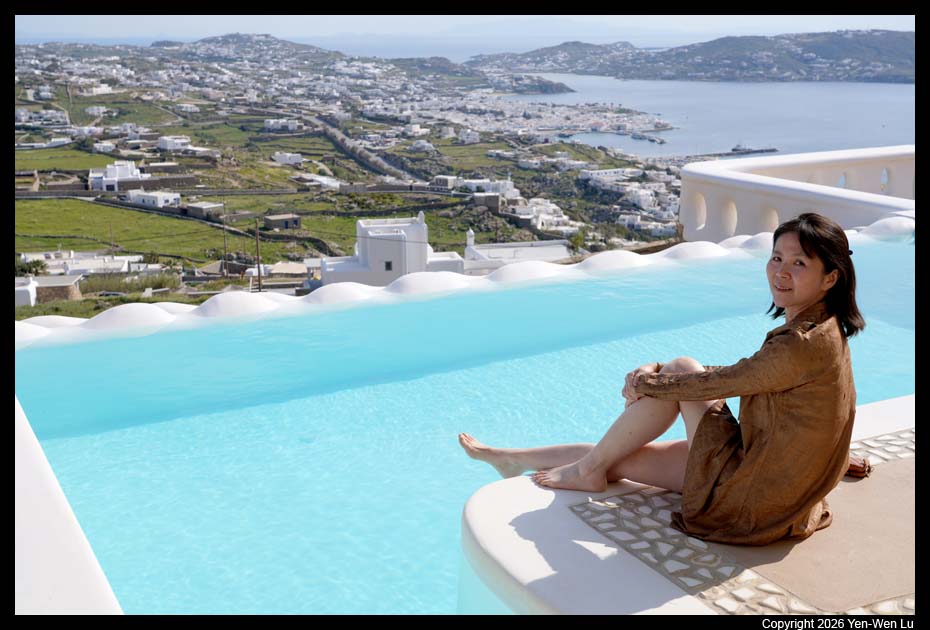
only 20 minutes. We got our rental car and drove to our Villa (Mykonos
Divino), our home for the next 3 days. After a short break,
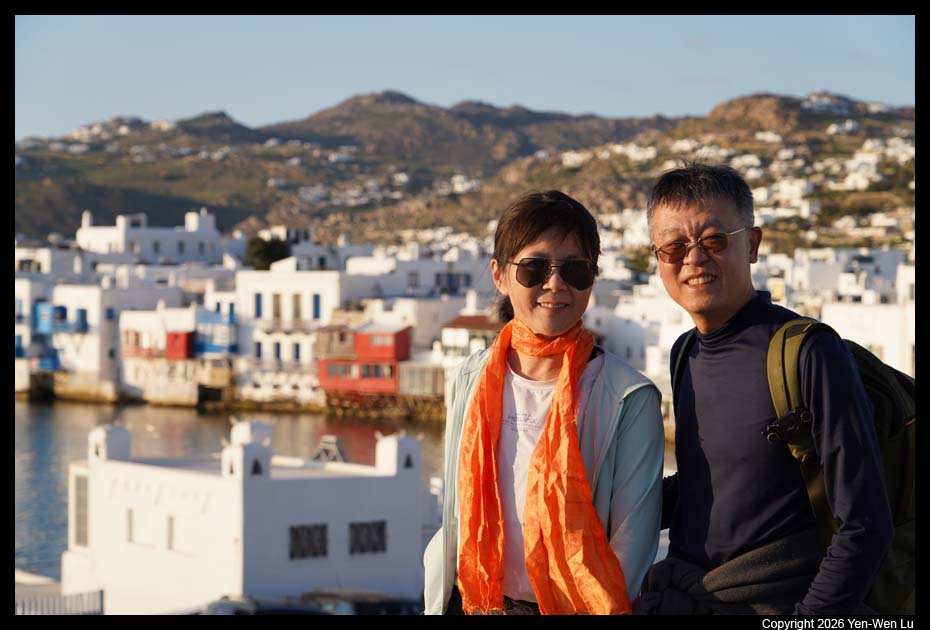
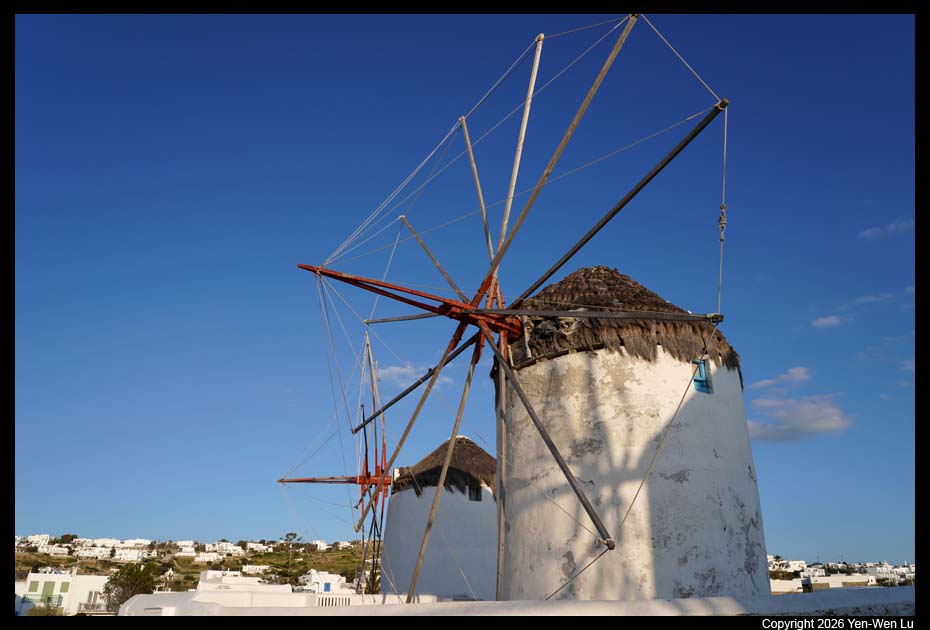
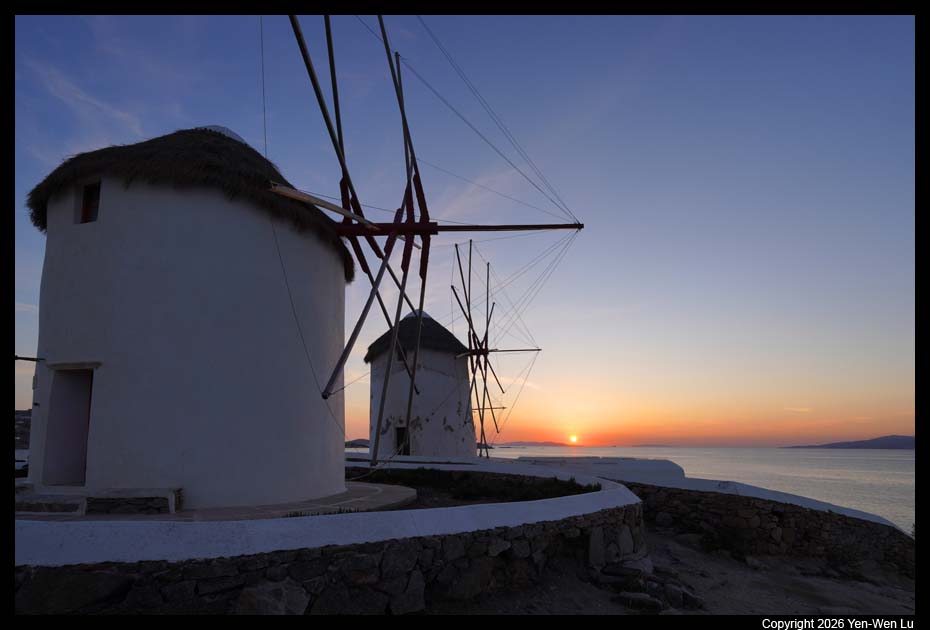
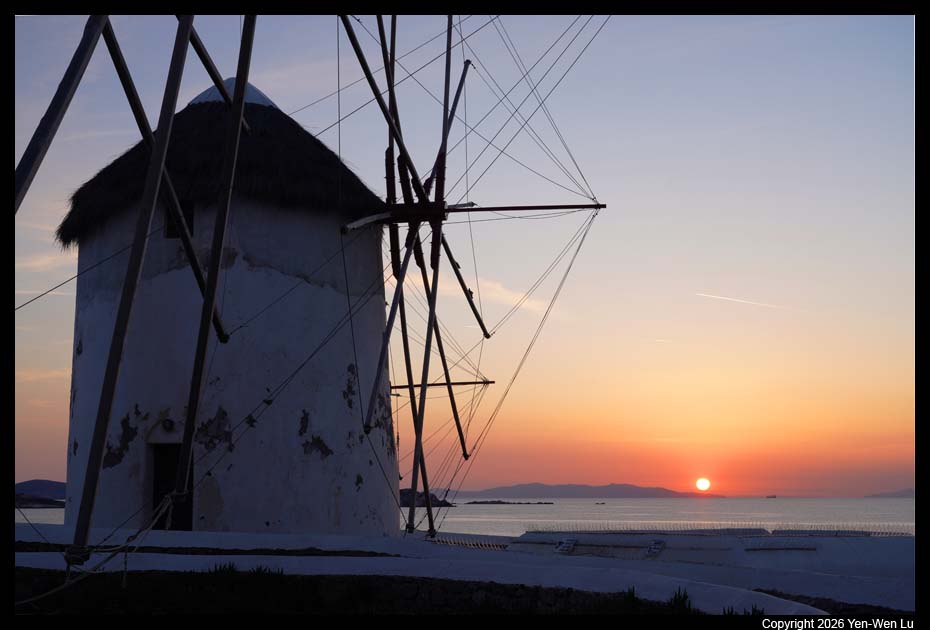
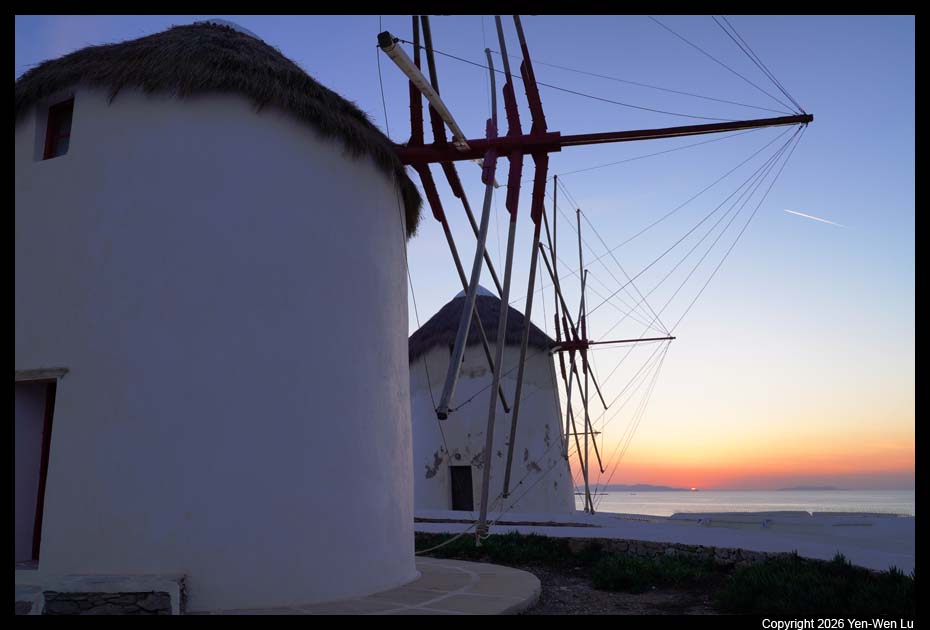
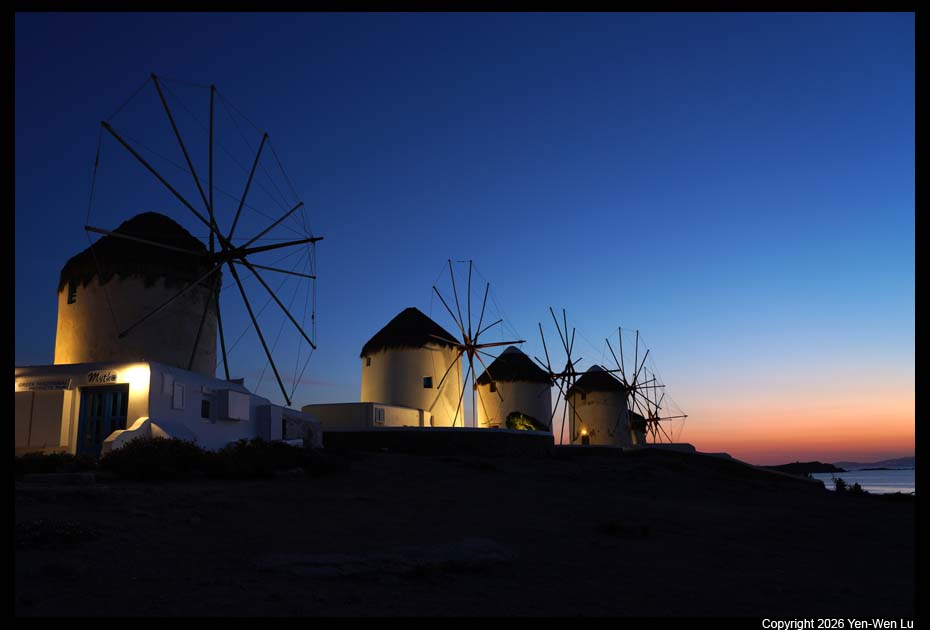
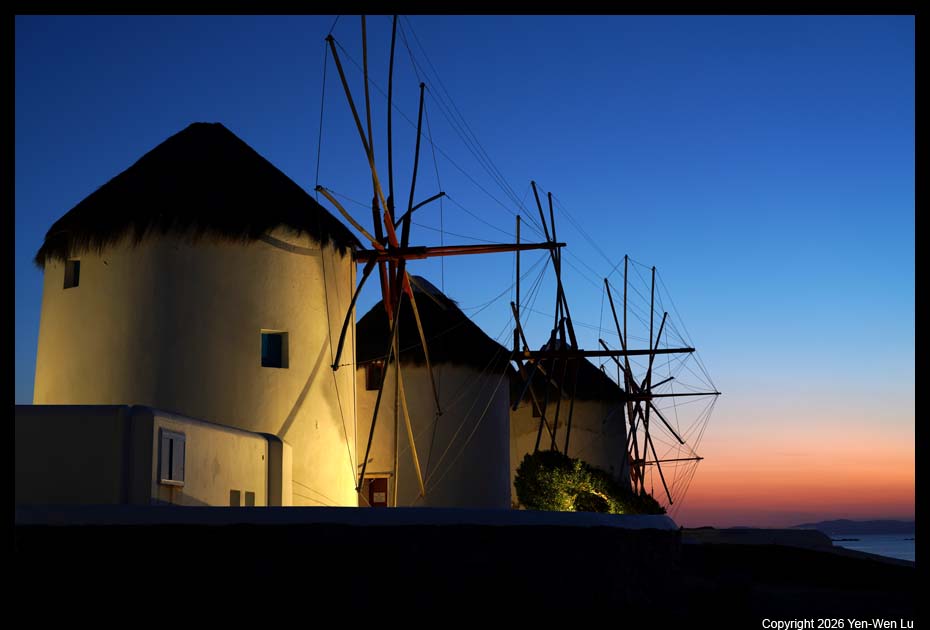
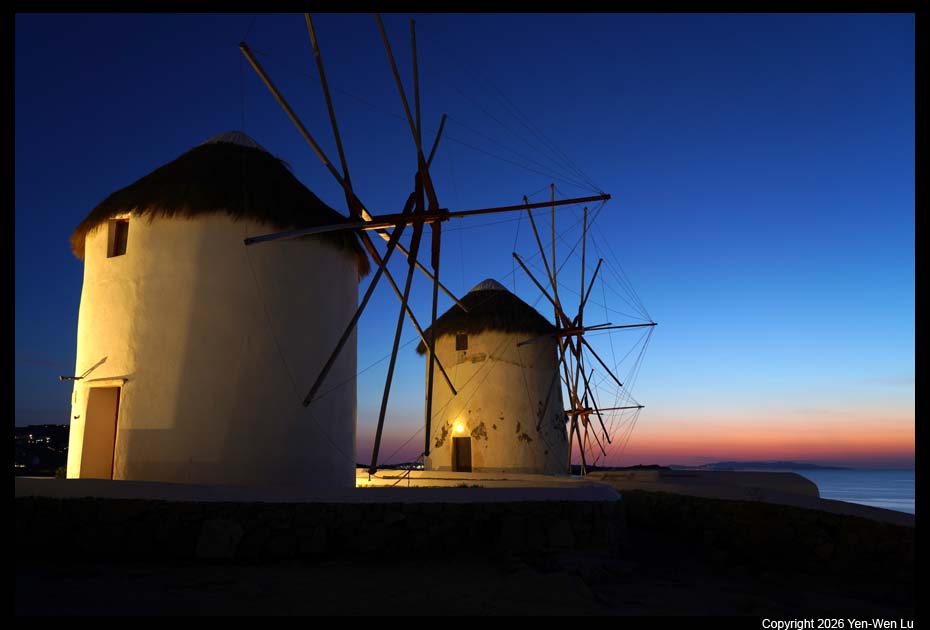
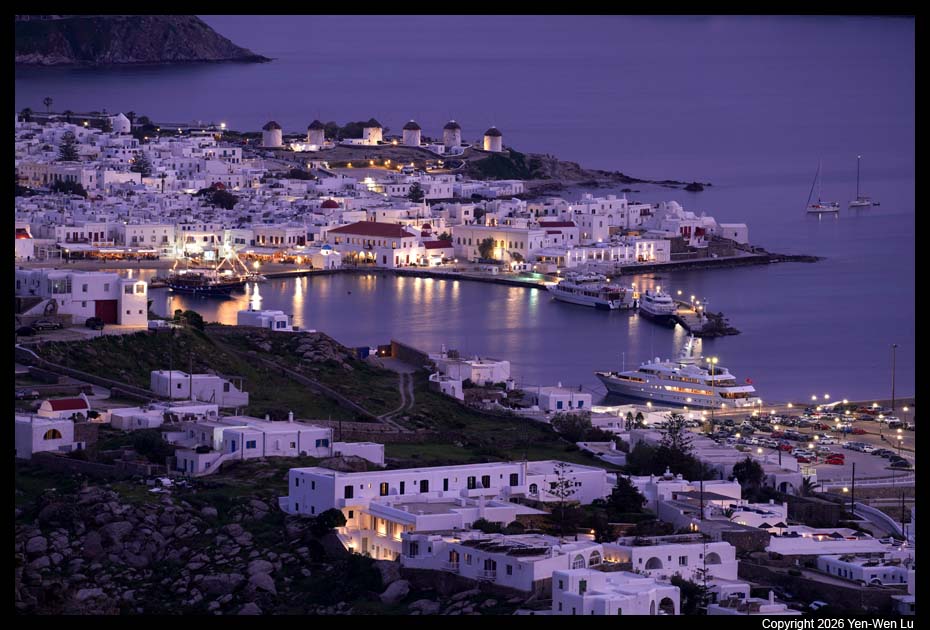
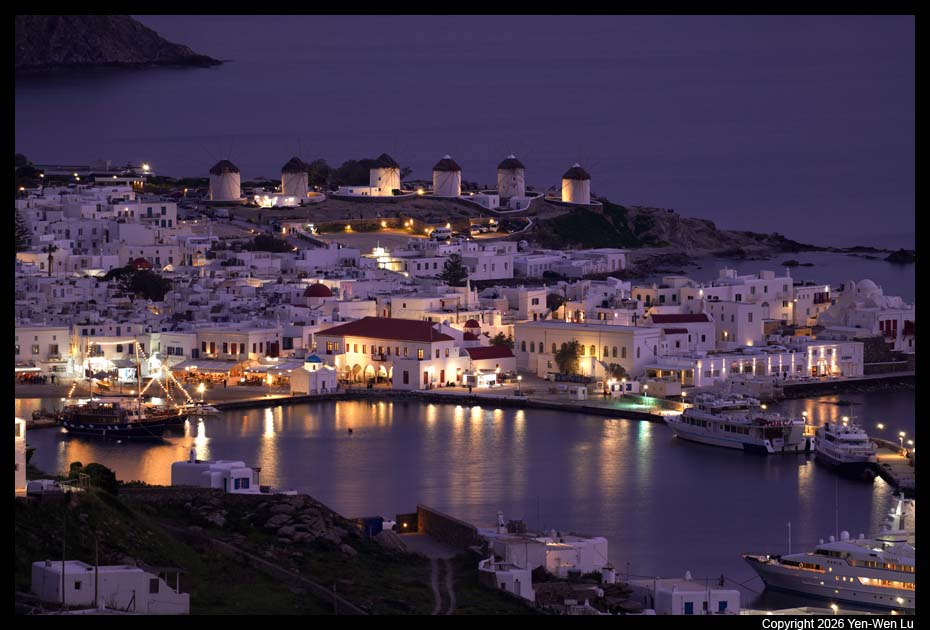
we headed to the old town center for the famous windmills in Mykonos.
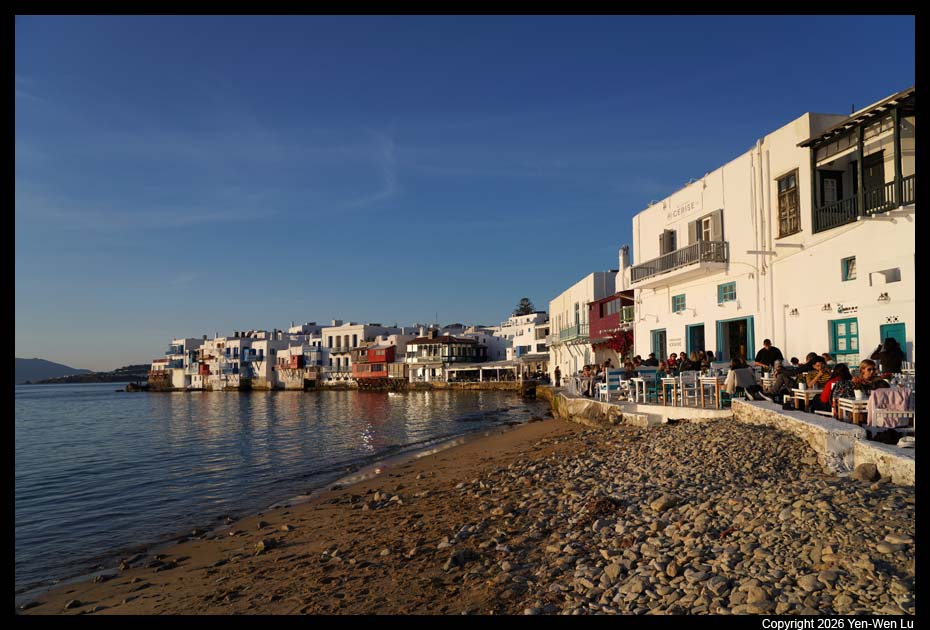
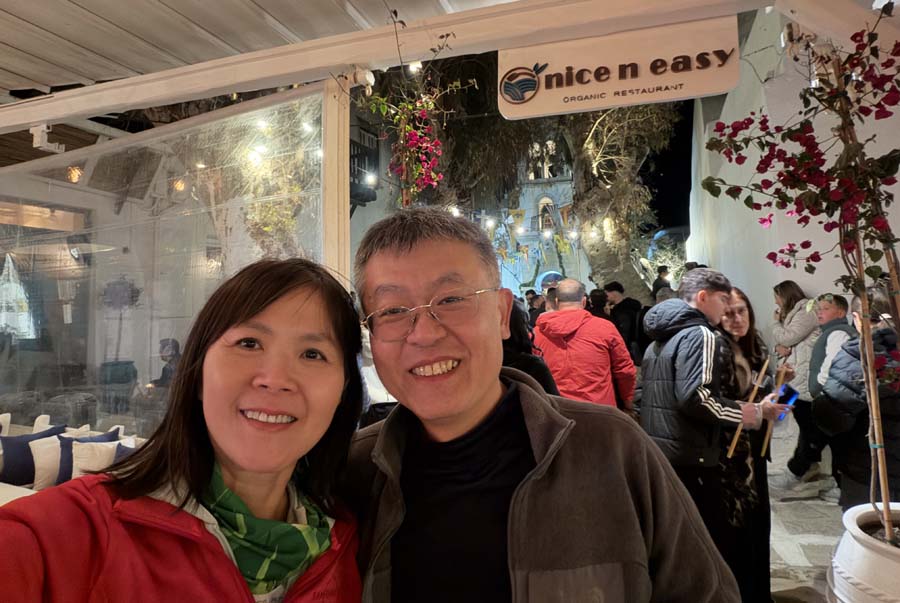
After some photo shoots, we went to a nice
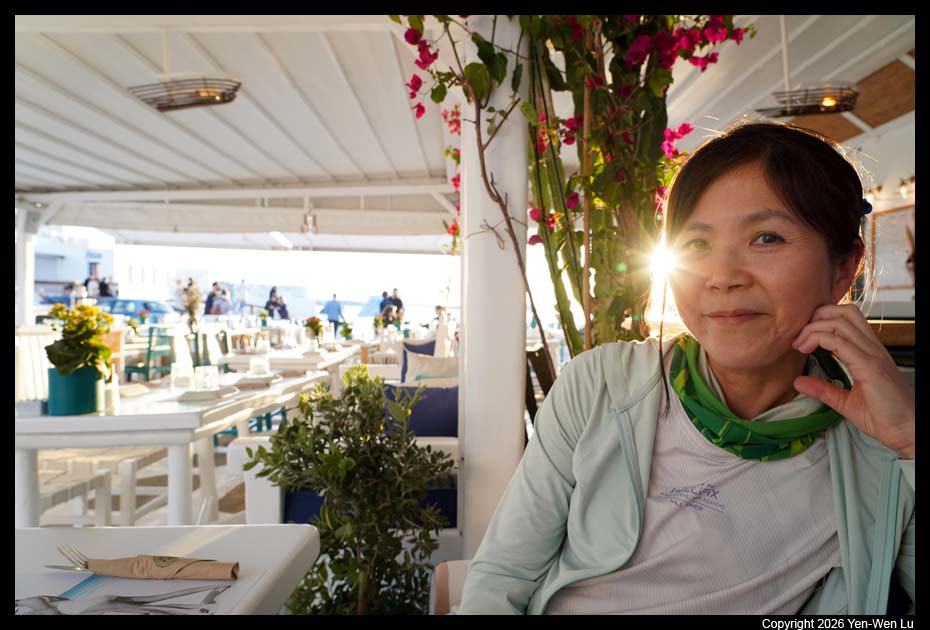
restaurant in the Little Venice to have an "early" dinner. It's
a perfect place to have both dinner and sunset photos (I just ran in
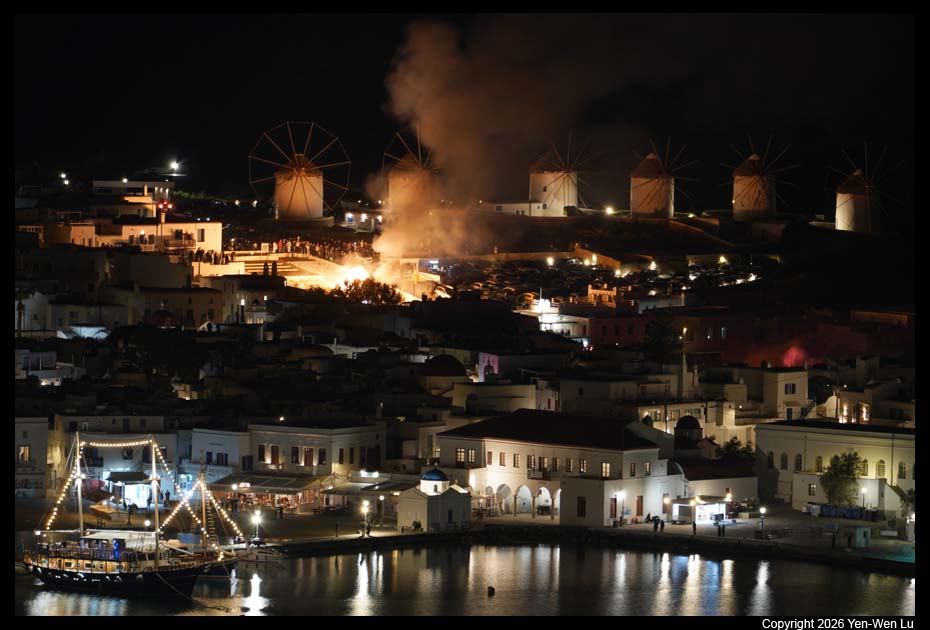
and out of the restaurant several times), and waited for the events of
Easter Friday.
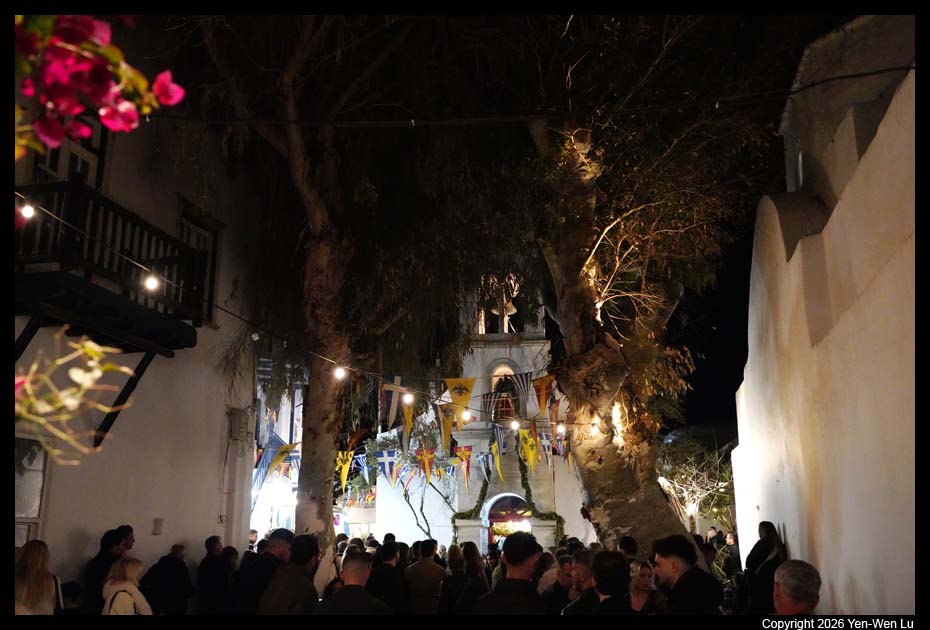
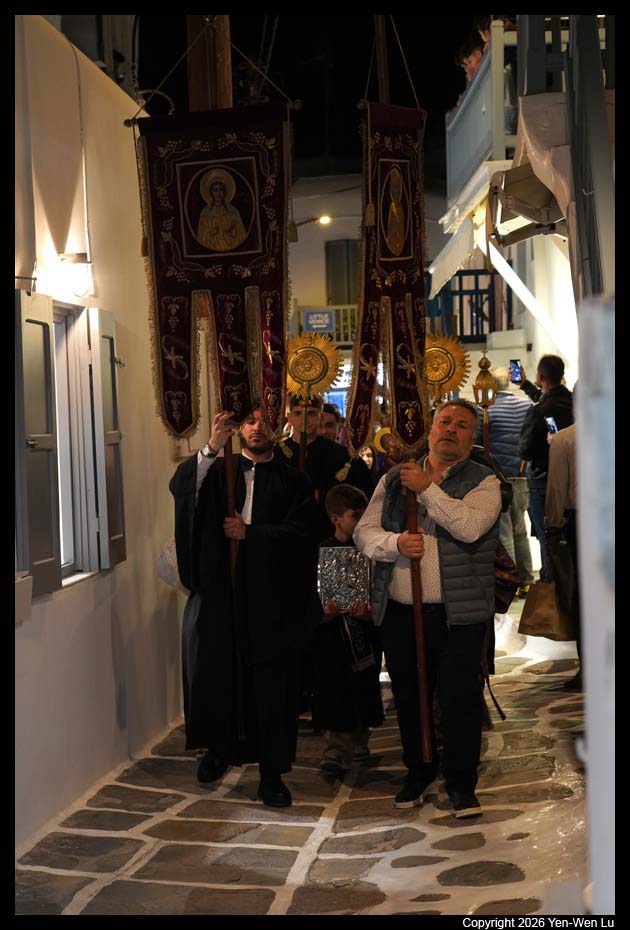
- Easter Friday
Greek Easter (Pascha) is the most significant religious
holiday in Greece, often falling on a different date than Western Easter due
to the Julian calendar. It is a week-long celebration marked by deep
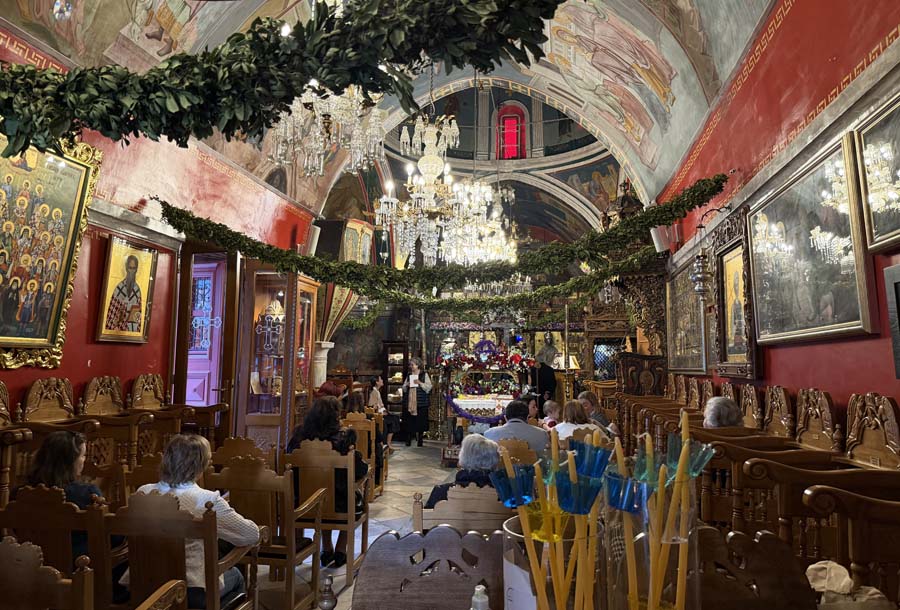
religious devotion, leading to the Epitaphios procession on Holy Friday,
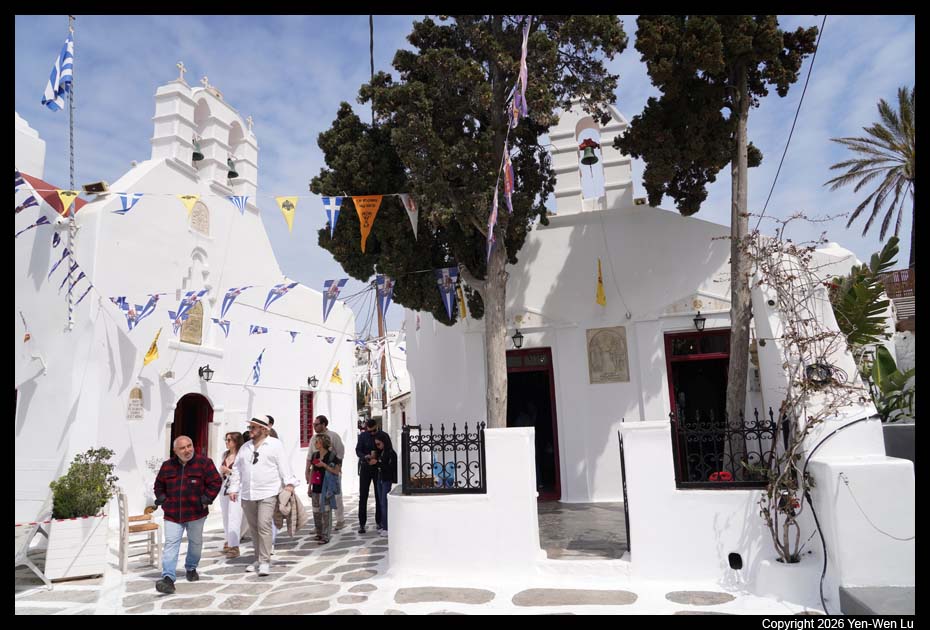
where a symbolic bier of Christ is paraded. There are many small
churches in Mykonos old town all having their own celebration and
procession. Although we are not religious, we were still very moved by
the atmosphere and the energy around the people (video).
Day 8 (4/11) ...
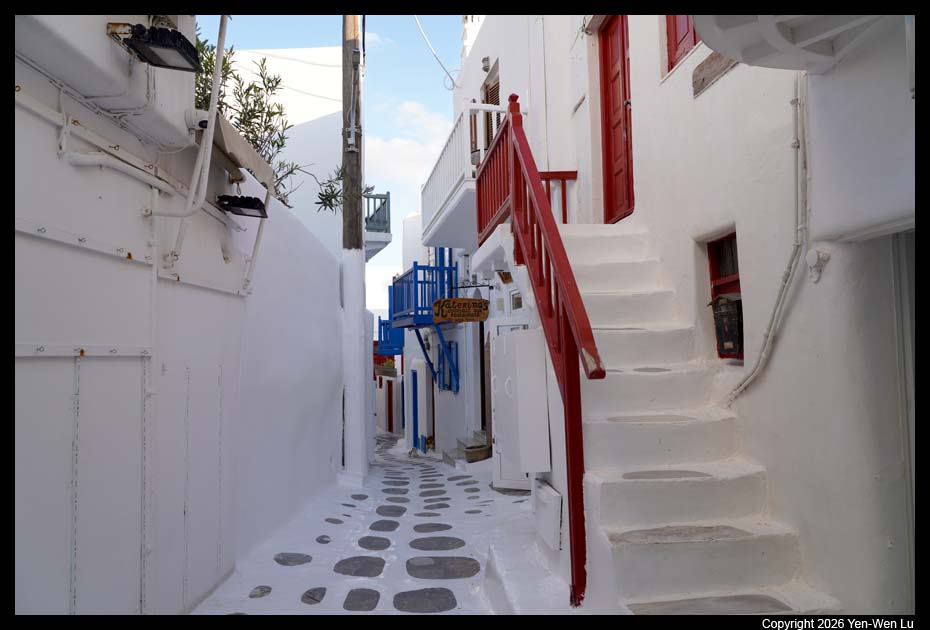
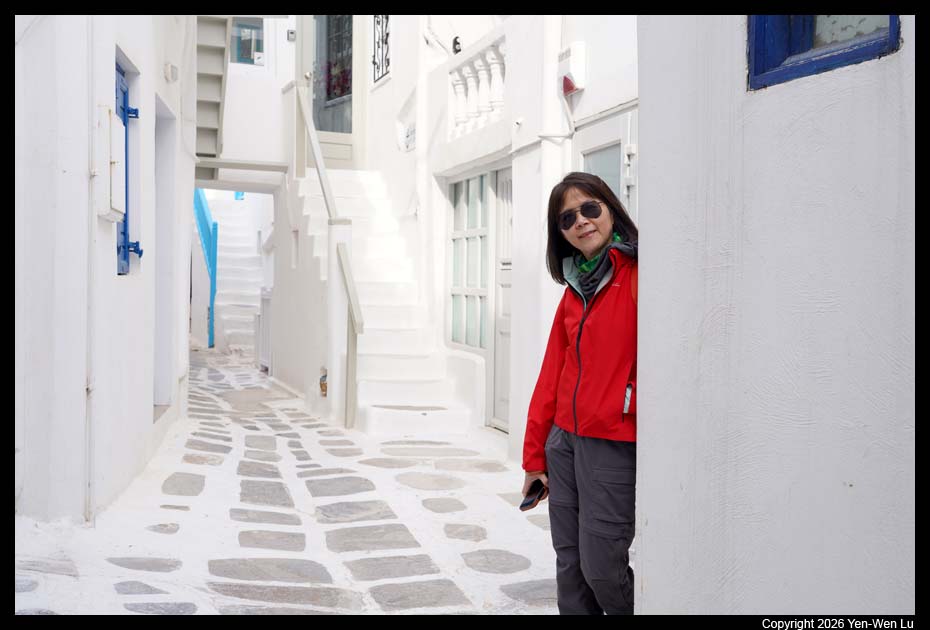
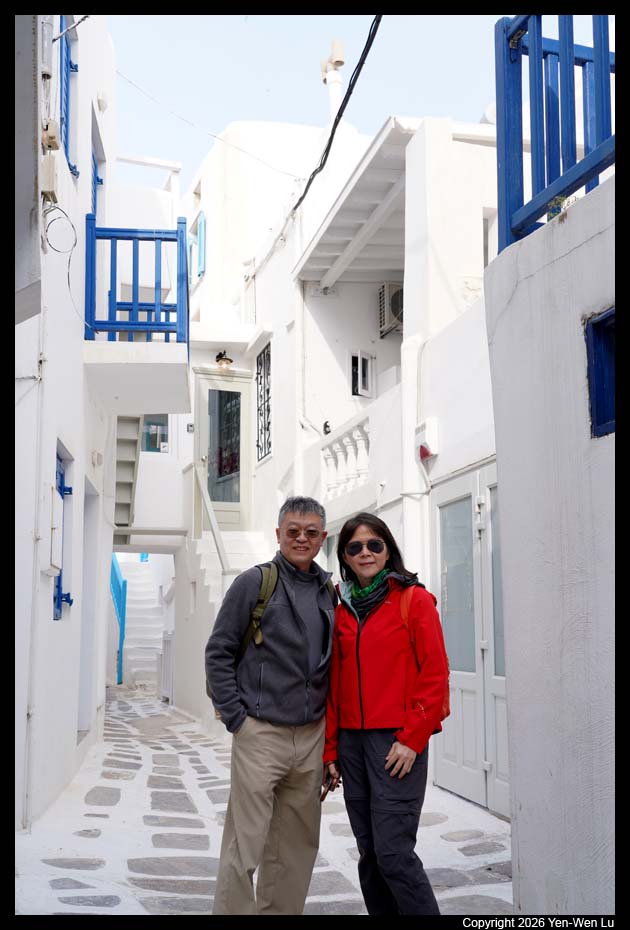
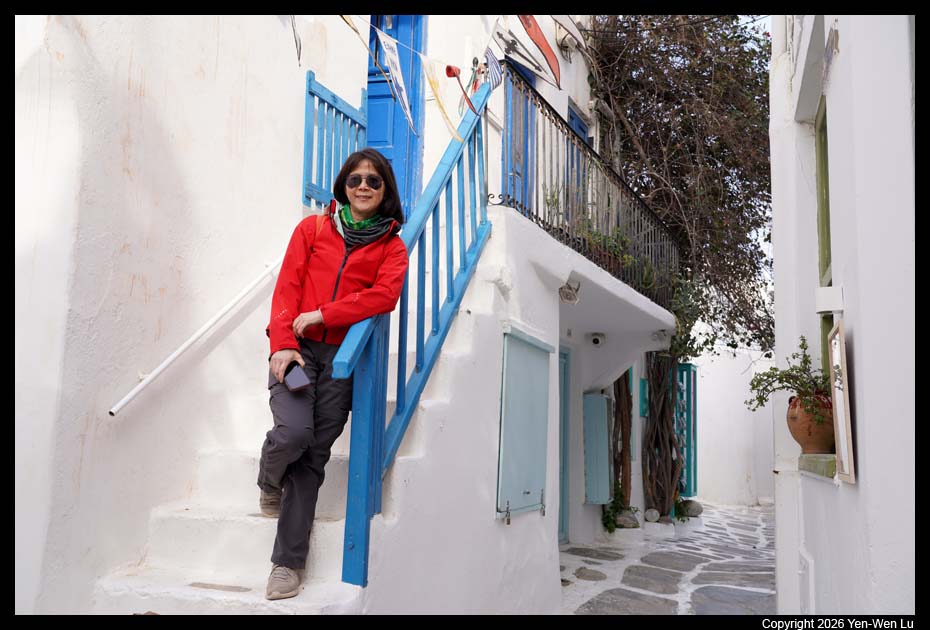
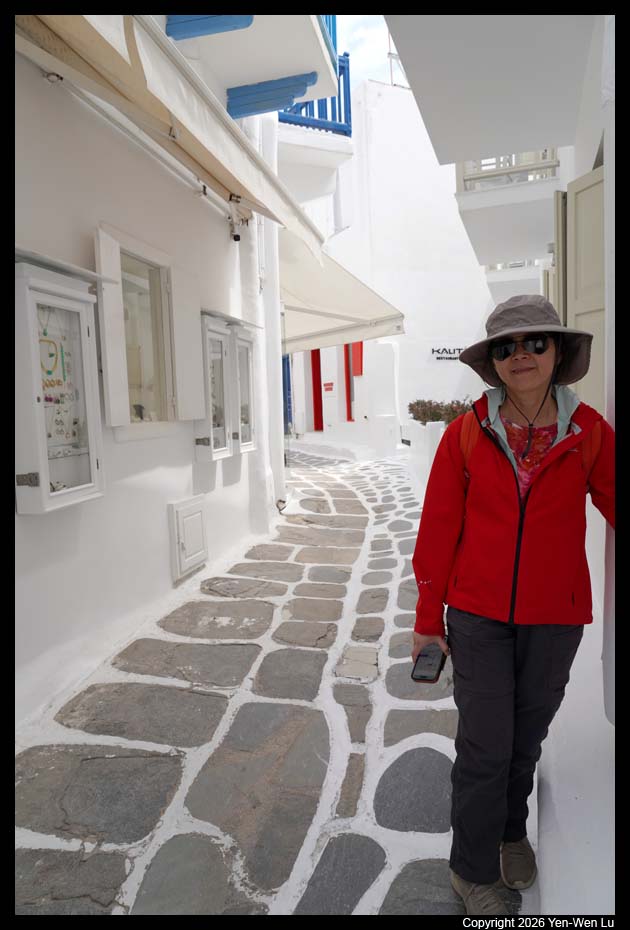
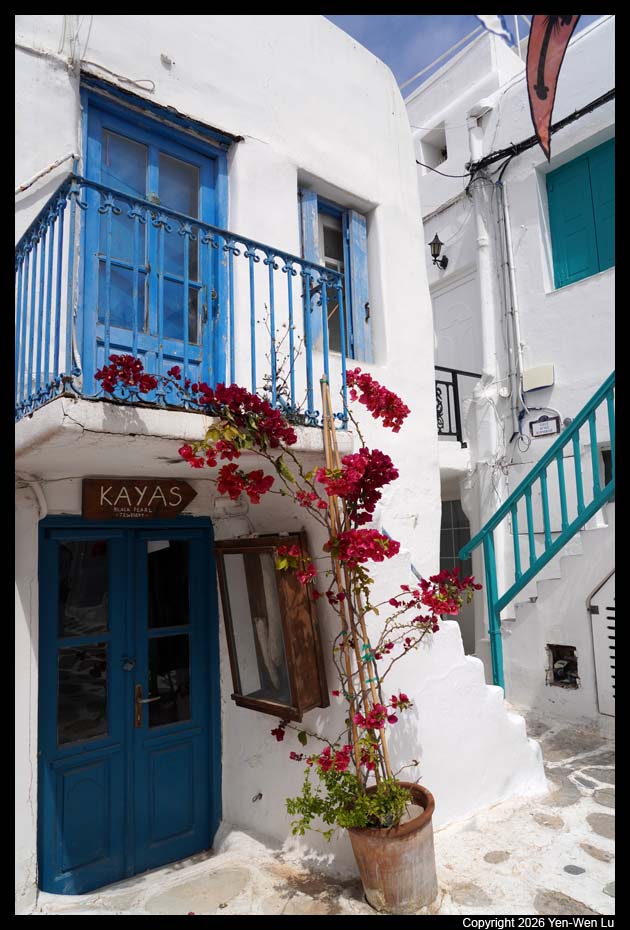
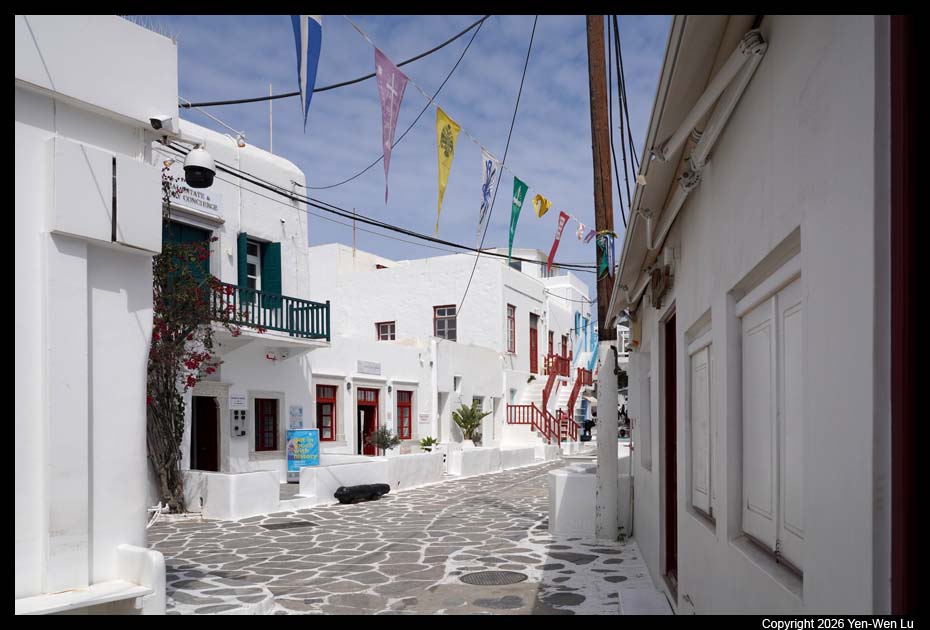
- Chora, Mykonos
I booked a
Delos Day Tour (9:30AM meeting time), and we arrived early to walk
around the Old Town Mykonos (called Chora by locals, meaning “the town”).
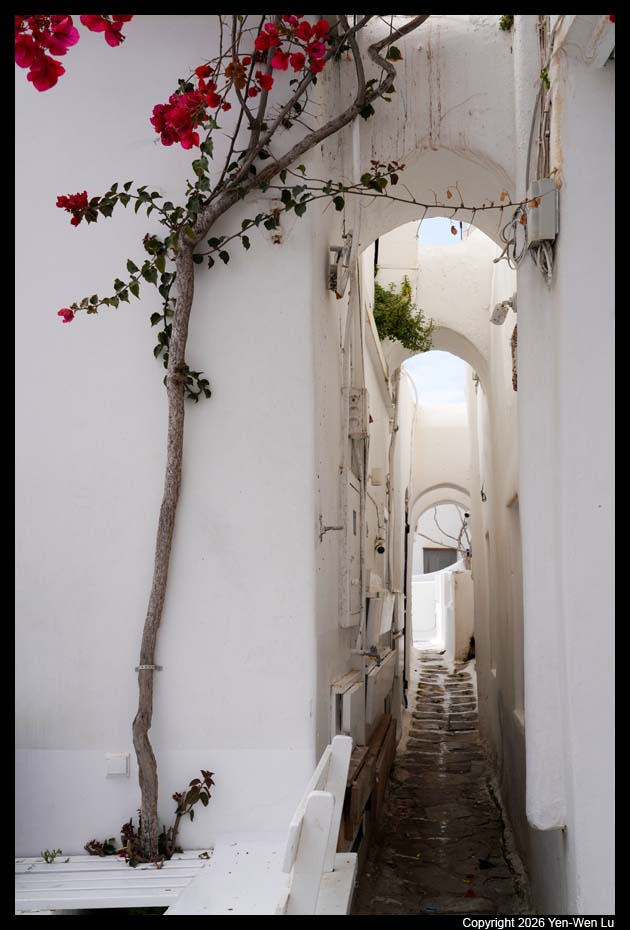
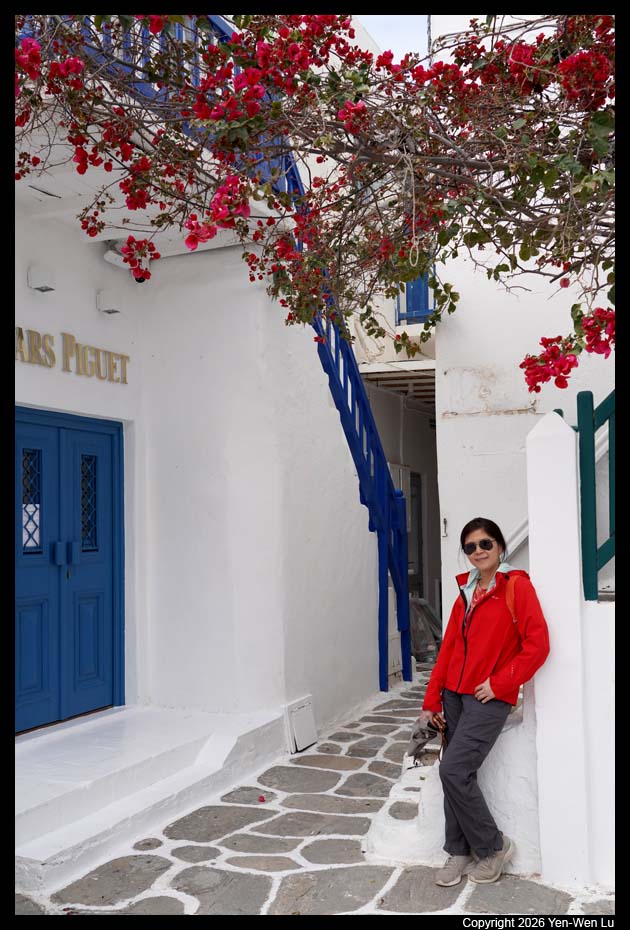
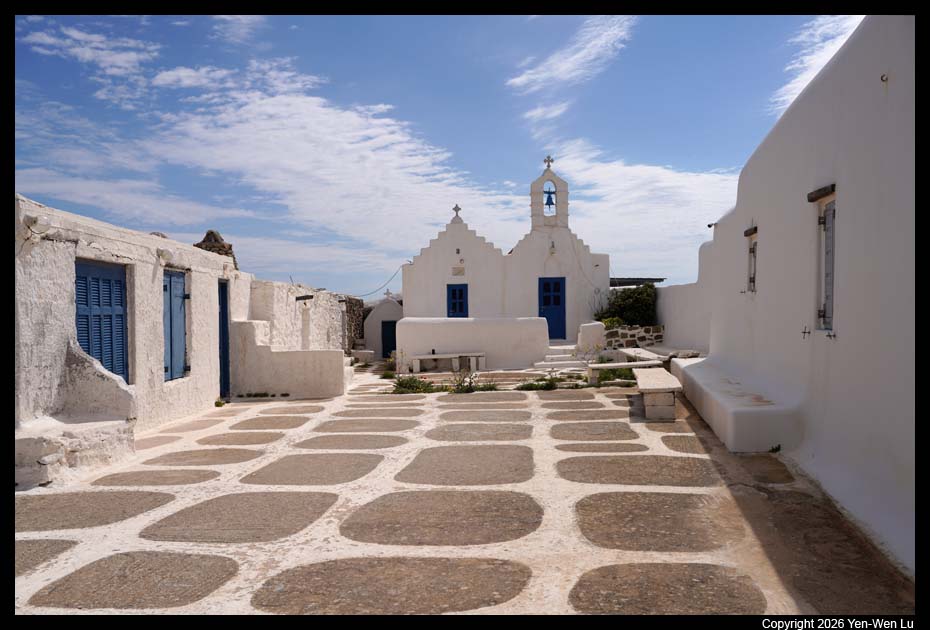
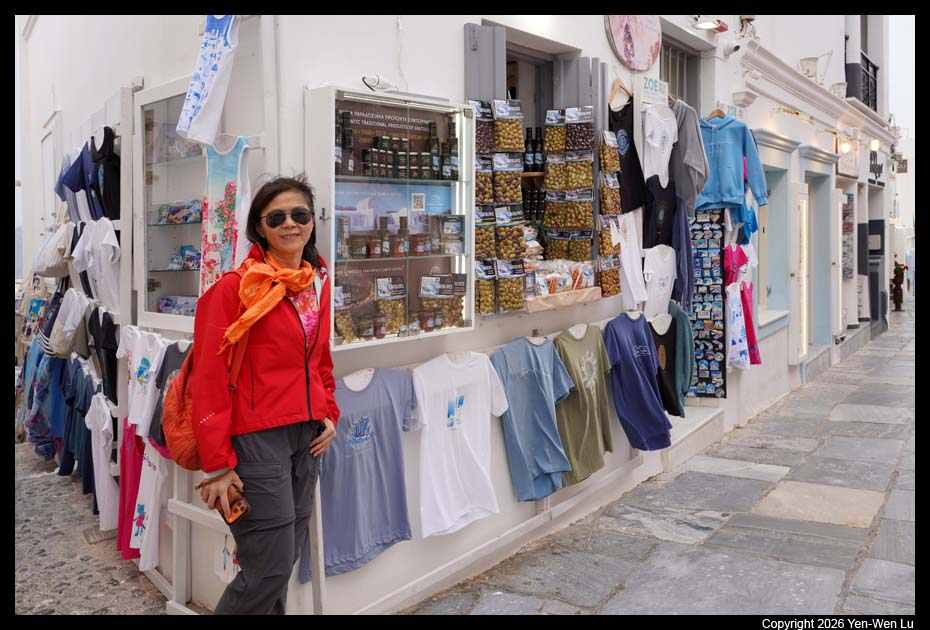
The small cobblestone alleys and white walled houses are all nice photo
spots.
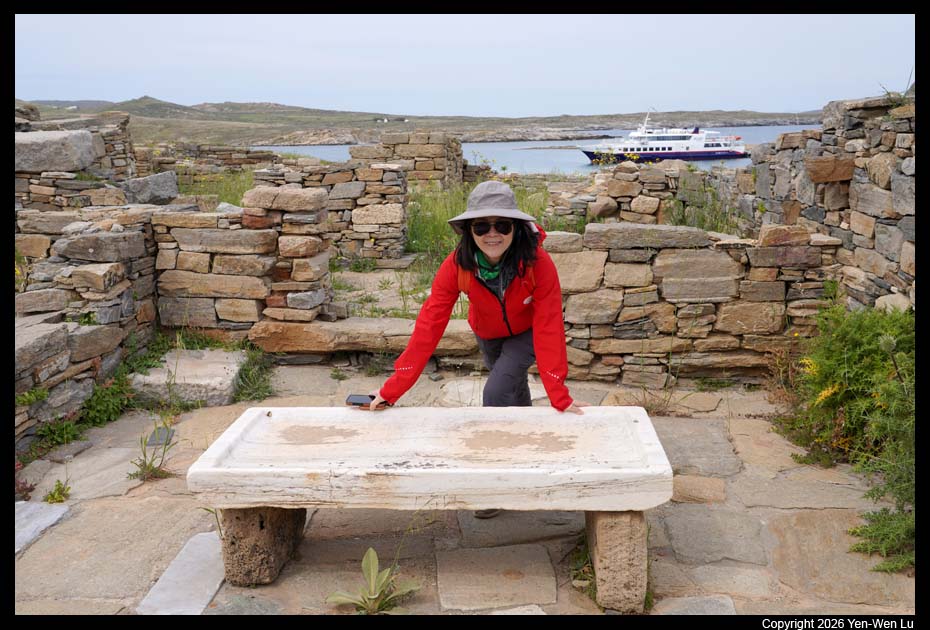
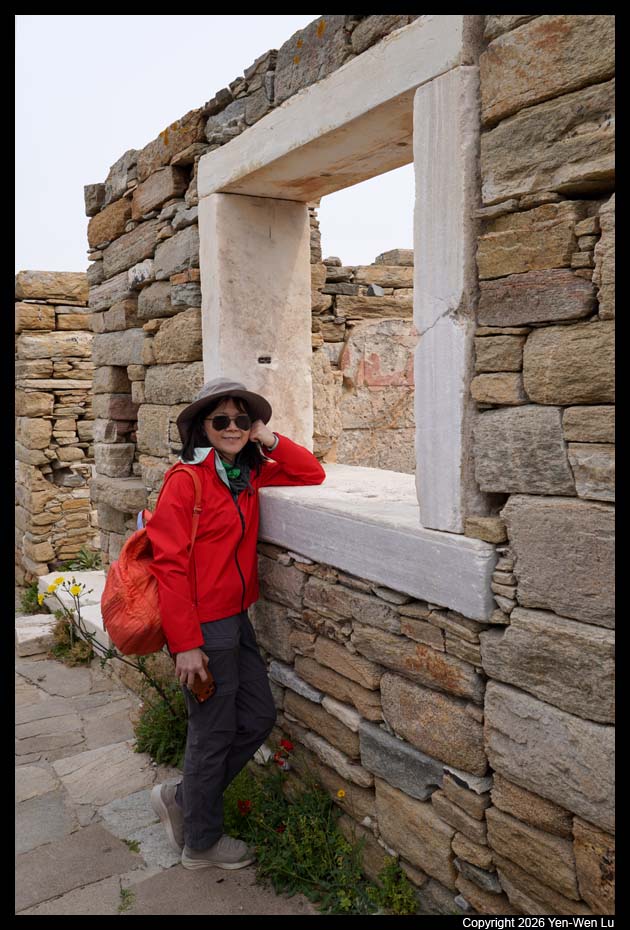
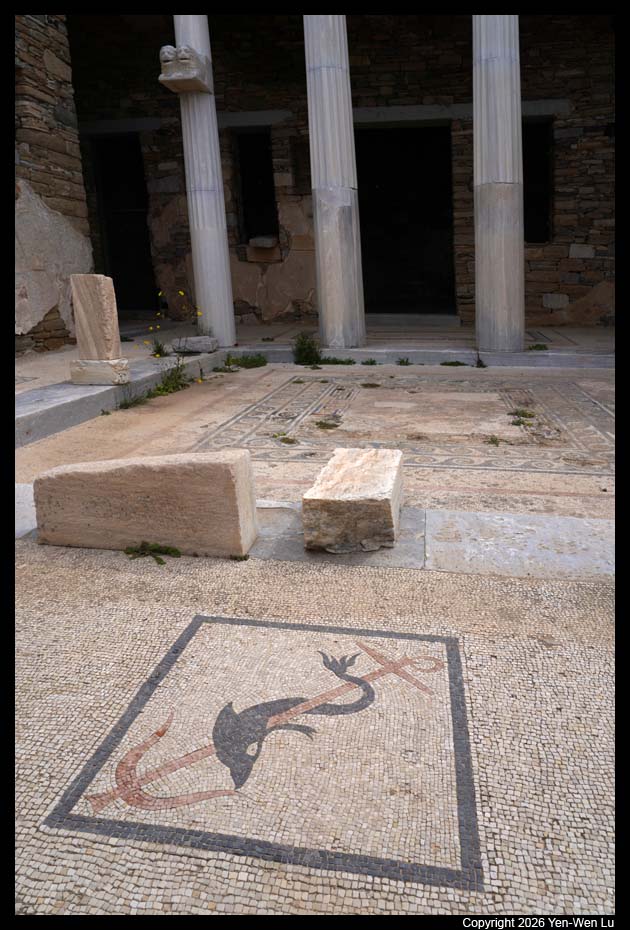
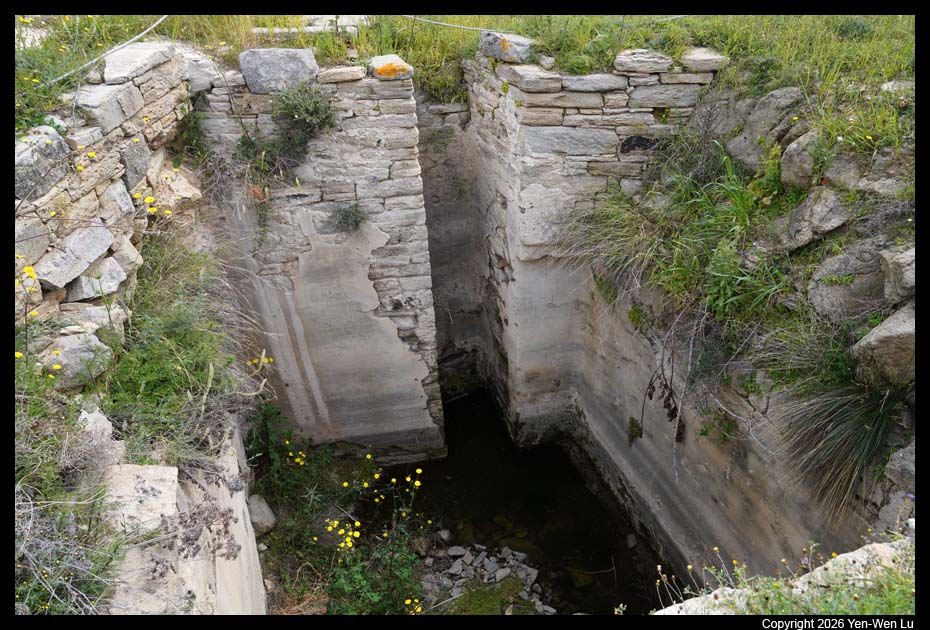
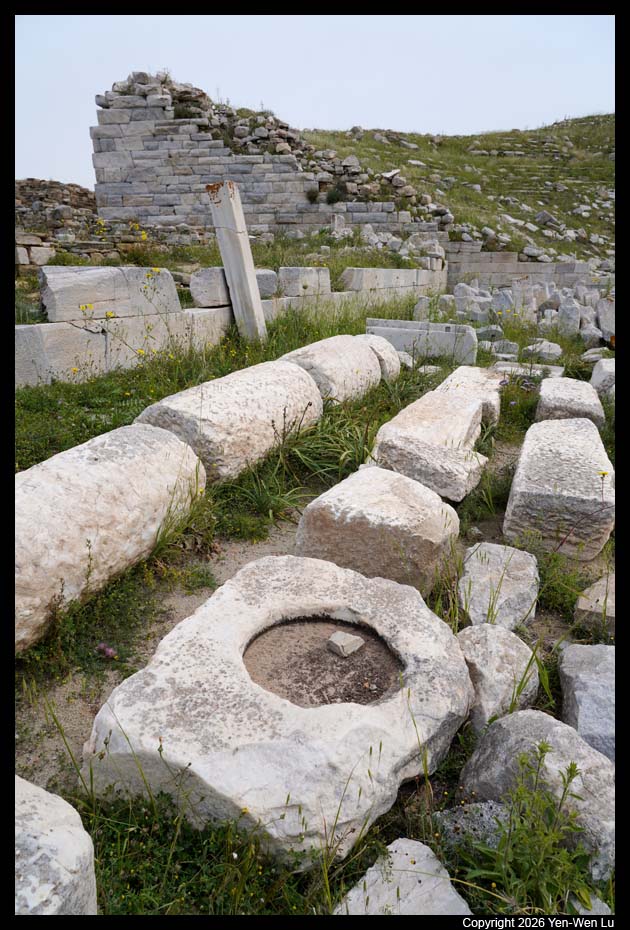
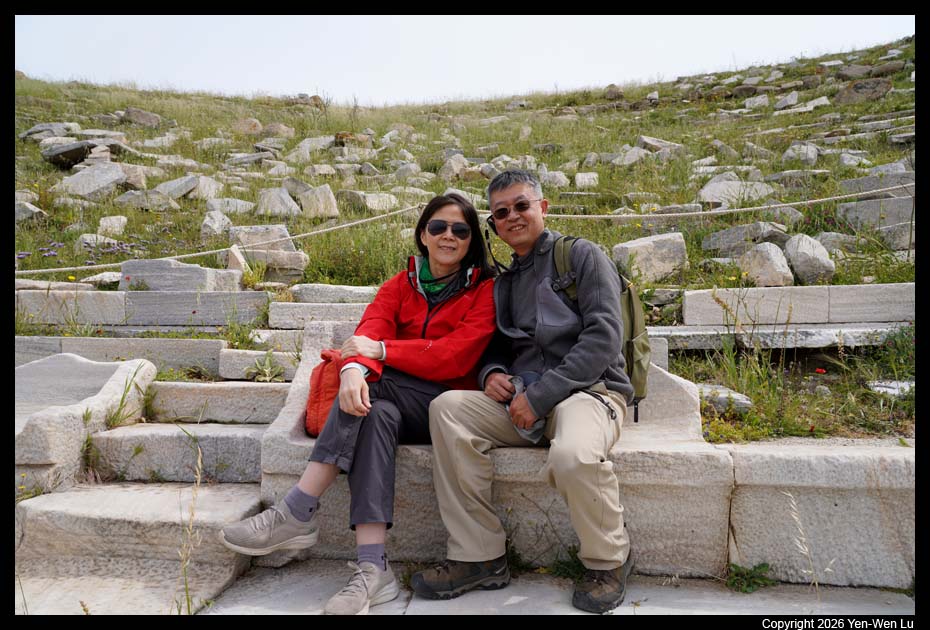
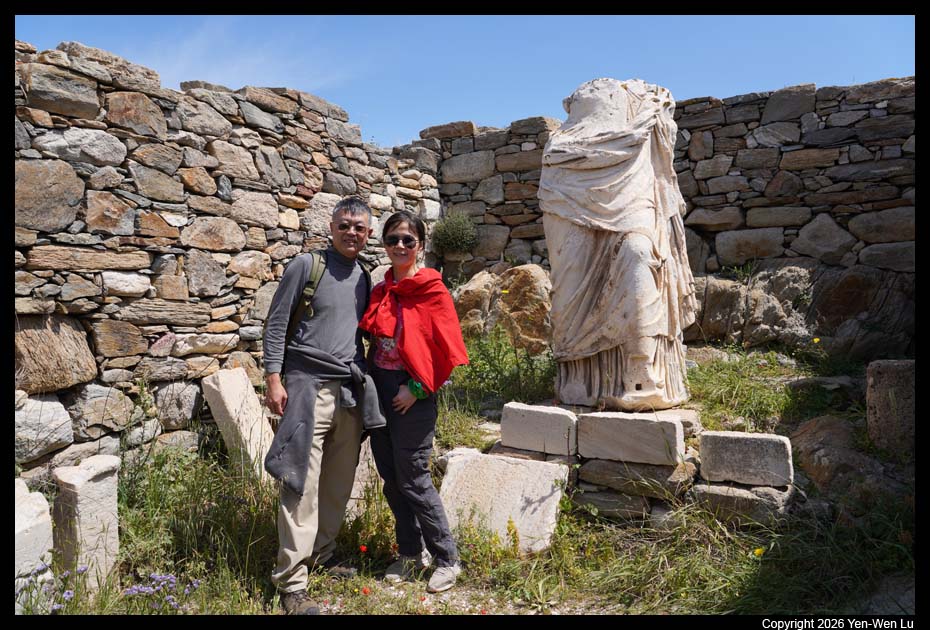
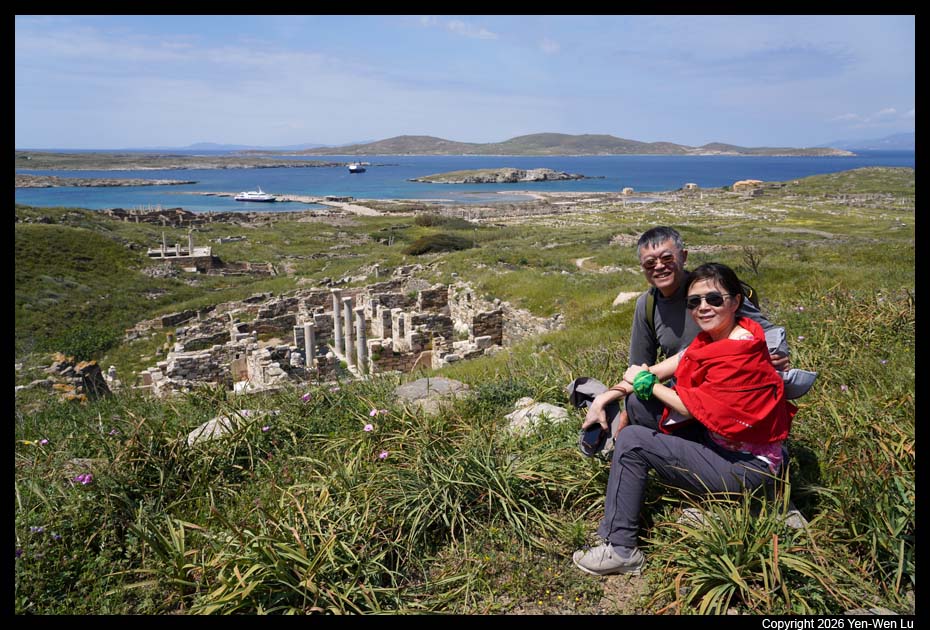
- Delos
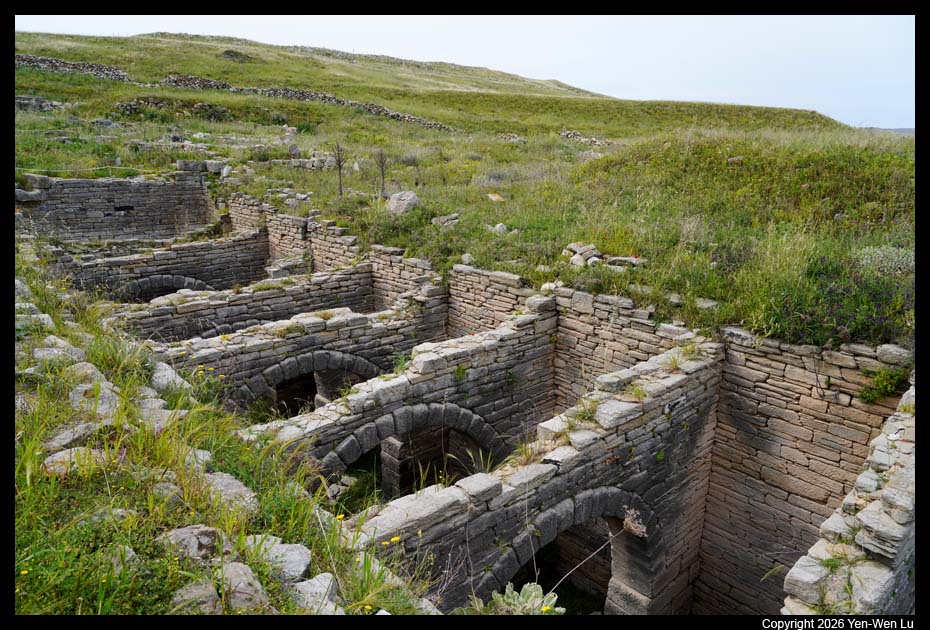
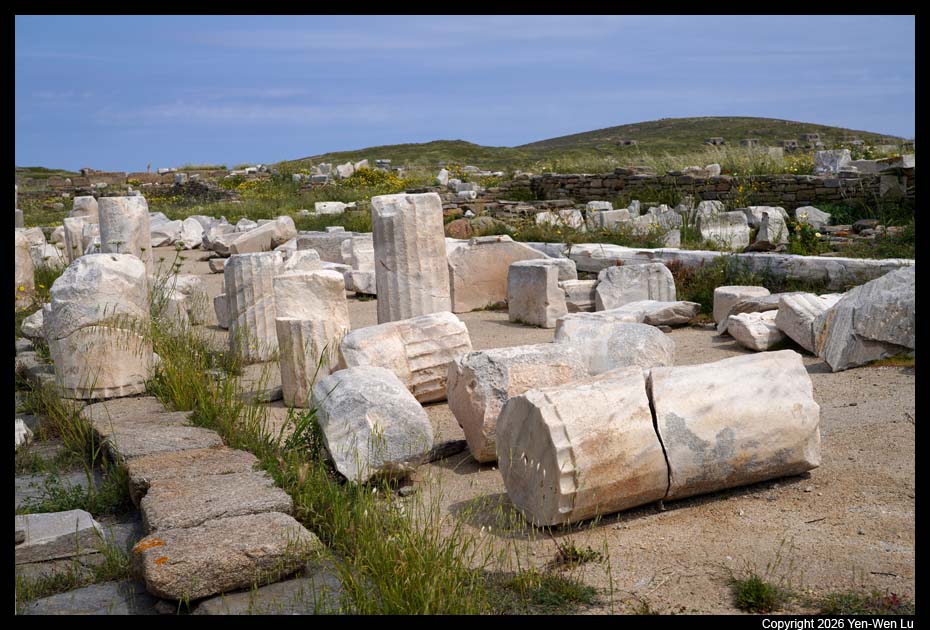
Delos, a small uninhabited Greek island in the Cyclades near
Mykonos, is one of Greece's most significant UNESCO World Heritage
archaeological sites. Mythologically renowned as the birthplace of Apollo
and Artemis, it was a sacred sanctuary and a thriving, tax-free commercial
hub in the ancient world. Between 900 BC and 100 AD, Delos was a major
cult center, a religious pilgrimage for the Ionians. A number of
"purifications" were performed in an attempt to render the island fit for
the proper worship of the gods. A decree was even issued, so that no one
should be allowed to be buried or give birth on the island due to its sacred
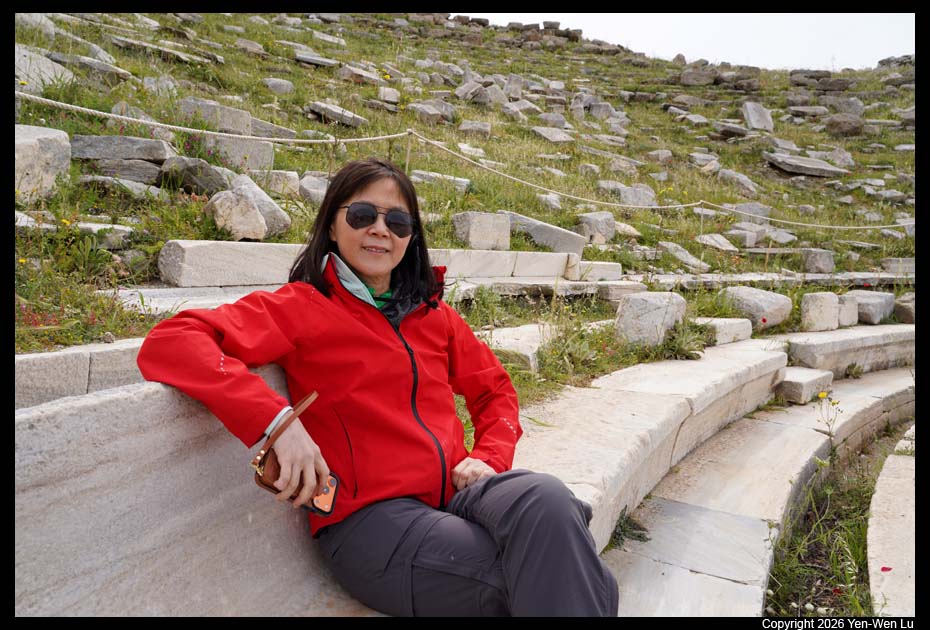
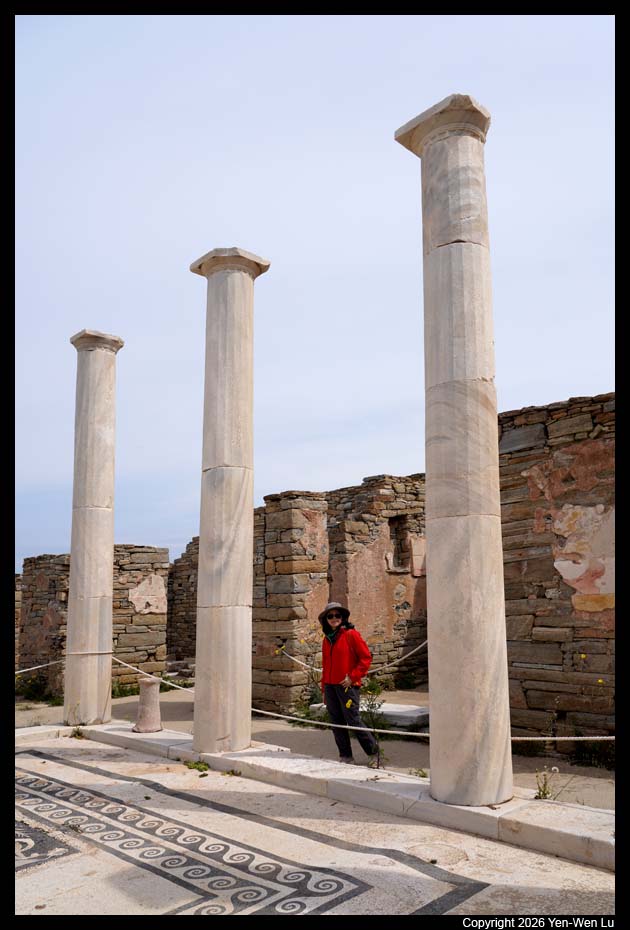
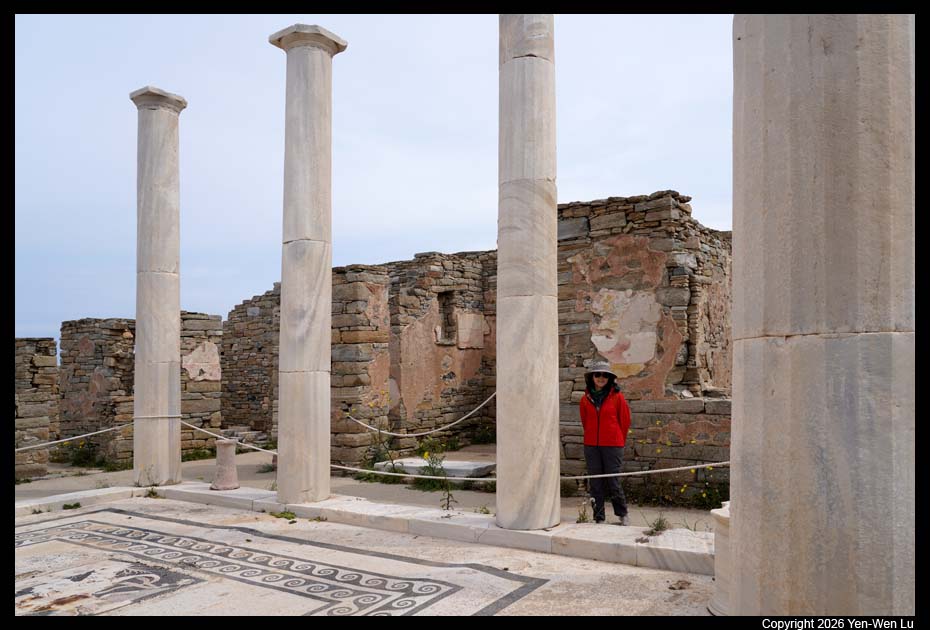
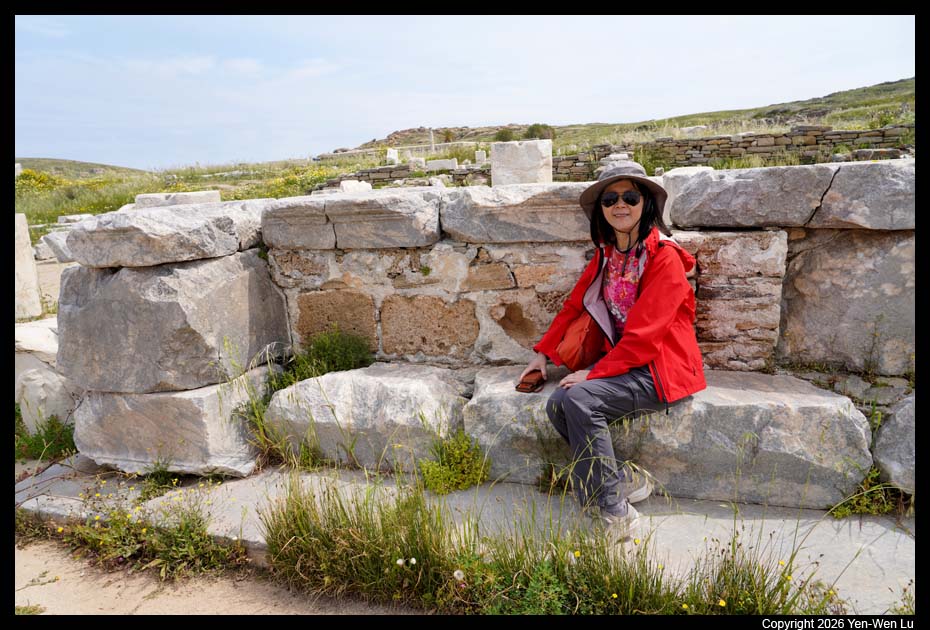
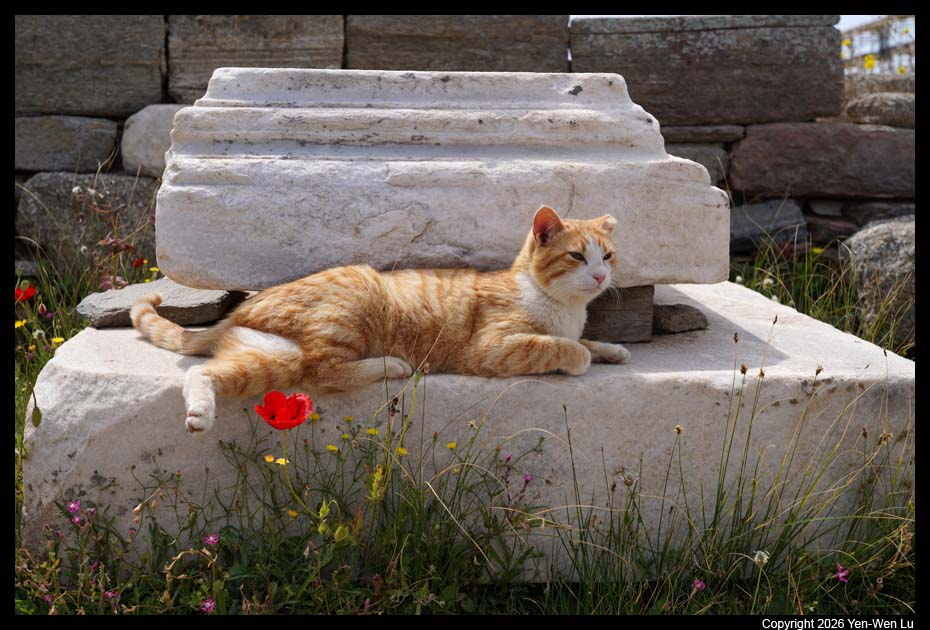
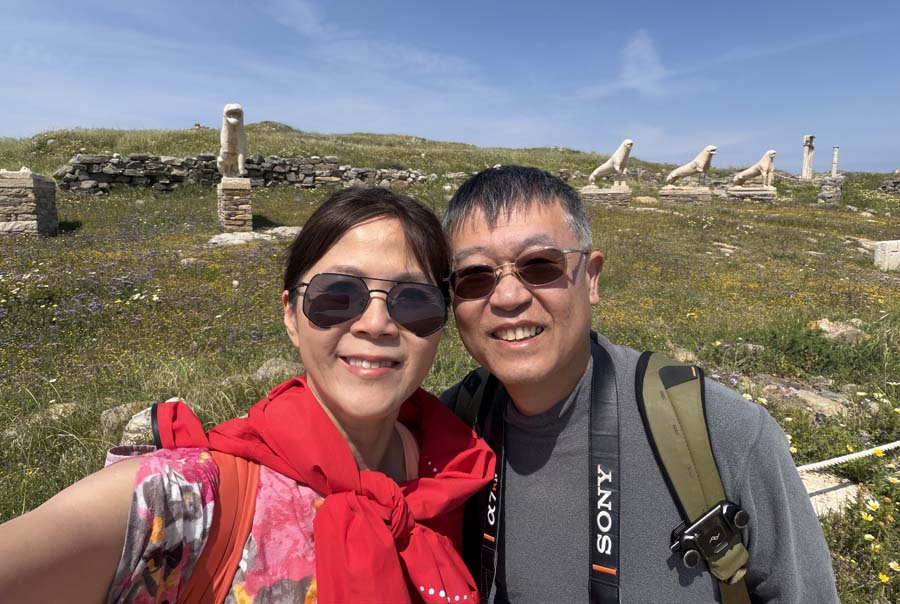
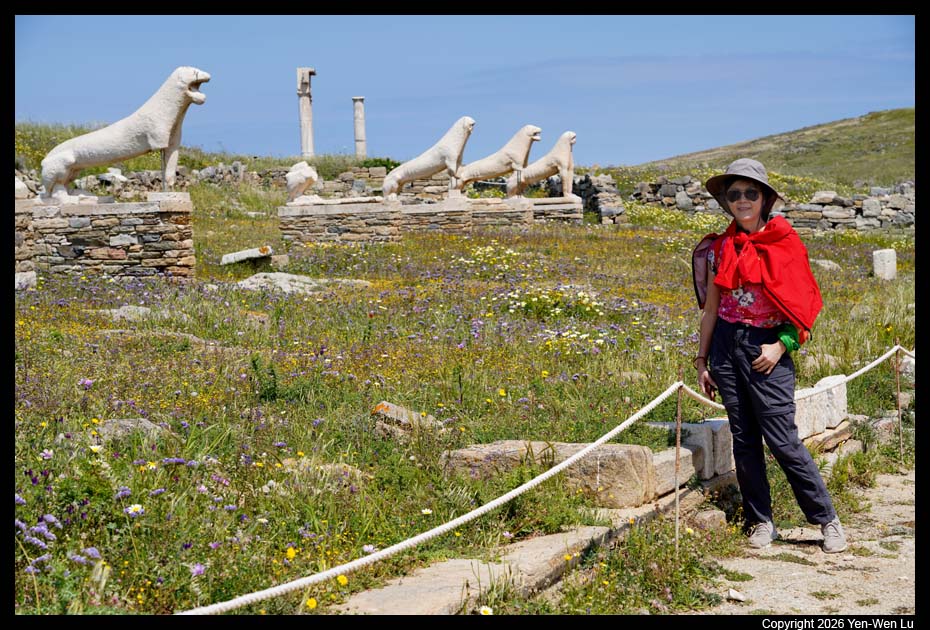
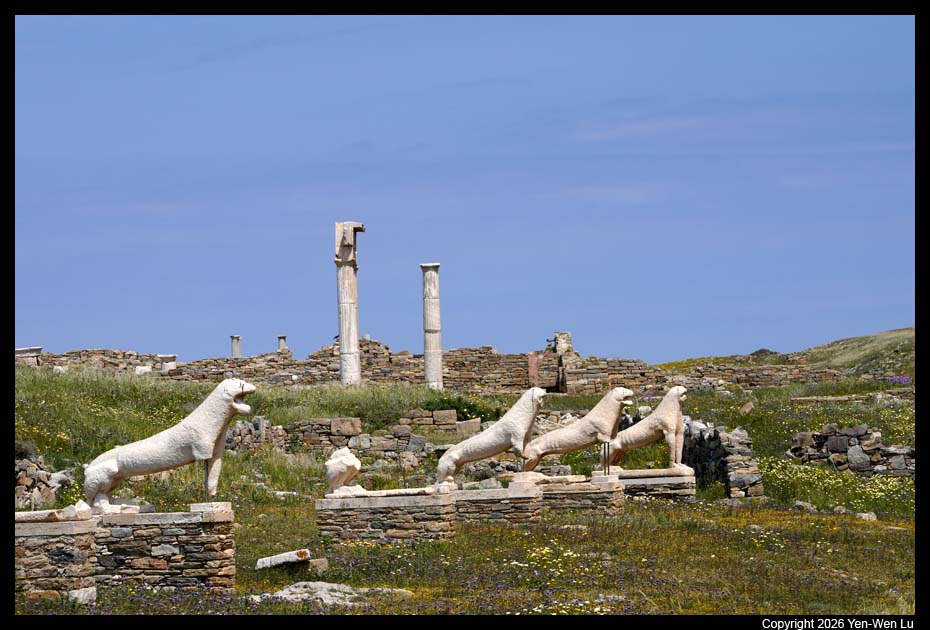
importance. There are a few notable ruins including the Terrace of the
Lions, the Temple of Apollo, a large theater, and luxurious homes with
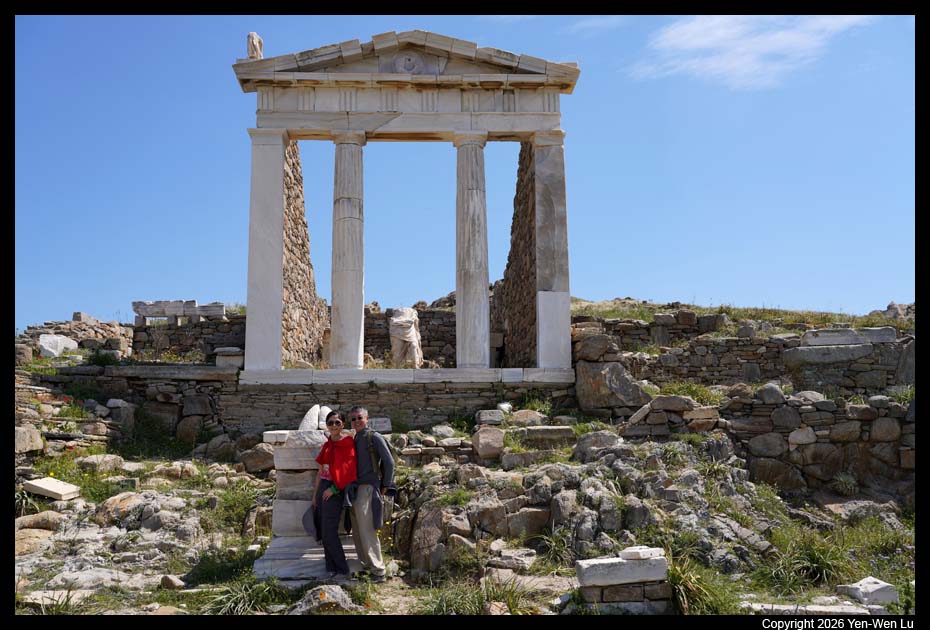
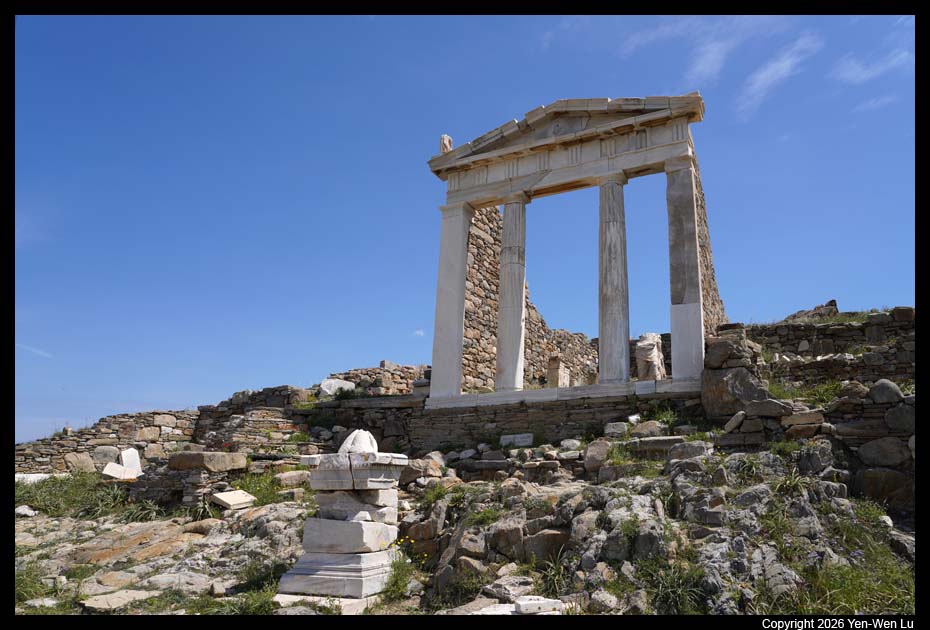
preserved mosaics. After the tour, we had some free time to hike up to
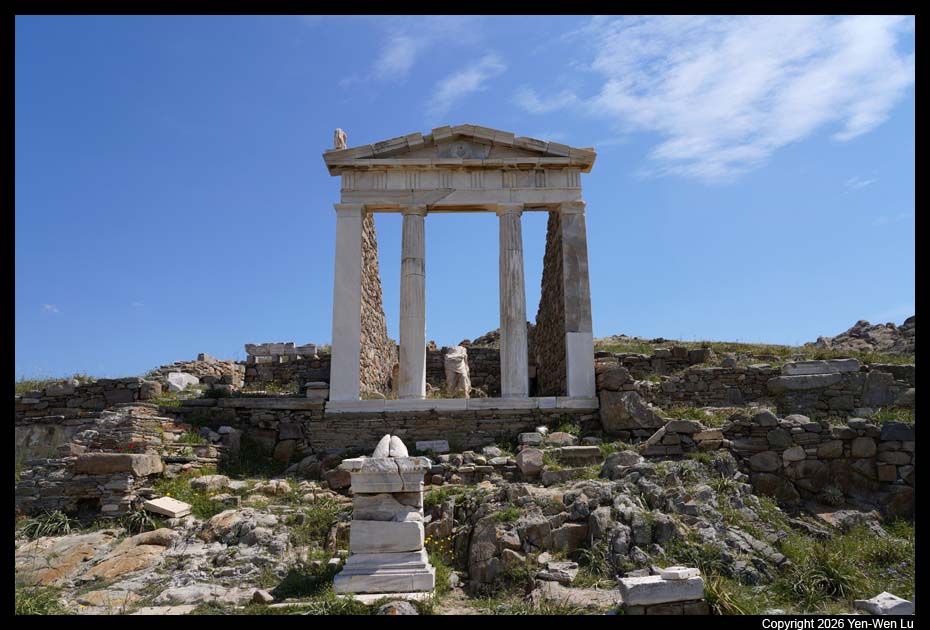
the Isis Temple, a well-preserved
Doric temple built on a high, overlooking hill at the beginning of the Roman
period.
- Chora, Mykonos
We were back to Mykonos at about 2PM. It's time
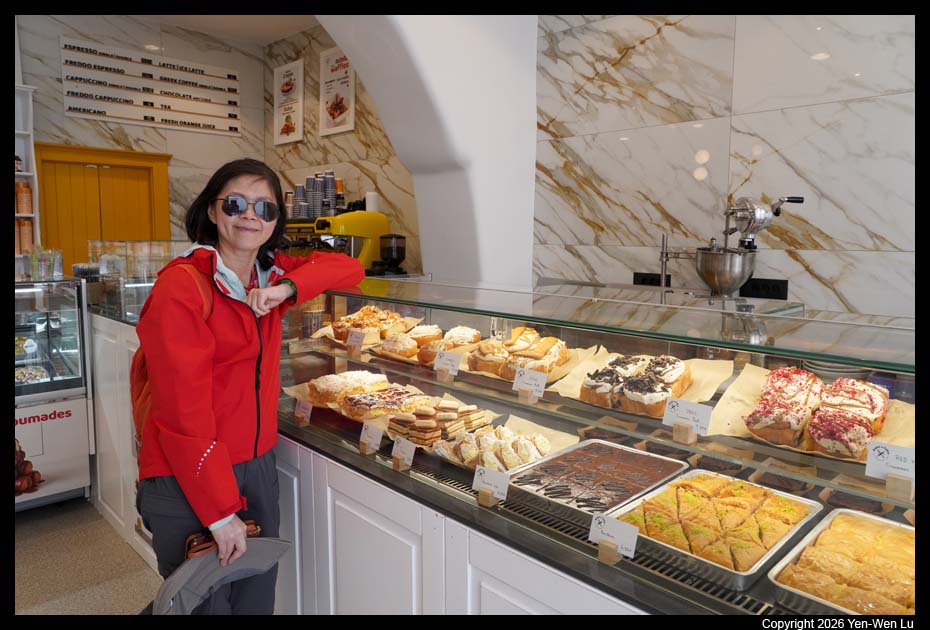
explore more of its small alleys and shops (including my favorite Greek
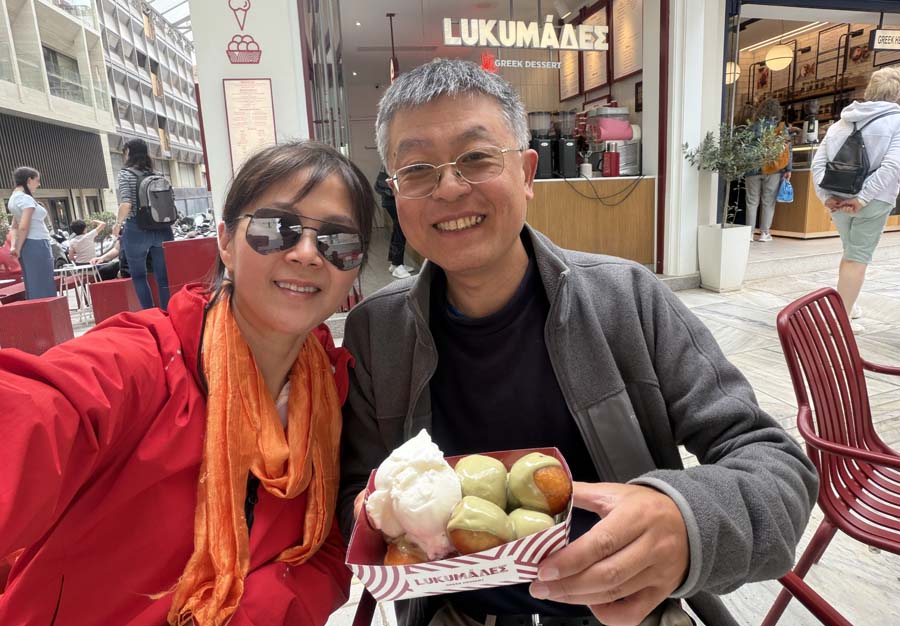
dessert, Lukumades).
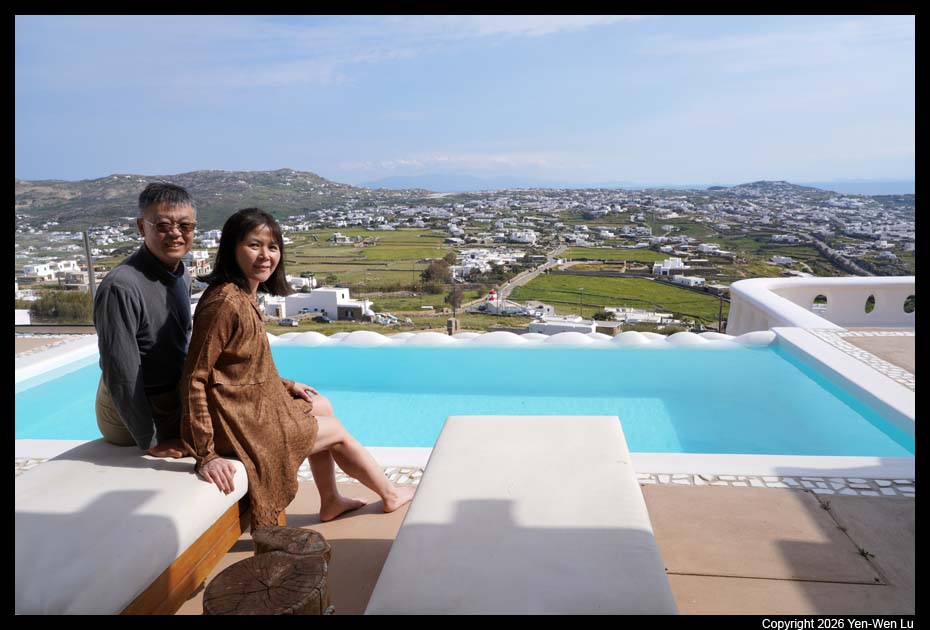
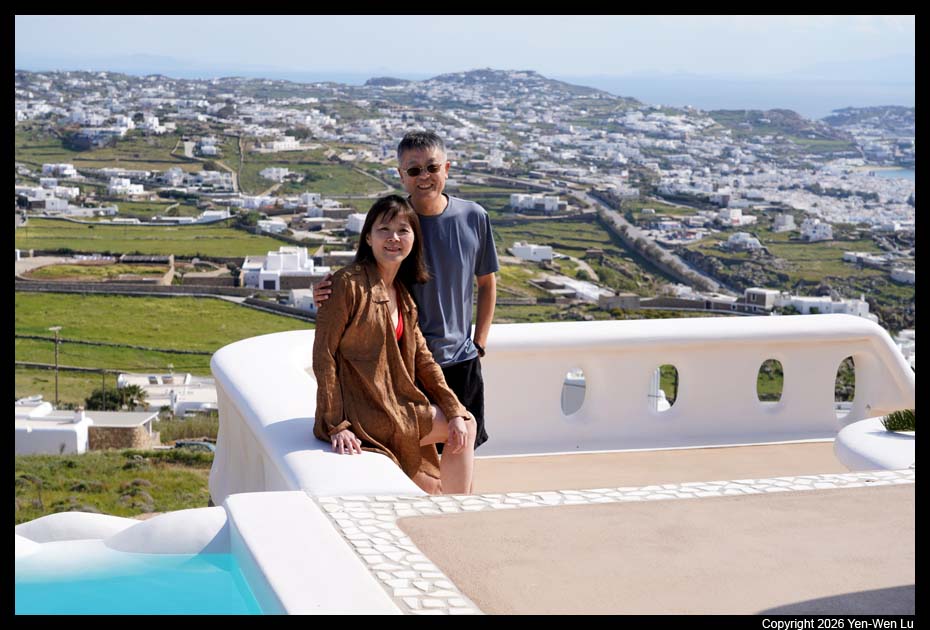
-
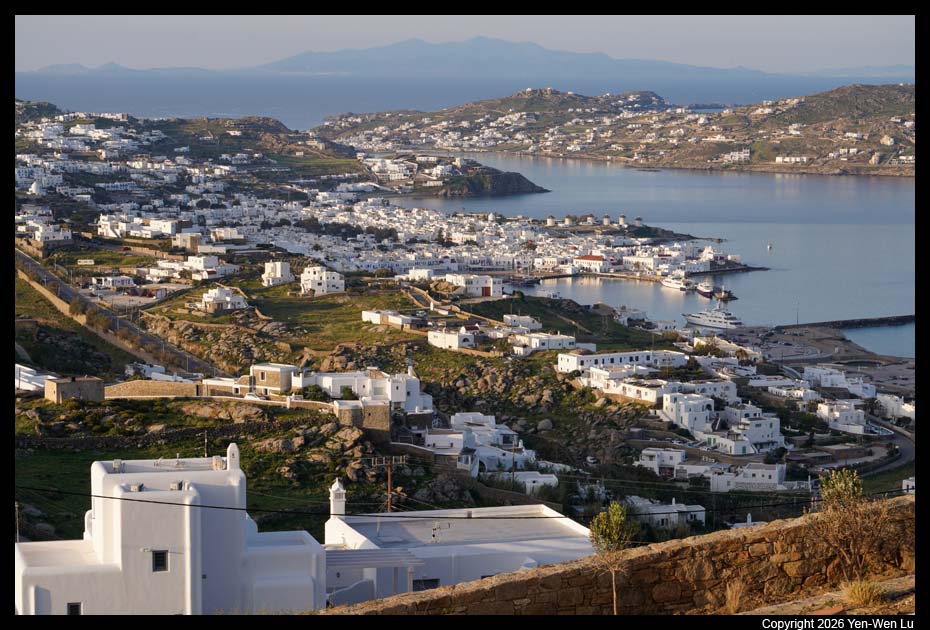
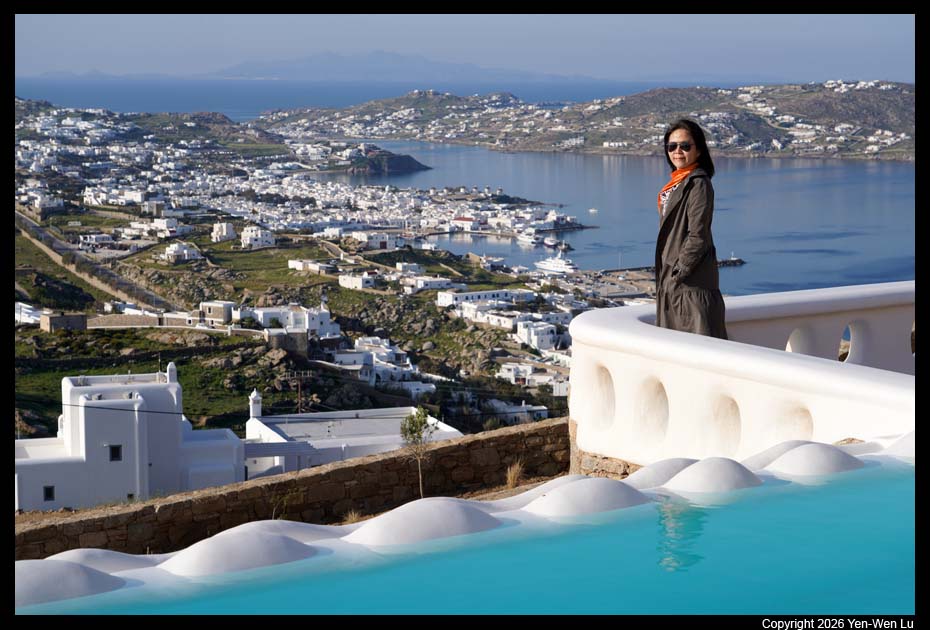
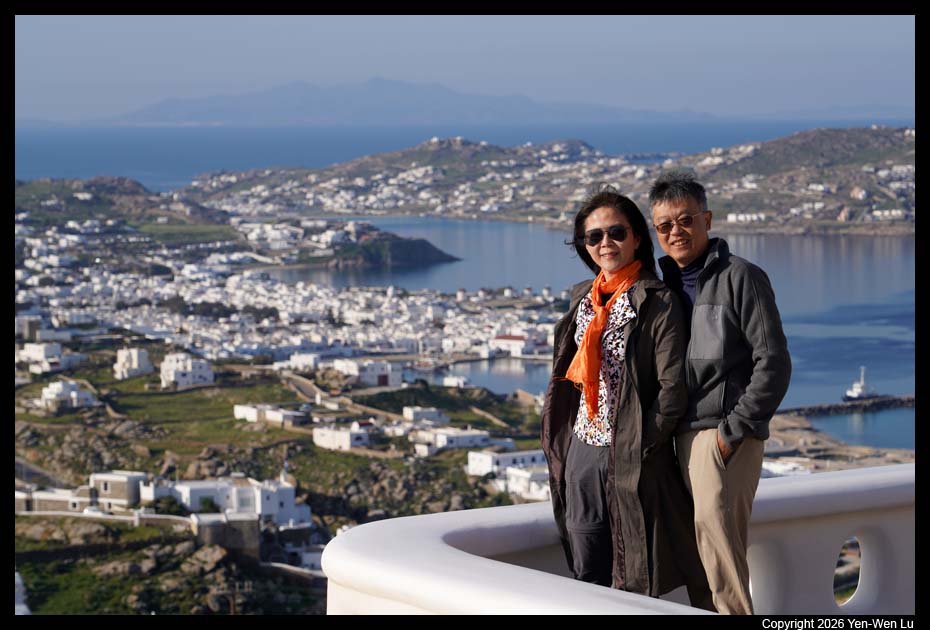
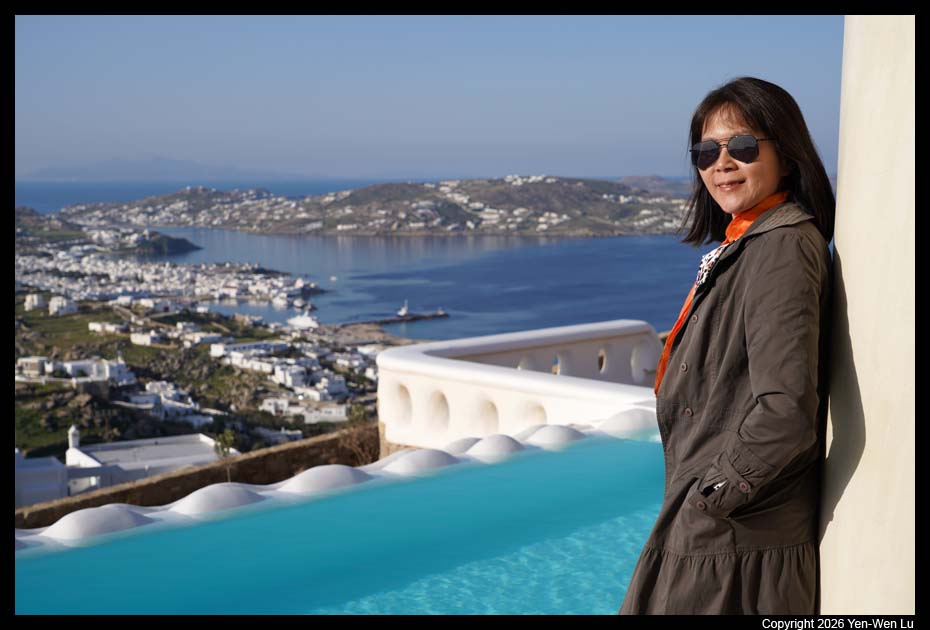
Mykonos Divino
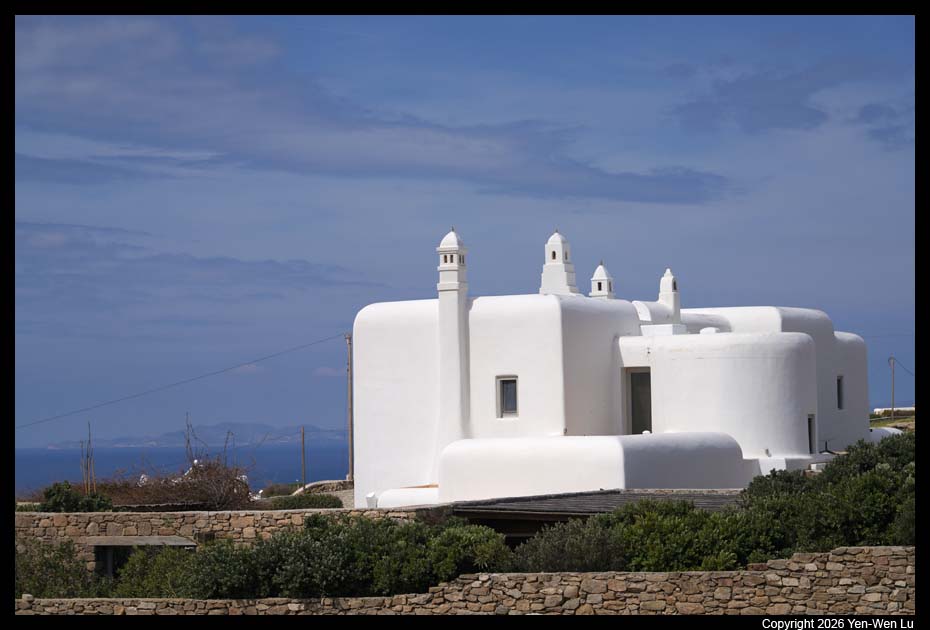
We had some photo time in the villa in the afternoon (drone
video). Our villa has a fantastic view of Mykonos Old Town (we can
even clearly see the windmills). At about 12AM, we got up to see some
fireworks in the distance (after the Holy Saturday midnight service).
Day 9 (4/12) ...
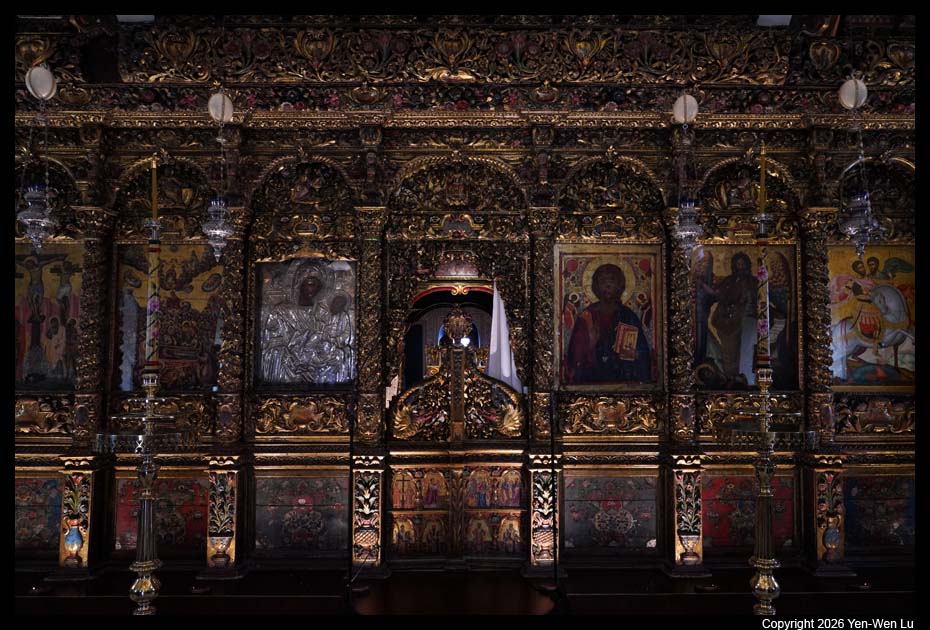
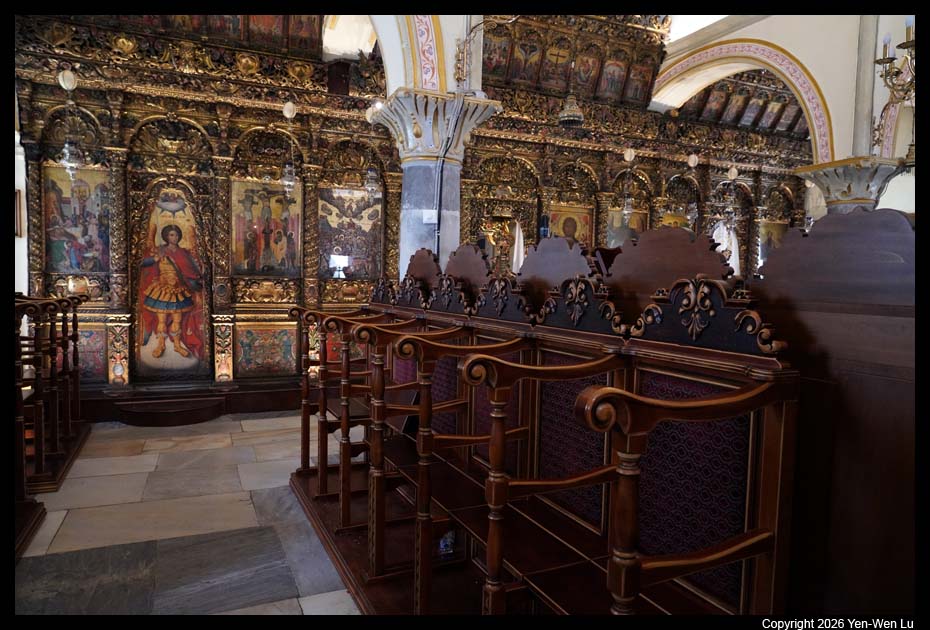
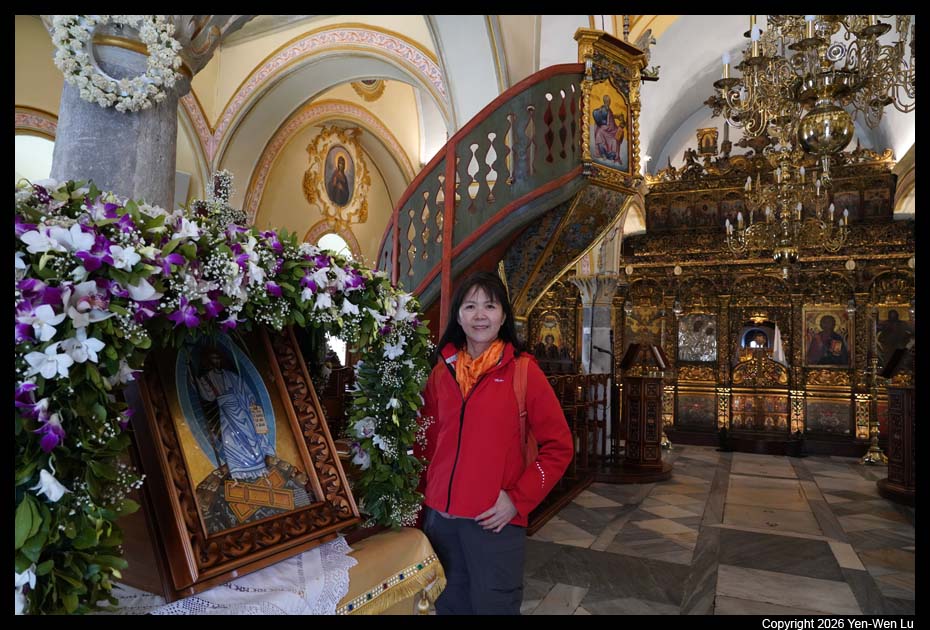
- Ano Mera
Ano Mera in Mykonos is the second biggest village after
Chora (main town) and is one of the oldest villages of the island.
It is a quiet village where locals continue their everyday life without
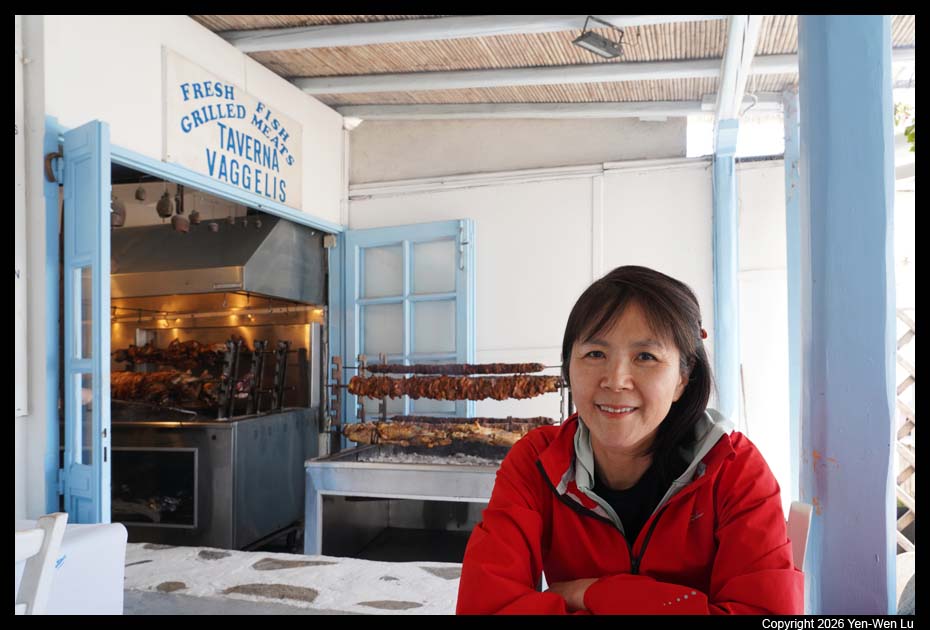
being interrupted by a crowd of tourists. We came early and saw a few
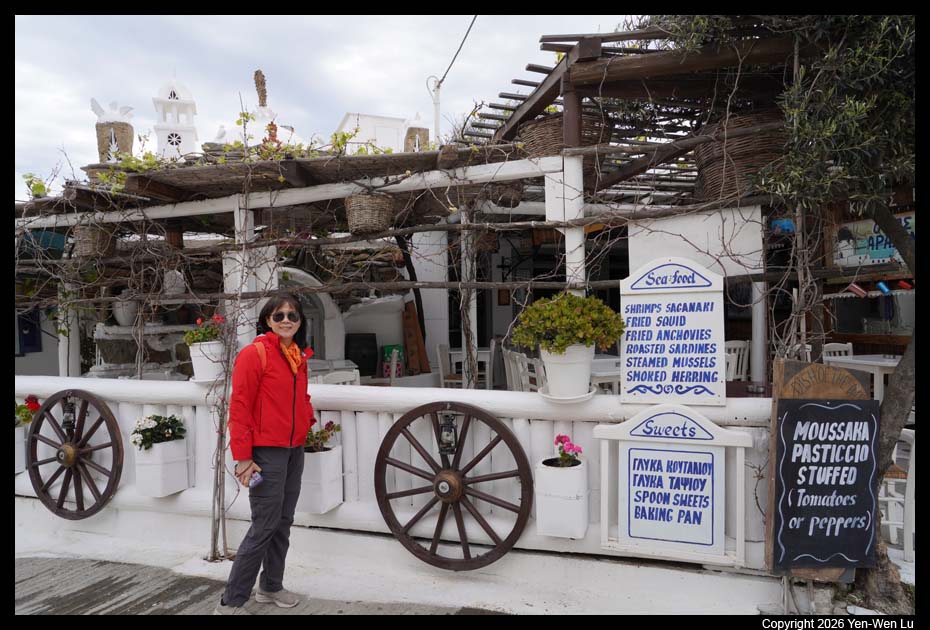
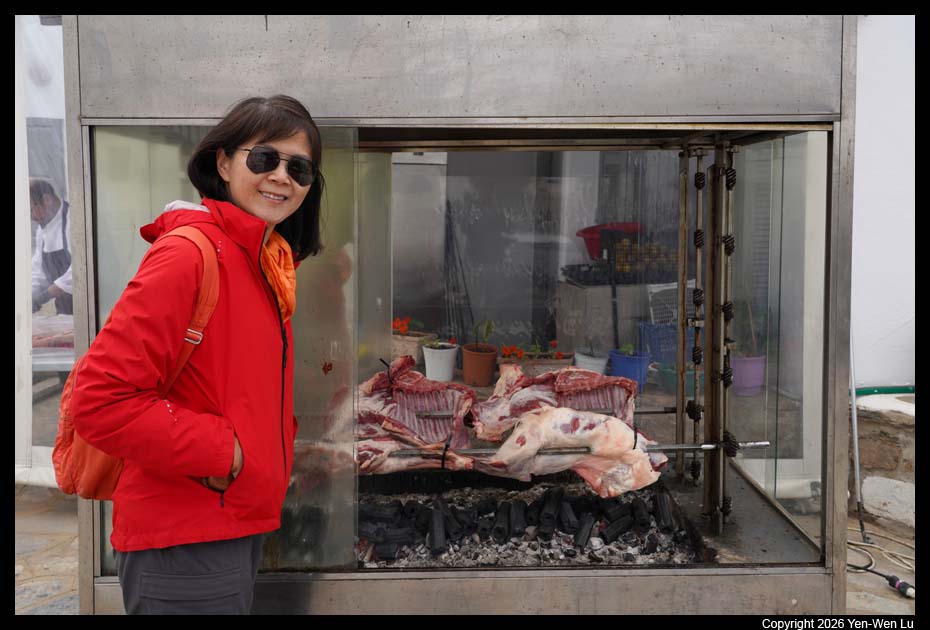
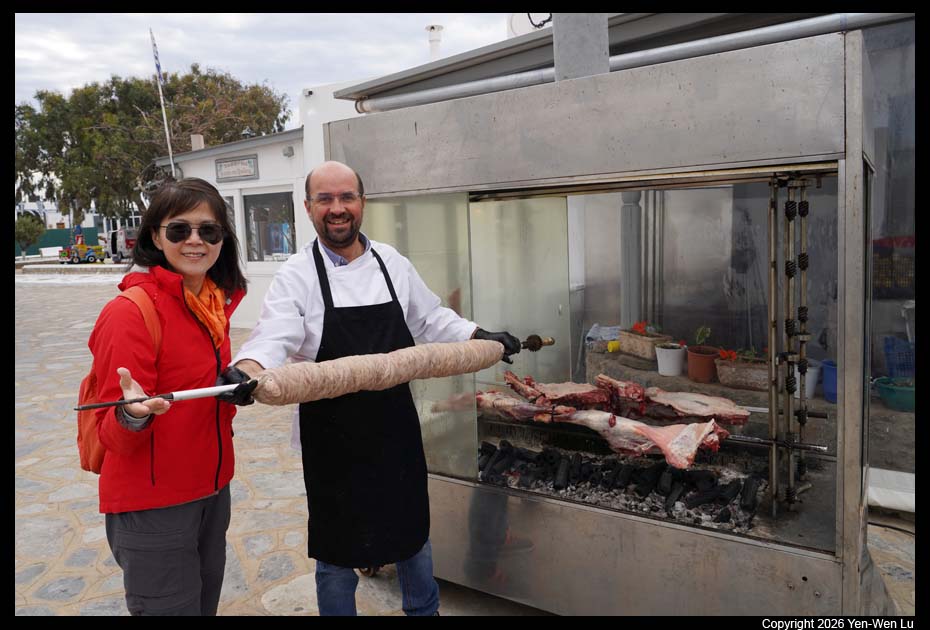
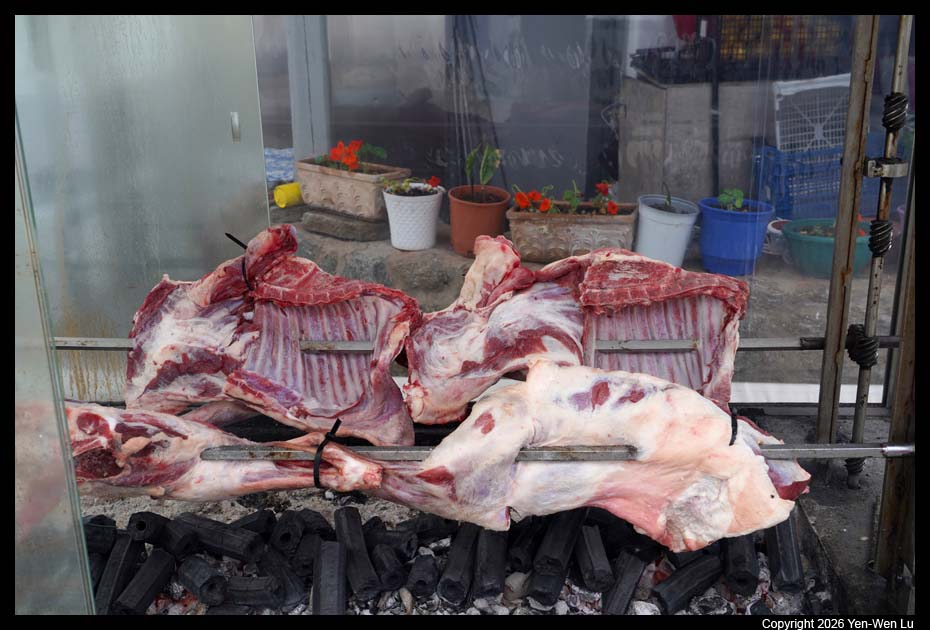
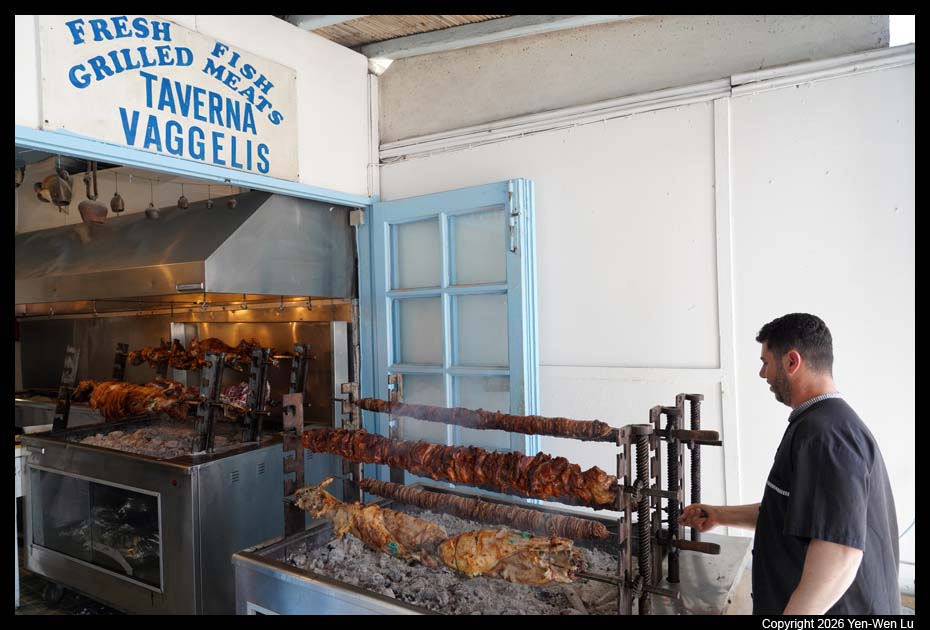
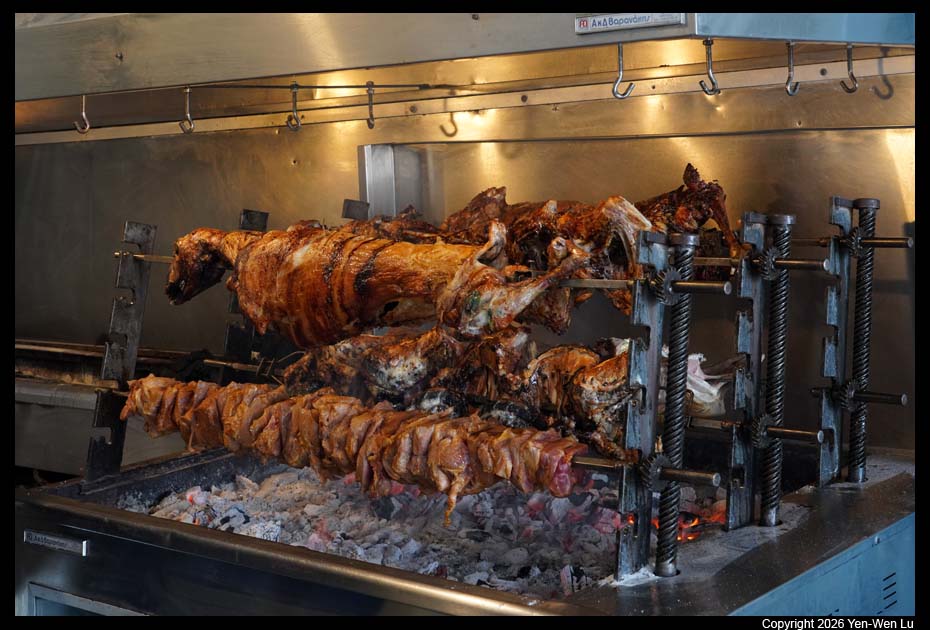
restaurant start to prepare to roast whole lamb, a tradition for Greek
Easter Sunday.
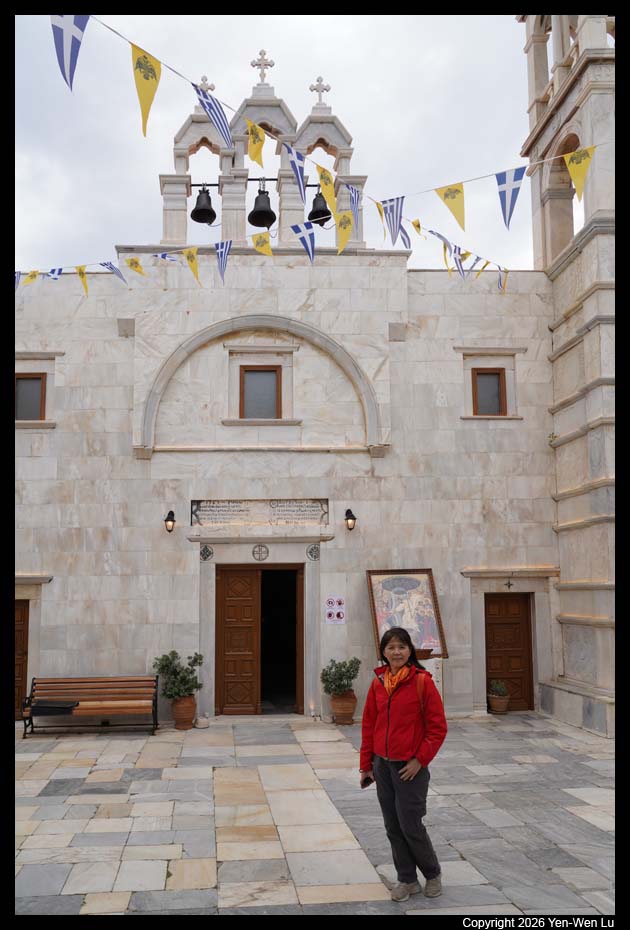
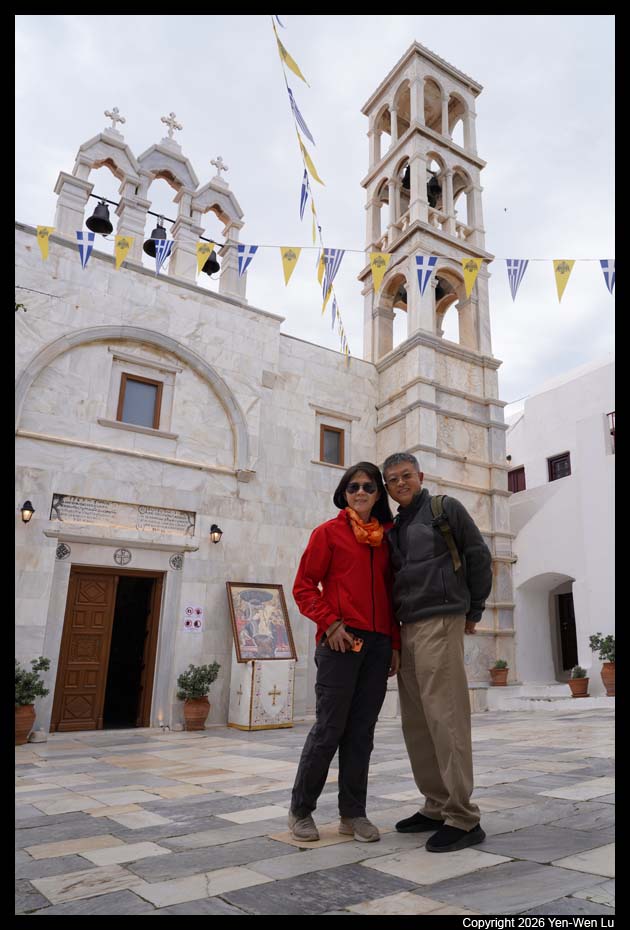
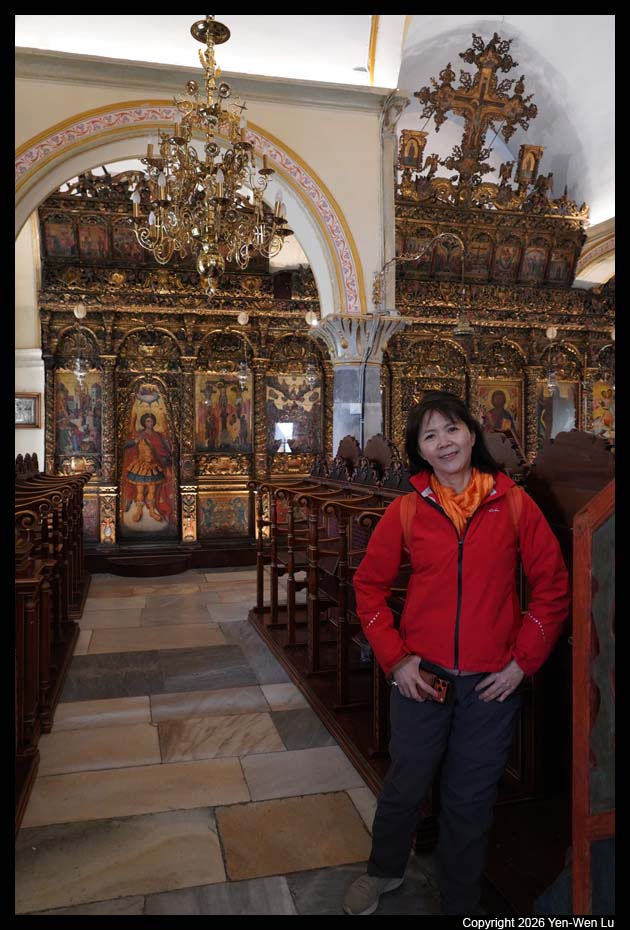
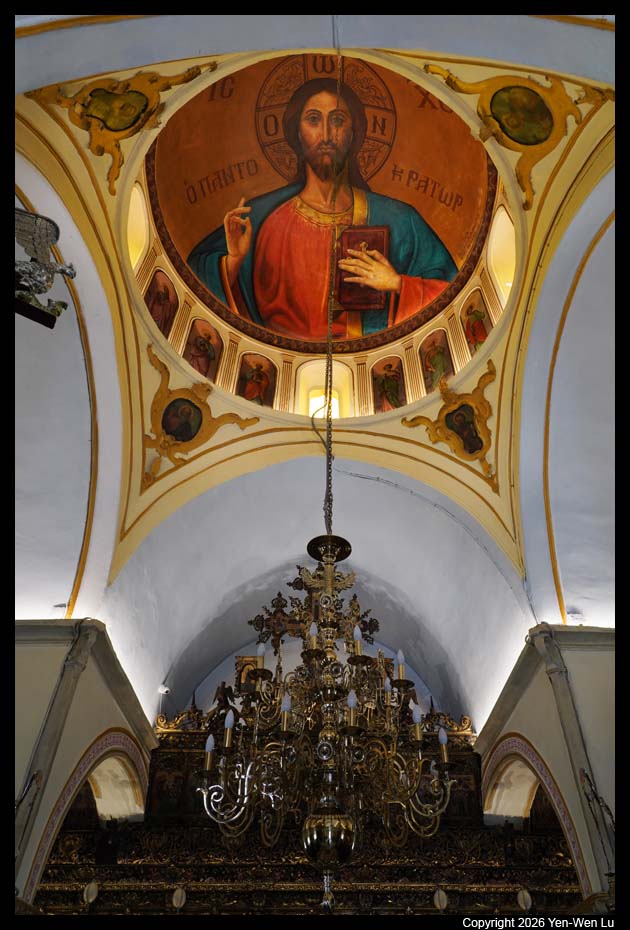
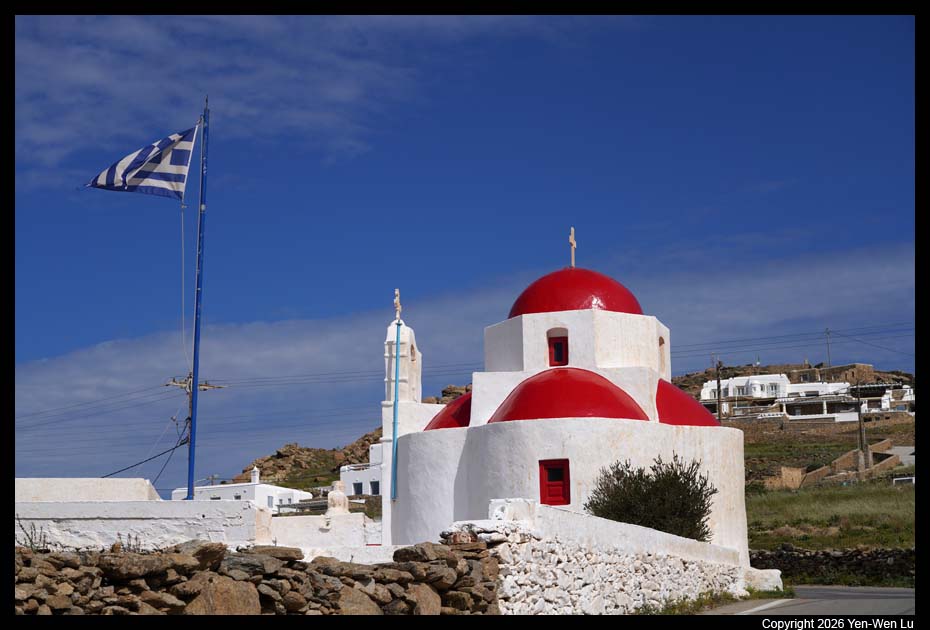
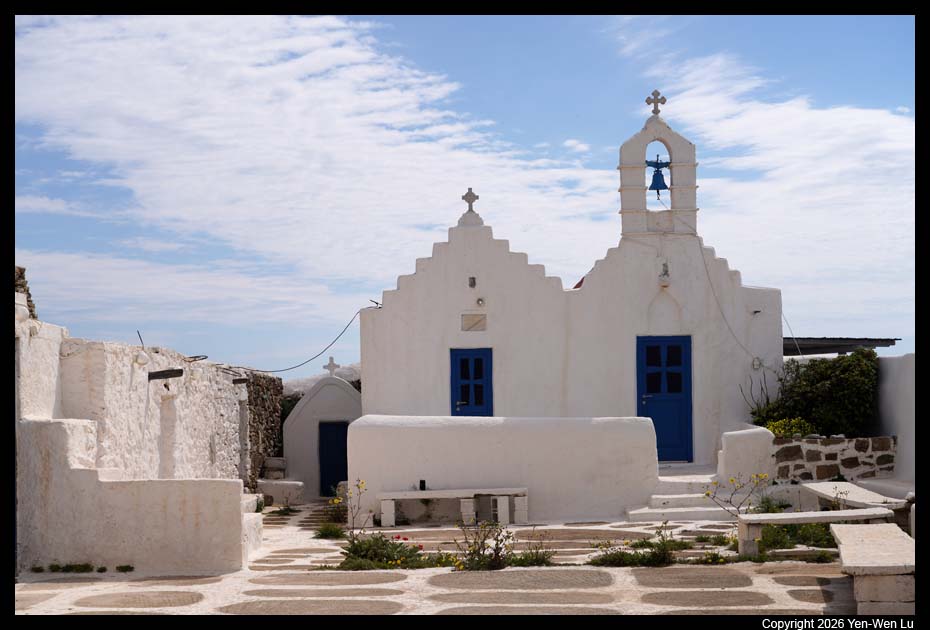
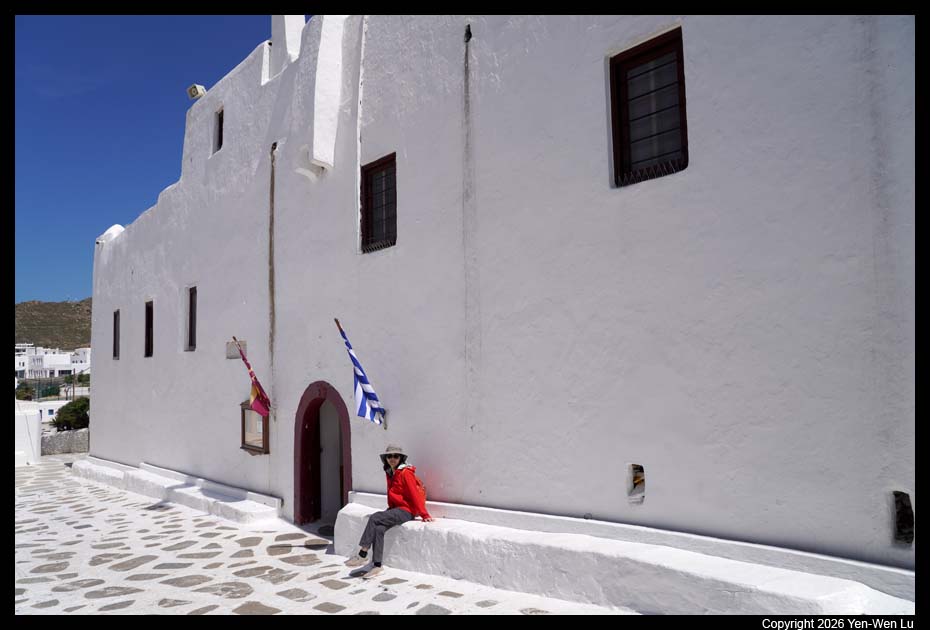
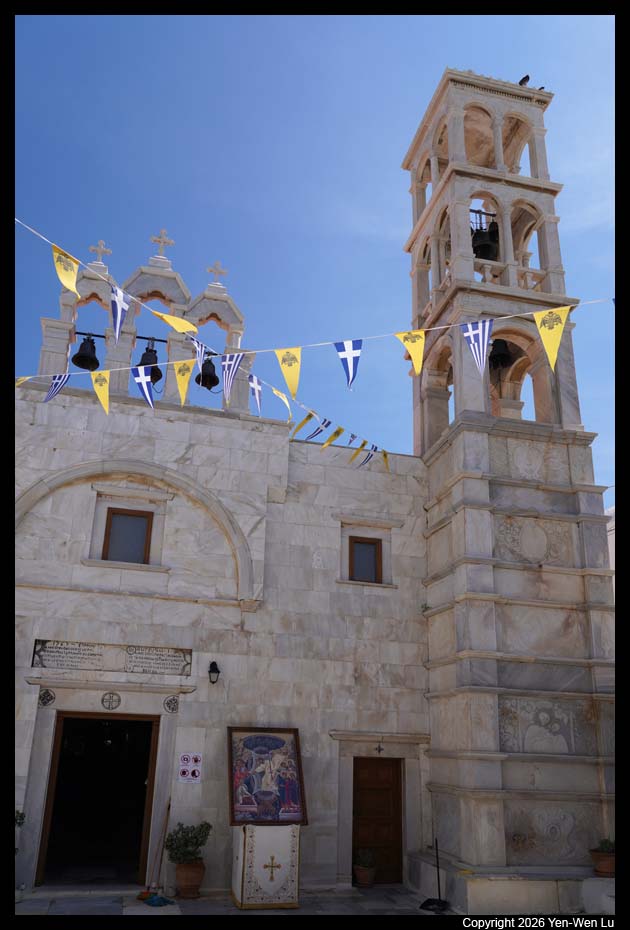
The most famous building in Ano Mera is the
monastery of Panagia Tourliani, established in 1542 and restored in
1767 and owes its present name to an icon of the Virgin Mary found in
the nearby area of Tourlos. The
building's
architecture is quite impressive, with a whitewashed exterior and
a colored dome.
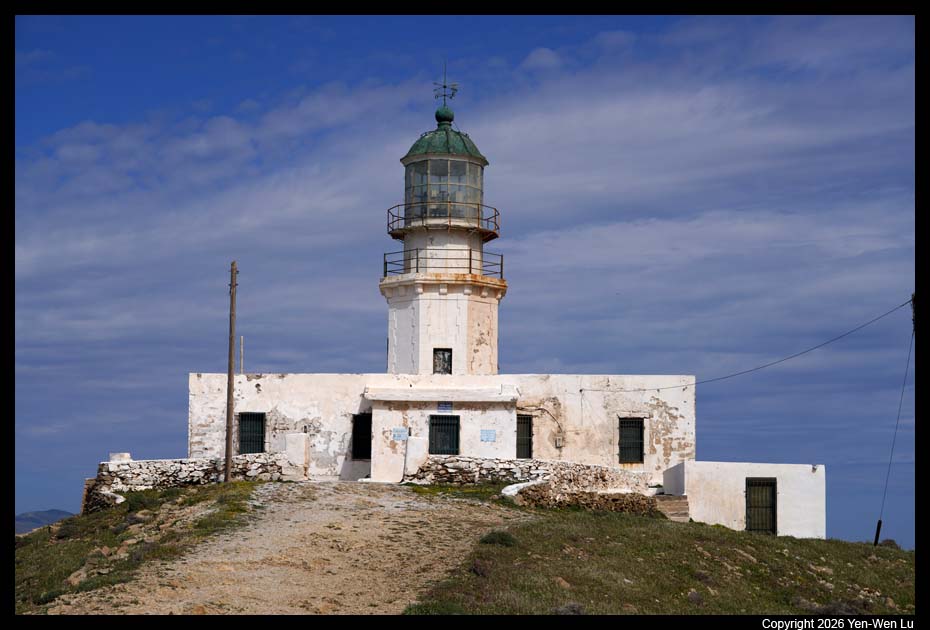
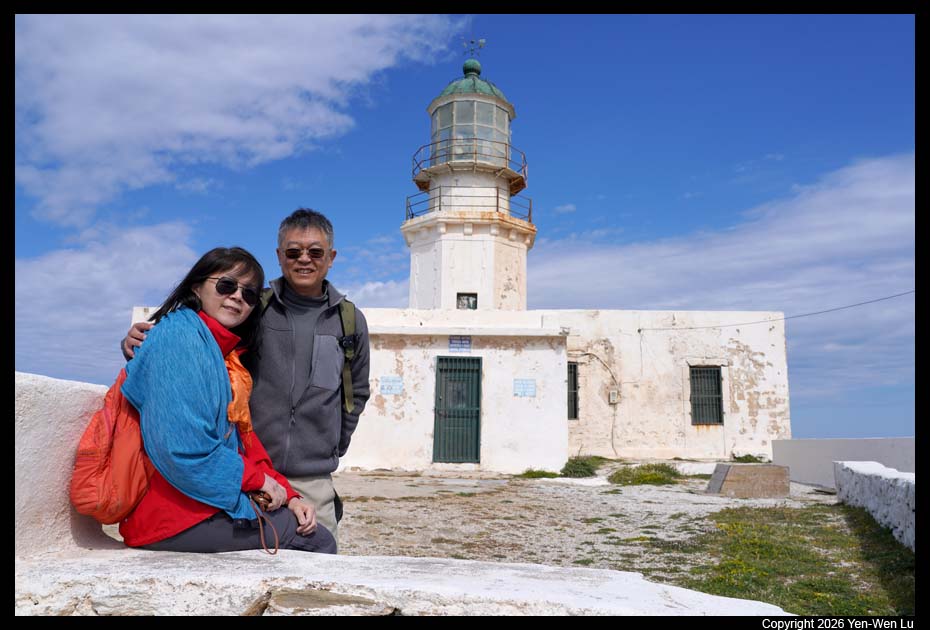
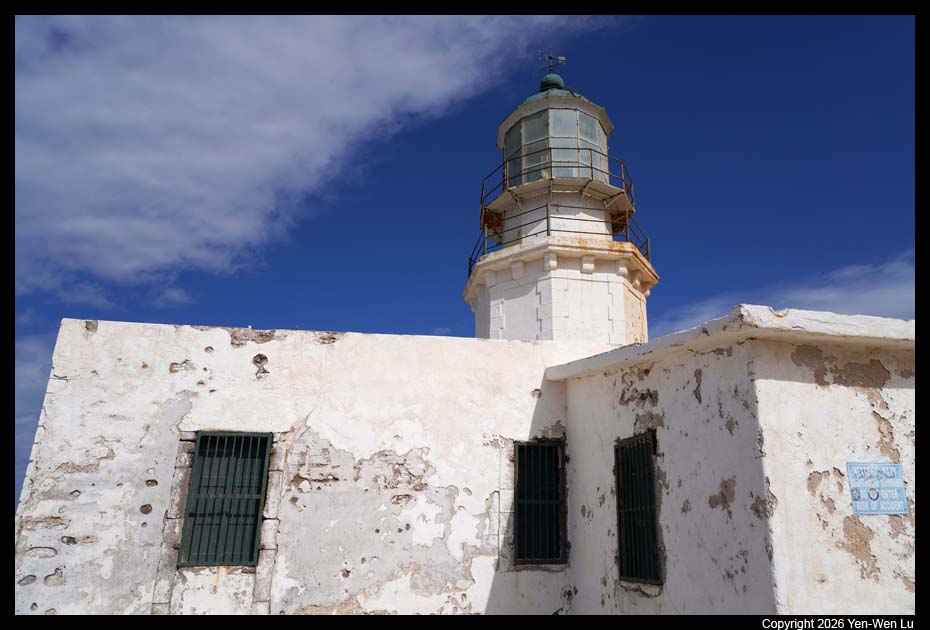
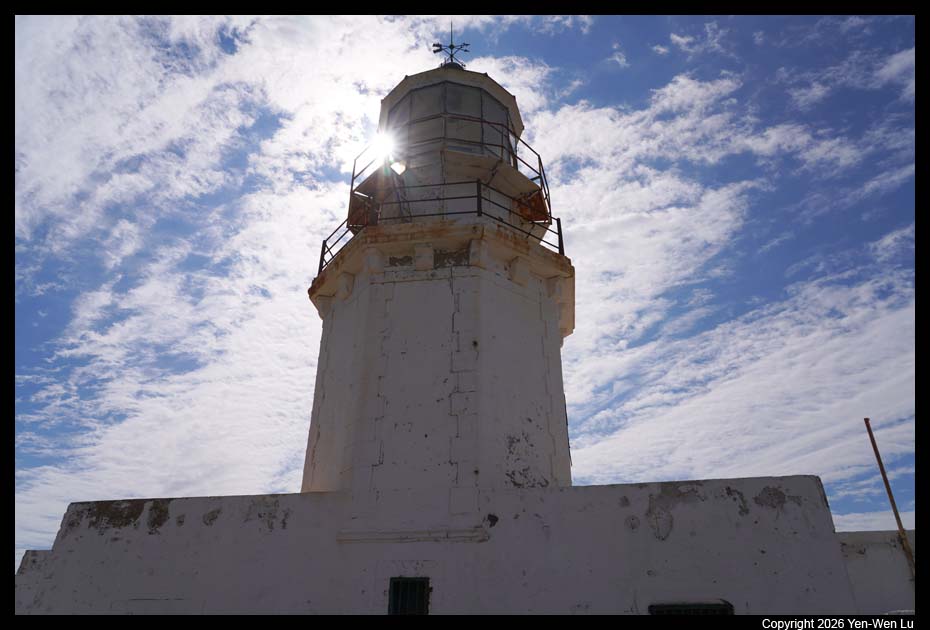
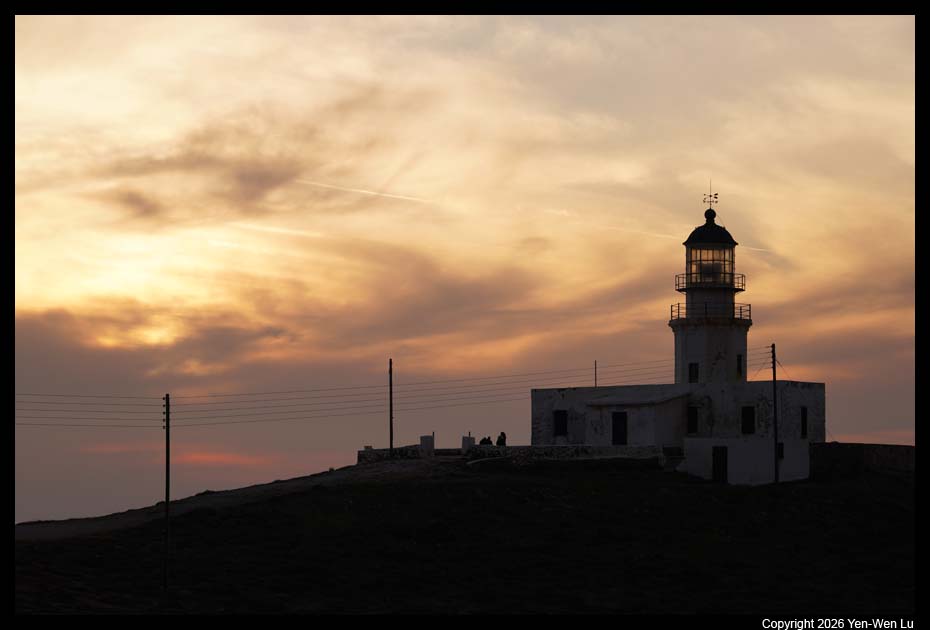
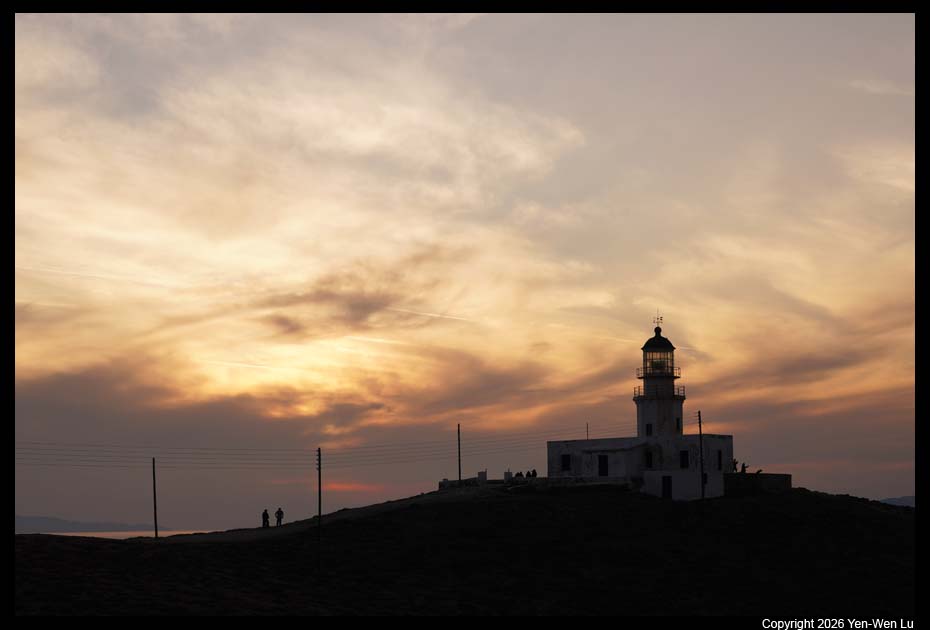
- Armenistis Lighthouse
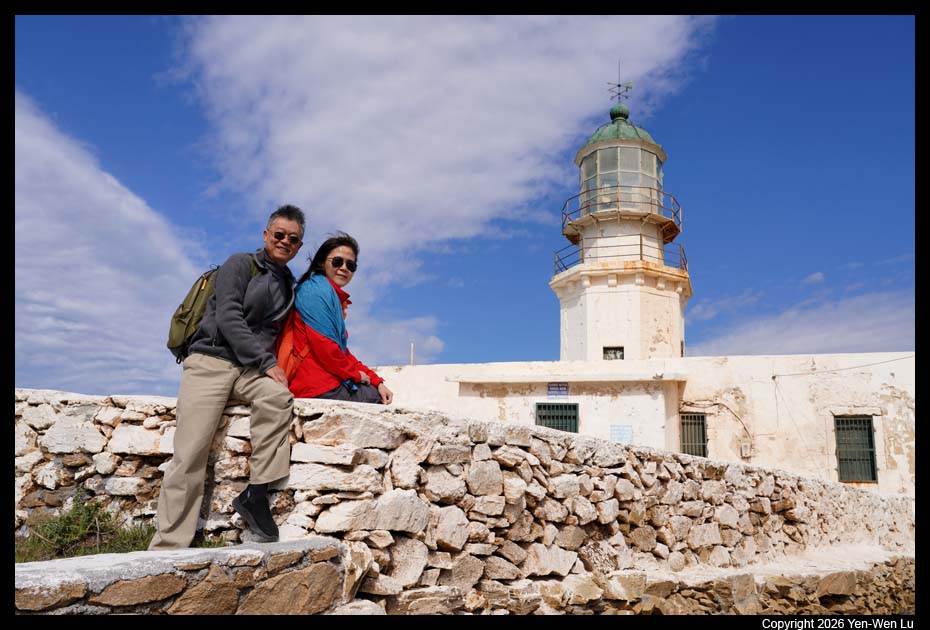
Built in 1891, Armenistis Lighthouse is a proud
reminder of a once glorious maritime history that is tied to the island of
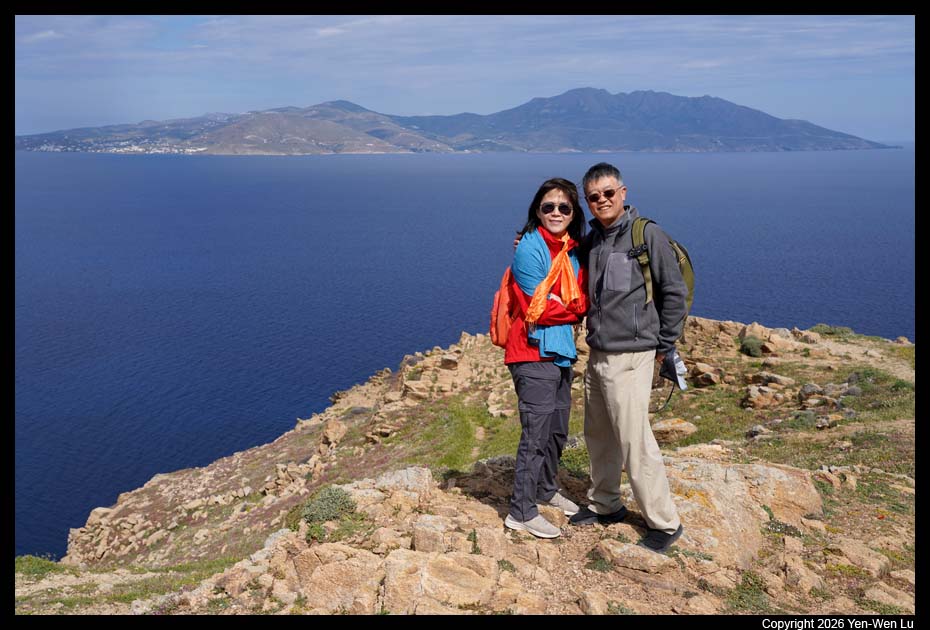
Mykonos. Although fully functional to date, it stands in silence at the
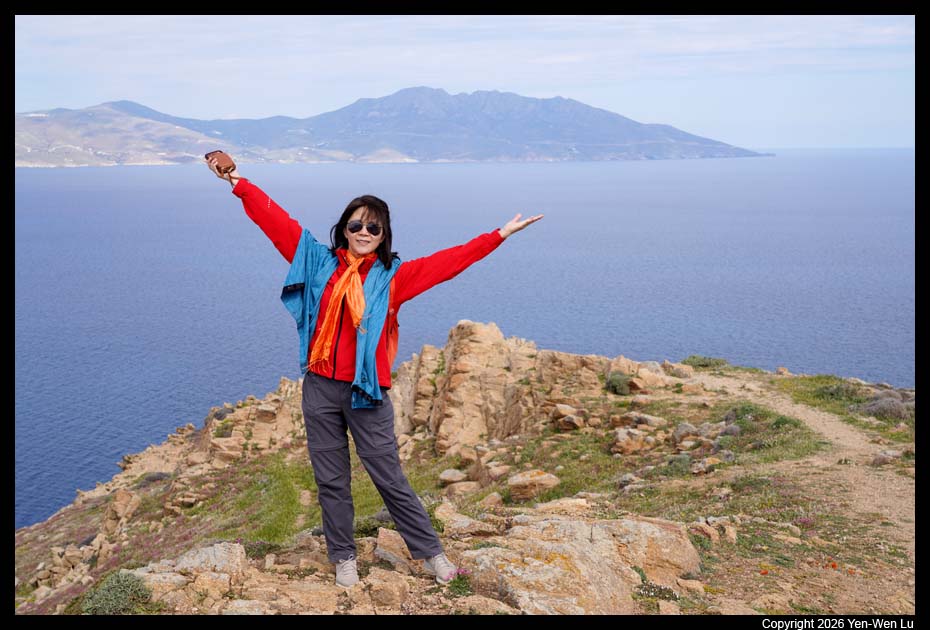
Fanari area on the north-western part of the island, offering staggering
views of the Aegean and all the way to neighboring Tinos island.
The narrow road winds through the beautiful
countryside and small villages. It was a pleasant drive (only 10
minutes from our villa) with "real" Mykonos island feeling.
- Ano Mera
We went back to Ano Mera at about 1PM to have lunch.
It's another delicious Greek meal although the wait time was almost
unbearable...
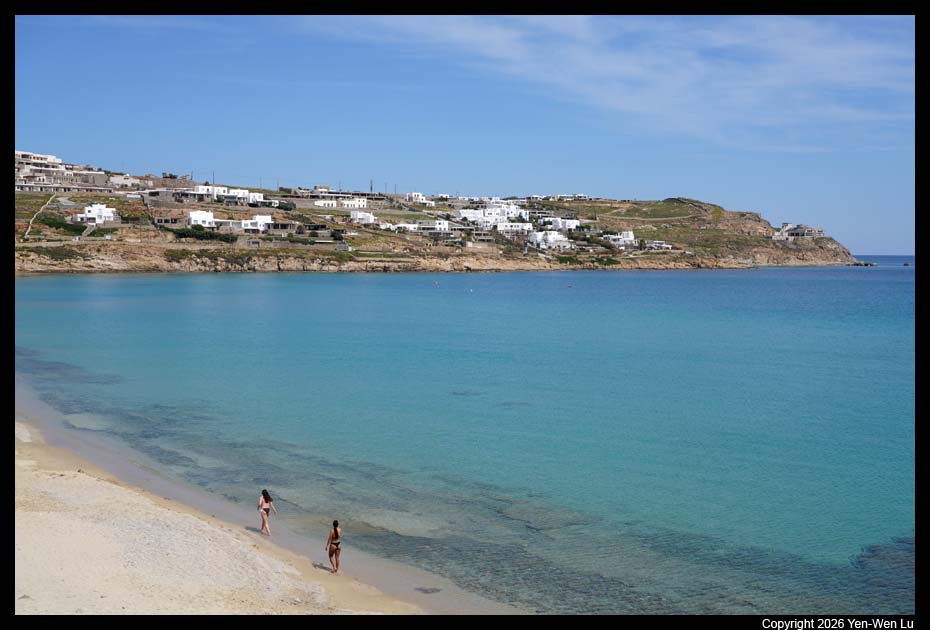
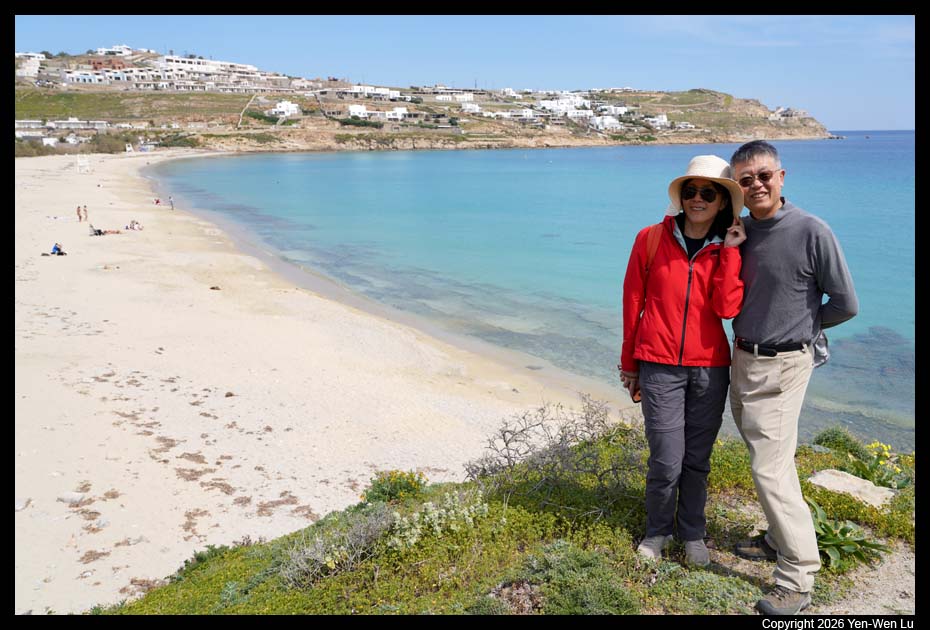
- Paralia Kalo Livadi
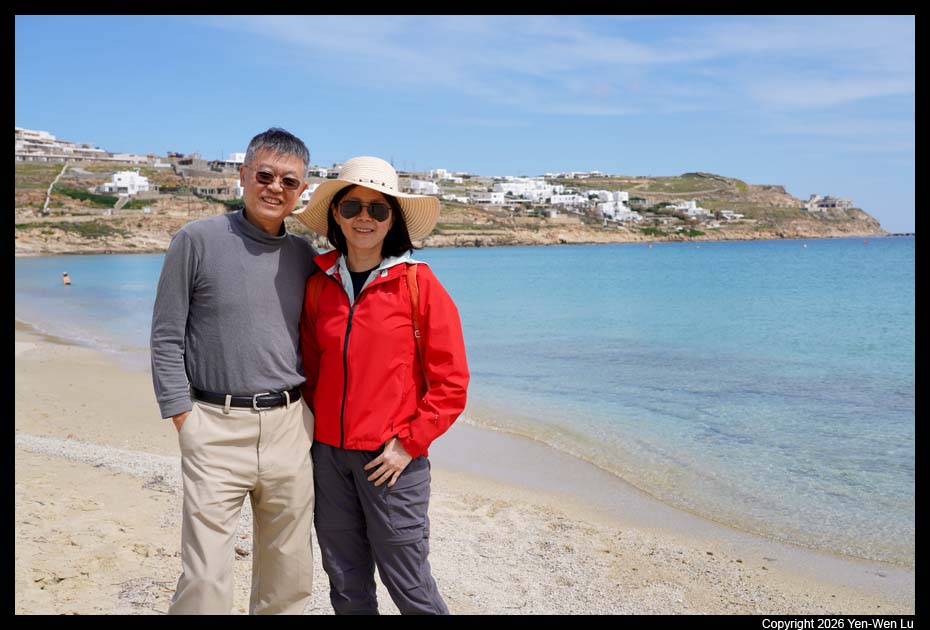
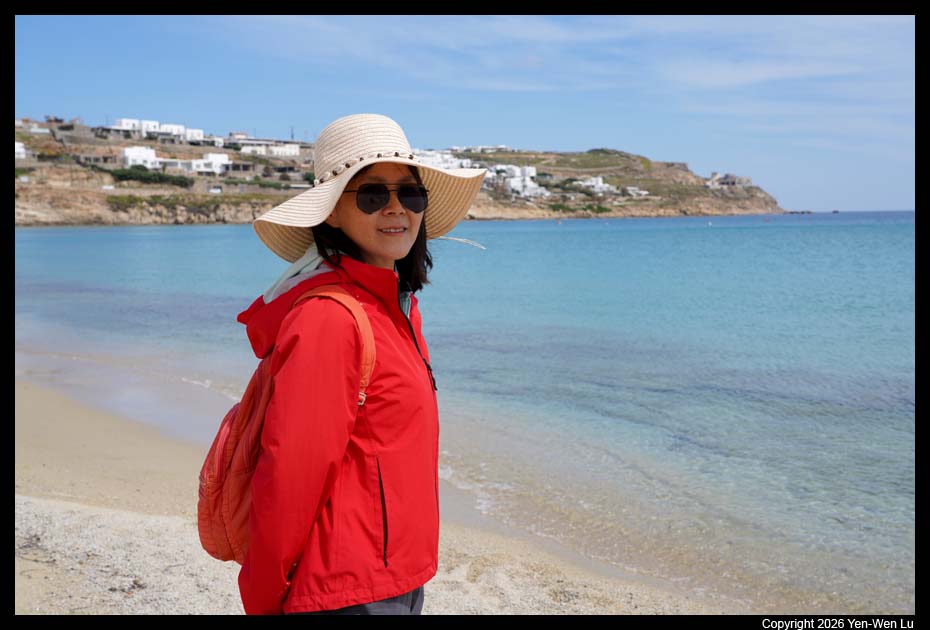
Kalo Livadi Beach is a large sandy beach in the
southern part of Mykonos Island. It was less crowded than other
"party" beaches in Mykonos, but since it was not summer yet, we only saw a
handful local people around the beach. We did not plan to do any beach
or water activities. We just came to sample a feeling of a Mykonos
beach :-)
- Armenistis Lighthouse
We came back to the lighthouse for sunset.
Unfortunately, there were too many clouds to have a colorful sunset today.
Day 10 (4/13) ...
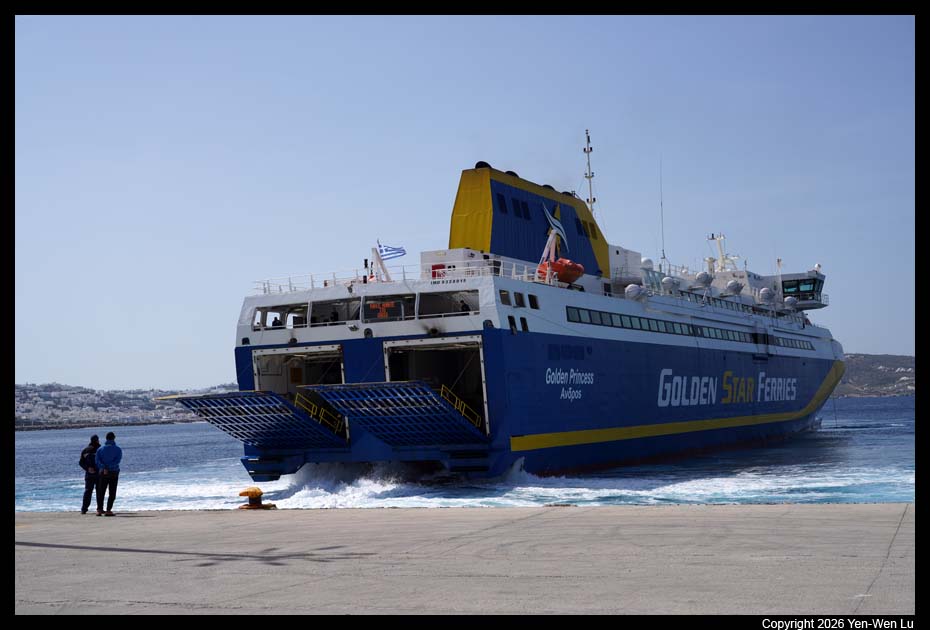
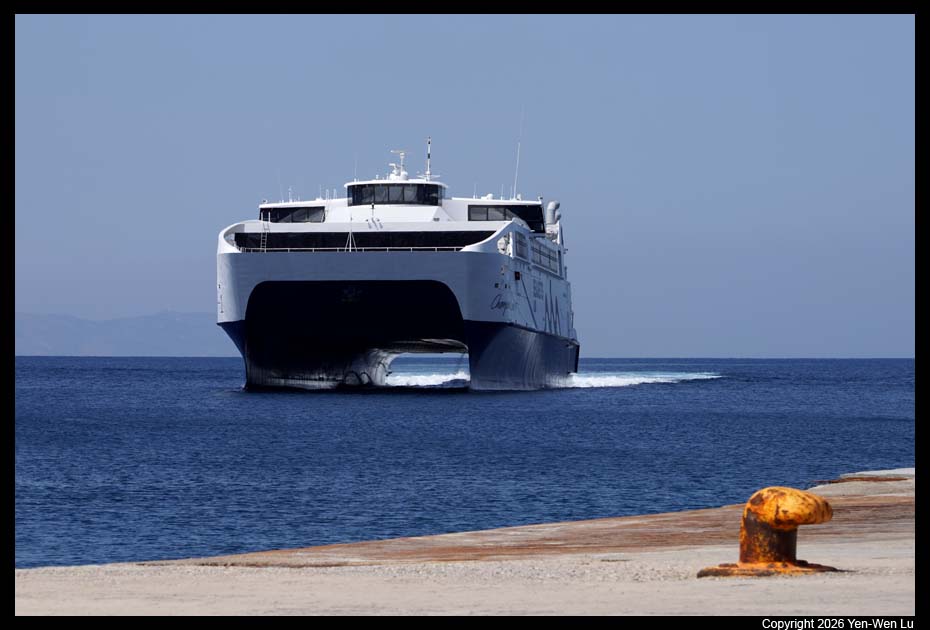
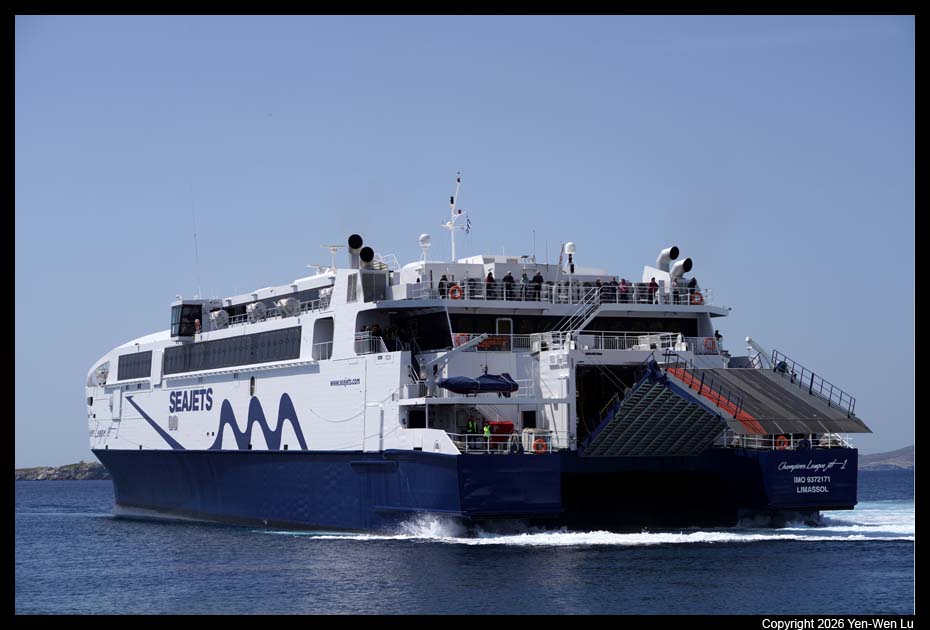
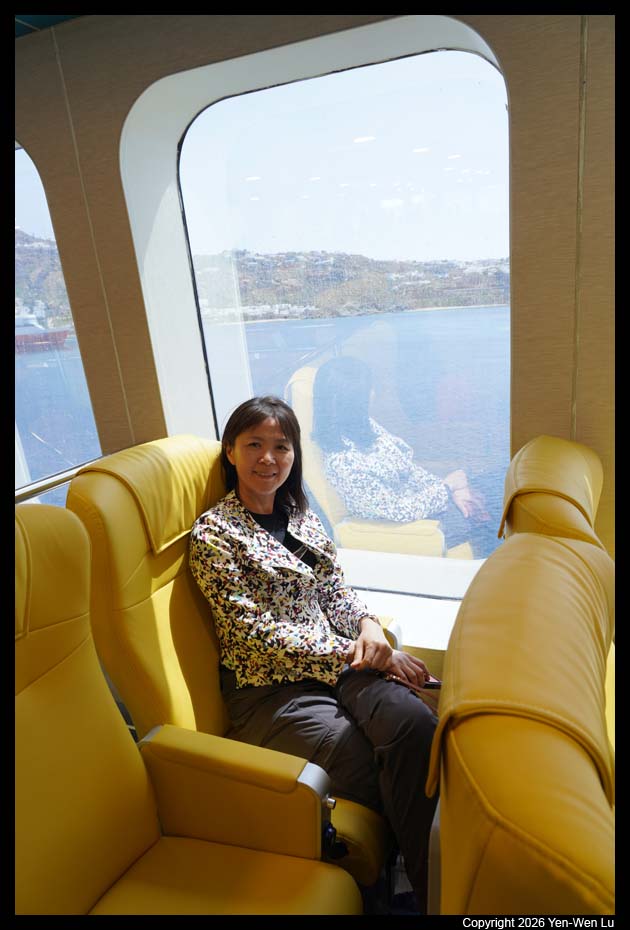
- Ferry
After 3 days in Mykonos, we were ready to move on to our next
island: Santorini. We had our
Seajets ferry (passengers plus vehicles) at 12:25PM. The boarding
process was very unclear, and we had to park our car at some other location
before the time for our ferry (and our ferry was delayed for about 30
minutes). There was no announcement and with multiple ferries
come-and-go, it's kind of confusing about what to do next (especially we had
a car to bring onboard). Luckily everything went smoothly and we were
in queue in our car at about 12:30PM waiting for our ferry.
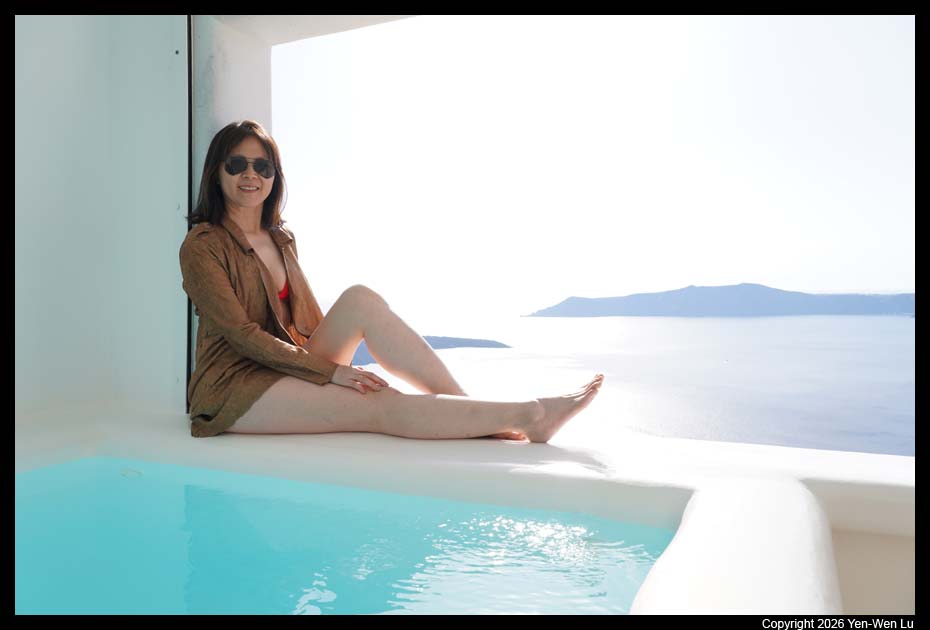
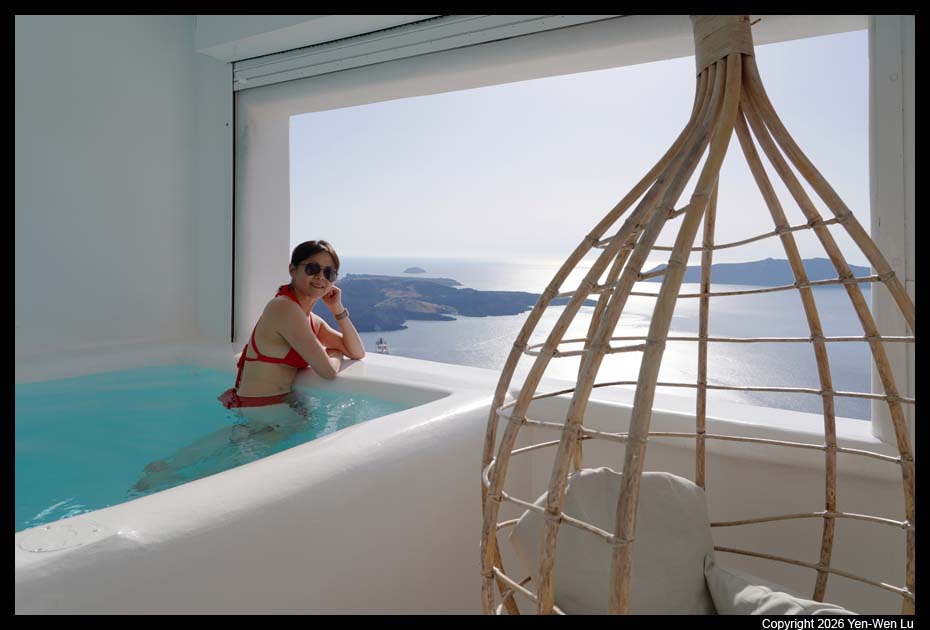
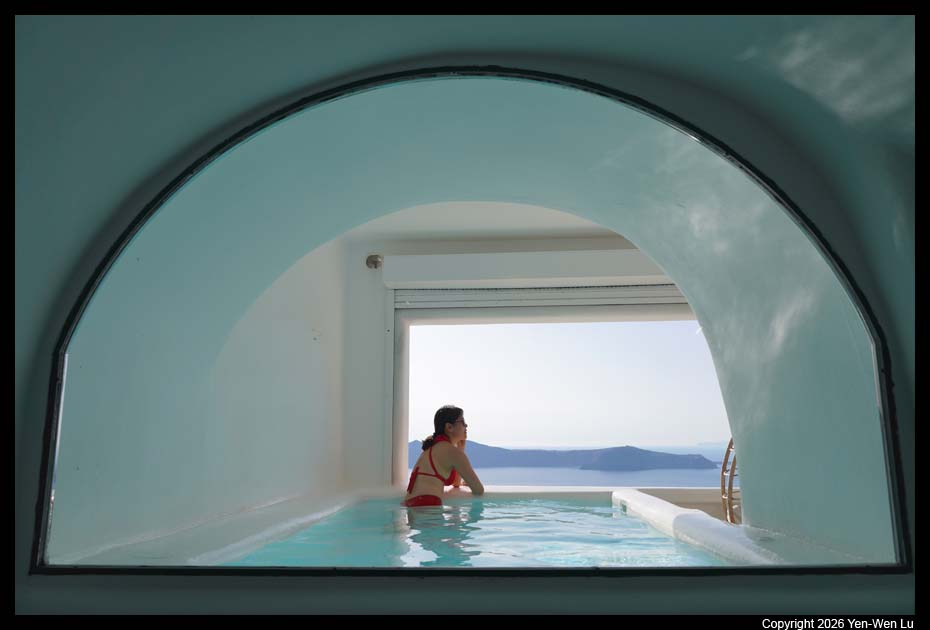
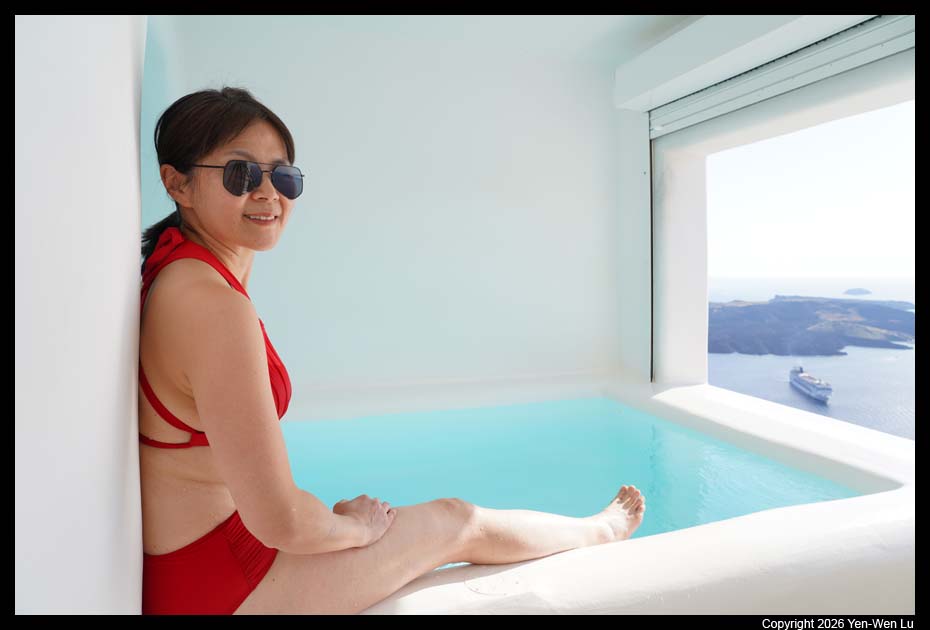
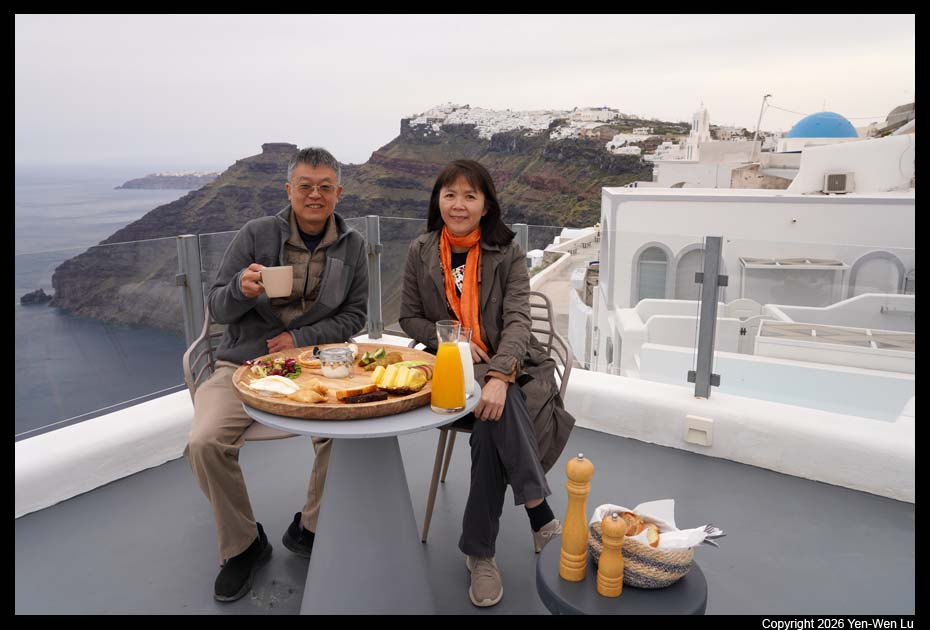
- U & ME Suites, Santorini
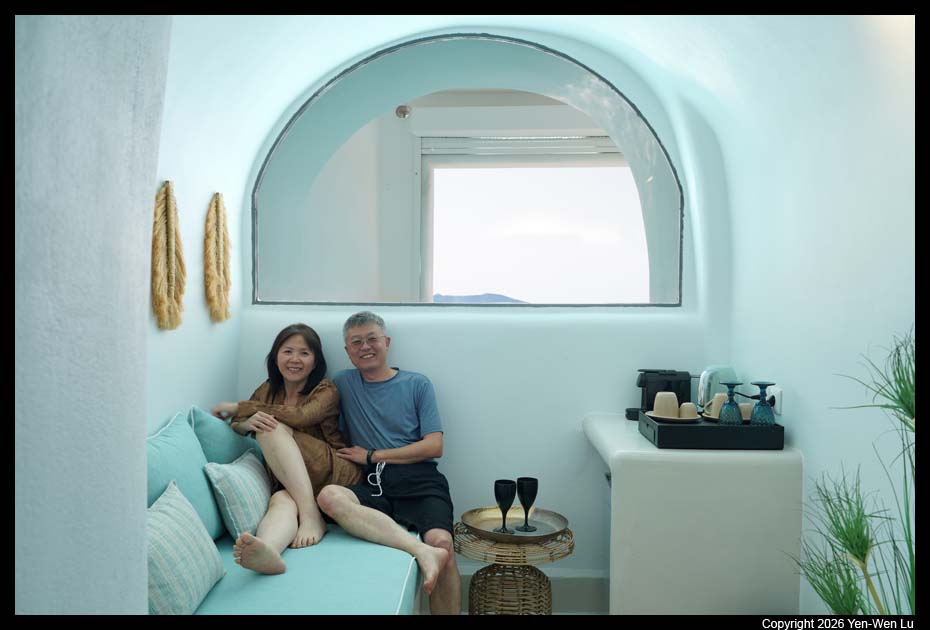
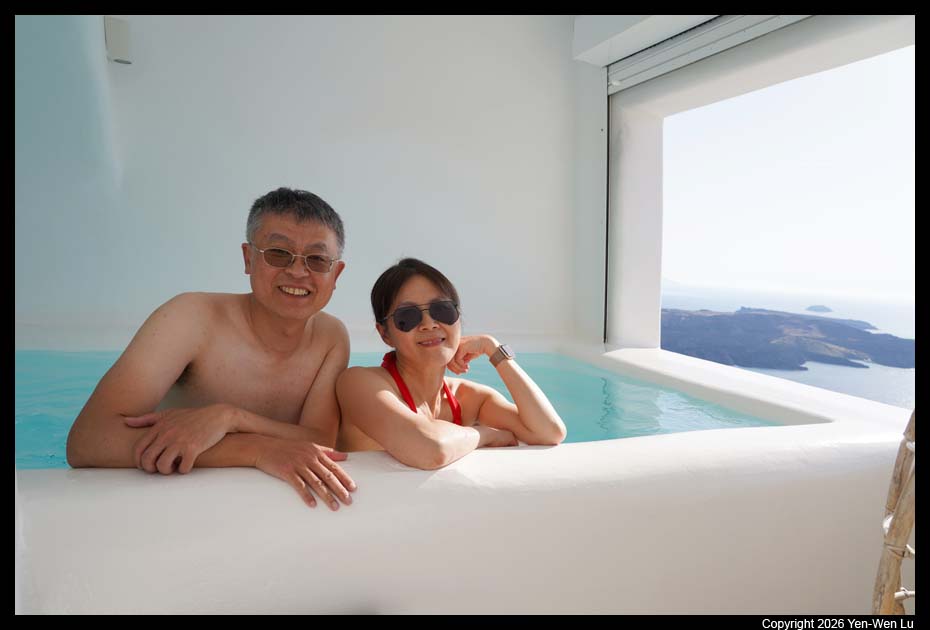
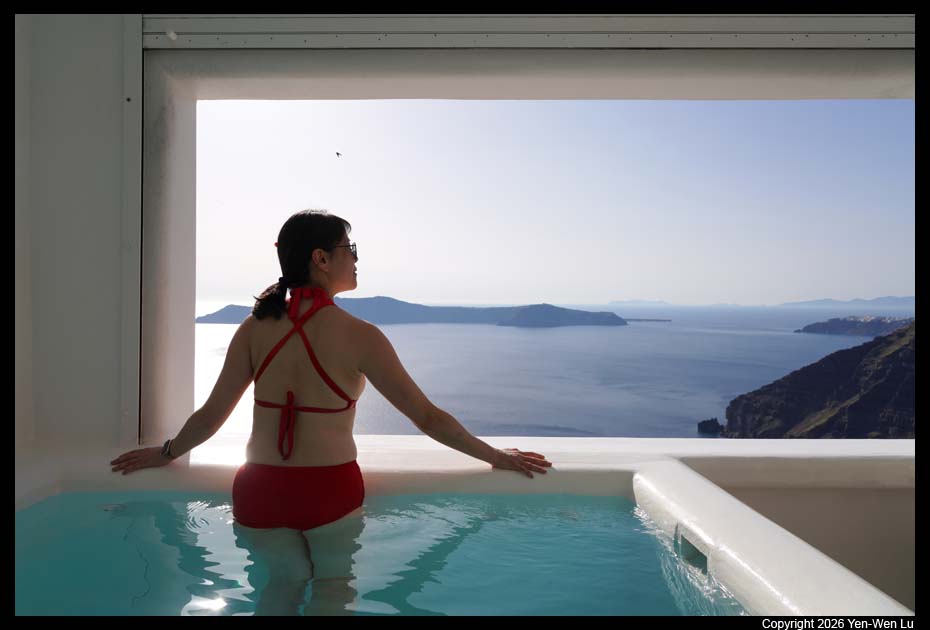
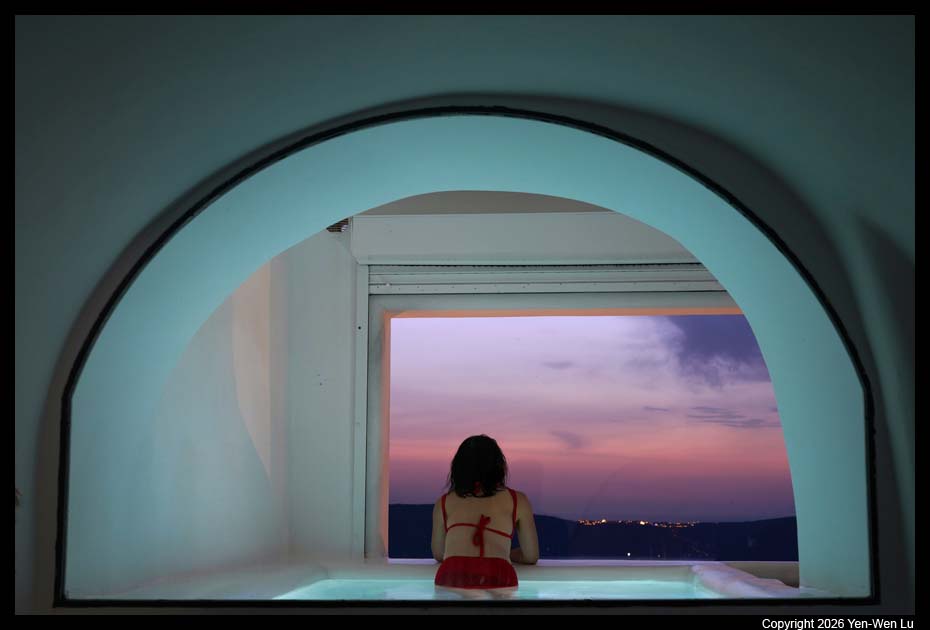
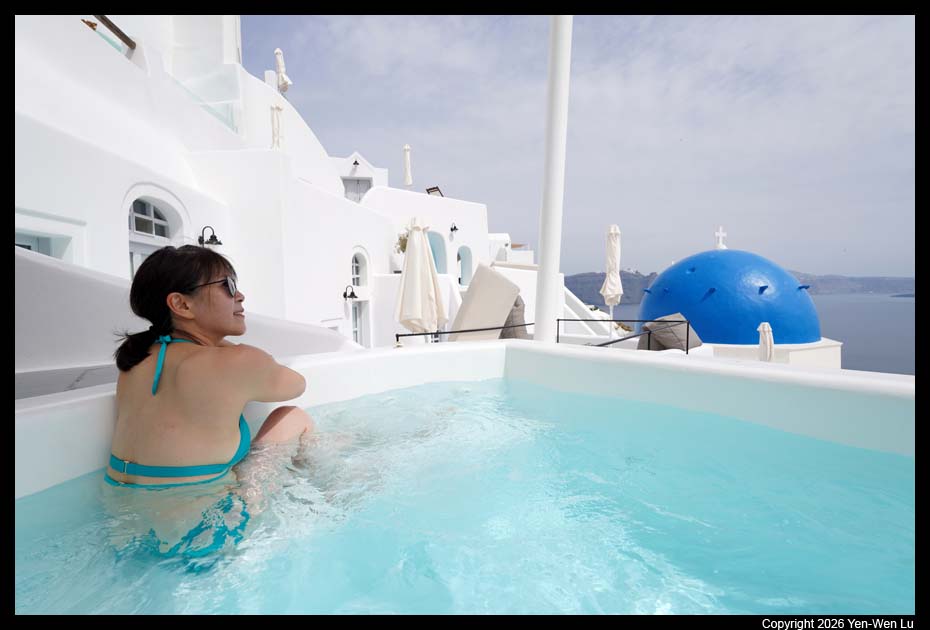
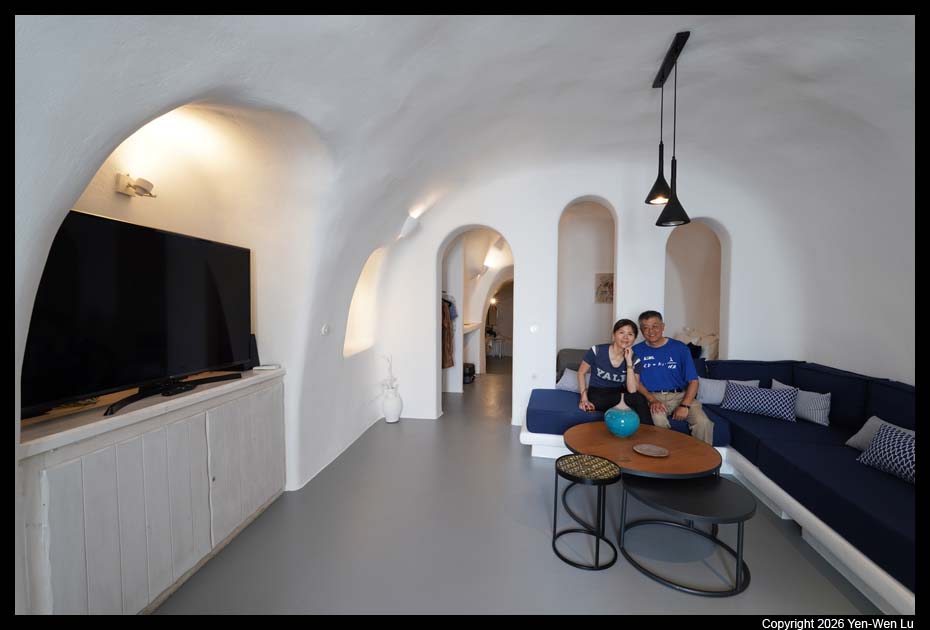
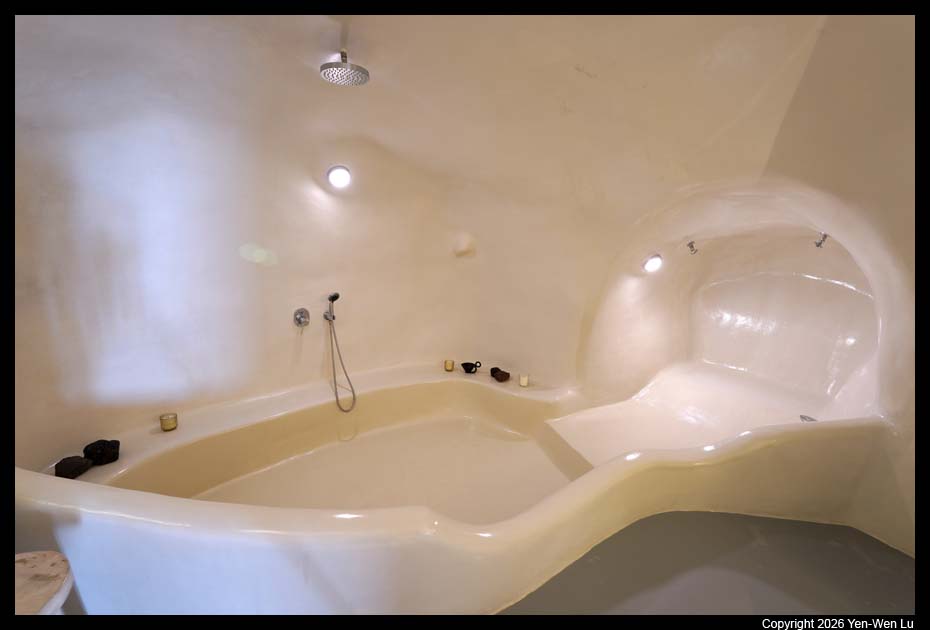
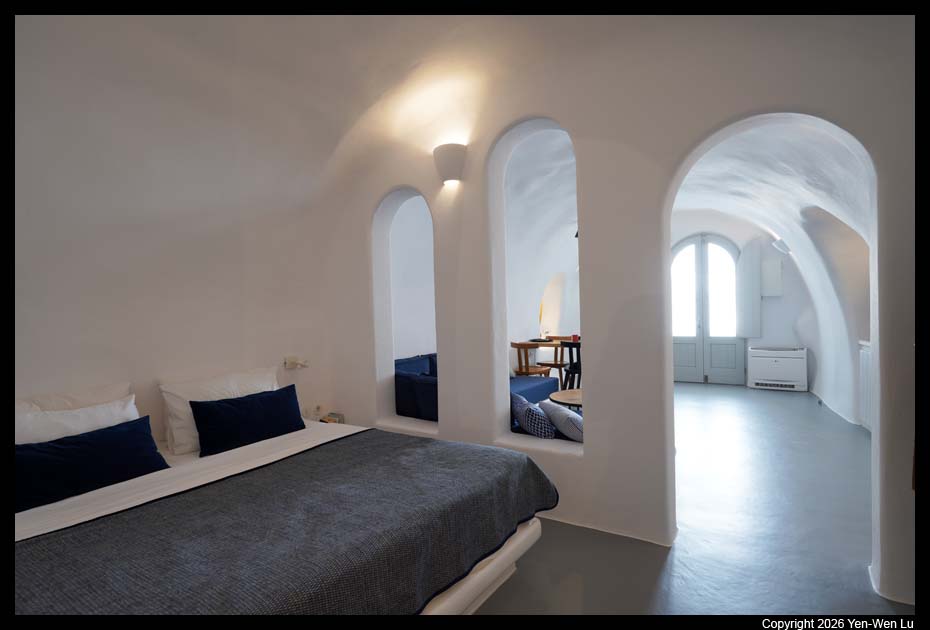
Our first night in Santorini was in the Fira area. I booked a
honeymoon suite with indoor Jacuzzi, which was a perfect photo frame for us
to enjoy the afternoon.
-
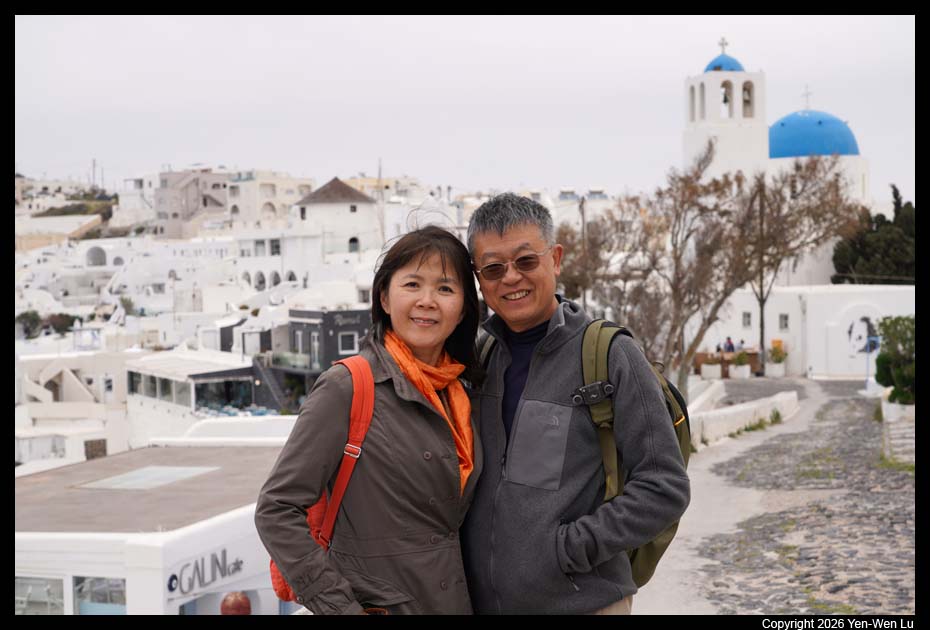
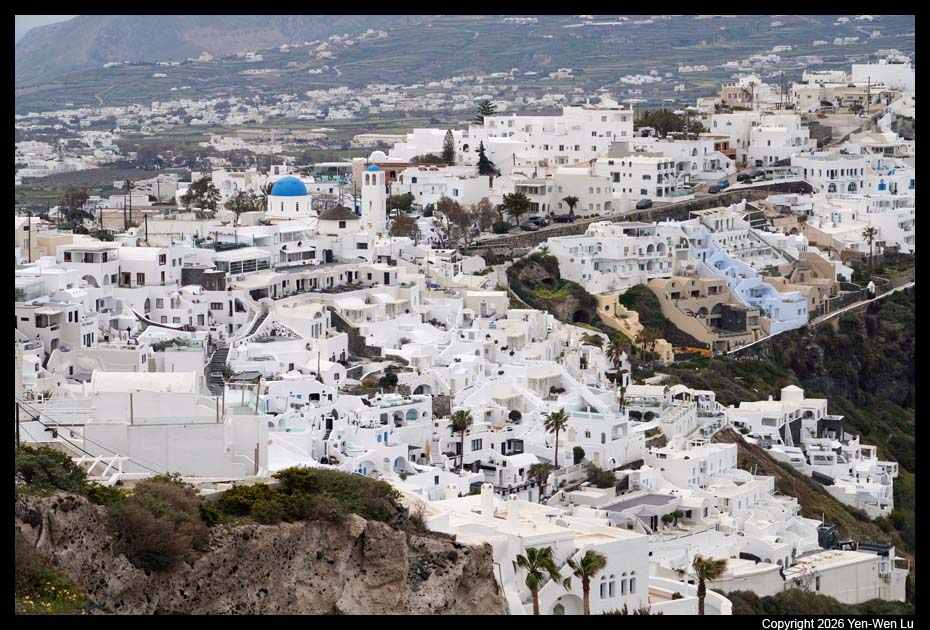
Fira
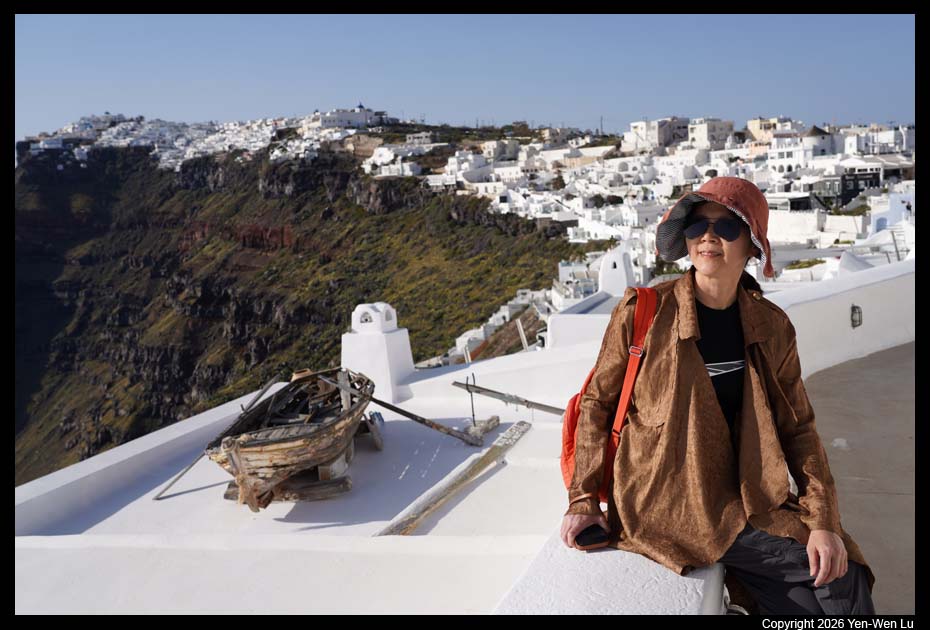
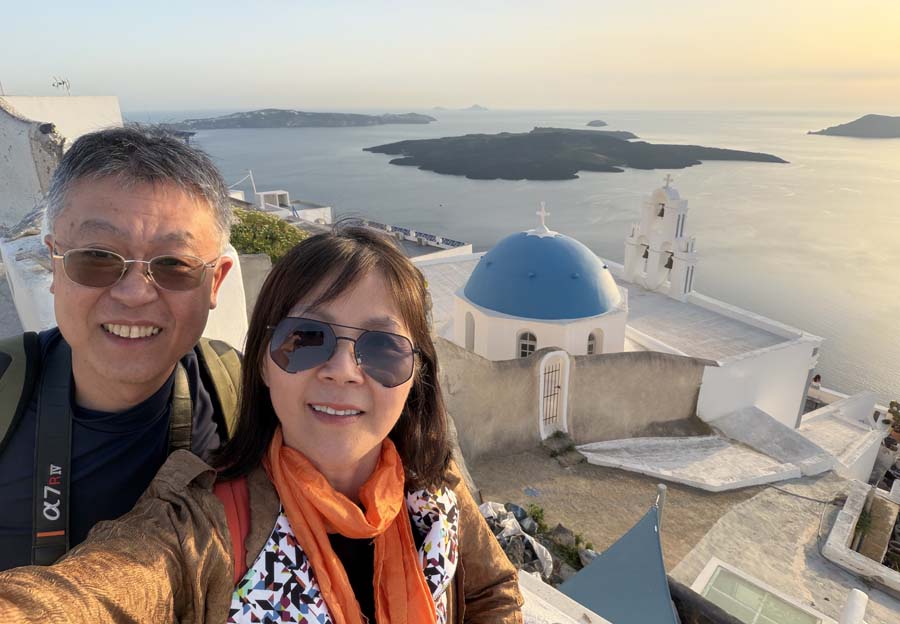
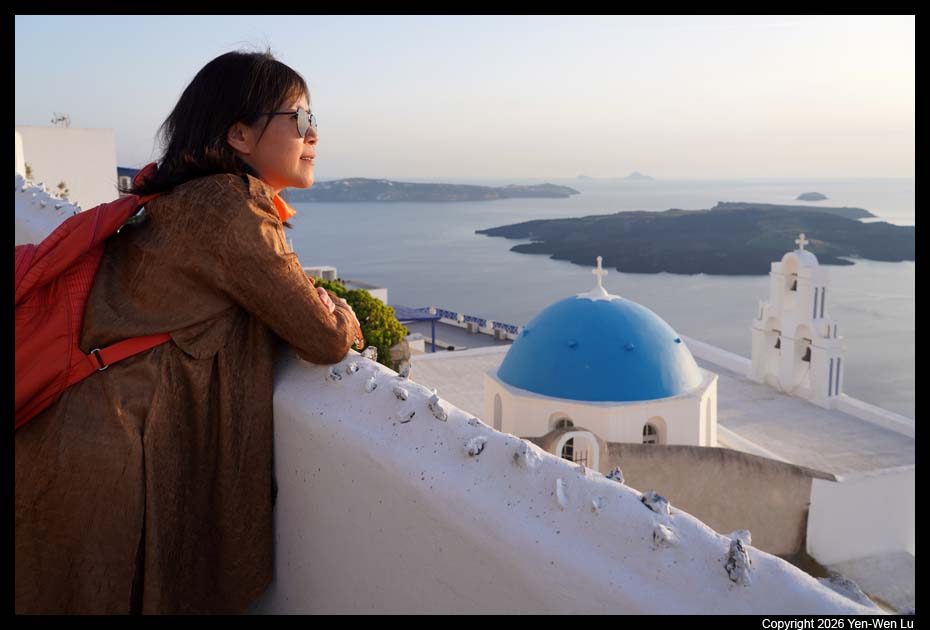
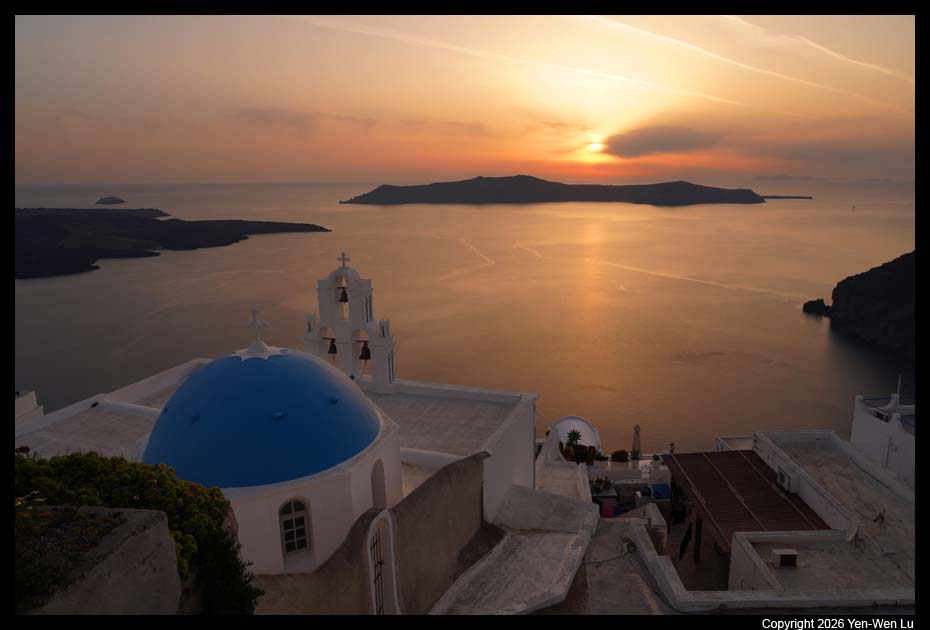
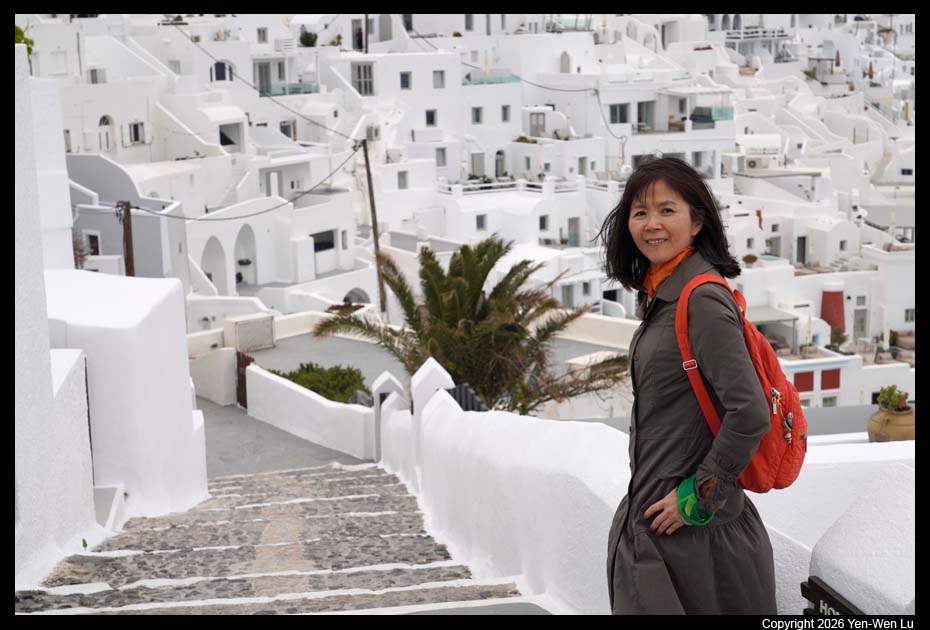
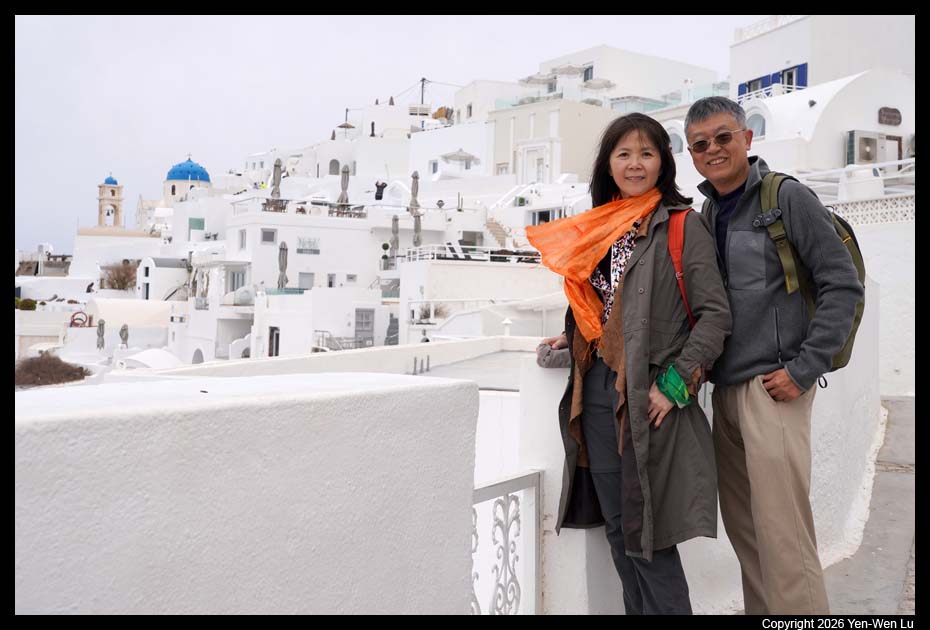
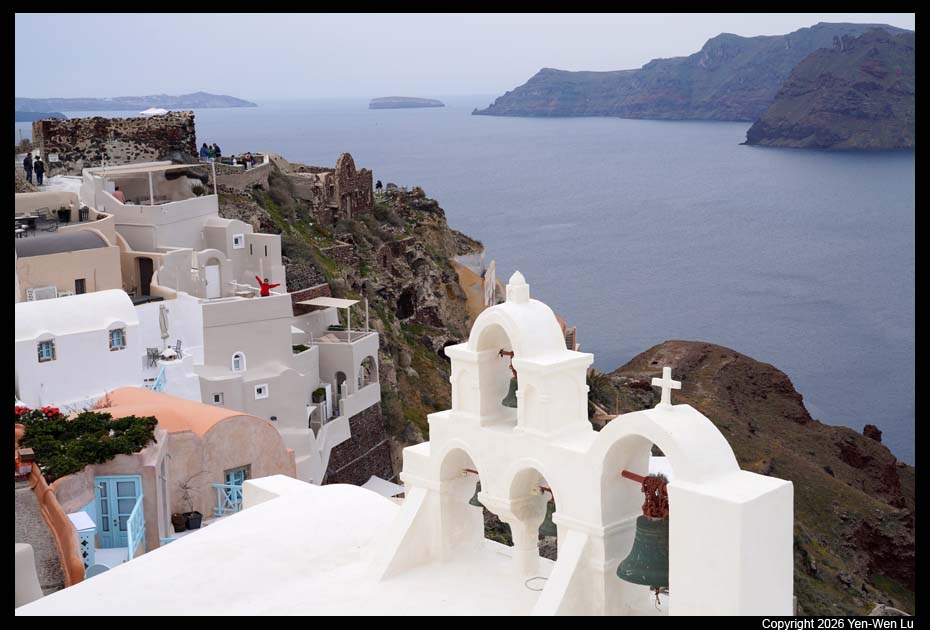
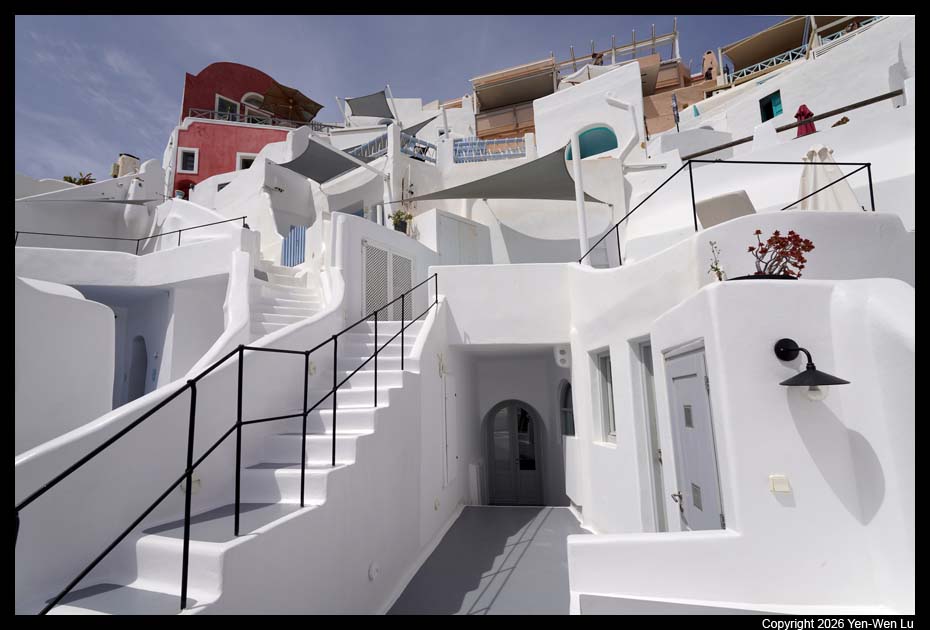
Fira is a city of whitewashed houses built on the edge of the 400
meters (1,312 feet) high caldera on the western edge of the semi-circular
island of Thera (aka Santorini). Fira is the modern capital of the
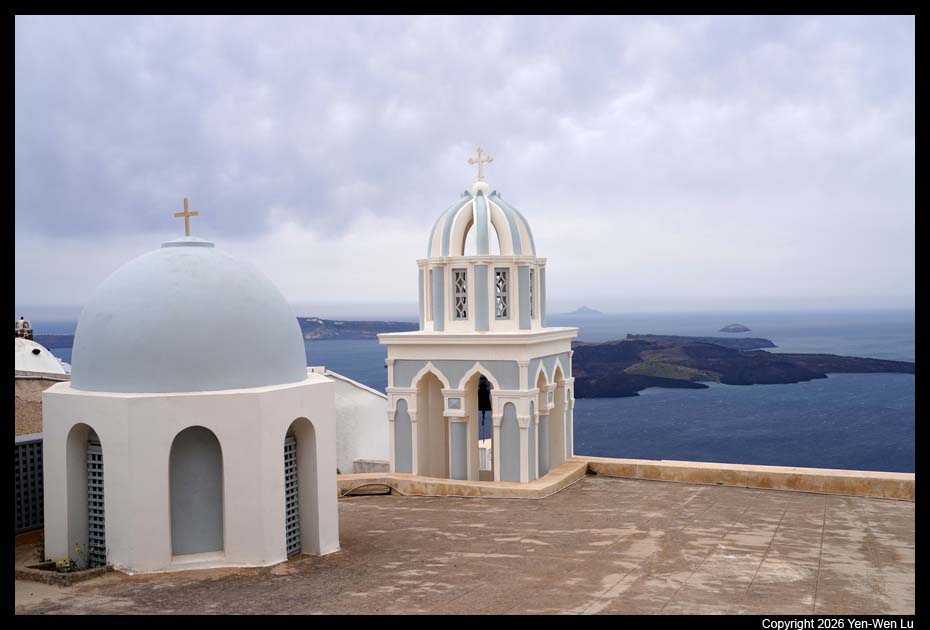
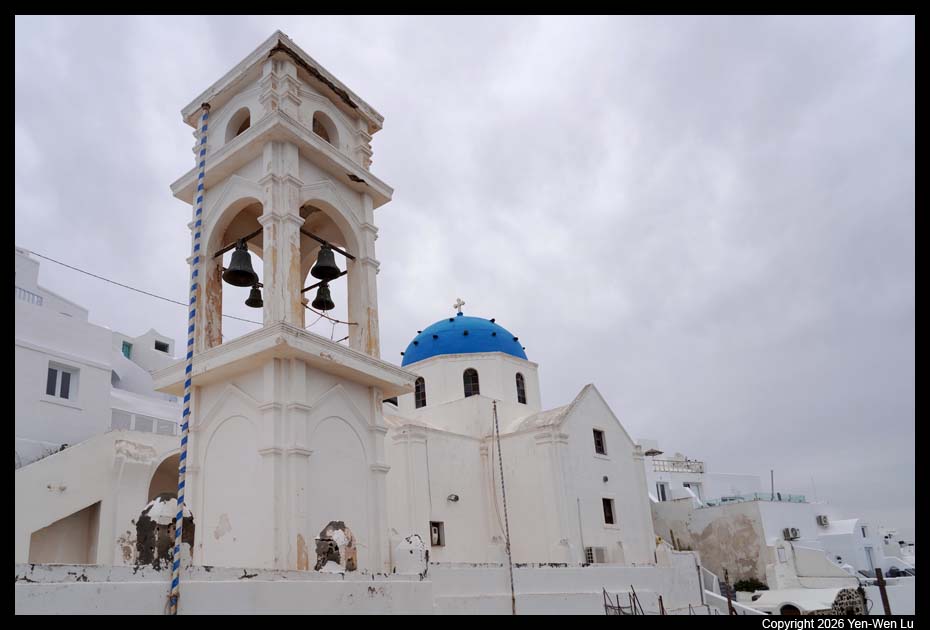
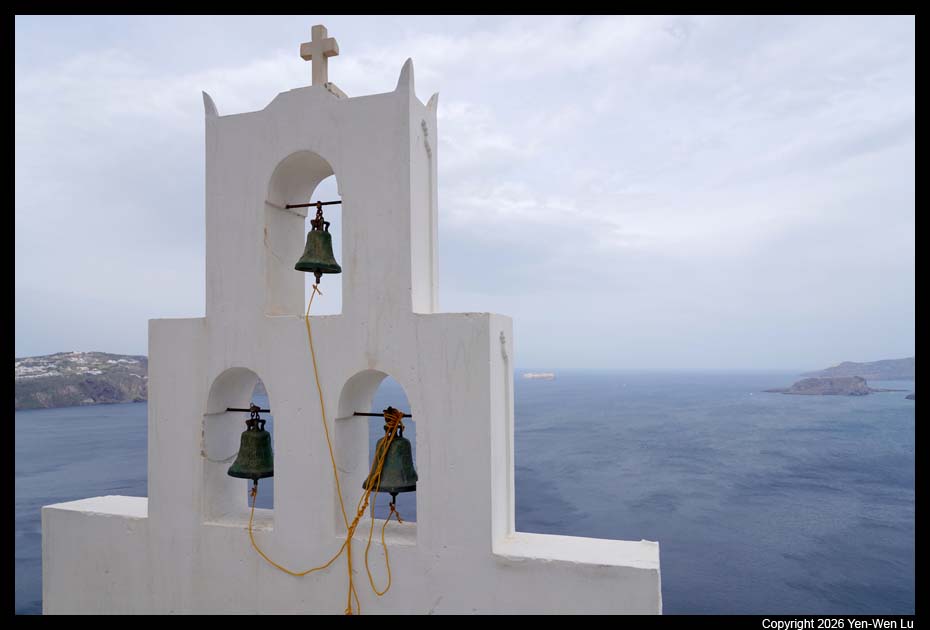
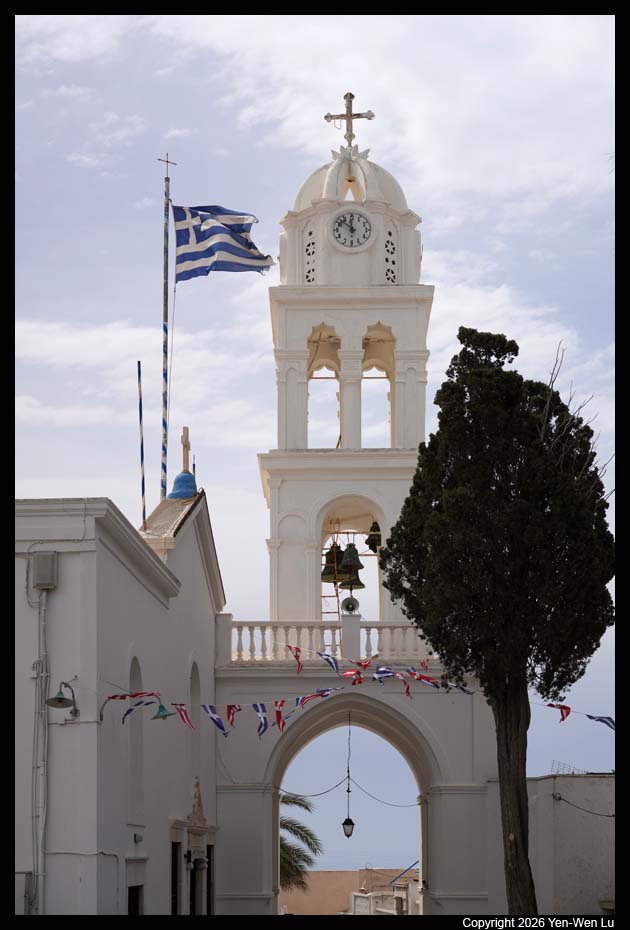
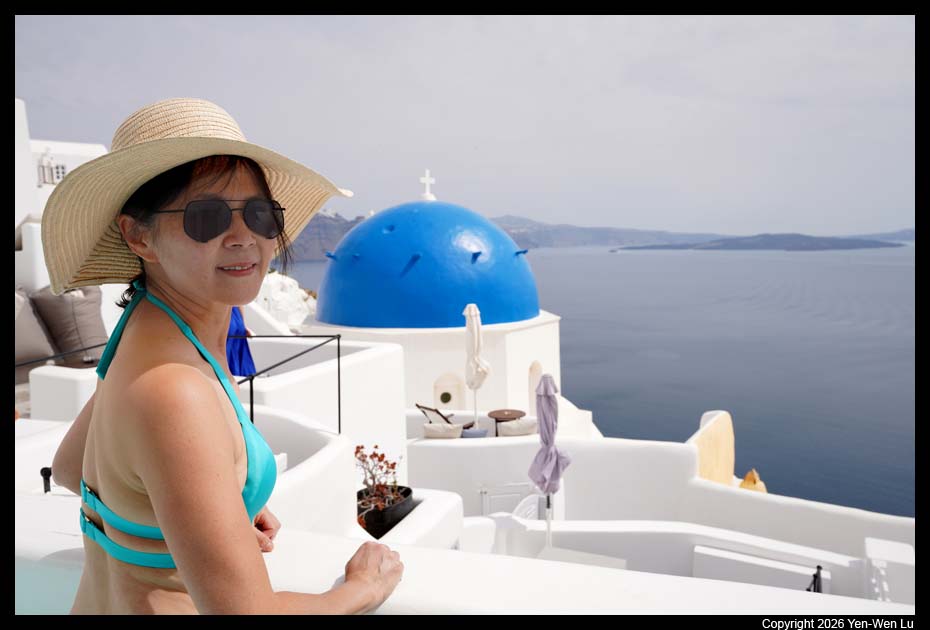
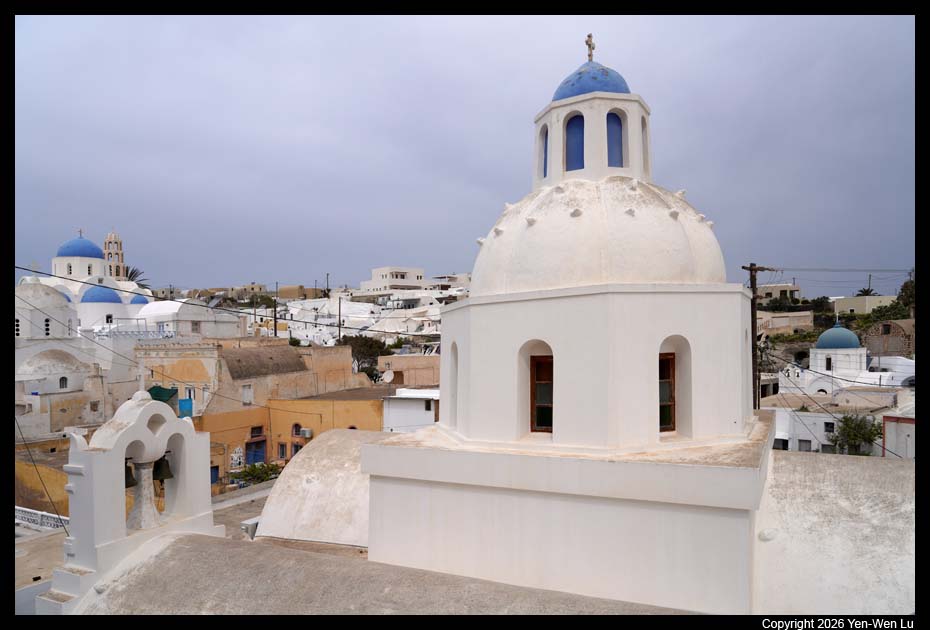
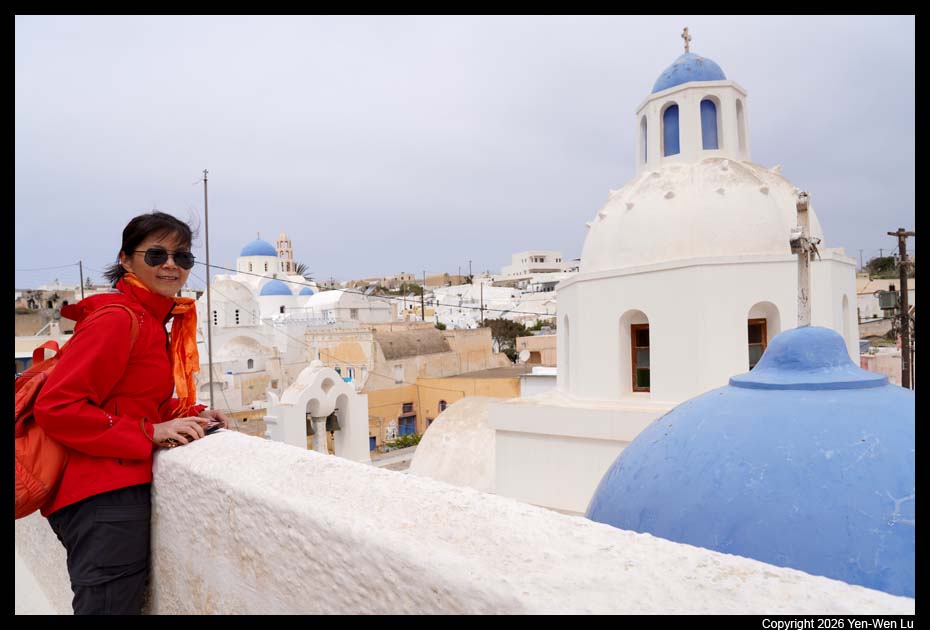
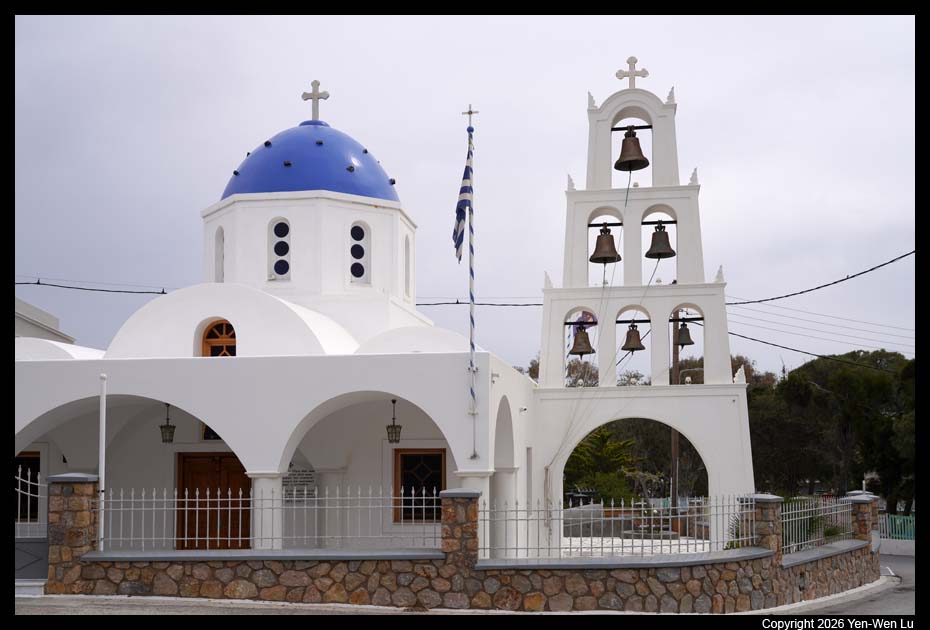
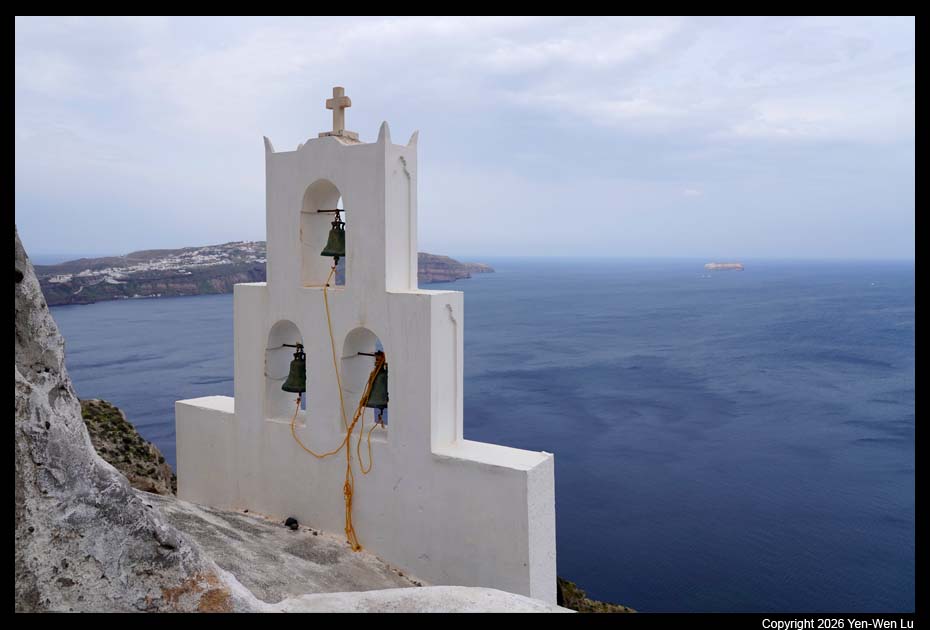
island of Santorini. We walked to the nearby famous "3-bell" blue dome
church for some nice pictures.
Day 11 (4/14) ...
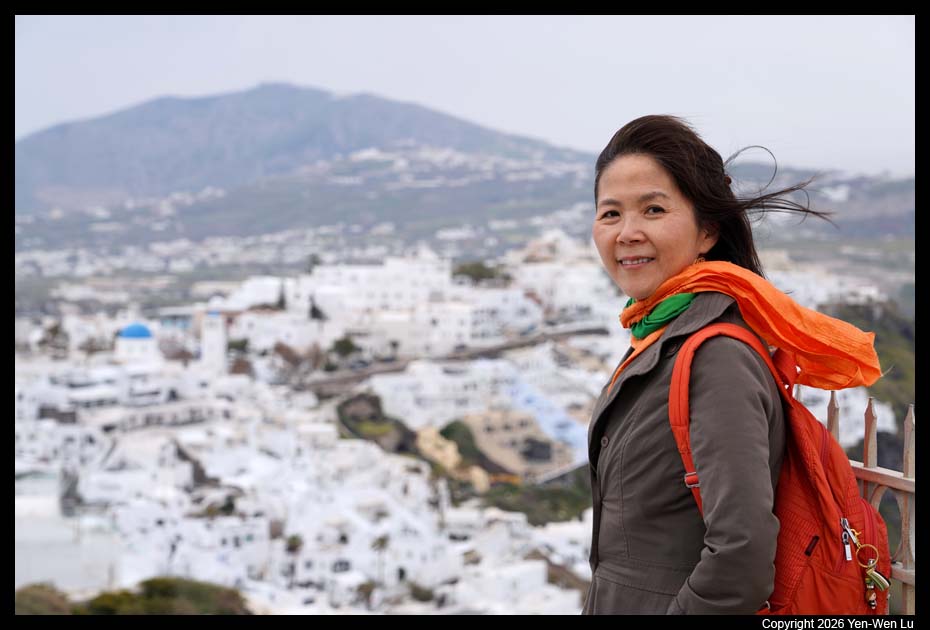
- Fira to Imerovigli
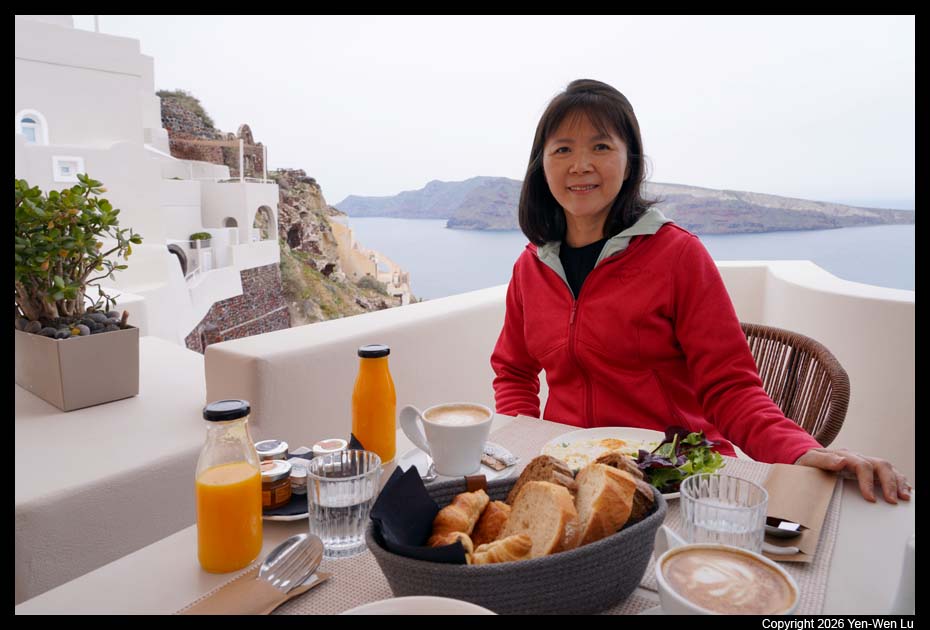
After breakfast (a nice breakfast basket delivered
to our suite), we walked along the caldera to Imerovigli, another tranquil
small village sitting on a clifftop overlooking Santorini’s caldera islands.
Since it was a cloudy and windy day, we did not stay long before headed back
to Fira to prepare to check out.
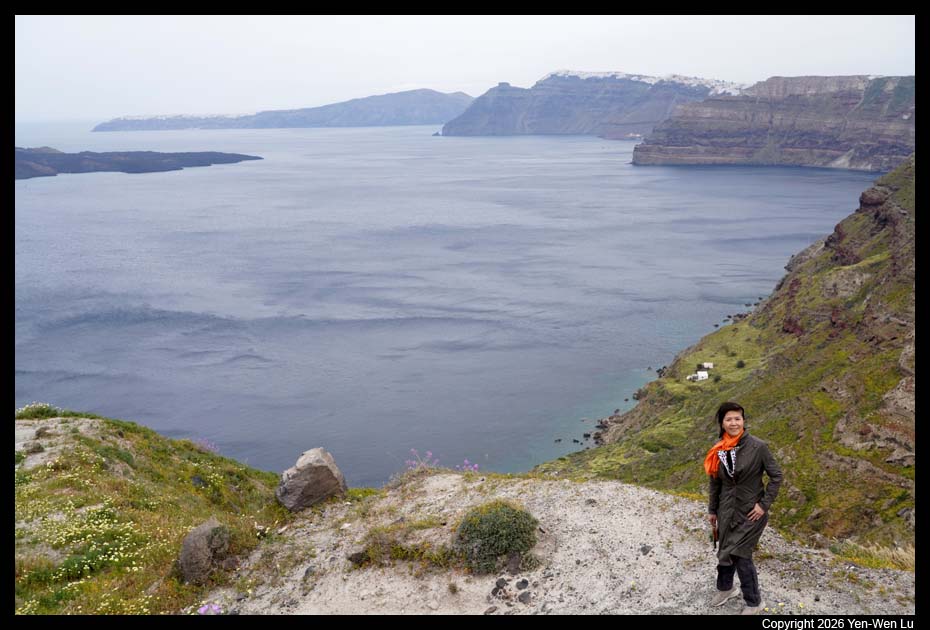
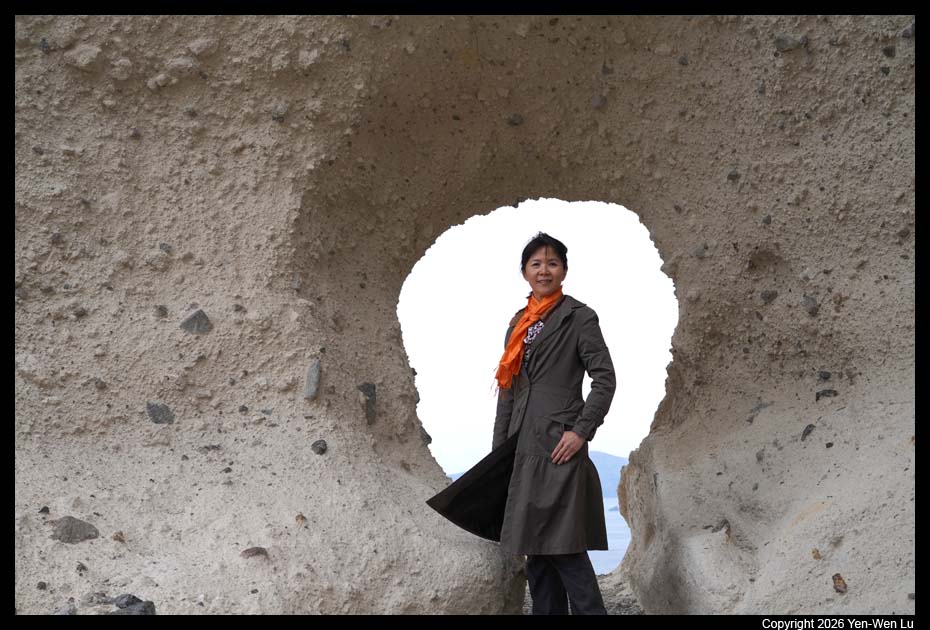
- After checked out, we drove south to take the trail to the "Heart of
Santorini", an opening on a rock wall where you have a fantastic view of the
caldera. There is a small chapel (Chapel
of Agios Nikolaos) continuing down along the trail and it is quite
photogenic (it would be even better if we had a blue sky :-)).
- Megalochori
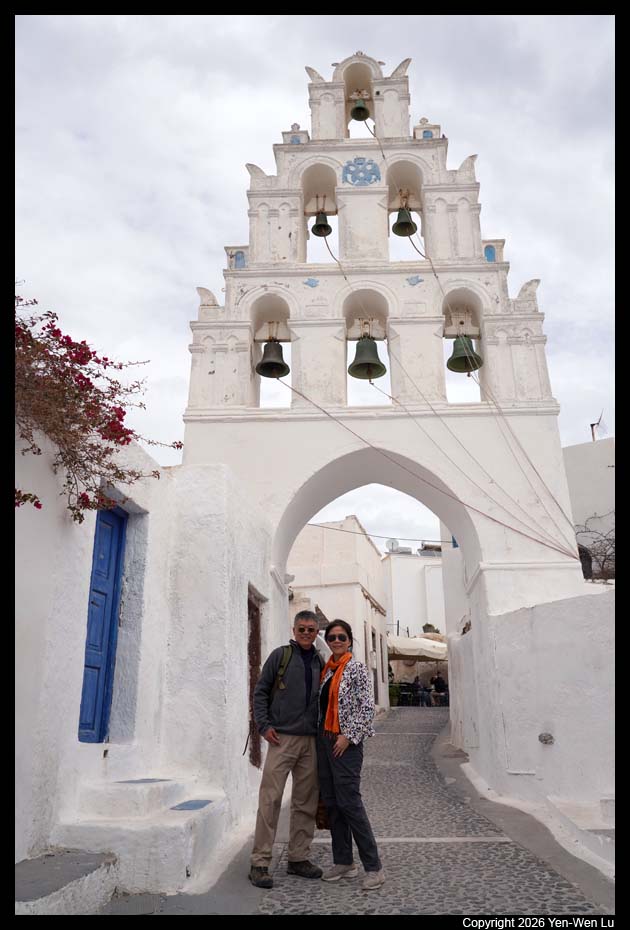
Megalochori is a historic tranquil village in
southwestern Santorini dating back to the 17th century. Known for
traditional Cycladic architecture, white-washed cave houses, and bustling
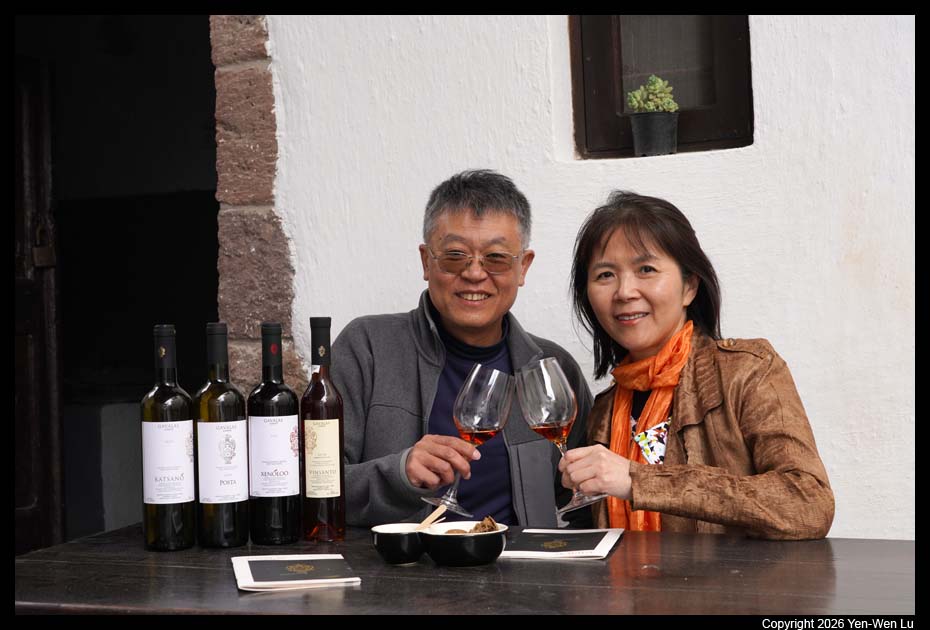
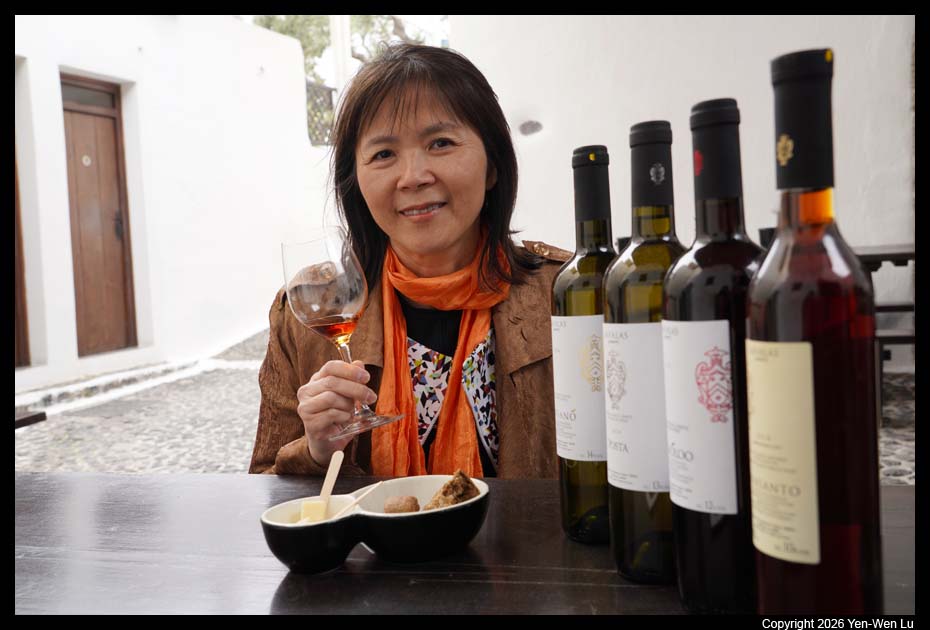
local culture, It is famously situated in the heart of Santorini’s wine
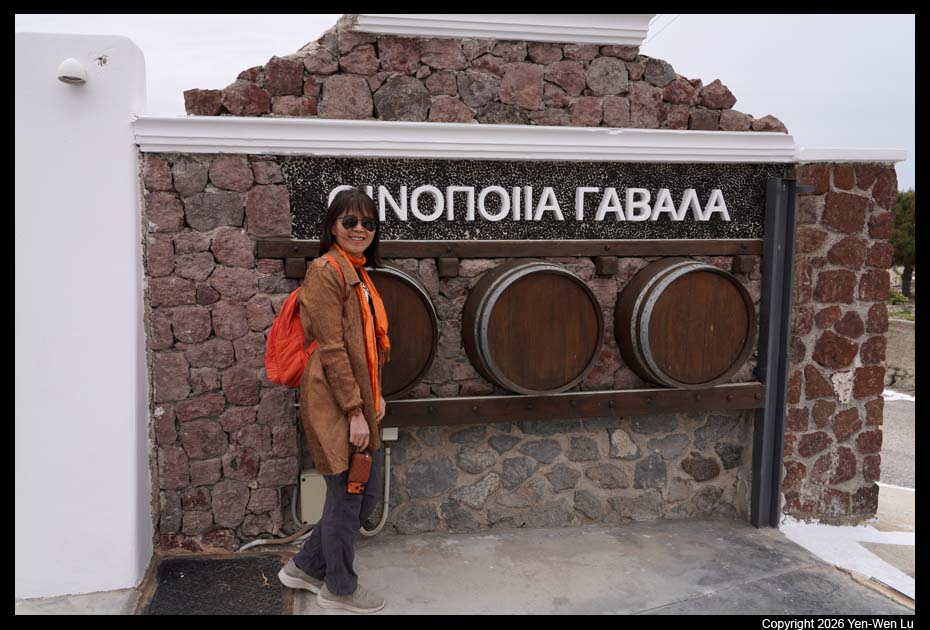
country with a few major wineries, such as Gavalas Vineyard that we came for
its wine tasting at 12PM. Crafted primarily from indigenous
grape varieties, Santorini’s wines boast distinct flavors and a rich
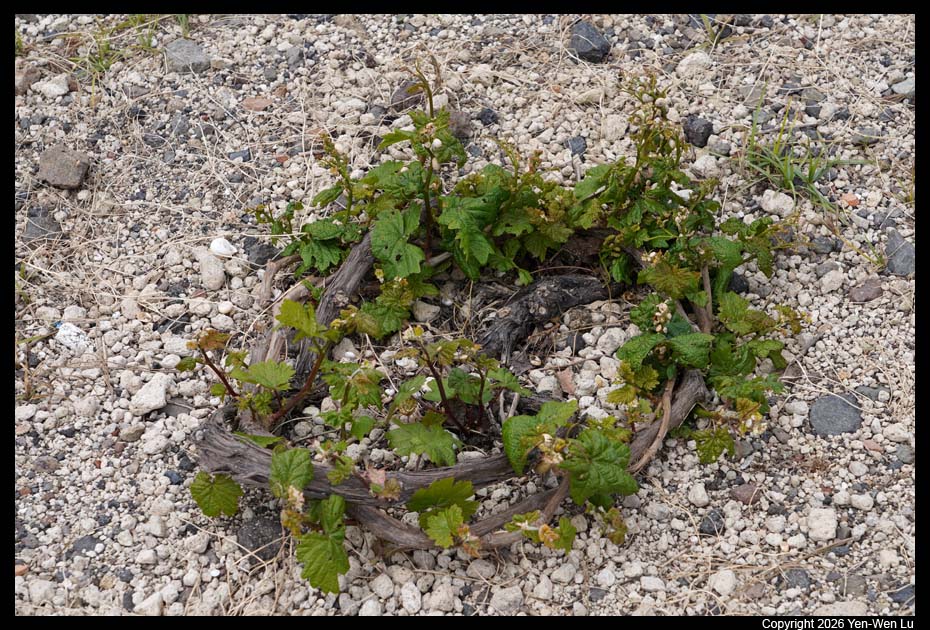
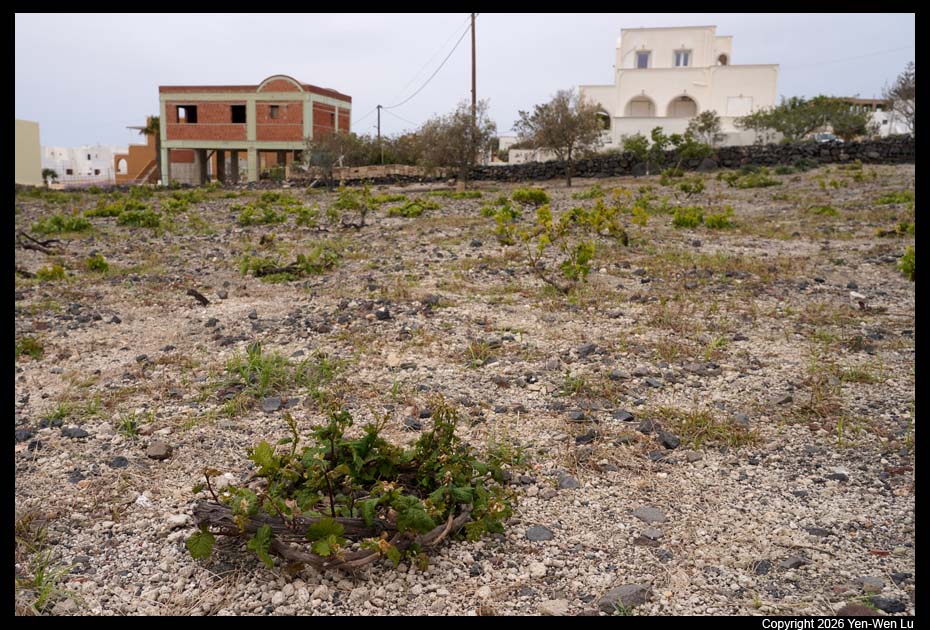
heritage. We learned that Santorini grape vines are woven into
low, basket-like shapes called kouloura on the ground to survive the
island's intense winds and hot, arid climate, resting directly on the
volcanic, ash-rich soil.
-
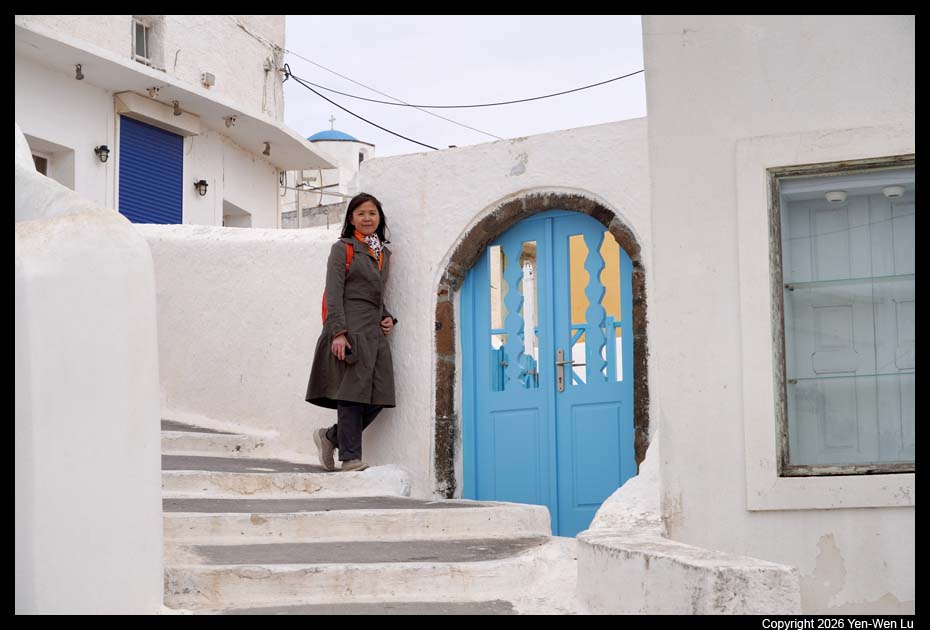
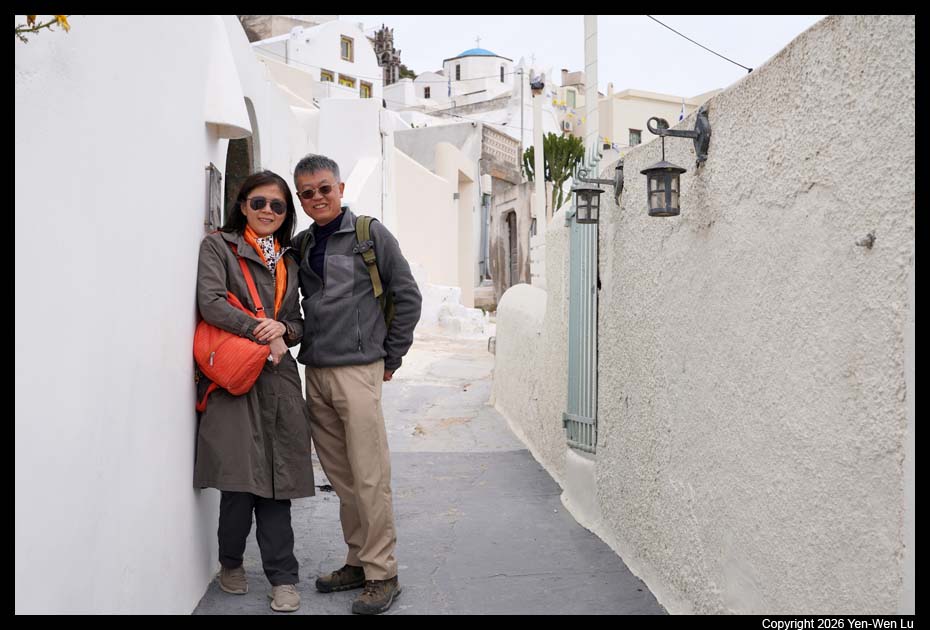
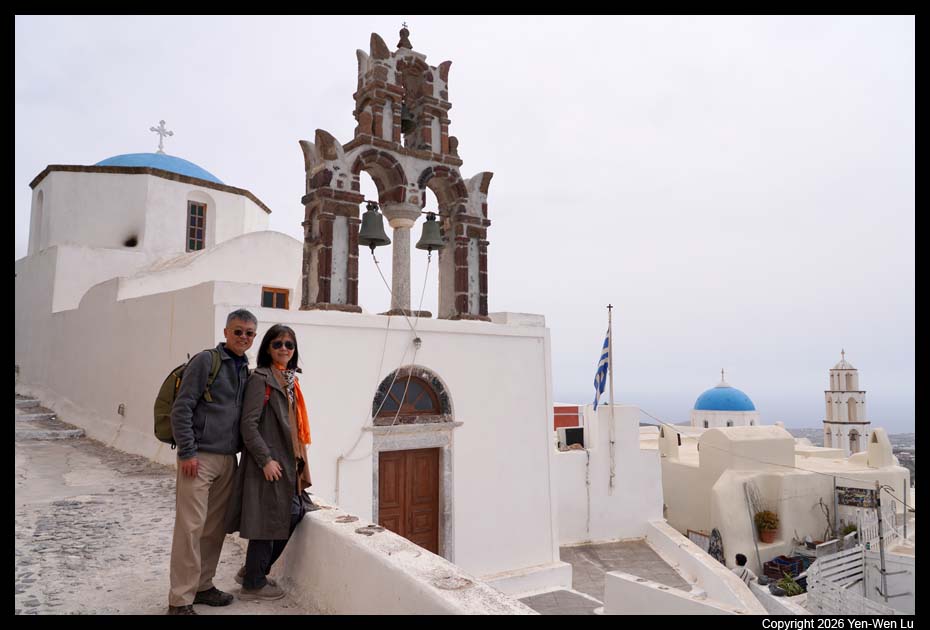
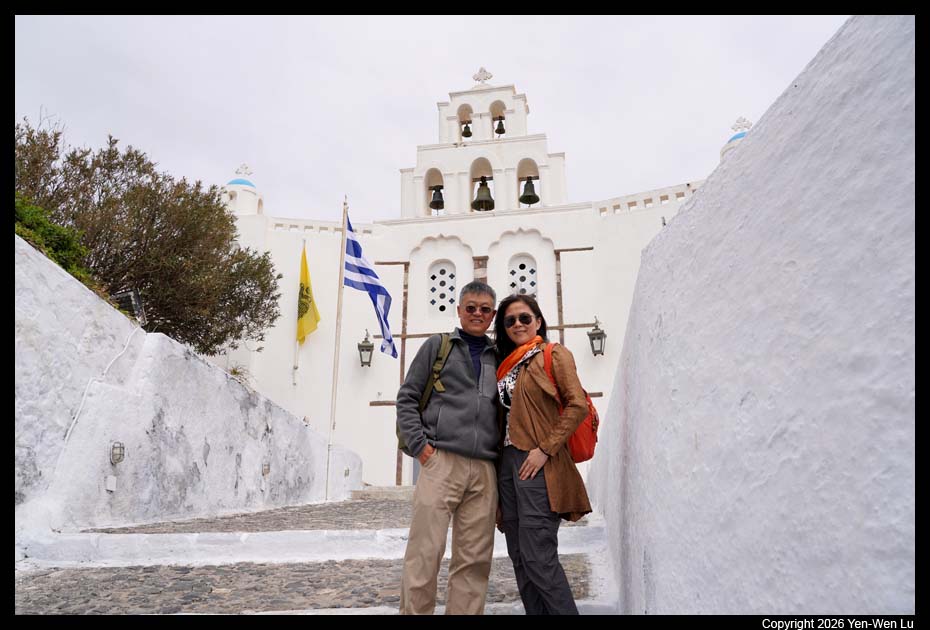
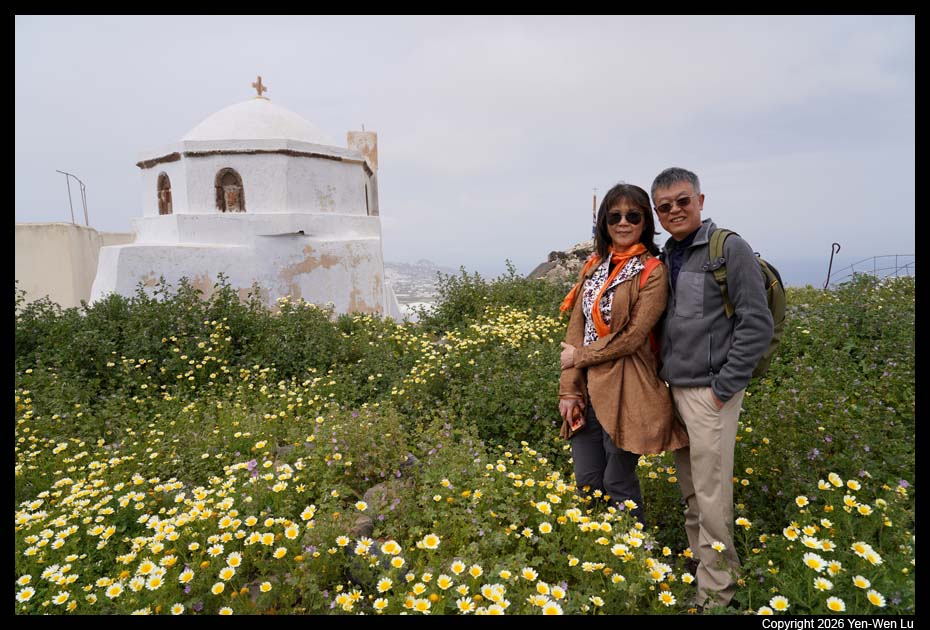
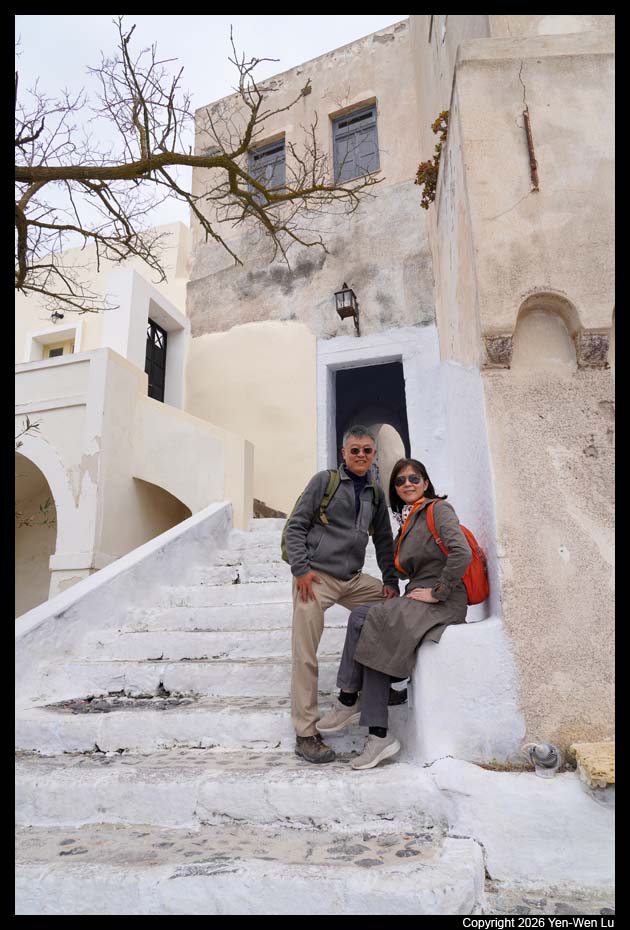
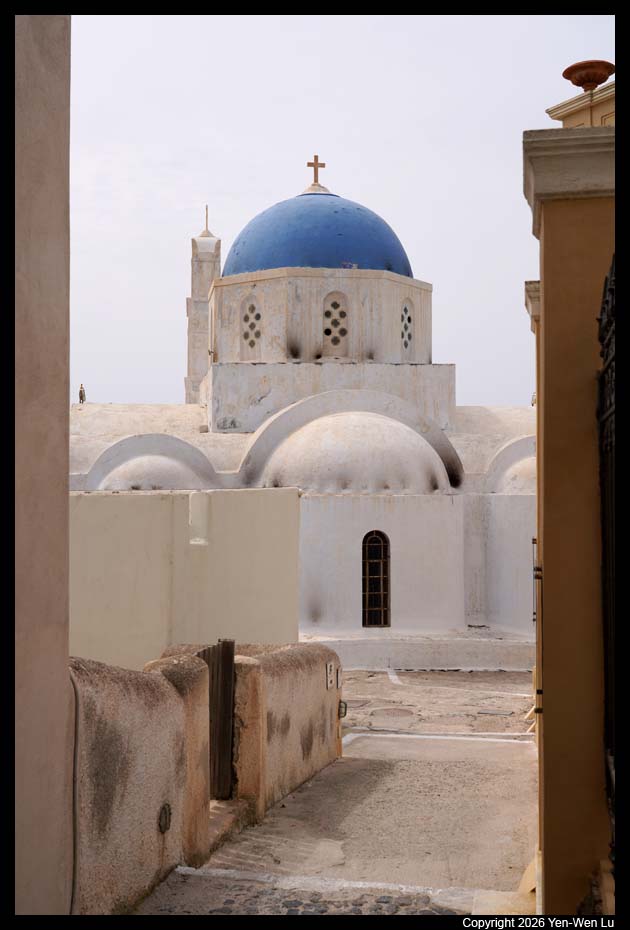
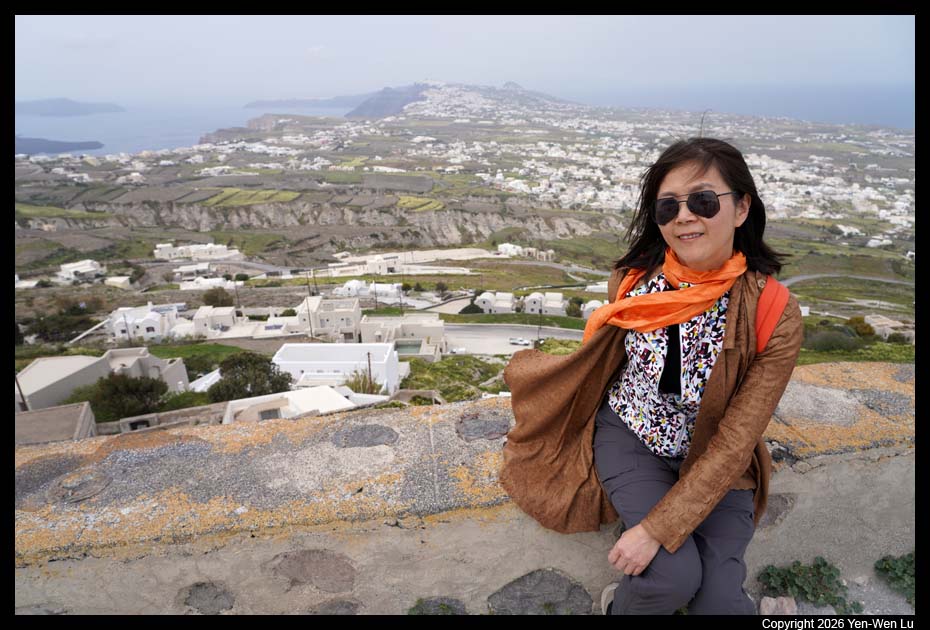
Pyrgos
We continued to another tranquil town Pyrgos and had a delicious
(and cheap) lunch at a local restaurant. Pyrgos is the highest village
in Santorini, offering 360-degree panoramic views of the island, a
charmingly authentic atmosphere, and the best-preserved Venetian castle
(Kasteli). Located inland at the foot of Mt Profitis Ilias, it is a quieter
alternative to Fira and Oia, featuring medieval architecture, narrow alleys,
and renowned wineries.
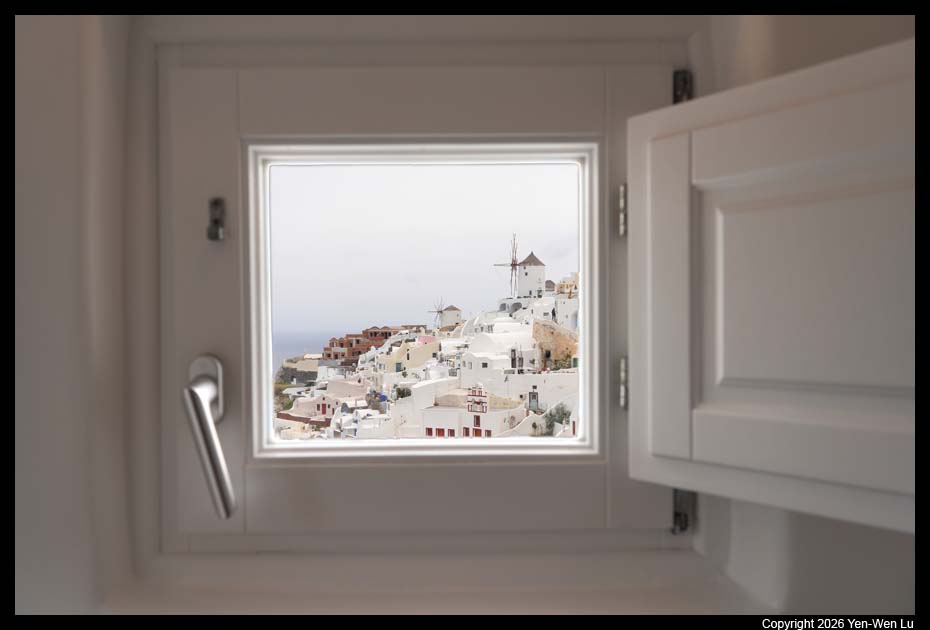
- Oia Castle Luxury Hotel
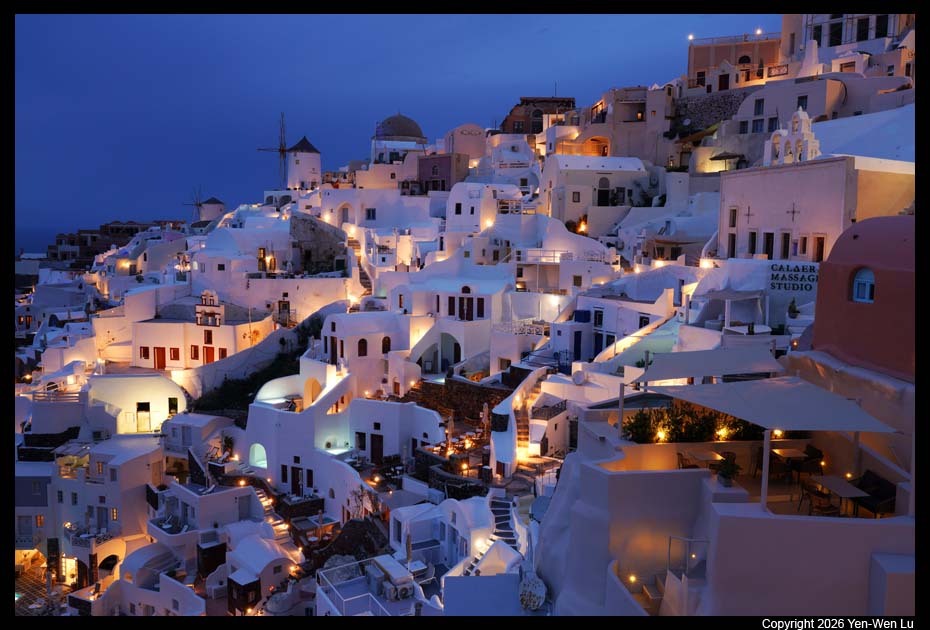
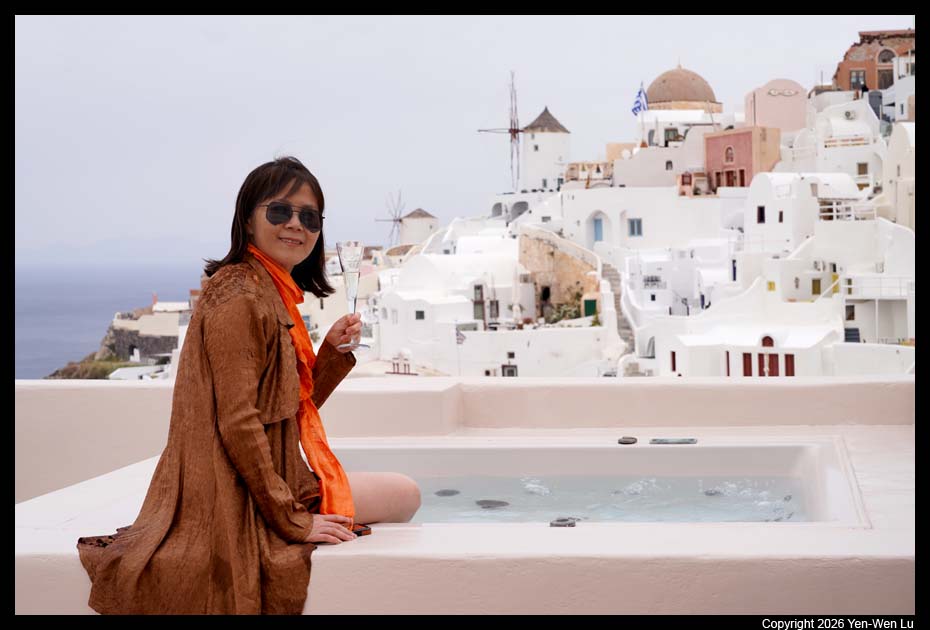
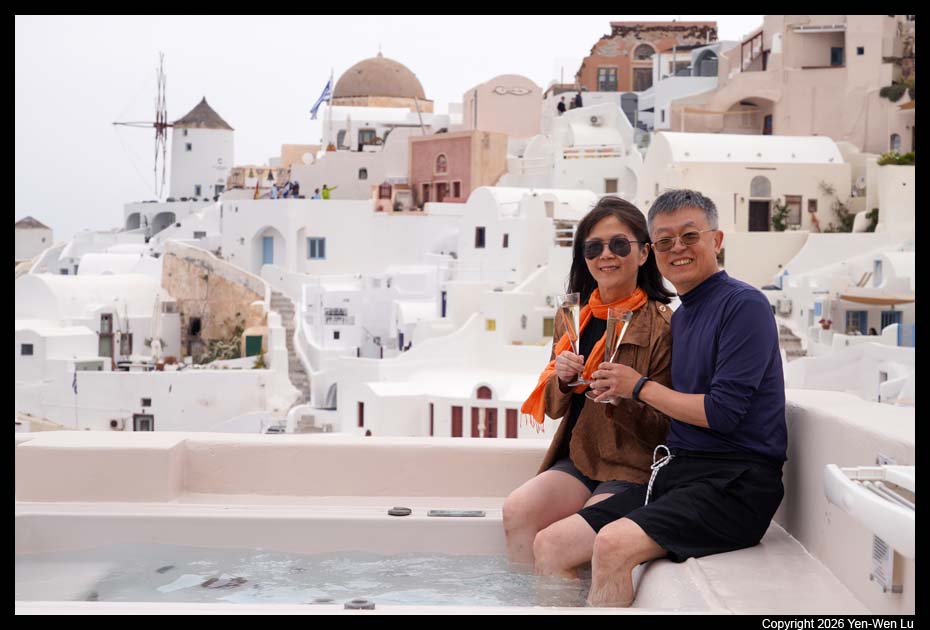
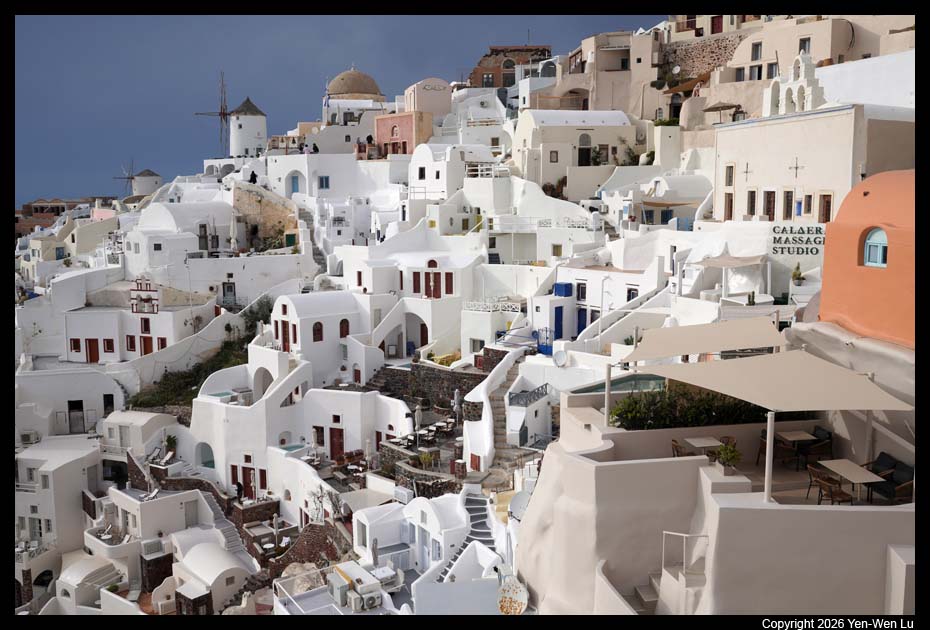
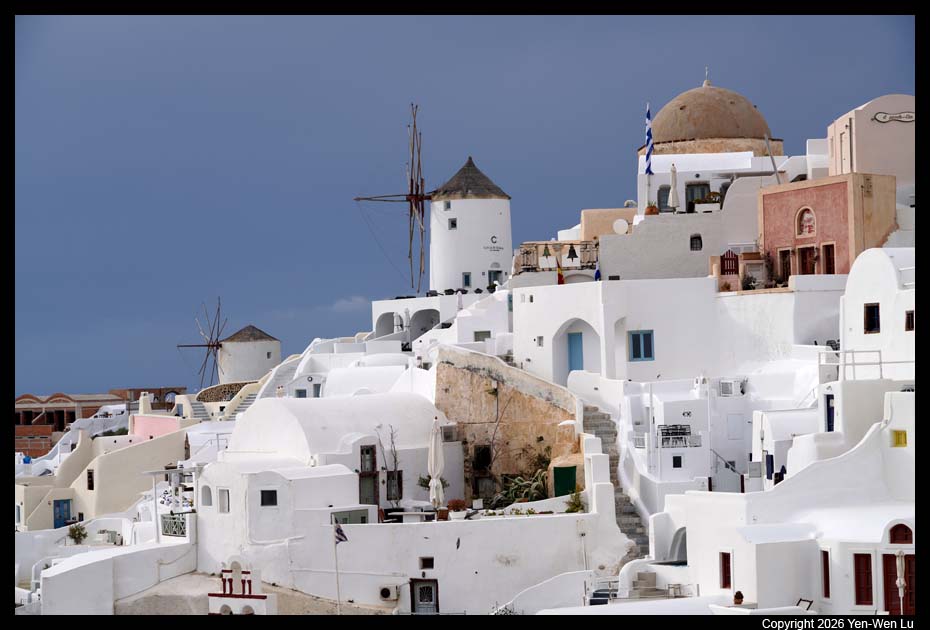
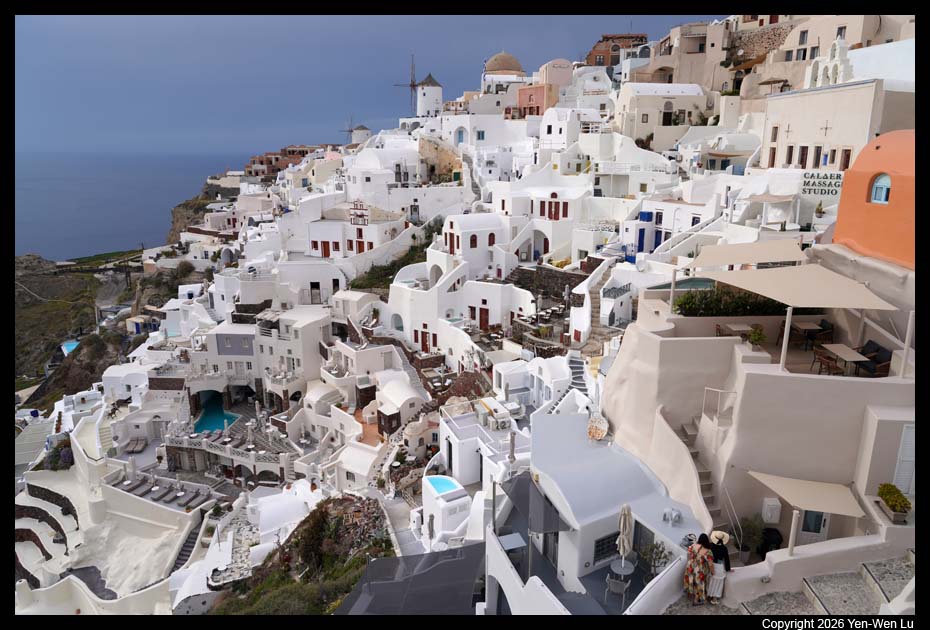
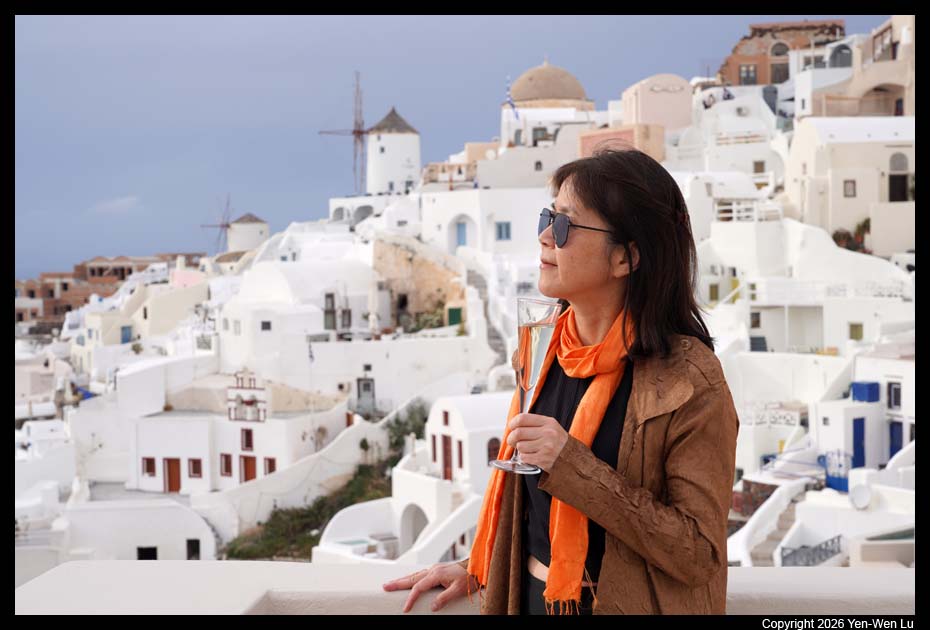
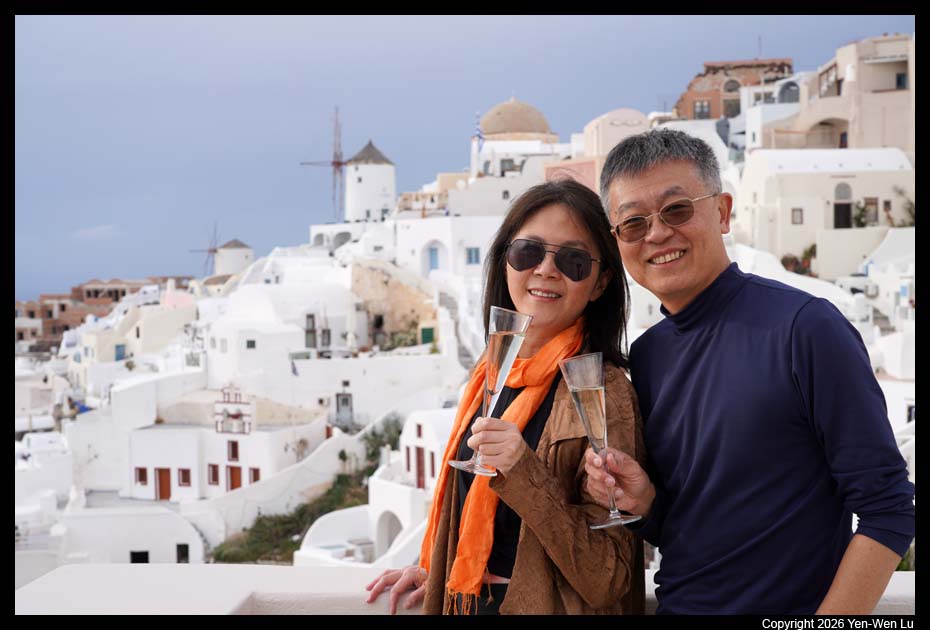
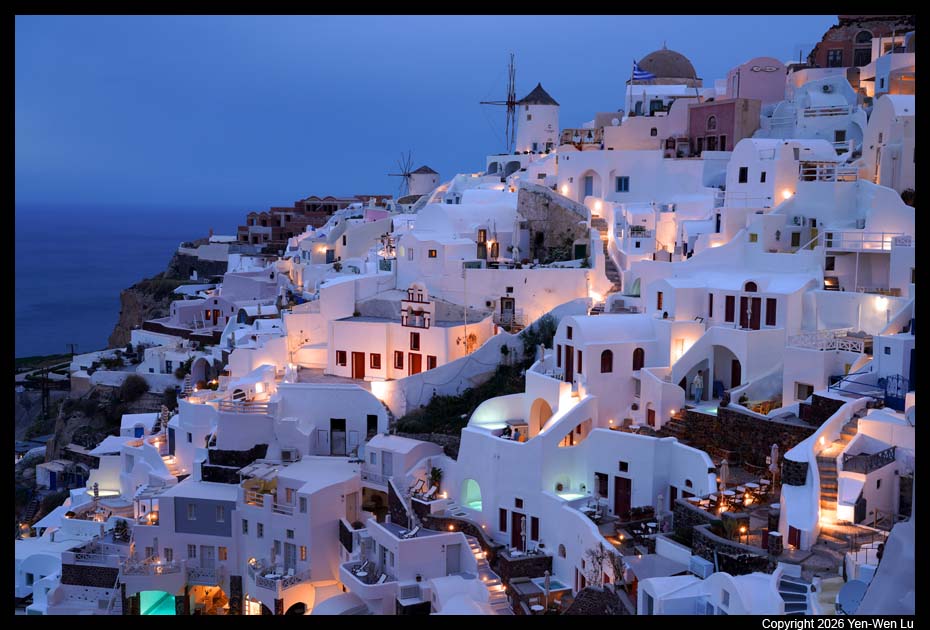
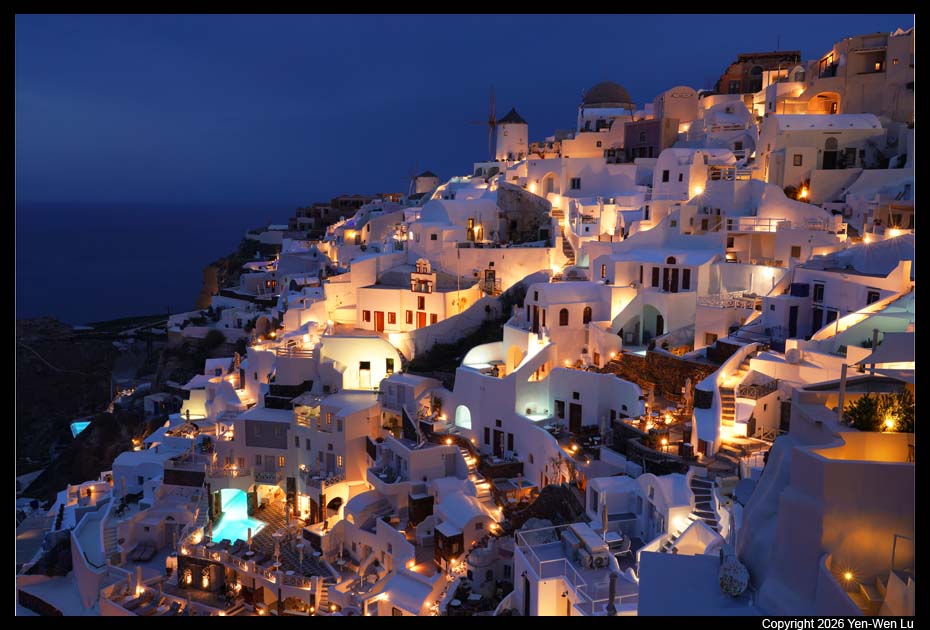
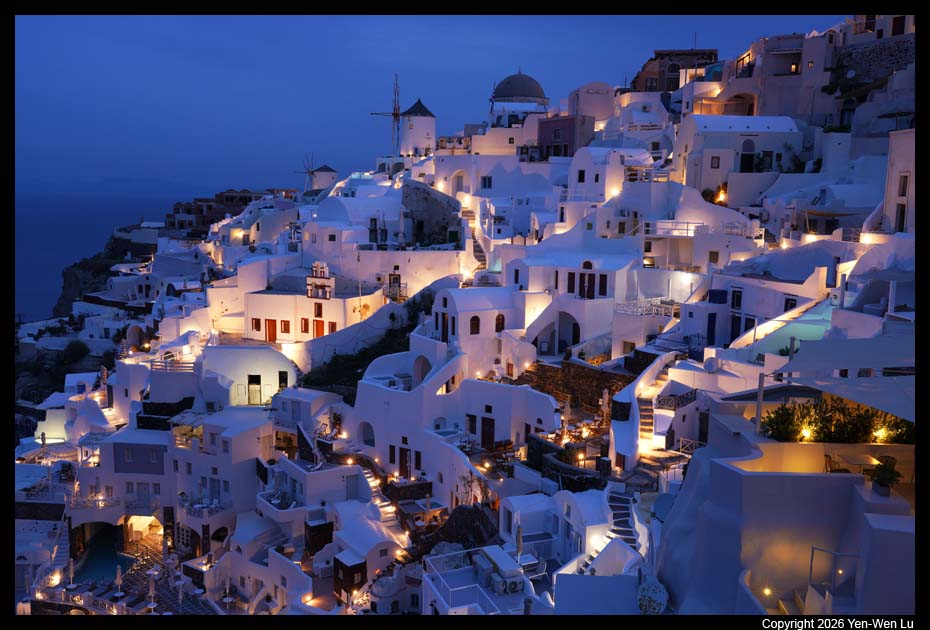
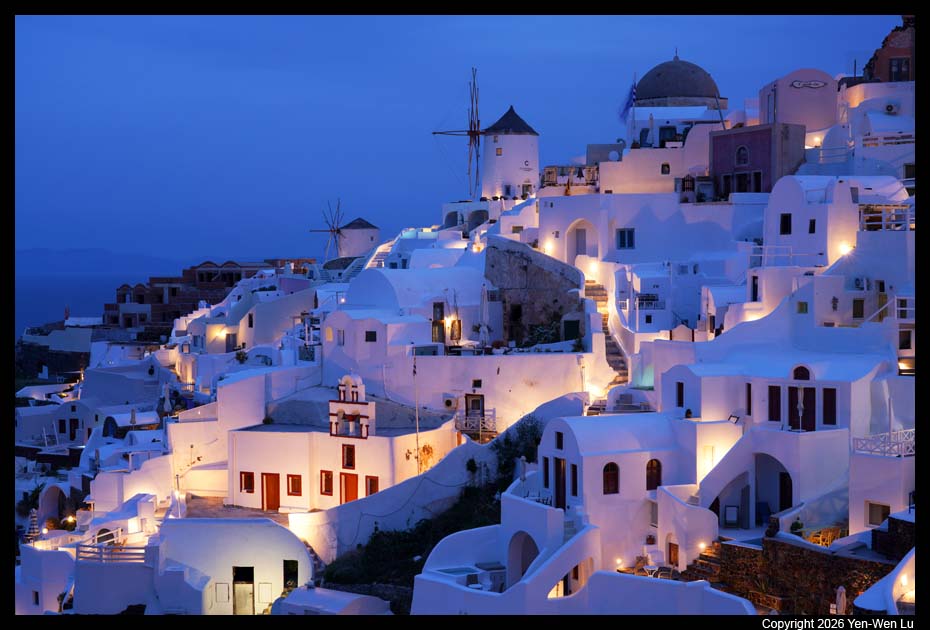
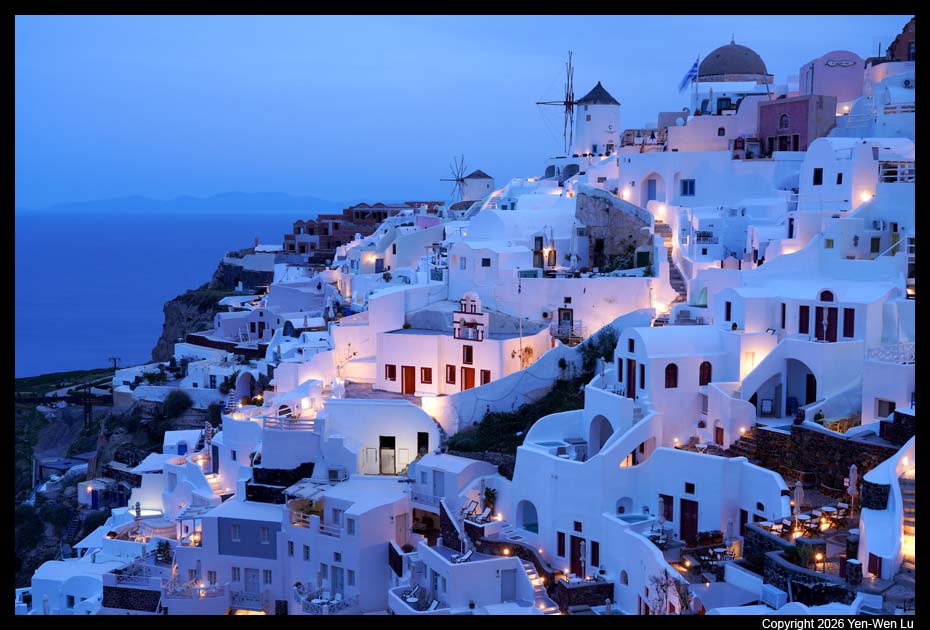
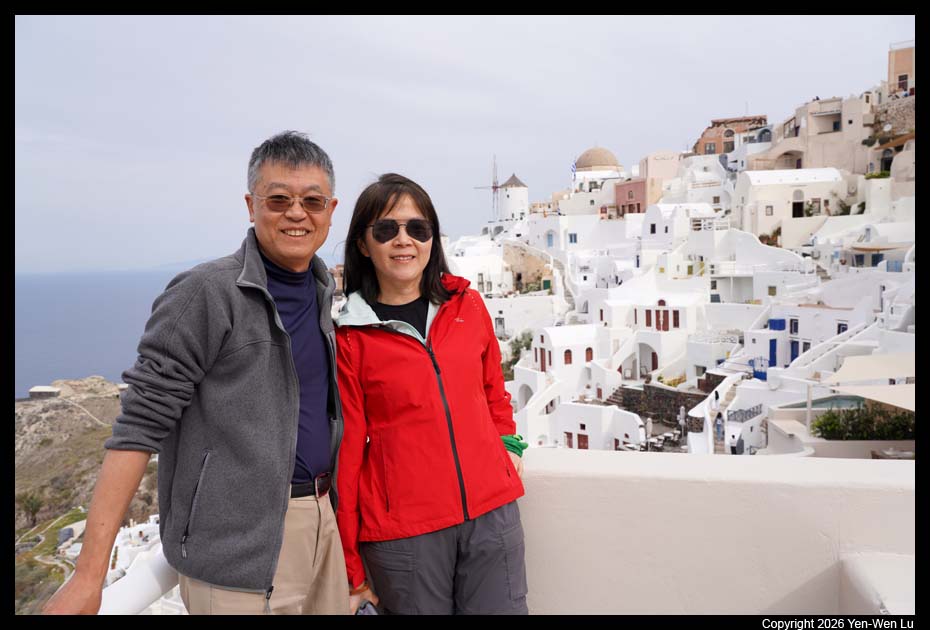
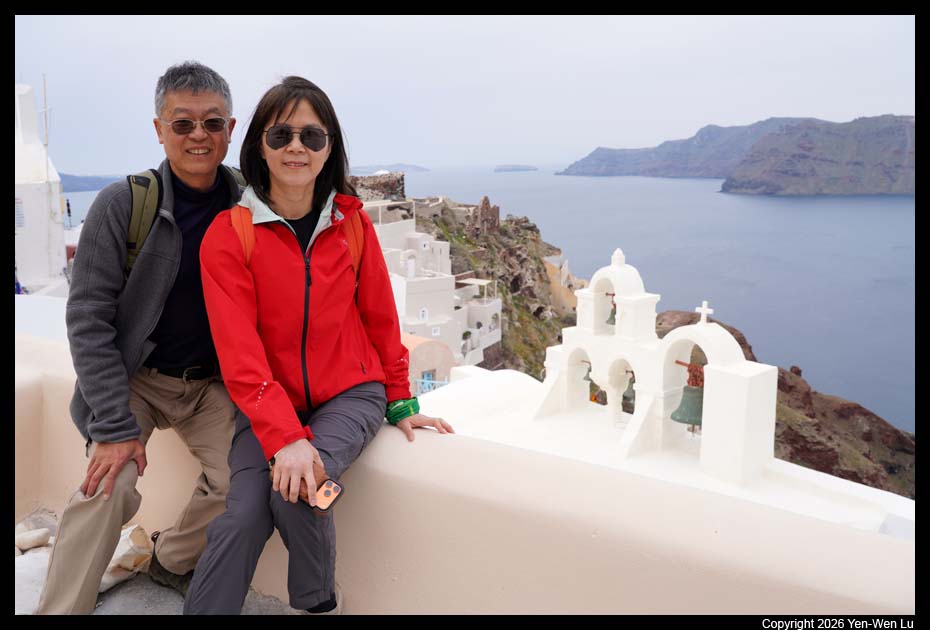
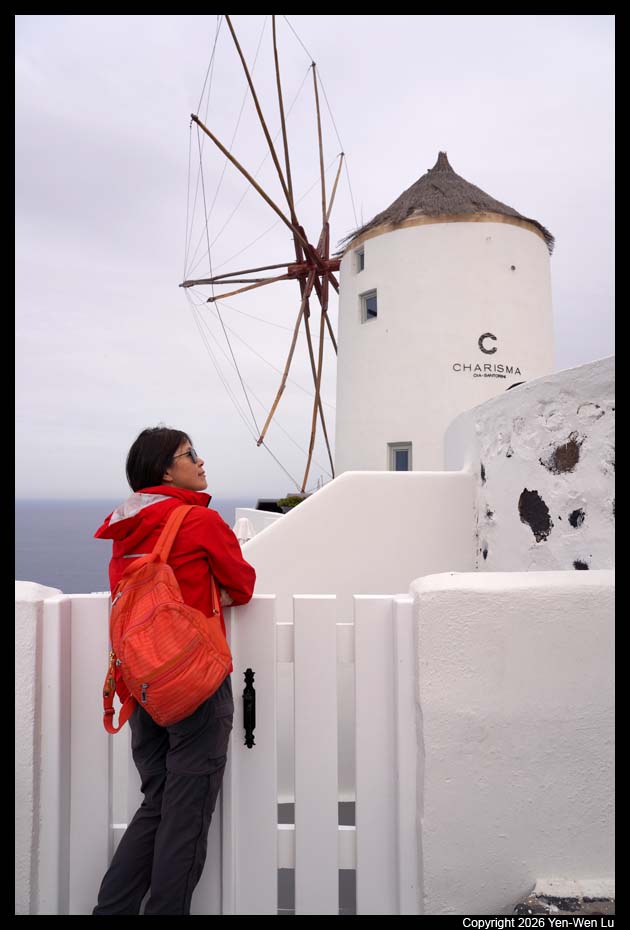
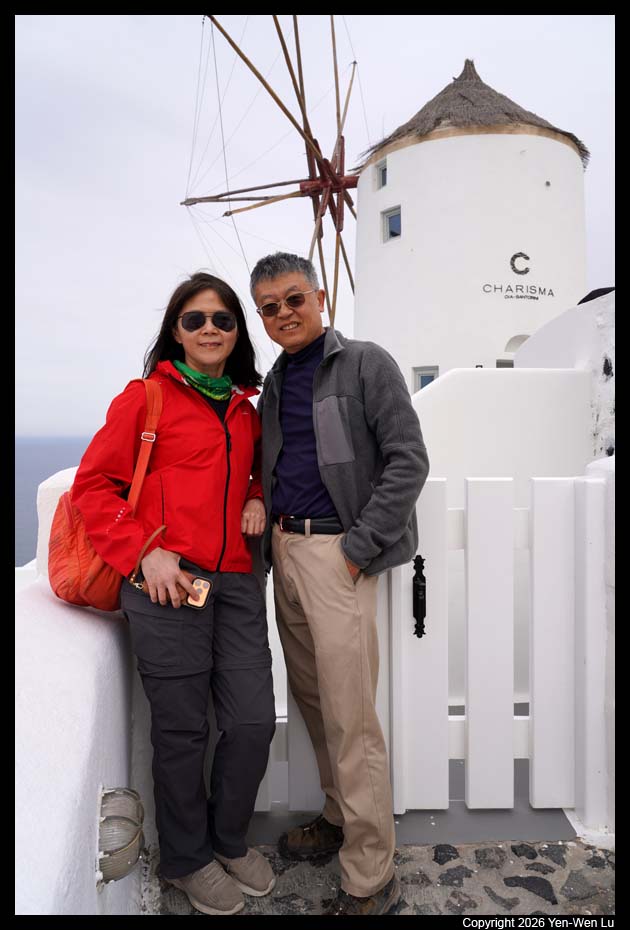
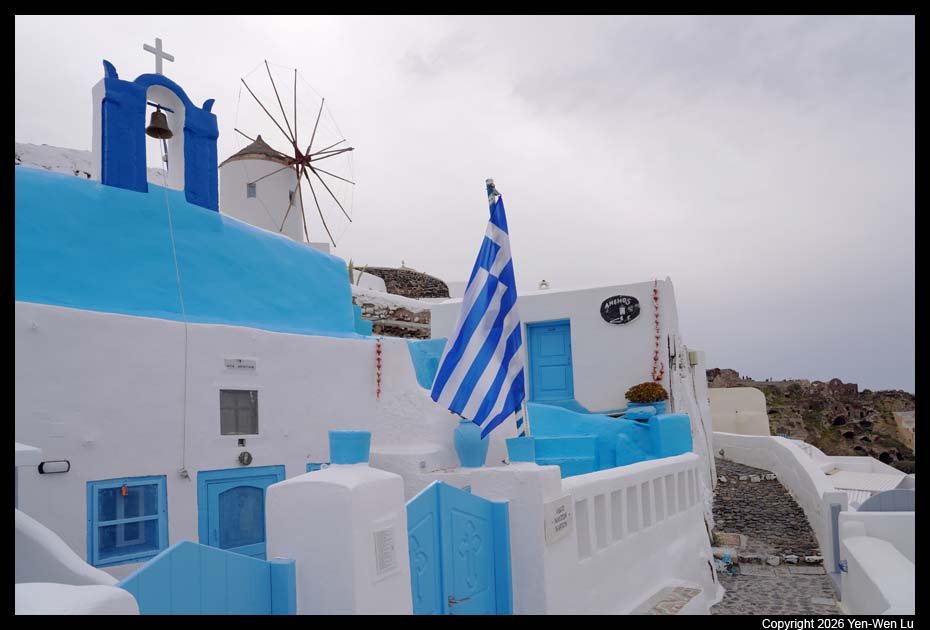
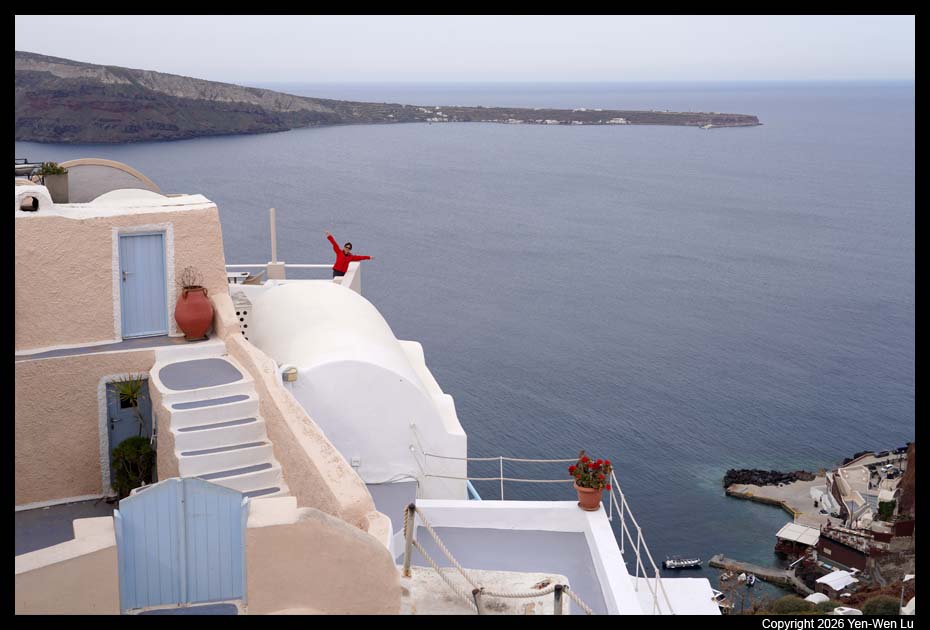
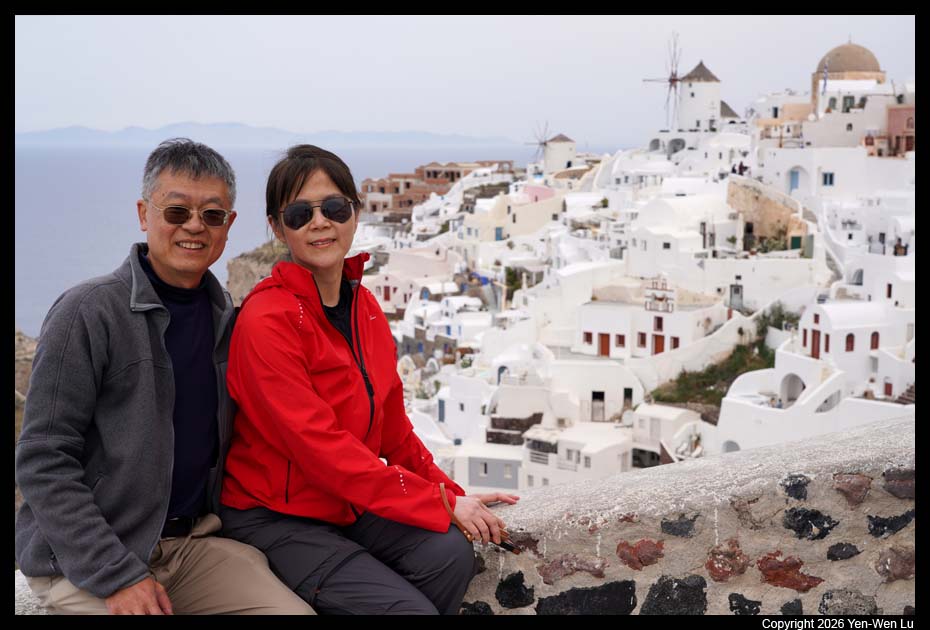
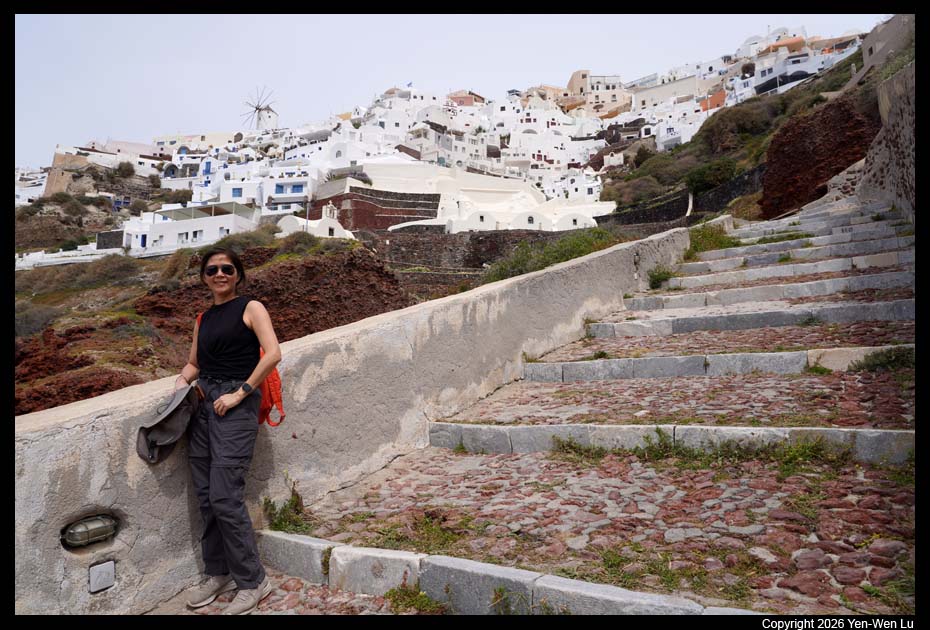
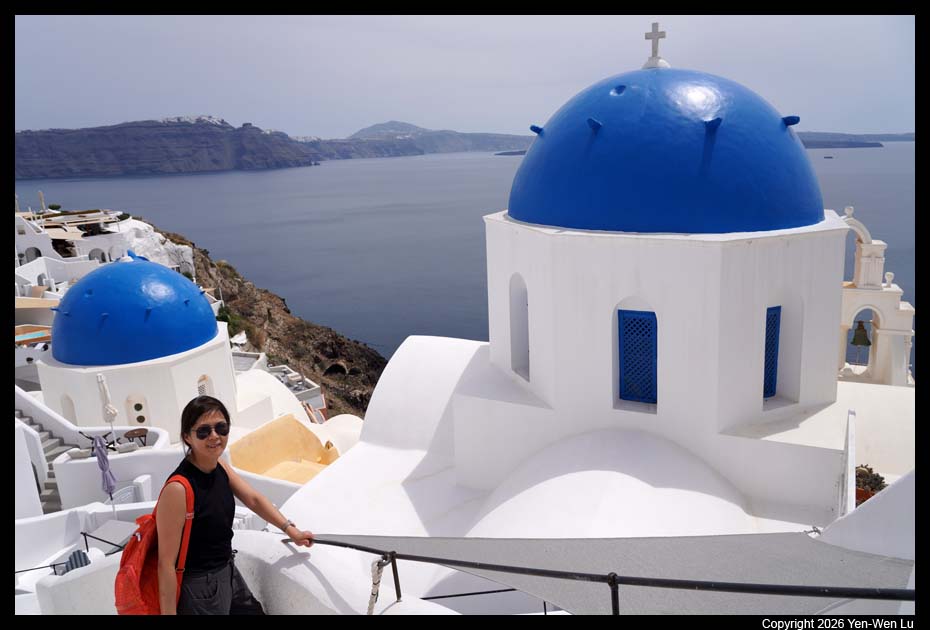
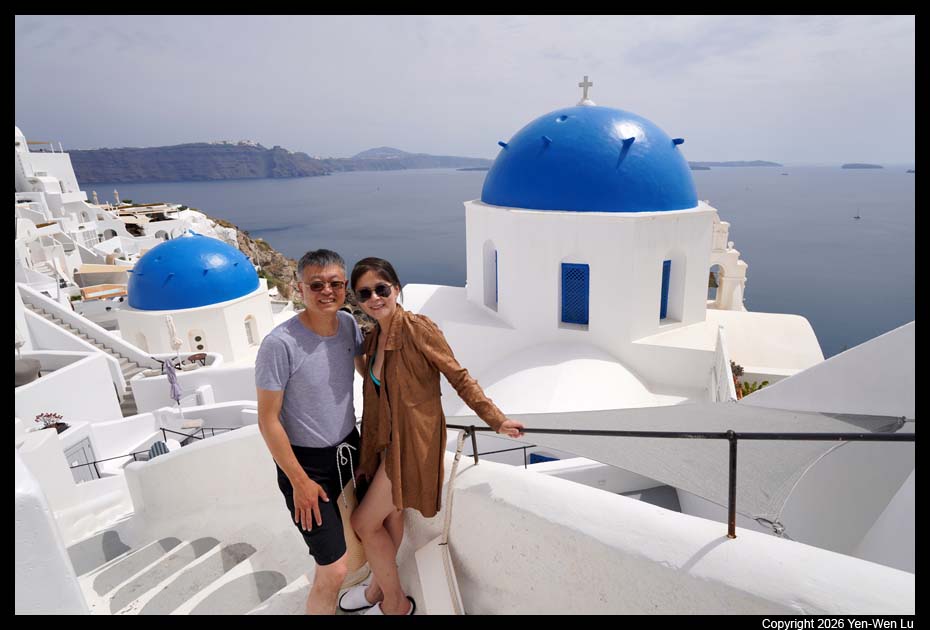
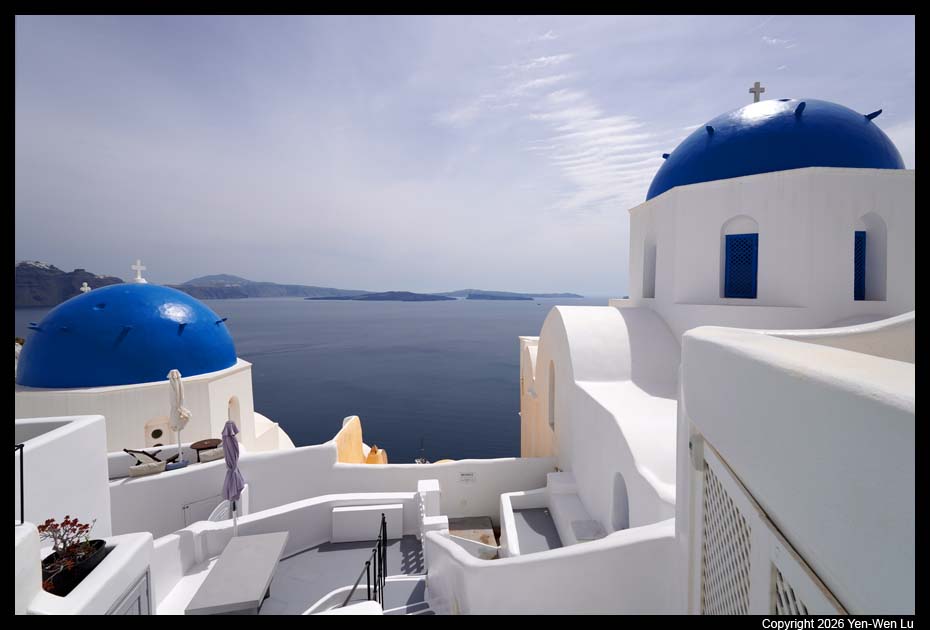
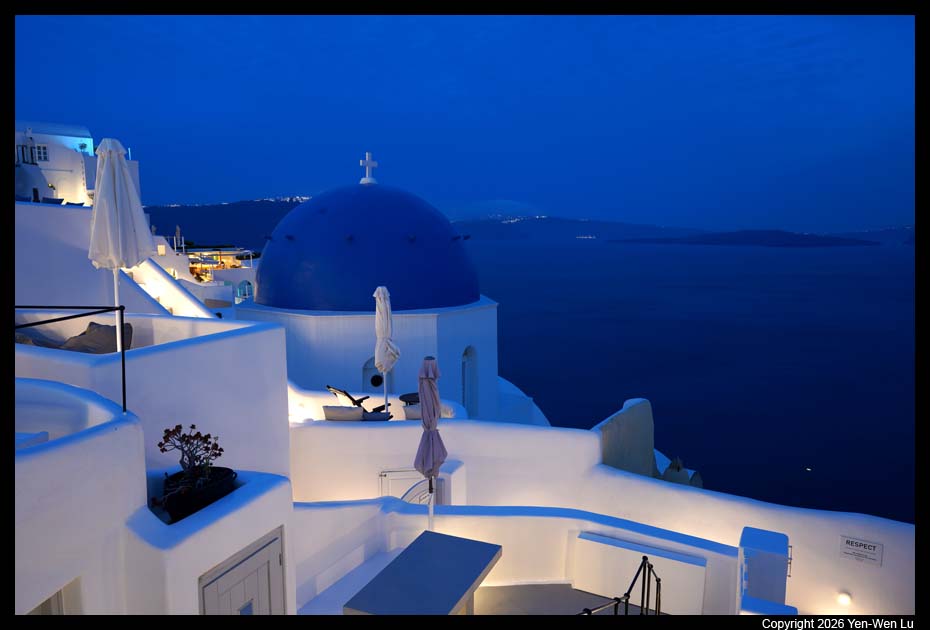
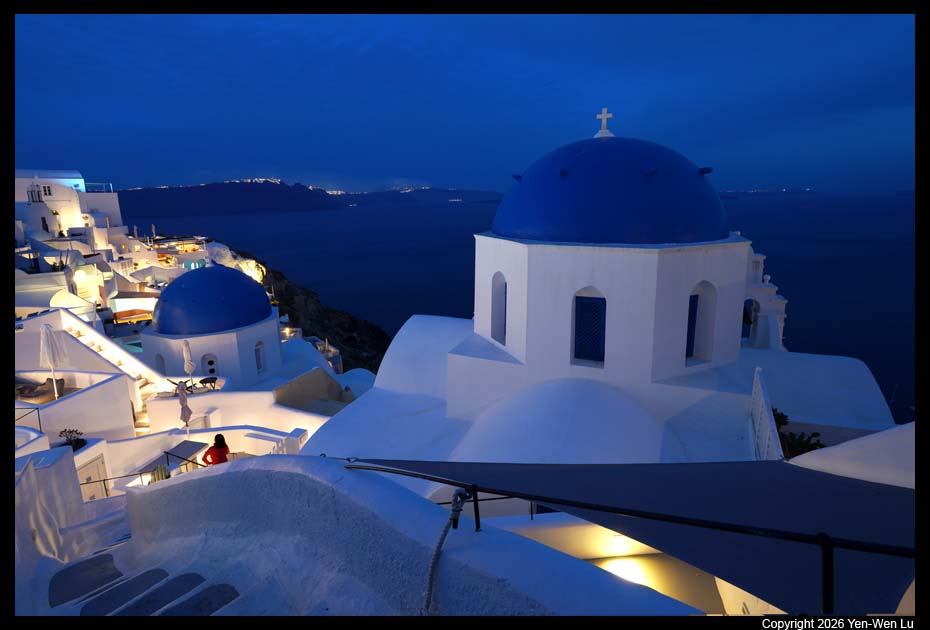
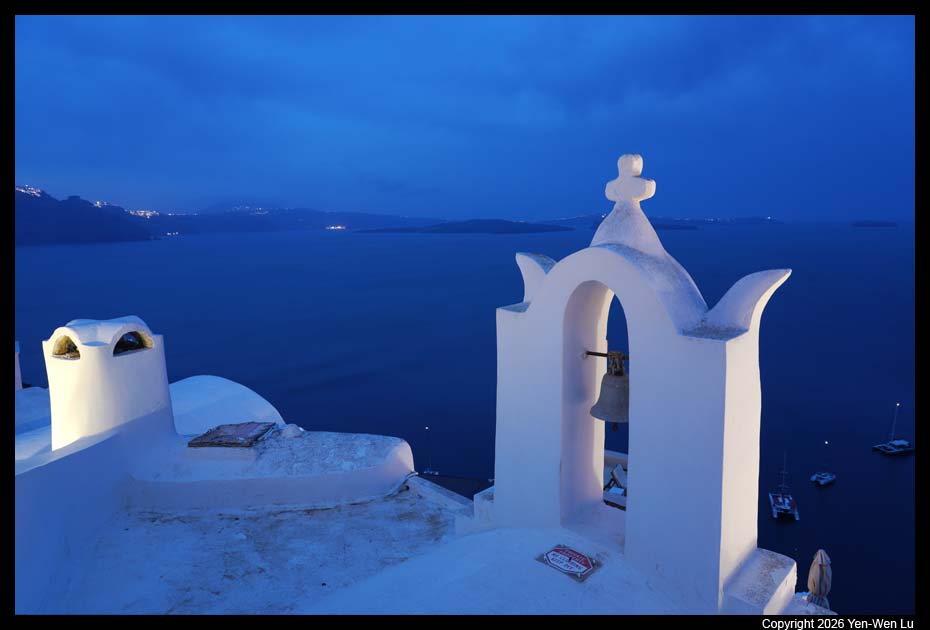
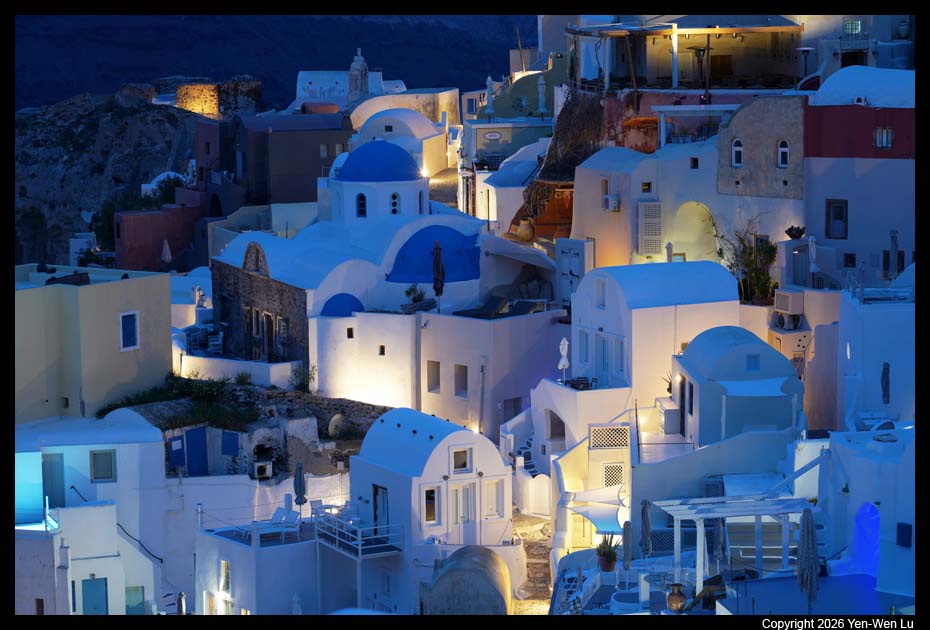
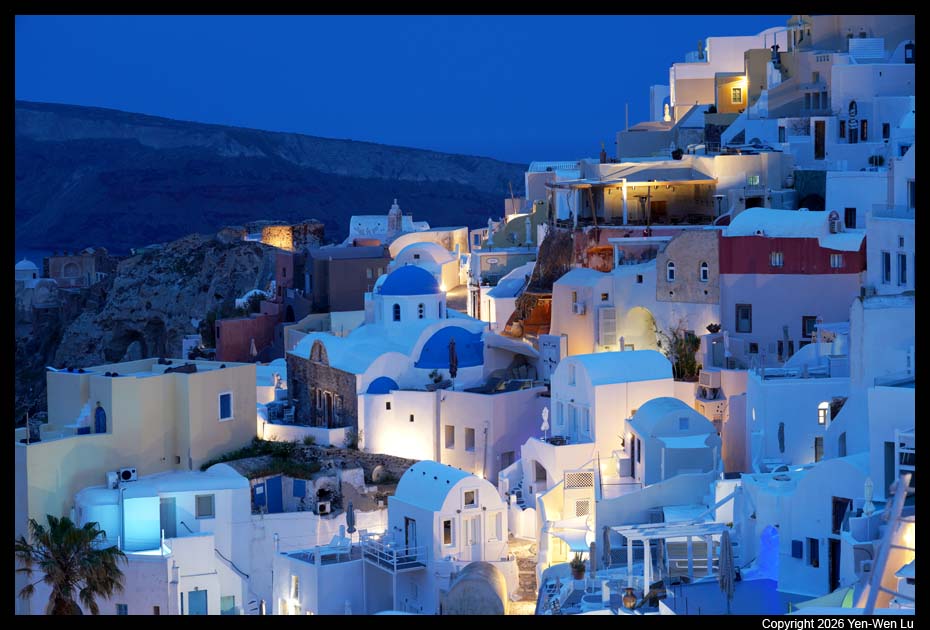
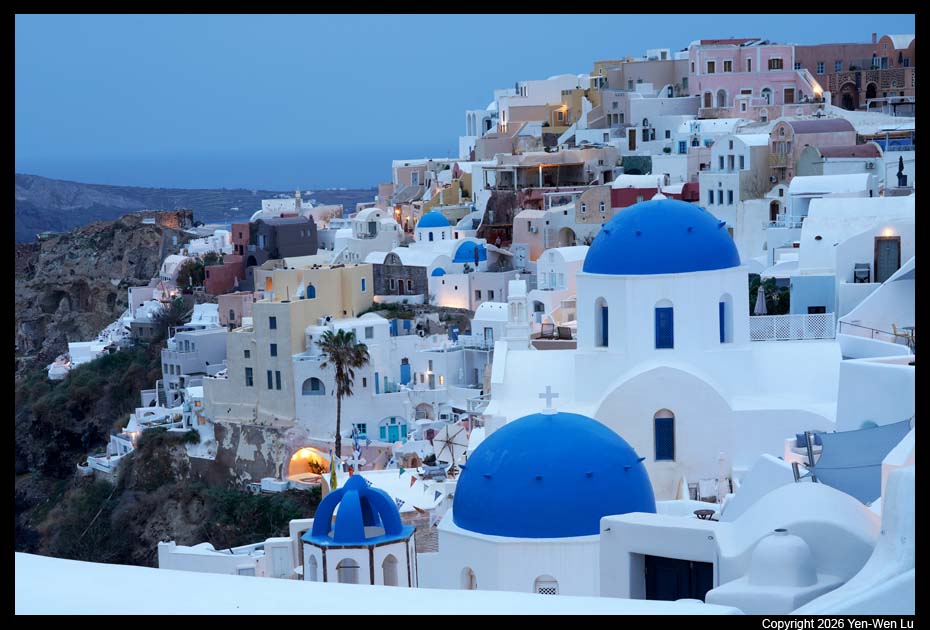
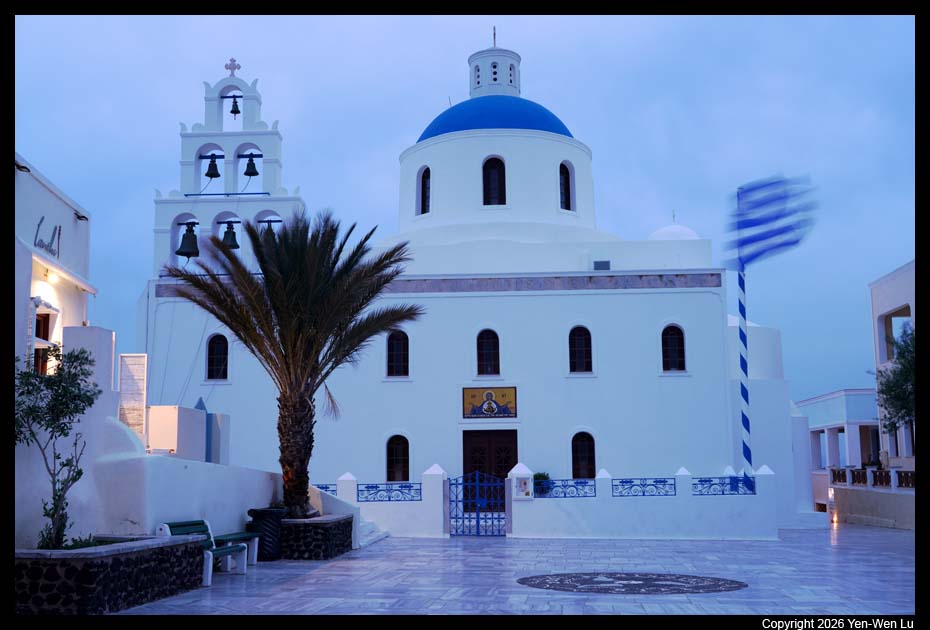
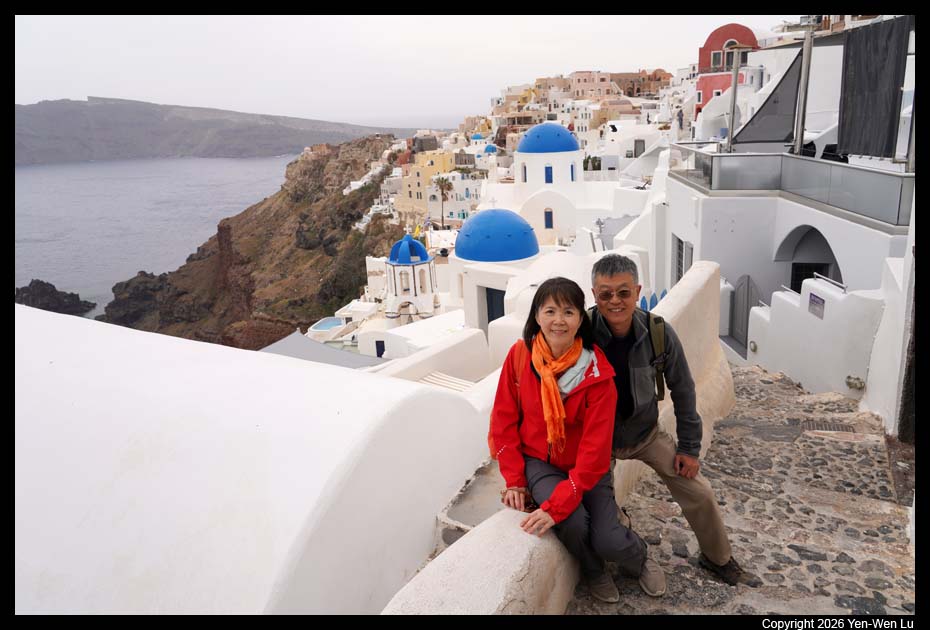
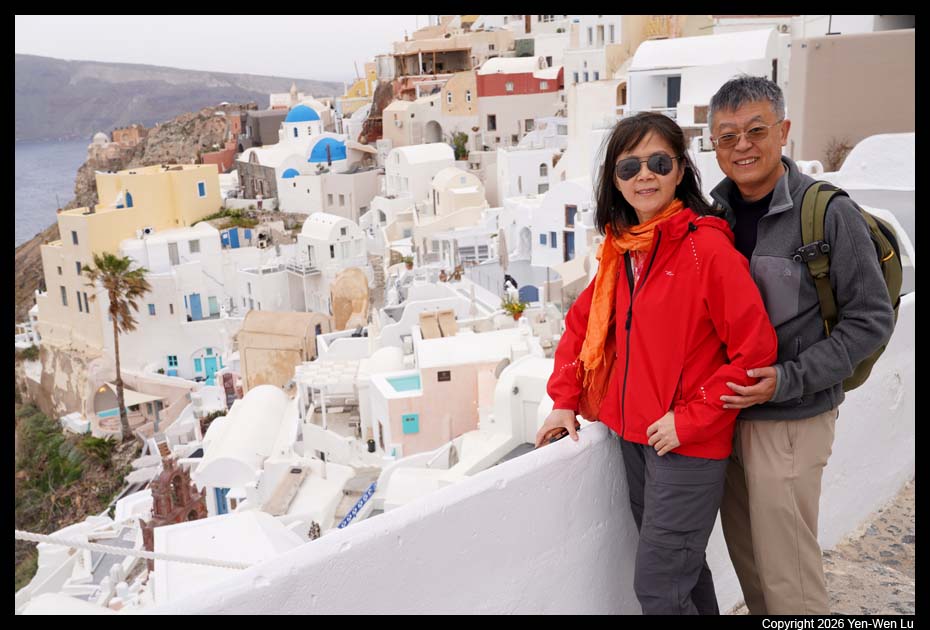
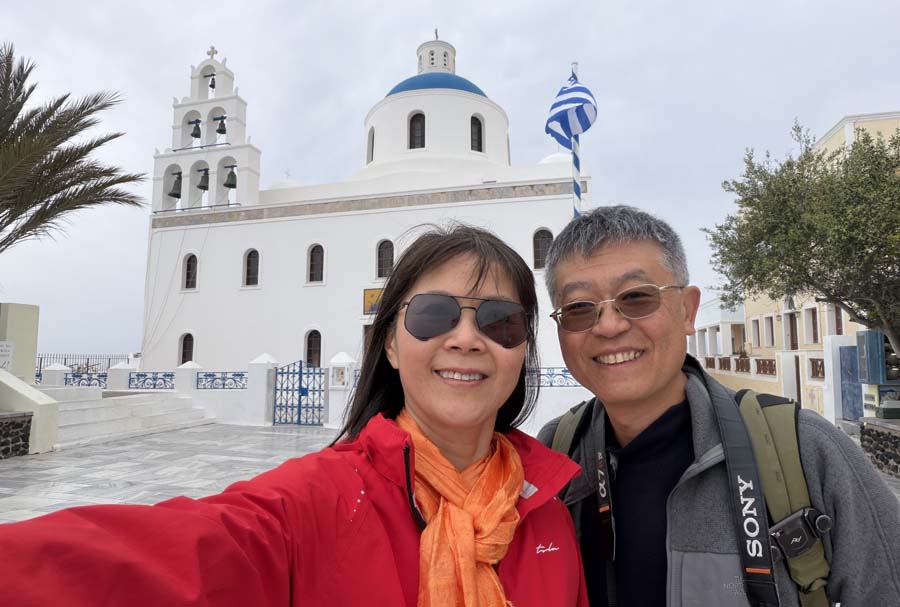
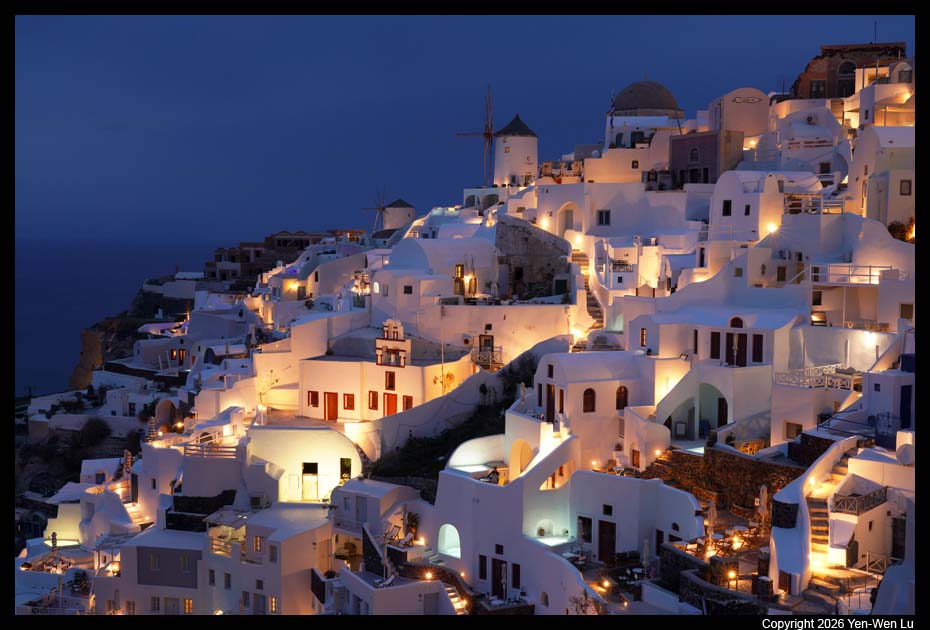
Now we were ready to move to the most famous part of Santorini, Oia.
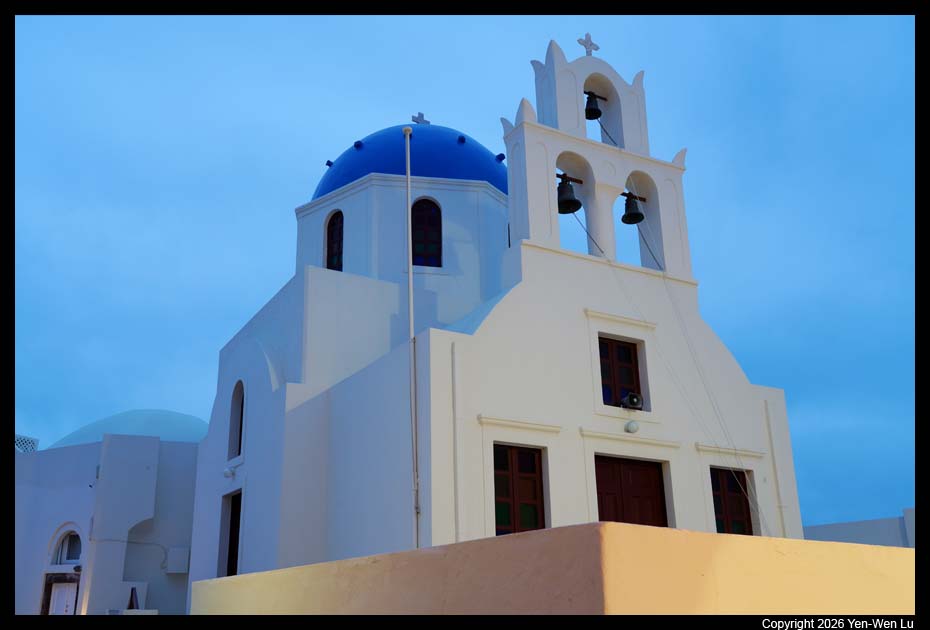
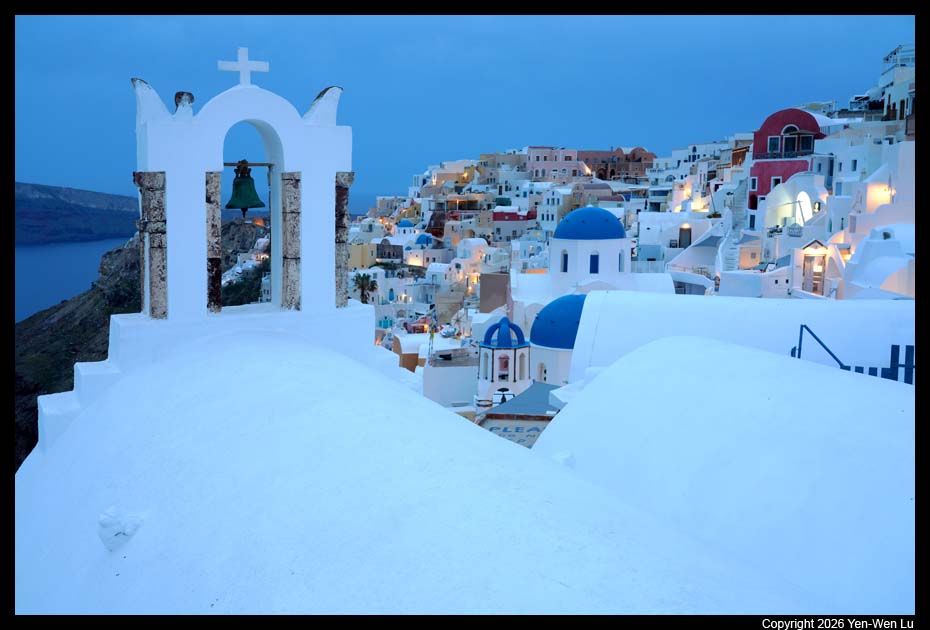
Oia (pronounced "EE-ah") is the most famous village on the island of
Santorini. Perched on the northern tip of the island's volcanic caldera, it
is world-renowned for its whitewashed cave houses, iconic blue-domed
churches, and what many consider the most spectacular sunset views in the
world. Although the weather was not good for us to see the sunset, the
blue-hour photos were
just equally amazing.
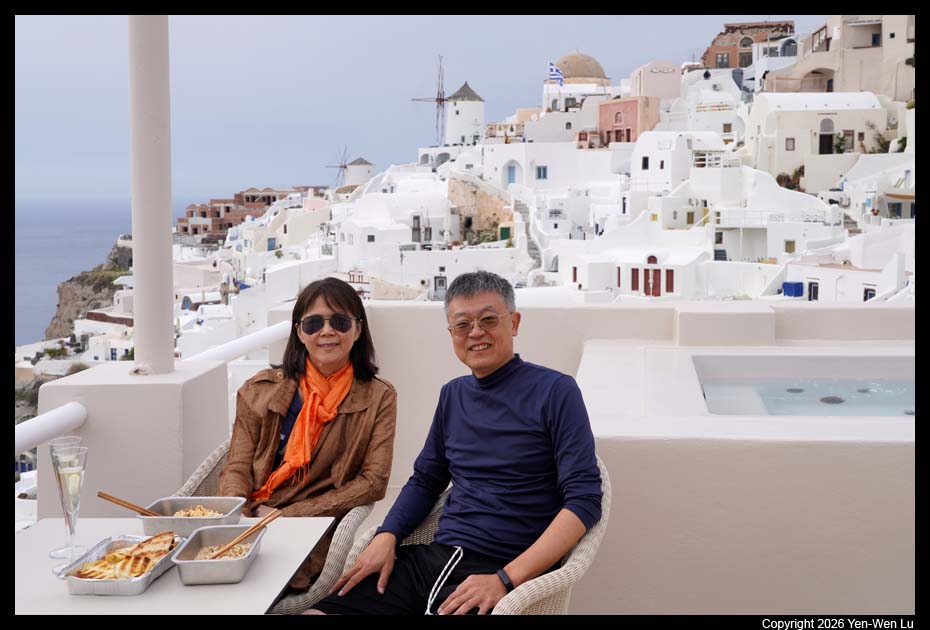
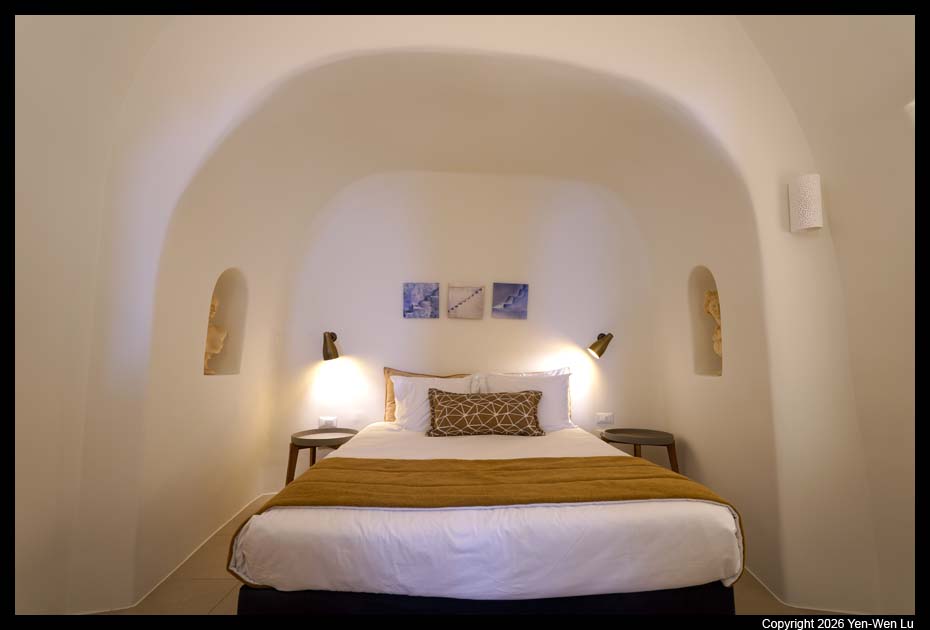
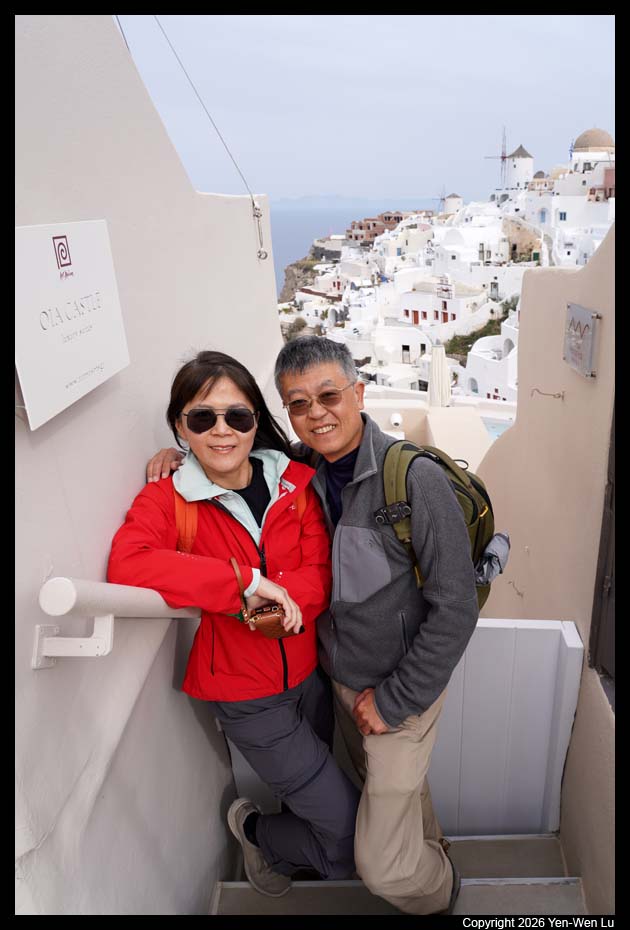
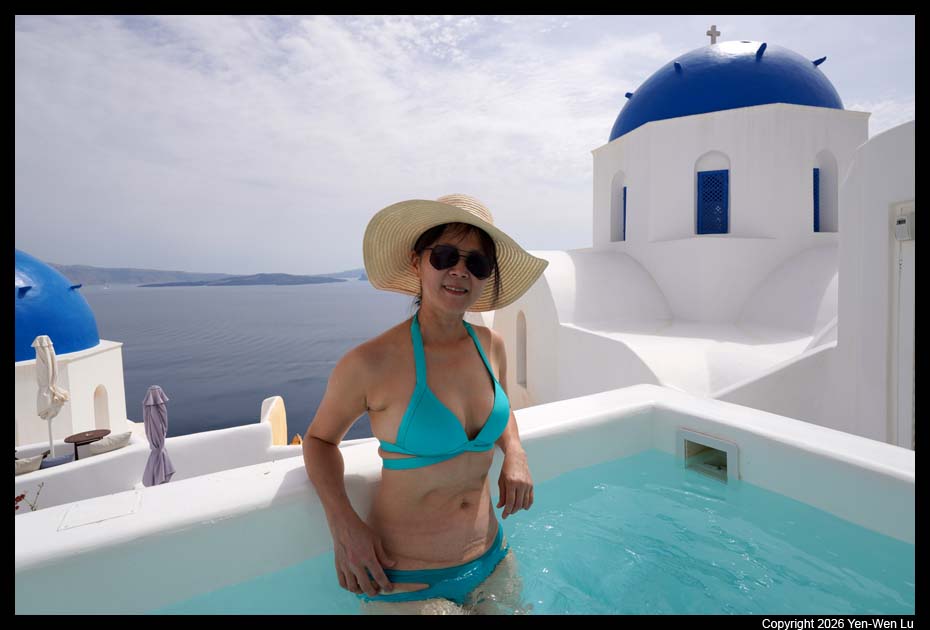
We booked a
Honeymoon Suite with panoramic caldera & direct sunset views (drone
video). It has a separate space for an outdoor heated Jacuzzi and
best views of Oia. It situates just right below the Oia Castle (the
most famous sunset spot in Oia) with total privacy.
Day 12 (4/15) ...
- Oia
After the breakfast, we walked around Oia enjoying the views and
winds.
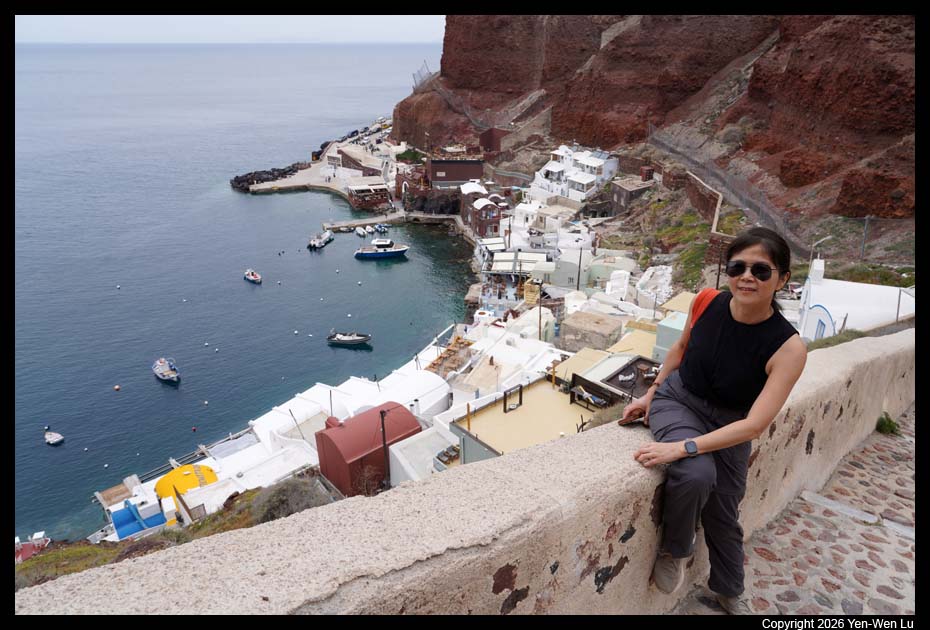
- Ammoudi Bay
Ammoudi Bay is a stunning, tiny fishing port nestled 278
steps below Oia, Santorini, famed for its crystal-clear turquoise waters,
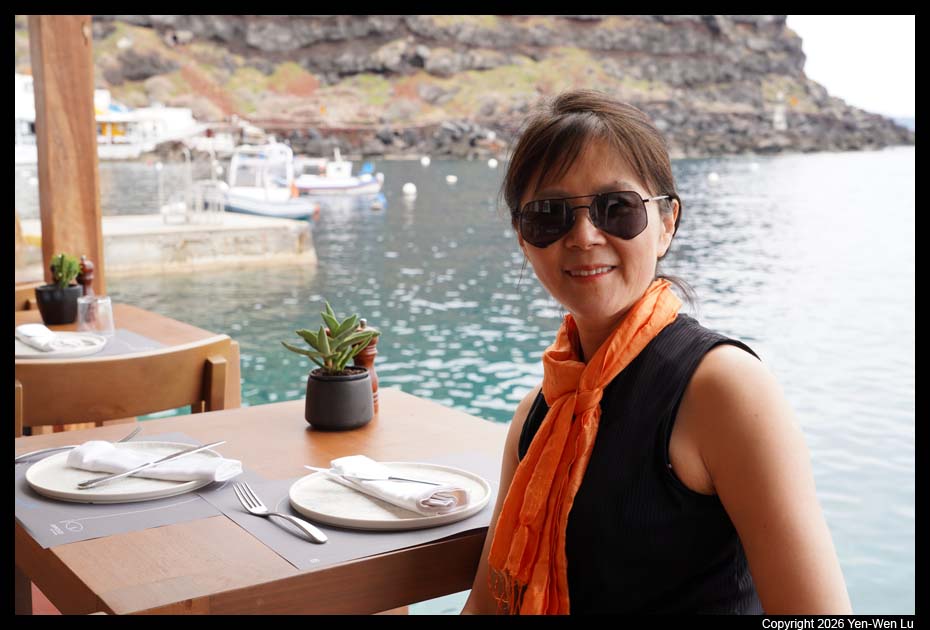
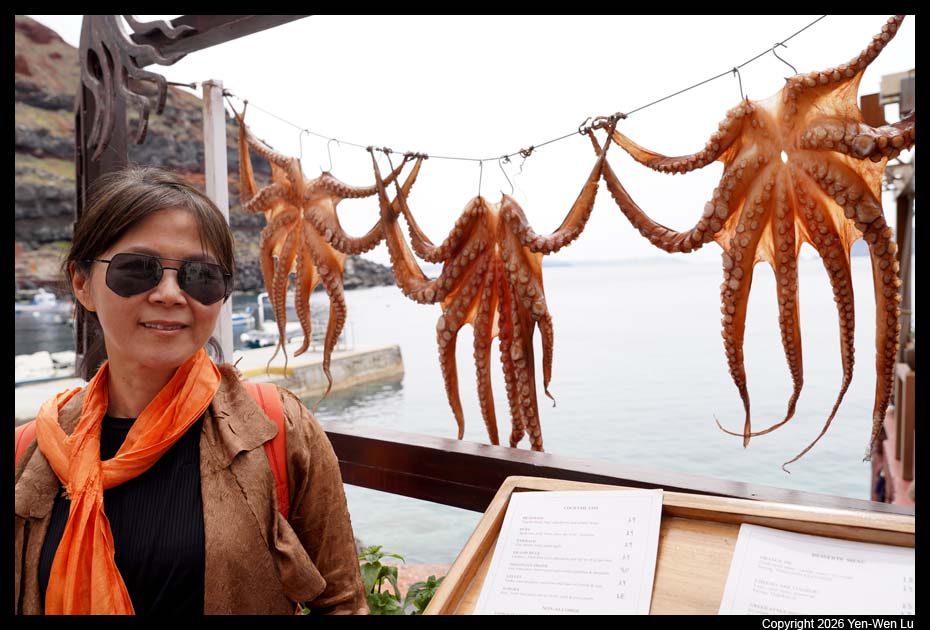
dramatic red volcanic cliffs, and waterfront seafood taverns. I booked
a lunch table at the famous Ammoudi Bay at noon. It was a good lunch,
but as expected, it was also the most expensive meal we had in our entire
Greece trip :-(
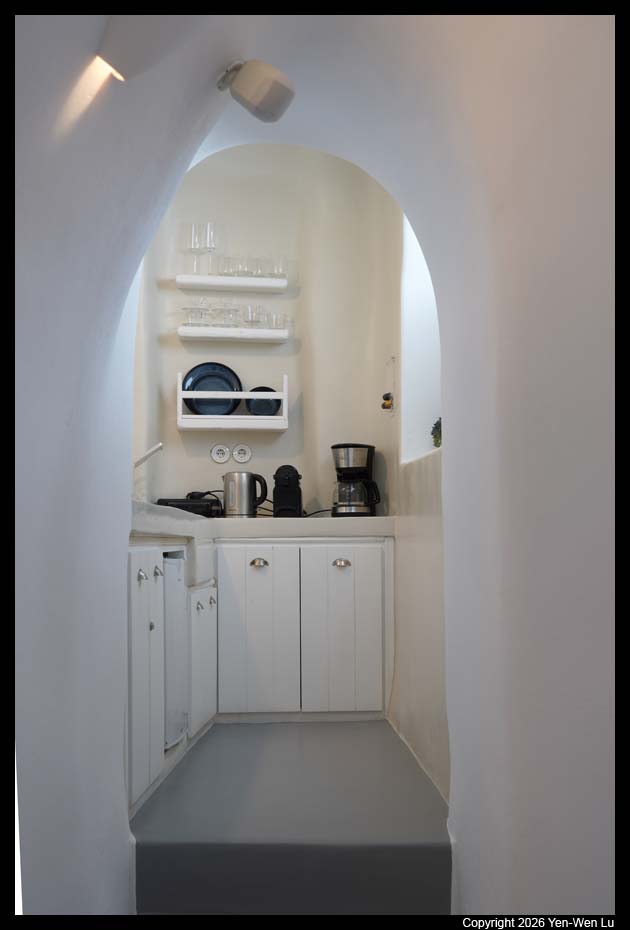
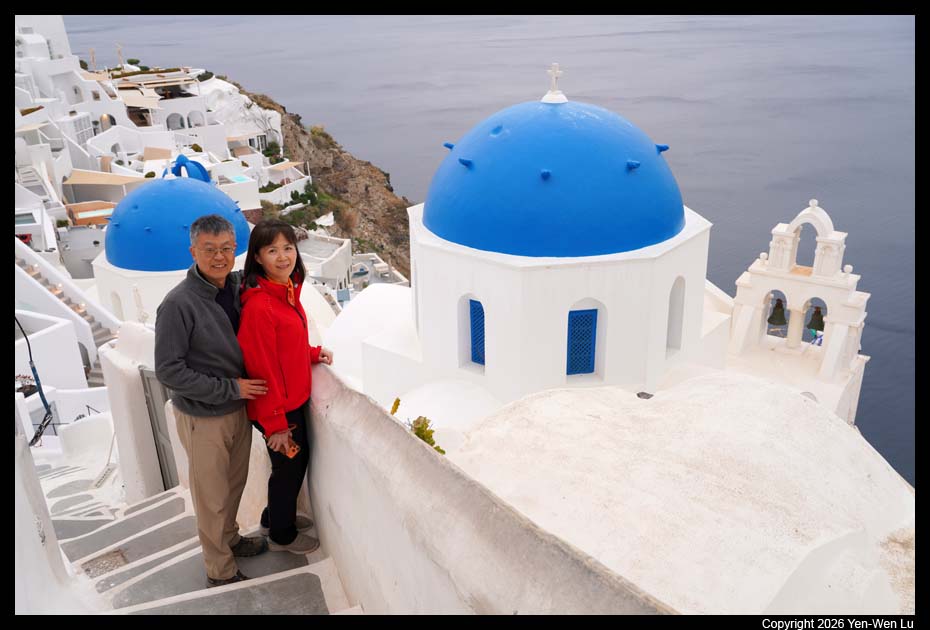
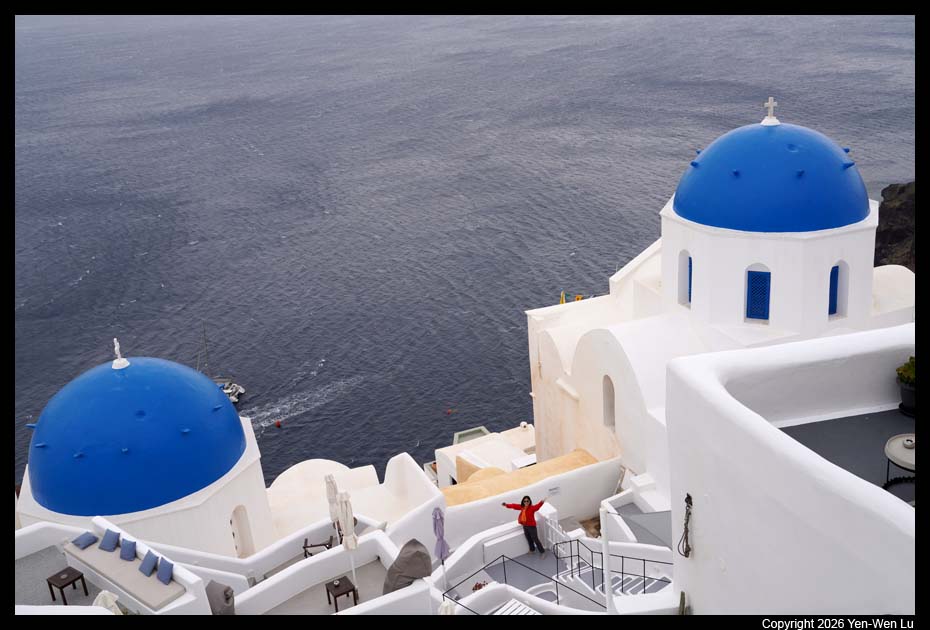
- Cave Suite Oia
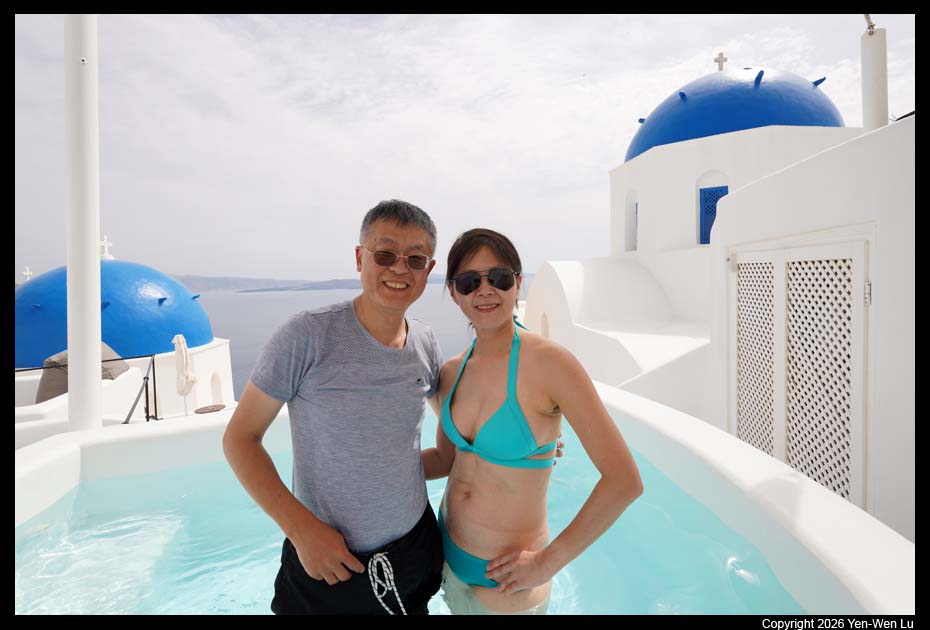
We moved to our third and final accommodation in Oia, the Cave Suite.
Located between two of the most famous blue-dome churches, the Cave Suite
offers magnificent views of the caldera and Oia landmarks. The pool on
the roof was the best place to enjoy the Oia afternoon (drone
video).
Day 13 (4/16) ...
- Oia
We walked around the Oia village in the morning before most
tourists show up.
- Mesaria
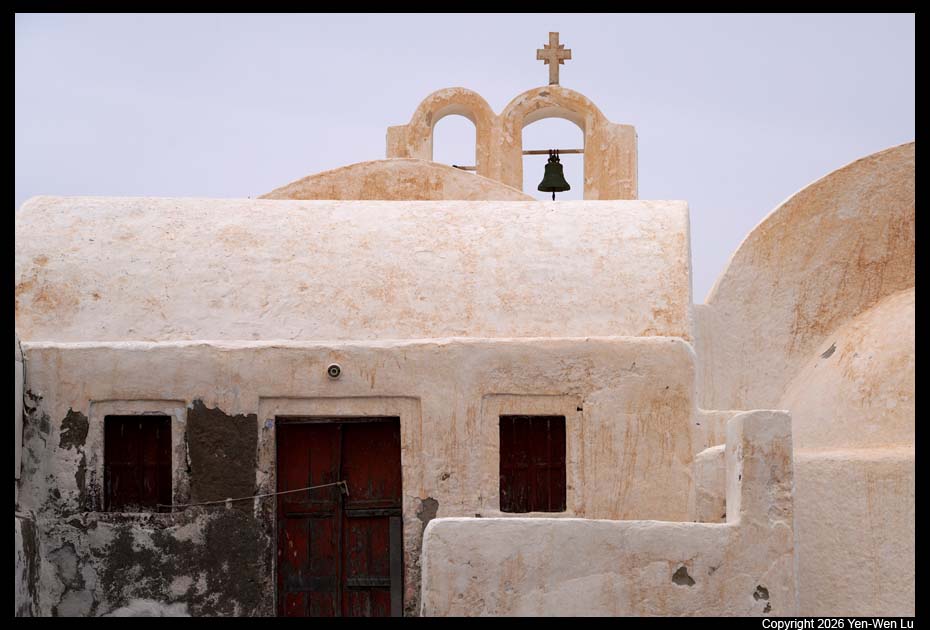
After checked out at 11AM, we drove to a small town, Mesaria,
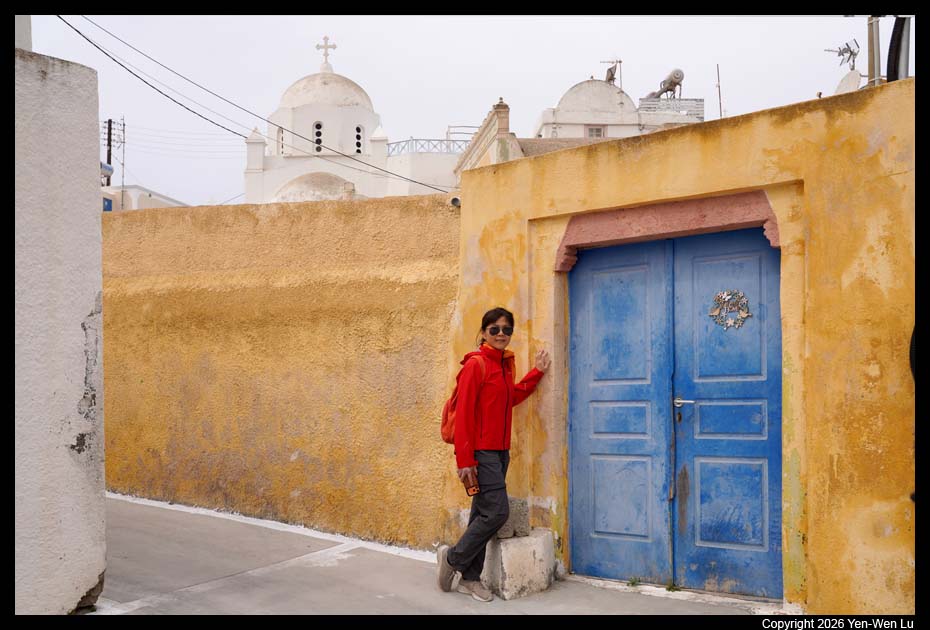
not far from the airport. We walked around the small alleys and
saw a few more churches, and had another fine meal at a local restaurant
(cheap and delicious). After the lunch, we drove to the airport
to conclude our Greek Islands journey and prepared to fly to our next and
final destination, Athens.
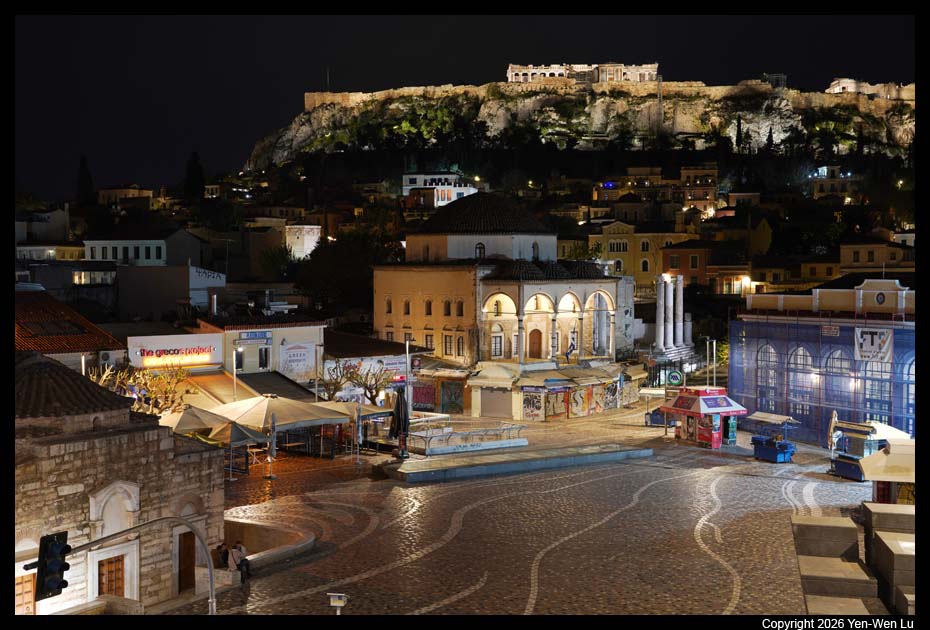
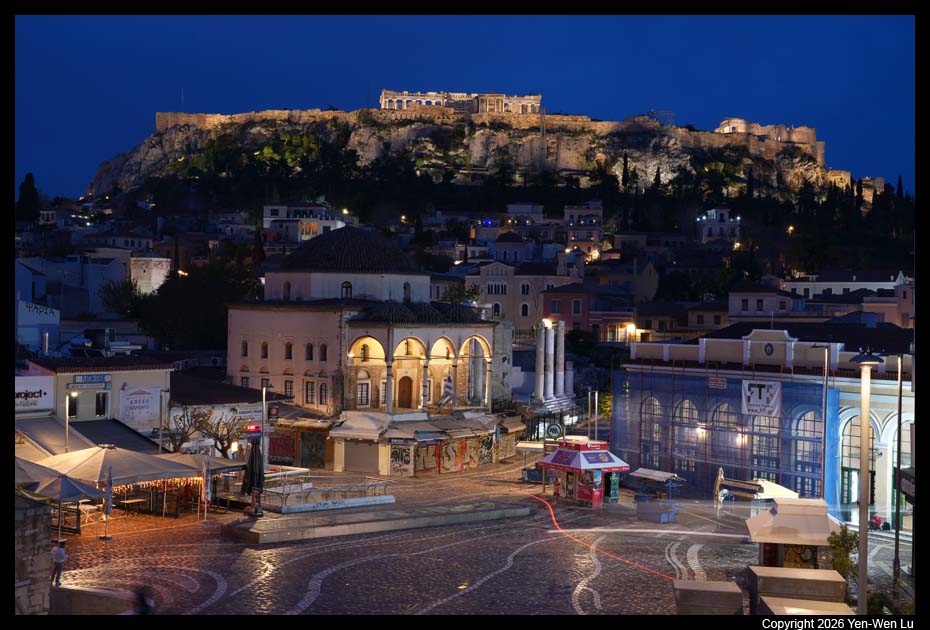
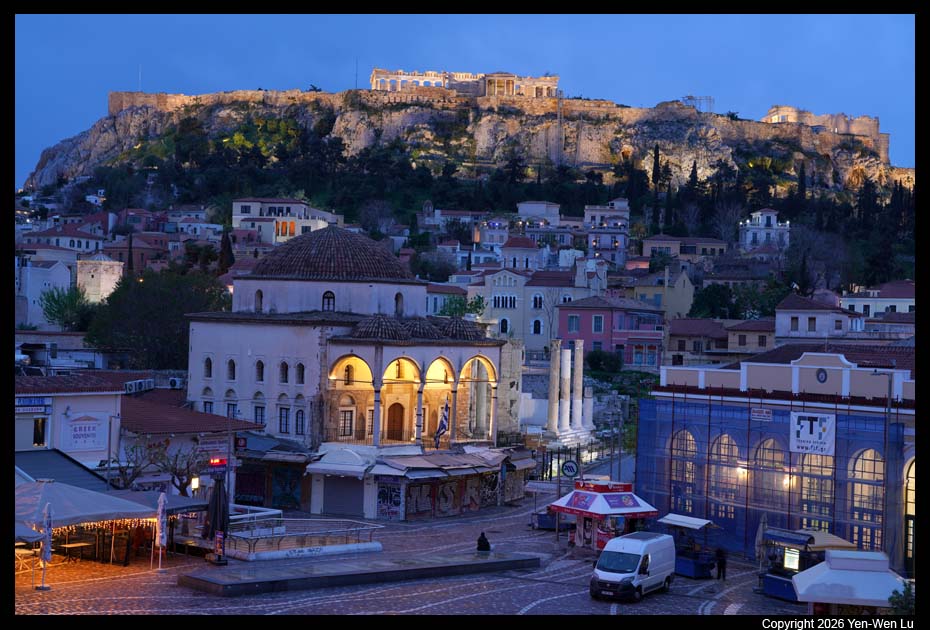
- Monastiraki, Athens
We arrived at Athens Airport at about 4PM, and
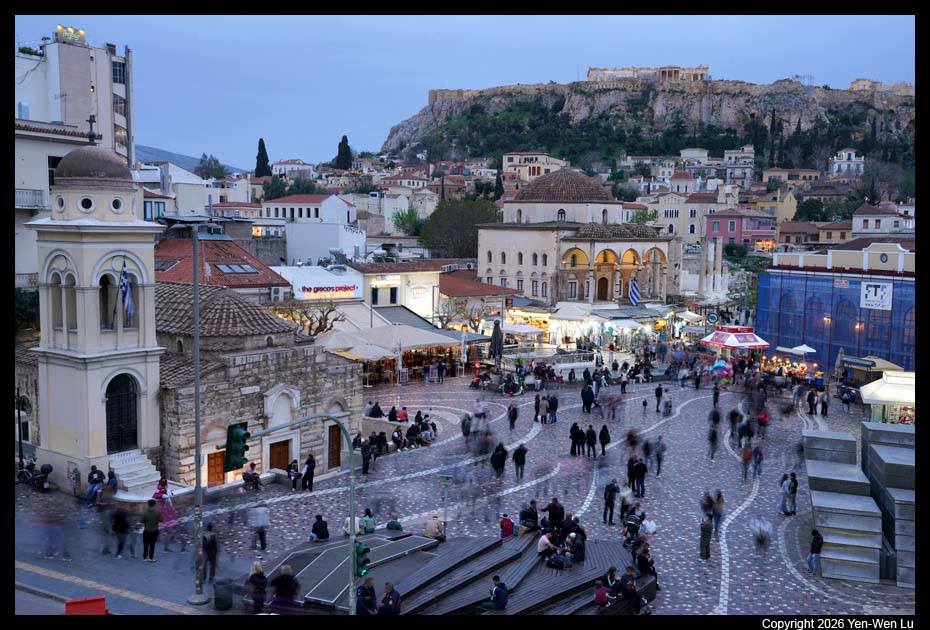
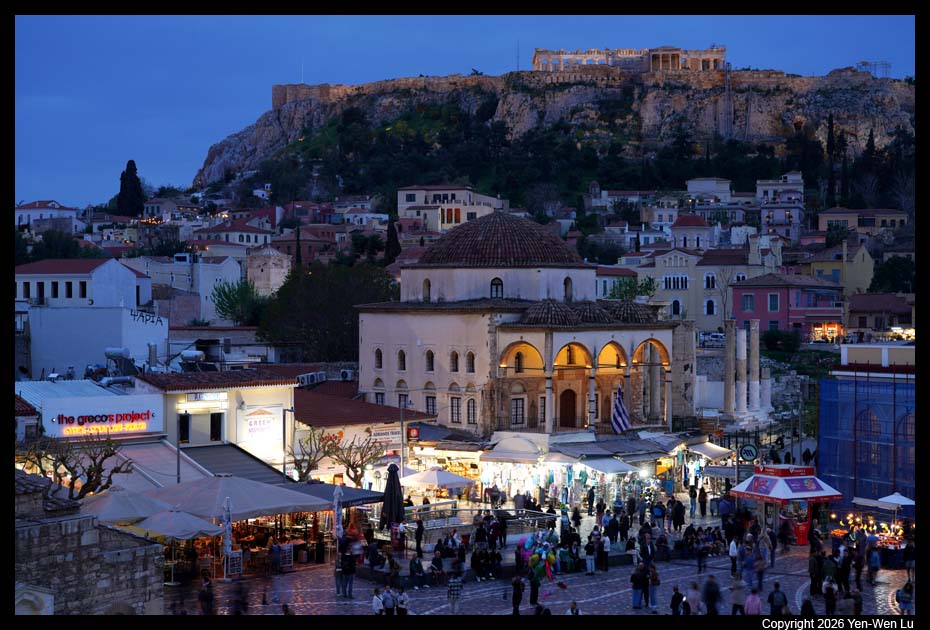
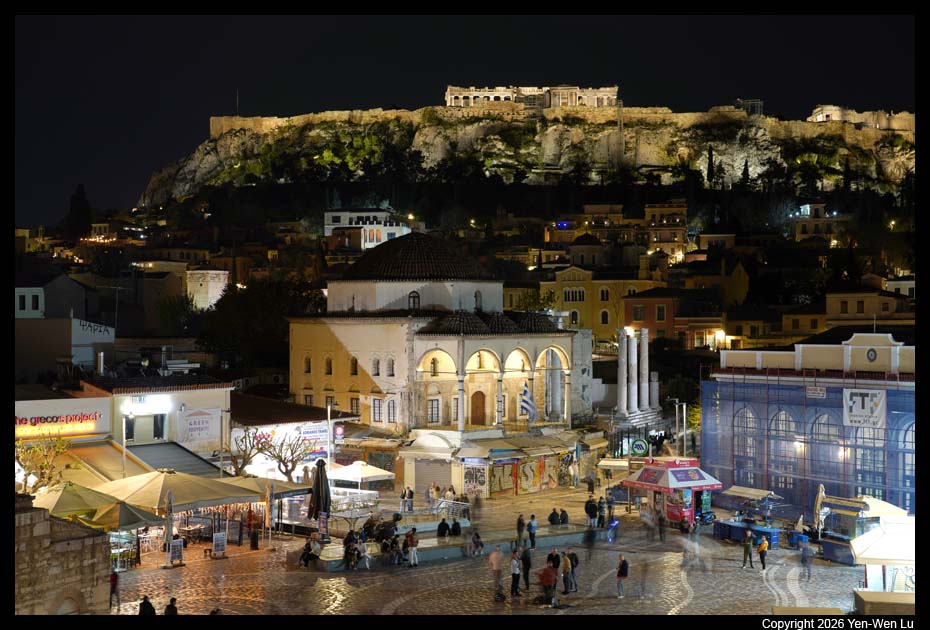
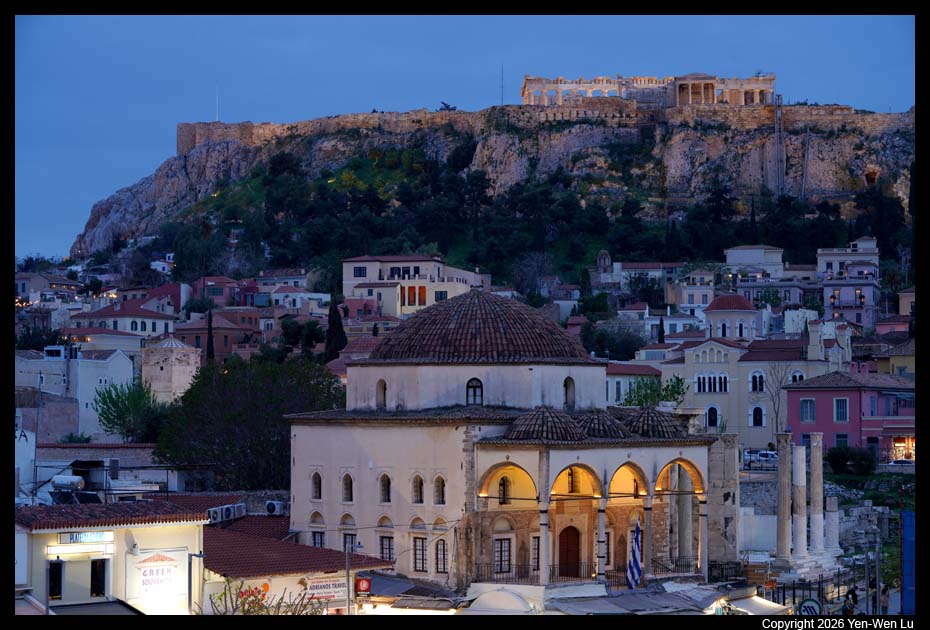
took the Metro (blue line) to Monastiraki in downtown Athens. Our
hotel (A for
Athens) is located right on the Monastiraki Square and our room has the
best views of the square and the Acropolis.
Day 14 (4/17) ...
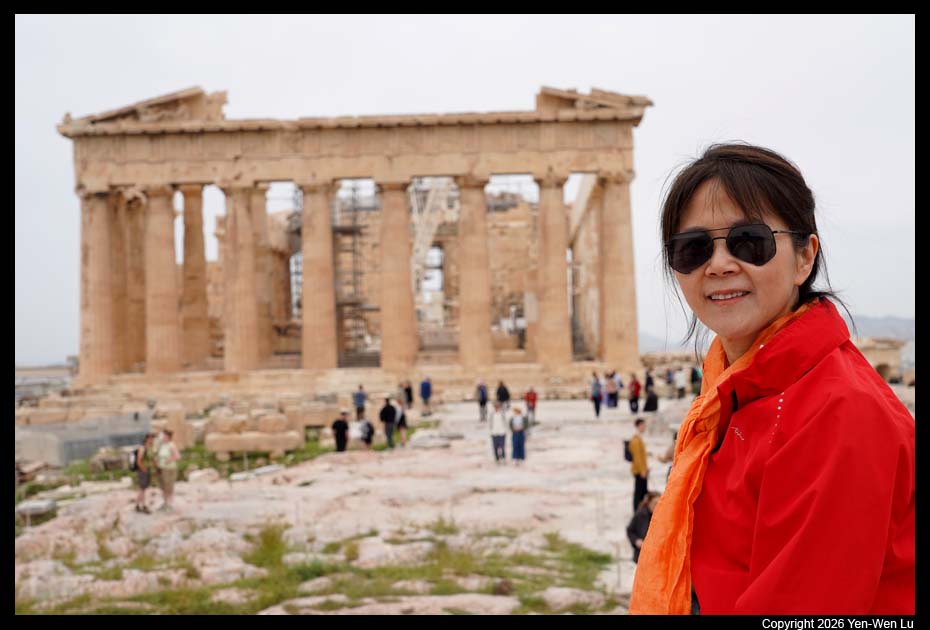
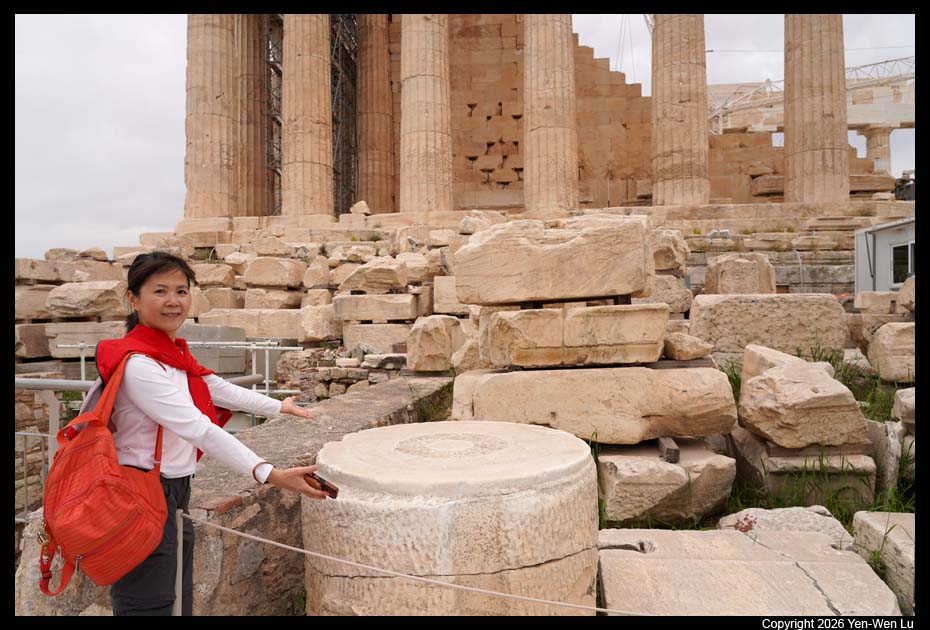
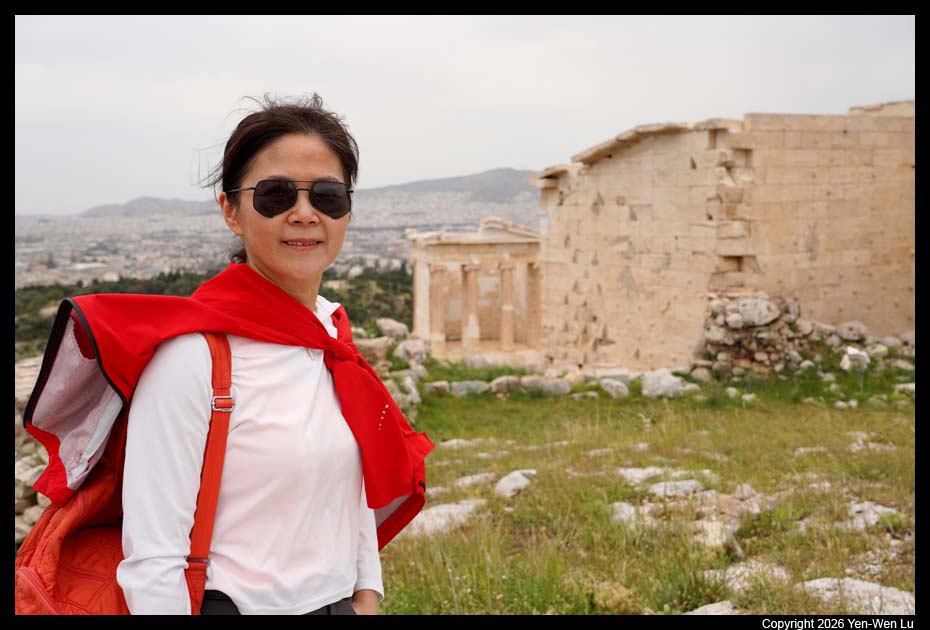
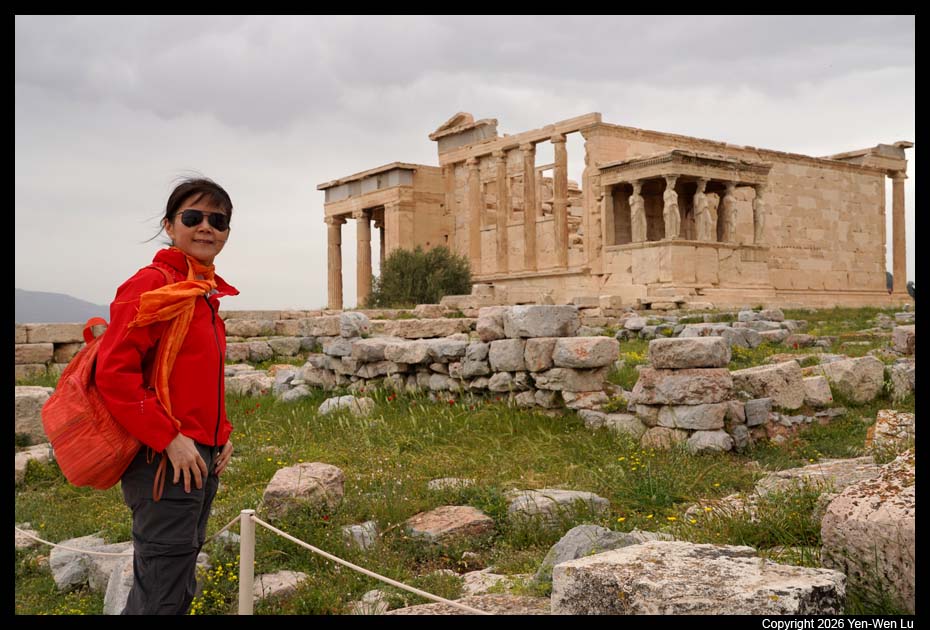
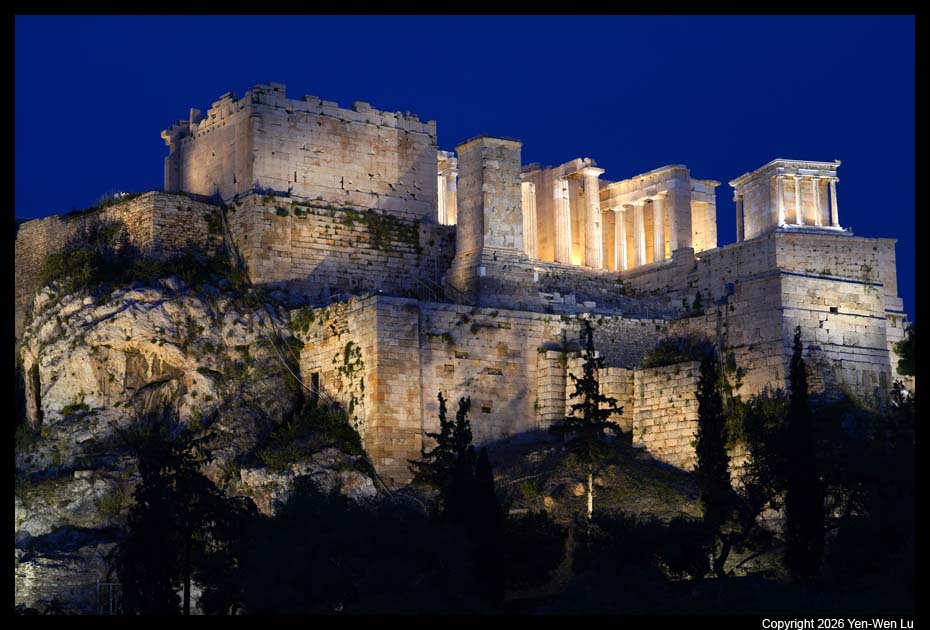
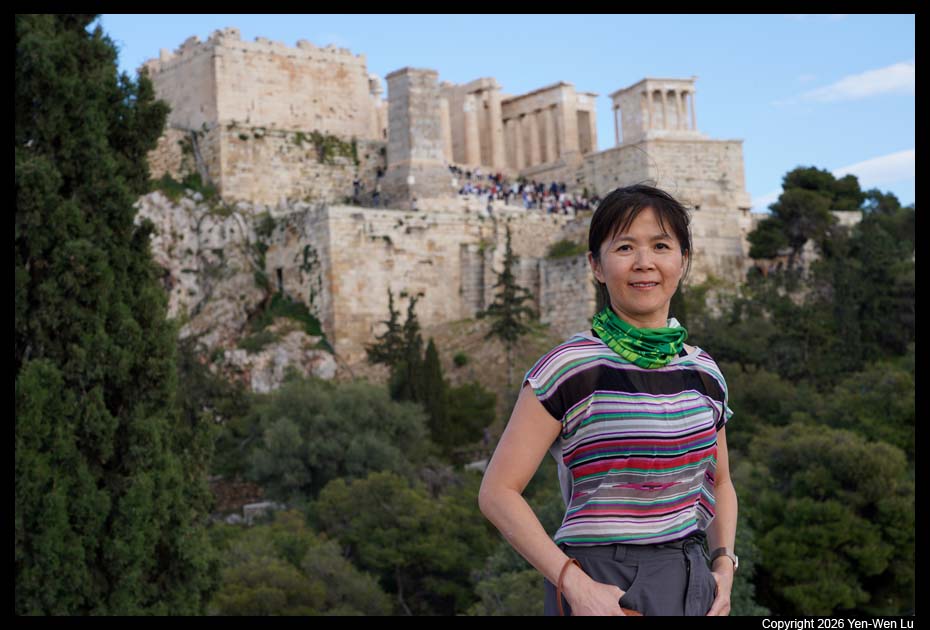
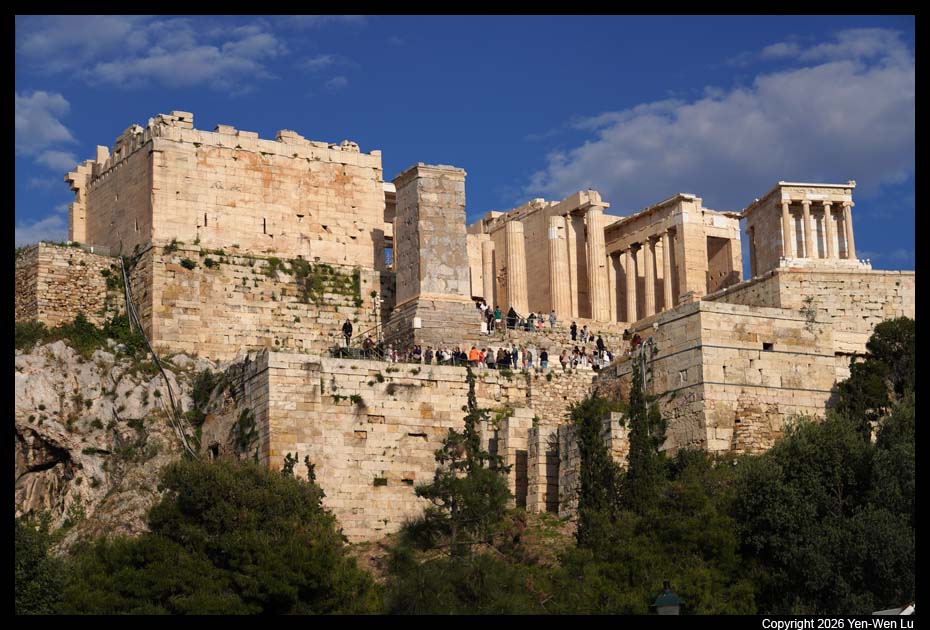
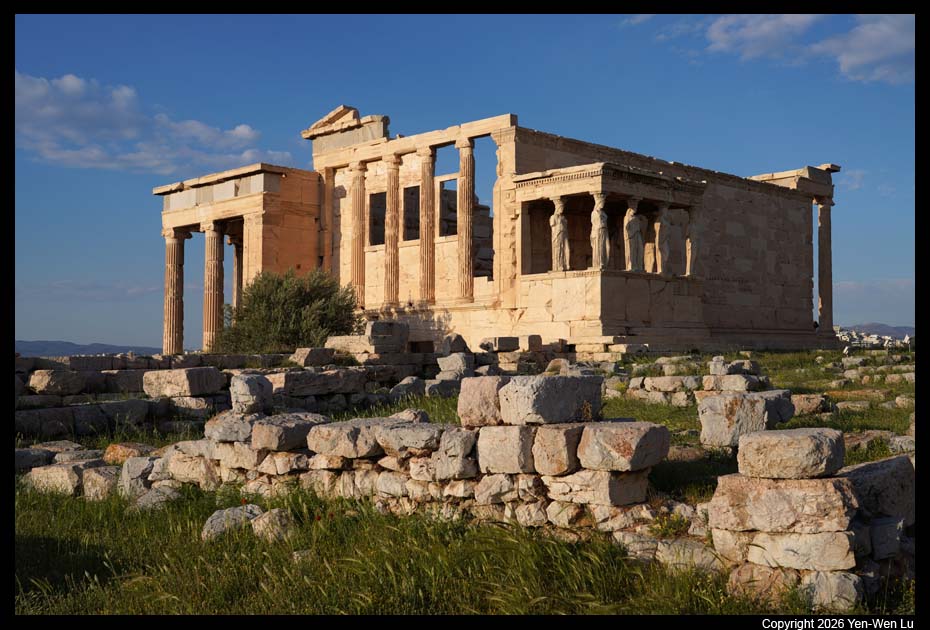
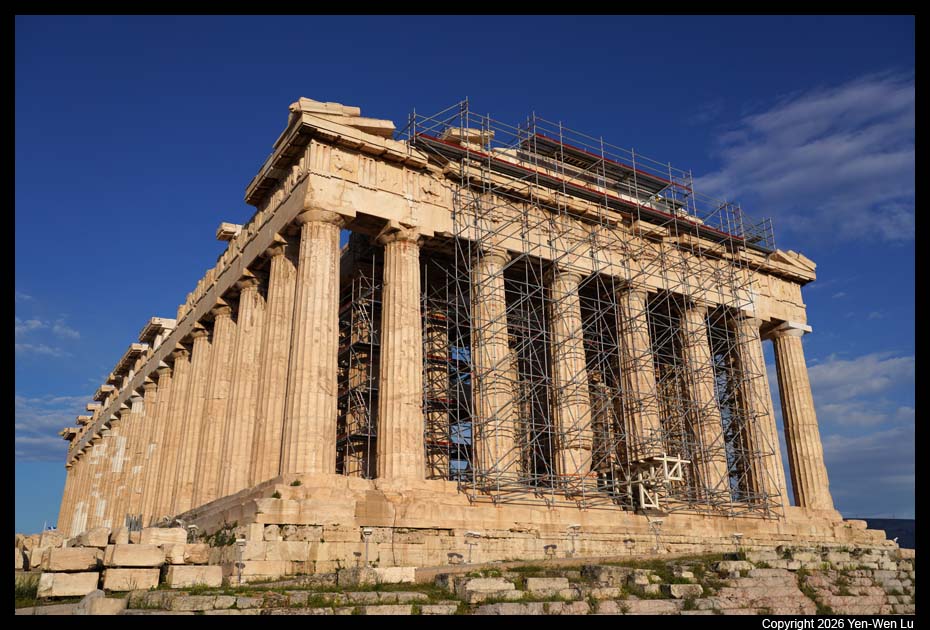
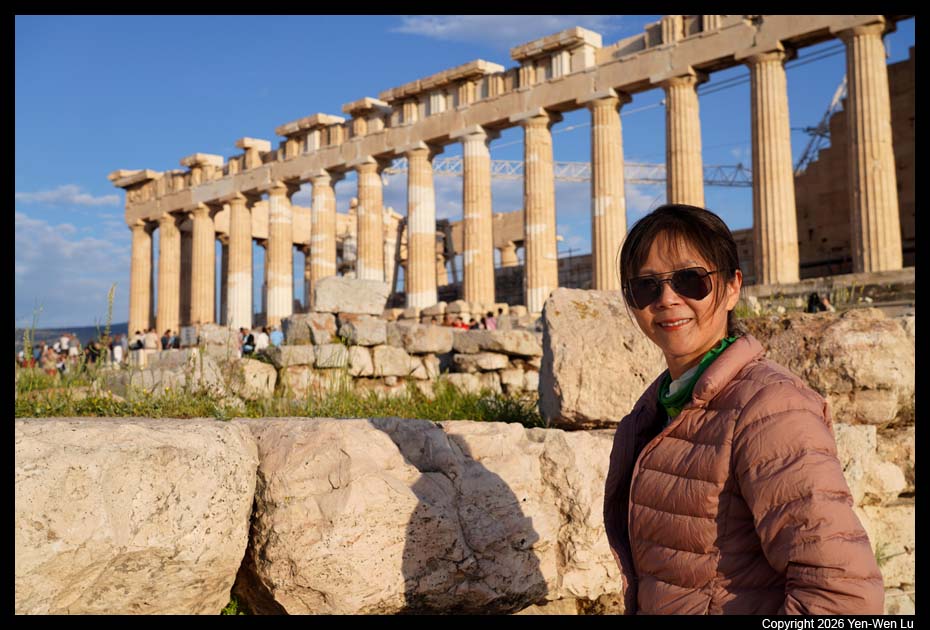
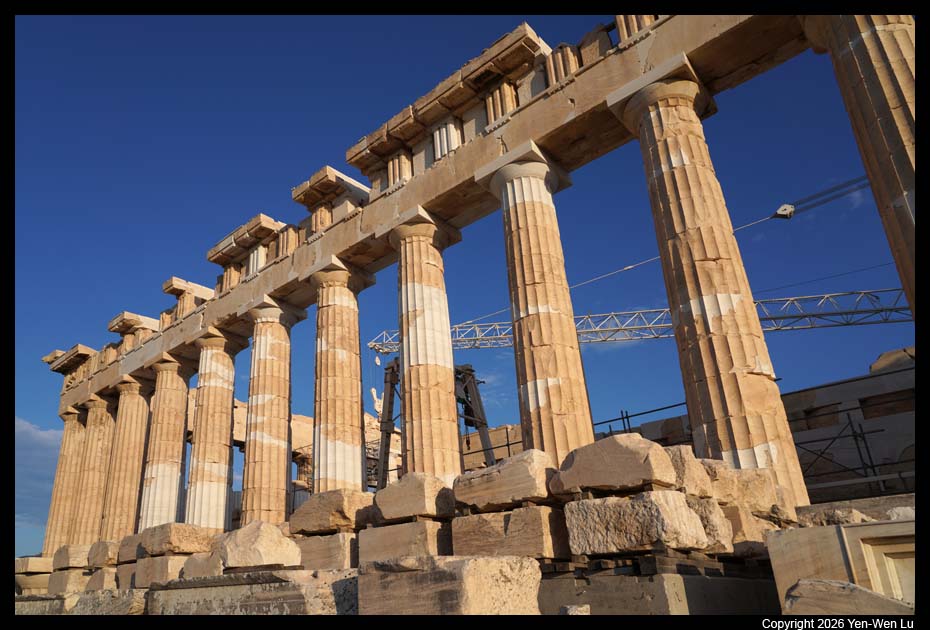
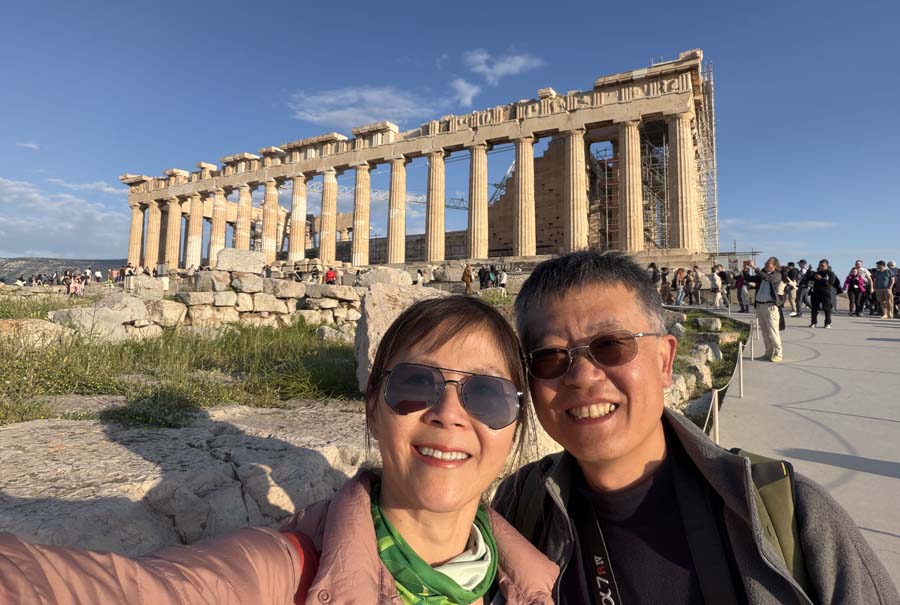
- Acropolis of Athens
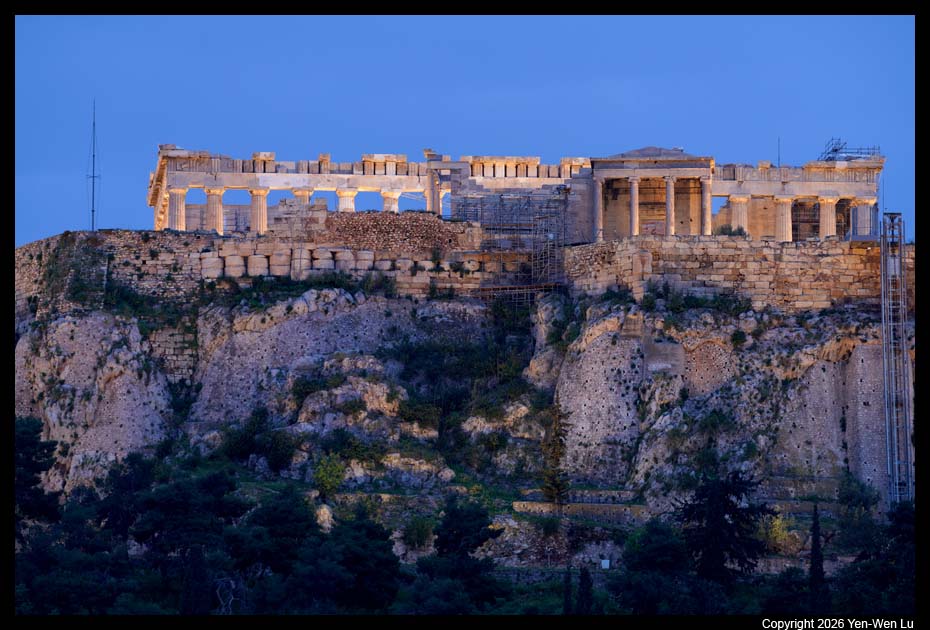
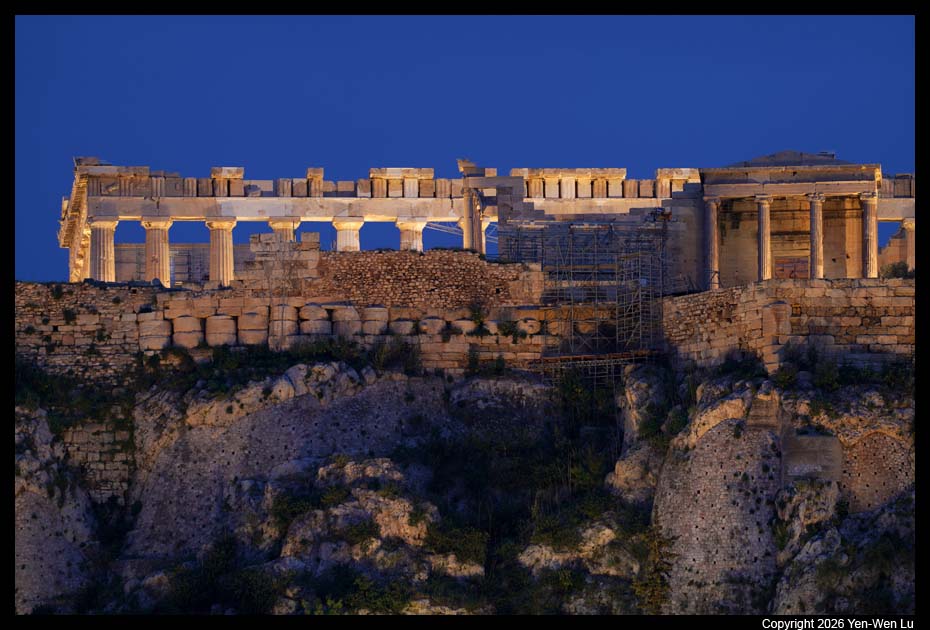
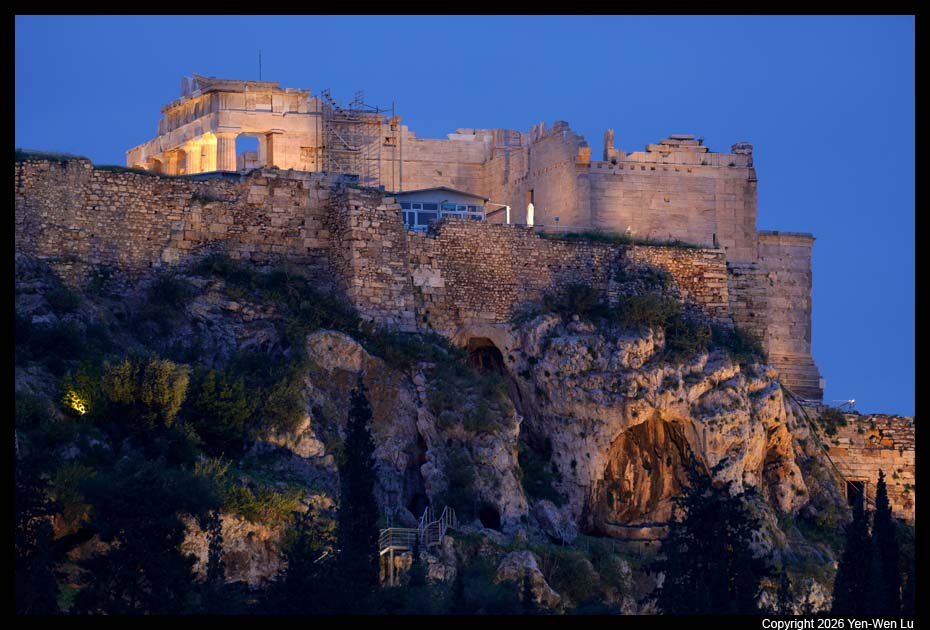
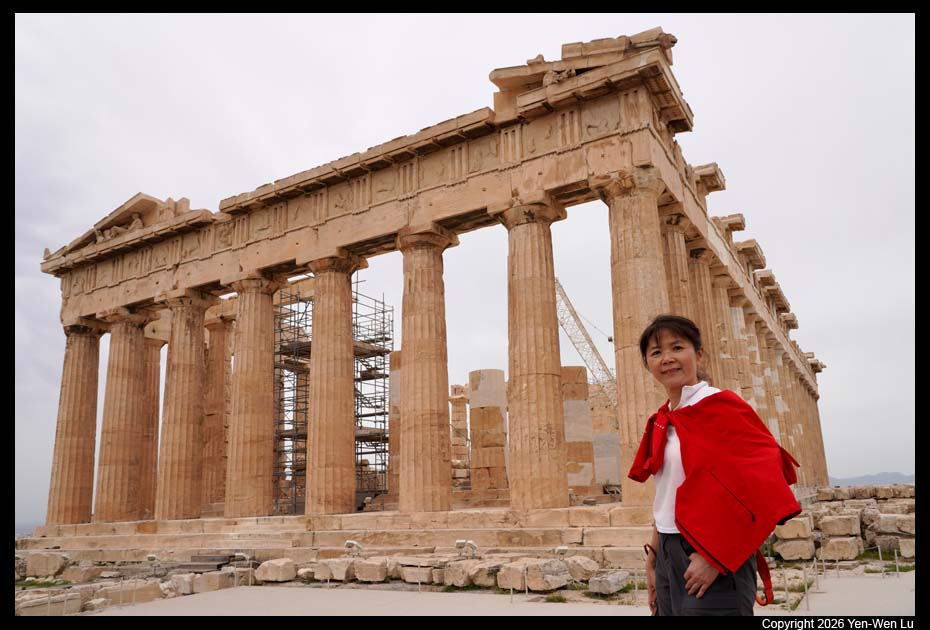
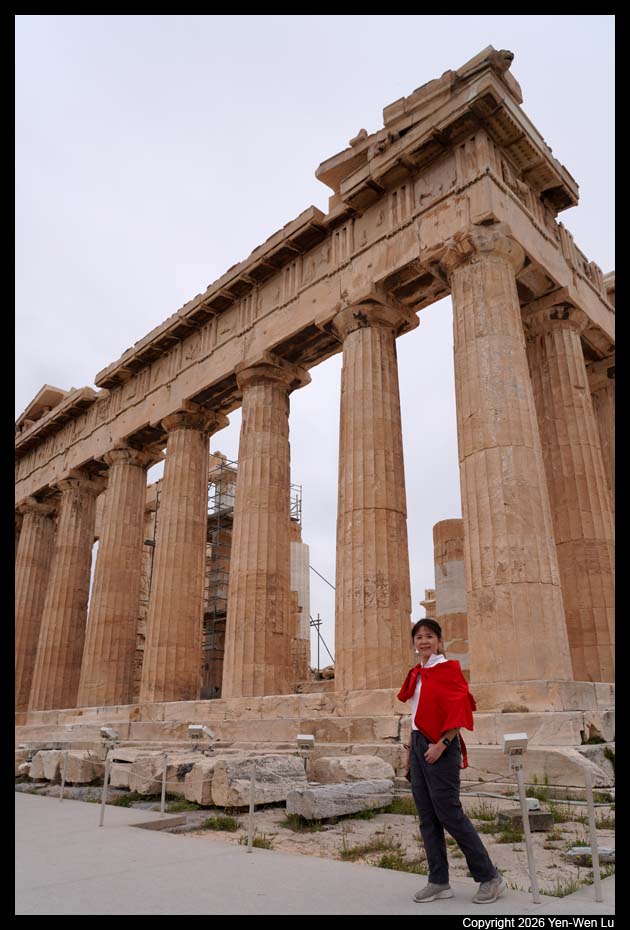
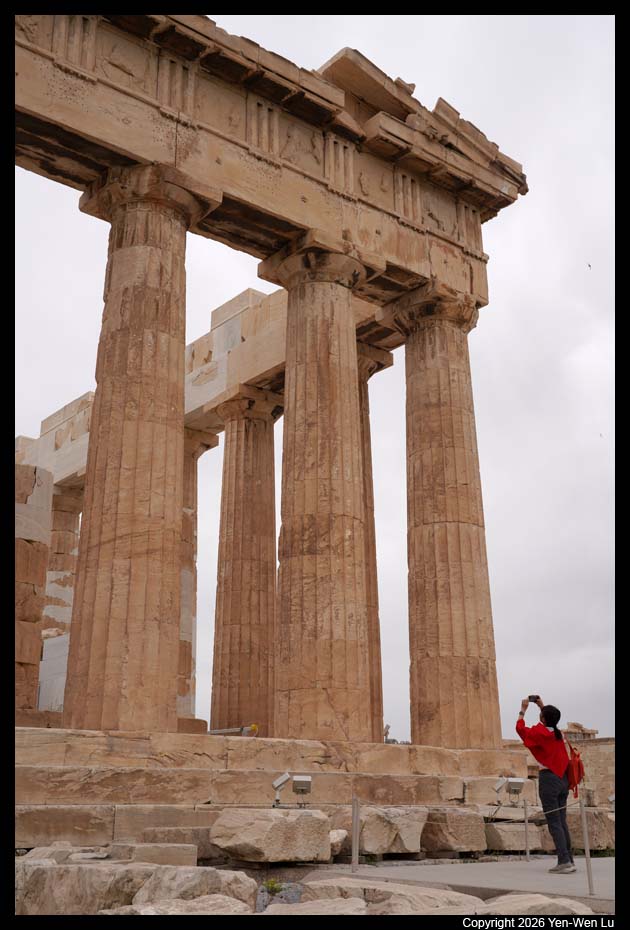
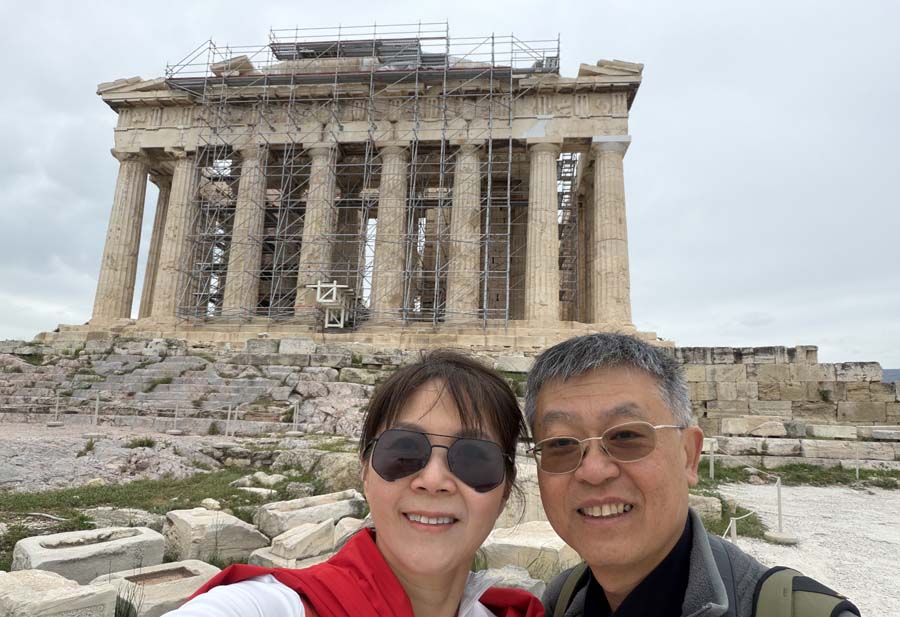
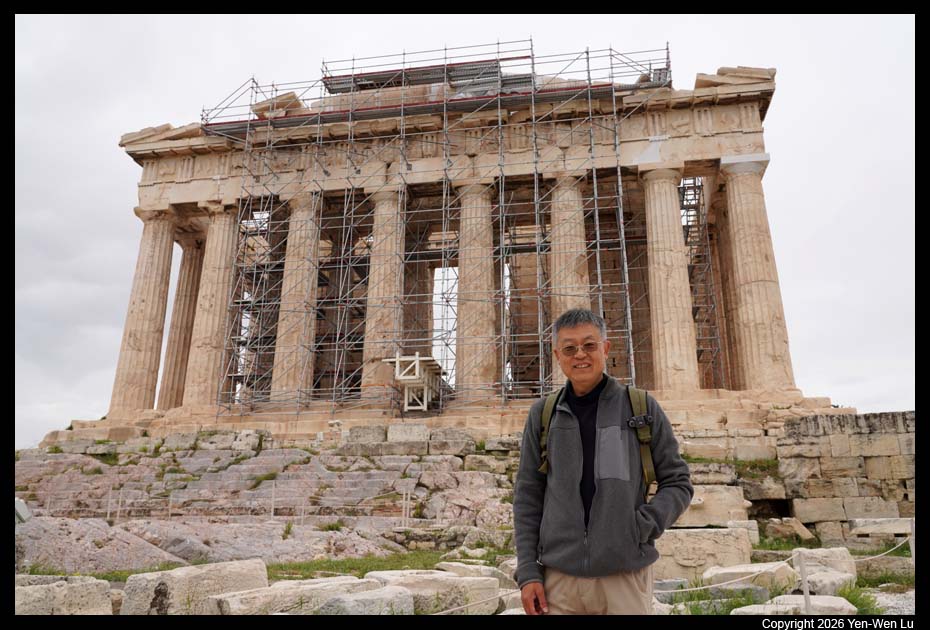
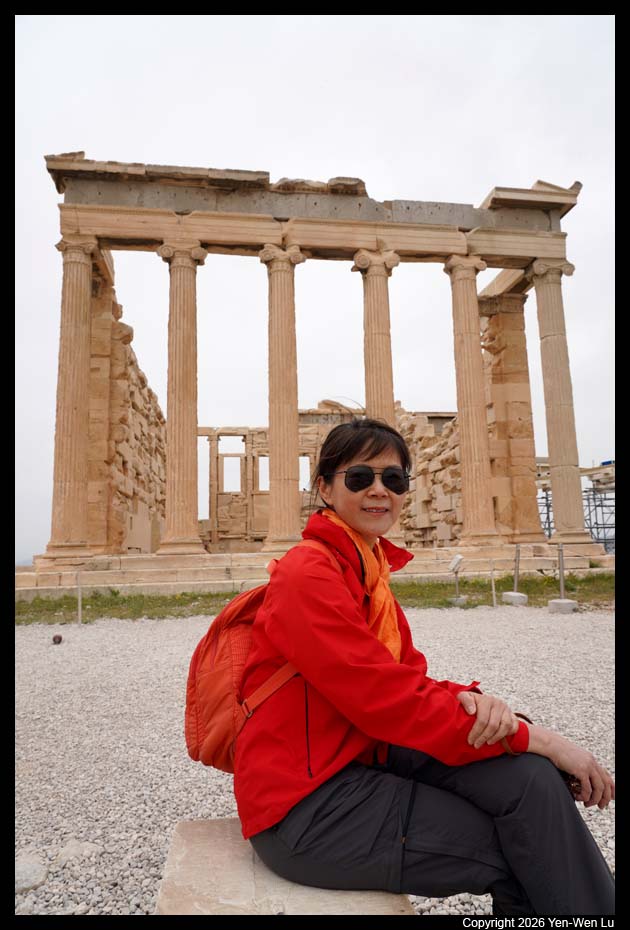
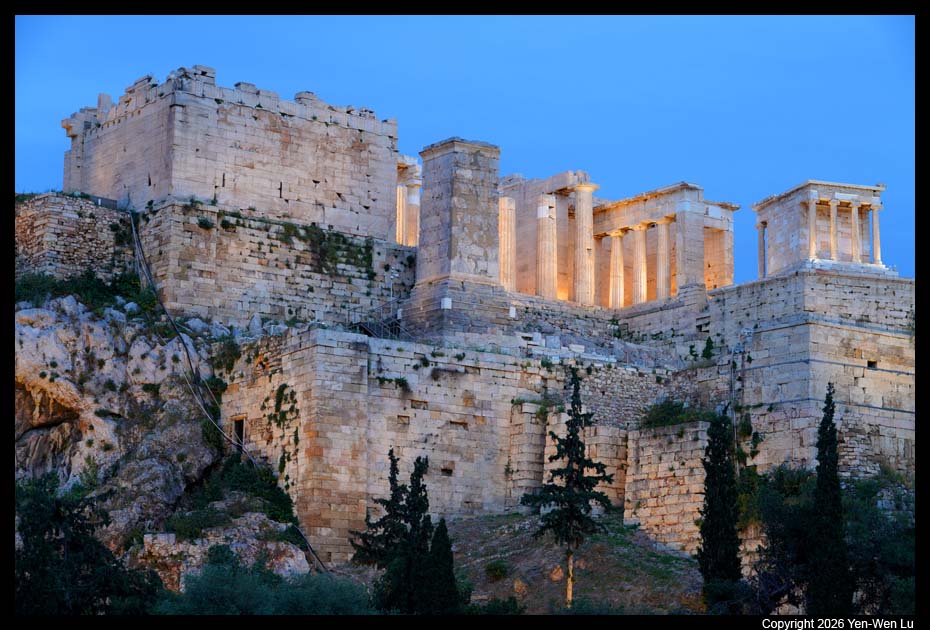
The Acropolis of Athens is an ancient citadel
located on a rocky outcrop above the city of Athens, Greece, and contains
the remains of several ancient buildings of great architectural and
historical significance. The word Acropolis is general and is from
Greek ἄκρον (akron) 'highest point' and πόλις (polis) 'city'. The
history of the Acropolis of Athens spans over 6,000 years, evolving from a
Neolithic settlement to a royal fortress, a sacred sanctuary, and eventually
a global symbol of democracy and classical art.
I booked the
8AM tickets (the first time slot of the day) and when we got to the west
entrance of Acropolis at about 7:45AM, there was already a short line
waiting for its opening.
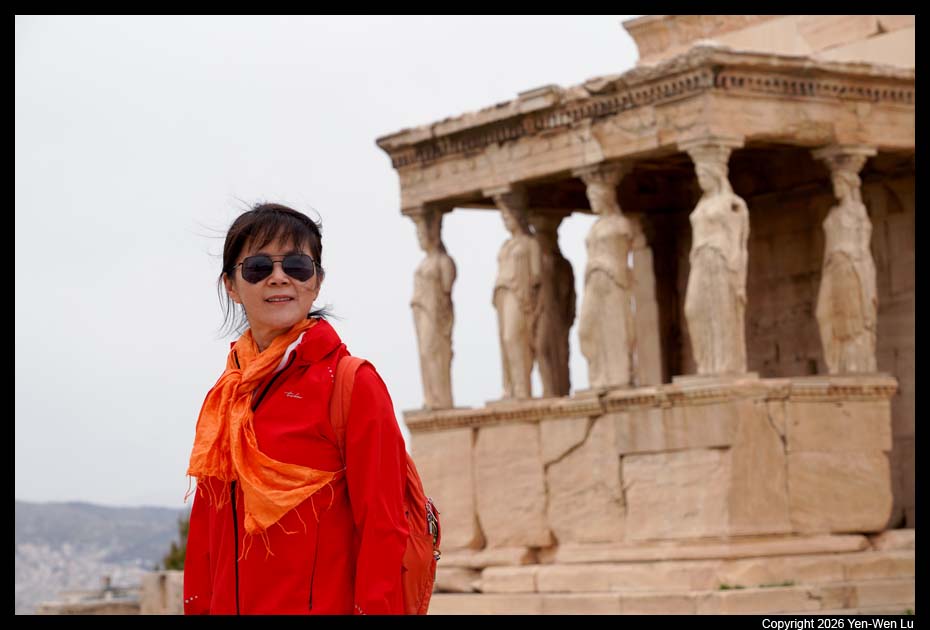
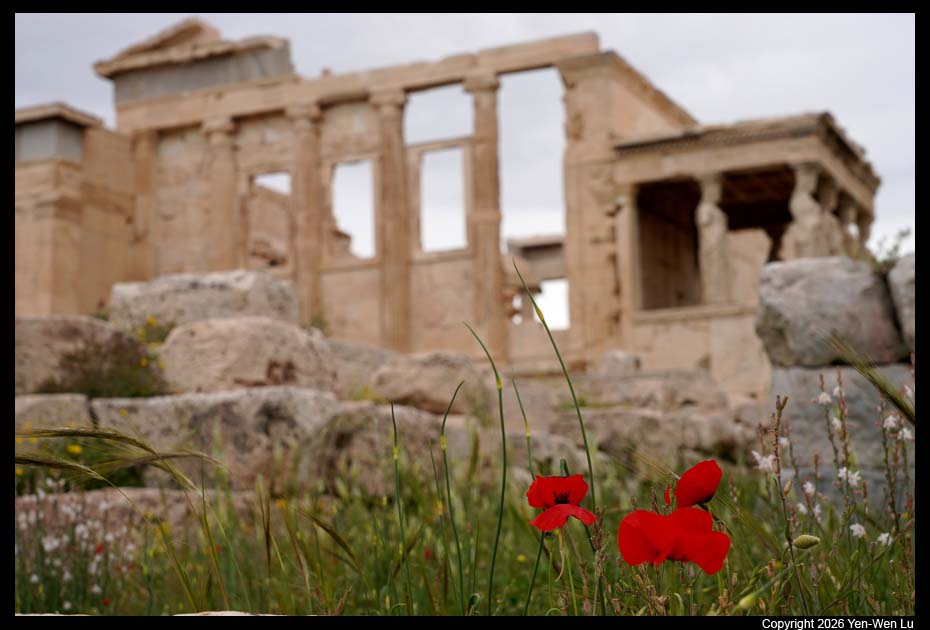
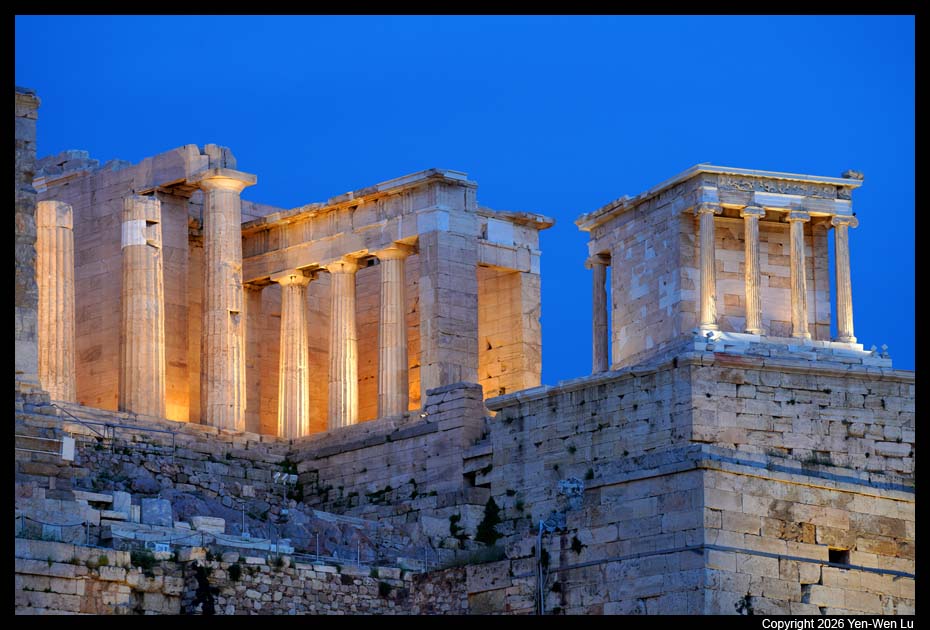
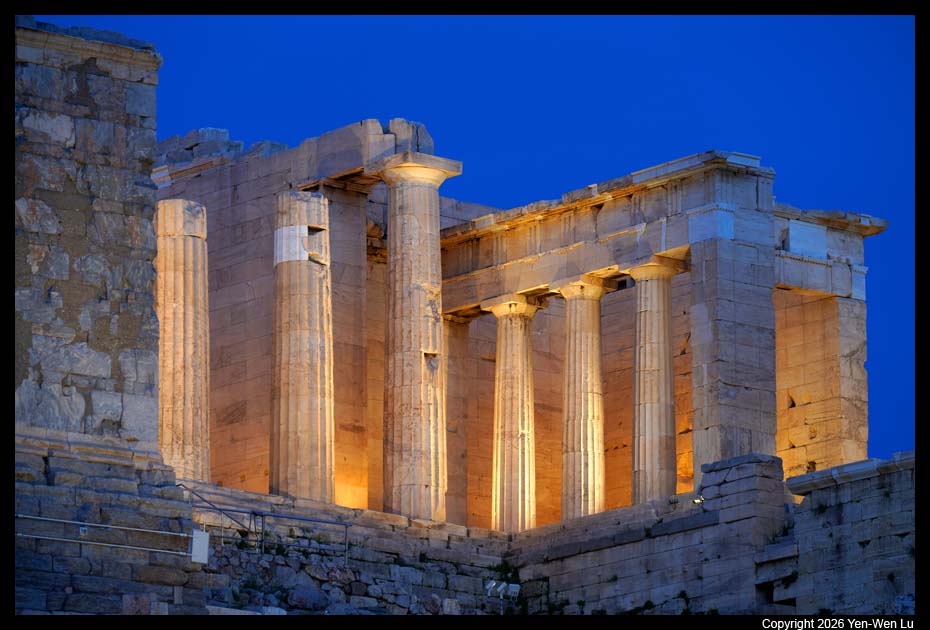
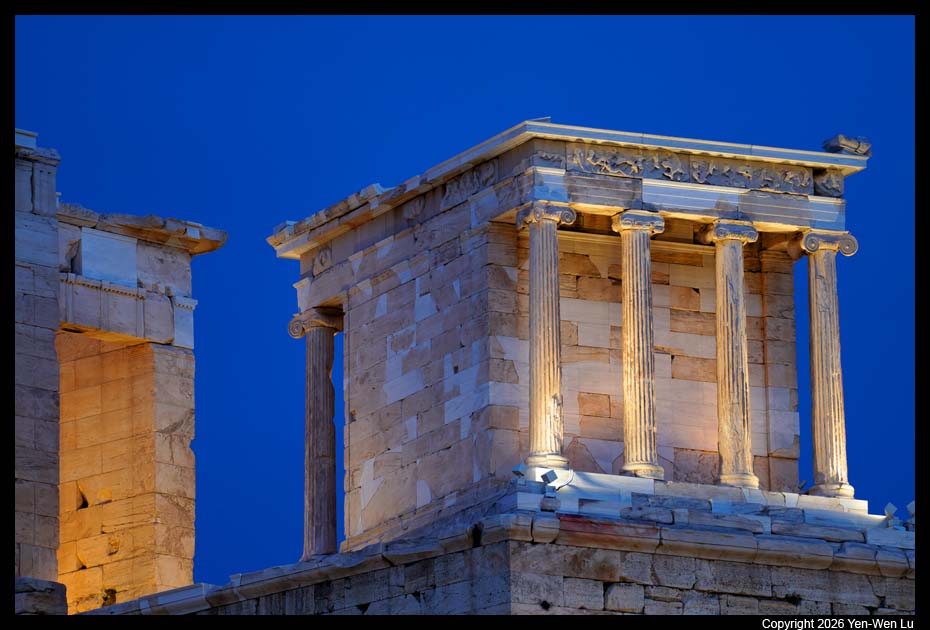
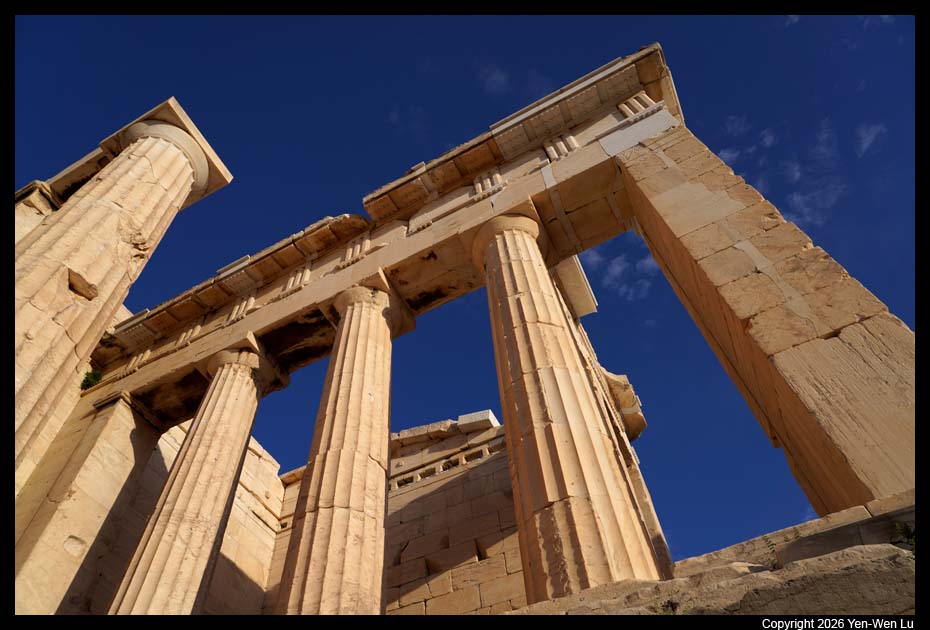
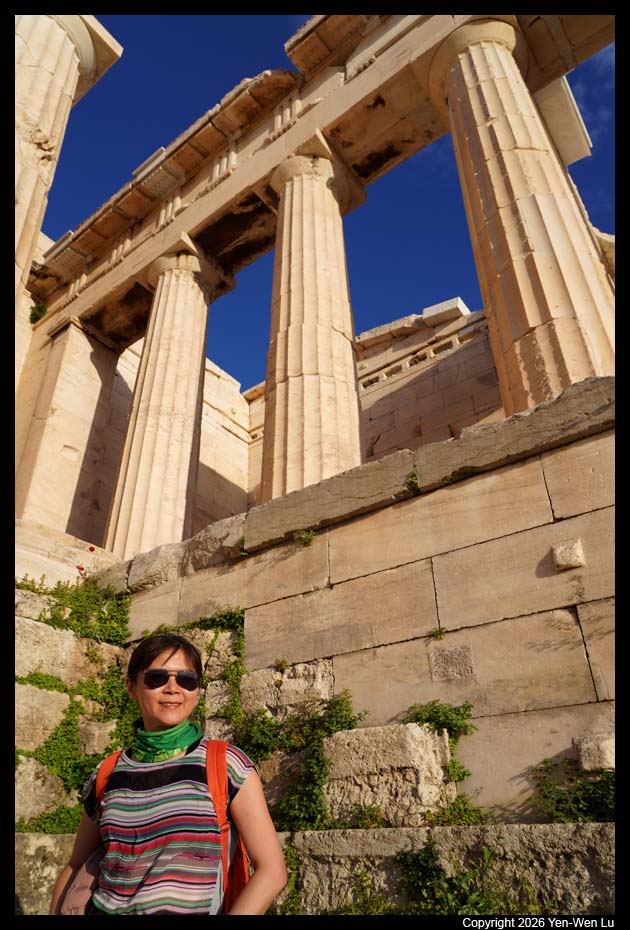
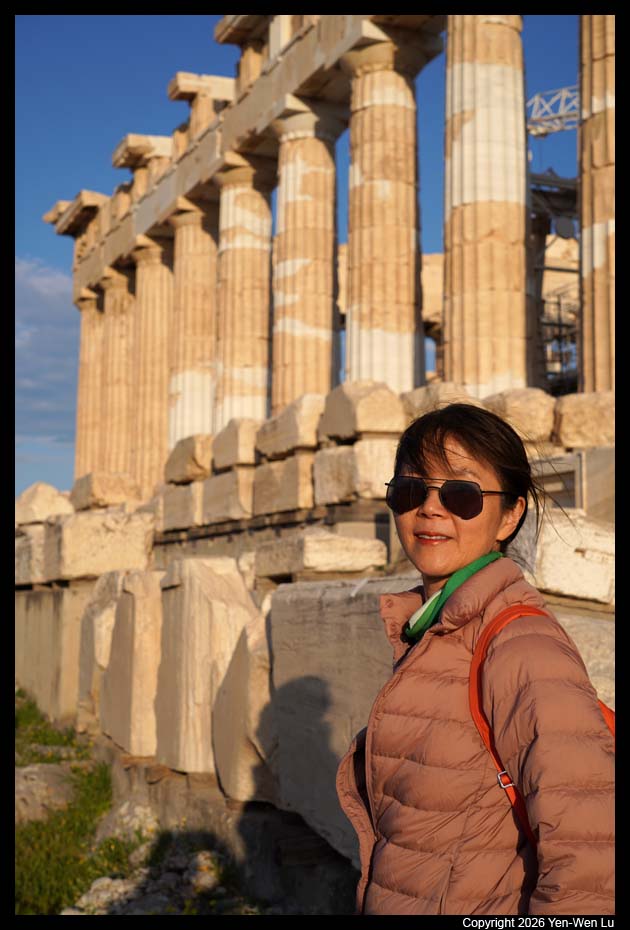
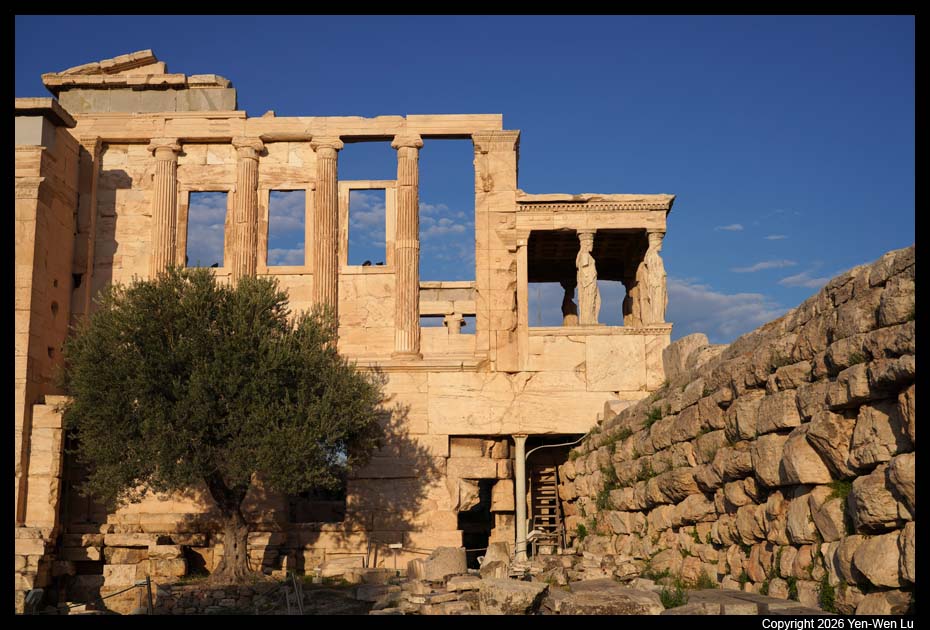
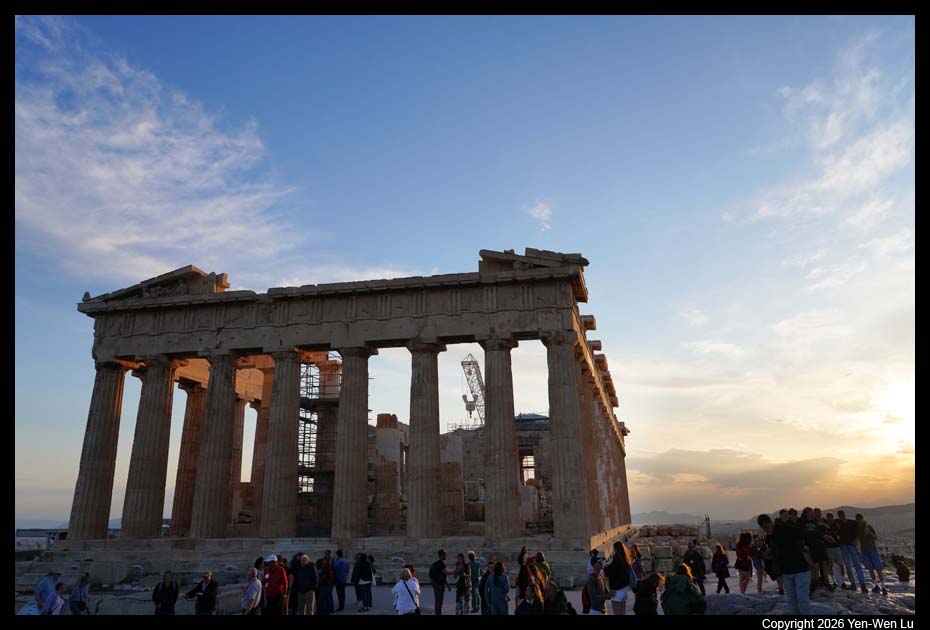
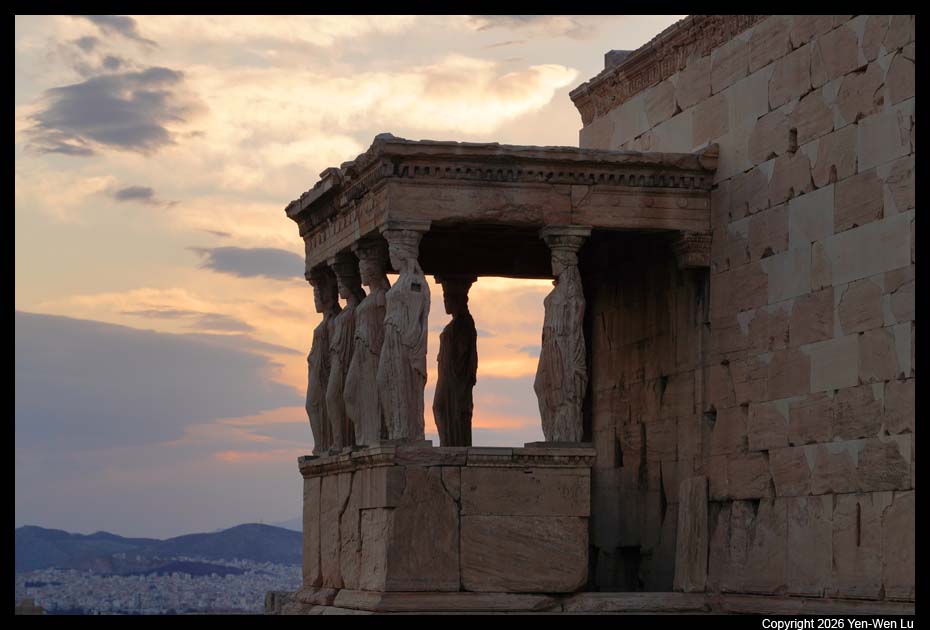
It was Pericles (c. 495–429 BC) in the fifth century BC
who coordinated the construction of the buildings whose present remains are the
site's most important ones, including the Parthenon, the Propylaea, the
Erechtheion and the Temple of Athena Nike. The Parthenon and the other
buildings were seriously damaged during the 1687 siege by the Venetians during
the Morean War when gunpowder being stored by the Turkish rulers in the
Parthenon was hit by a Venetian bombardment and exploded.
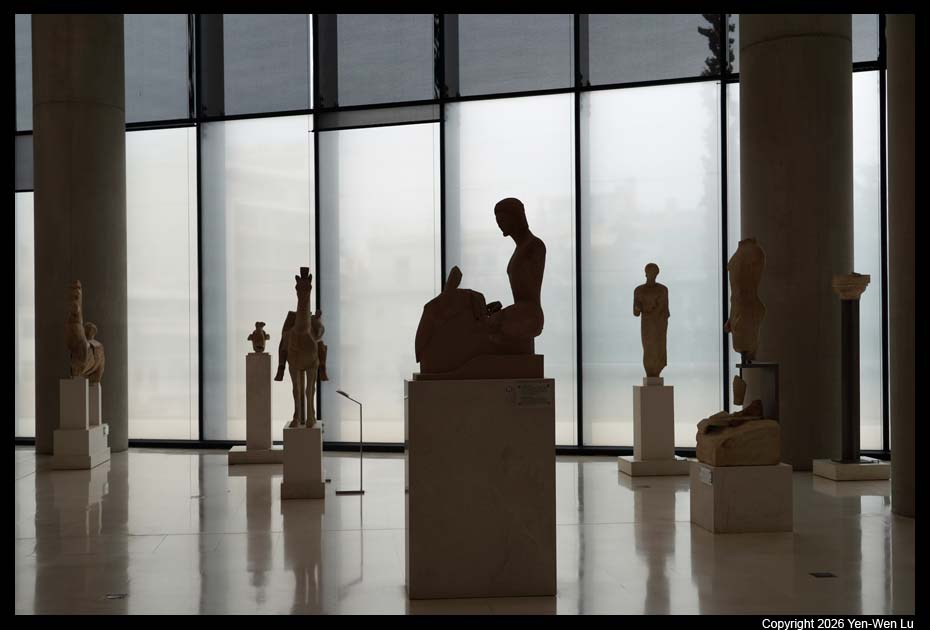
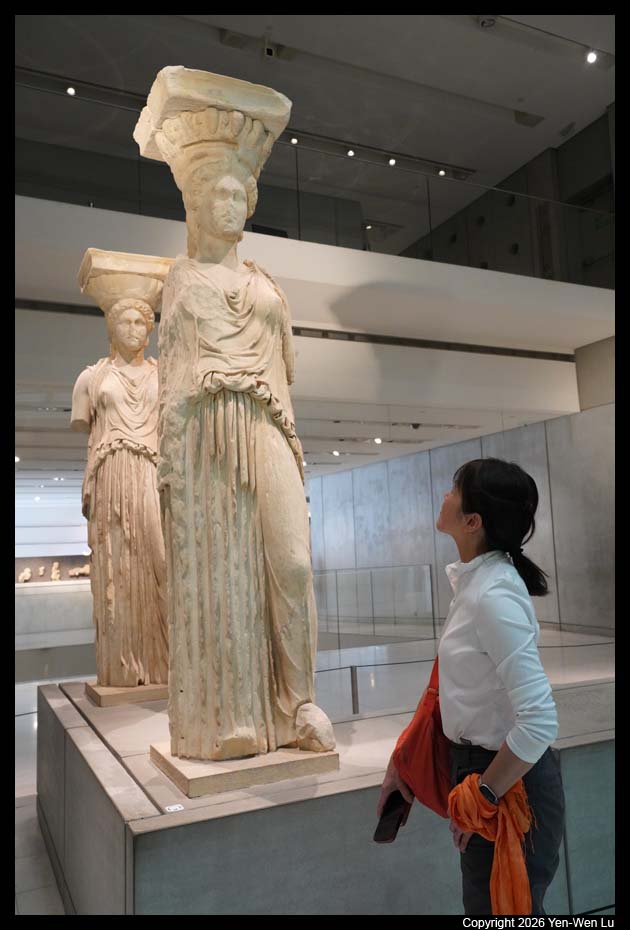
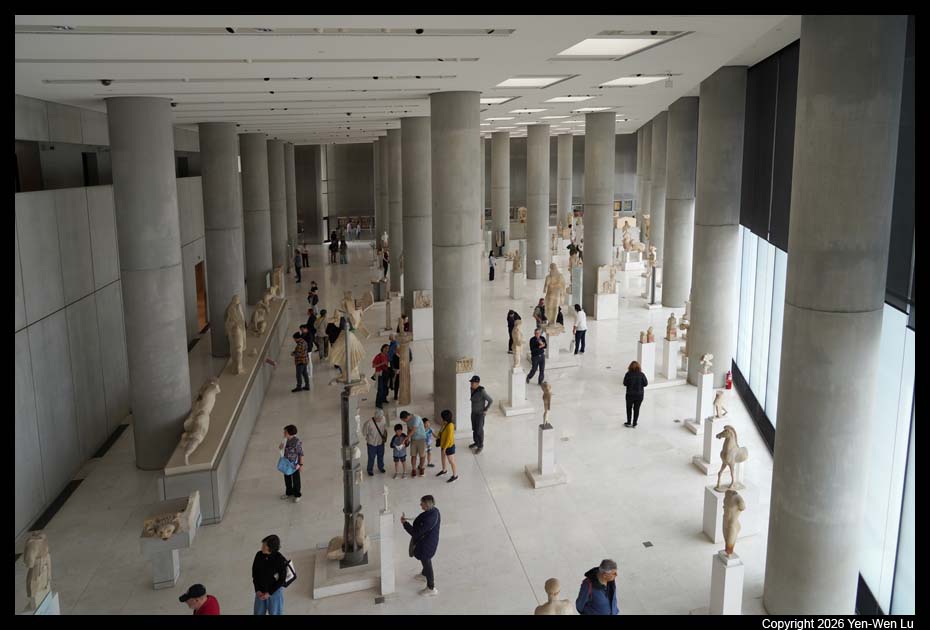
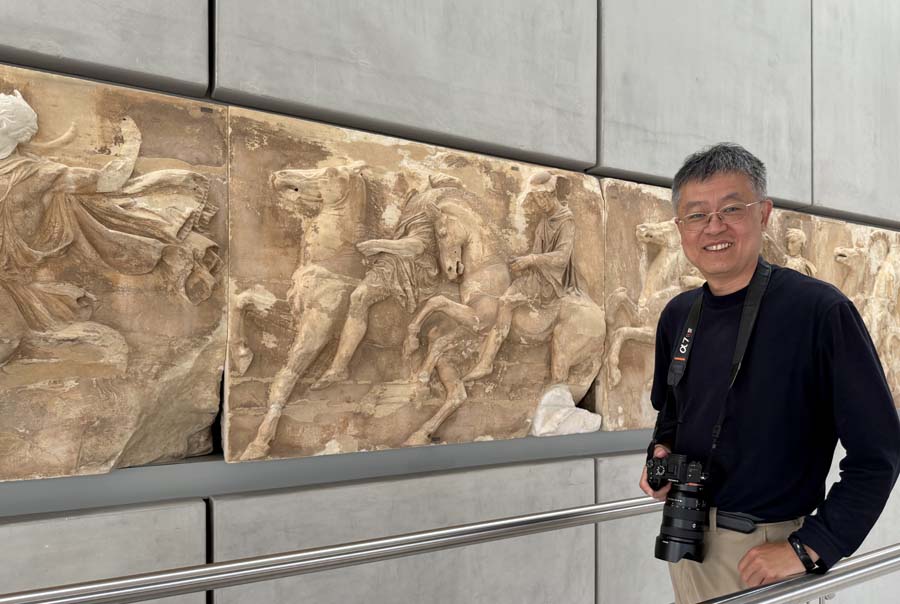
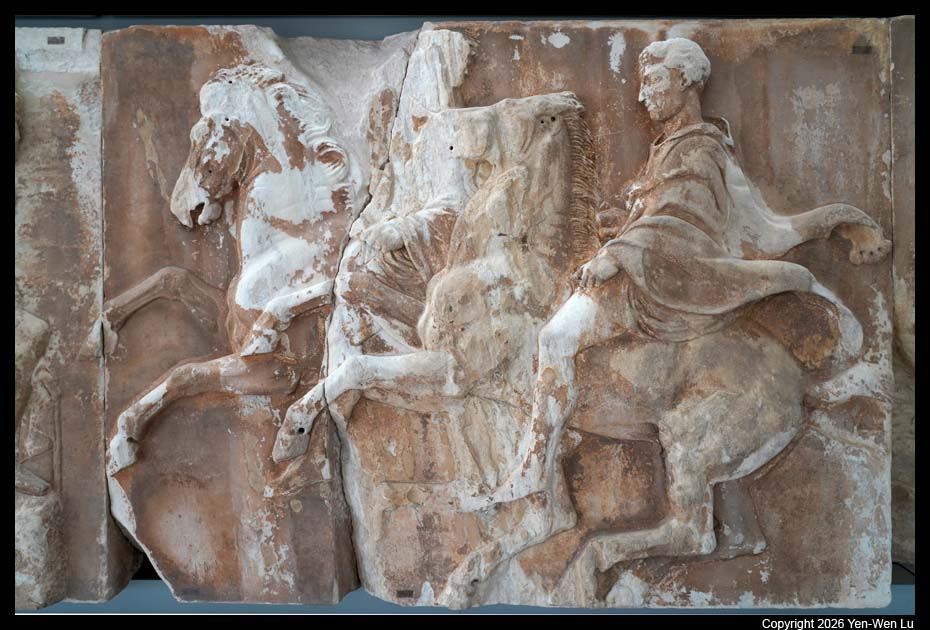
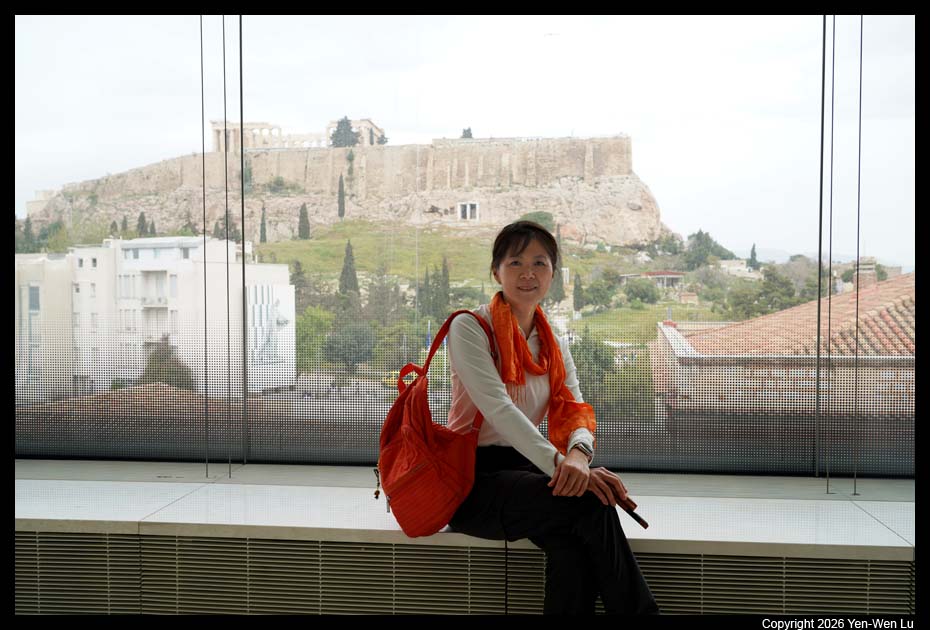
- Acropolis Museum
After spending about 2 hours at Acropolis, we exited
from its south slope entrance, and went to visit the Acropolis Museum.
Opened to the public on 20 June 2009, the Acropolis Museum focuses on the
findings of the archaeological site of the Acropolis of Athens. The museum
was built to house every artifact found on the rock and on the surrounding
slopes, from the Greek Bronze Age to Roman and Byzantine Greece. More
than 4,250 objects are exhibited over an area of 14,000 square meters.
-
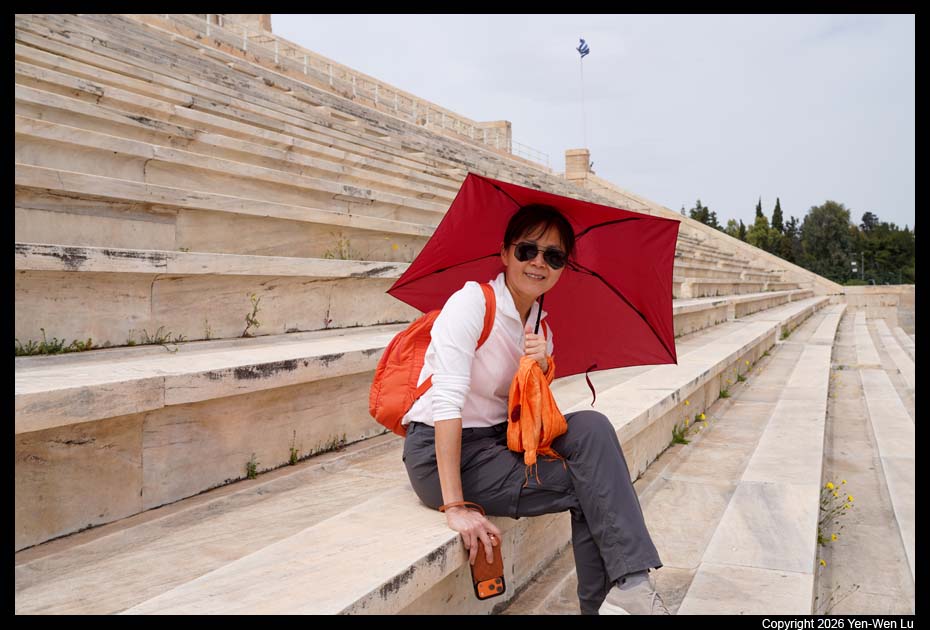
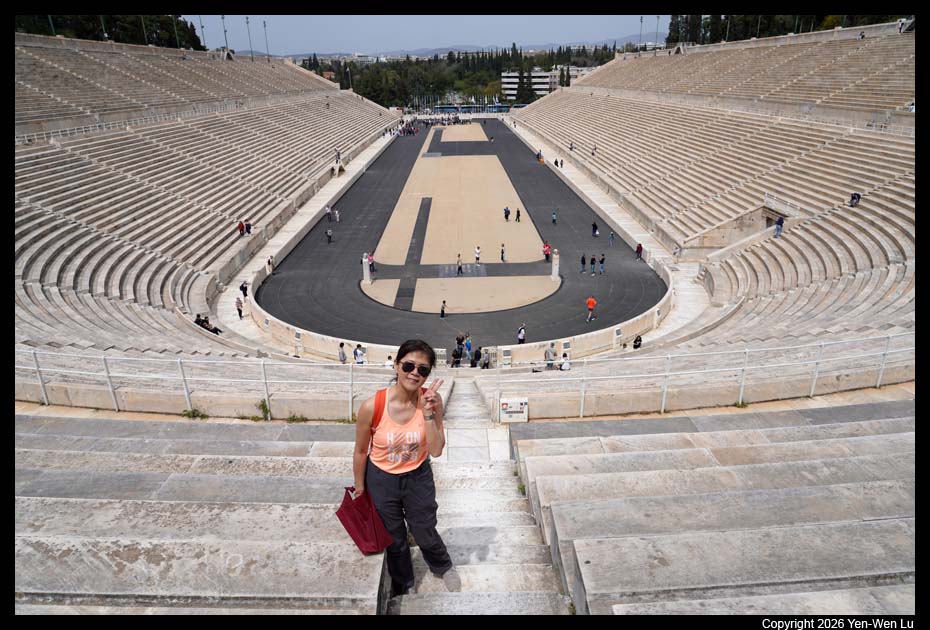
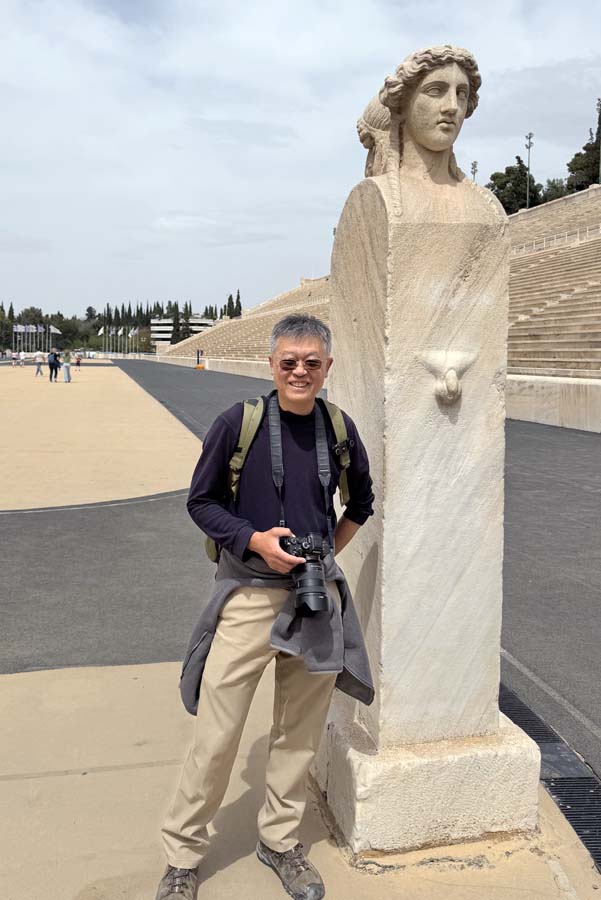
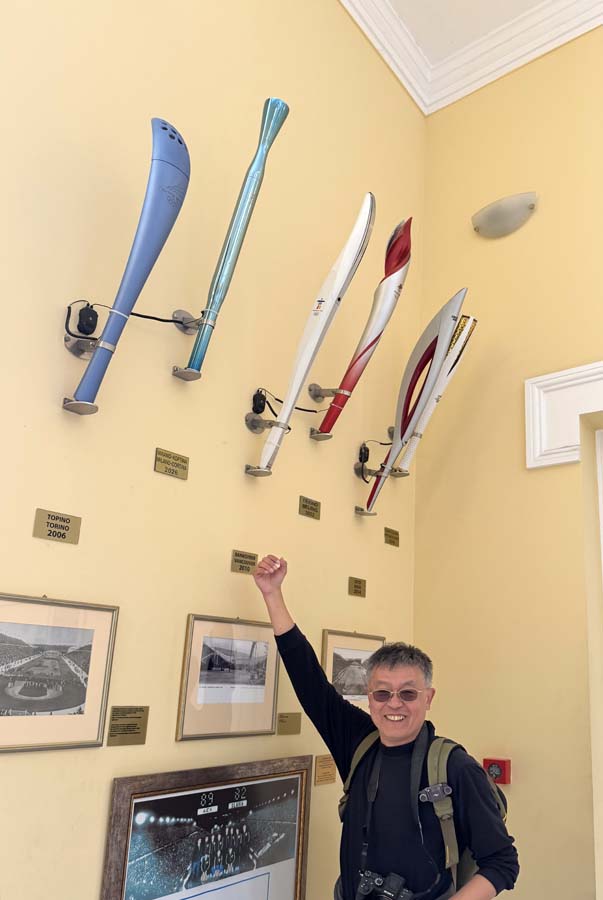
Panathenaic Stadium
After a gyro lunch and a
lukumades dessert, we
walked to the
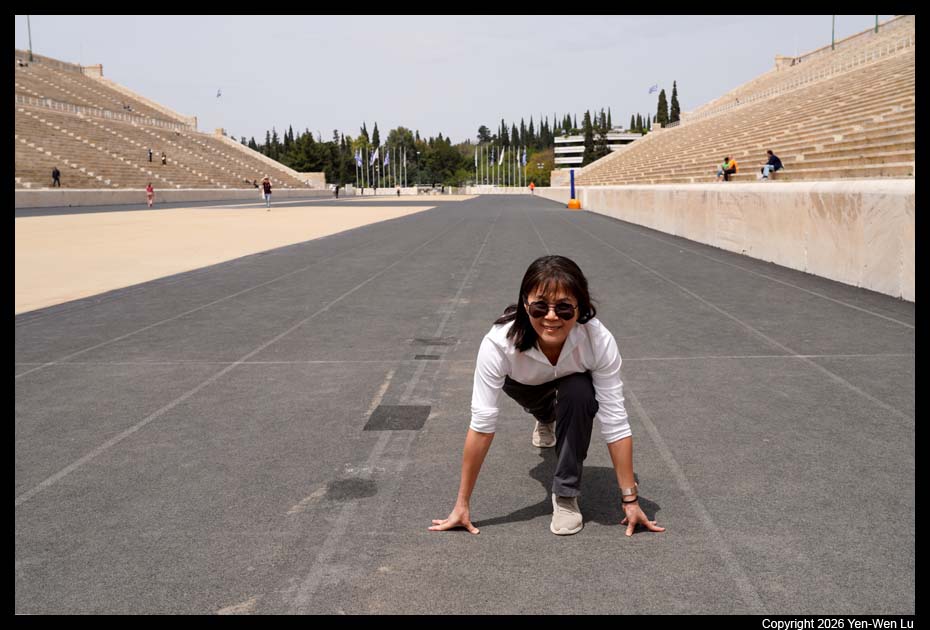
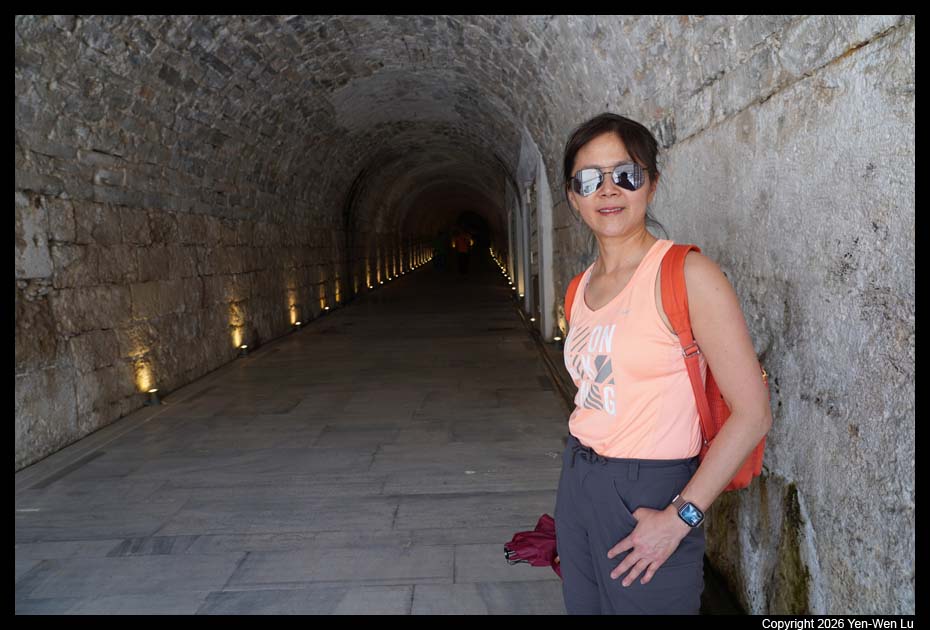
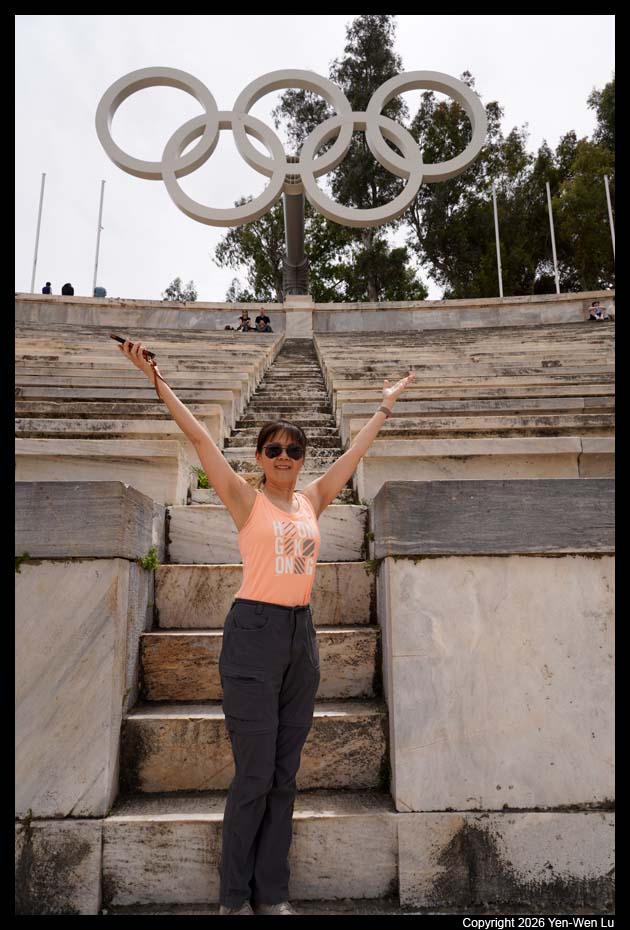
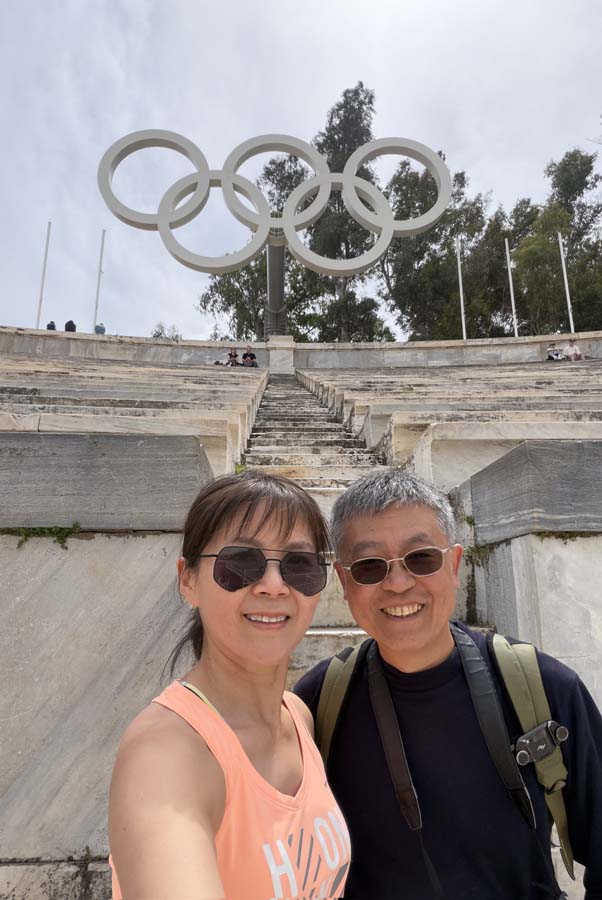
Panathenaic Stadium, a living symbol of the ancient and modern heritage of
sport and the Olympic Games. The stadium was originally built around
330 BC on the site of a racecourse. It was used to host the Panathenaic
games, a religious and athletic festival celebrated every four years to
honor the goddess Athena. The stadium was rebuilt in the mid-second
century AD by Herodes Atticus, a wealthy Greek-born Roman senator who built
a number of grand public buildings in Athens at the time. It is the only
stadium in the world made entirely of marble. The stadium would have been
able to accommodate around 50,000 people. Abandoned after the
rise of Christianity in the 4th century, it was not until the late 19th
century that the stadium was excavated and subsequently rebuilt to host the
reborn modern Olympics, the first modern Olympic games in 1896.
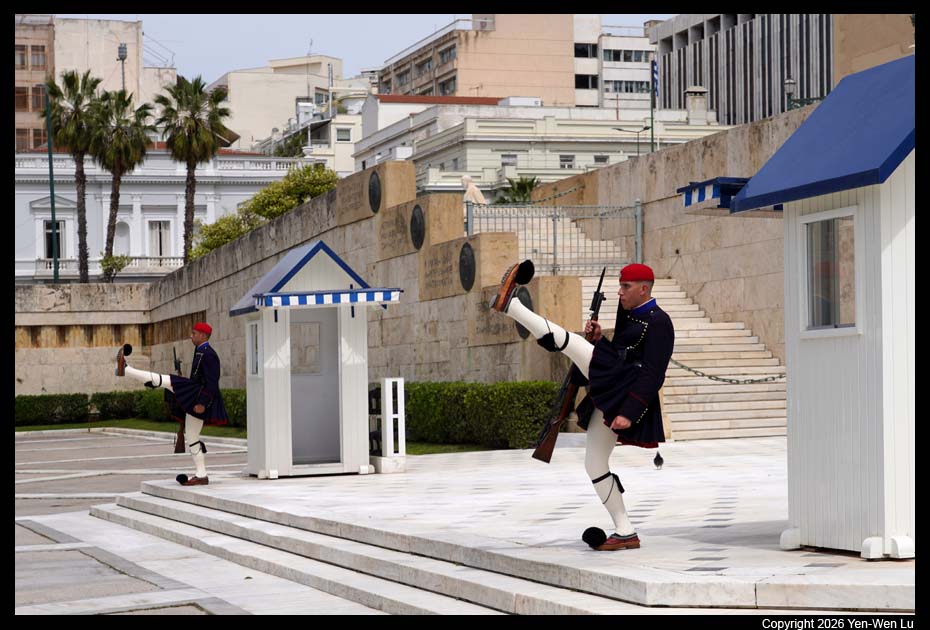
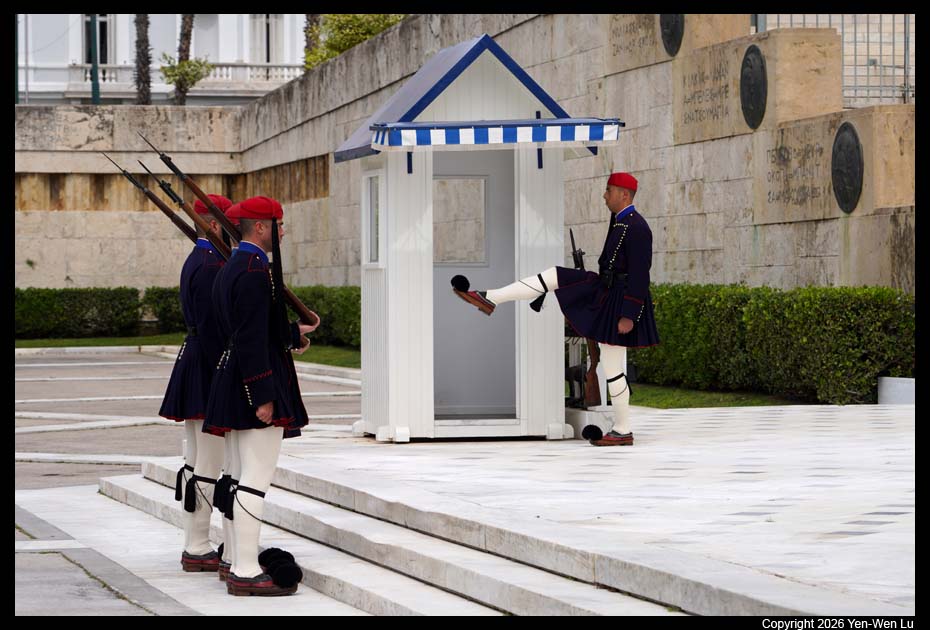
- Syntagma Square
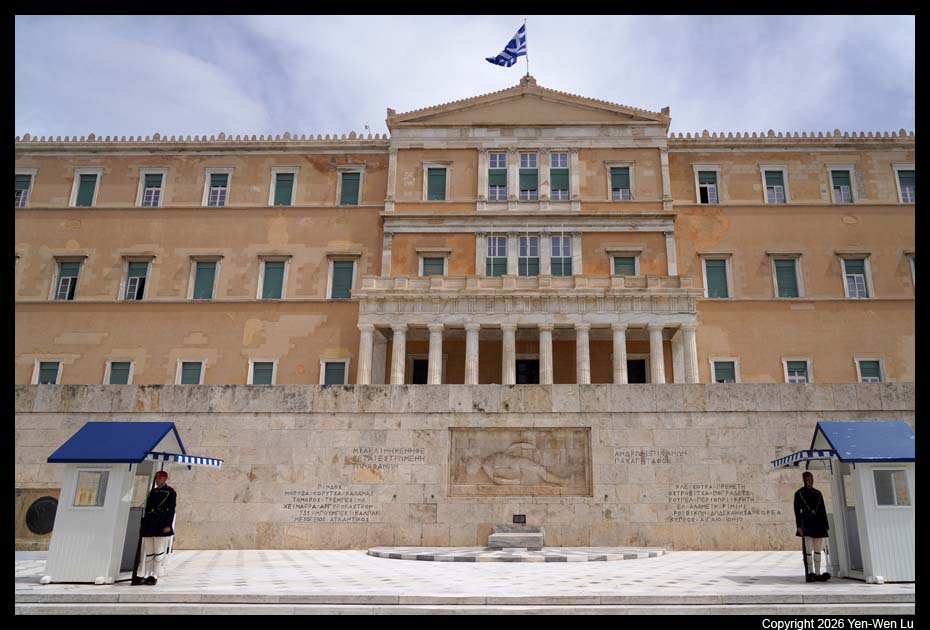
Syntagma Square (Constitution Square) is the vibrant,
historical heart of modern Athens, located directly facing the Greek
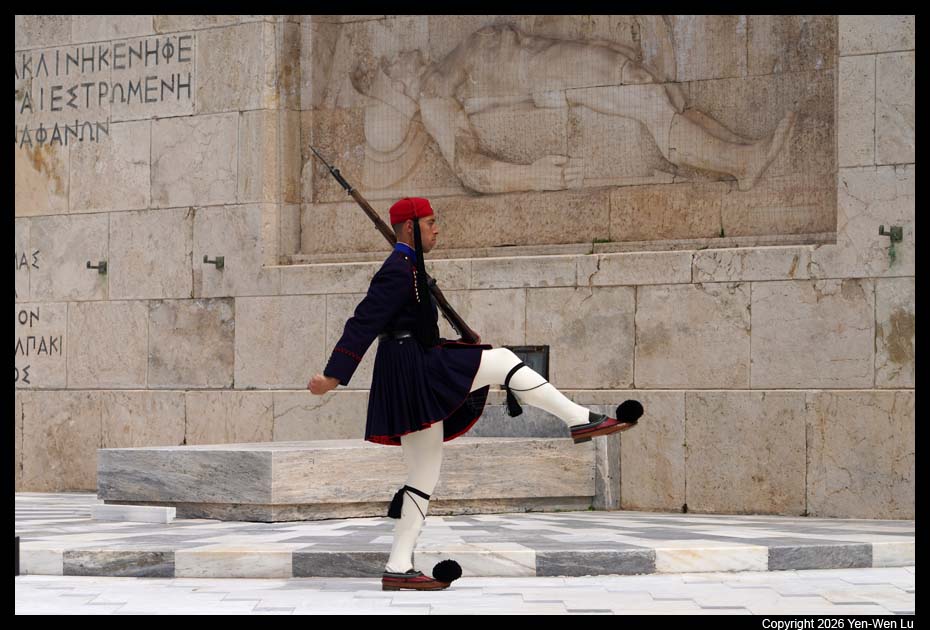
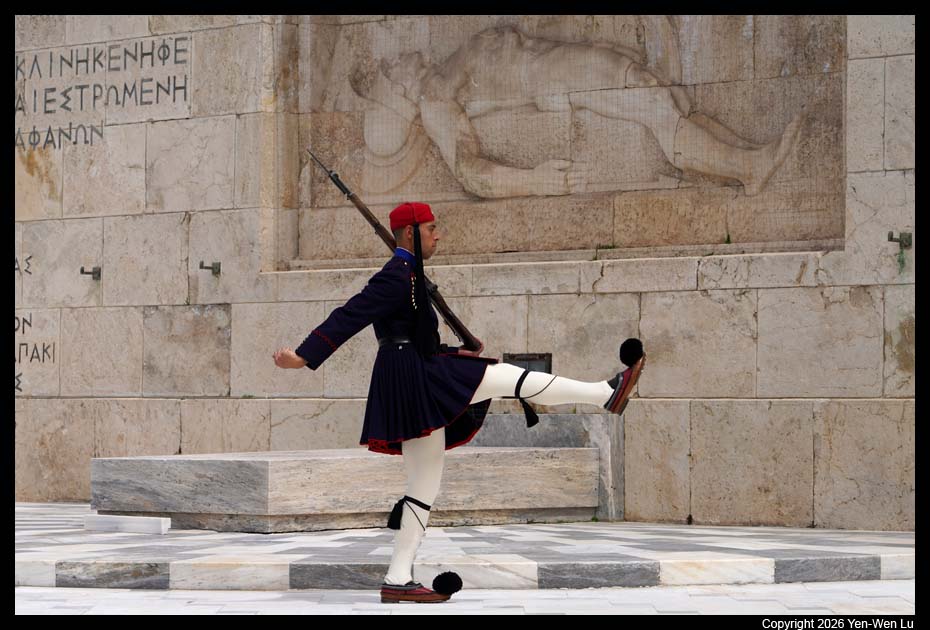
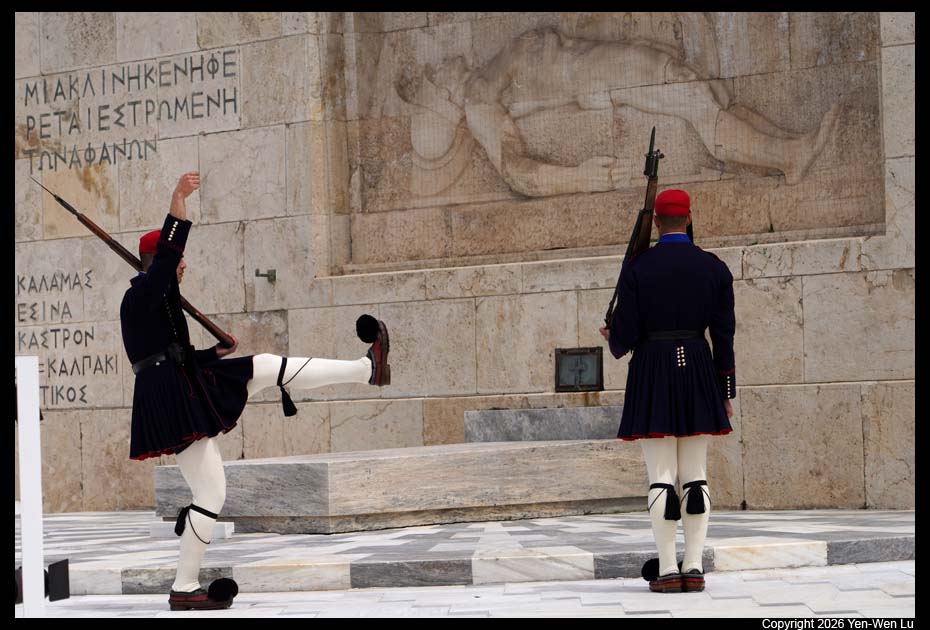
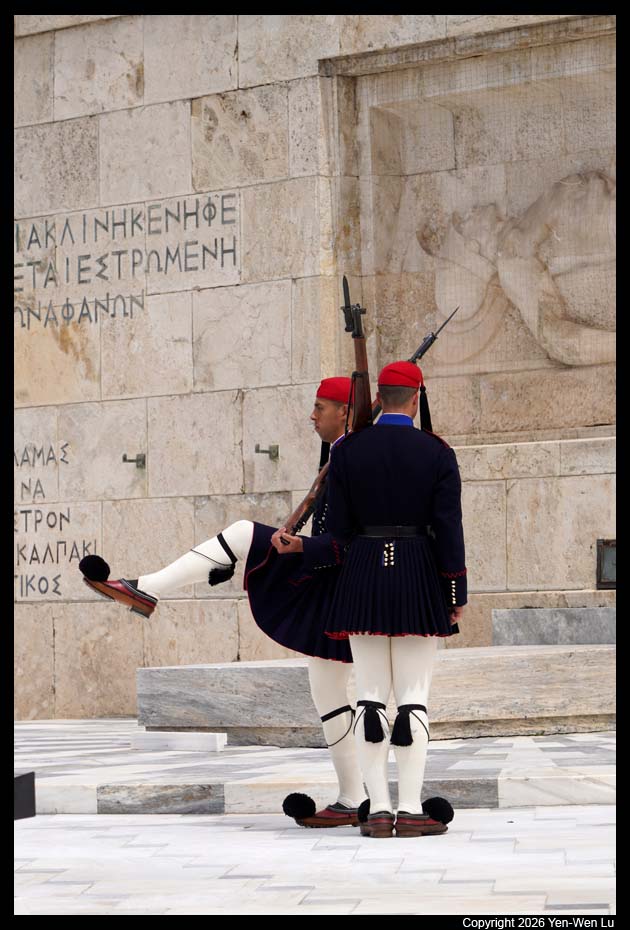
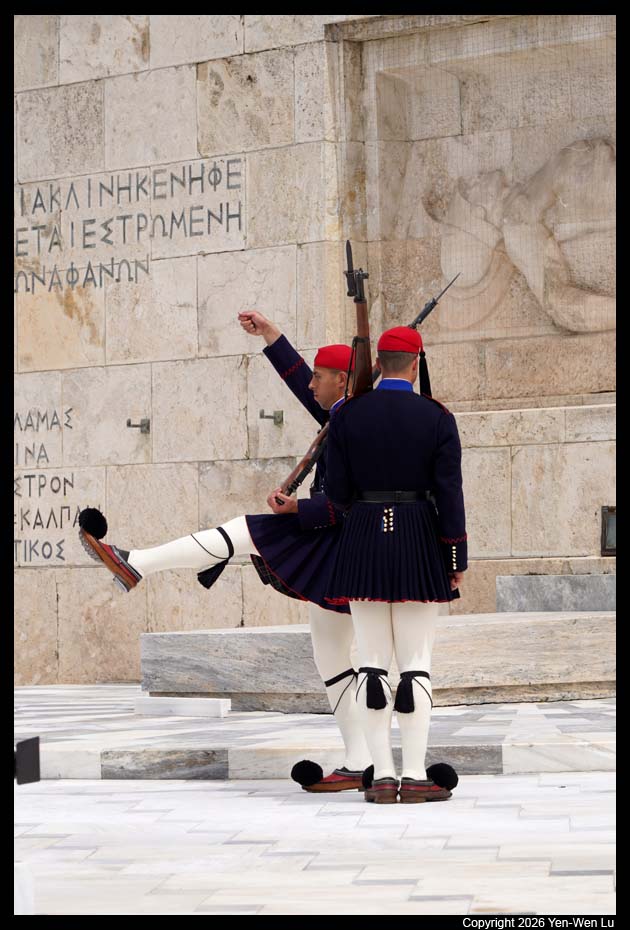
Parliament and the Tomb of the Unknown Soldier. The Changing of
the Guard in Syntagma Square is a famous tourist attraction; it's a
10-minute event happens daily every hour on the hour. There is a grand
ceremony on every Sunday at 11AM, but we won't be able to see it in person.
It's interesting to see the soldiers (Evzones) wear traditional uniforms
(foustanella) and perform a highly choreographed, slow-motion, and
synchronized routine (video,
video). The ceremony is a
symbolic, solemn display to honor fallen soldiers, a tradition that has
continued for over 150 years.
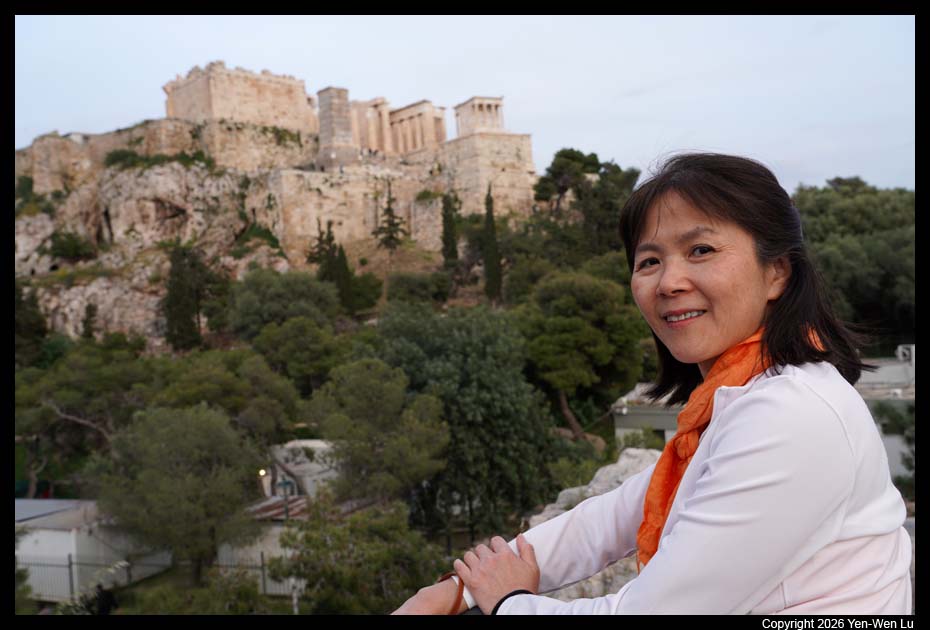
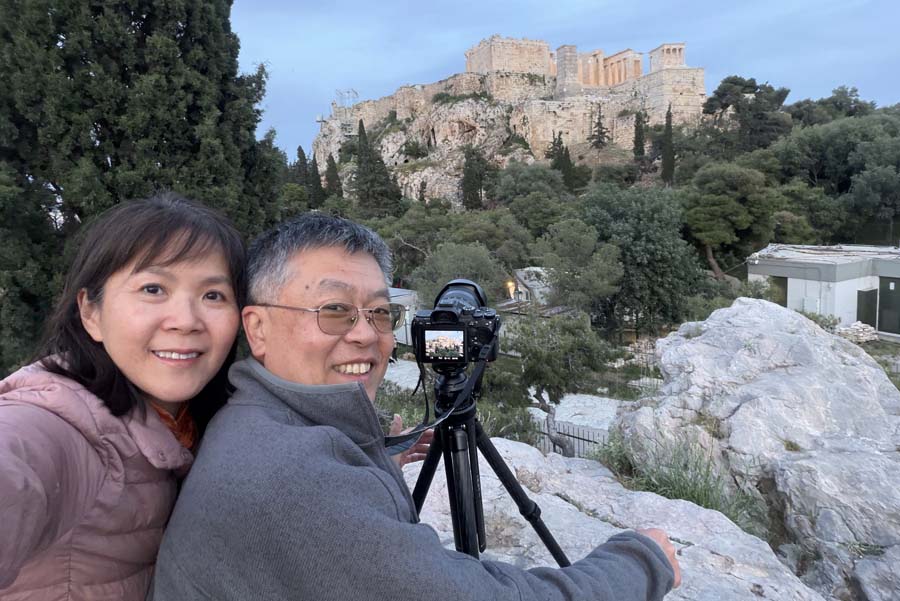
- Areopgus Hill
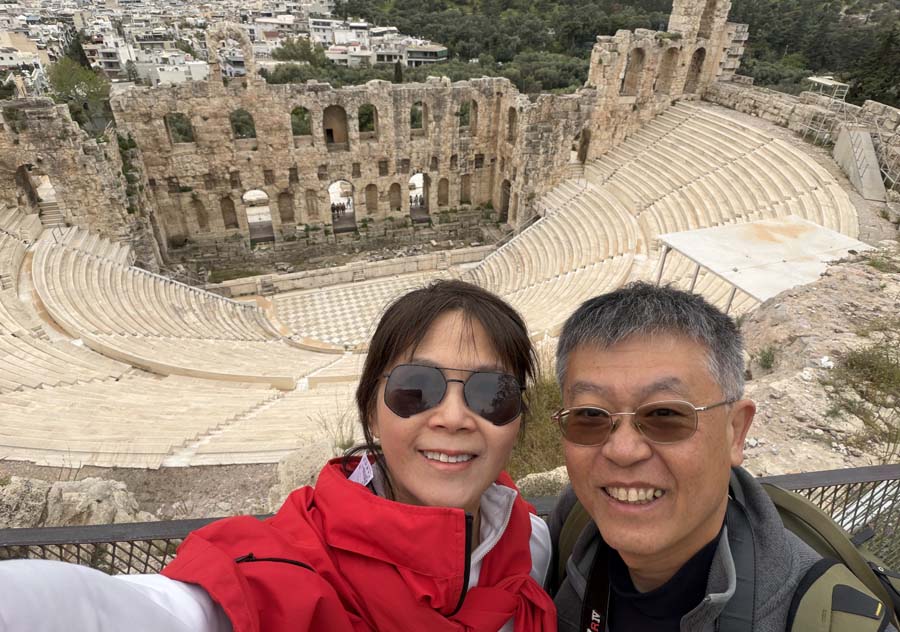
After dinner we went to Areopgus Hill, the rocky hill
located on the northwestern side of the Acropolis. It is a popular
place to see sunset (too cloudy to see sunset today) and offers a unique
close view of the Acropolis.
Day 15 (4/18) ...
When I started to plan this Greece trip, I found all the archaeological sites
in Greece are free on 4/18 because it is International Monuments Day, and I
planned to make the best use of this opportunity :-)
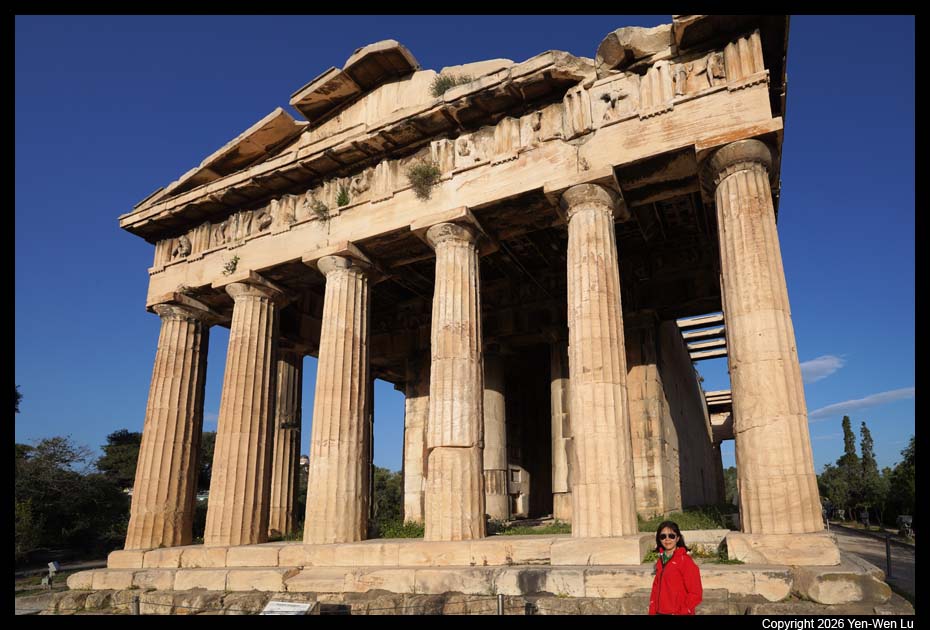
- Ancient Agora of Athens
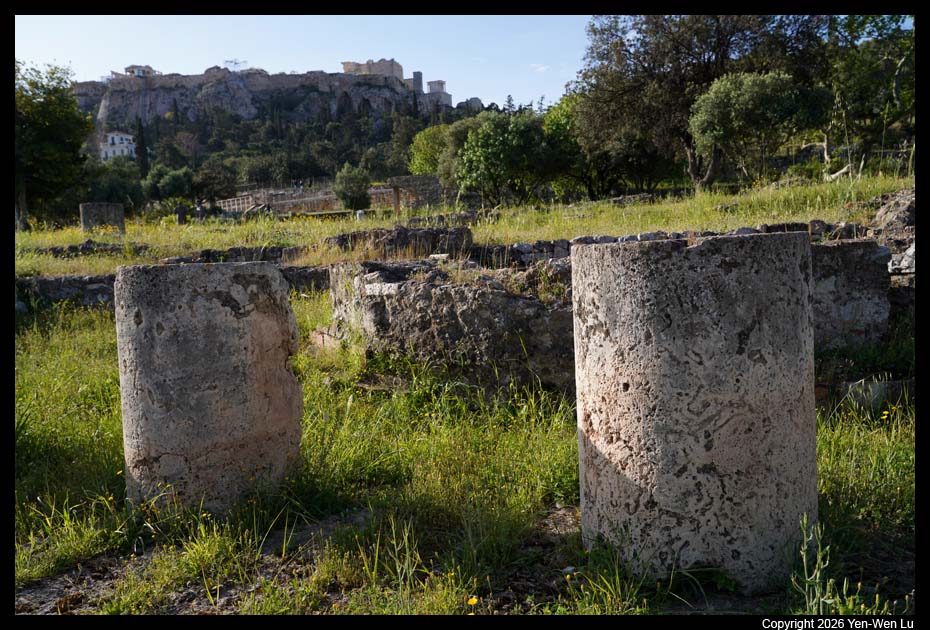
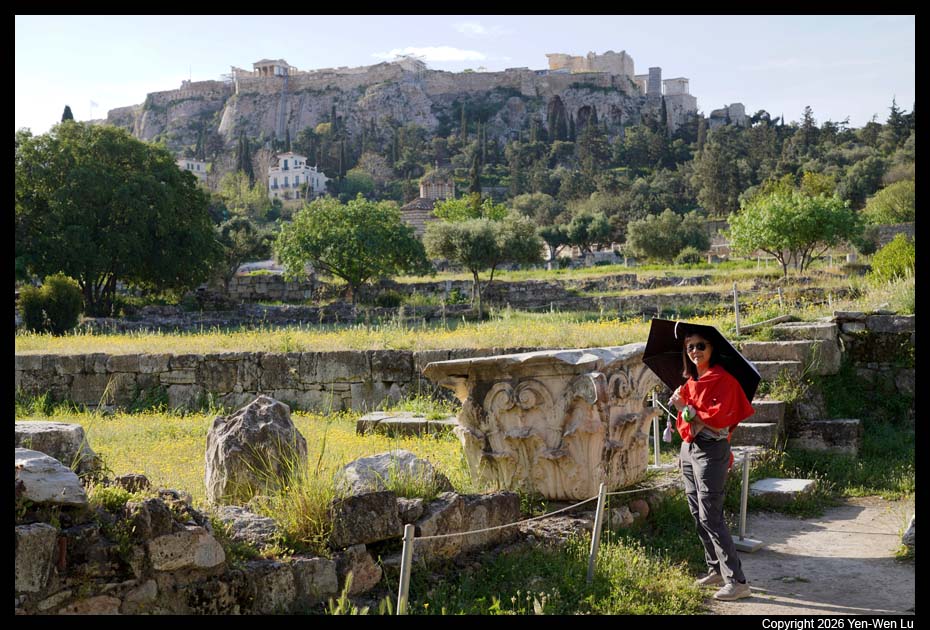
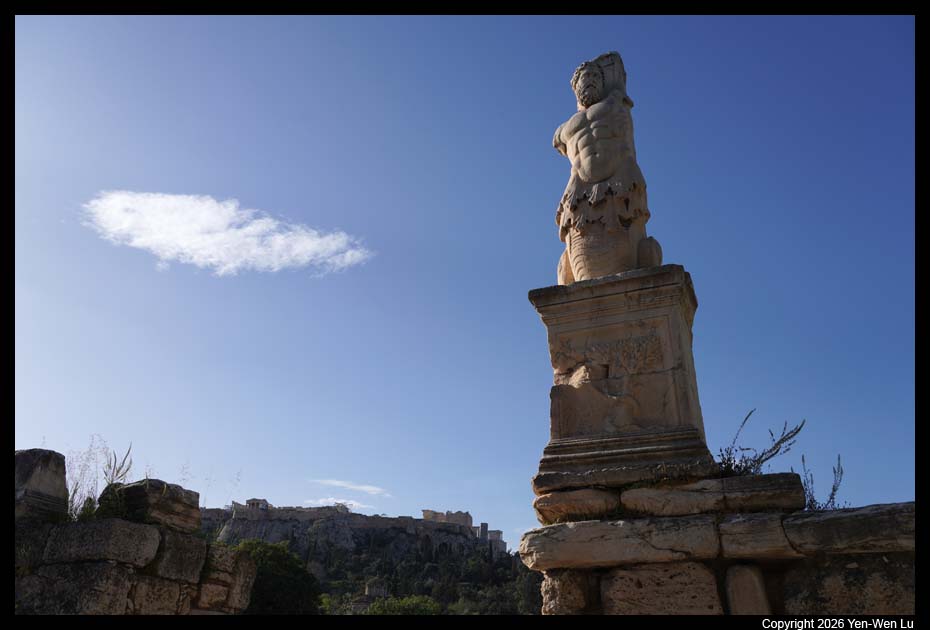
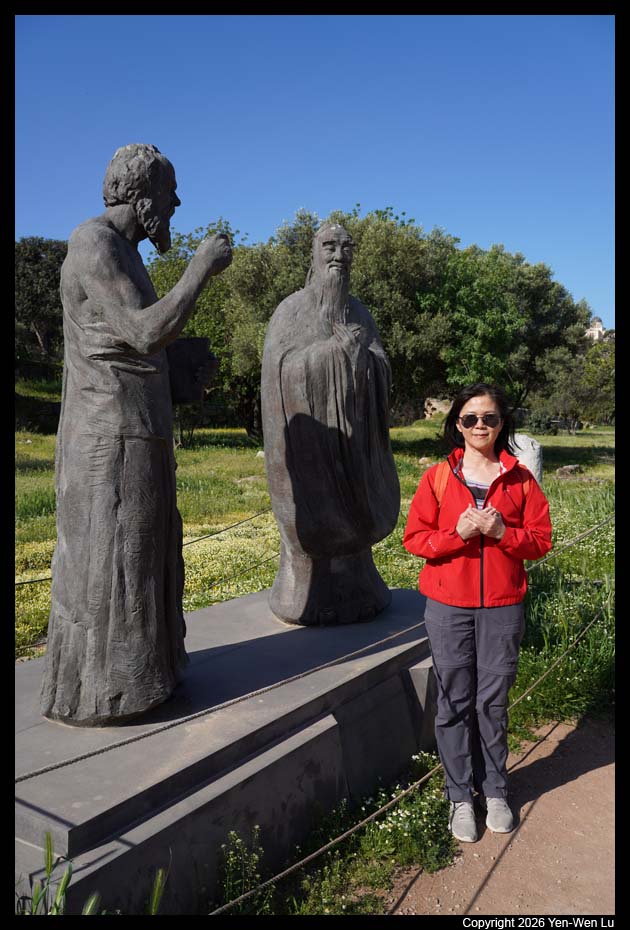
The Ancient Agora of Athens was the bustling
heart of the ancient city, serving as its primary marketplace, political
assembly, and social hub for over 5,000 years. Located northwest of the
Acropolis, it is famously known as the birthplace of democracy and the site
where great philosophers like Socrates, Plato, and Aristotle once walked and
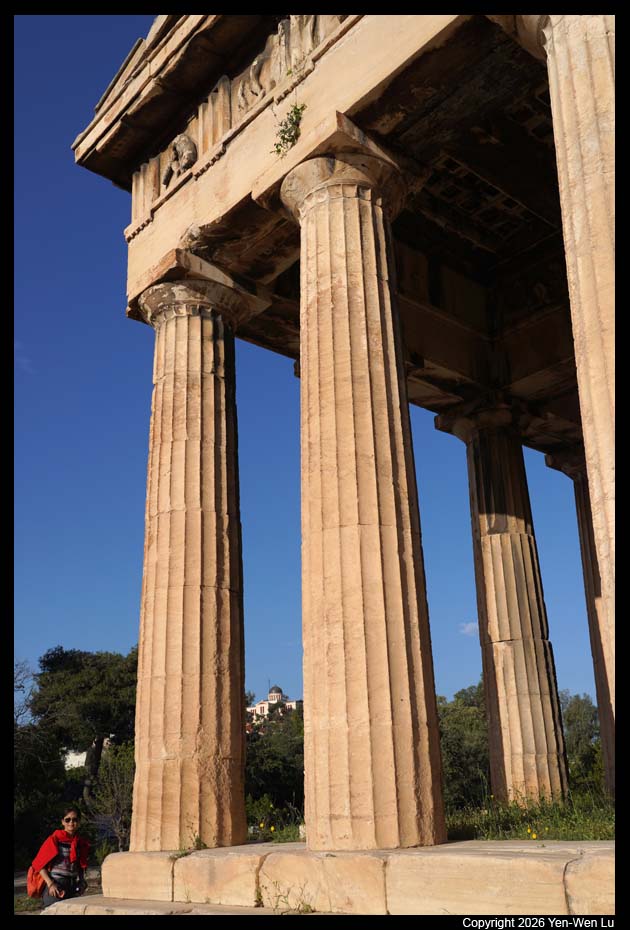
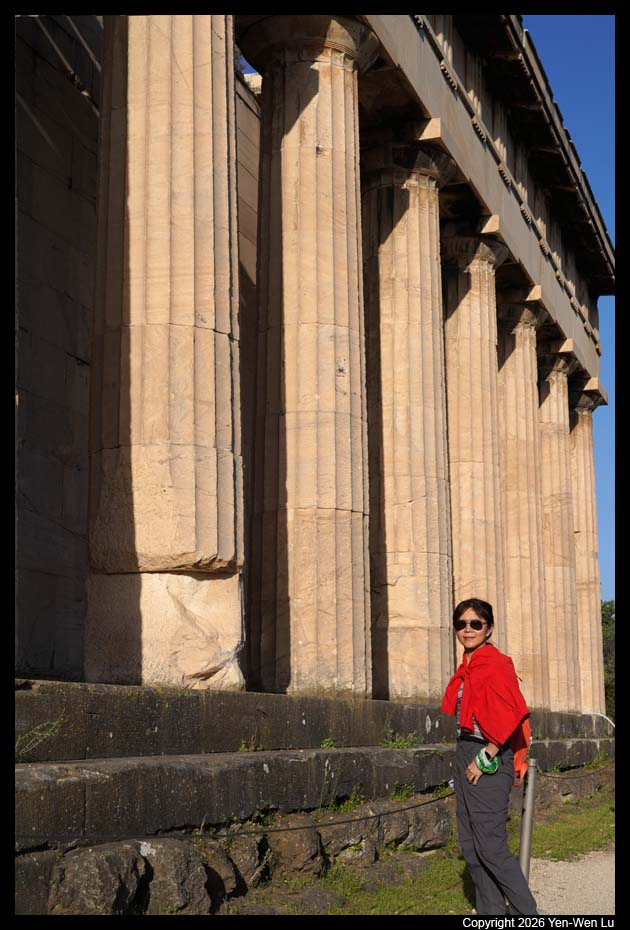
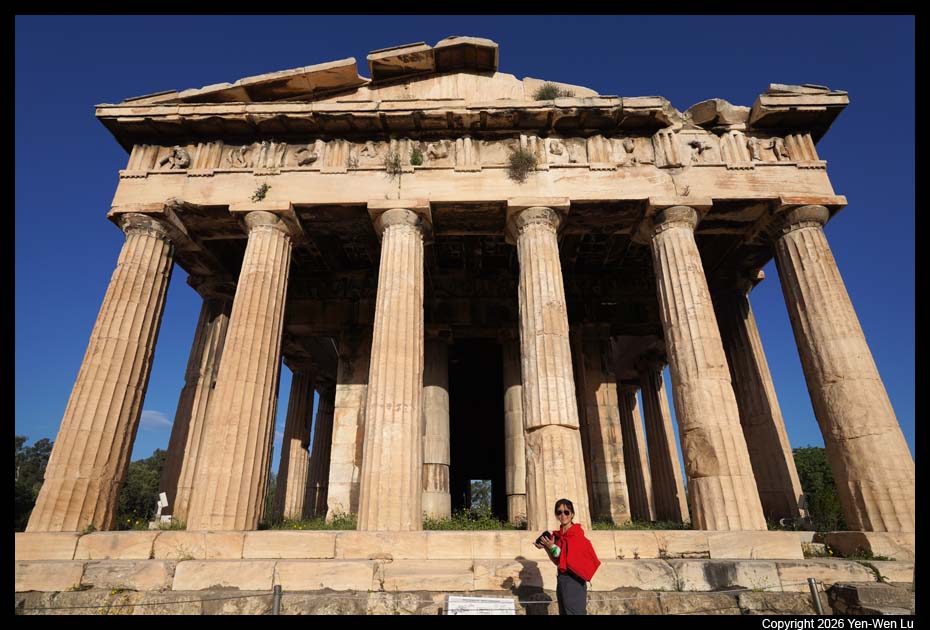
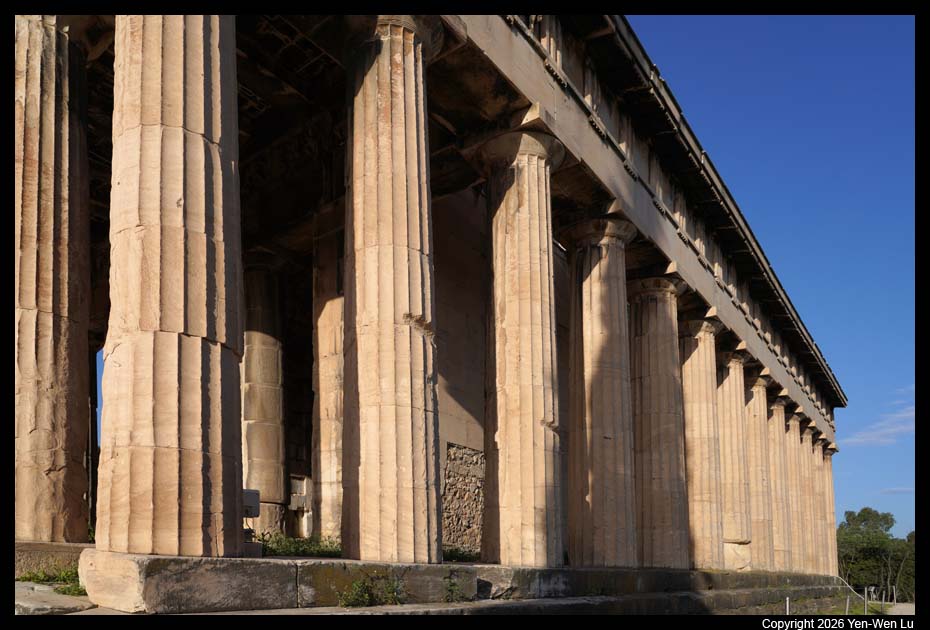
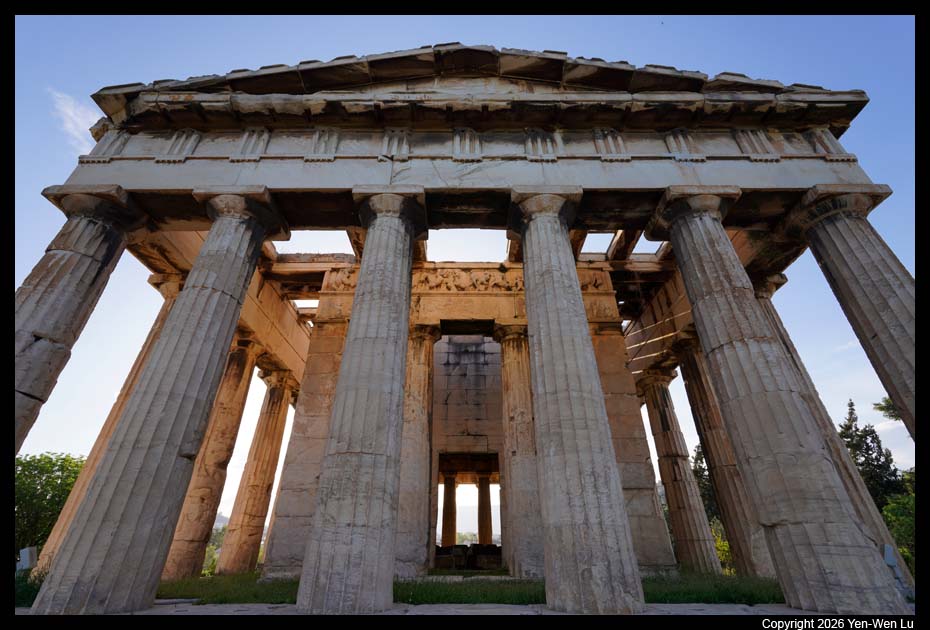
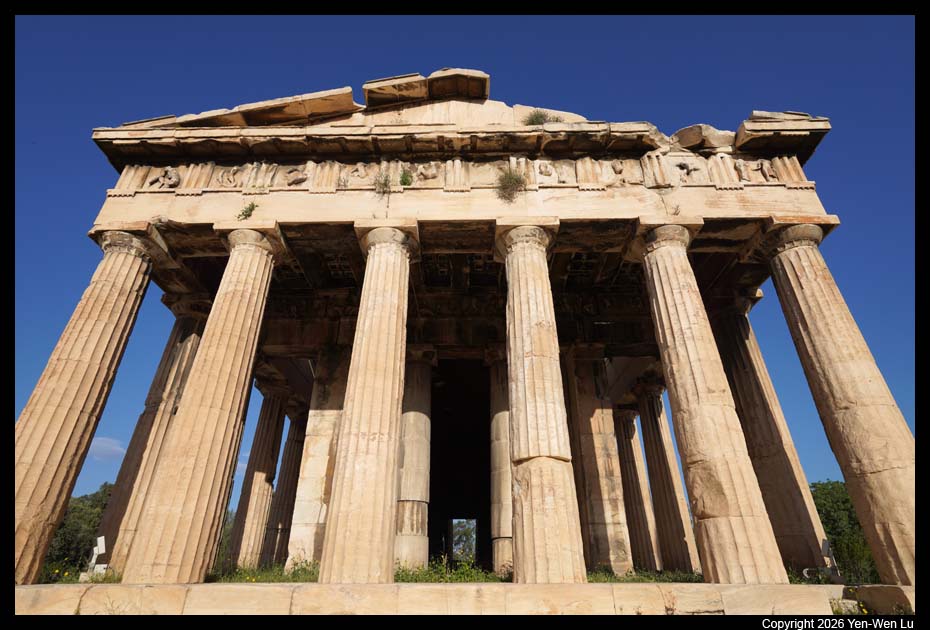
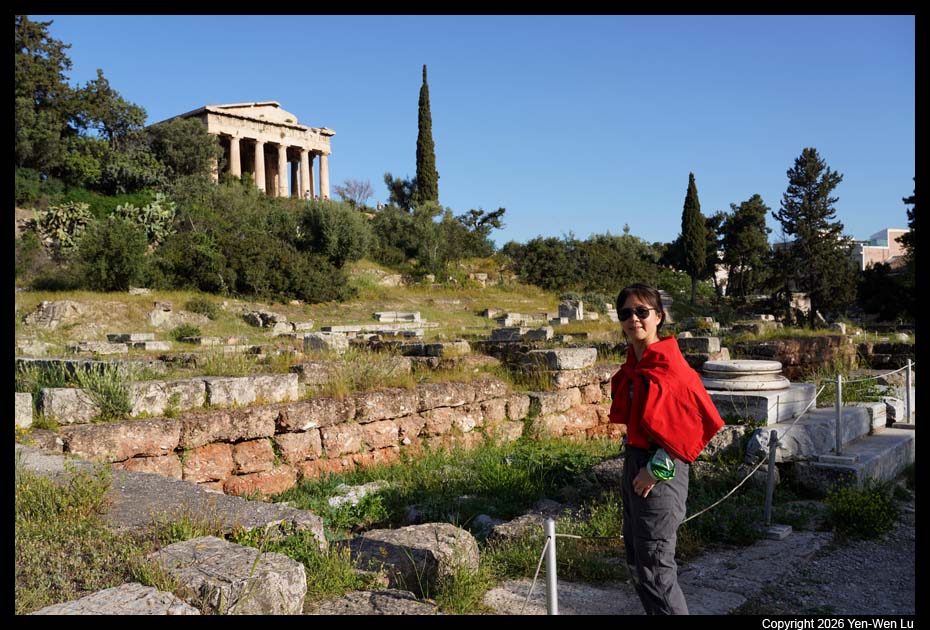
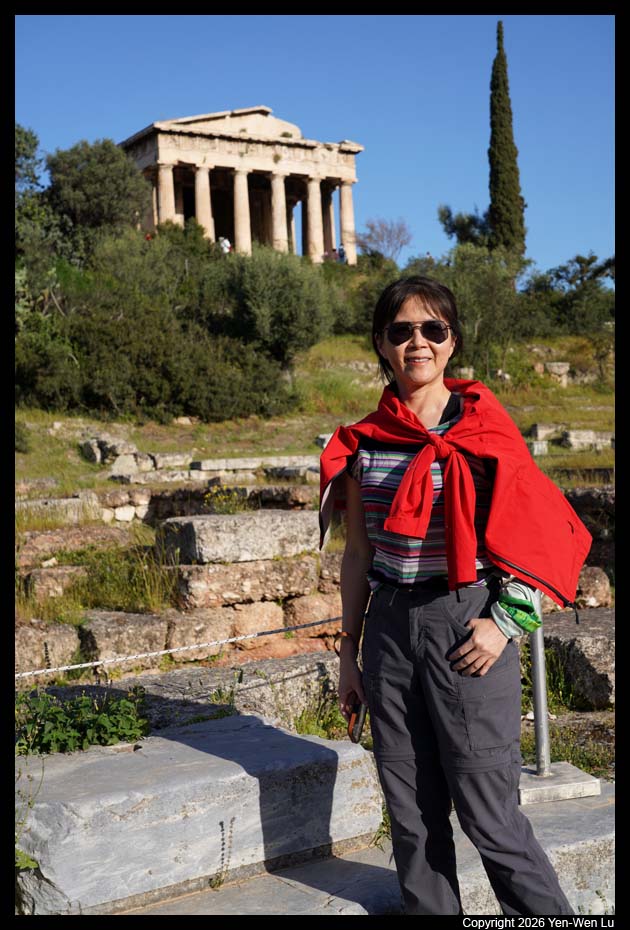
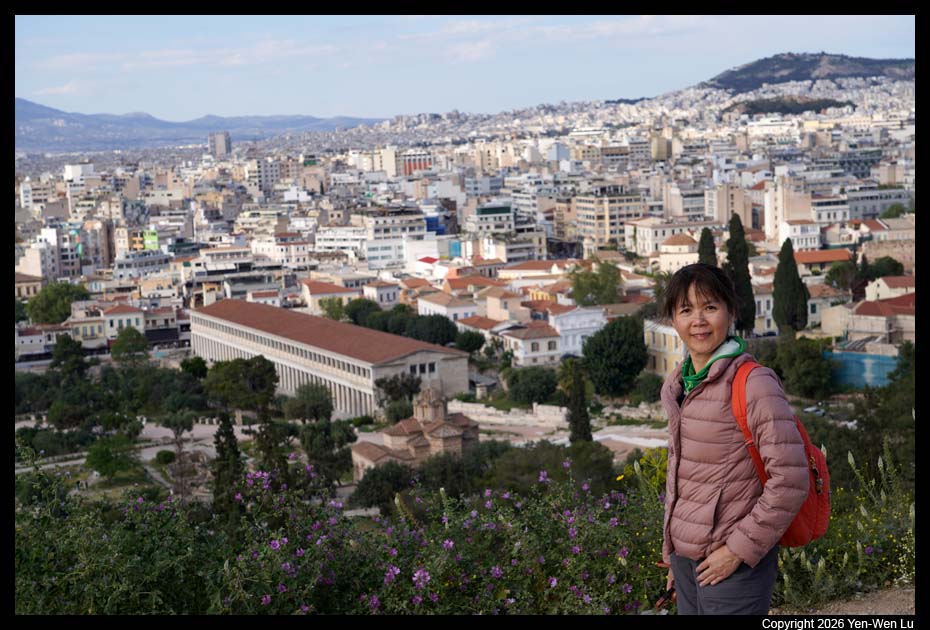
debated. The Temple of Hephaestus is a well-preserved Greek
temple dedicated to Hephaestus, the patron god of metal working and
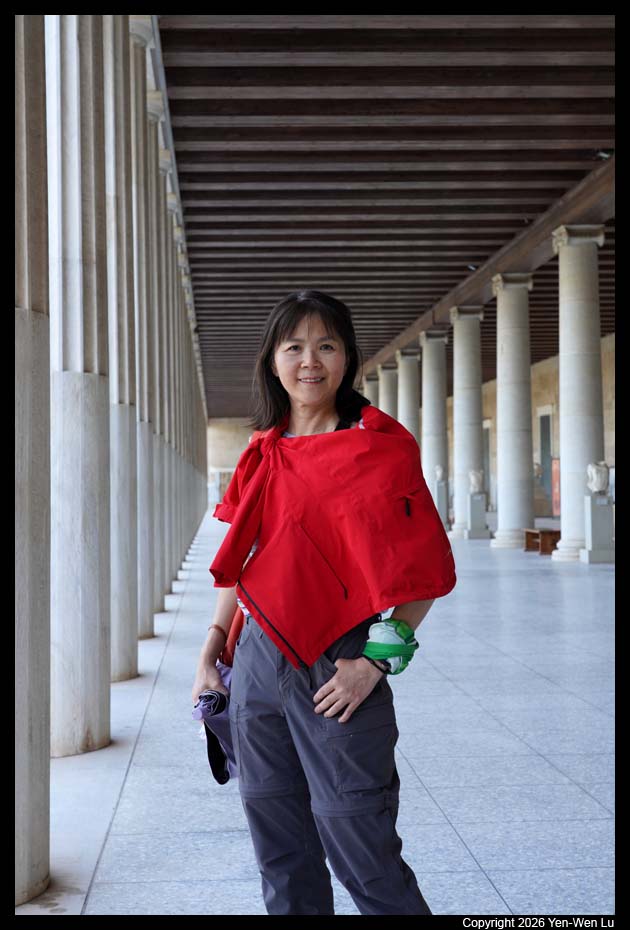
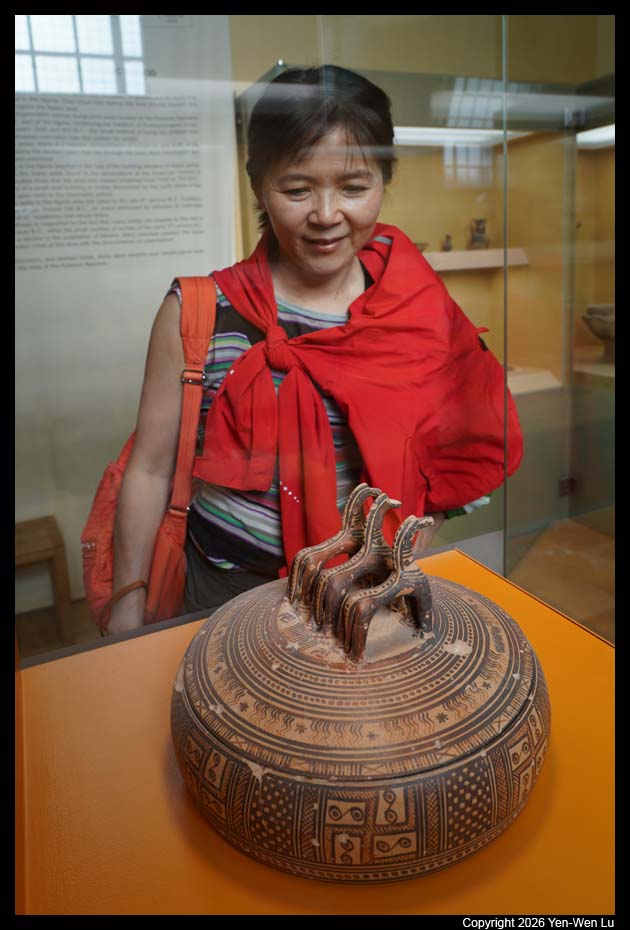
craftsmanship; it remains standing largely intact today. The Stoa of
Attalos is a fully reconstructed 2nd-century BC "shopping mall" that now
houses the Museum of the Ancient Agora.
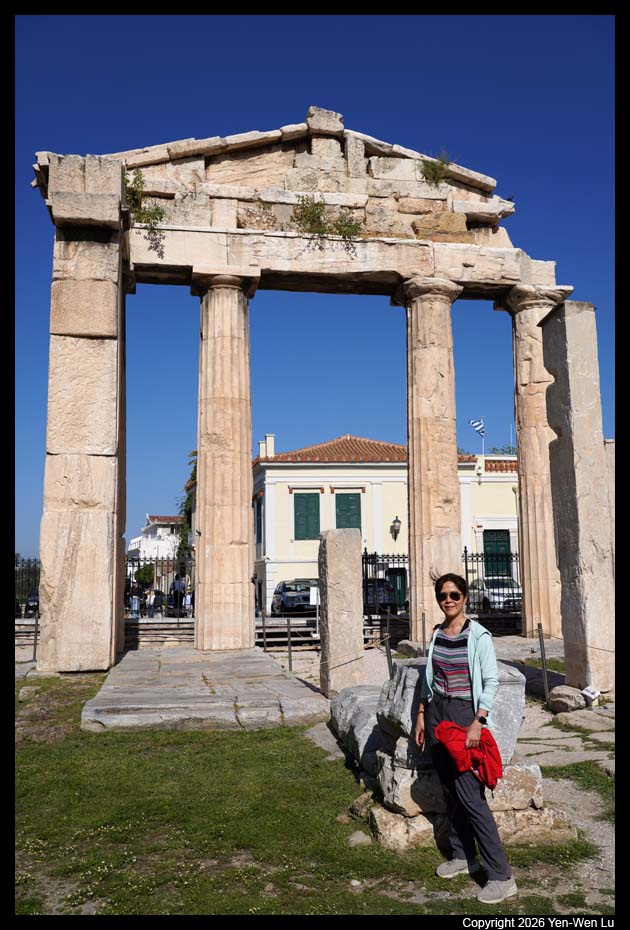
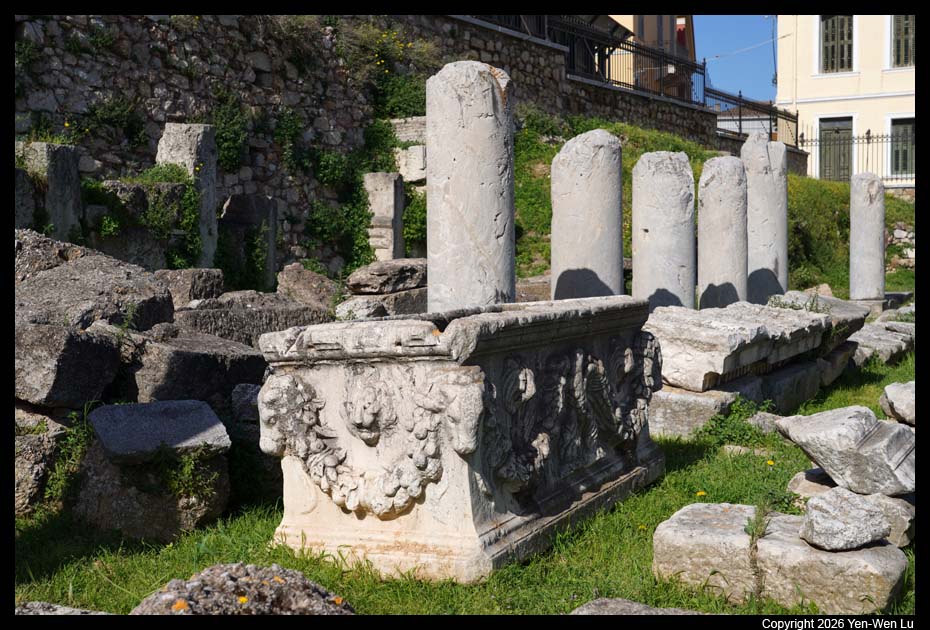
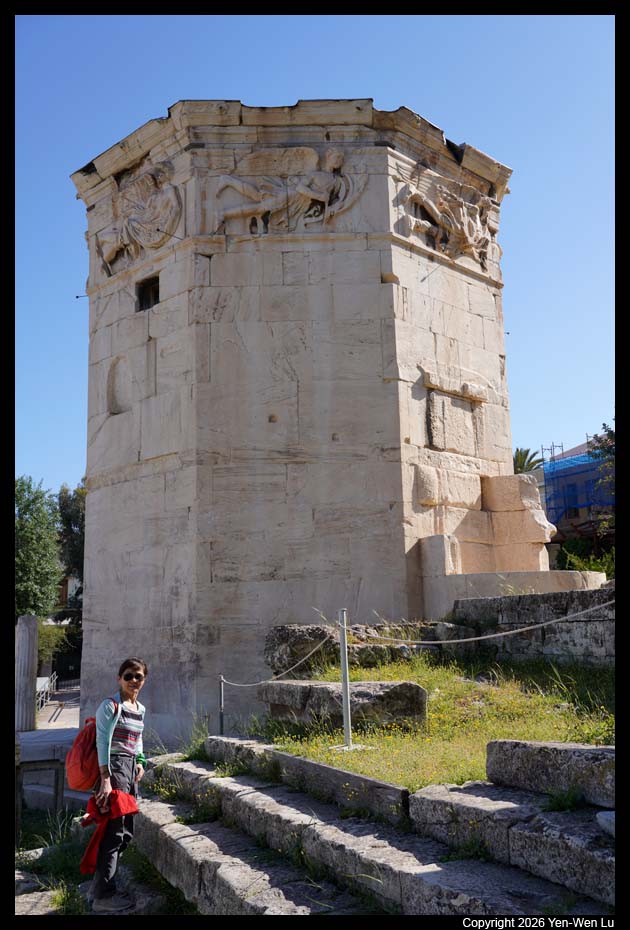
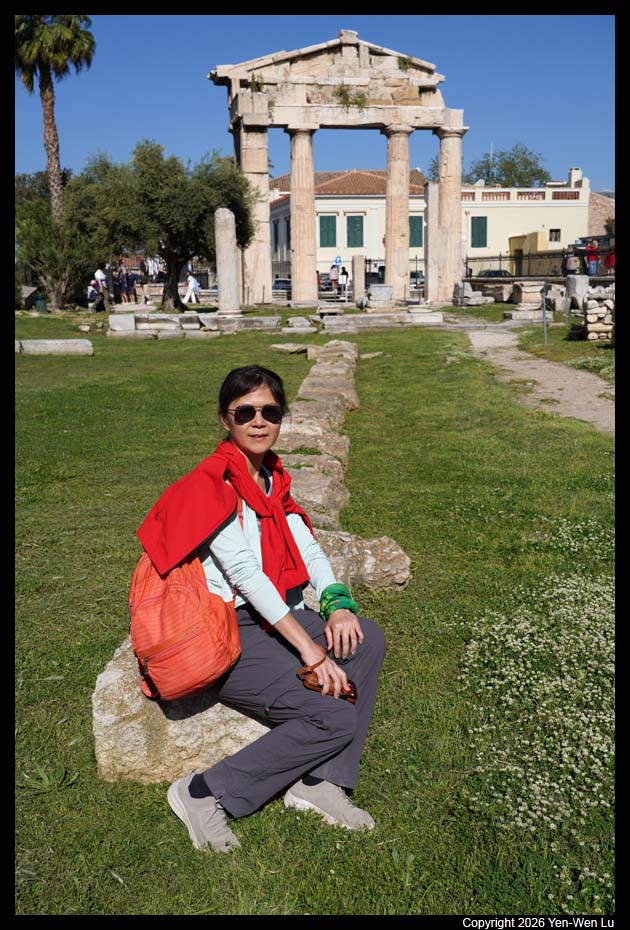
- Roman Agora
The Roman Agora in Athens was the city's primary
commercial center under Roman rule, serving as an open-air marketplace and
civic hub. Built between 27 BC and 17 BC with funds donated by Julius Caesar
and Augustus, it was designed to alleviate crowding in the nearby Ancient
Agora, which shifted toward more political and religious functions.
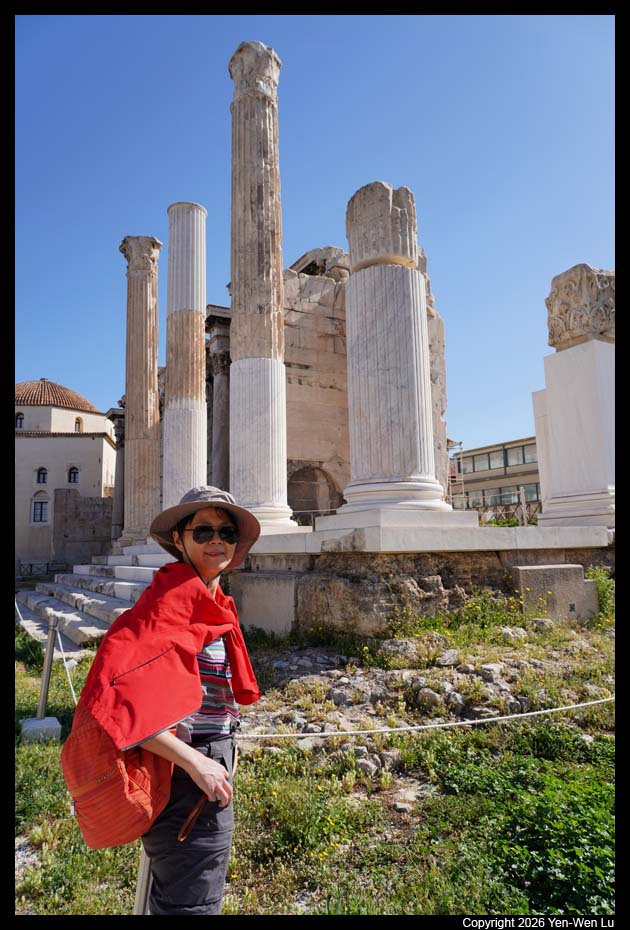
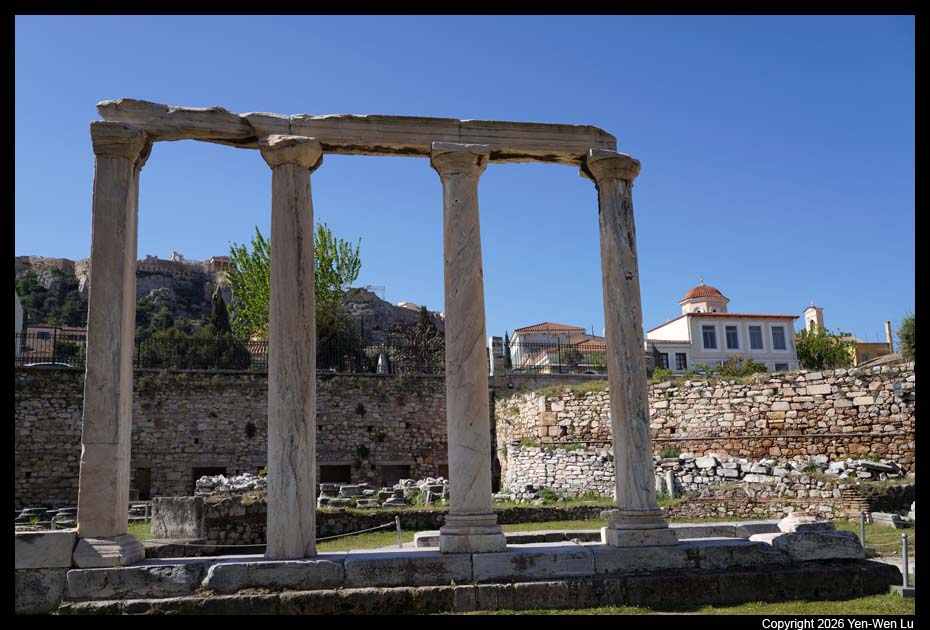
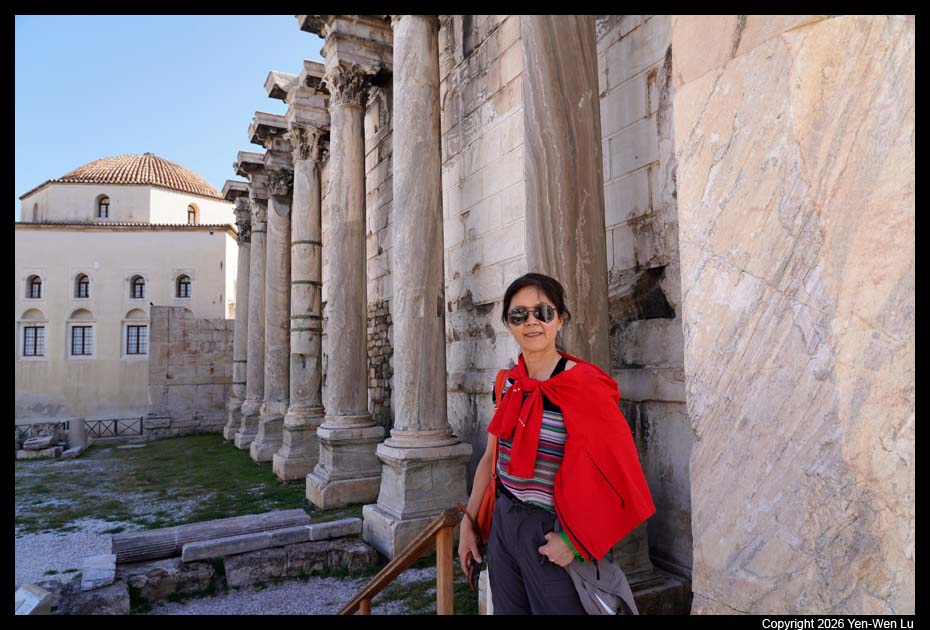
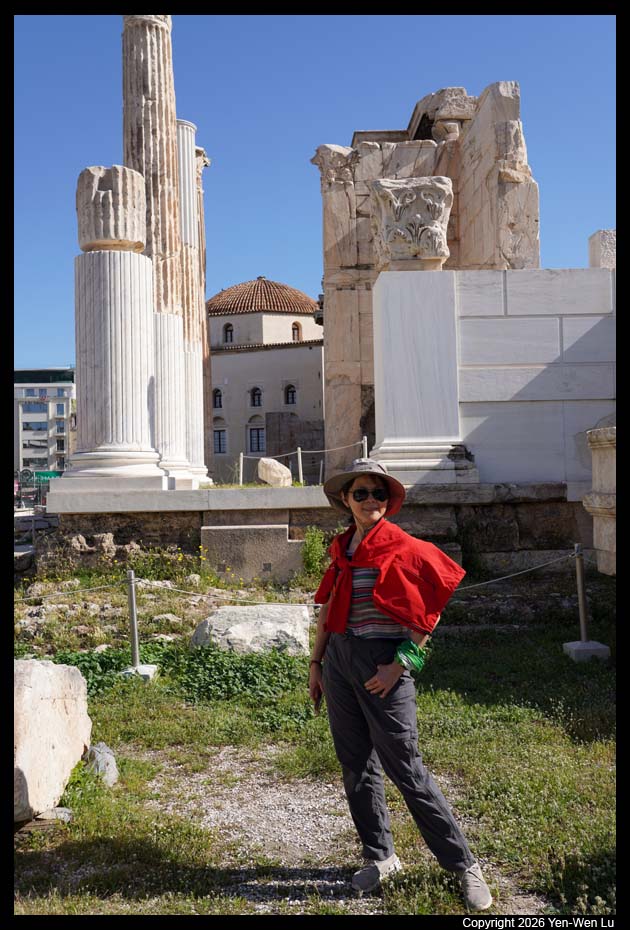
- Hadrian's Library
Hadrian's Library is the ruin of a monumental
building created by Roman Emperor Hadrian in AD 132 on the north side of the
Acropolis of Athens. More than just a repository for books, it served
as the city's premier intellectual hub, featuring lecture halls, music
auditoriums, and a tranquil central courtyard with a pool.
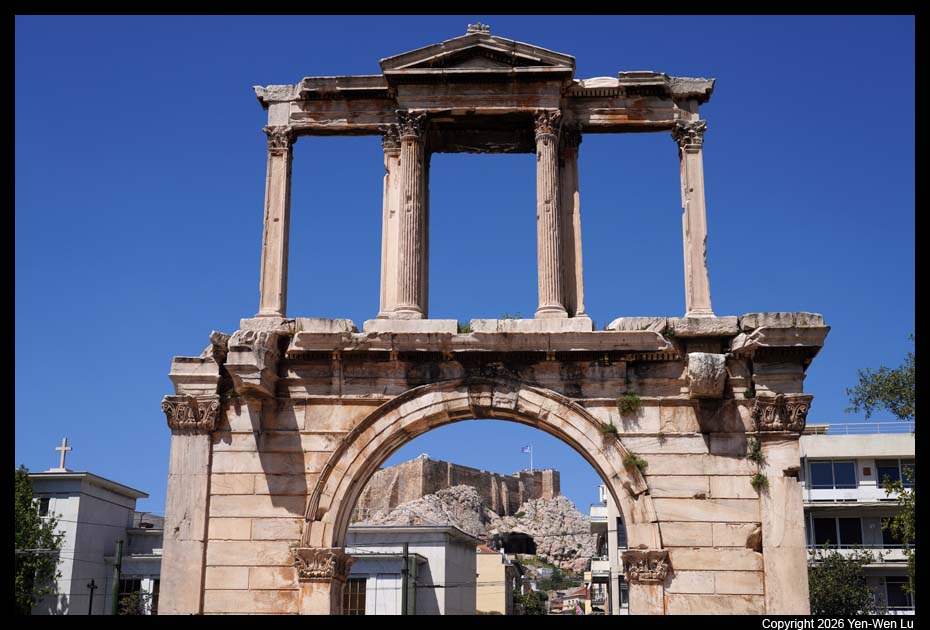
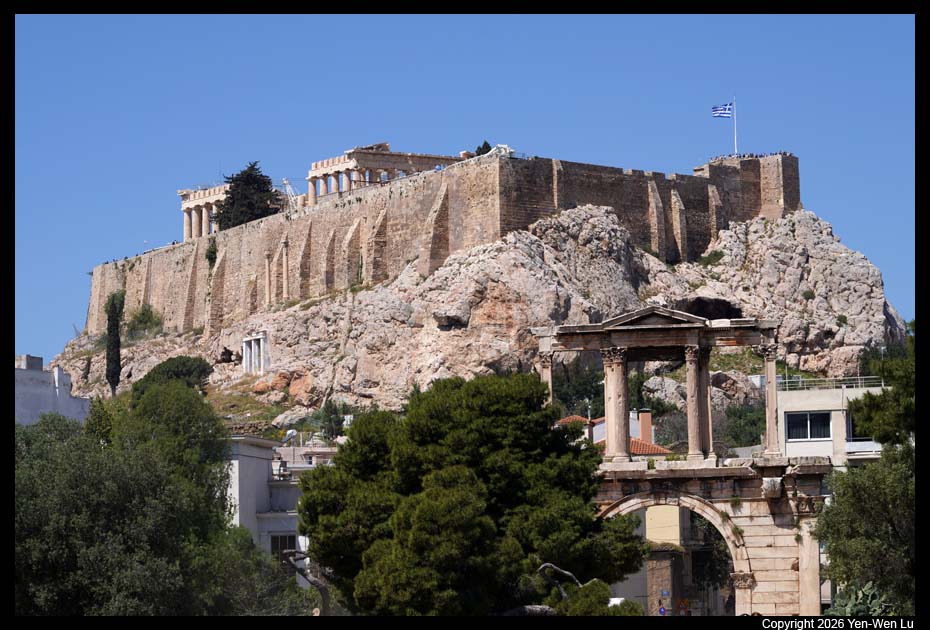
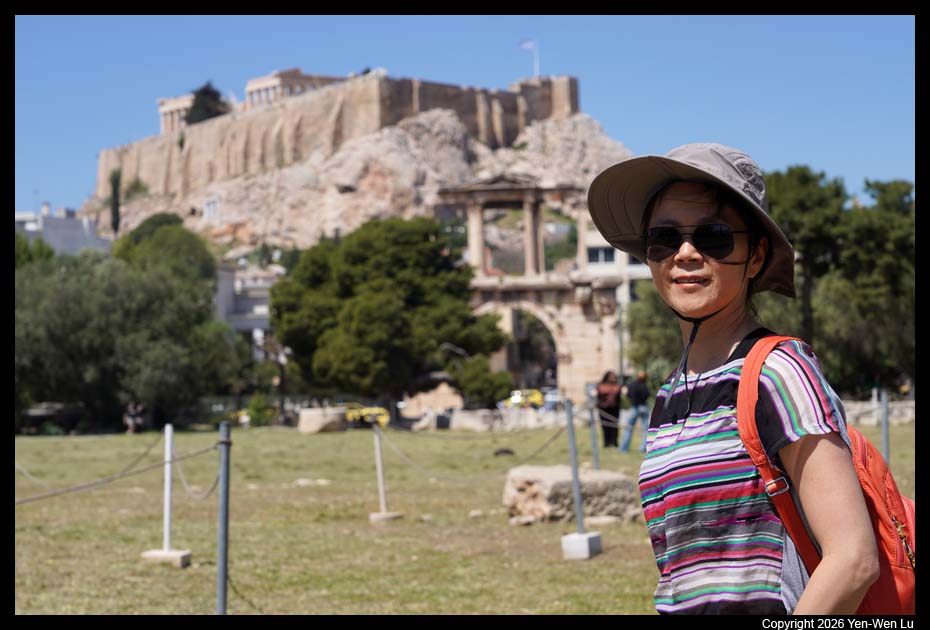
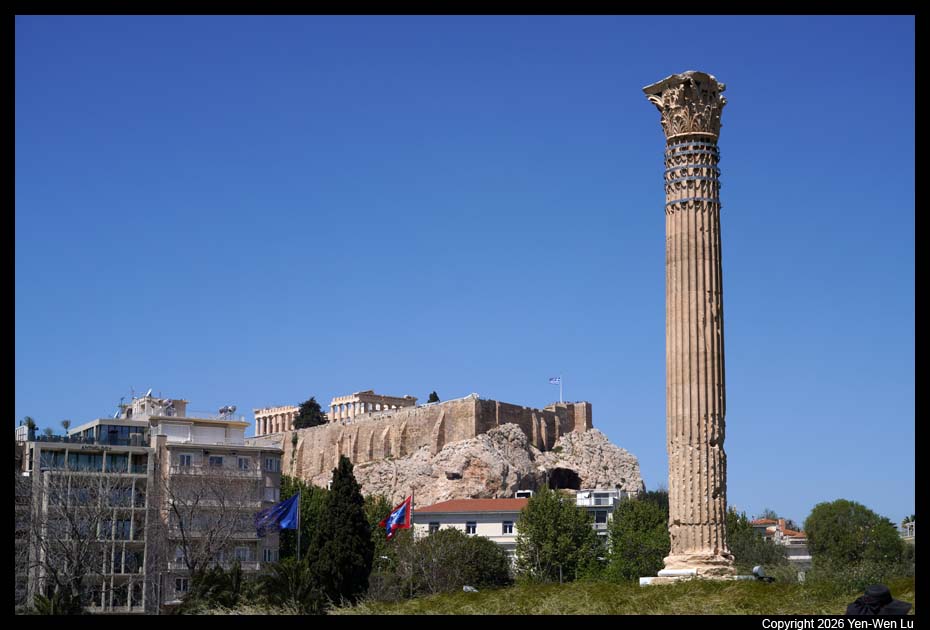
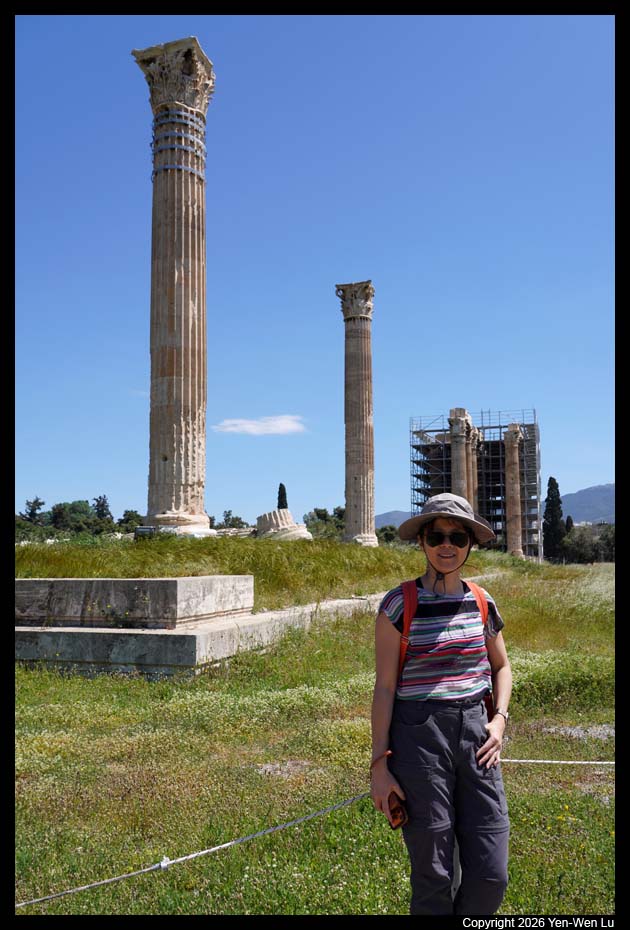
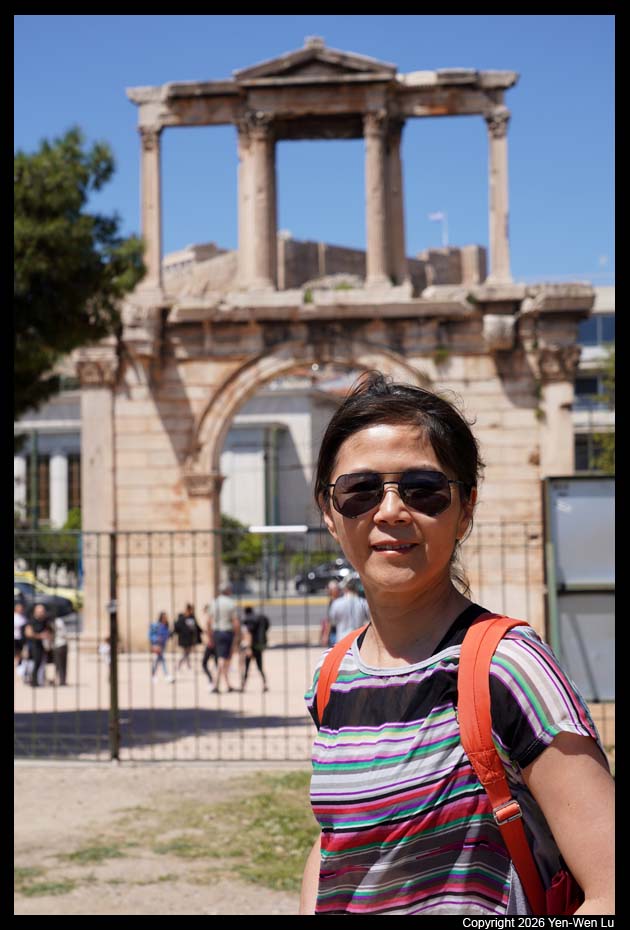
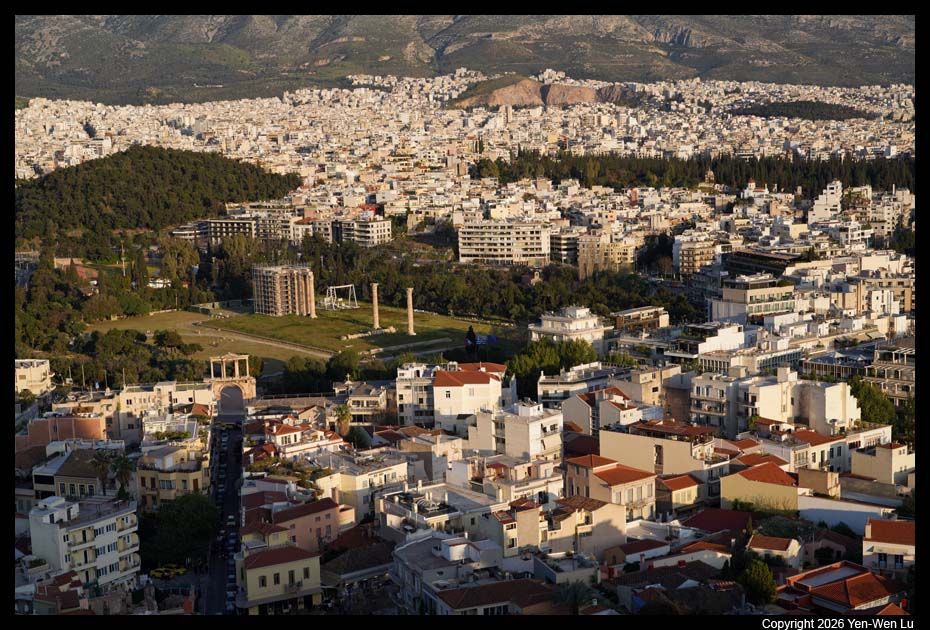
- Temple of Olympian Zeus & Arch of Hadrian
After a simple "lunch"
in the hotel room, we checked out the hotel and walked to the Temple of
Olympian Zeus. Construction began in the 6th century BC during the
rule of the Athenian tyrants, but it was not completed until the reign of
Roman Emperor Hadrian in the 2nd century AD, some 638 years after the
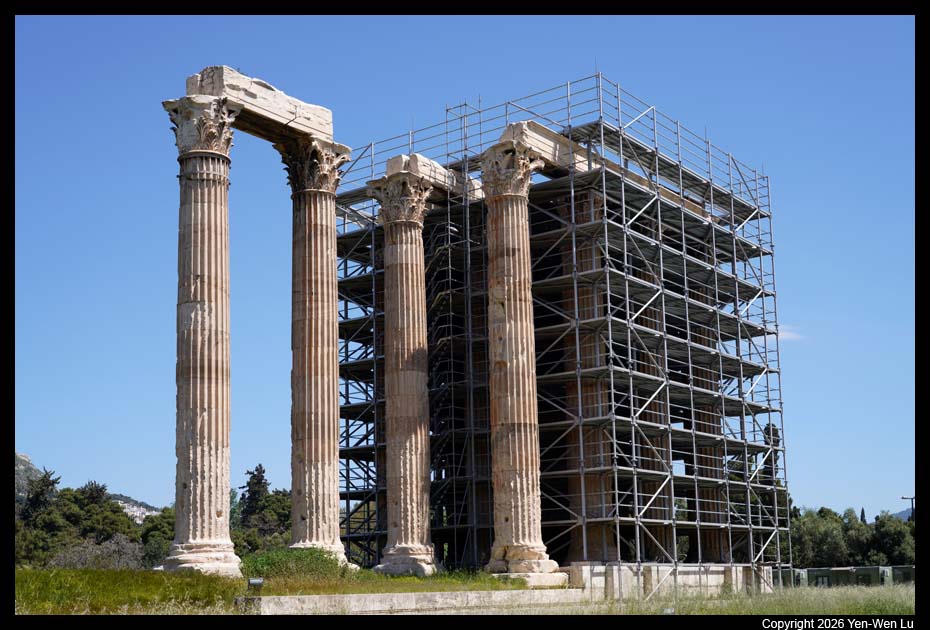
project had begun. During the Roman period, the temple, which included 104
colossal columns measuring over 17 meters high, was renowned as the largest
temple in Greece and housed one of the largest cult statues in the ancient
world. The temple's glory was short-lived, as it fell into disuse
after being pillaged during a Germanic invasion in 267 AD, just about a
century after its completion. Today, only 15 of the 104 original
columns remain standing, with one fallen column lying on the ground.
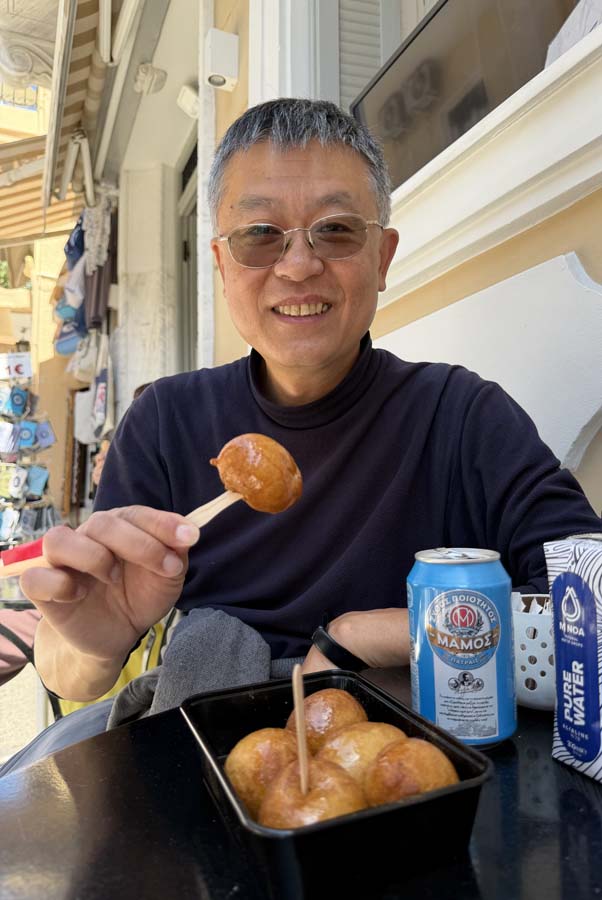
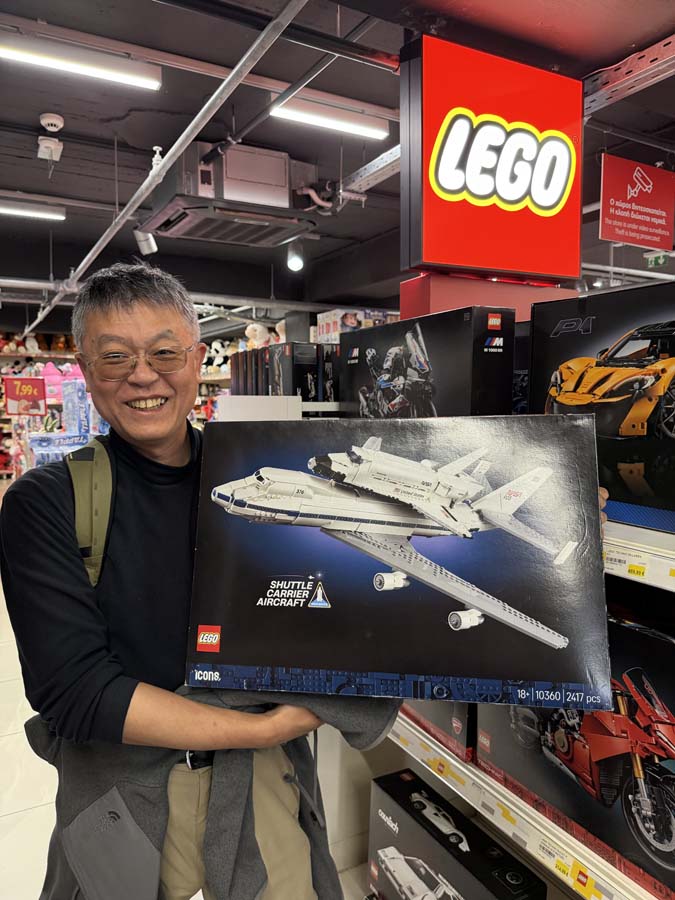
- We had a relaxed afternoon to walk around Athens: having another
lukumades in a small cafe, visiting a big toy store on Monastiraki Square (I
could see the store from our hotel room in the past 2 days), and having our
free drinks (complimentary from our hotel) at the popular 360 Cocktail Bar
on a rooftop.
- Acropolis of Athens
After dinner, we went to the Acropolis again
because it's a free day for all archaeological sites in Greece. We got
there at about 5:30PM and we still could get the tickets for the last time
slot at 7PM. I think if we were 30 minutes late, all tickets were sold
out (even they were free) for the day. Although it was crowded (no
matter it was free or not), it was still a good feeling to walk around these
ancient ruins to get closer to the history. The late afternoon
lighting was good today, and we could have some better photos than our first
visit to the Acropolis yesterday. Another good thing to stay late on
the Acropolis was we could see the guards come to lower the Greece flag and
escorted the flag off the site.
To take the full advantage of the free day, we
visited most of the important archaeological sites in Athens today. I
think we saved €90 per person and more than US$200 total :-)
It's time to
wrap up our journey. We collected our luggage from the hotel in Athens and
took the metro back to Athens Airport and stayed in the Airport Hotel (Sofitel)
for our last night in Greece.
Day 16 (4/19) Going Home...
We had an early morning flight at 6AM (so we stayed in Sofitel at
the airport) to Munich (MUC), and then from MUC (11:45AM) back to SFO
(2:35PM still on 4/19). Greece is truly an amazing country
full of history and nature beauty. No matter whether you are an
archaeology enthusiast, or a nature lover of countryside, or just want
to have a relaxed romantic vacation, there are many postcard-perfect
places and moments waiting for you. Even though I don't
understand Greek, it's still quite interesting to see the street names
are spelled by the symbols from my math and physics textbooks :-)
[Back to Photo Page]
[Gallery]