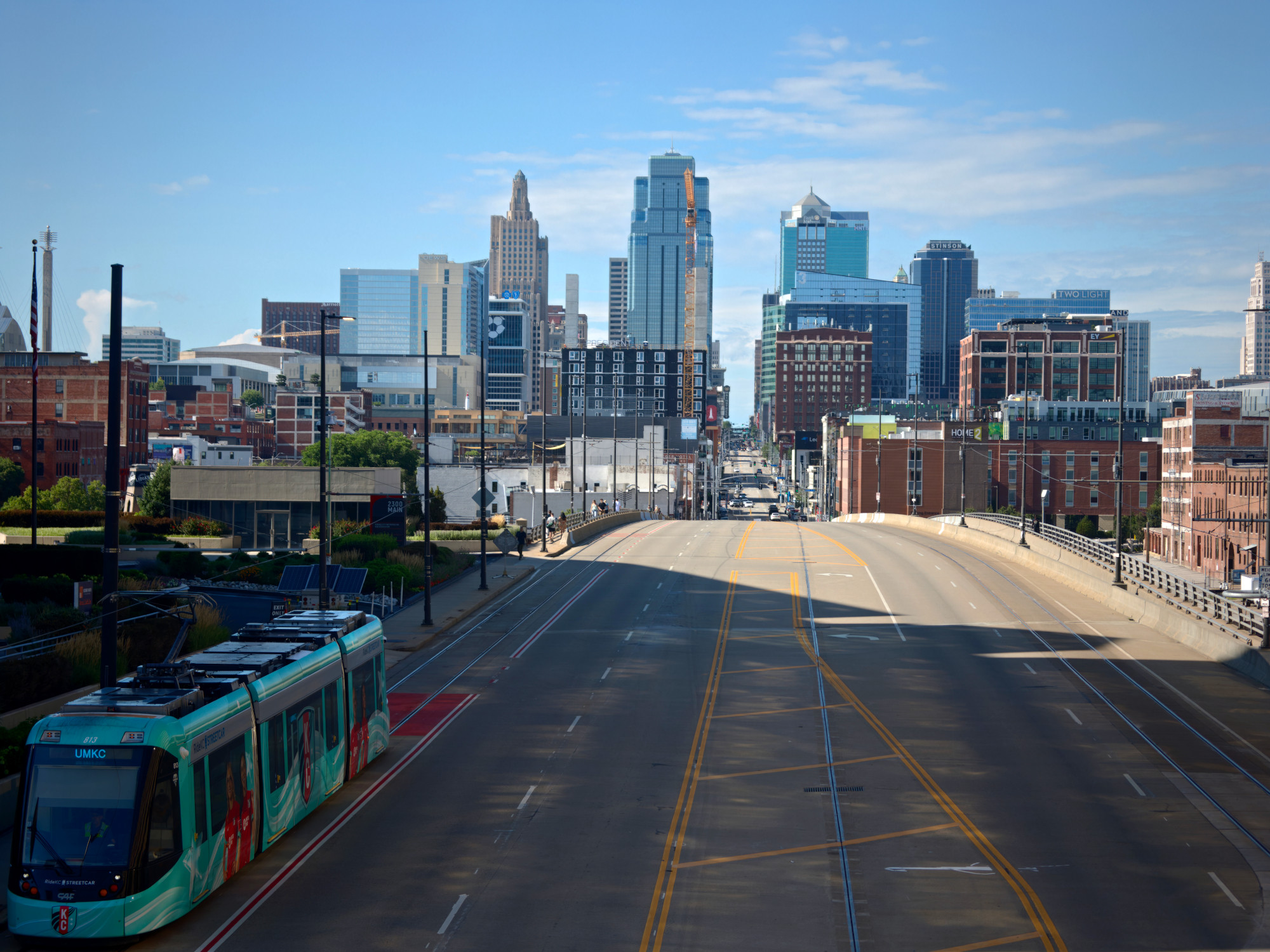
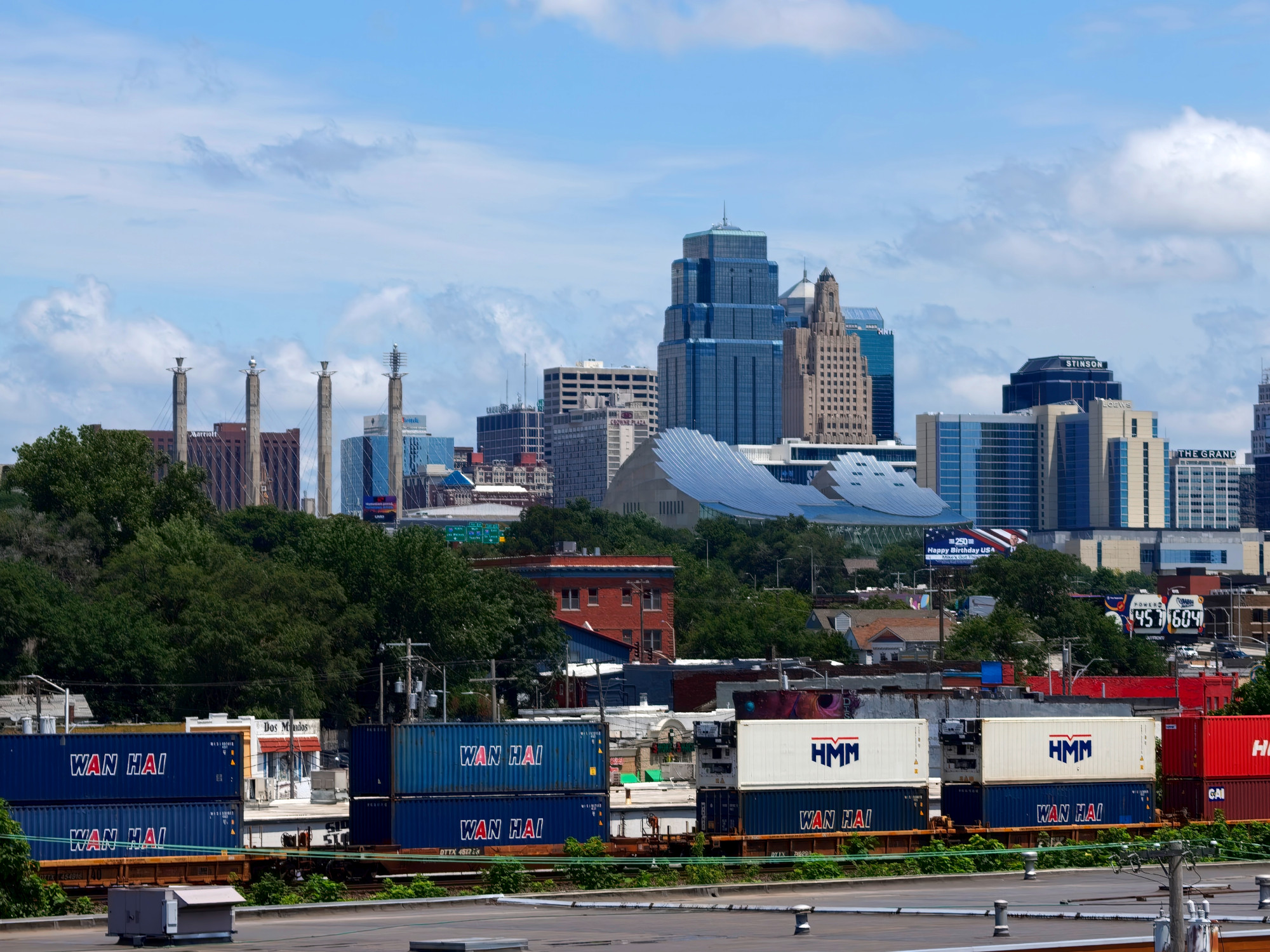
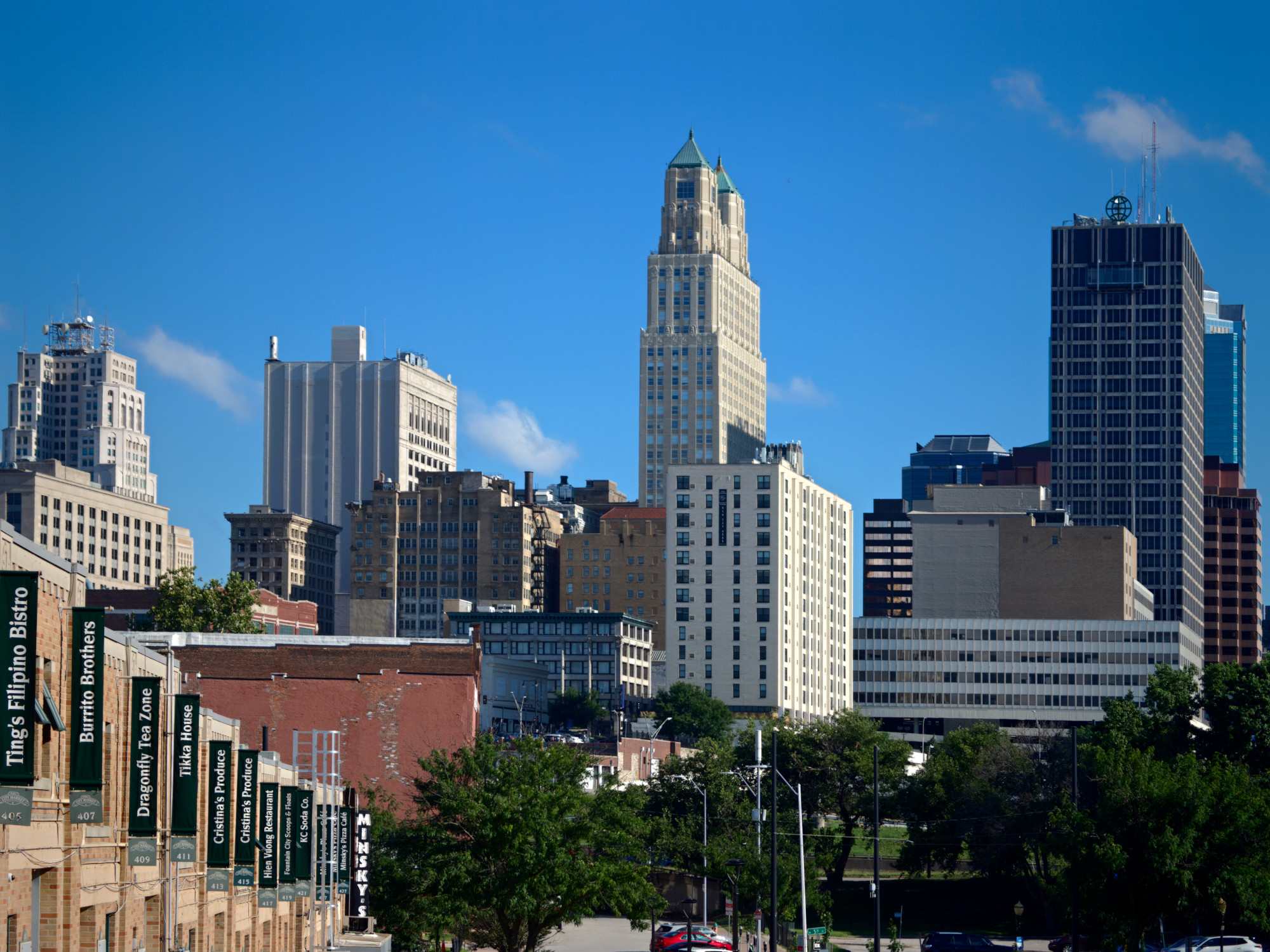
The Kansas City metropolitan area, which straddles the Missouri--Kansas state
line and anchored by Kansas City, Missouri, is the 31st-most populous
metropolitan area in the U.S., at 2.25 million residents. Kansas City,
abbreviated KC or KCMO, is the largest city in the U.S. state of Missouri by
both population and area, with a population of 508,090 at the 2020 census.
Kansas City was founded in the 1830s as a port on the Missouri and Kansas
rivers. The city's growth was closely tied to westward expansion, as a
major transportation and livestock center.
Getting there ...
We had a red-eye flight from SFO (12:50AM on 7/9) to ORD (7:15AM), and then ORD
(8:40AM) to MCI (10:30AM). After getting the rental car and a McDonald's
drive-thru, we crossed the Missouri River to the state of Kansas.
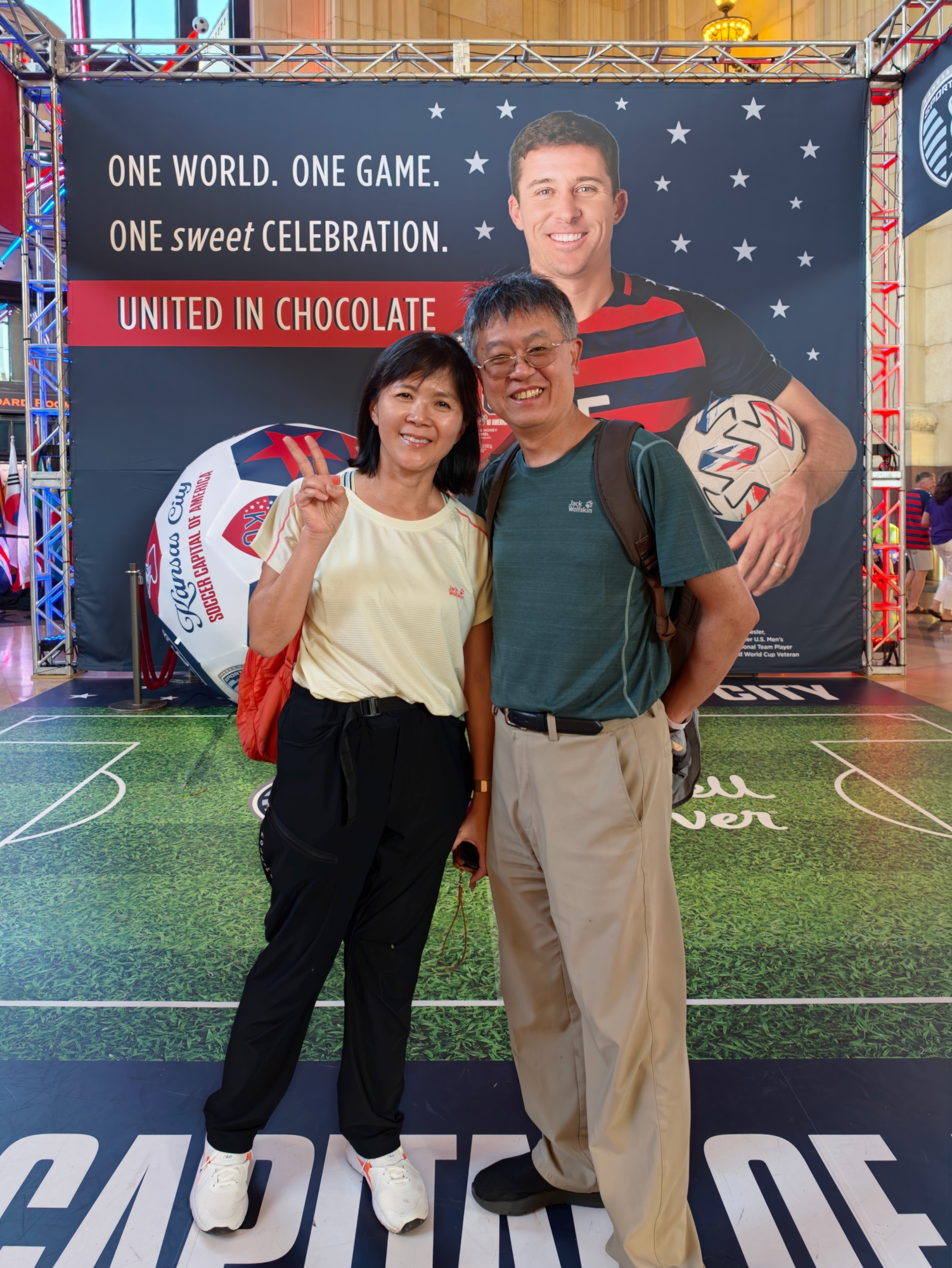
The main
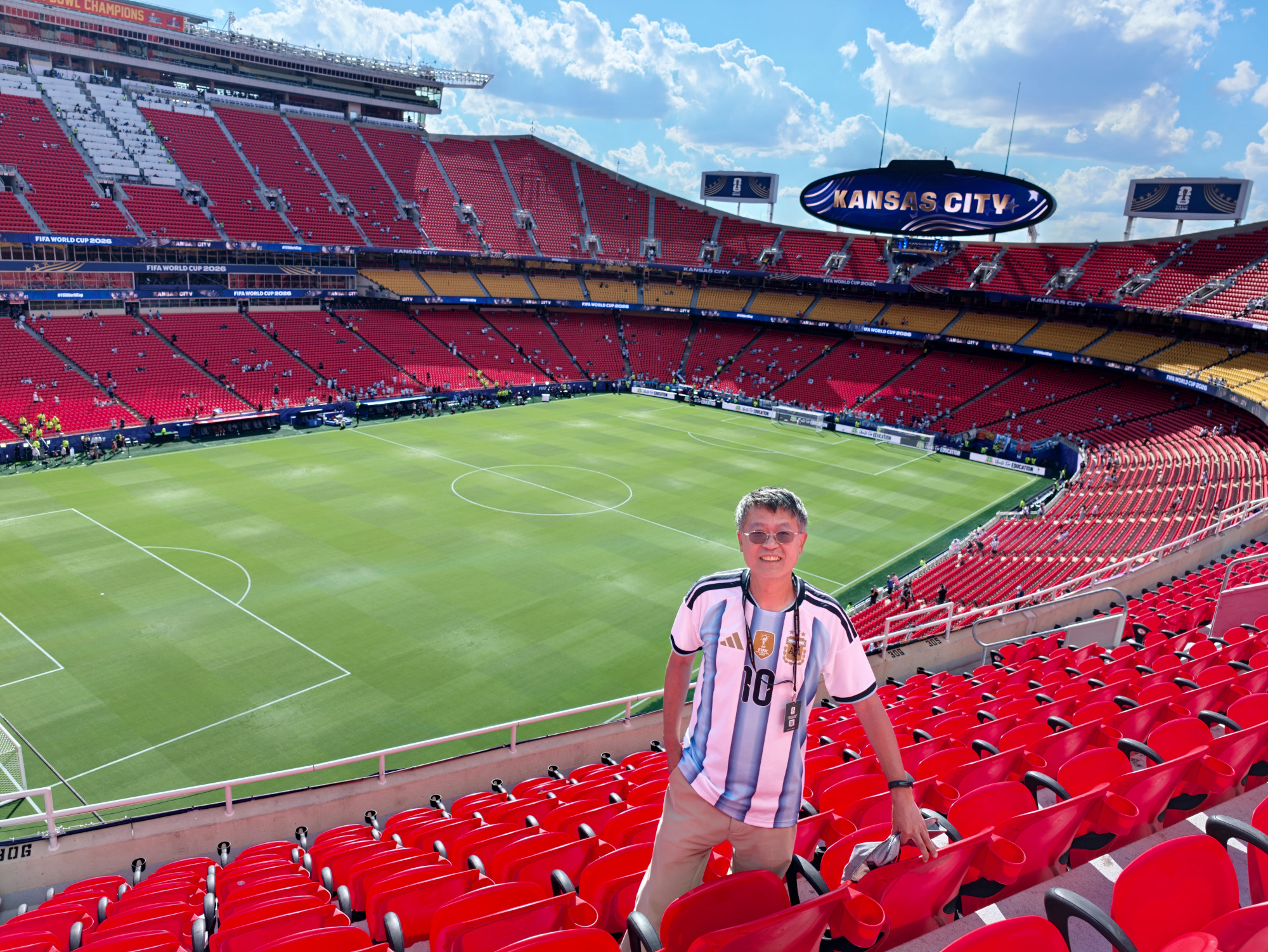
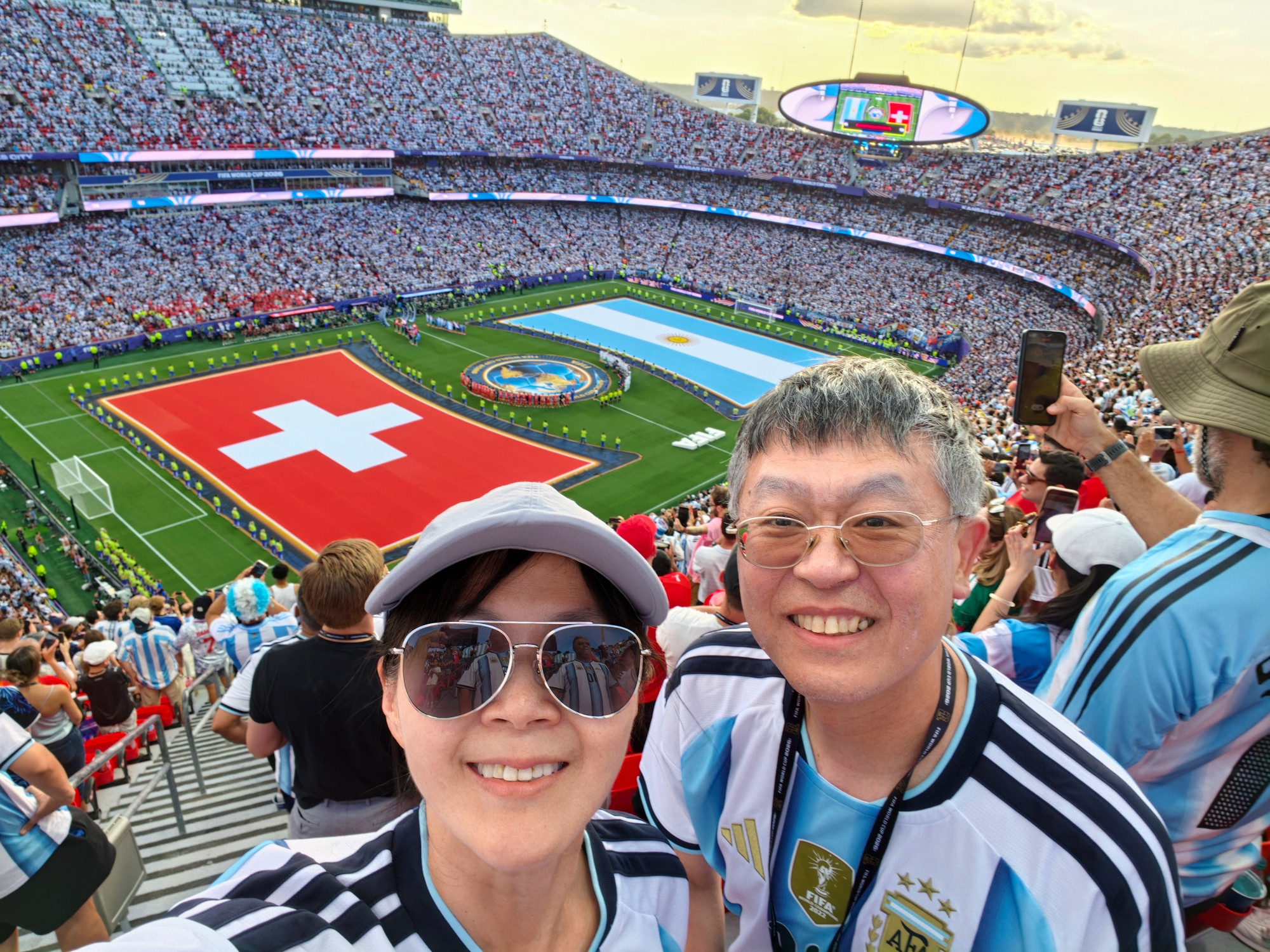
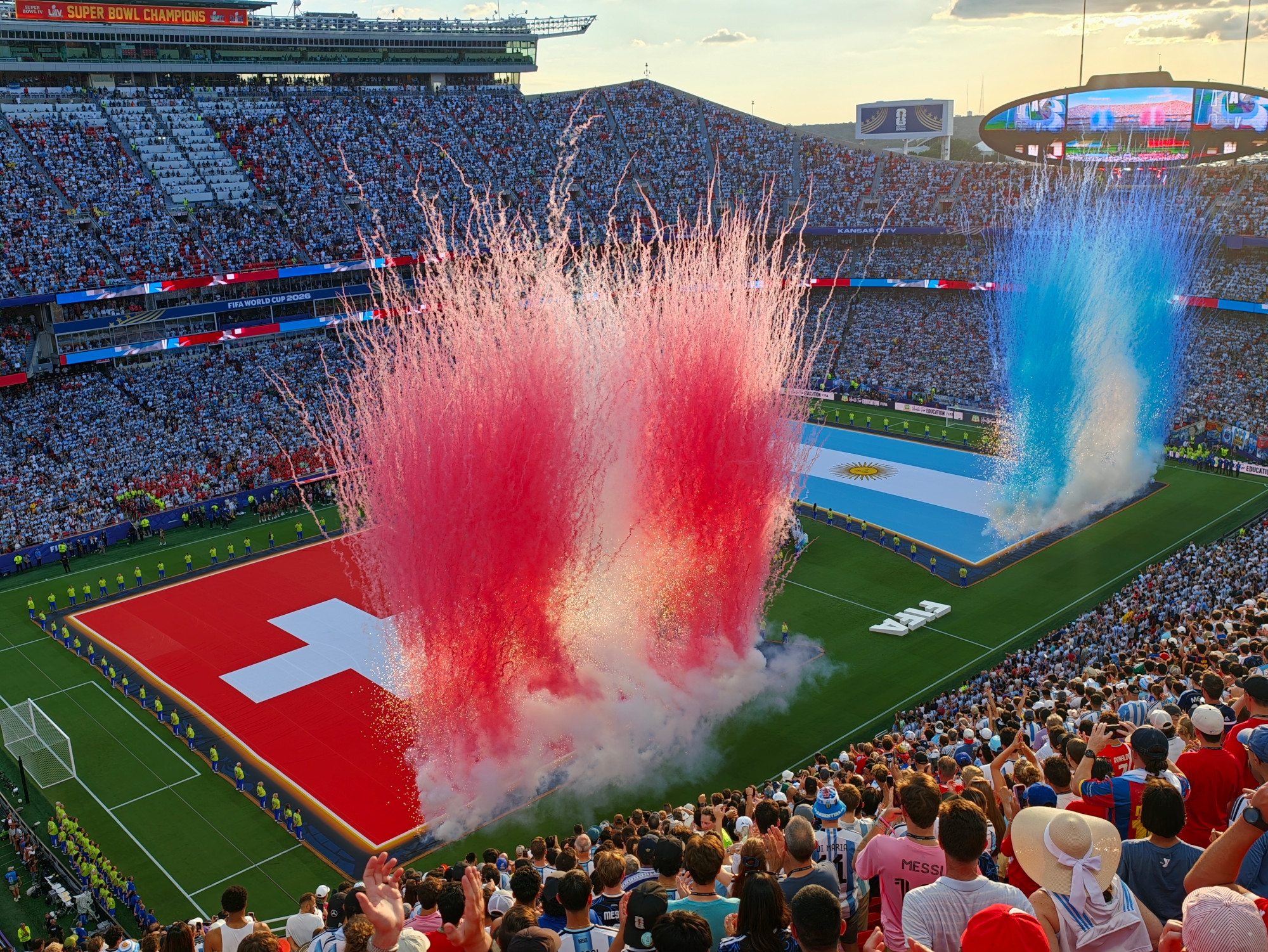
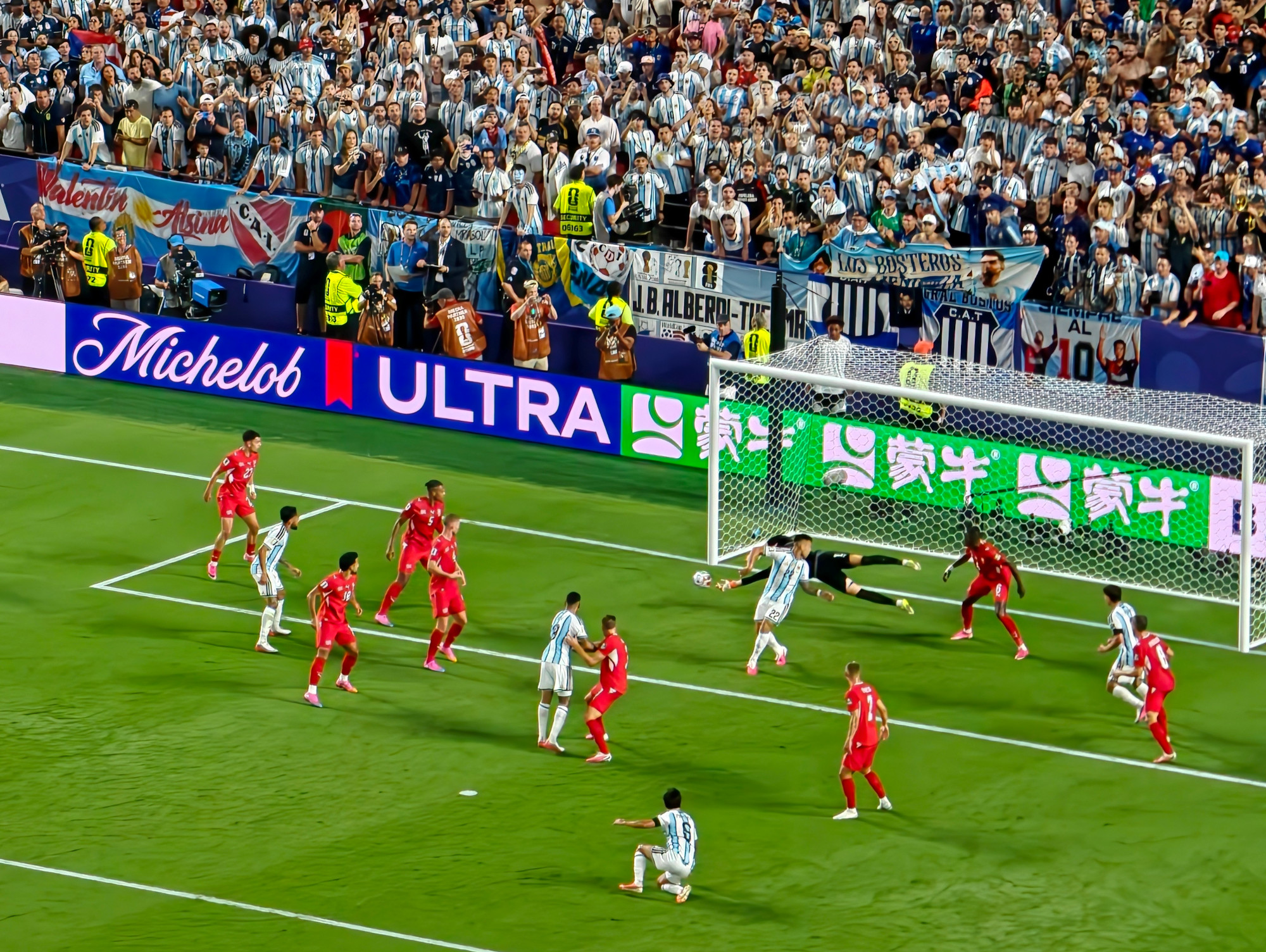
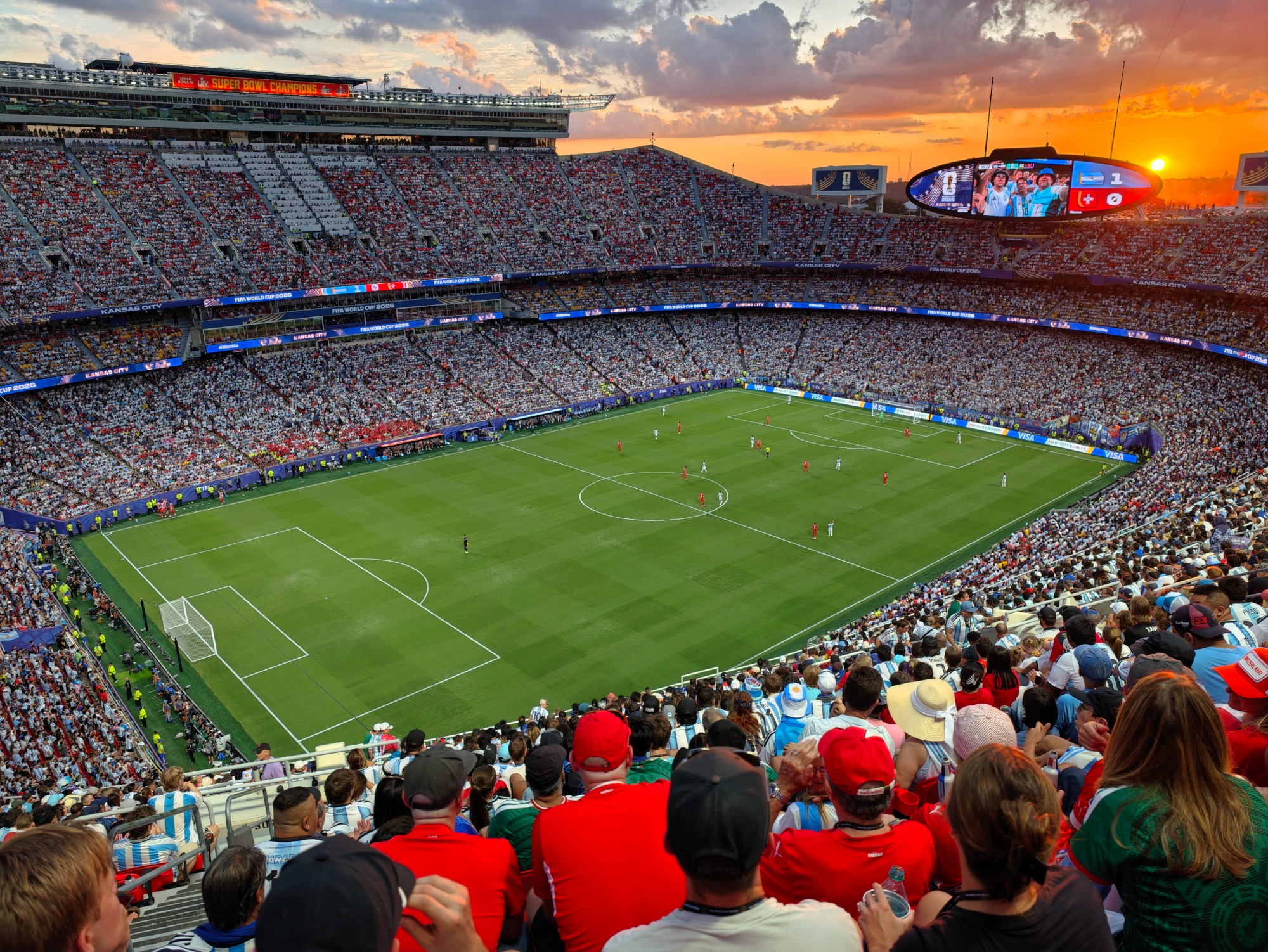
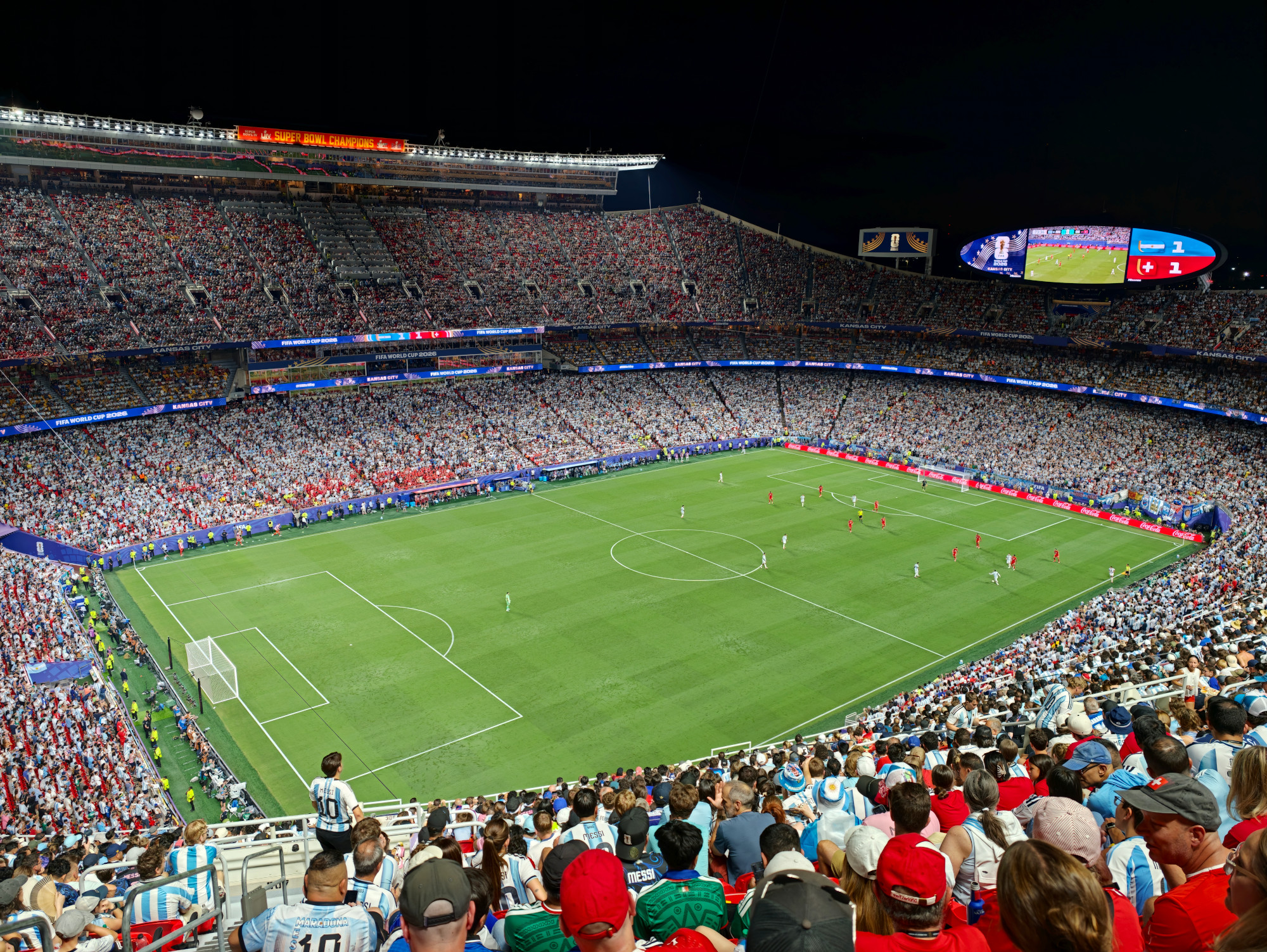
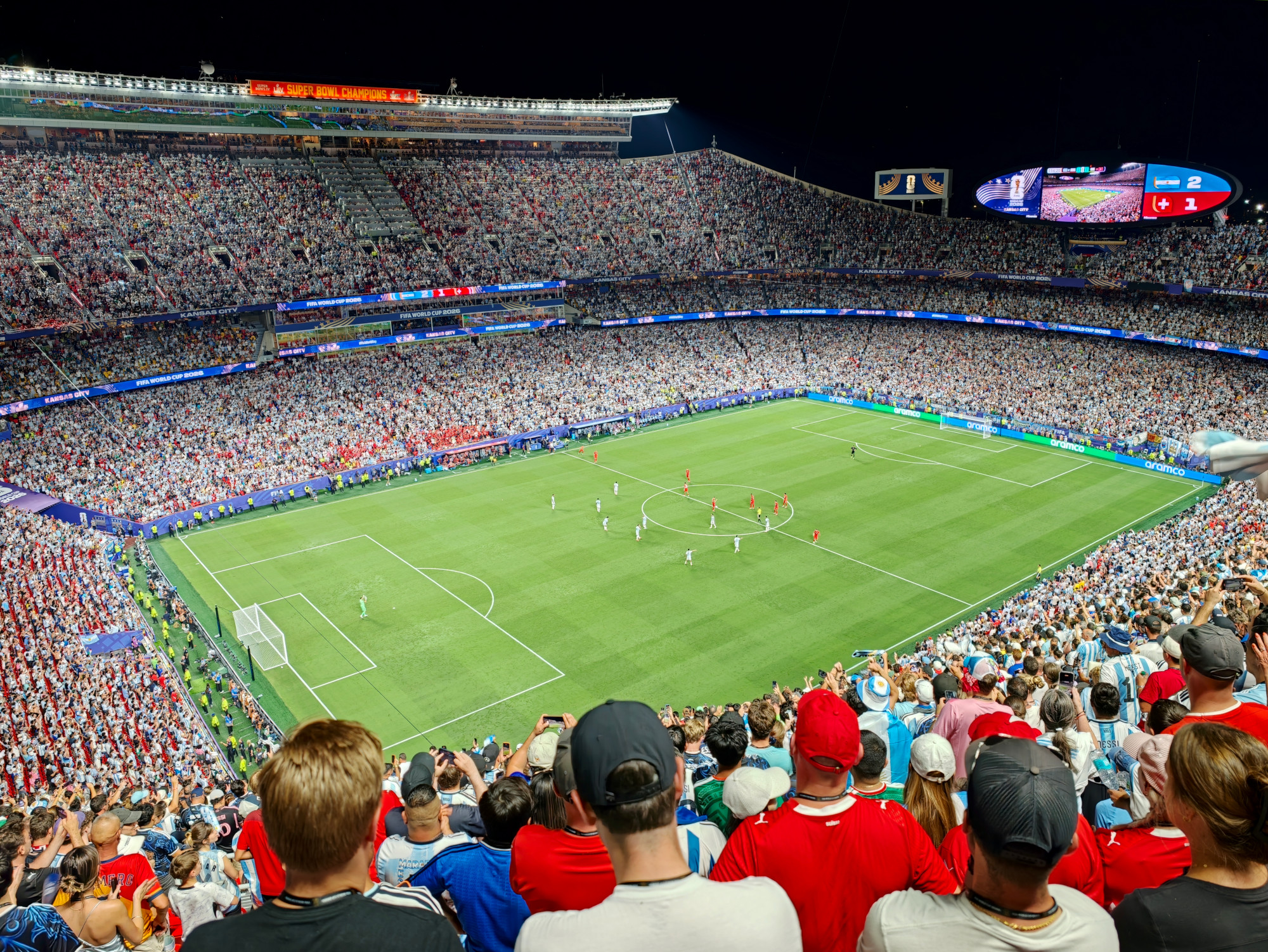
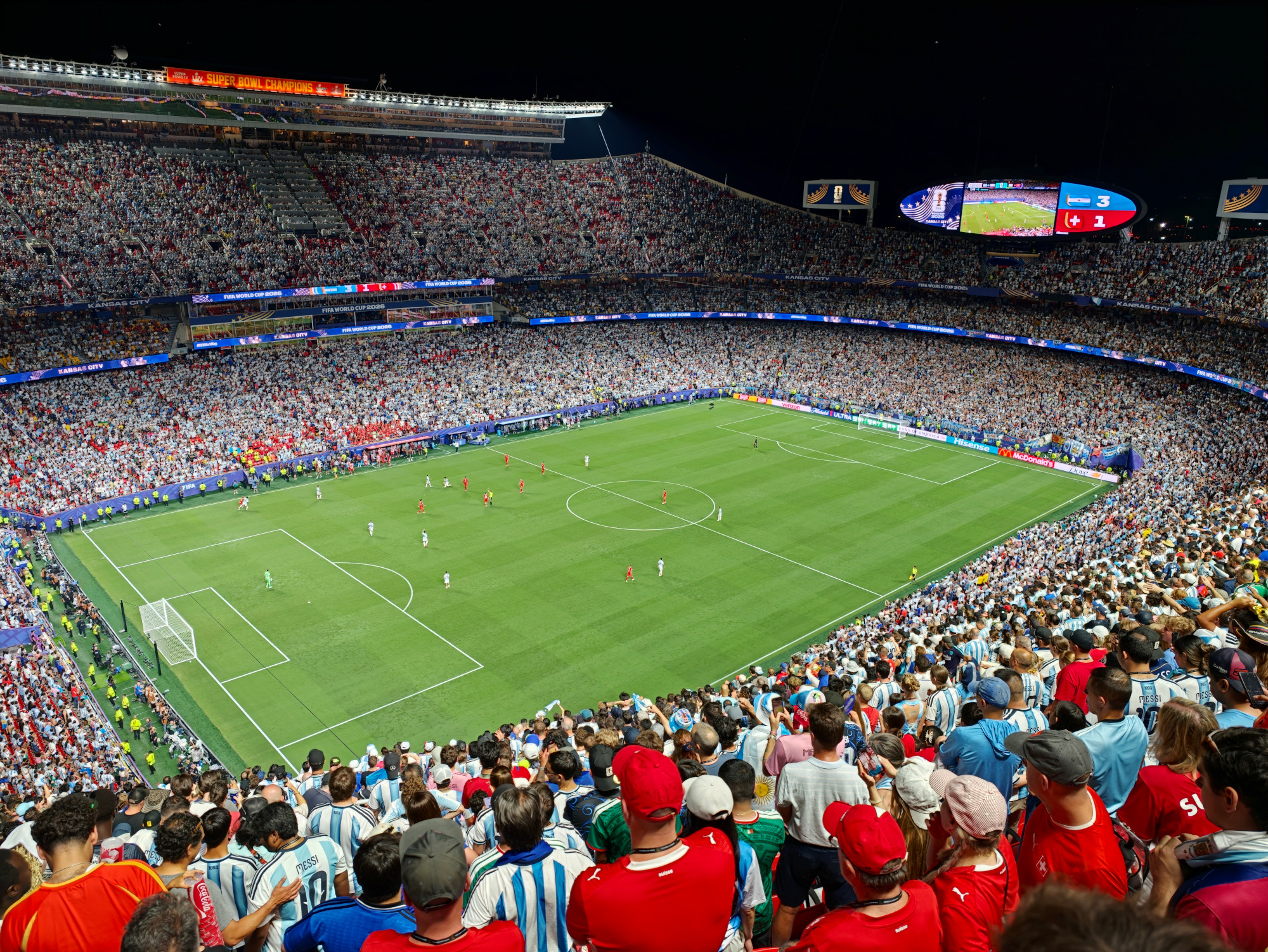
purpose of this trip was to attend the World Cup quarter-final game: Argentina
vs. Switzerland. We were luck to get the lottery draw to buy World Cup
2026 pre-sale tickets (with reasonable prices). After our first game in
San Francisco Bay Area, we were
eager to see another exciting soccer game (we even bought Argentina jerseys #10
Messi).
Day 1 (7/9) ...
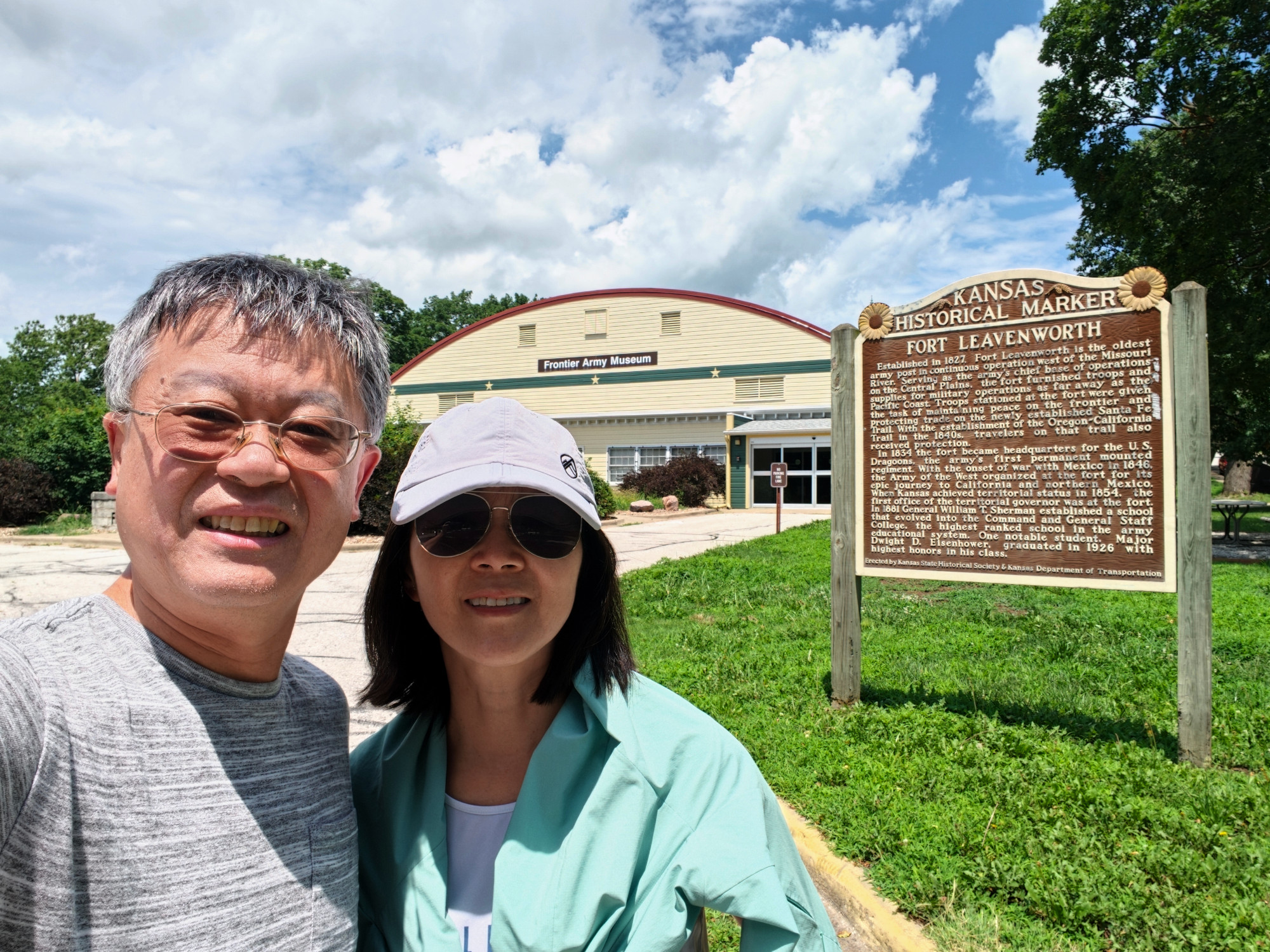
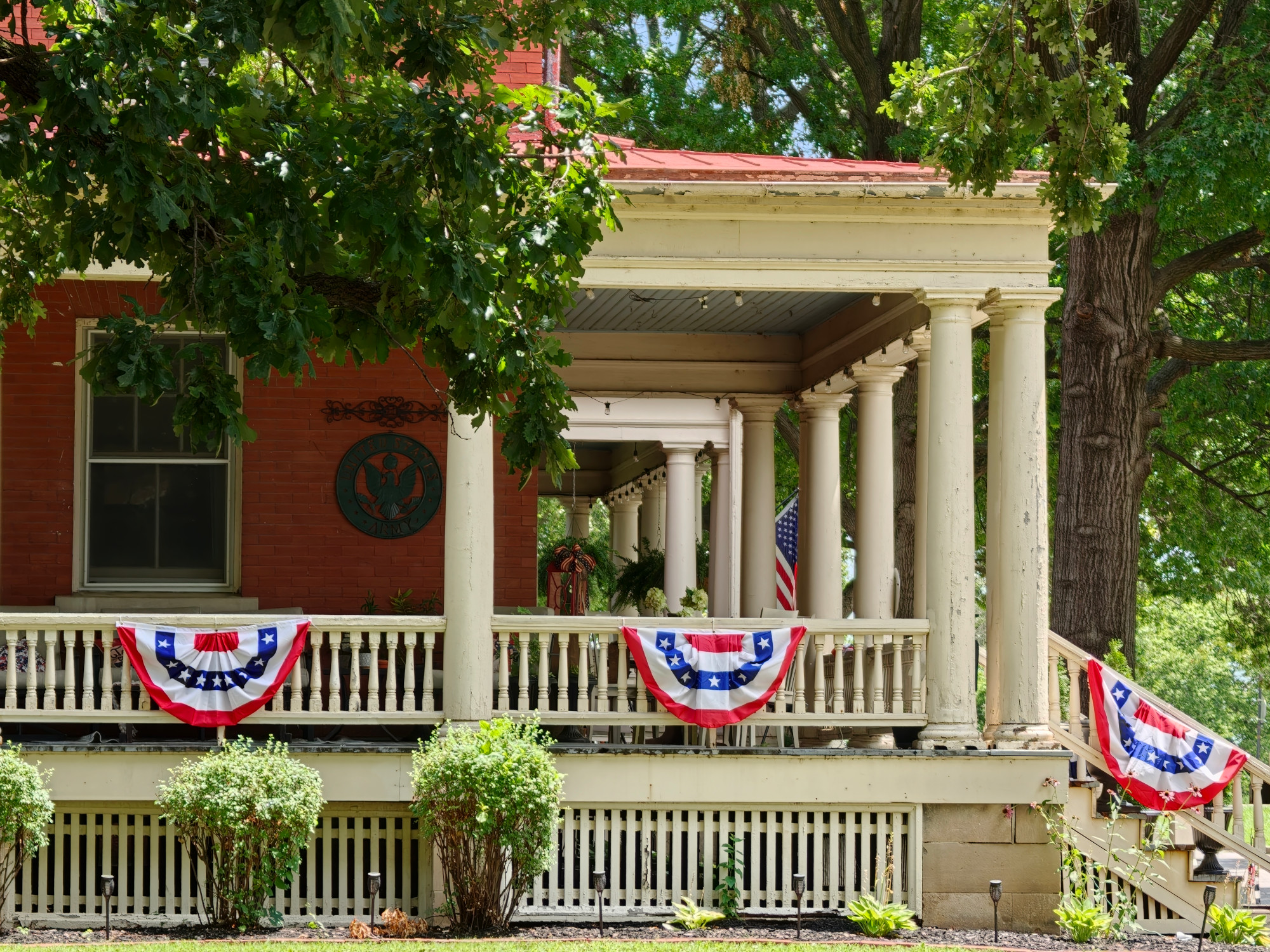
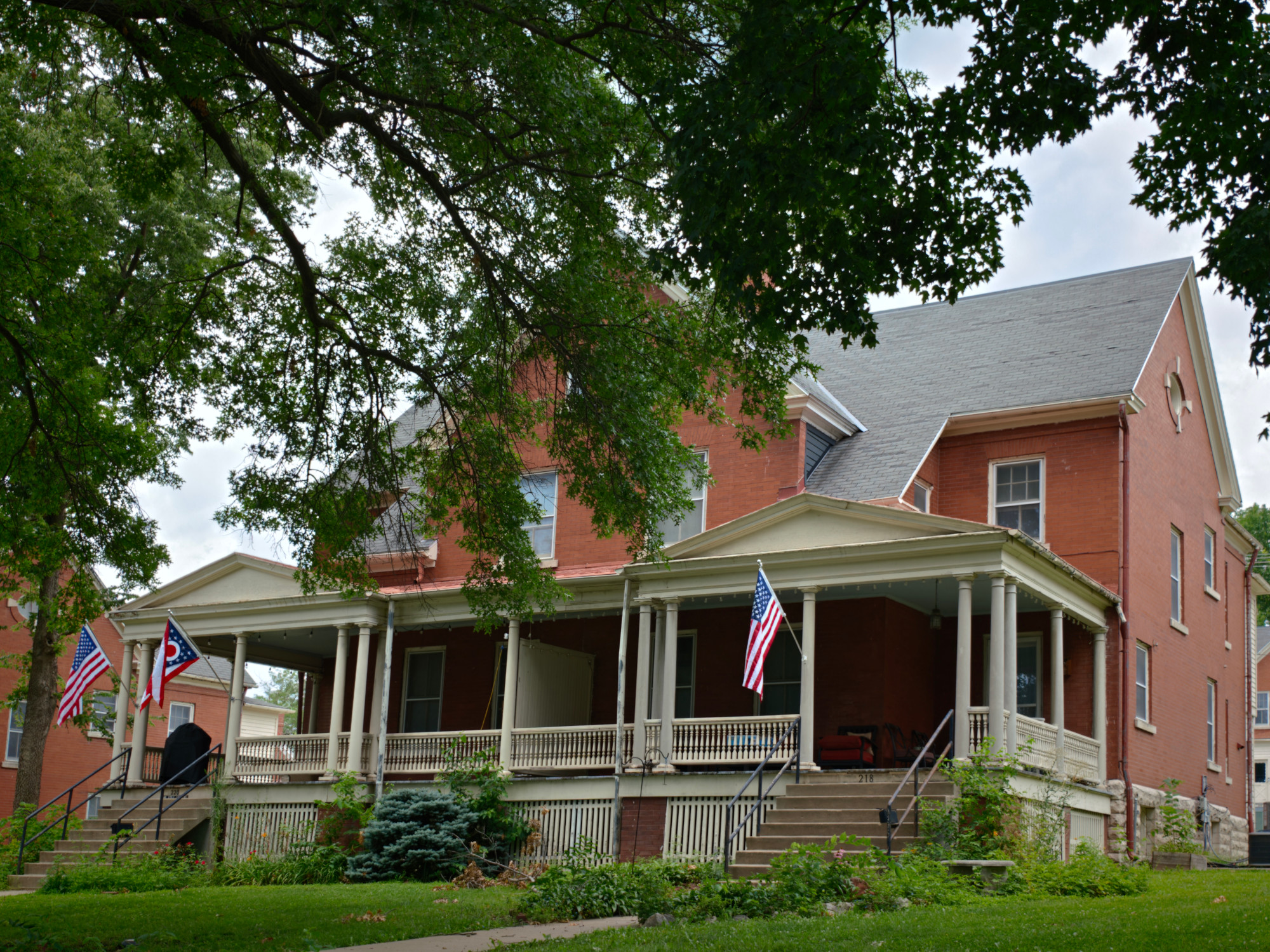
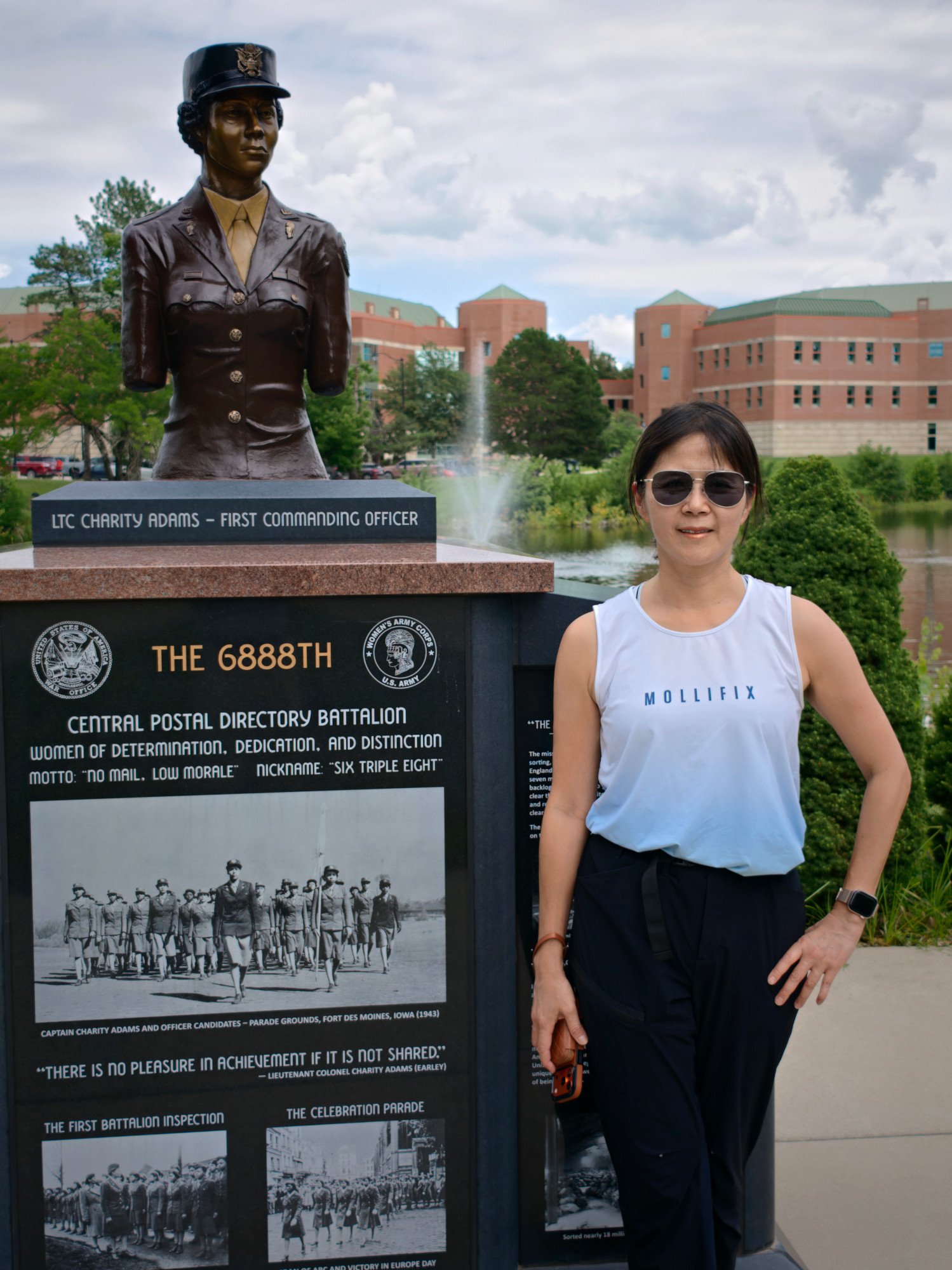
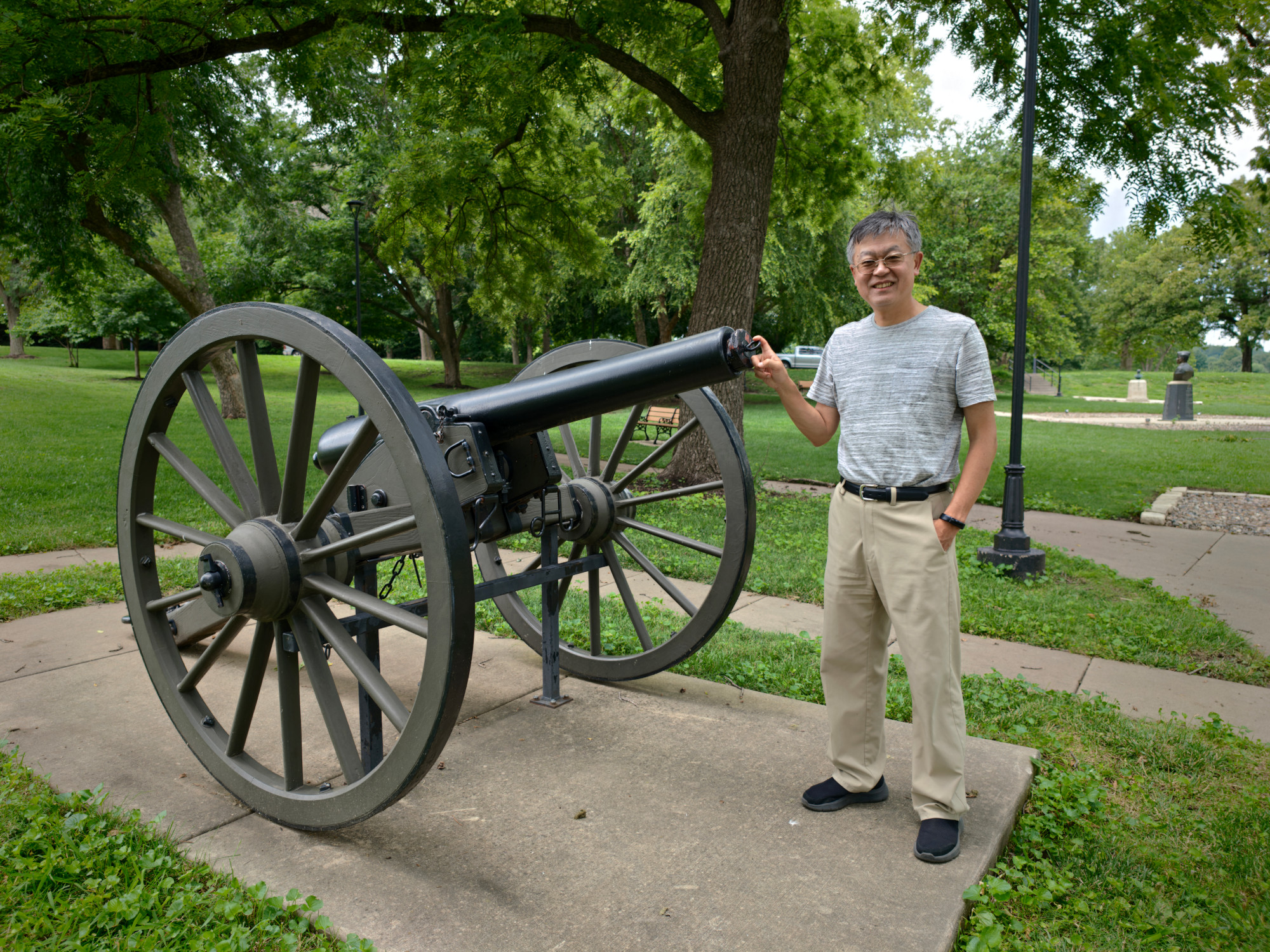
- Fort Leavenworth, Kansas
Built in
1827, Fort Leavenworth is the second-oldest active U.S. Army post west of
Washington, D.C.. Located in northeastern Kansas along the Missouri River,
it is famously known as the "Intellectual Center of the Army" and houses the
U.S. Army Combined Arms Command (CAC) and the U.S. Army Command and General
Staff College. Known as the "Post that opened the West," Fort Leavenworth
served as a primary staging area for military operations and westward
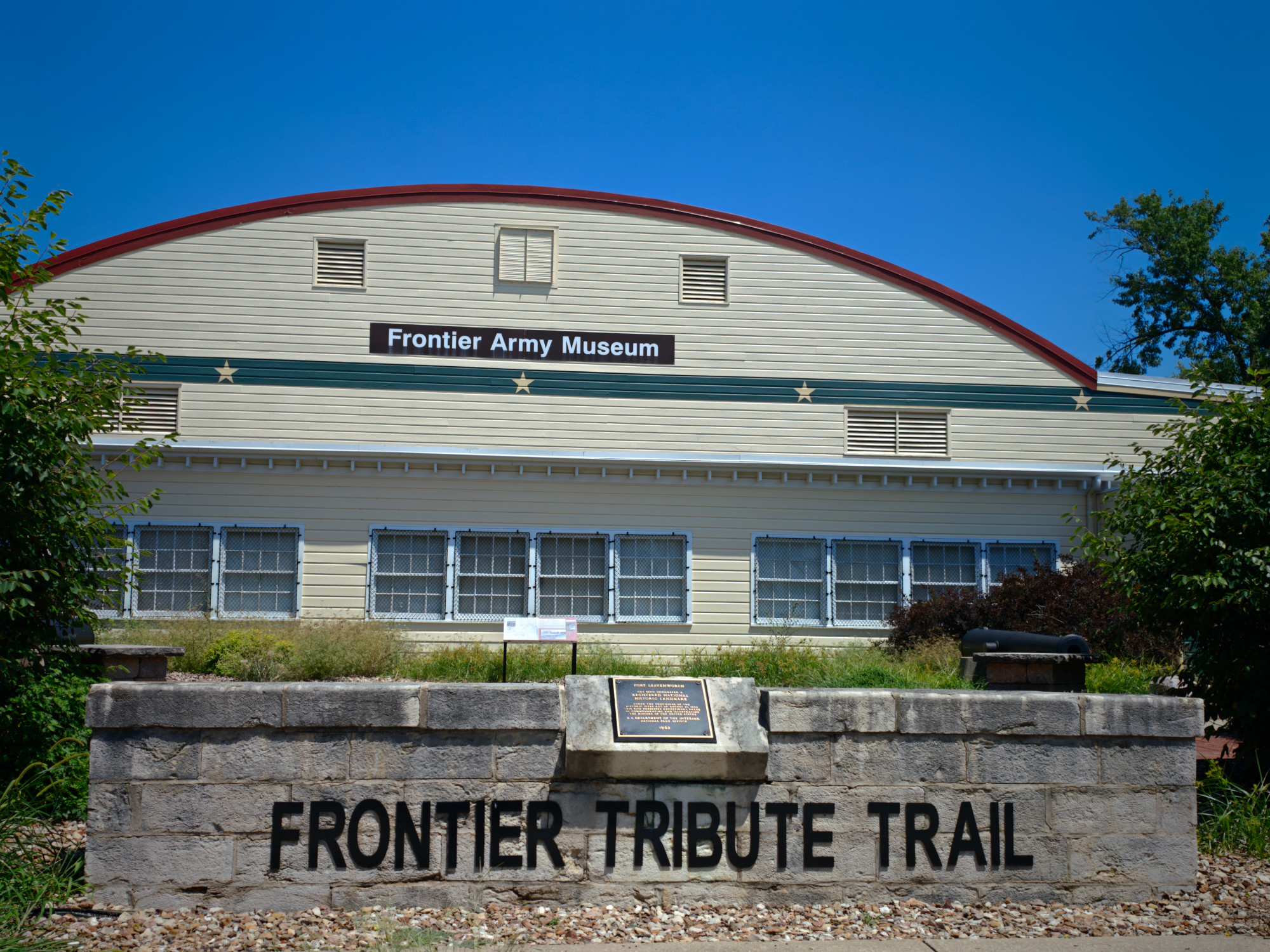
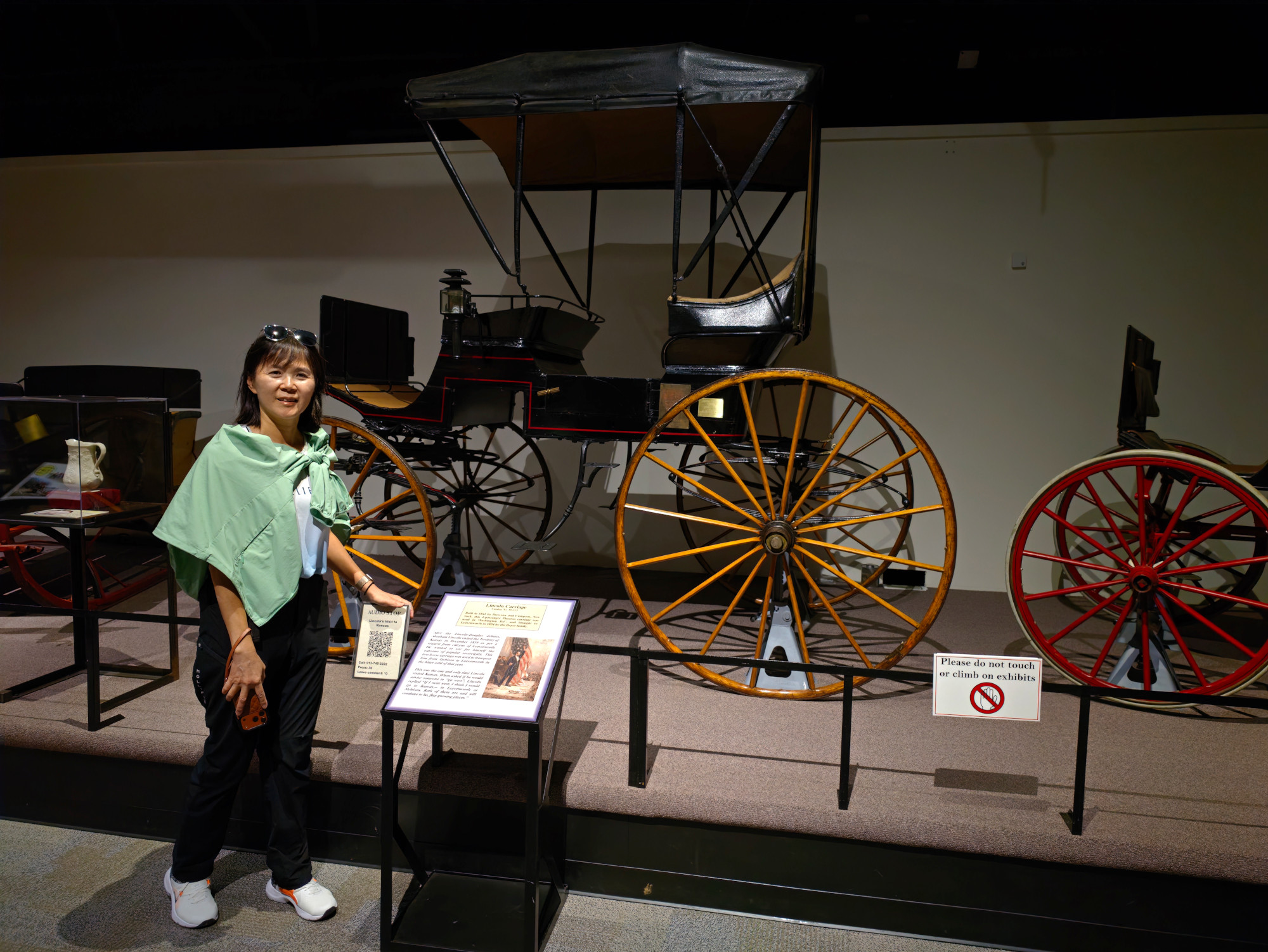
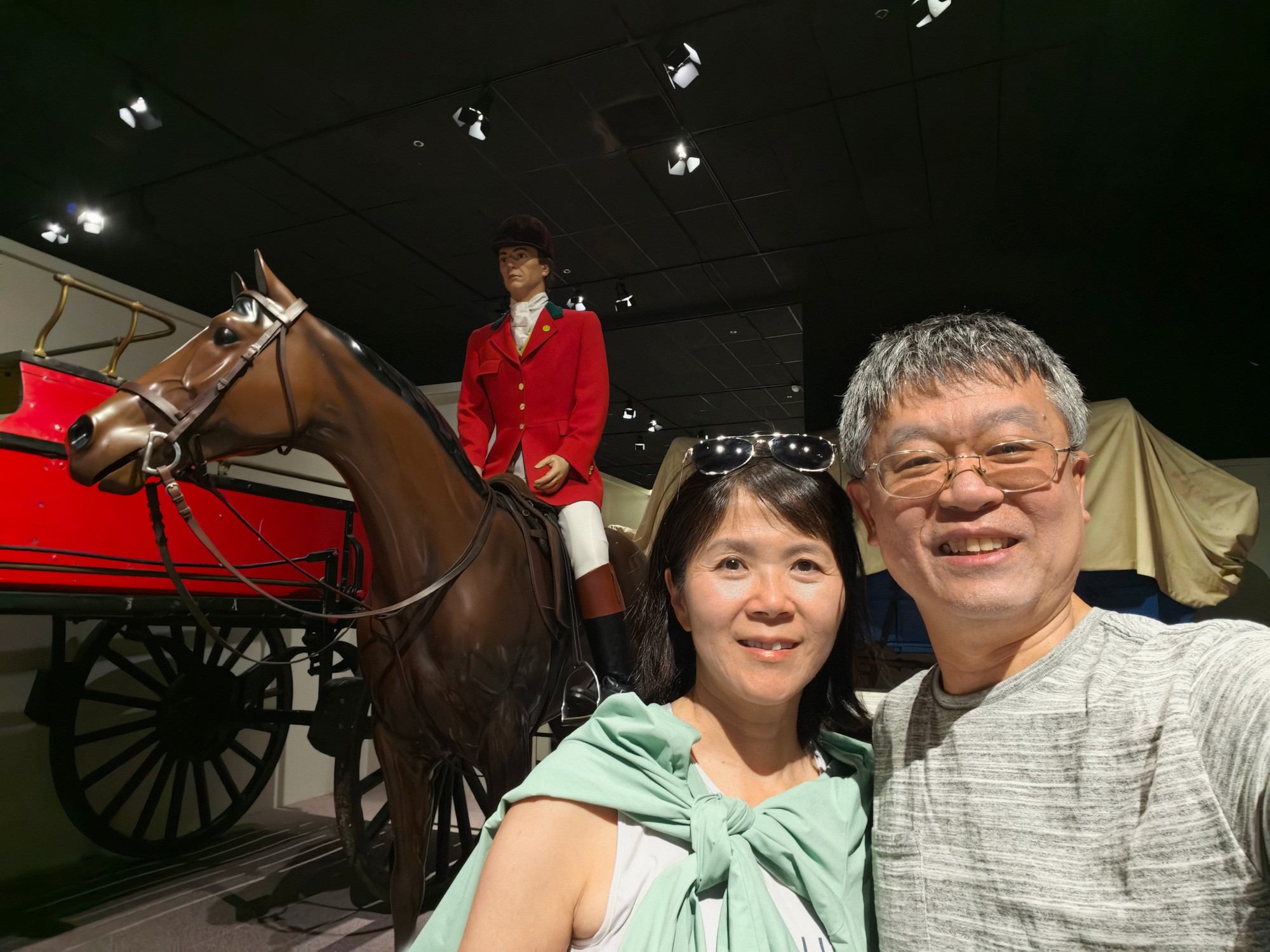
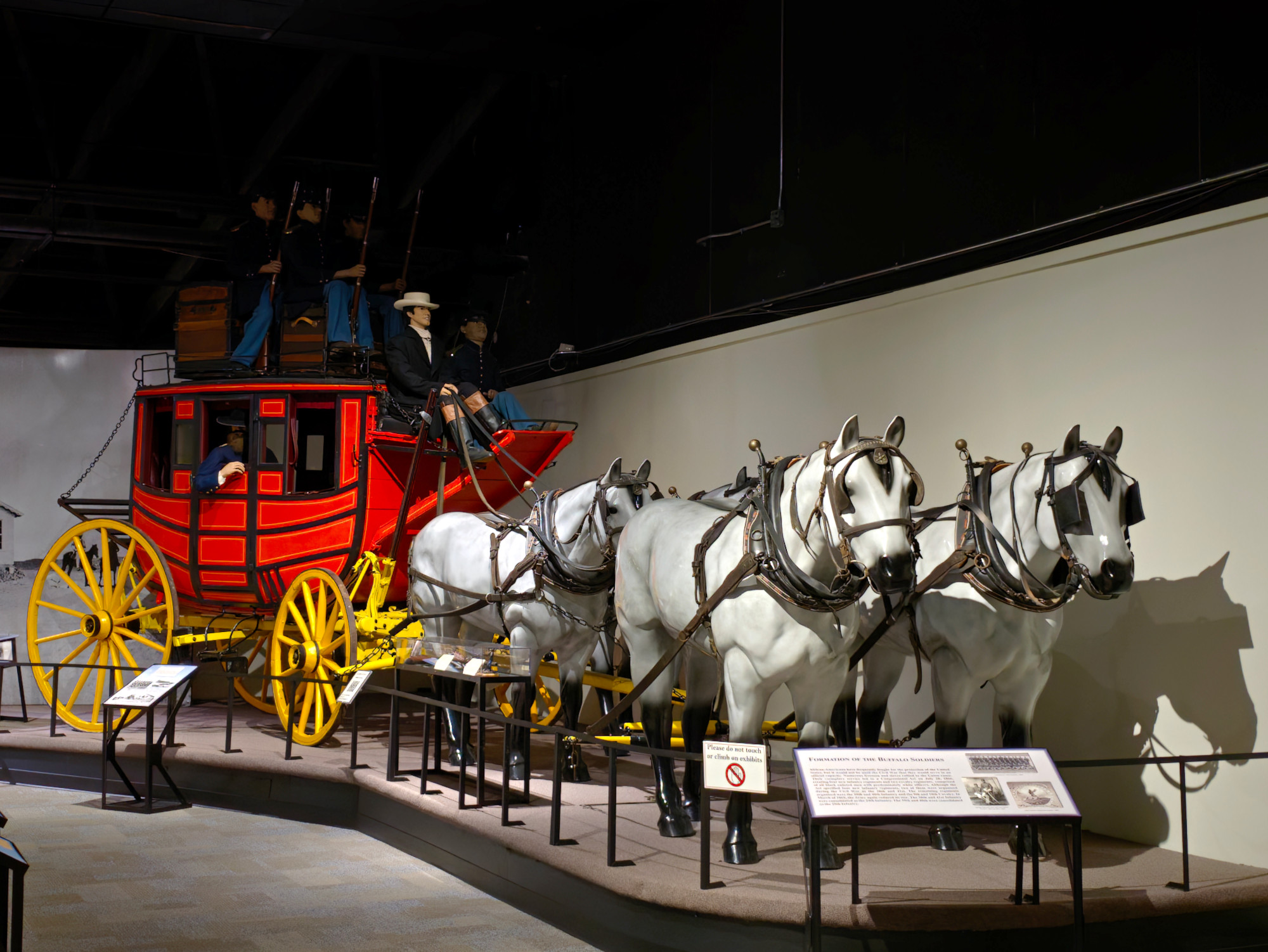
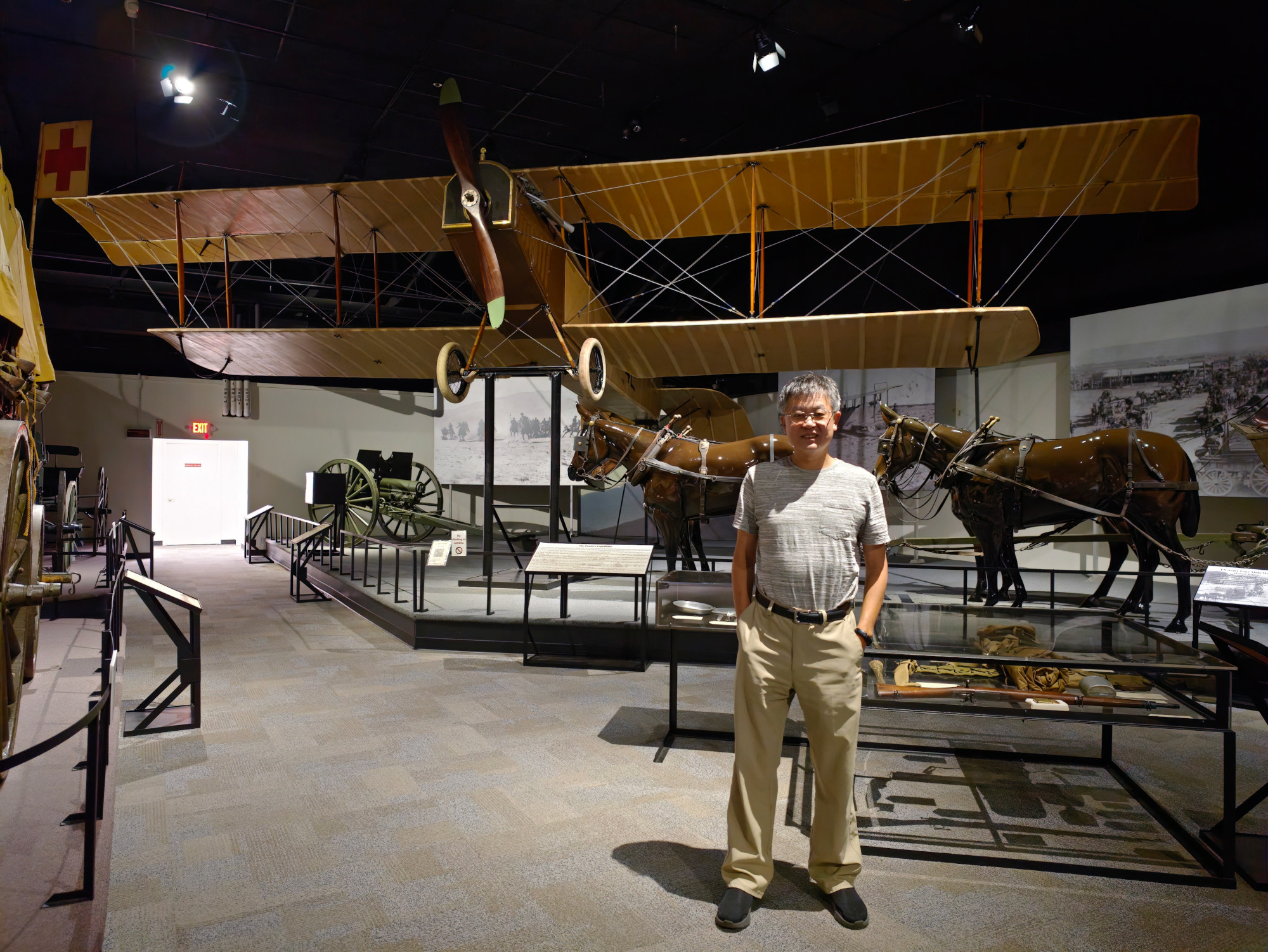
migration along the Santa Fe and Oregon Trails. The Frontier Army
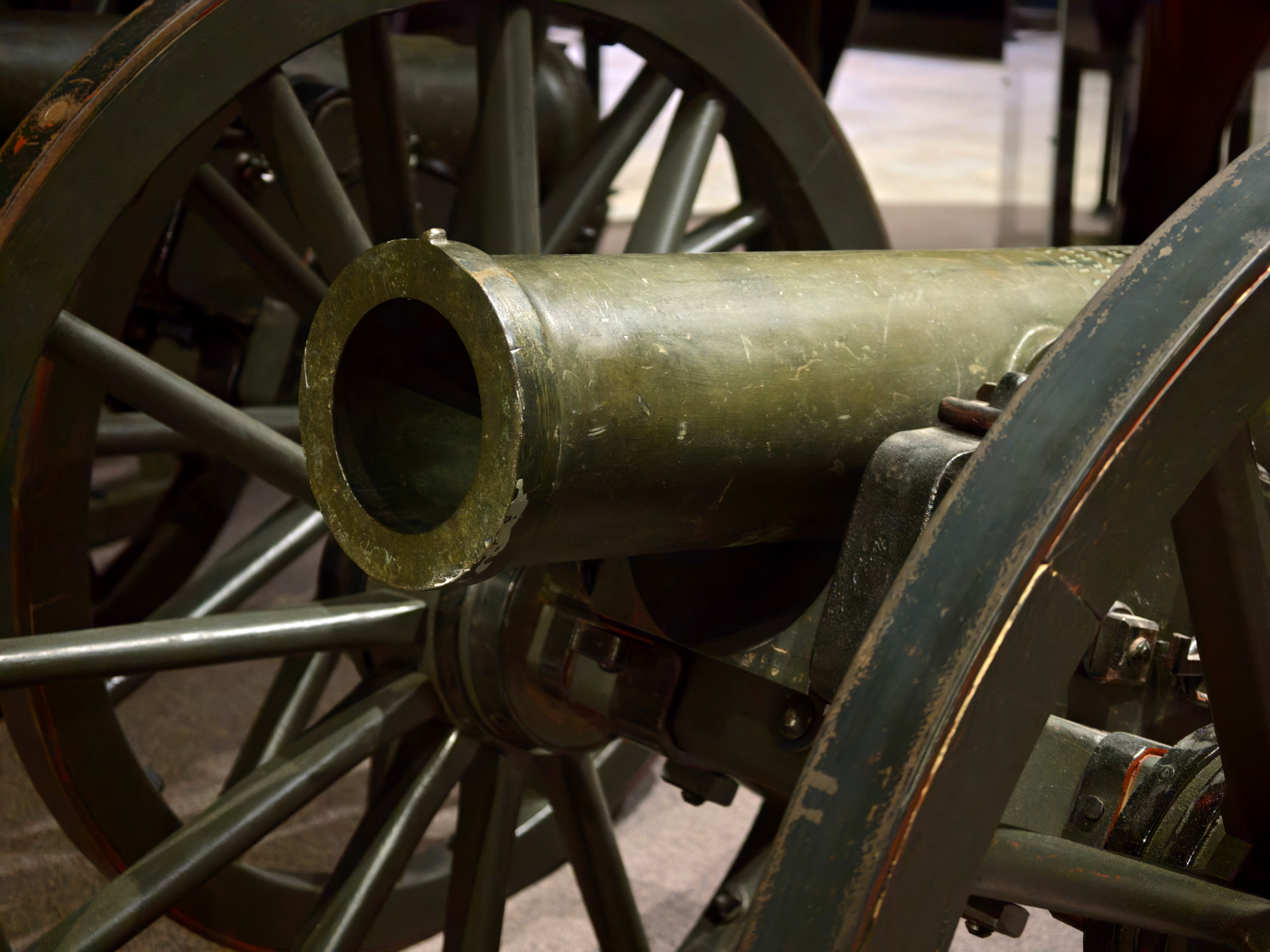
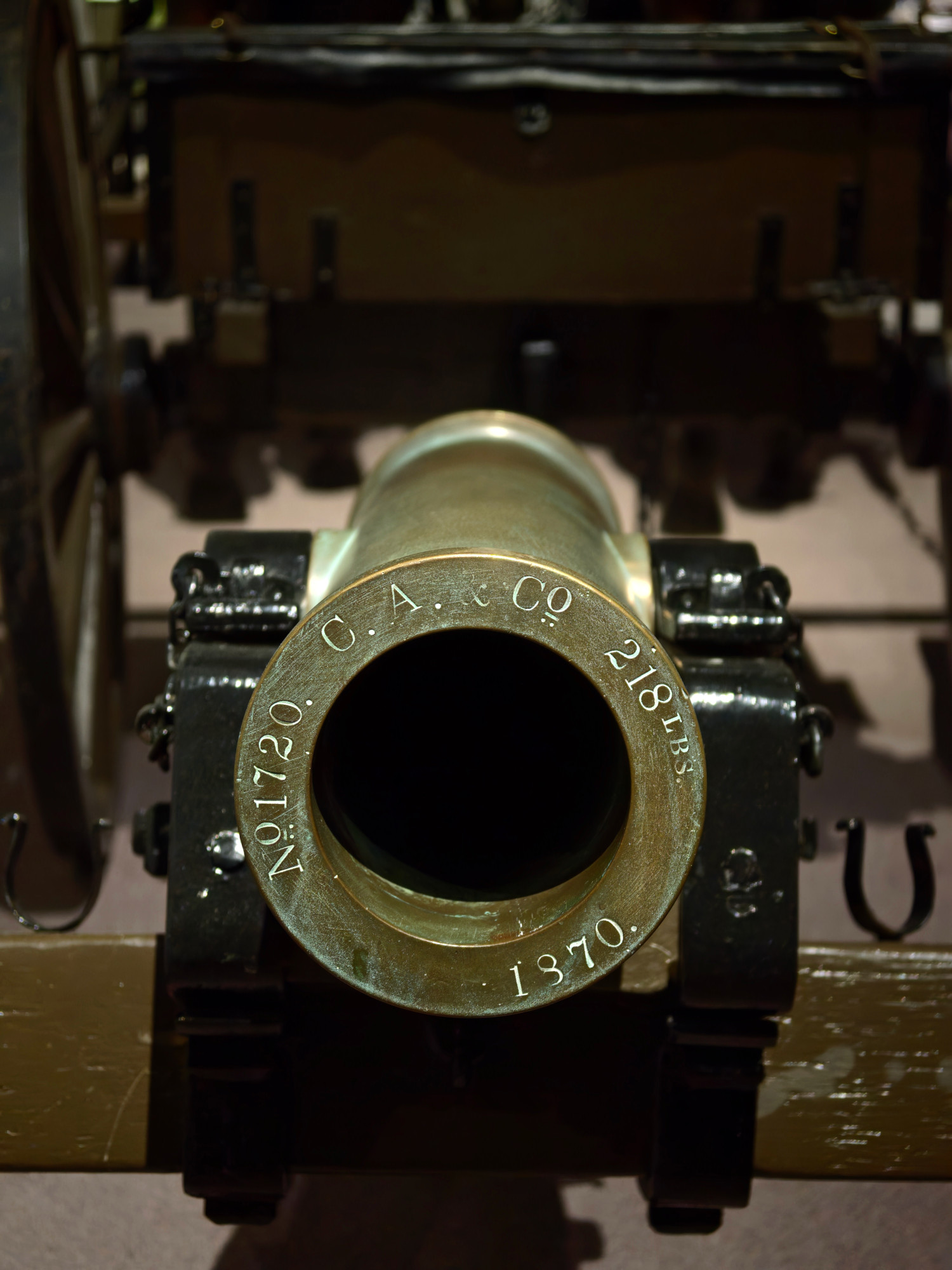
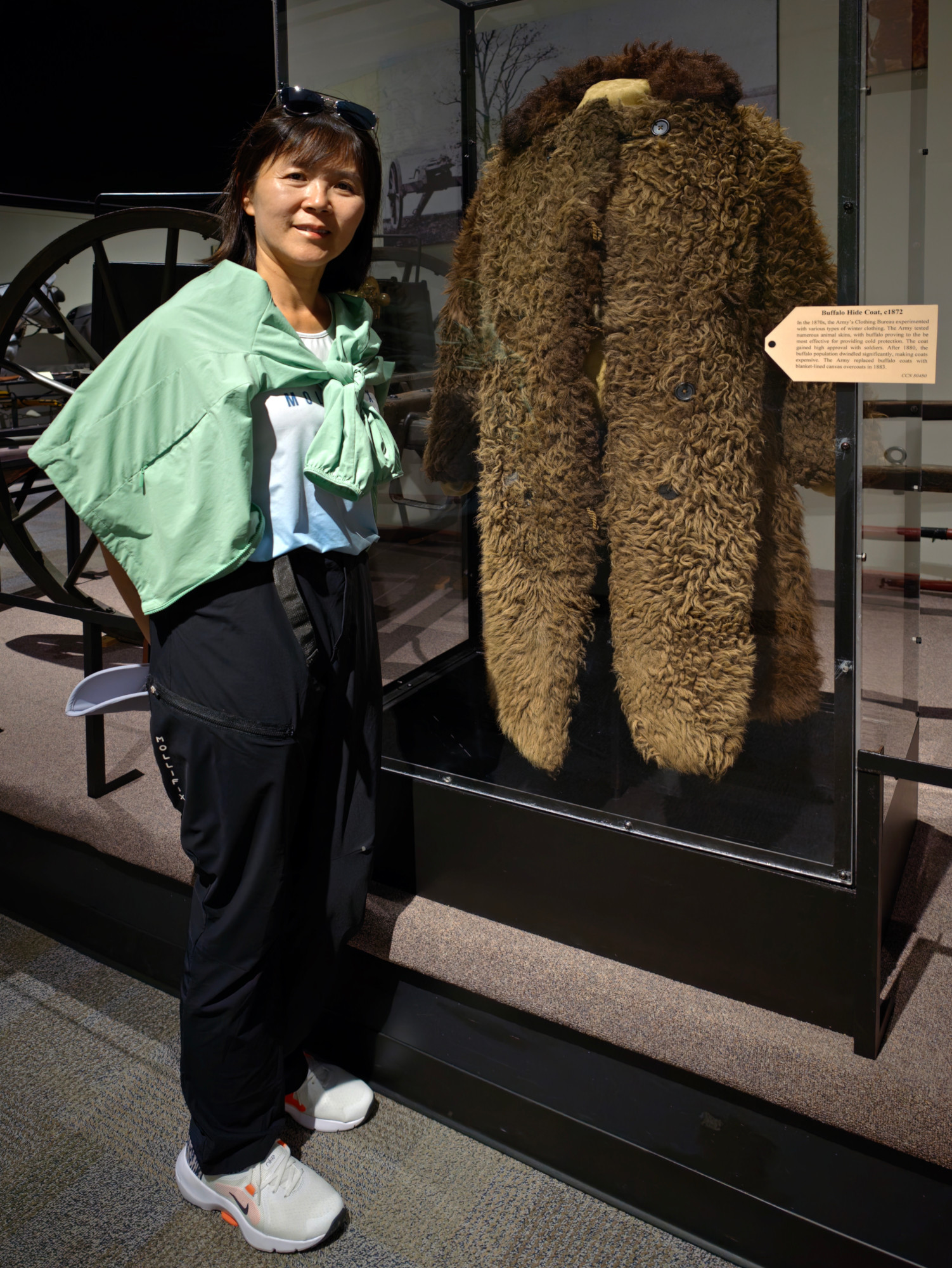
Museum showcases military artifacts from the early 19th century through
World War I, including wagons, uniforms, and weaponry.
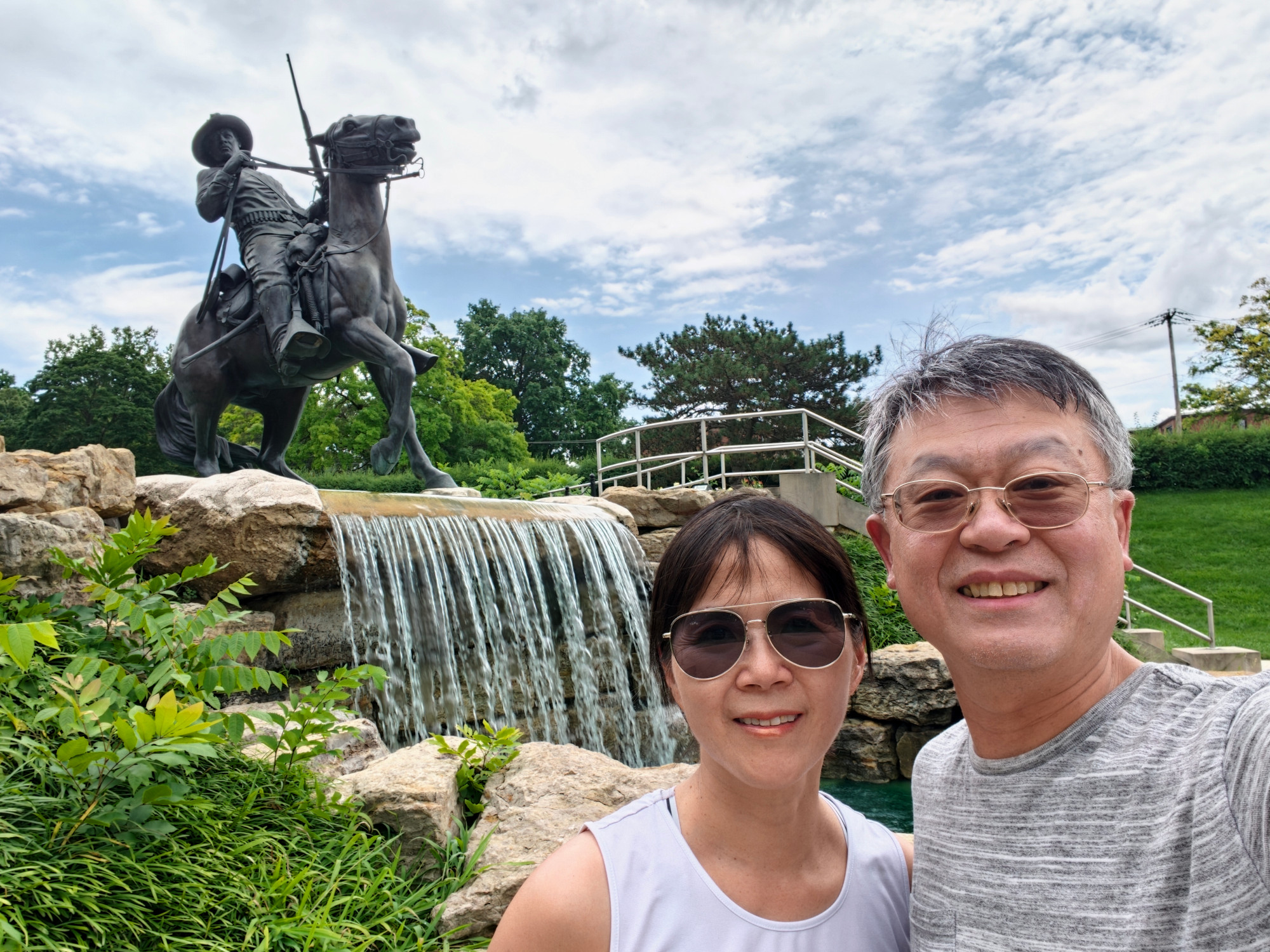
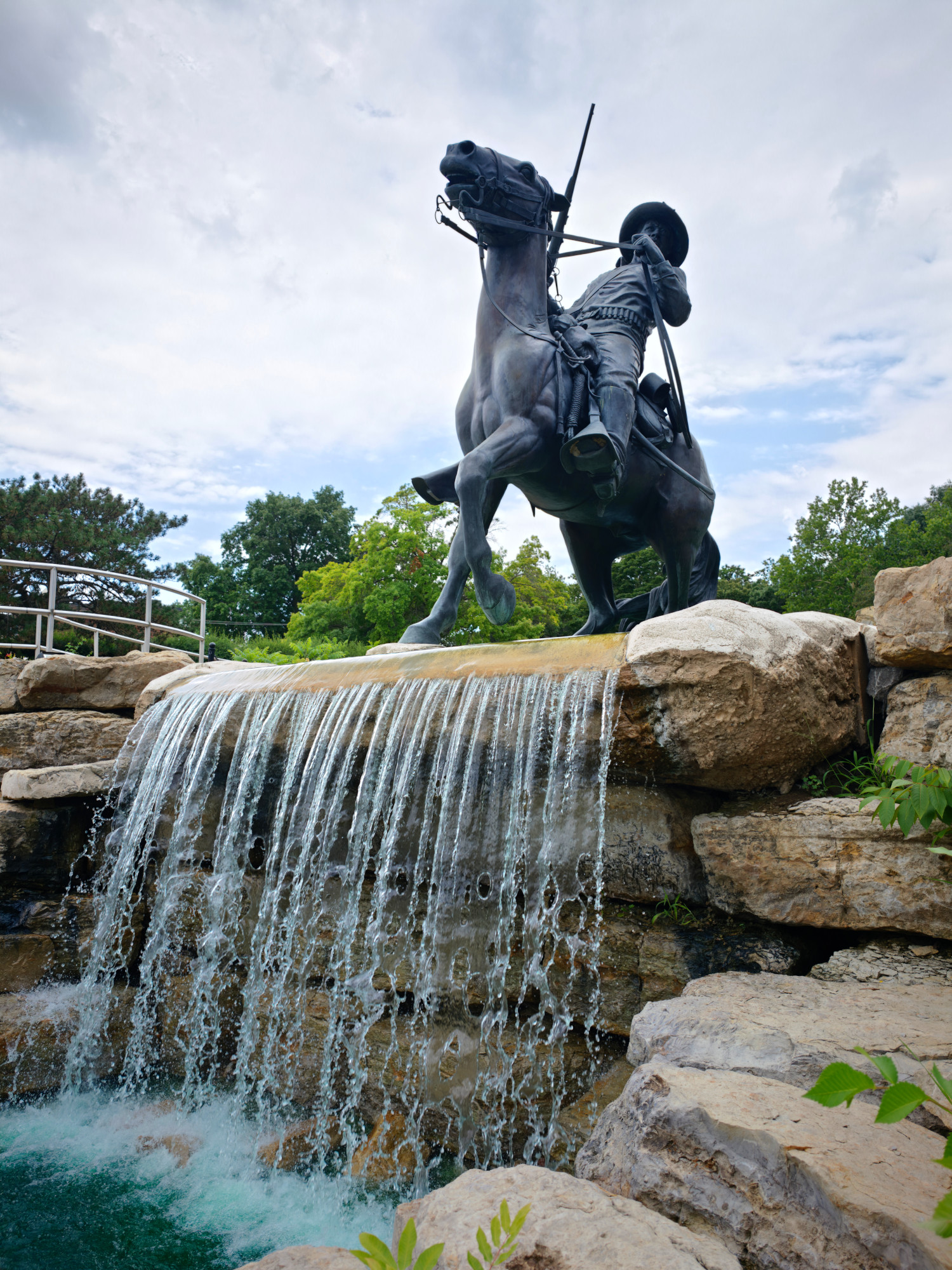
The Buffalo Soldier Monument is a bronze memorial
dedicated in 1992 to honor the African-American cavalry and infantry regiments.
- One of the reasons we chose to come to Kansas City was because Woanyu
wanted to meet her high schoolmate she had made friend online in the past
few years but never met in person. We had a dinner together at a nice
BBQ place, Jack Stack Barbecue in Overland Park.
Day 2 (7/10) ...
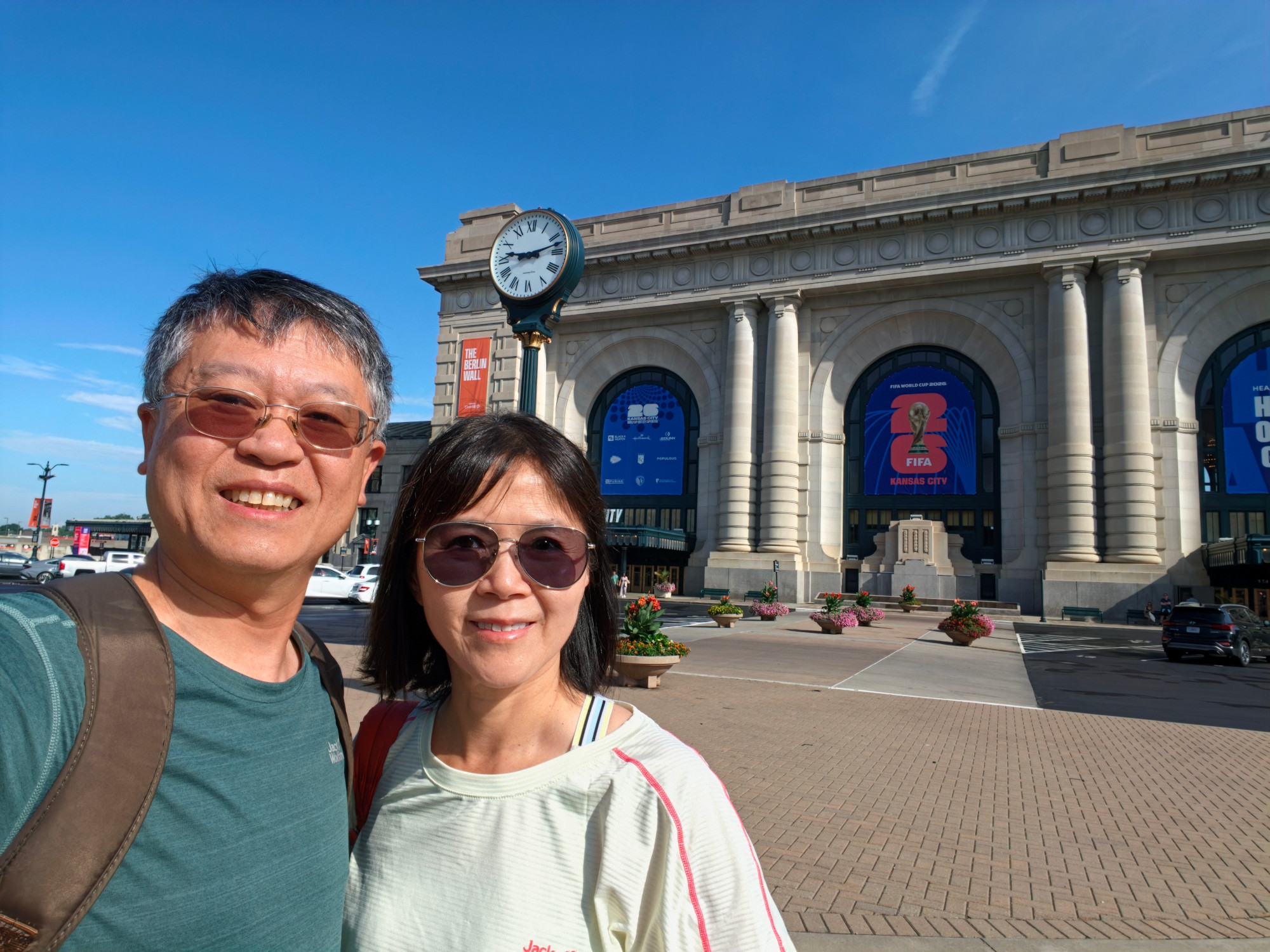
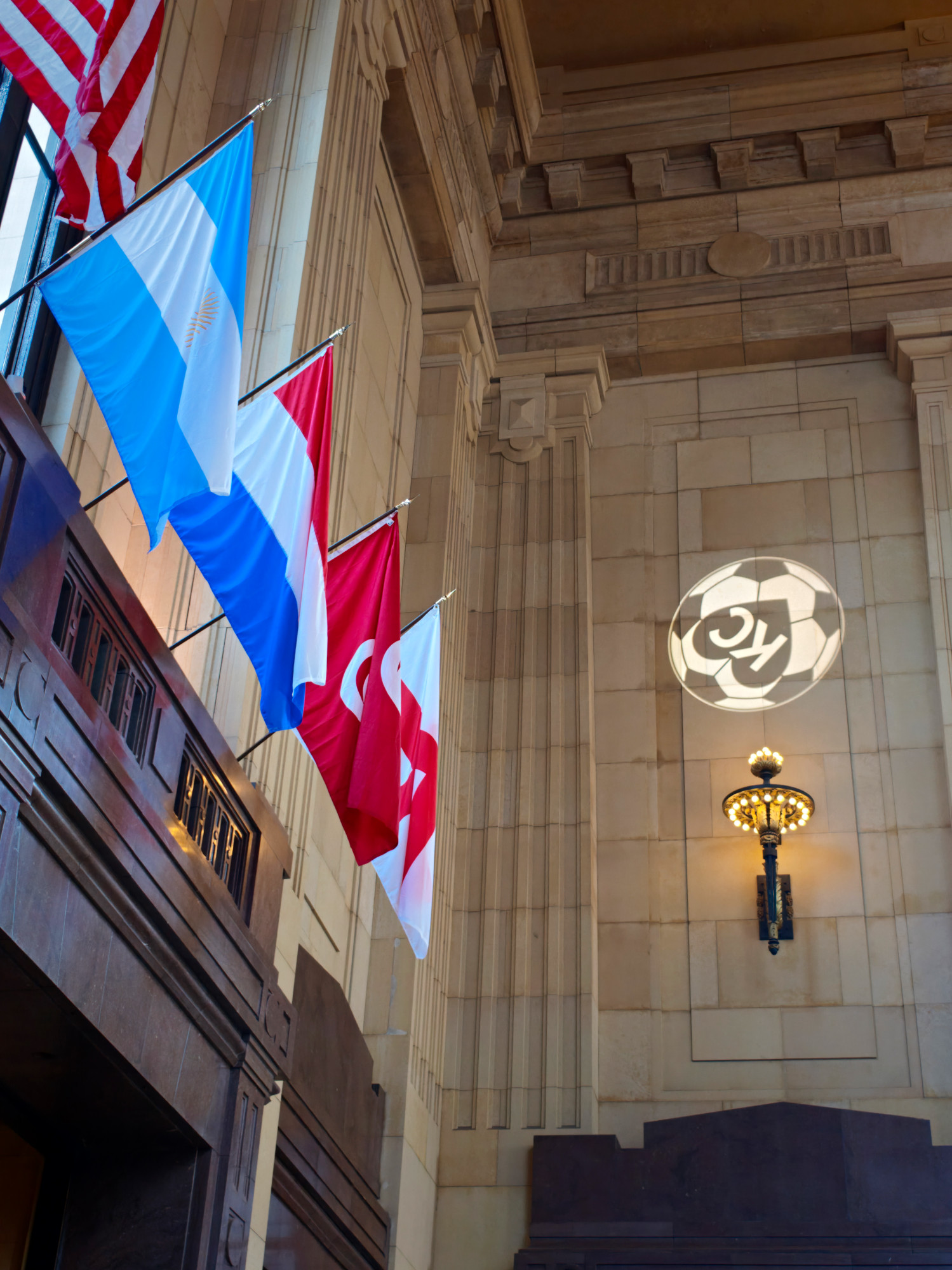
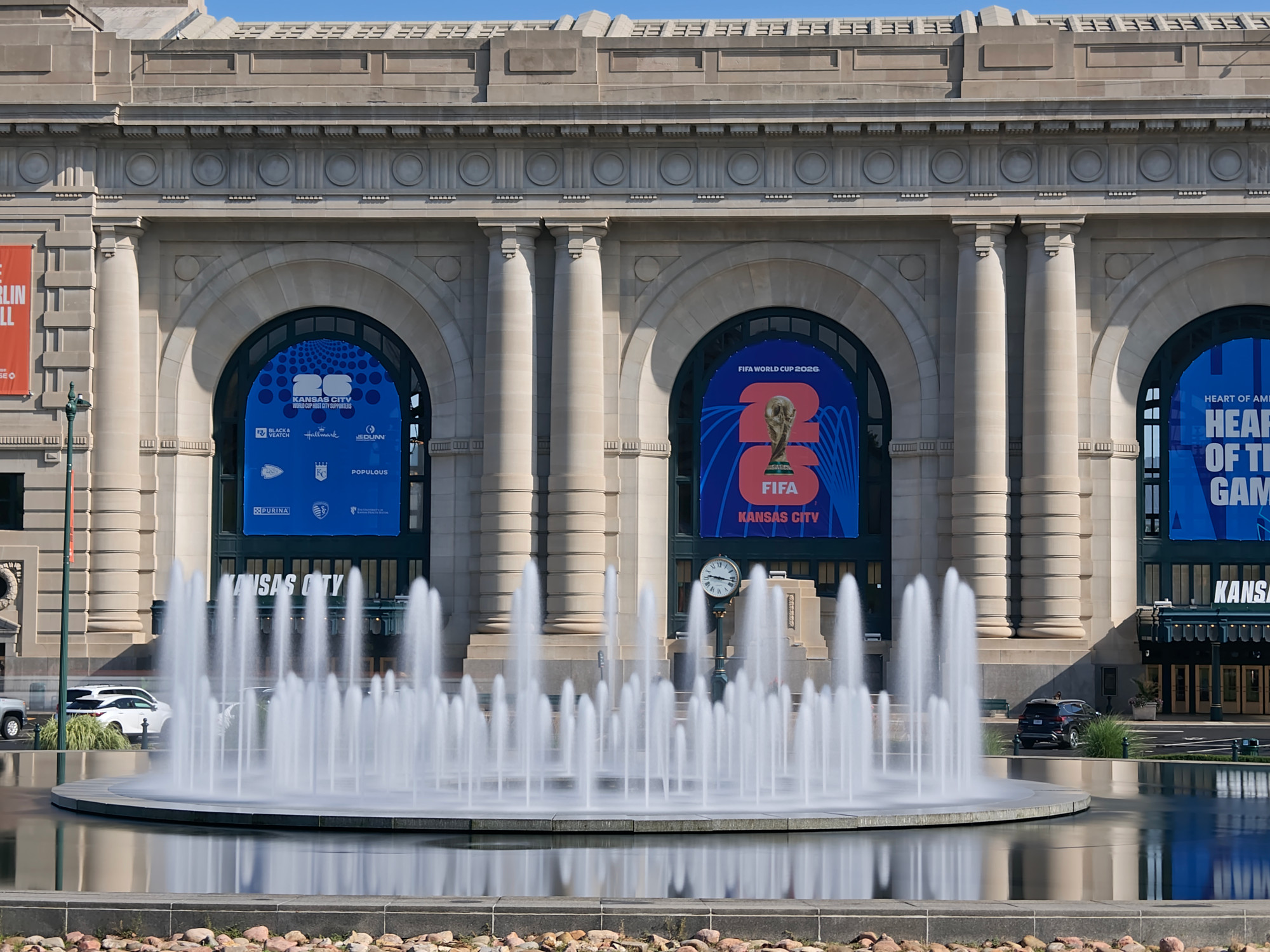
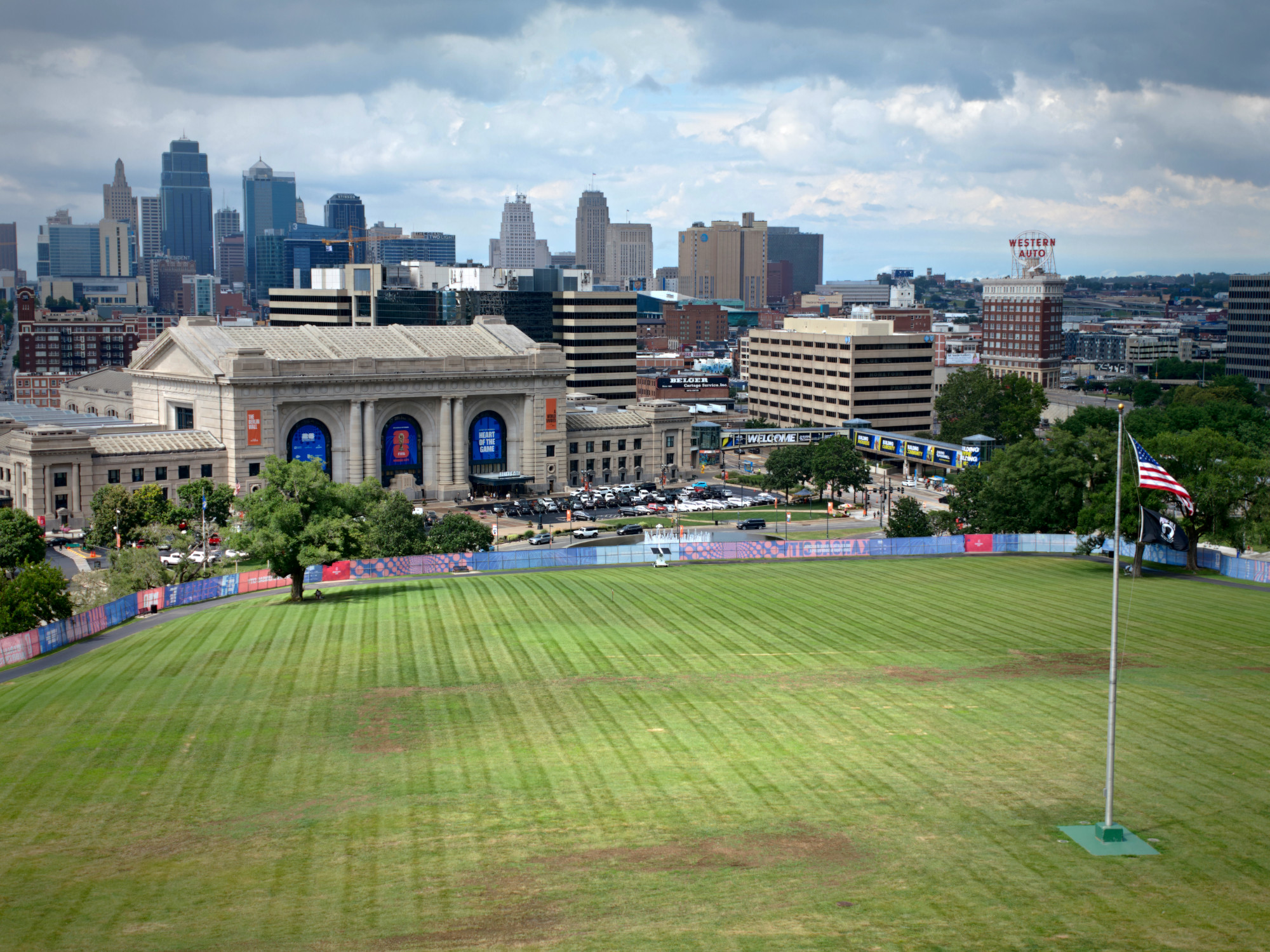
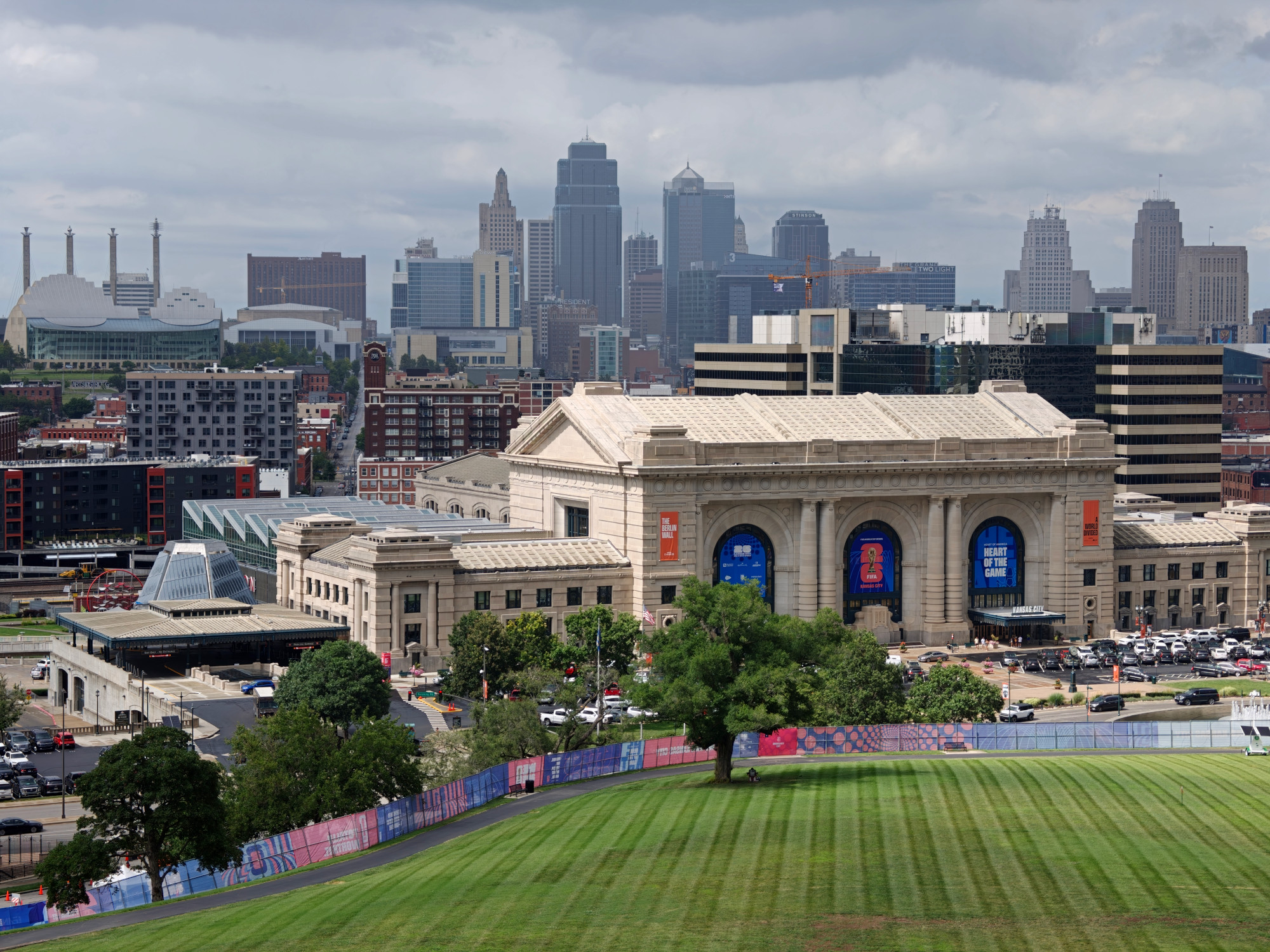
- Union Station
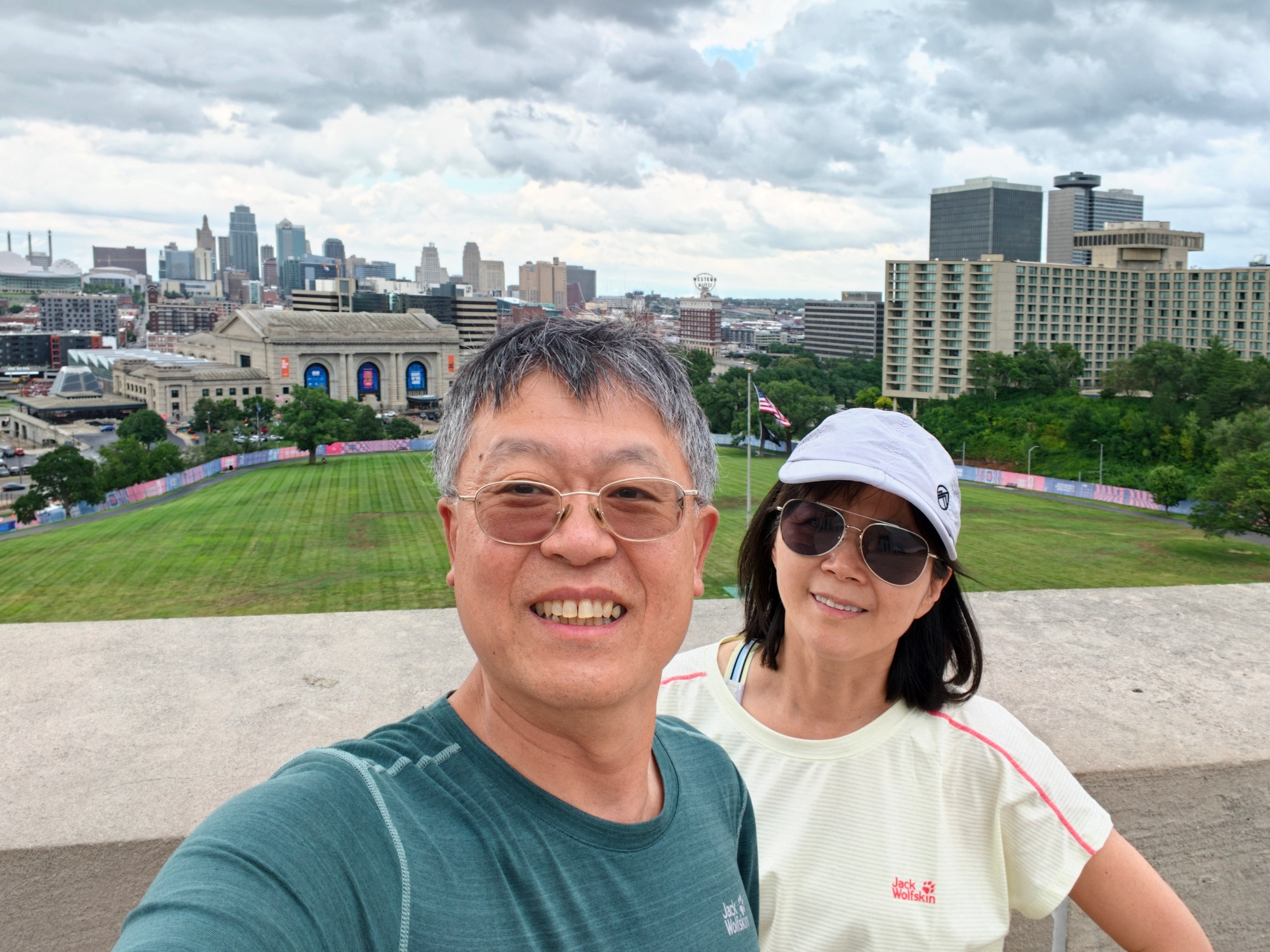
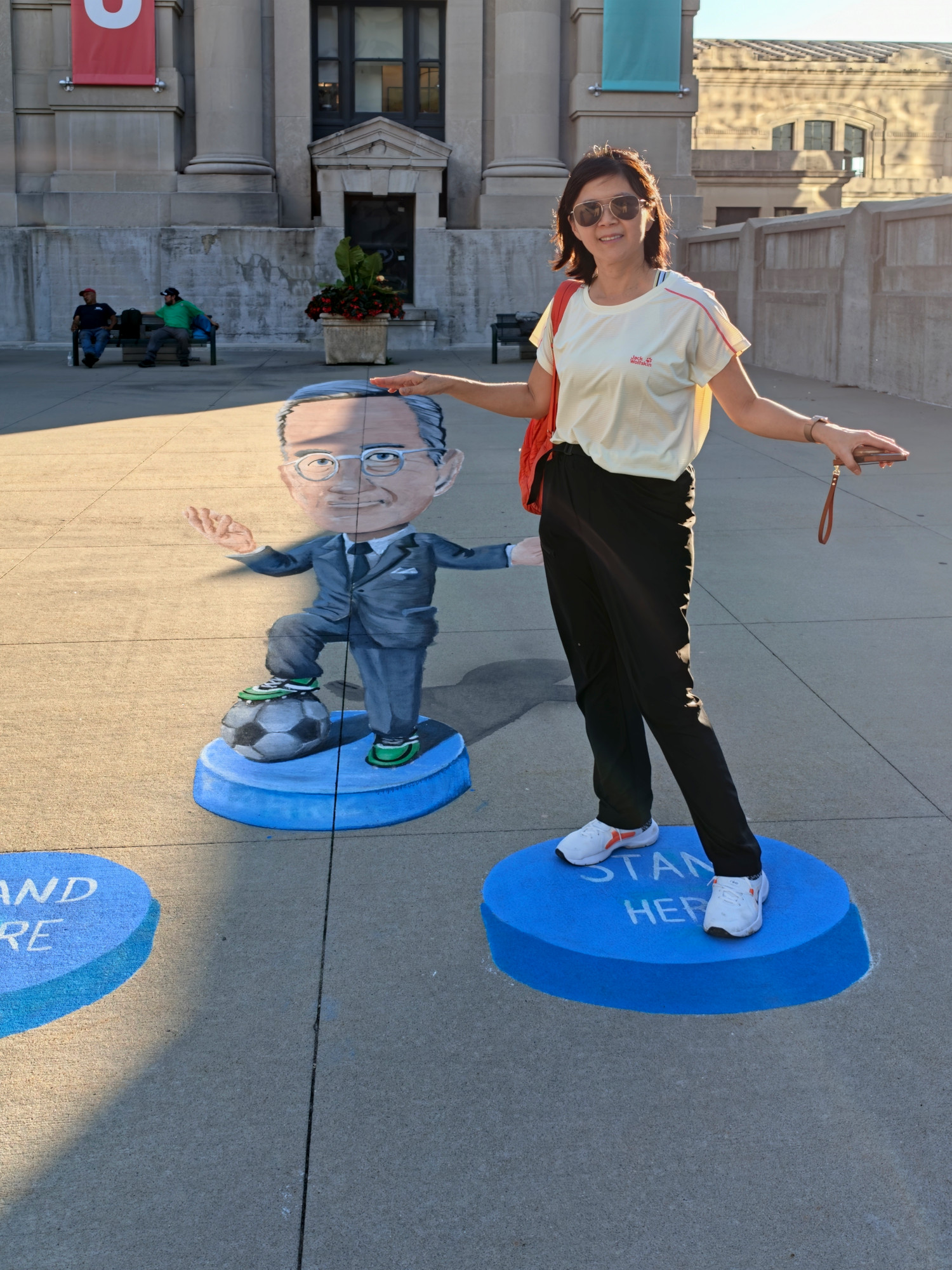
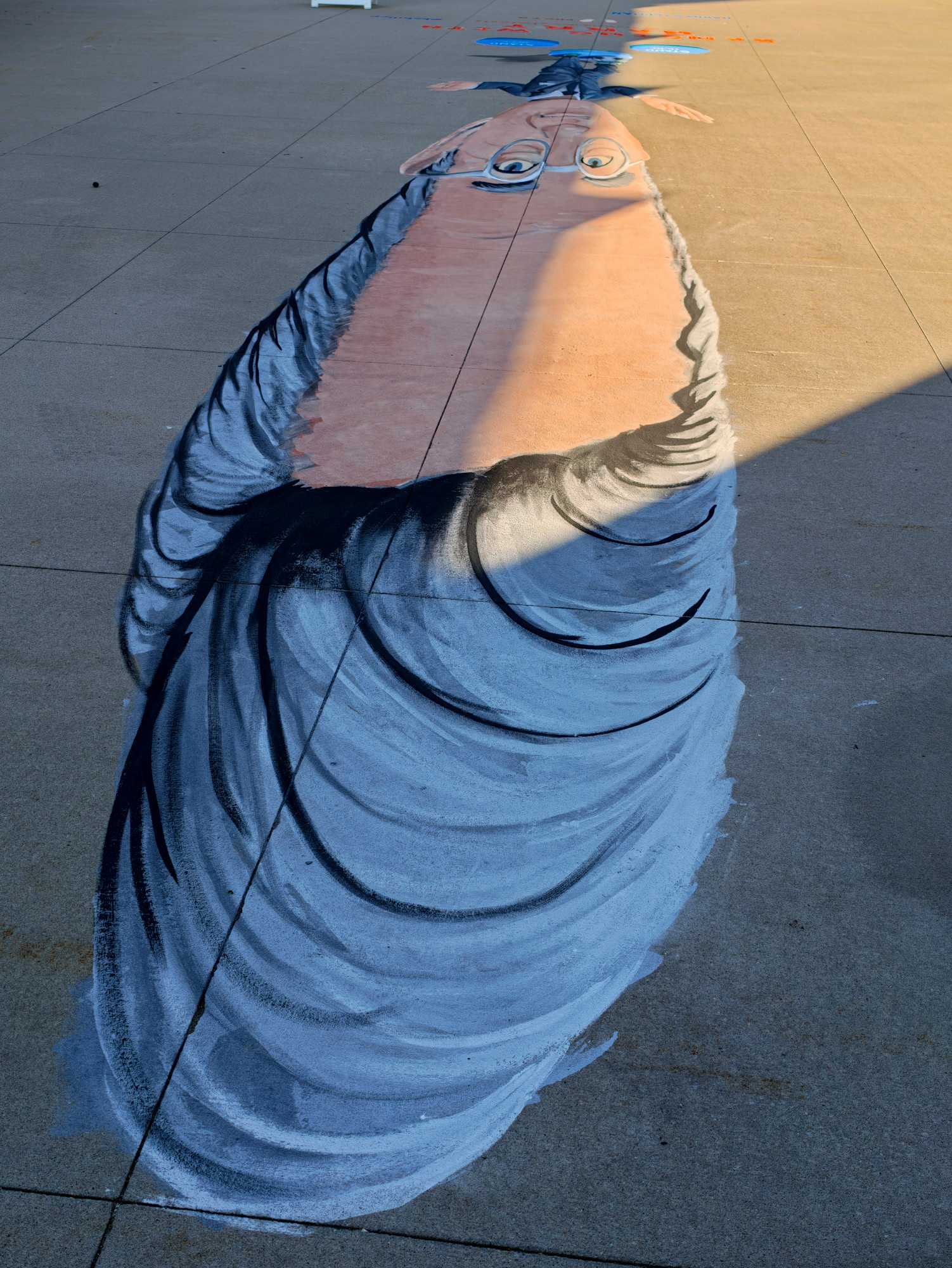
We went to Kansas City center region at about 9AM and
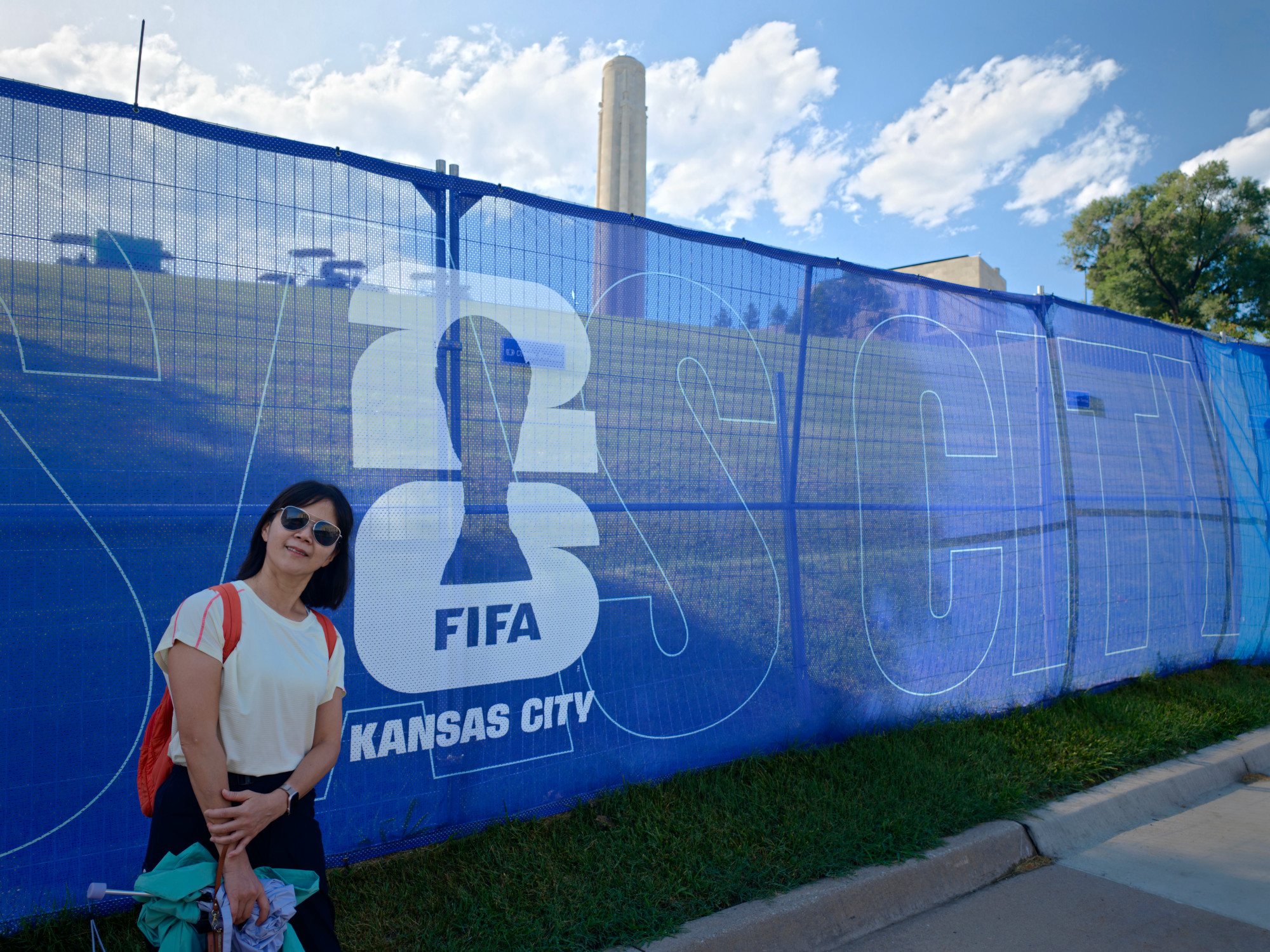
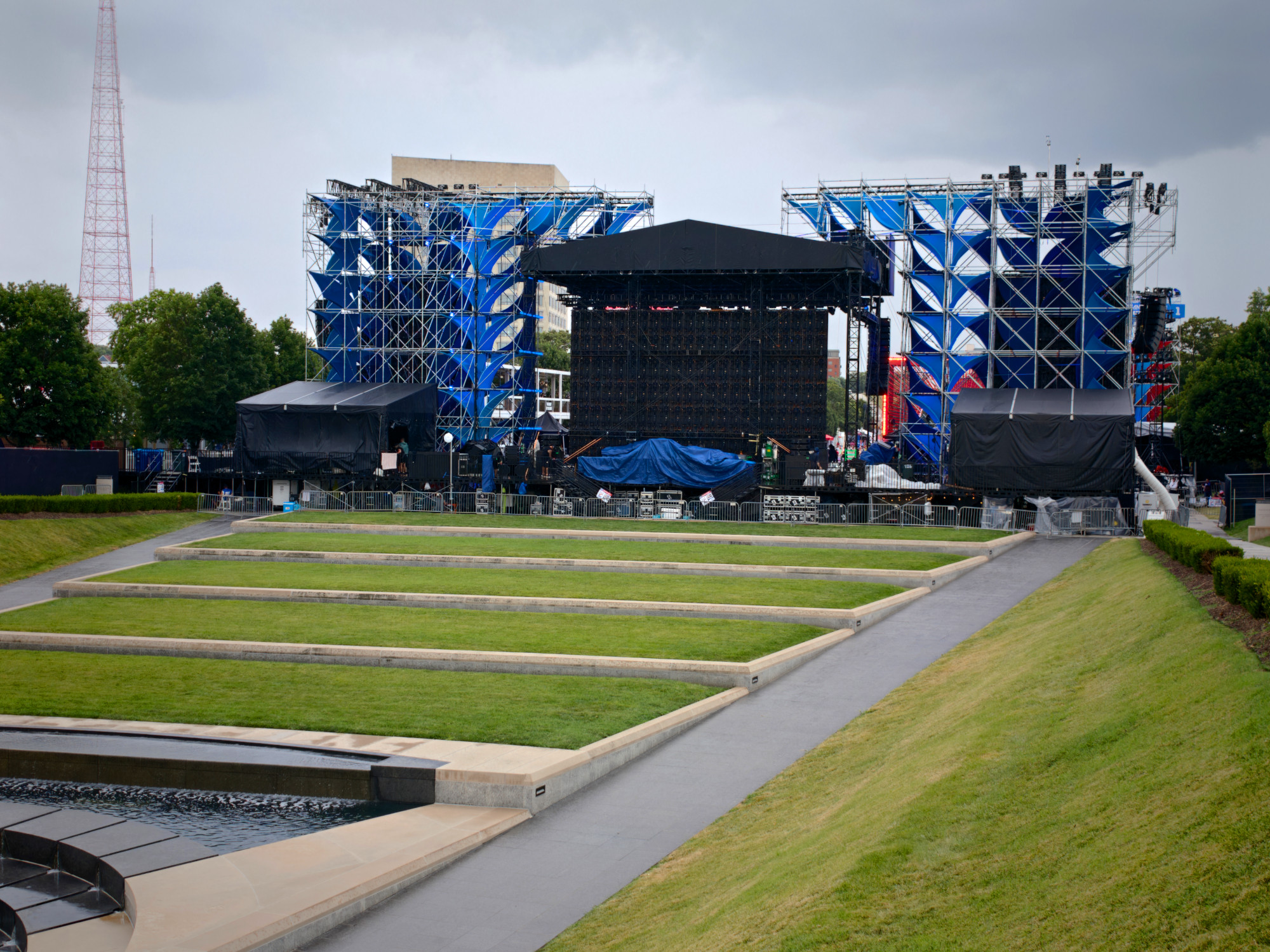
wanted to see the cityscape from the high ground around the World War I
Museum. However, we found it was all
blocked for World Cup Fan Festival
and we could get into the surrounding area.
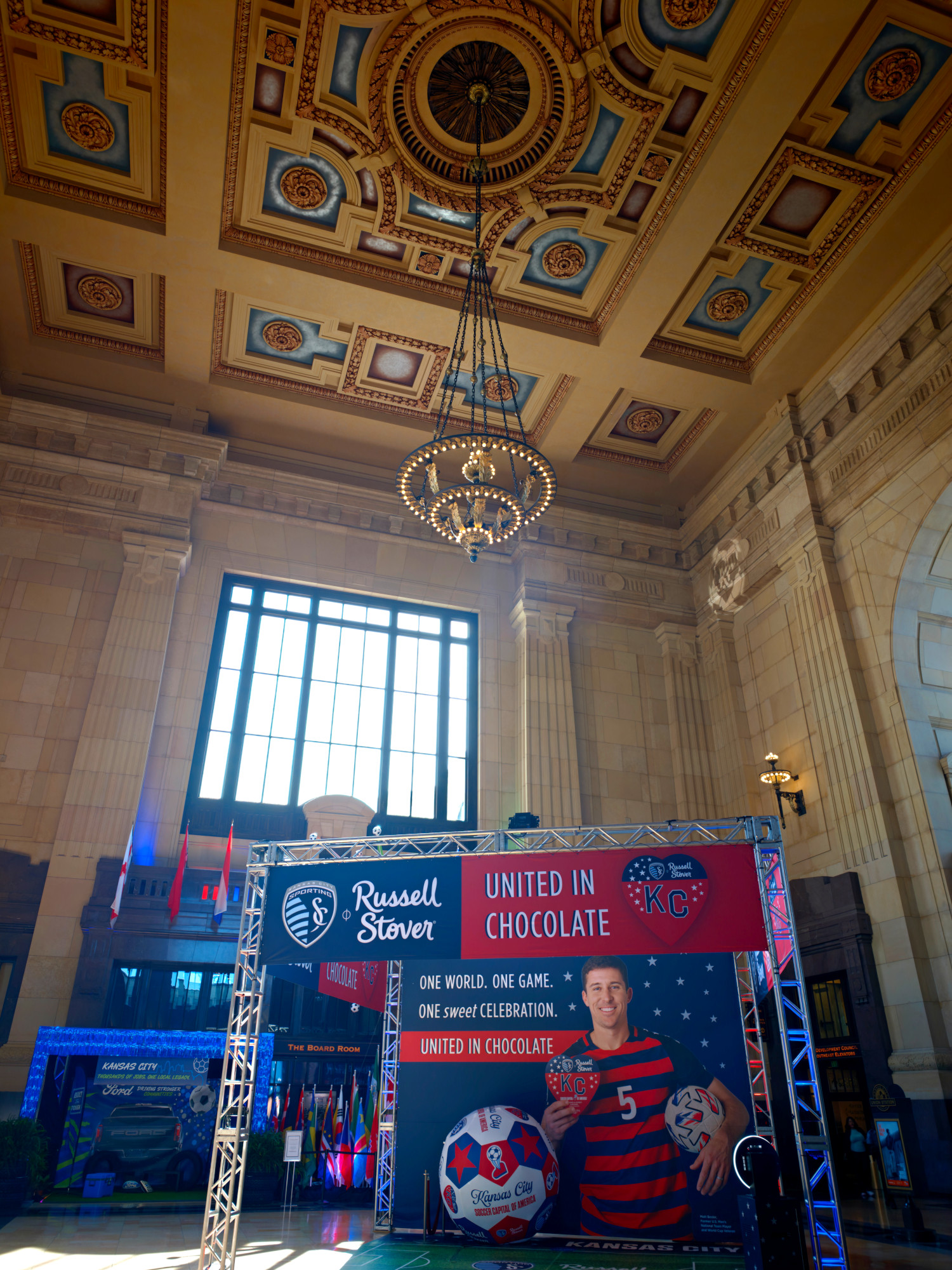
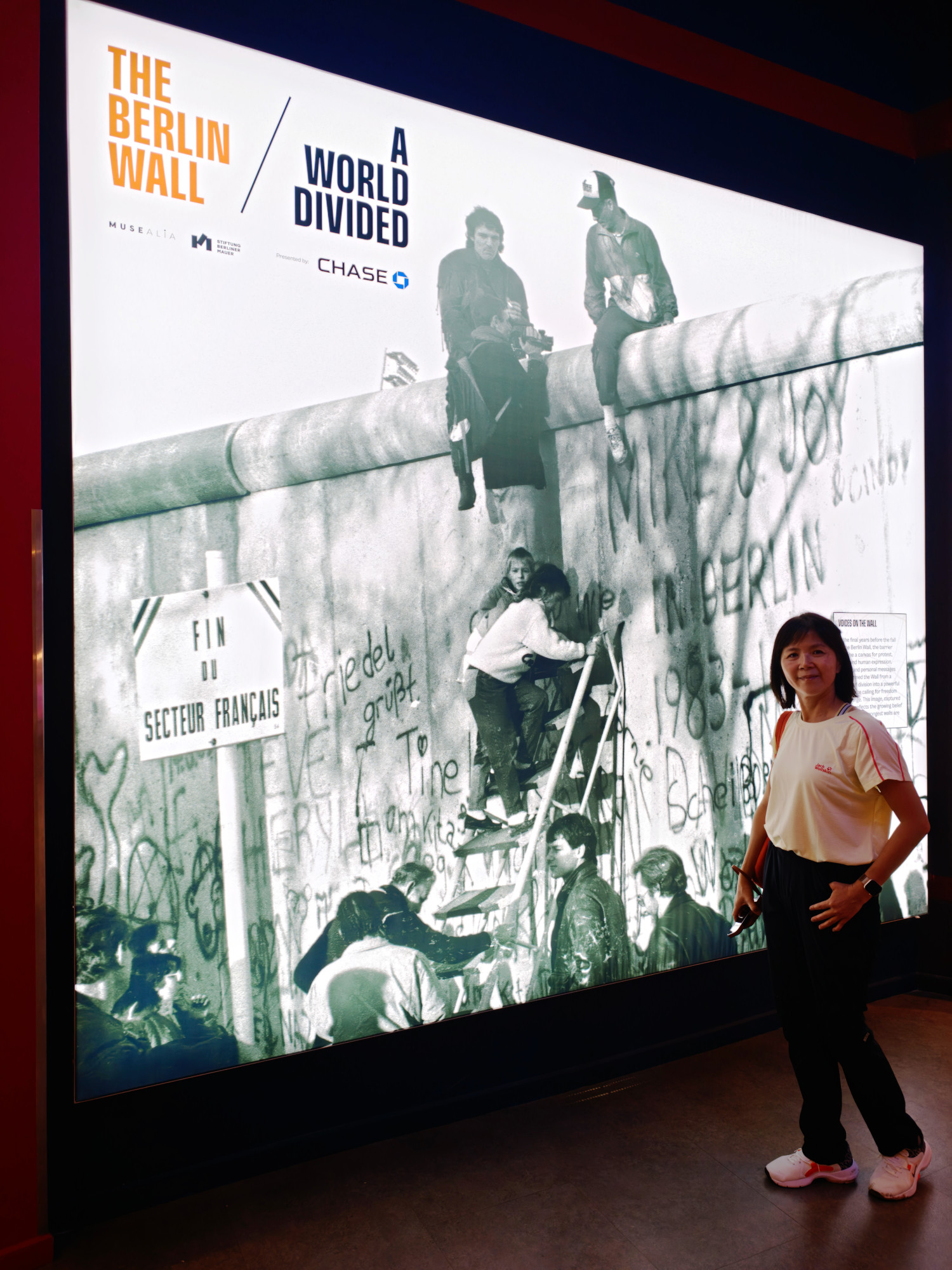
- The Berlin Wall
Exhibition at Union Station
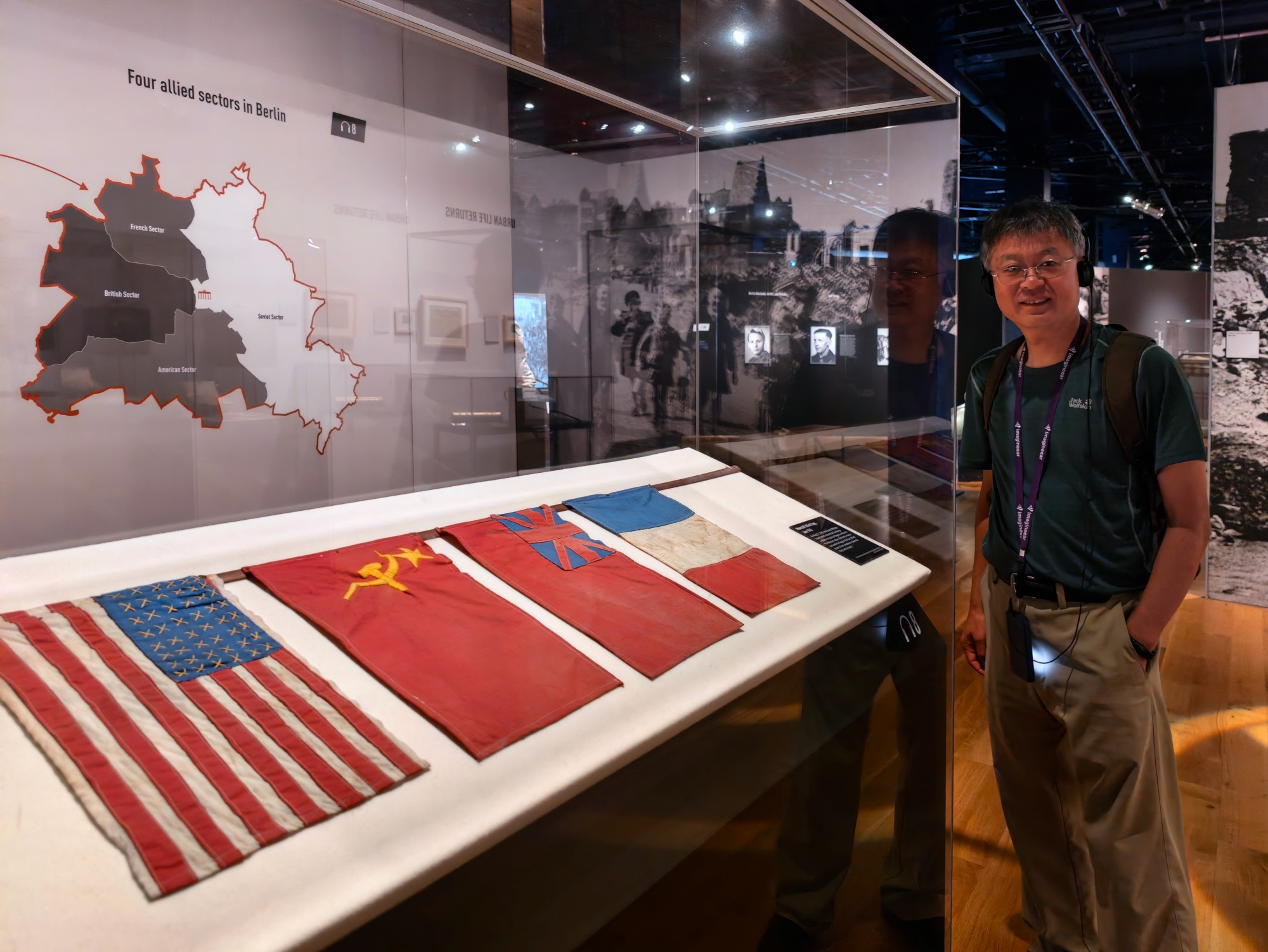
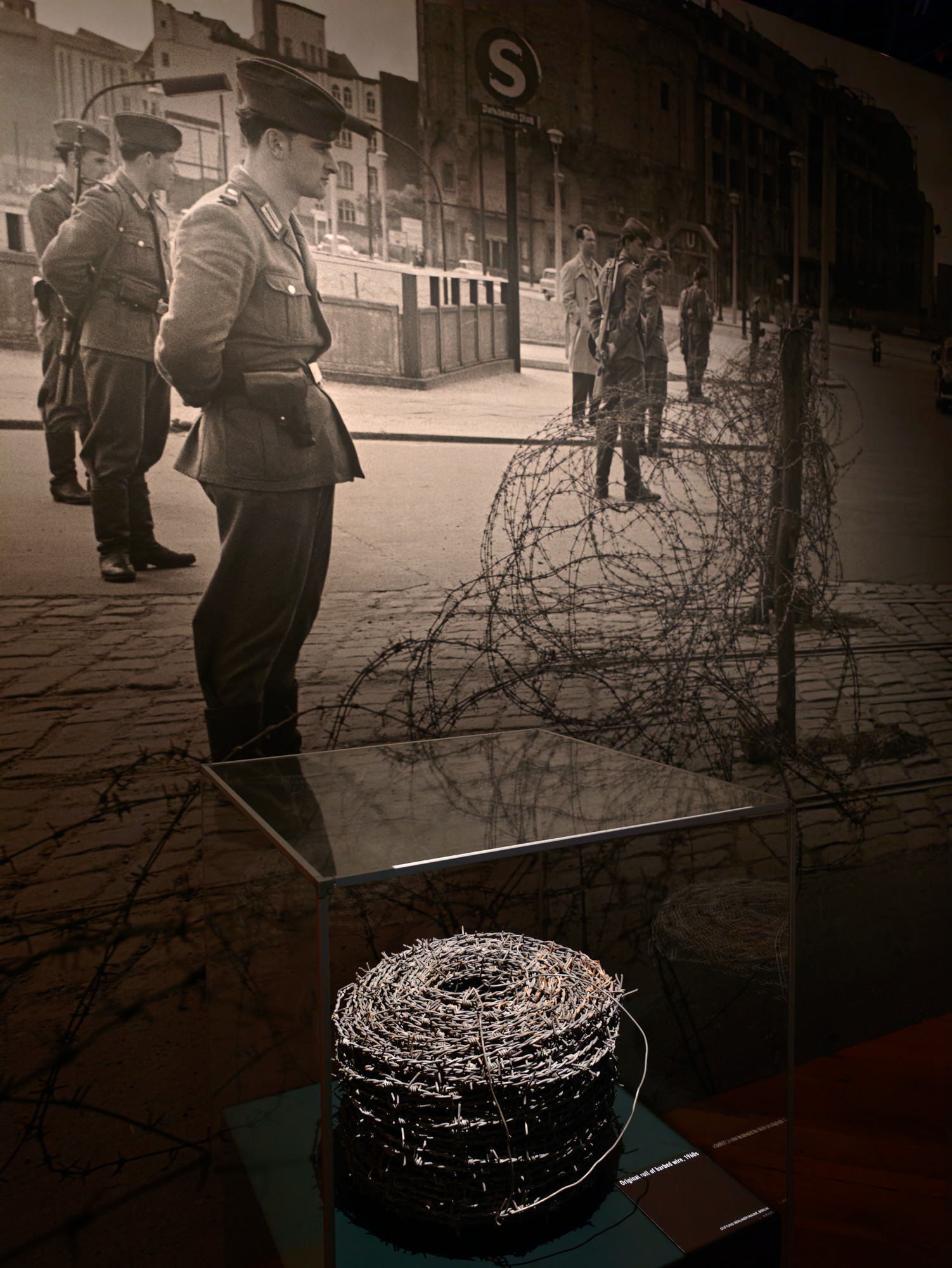
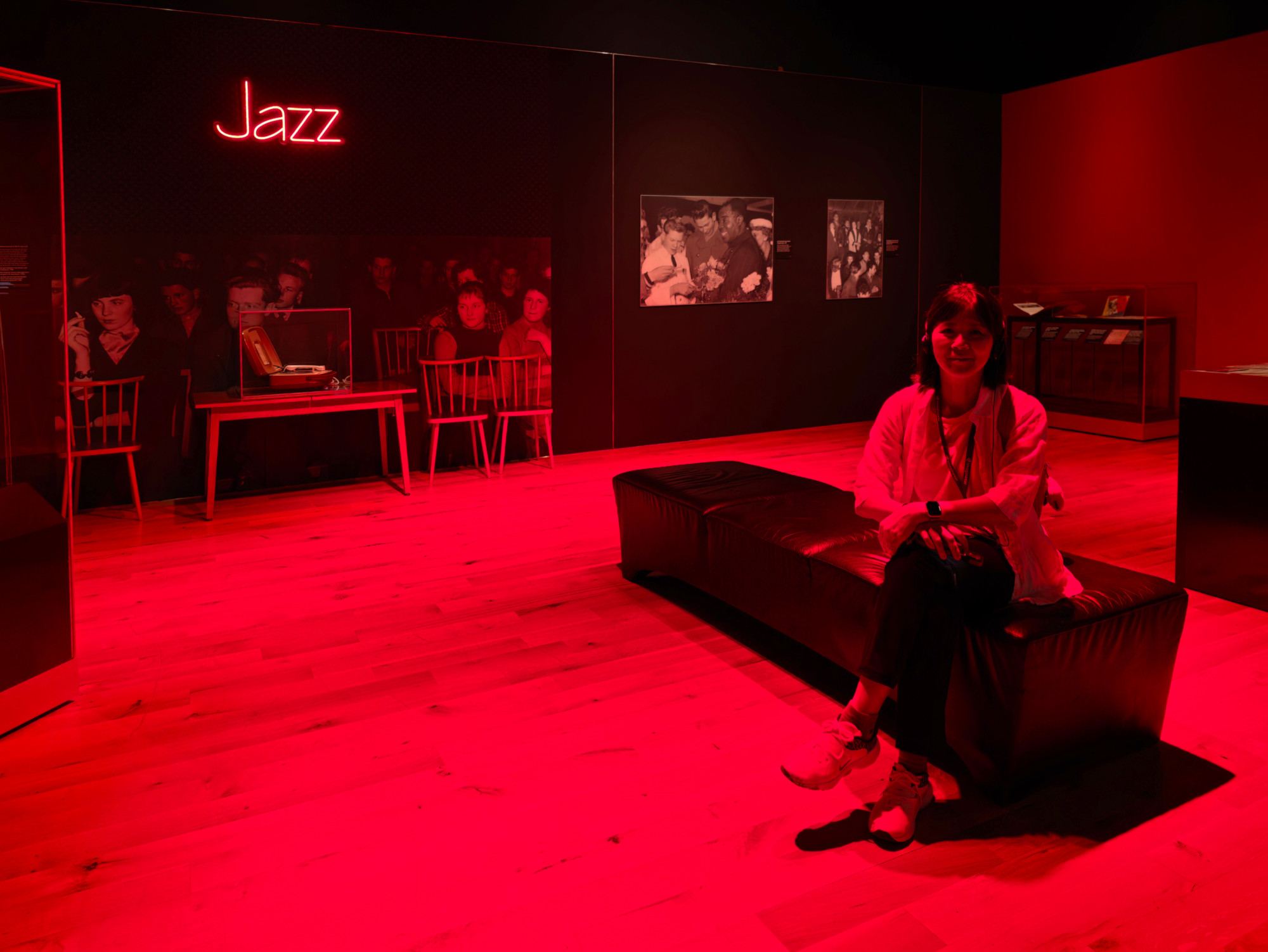
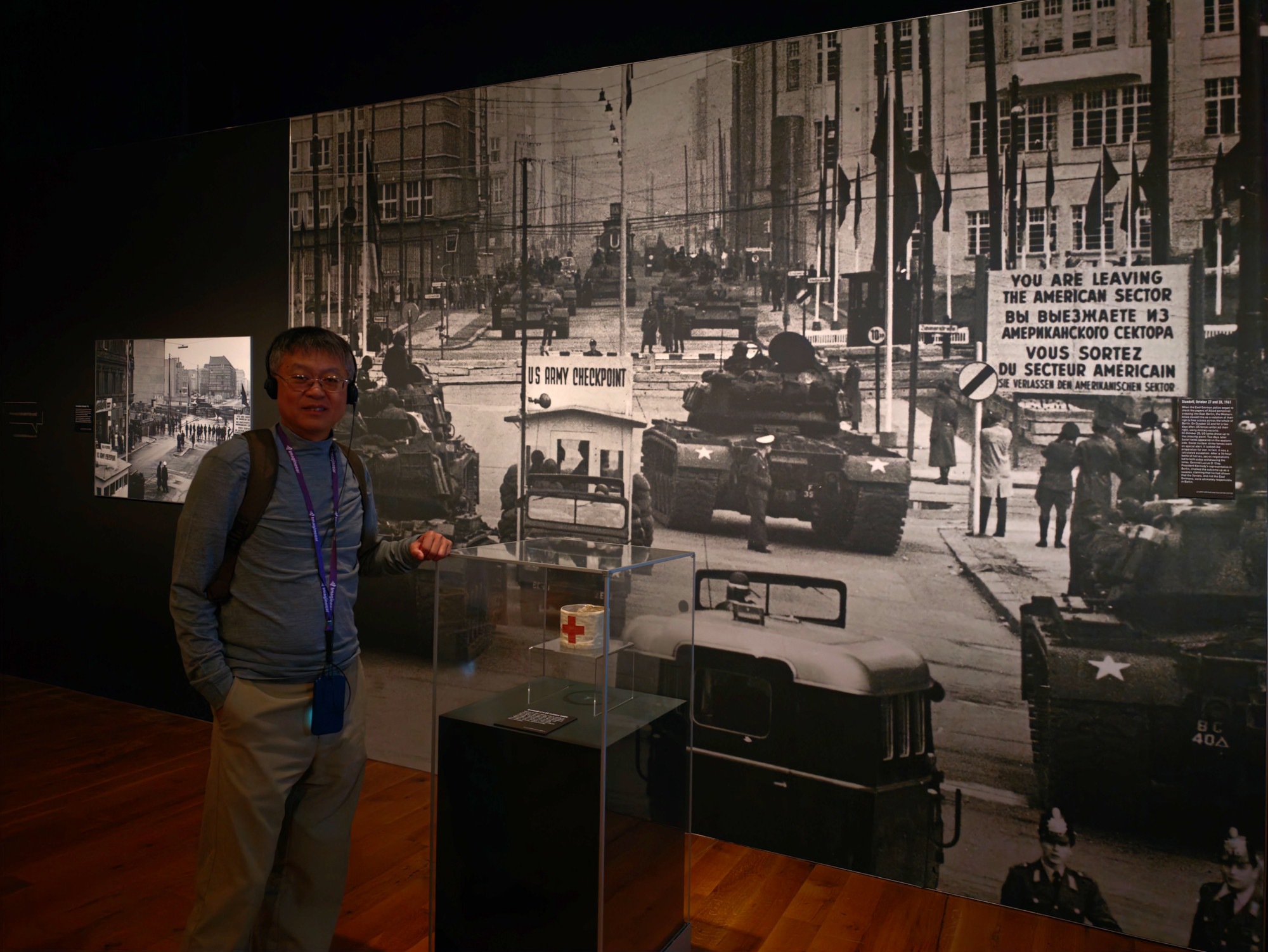
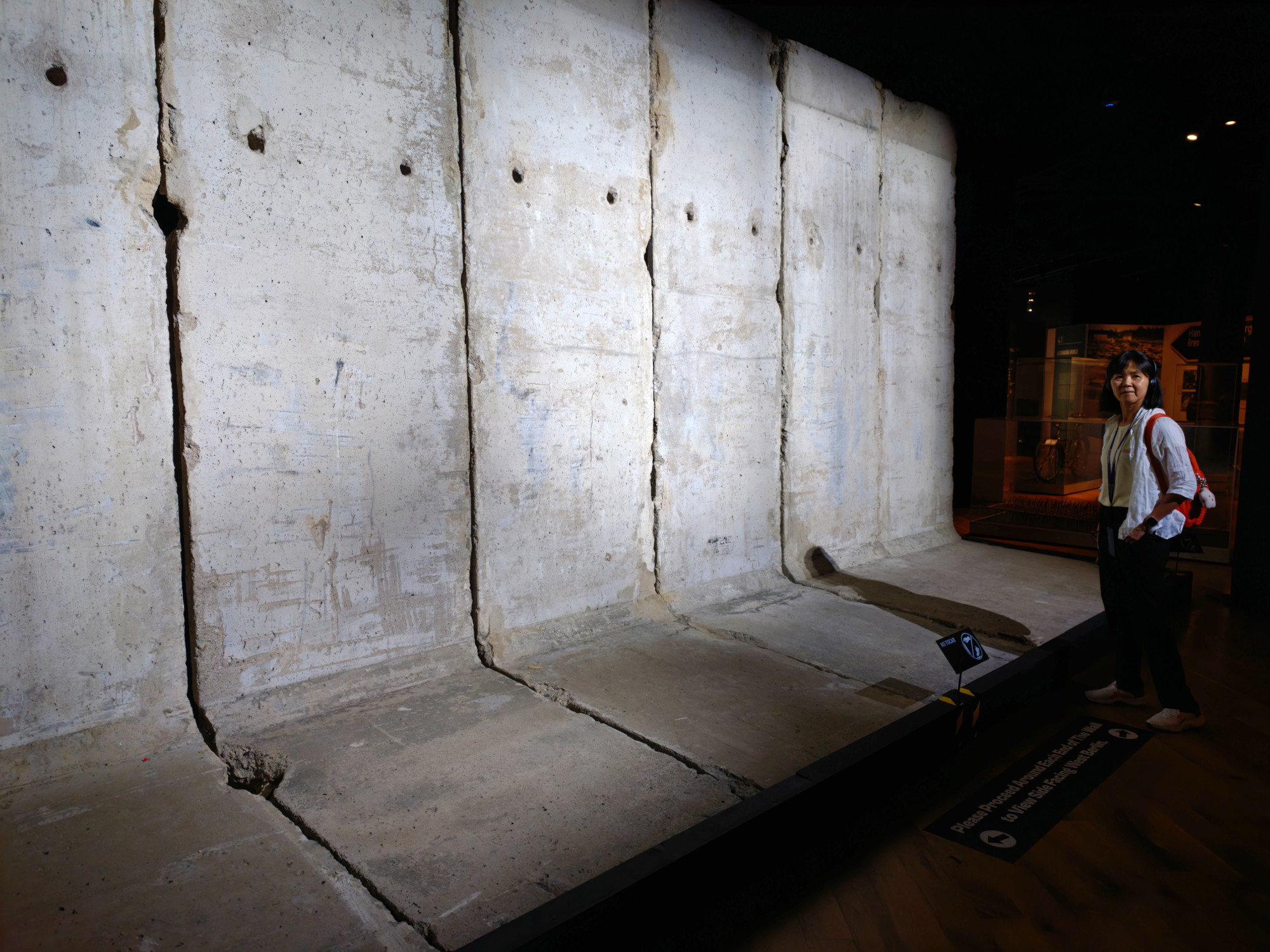
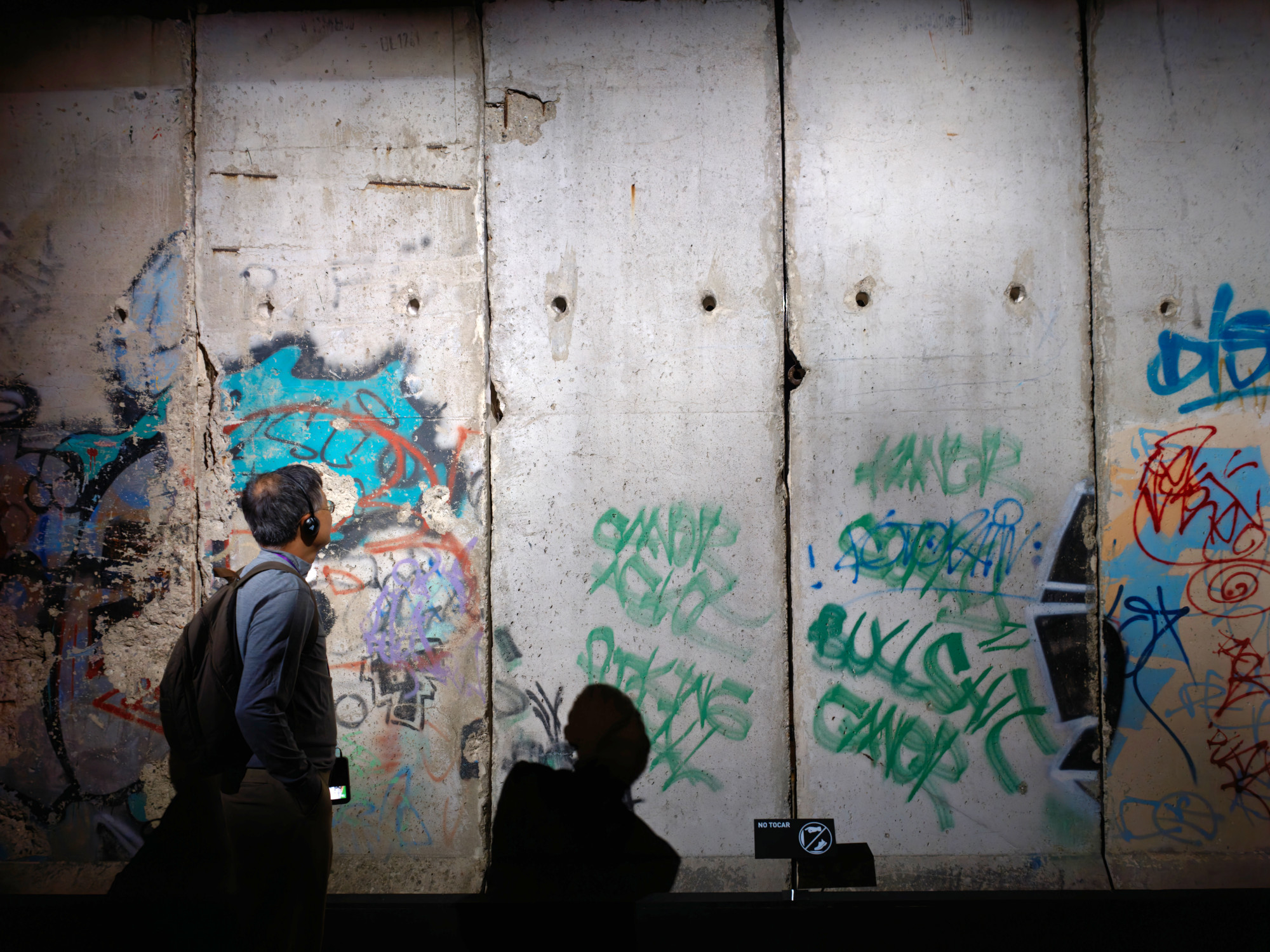
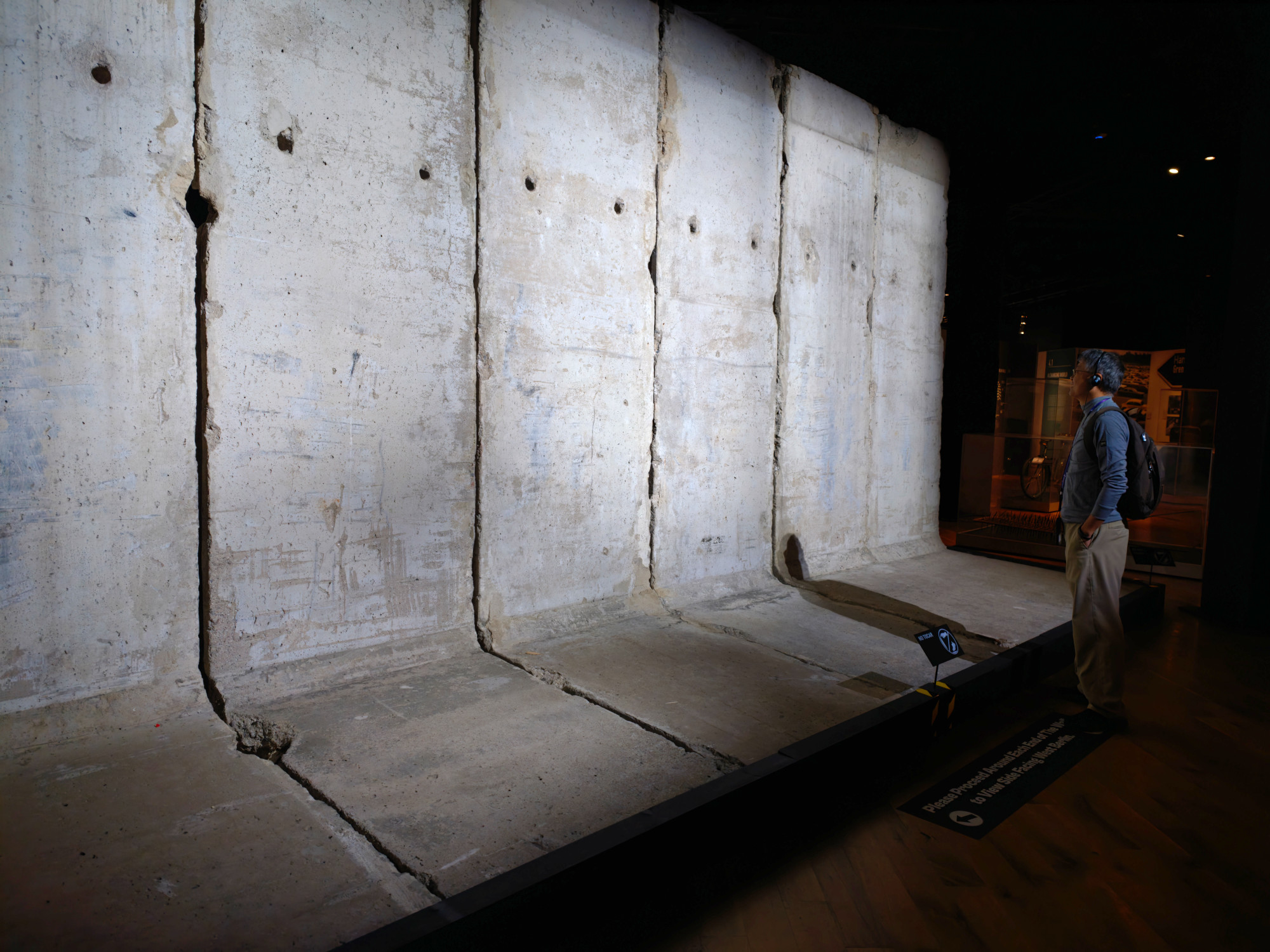
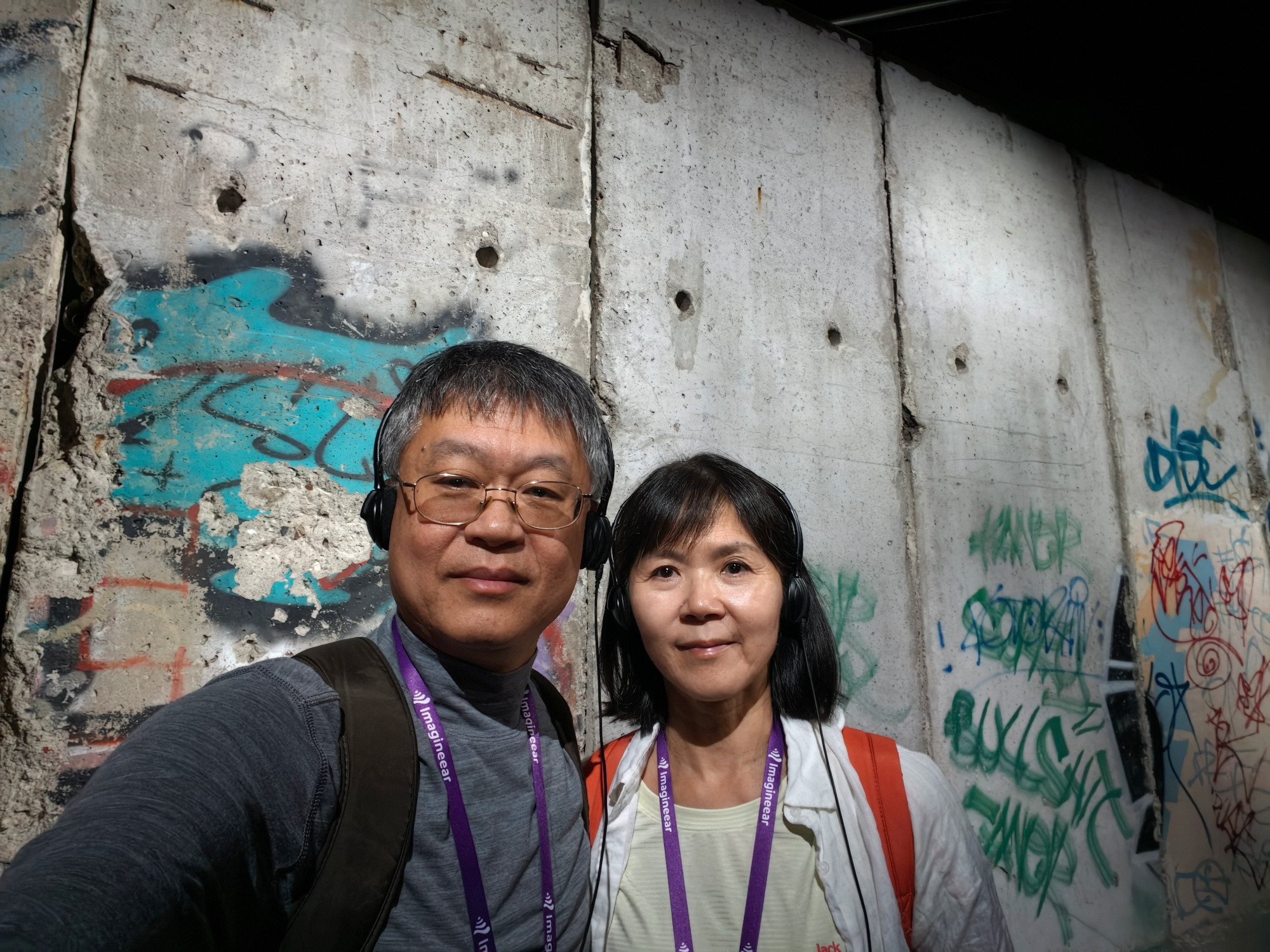
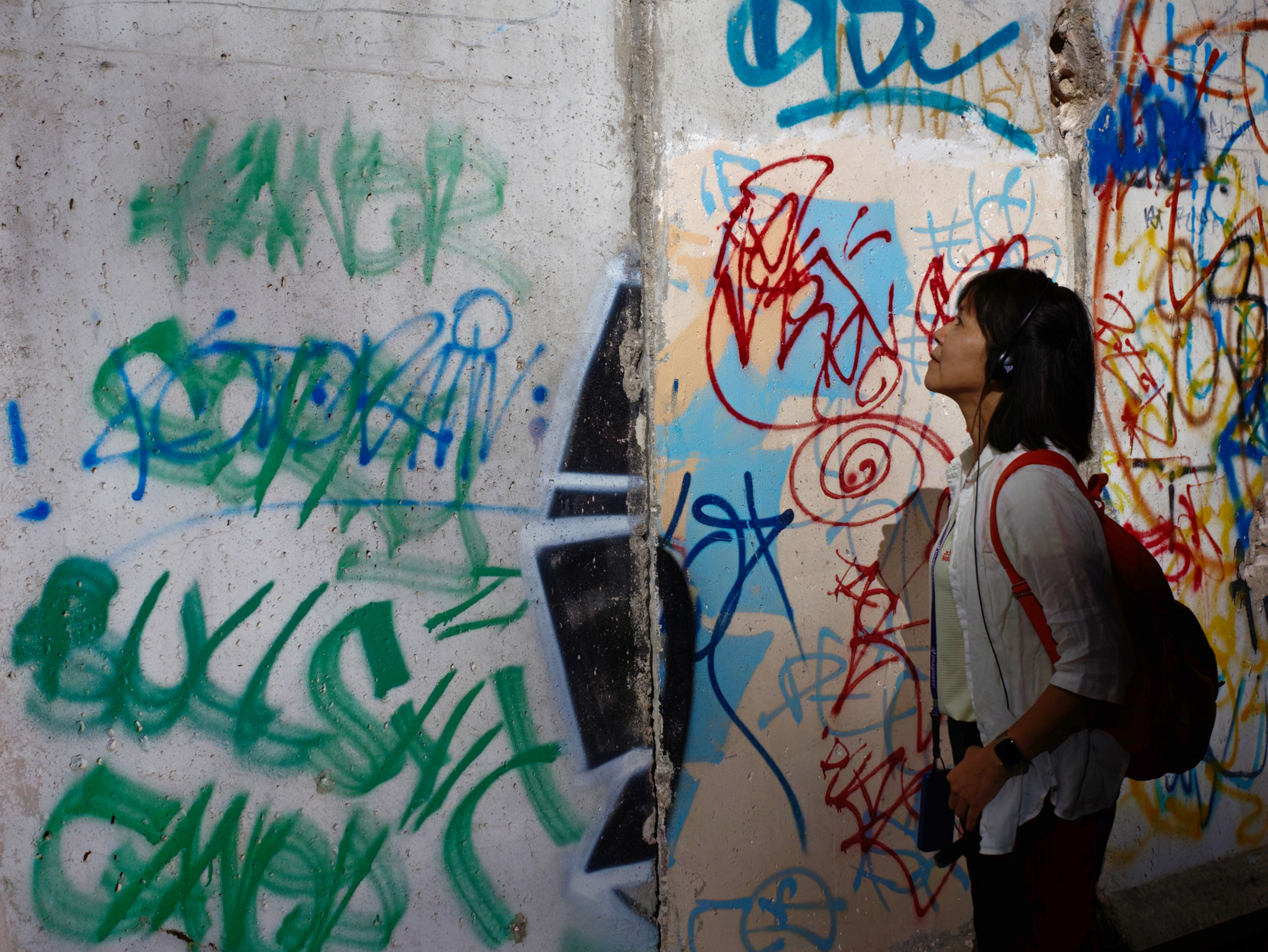
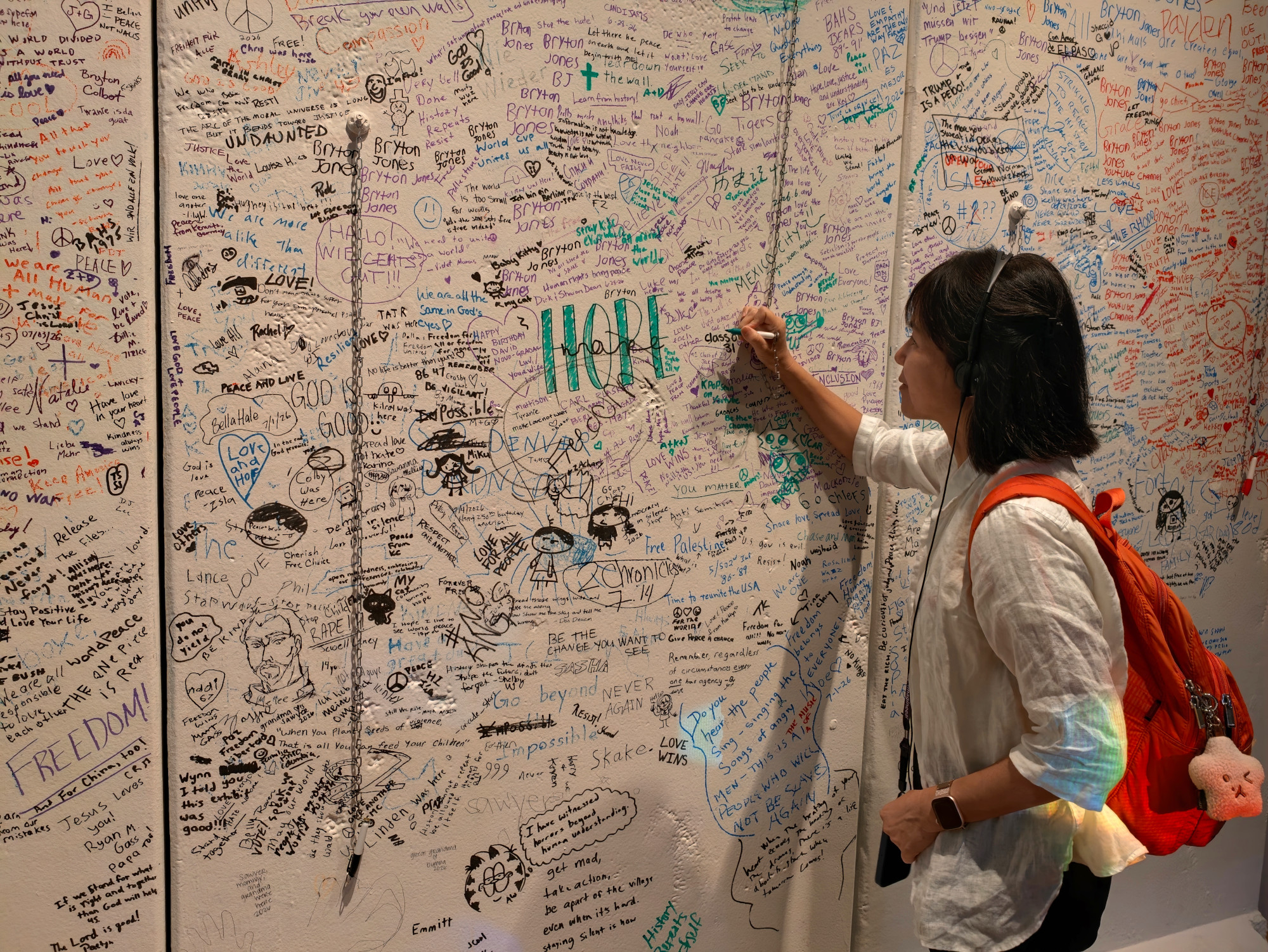
The Berlin Wall Exhibition is a special
powerful immersive exhibition exploring the rise and fall of the Berlin Wall
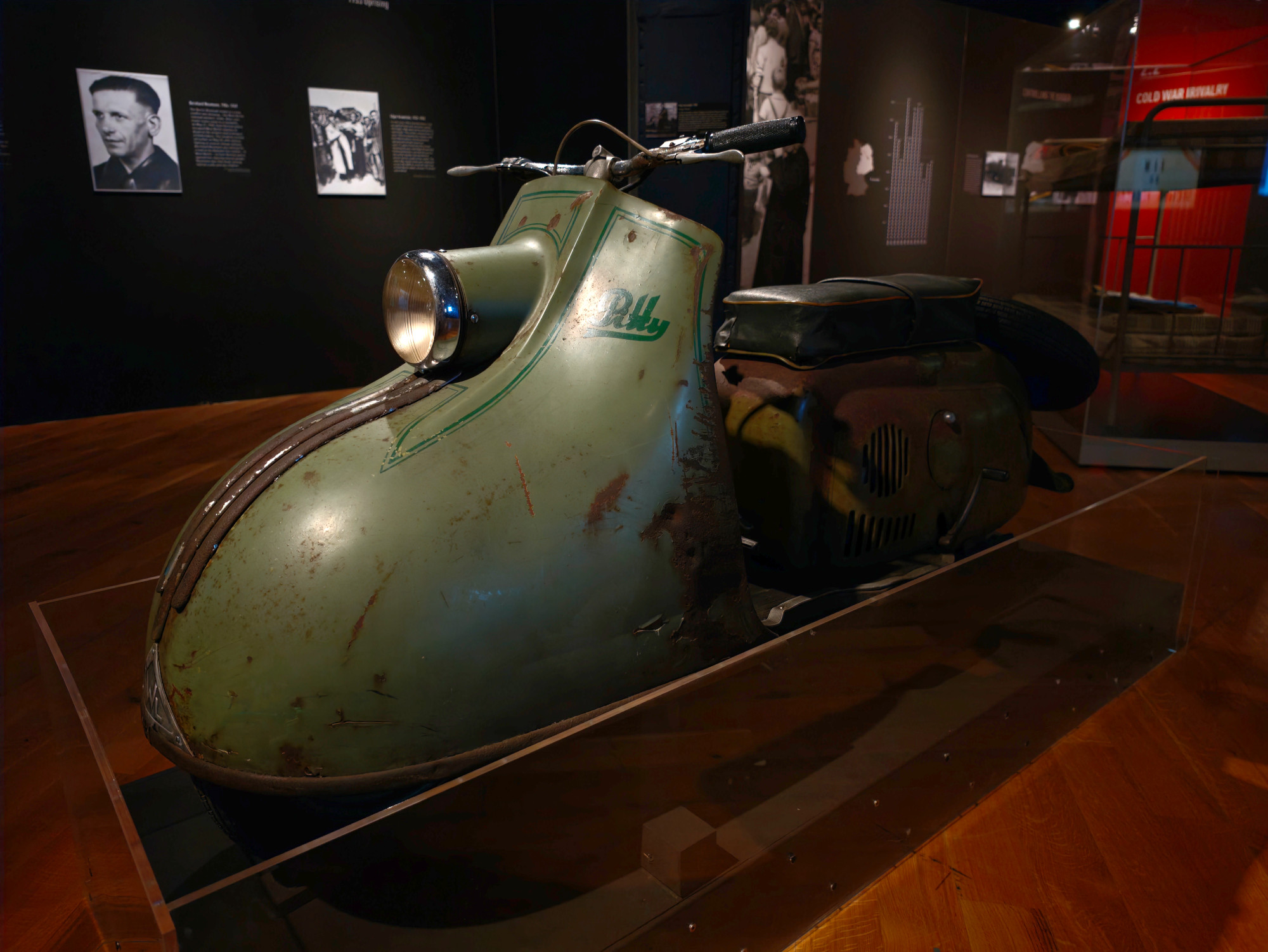
and the human stories caught in the middle of the Cold War. There are
original sections of the Berlin Wall and more than 200 authentic artifacts
that survived one of the most tense and dangerous periods in modern history.
It took us about 90 minutes to go through all the exhibitions with audio
guide to relive the history of the divided world.
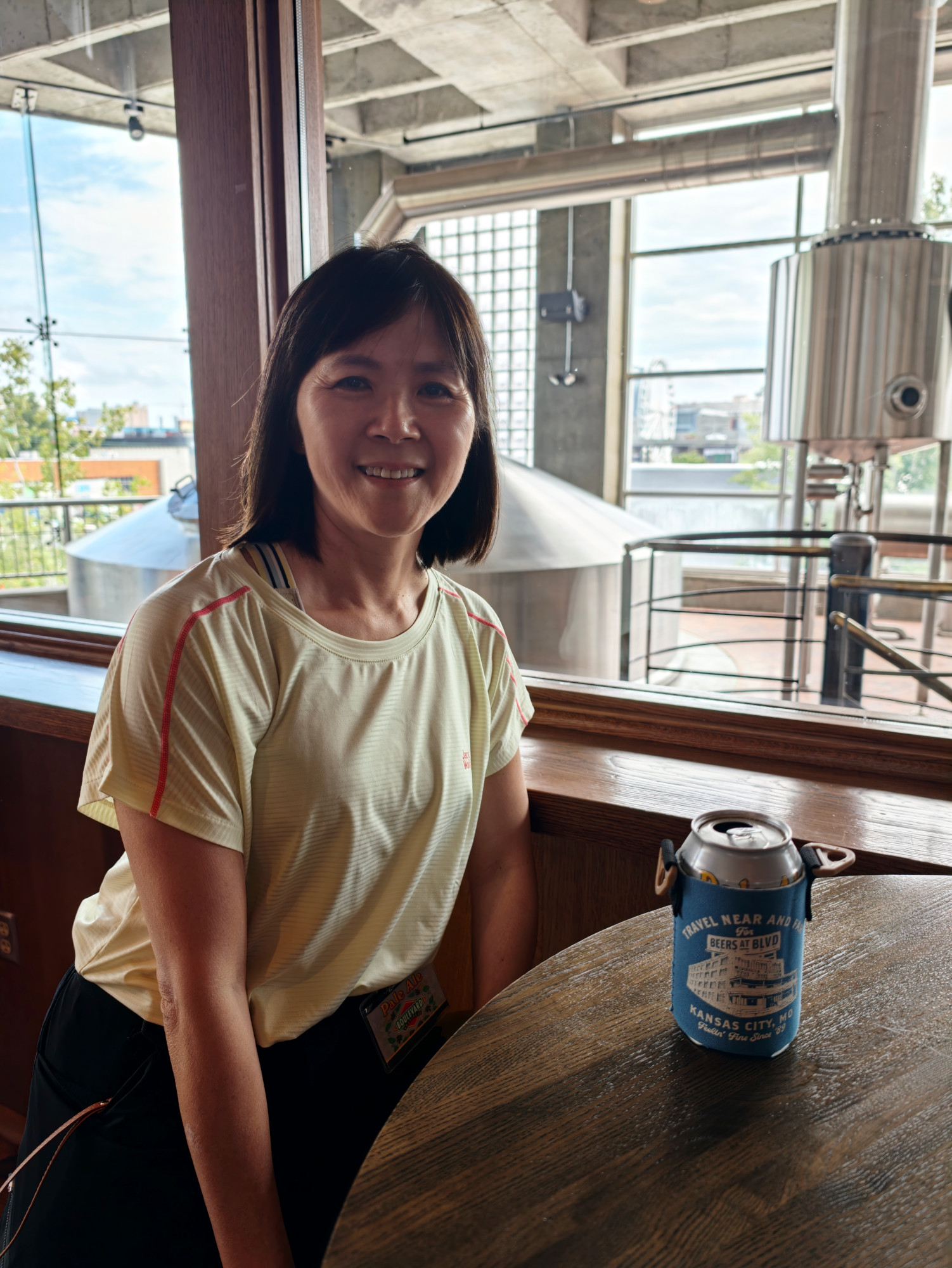
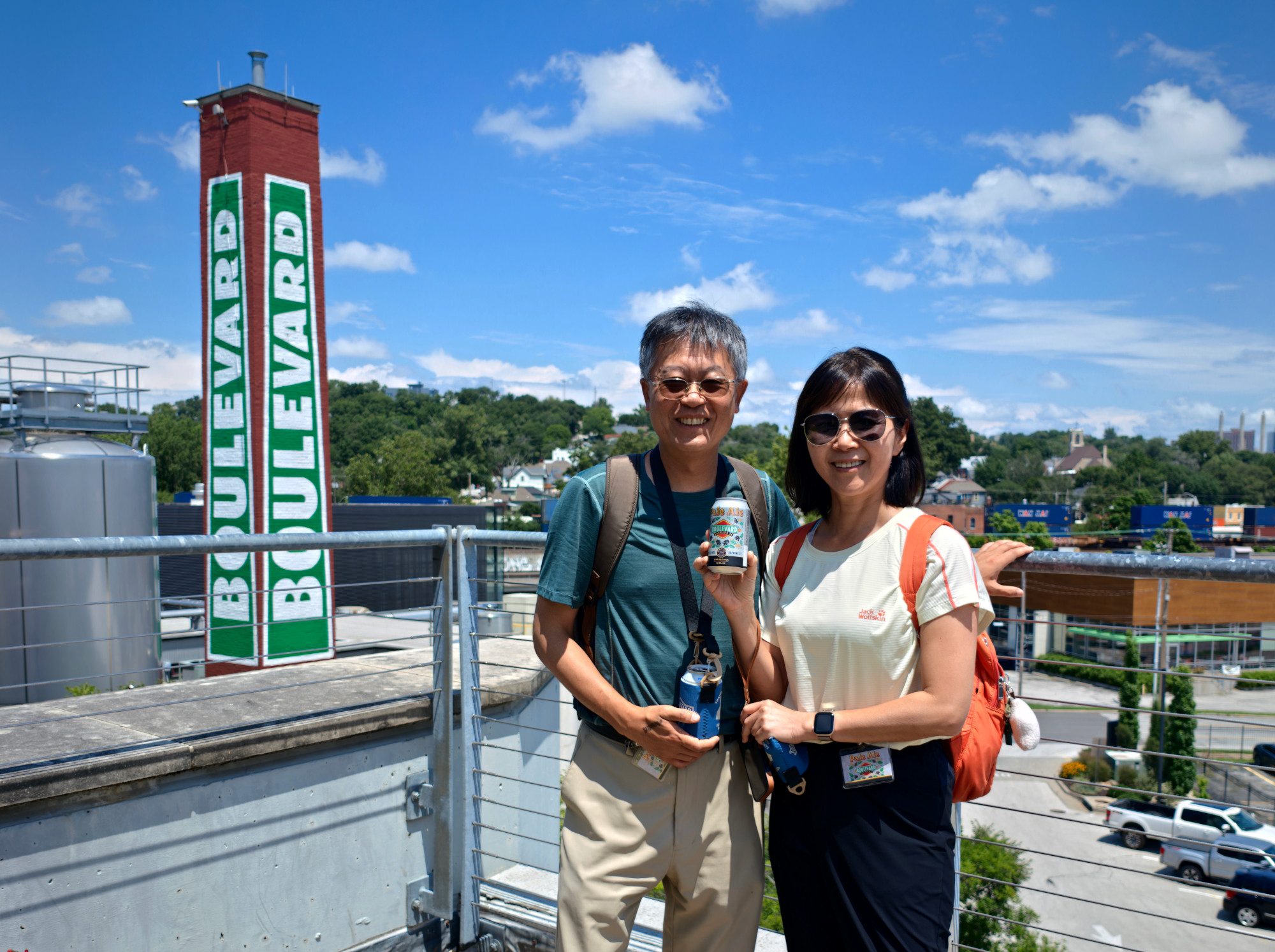
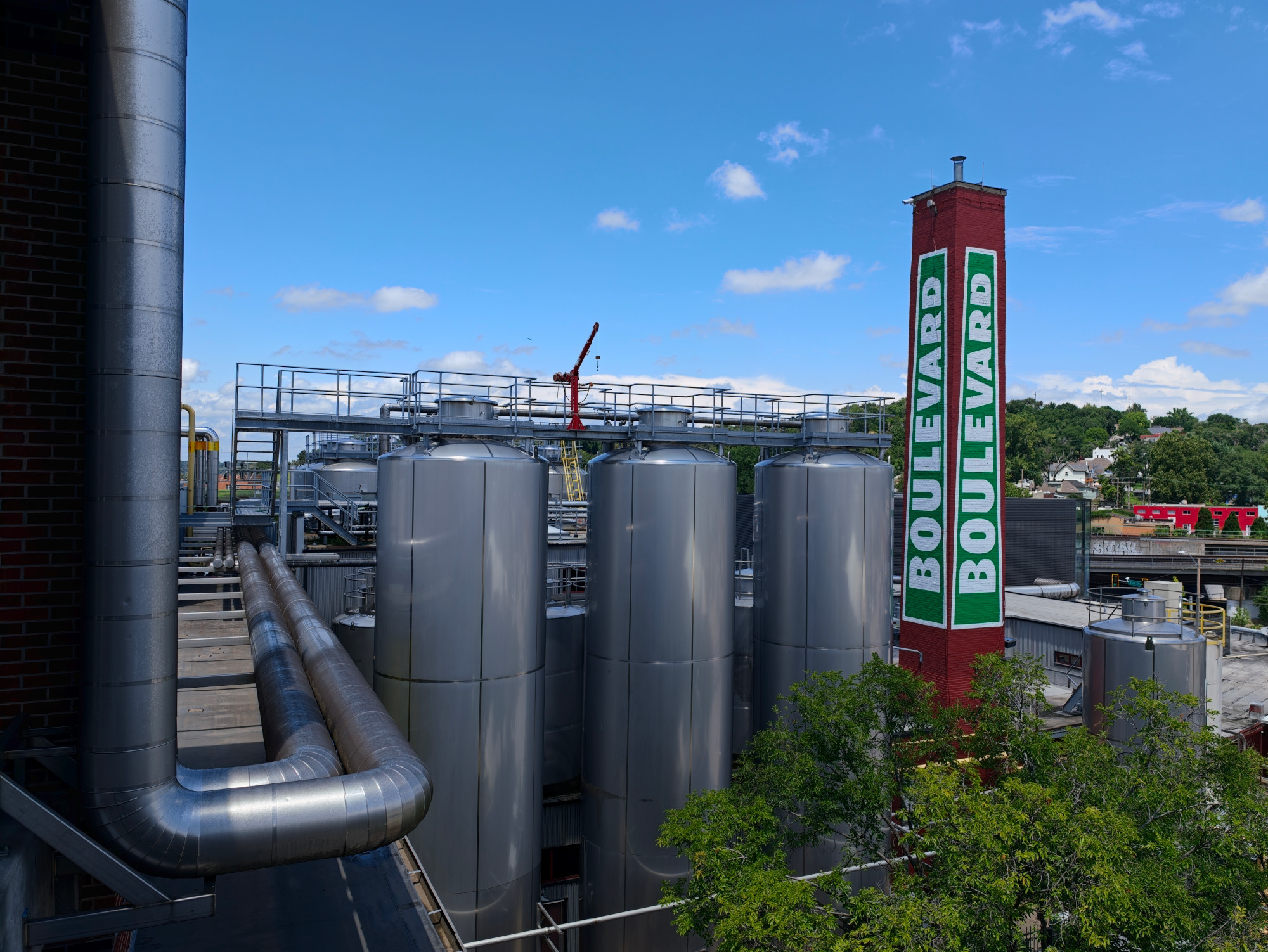
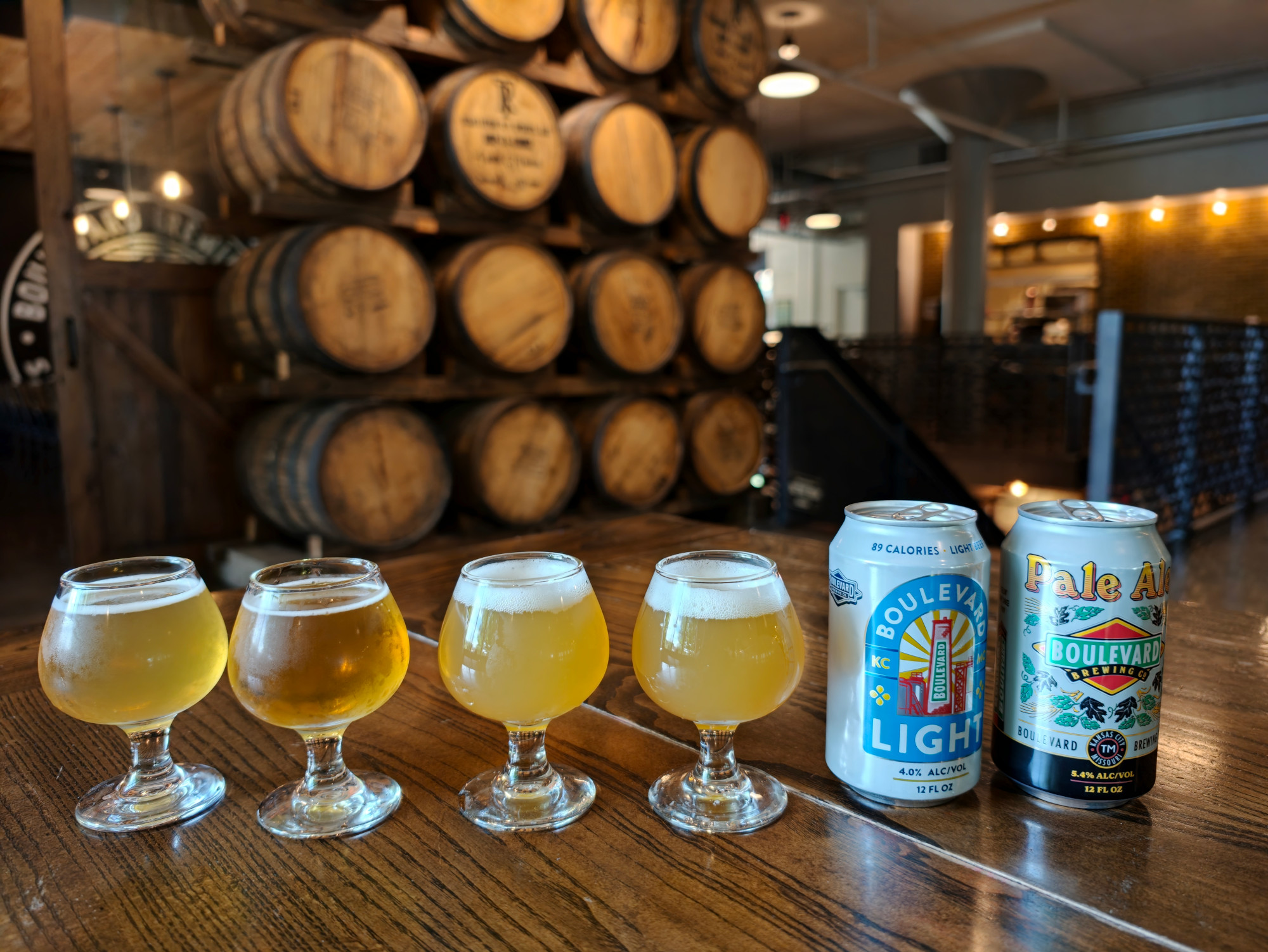
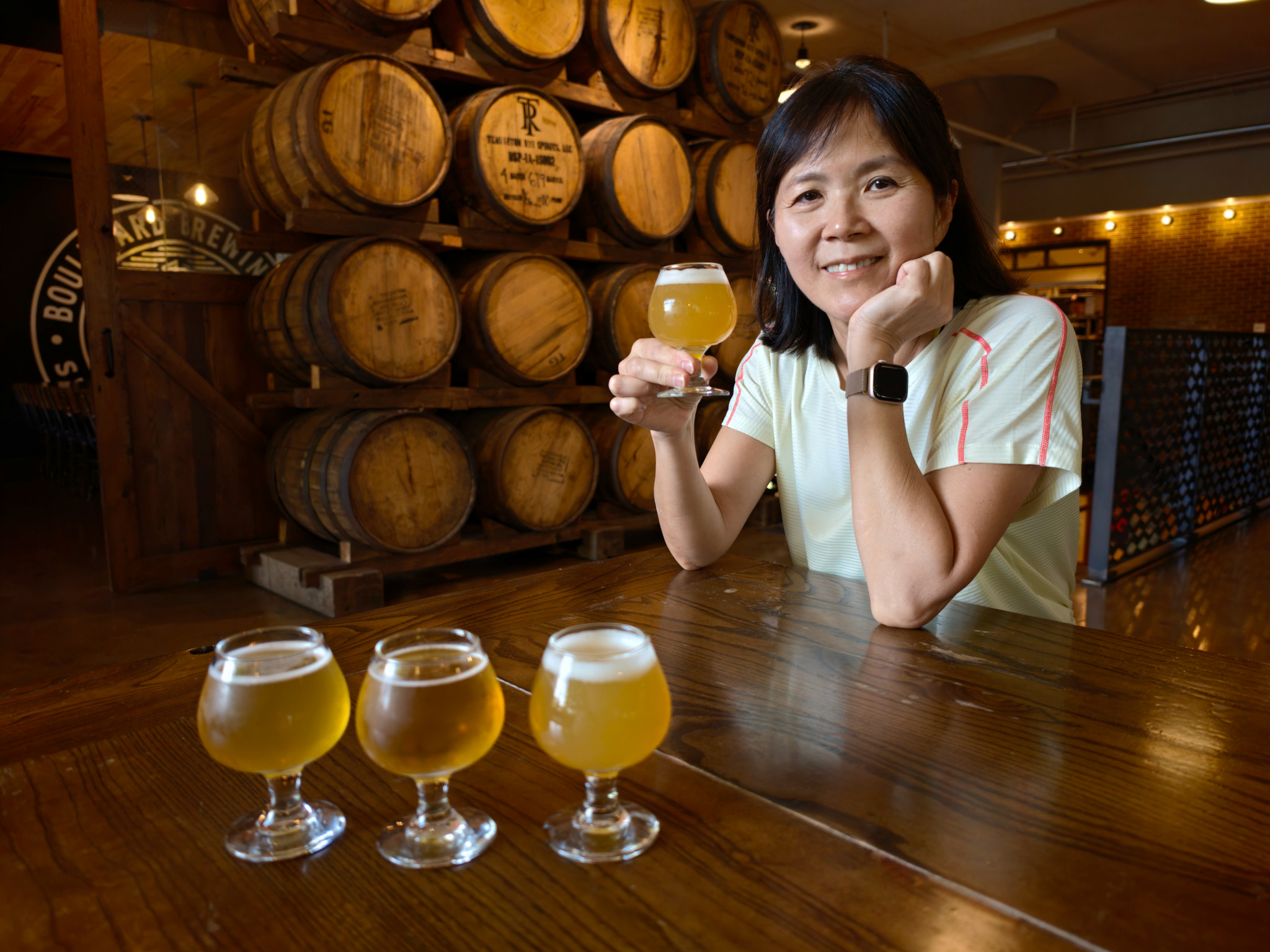
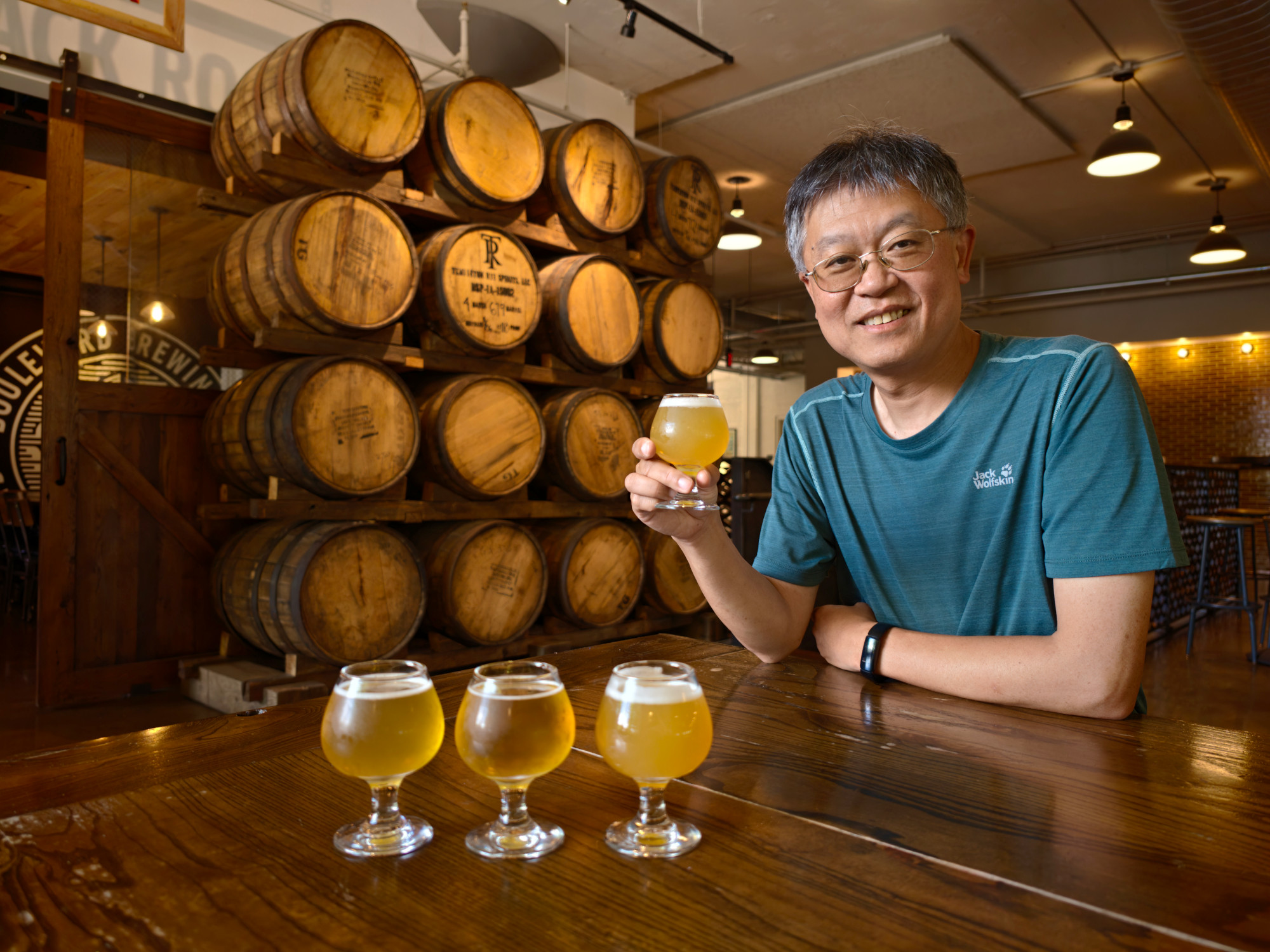
- Boulevard Brewing
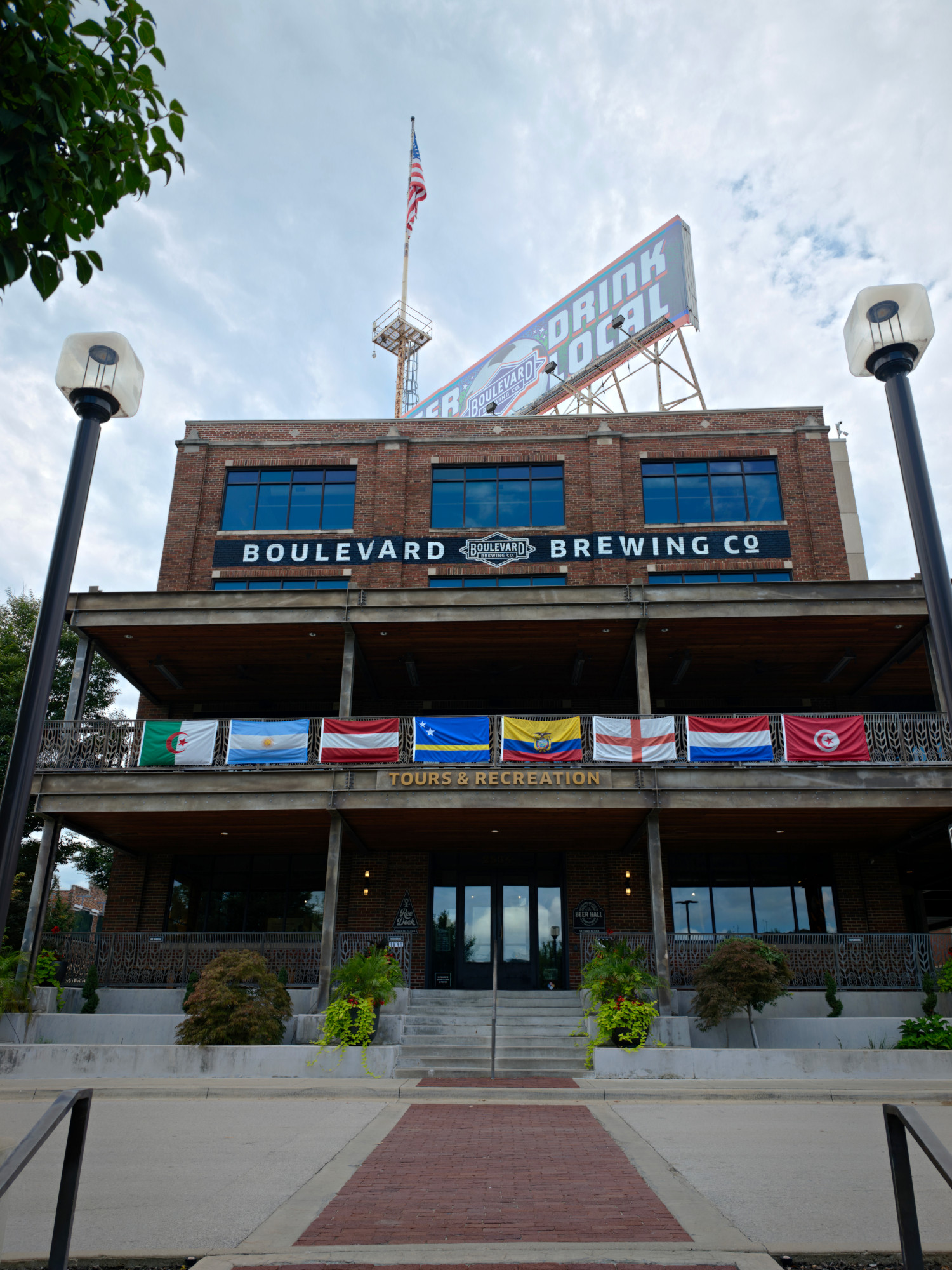
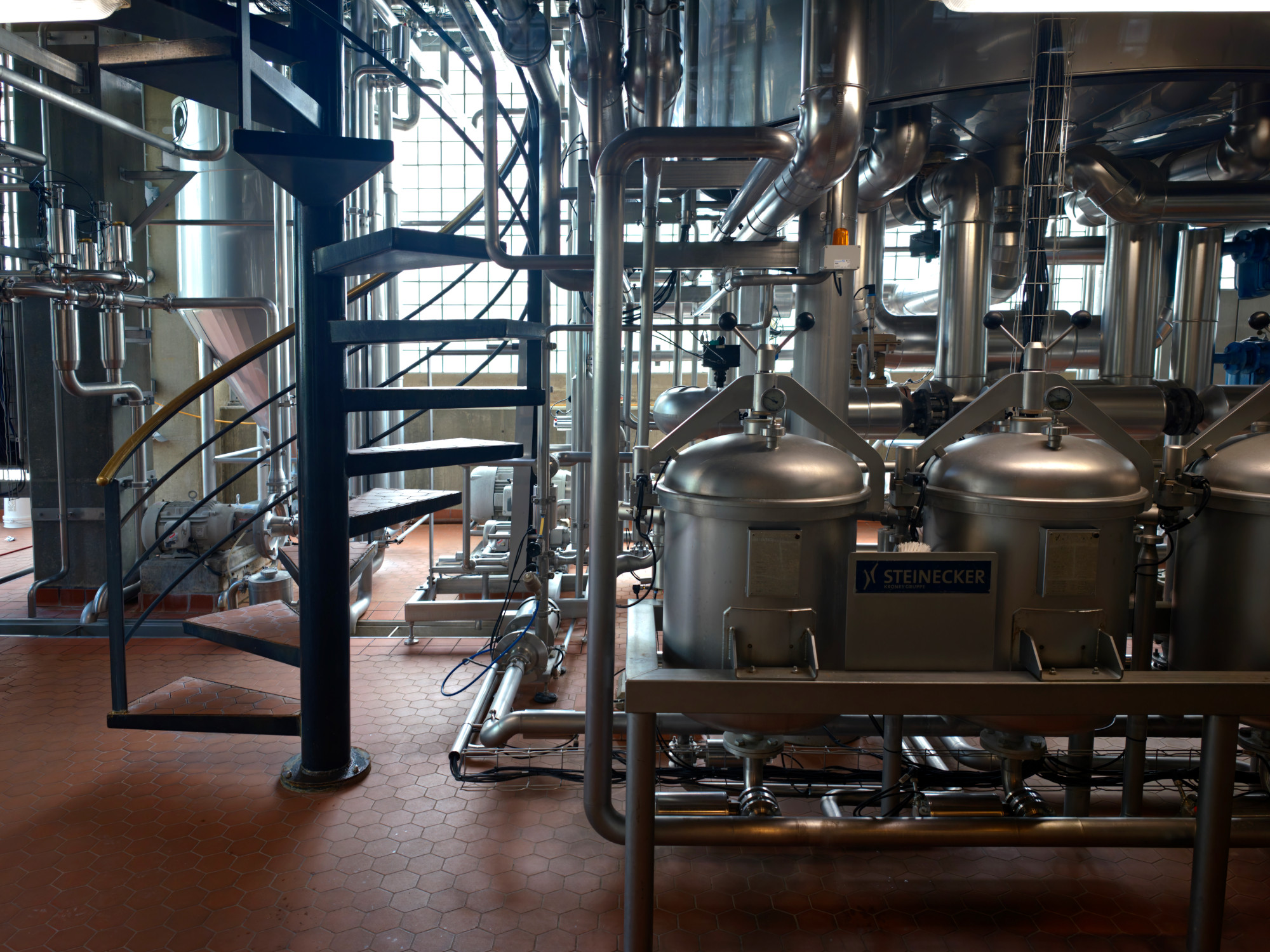
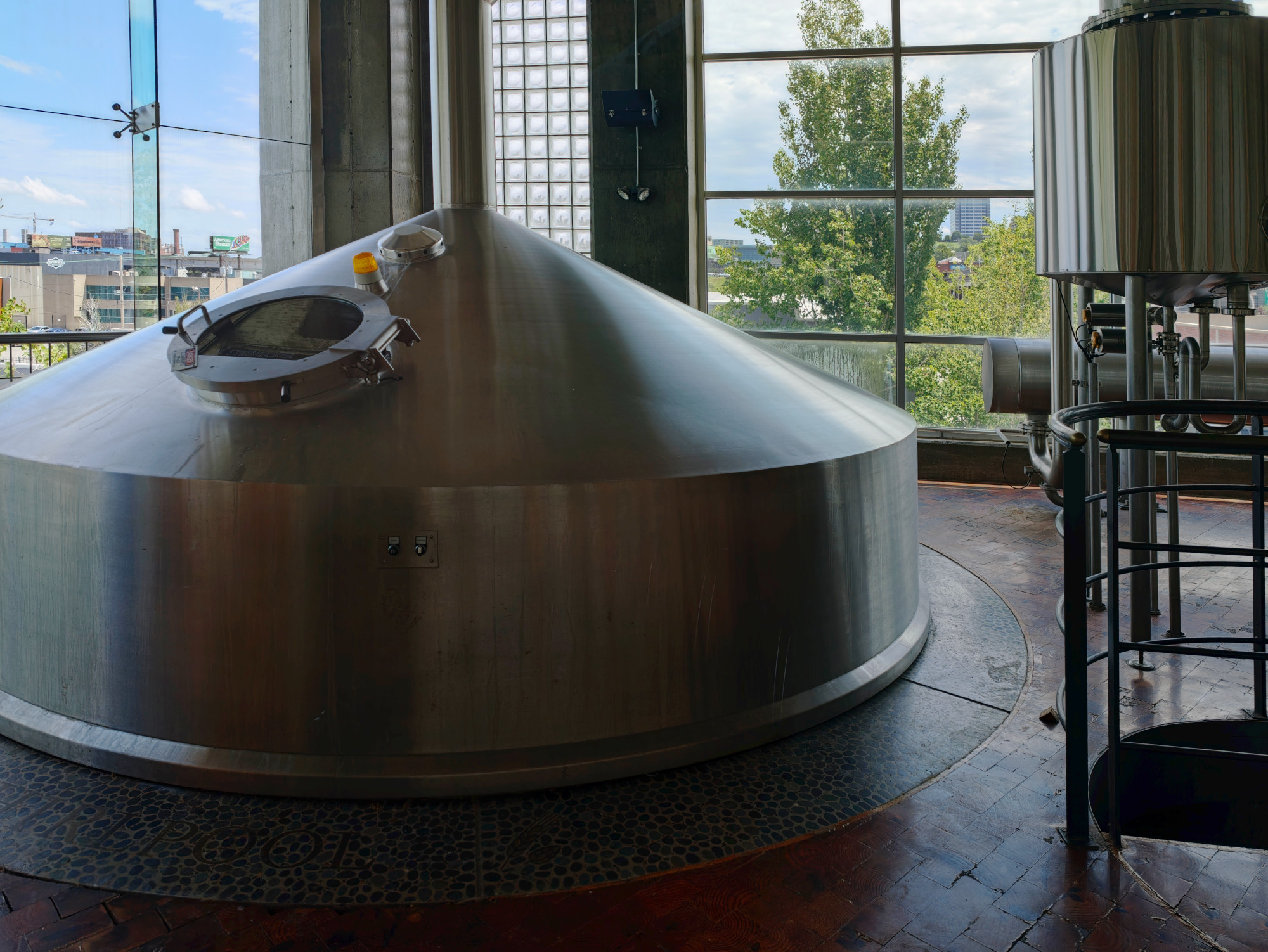
We walked
to Boulevard Brewing at about non for a one-hour walking tour of the
brewery, complete with a can of beer with a traveling beer holder, and 2
samples of your choice in the bustling Beer Hall. We also had a light
lunch in the Beer Hall with the free sample beer. When we were
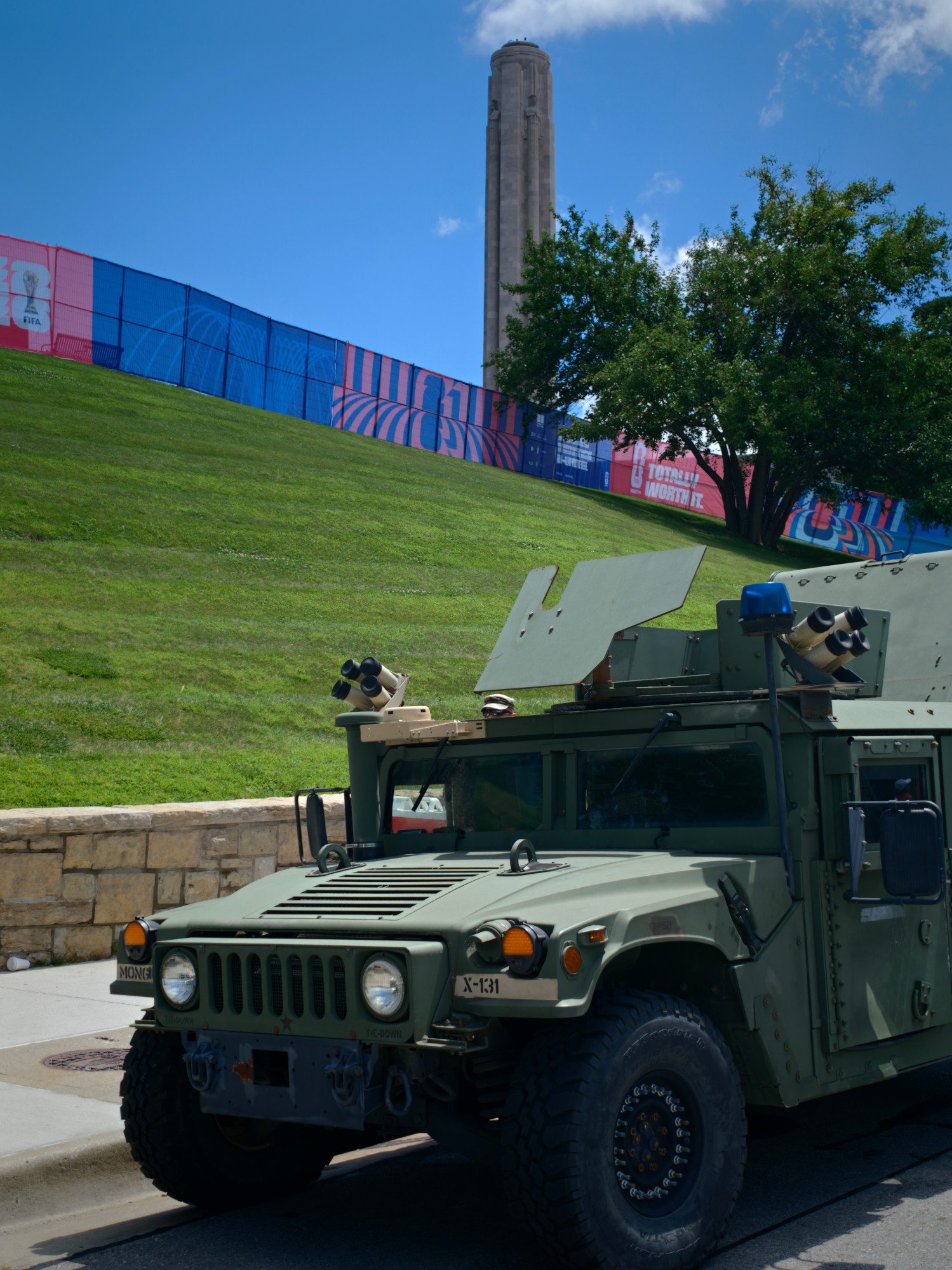
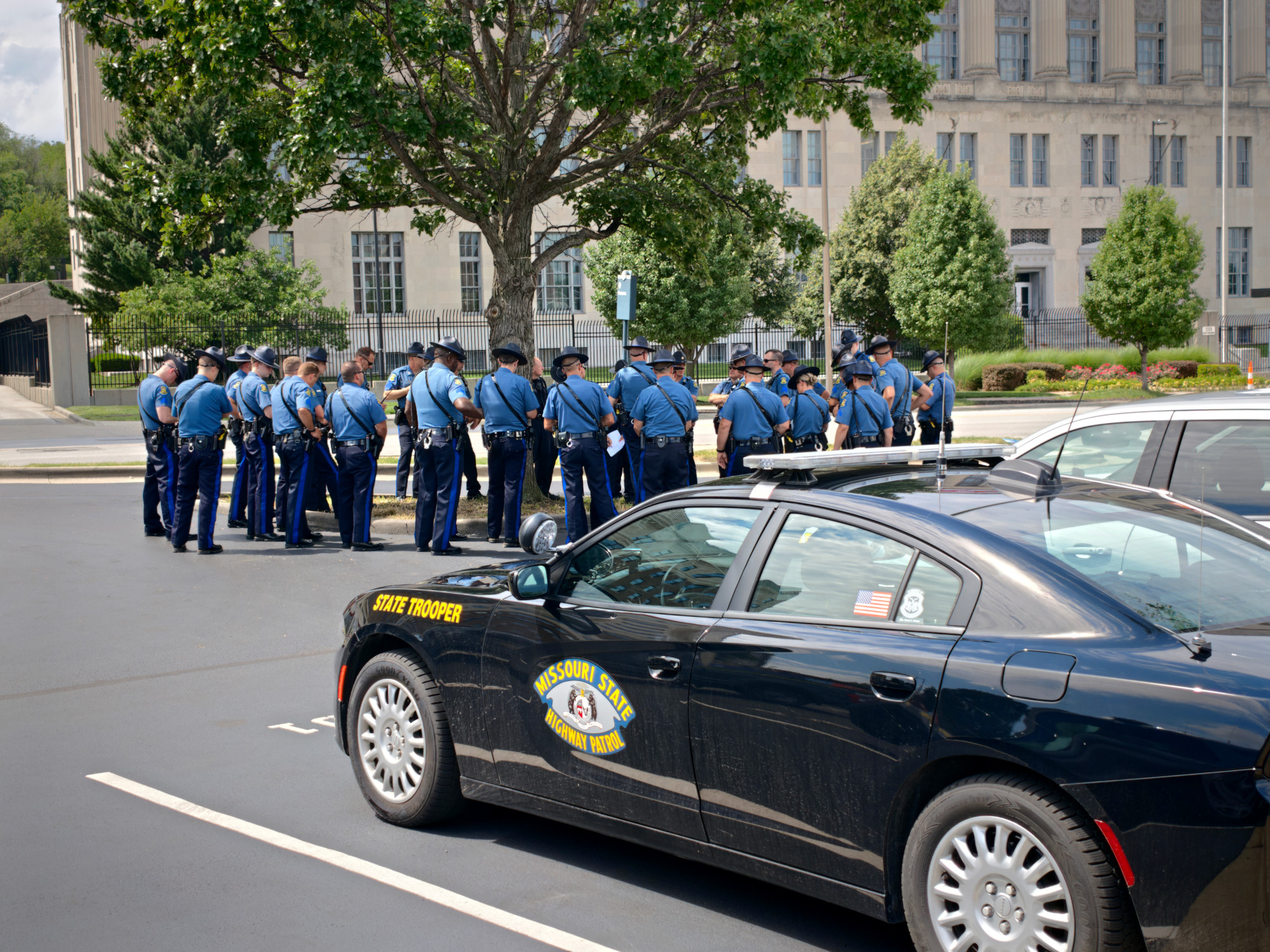
walking, we saw a lot of police
gathering at a parking lot near the Union Station doing a brief before their
mission (I guess the World Cup event made them busier...).
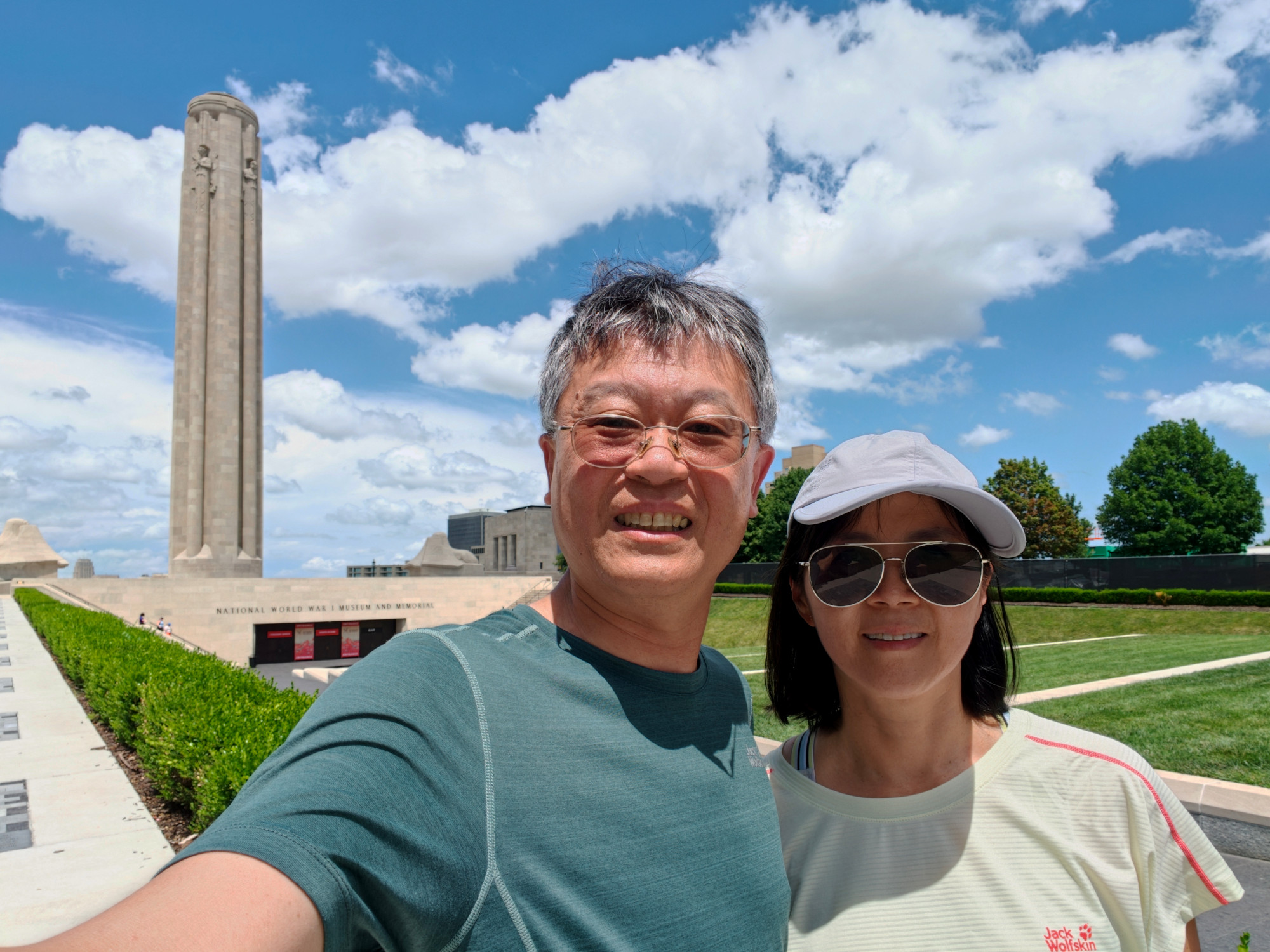
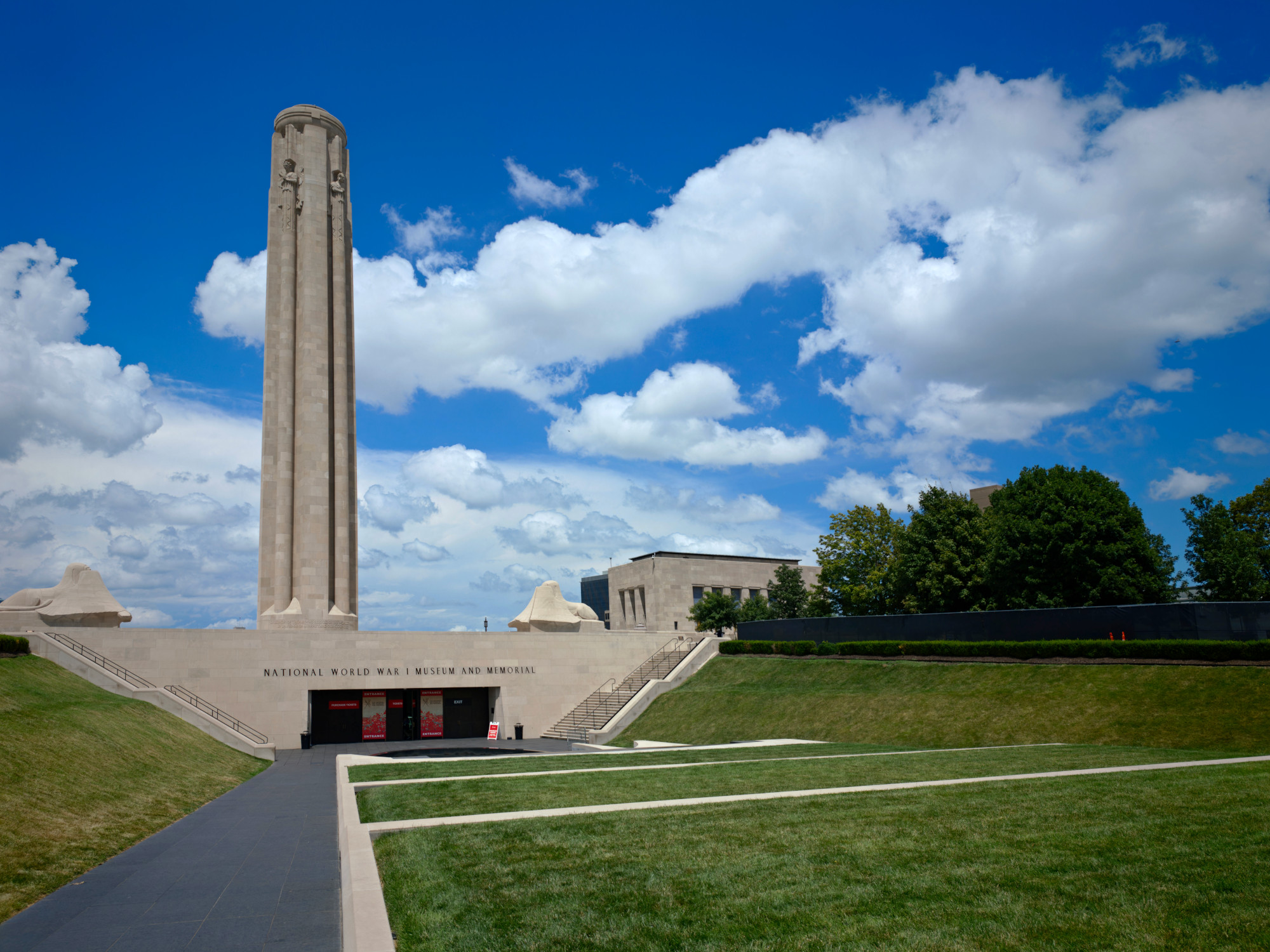
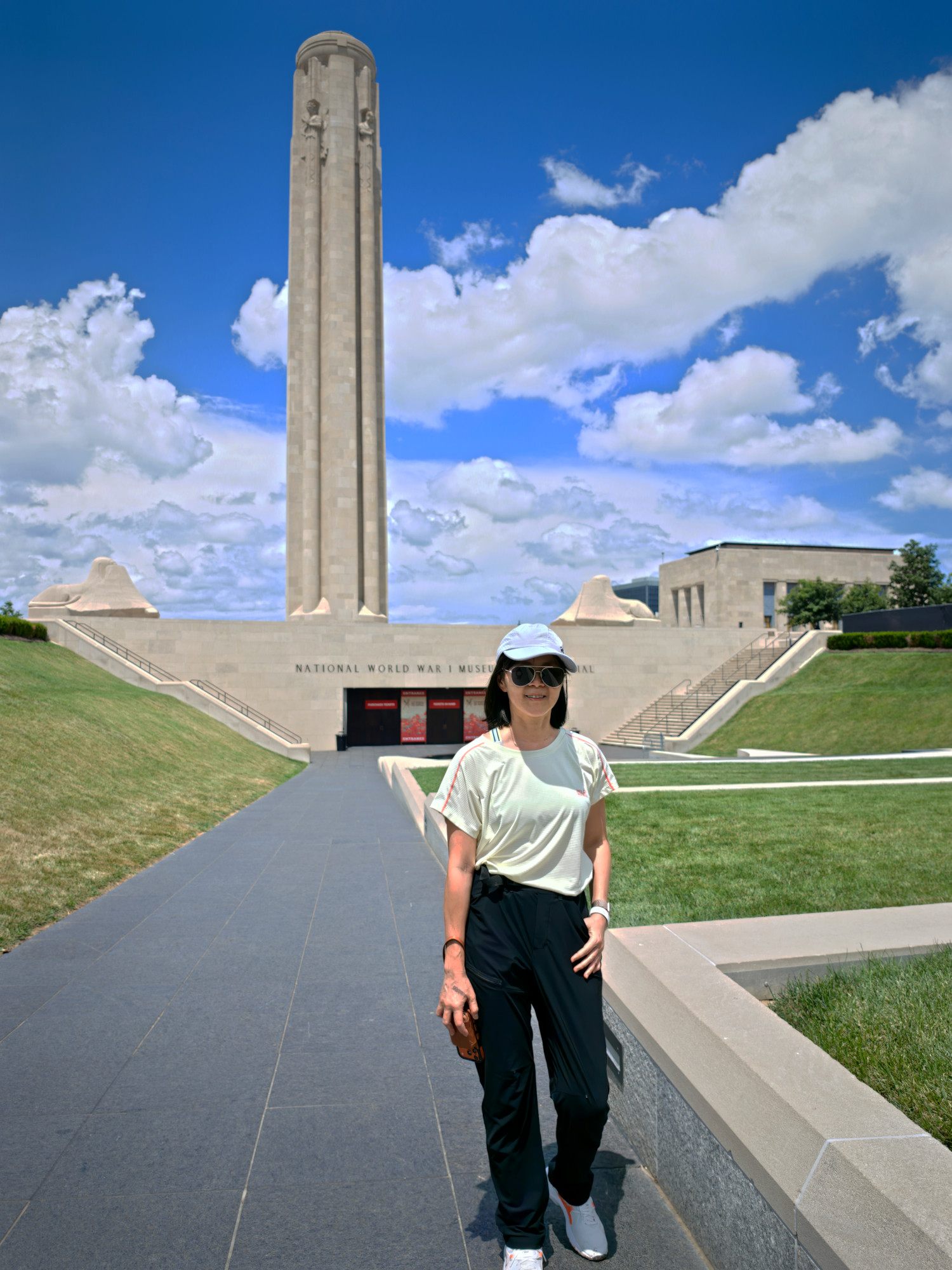
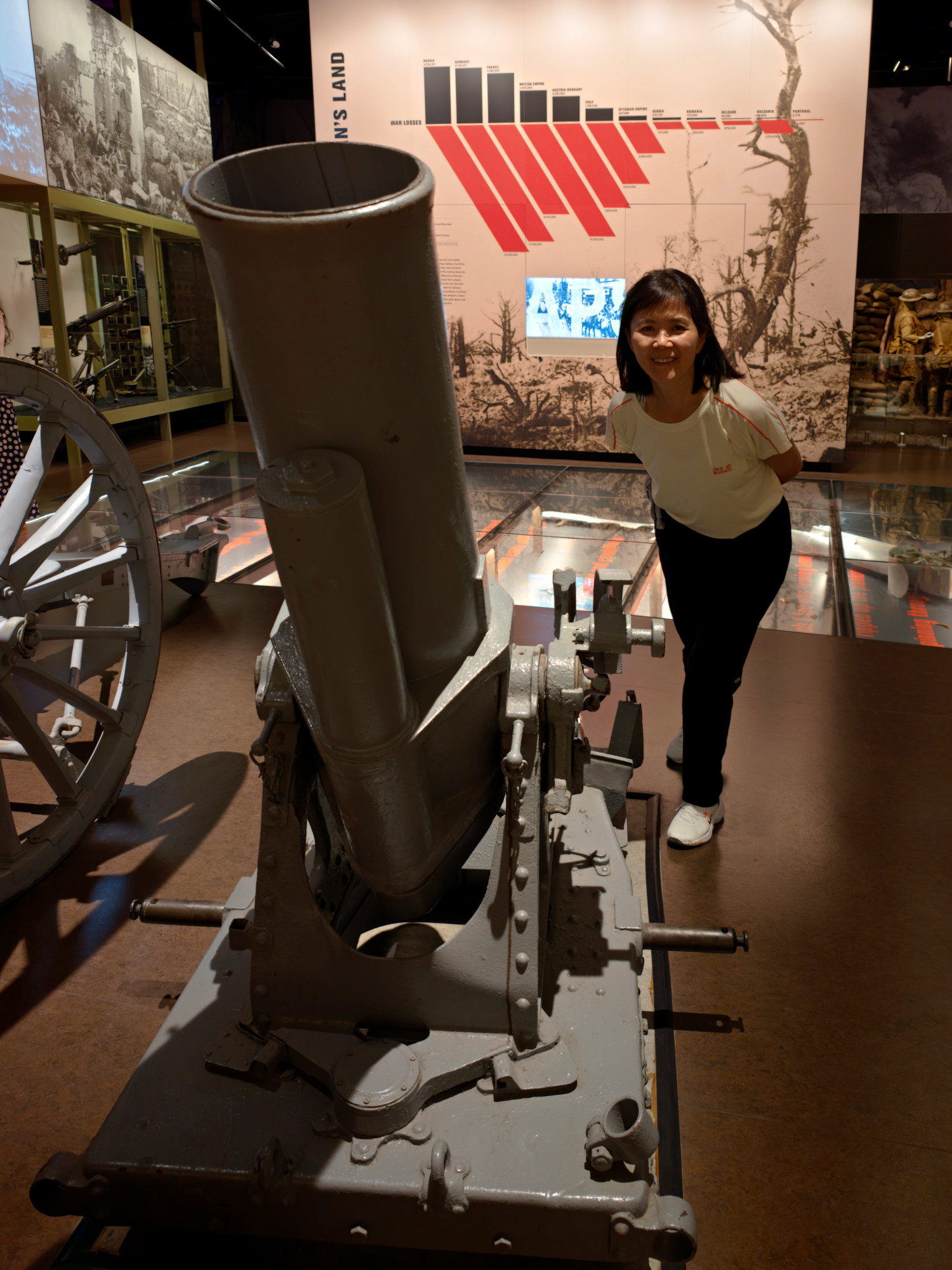
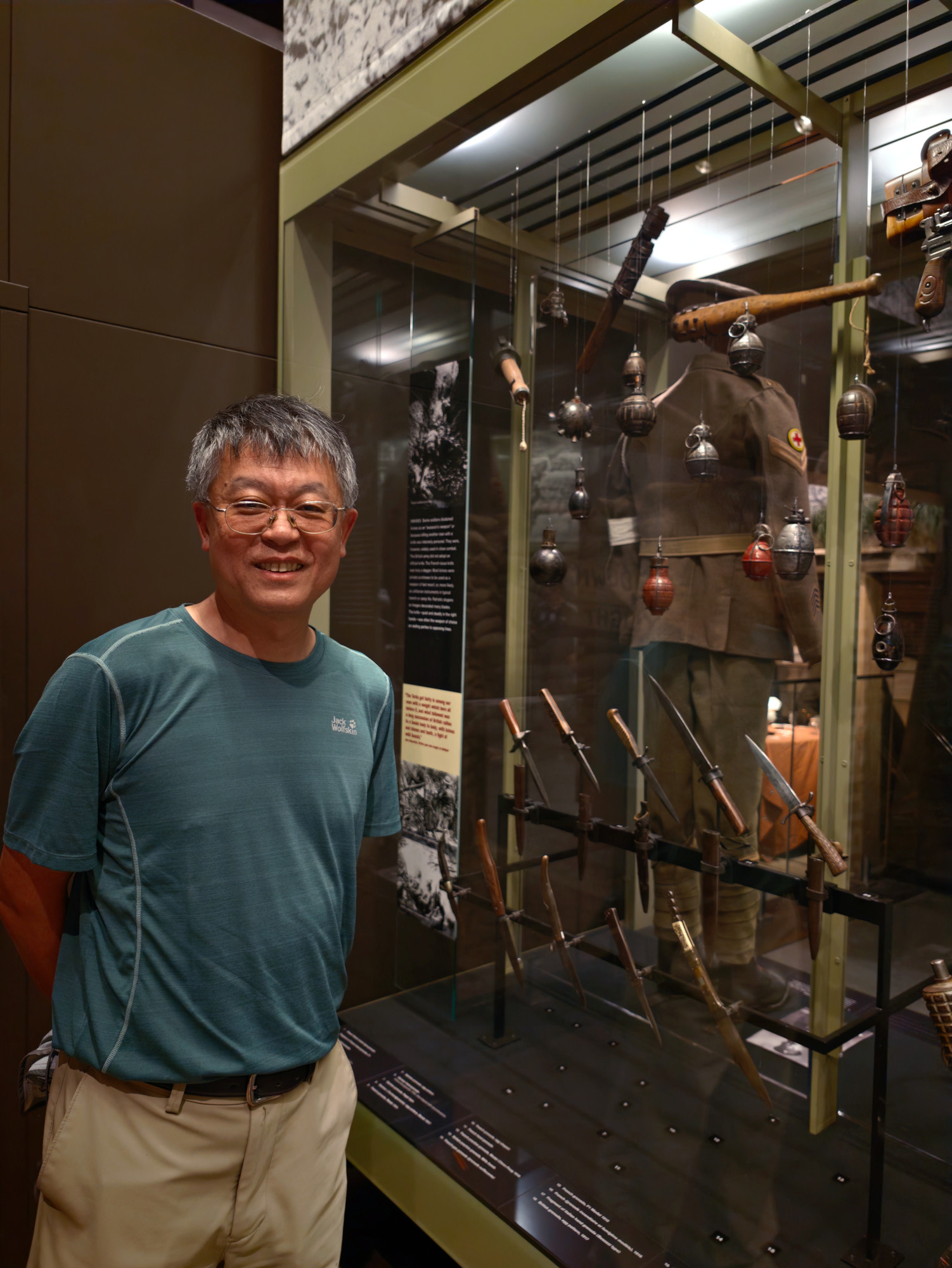
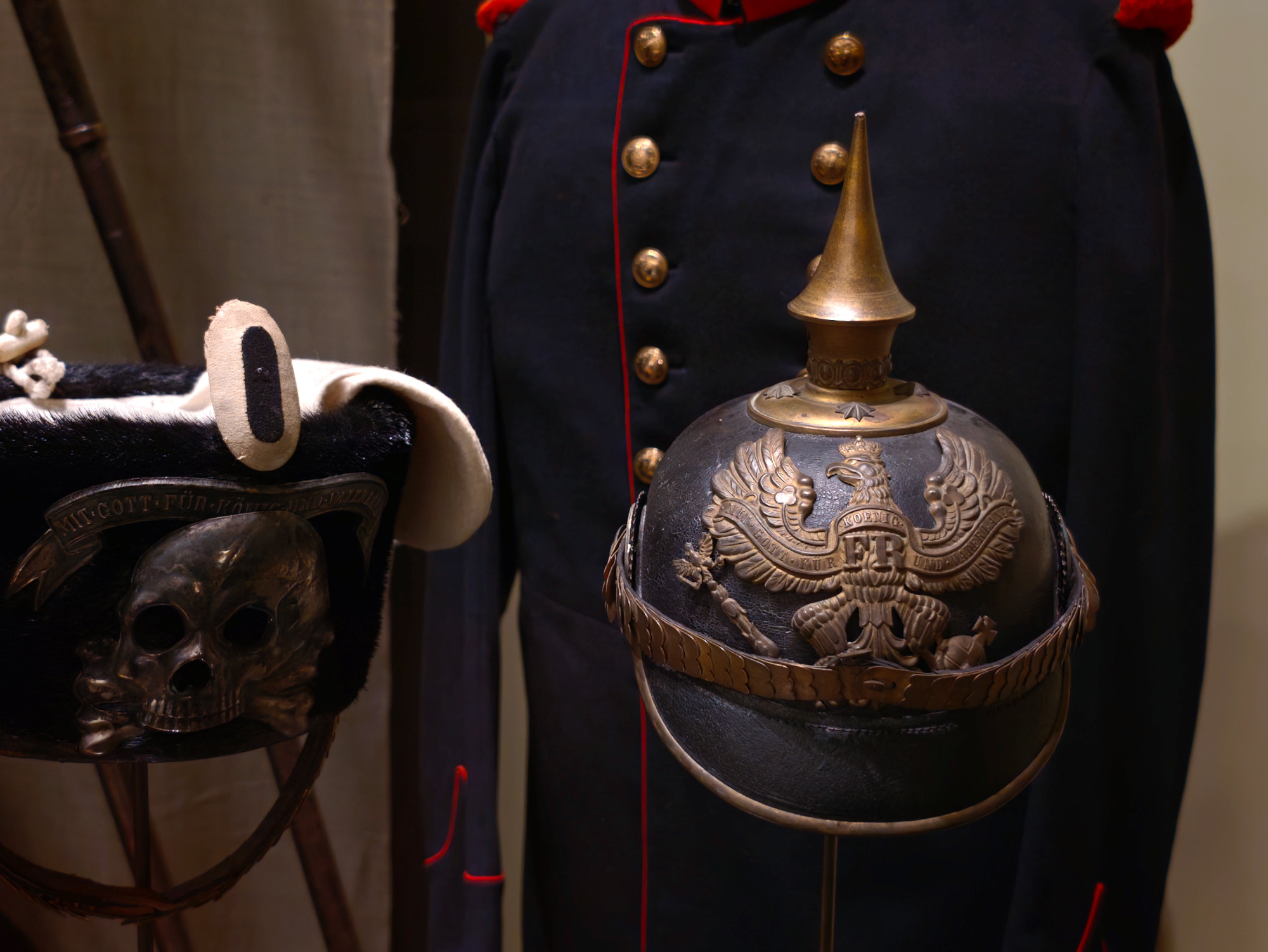
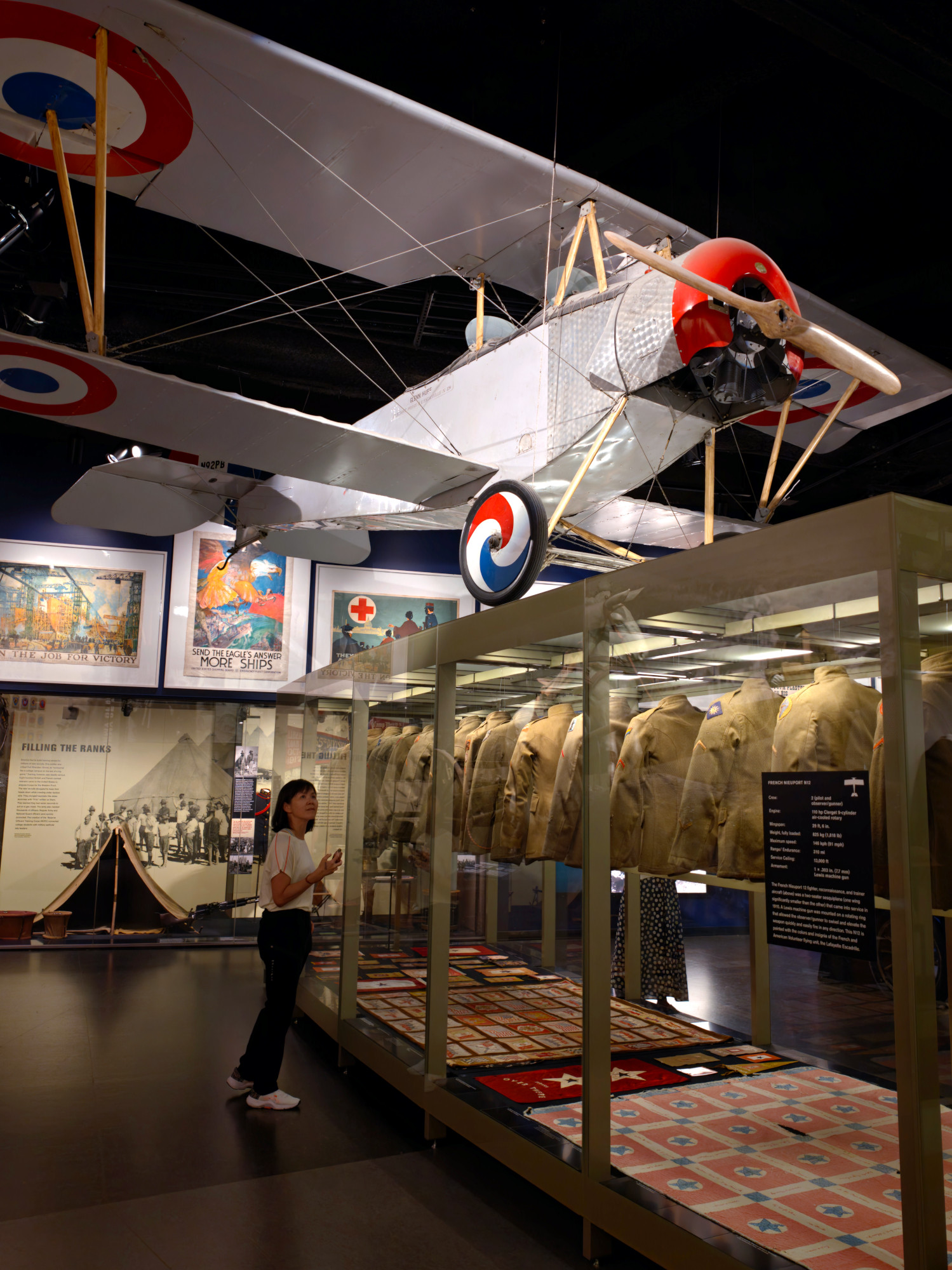
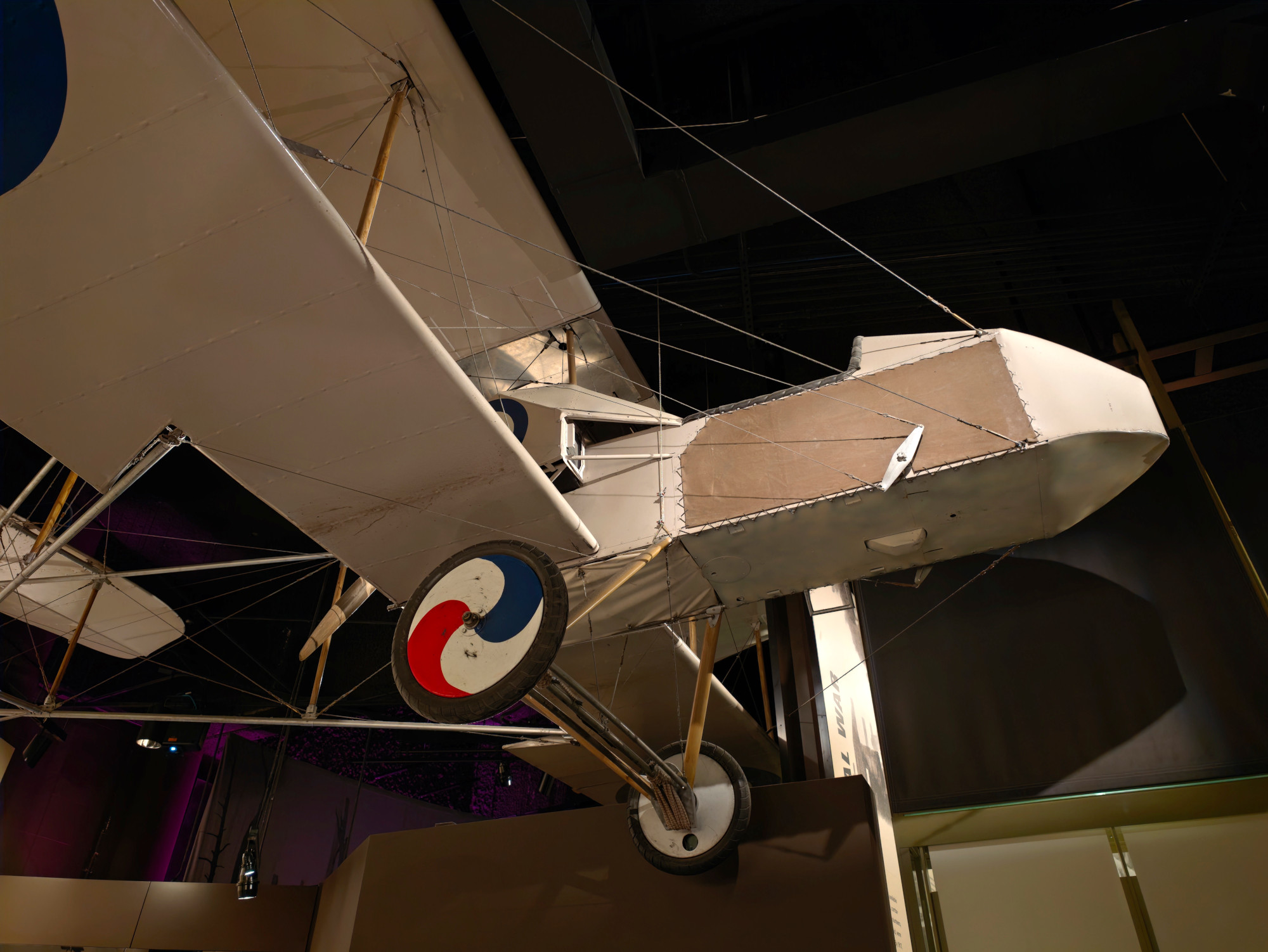
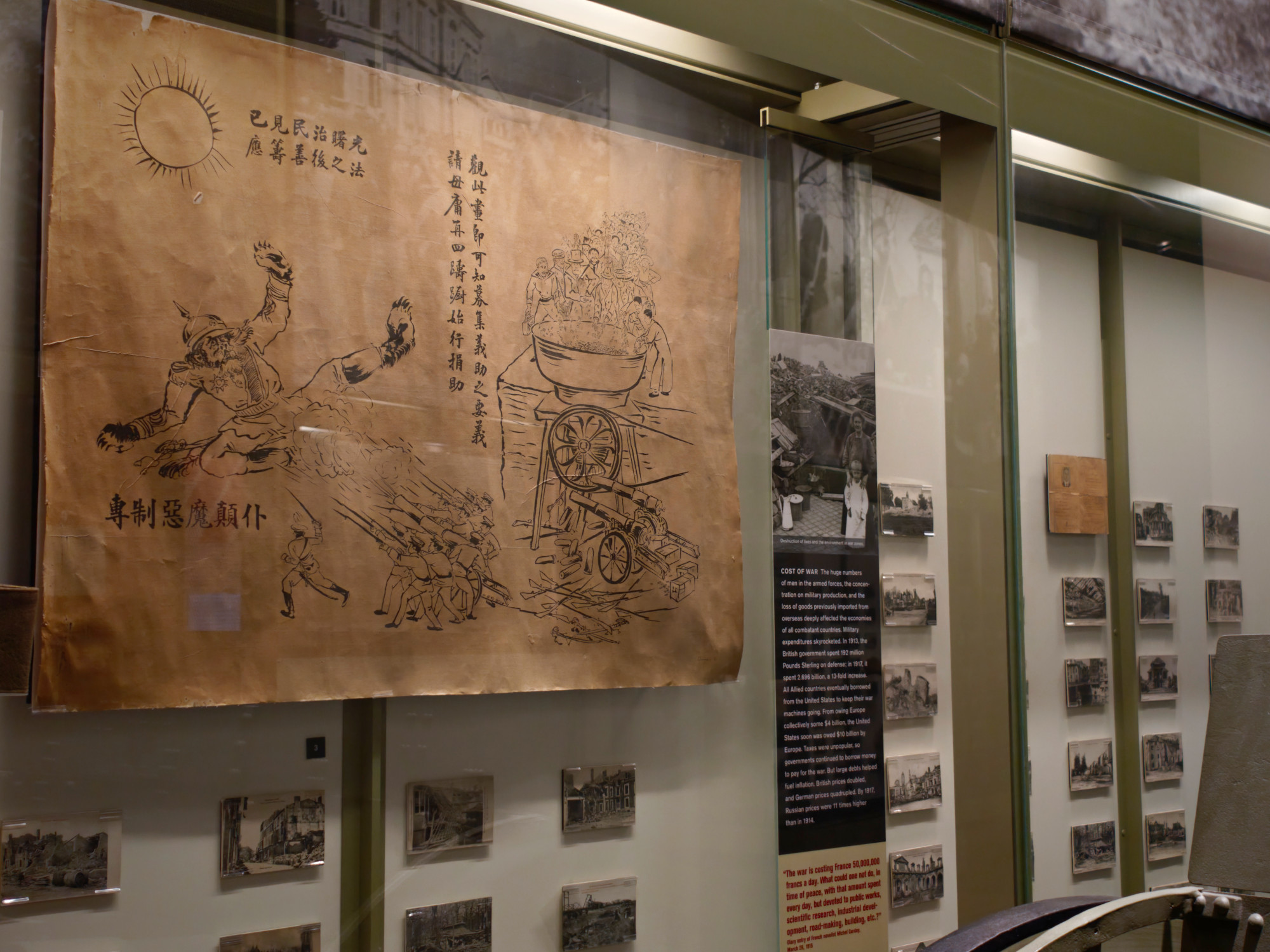
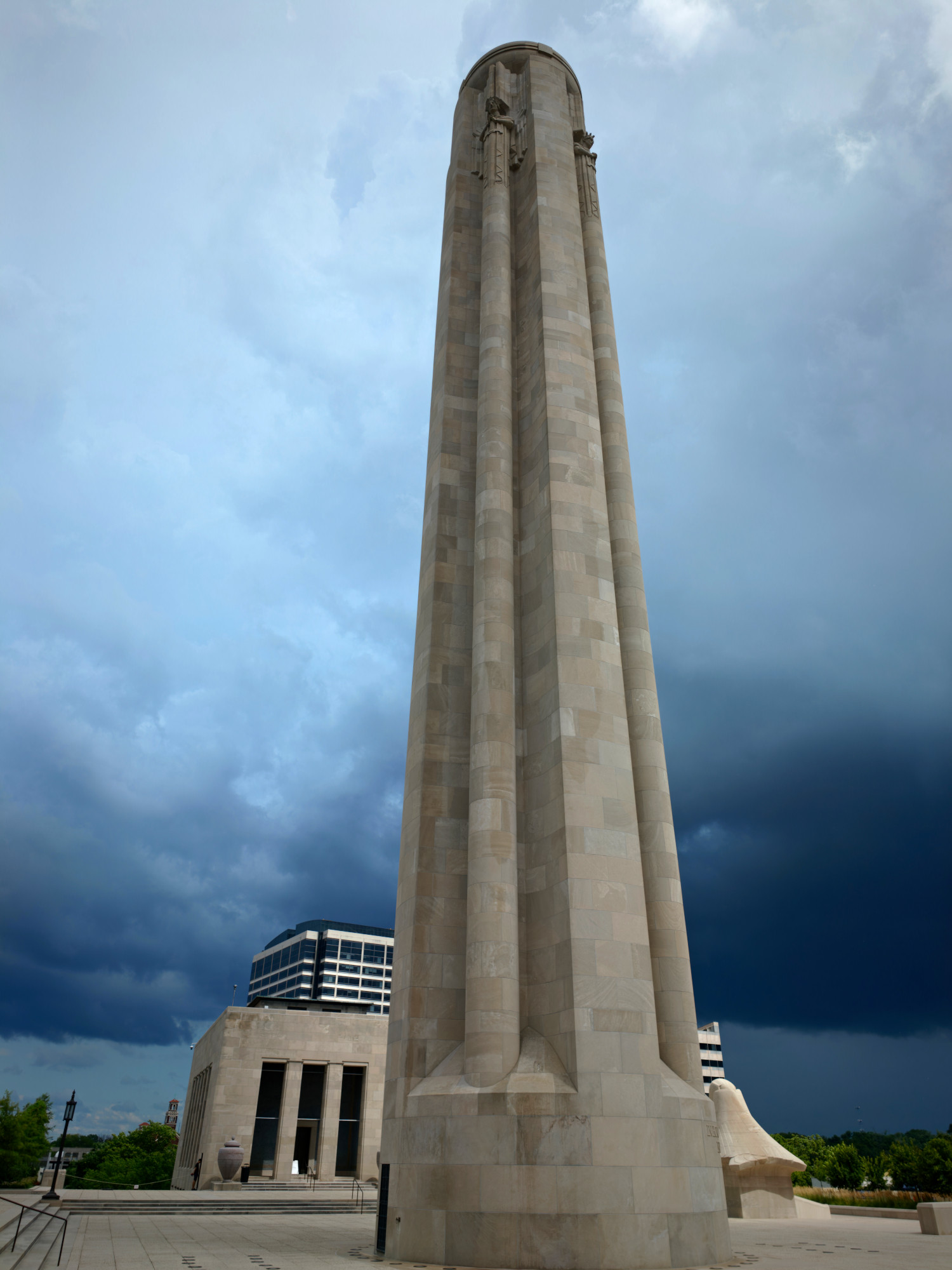
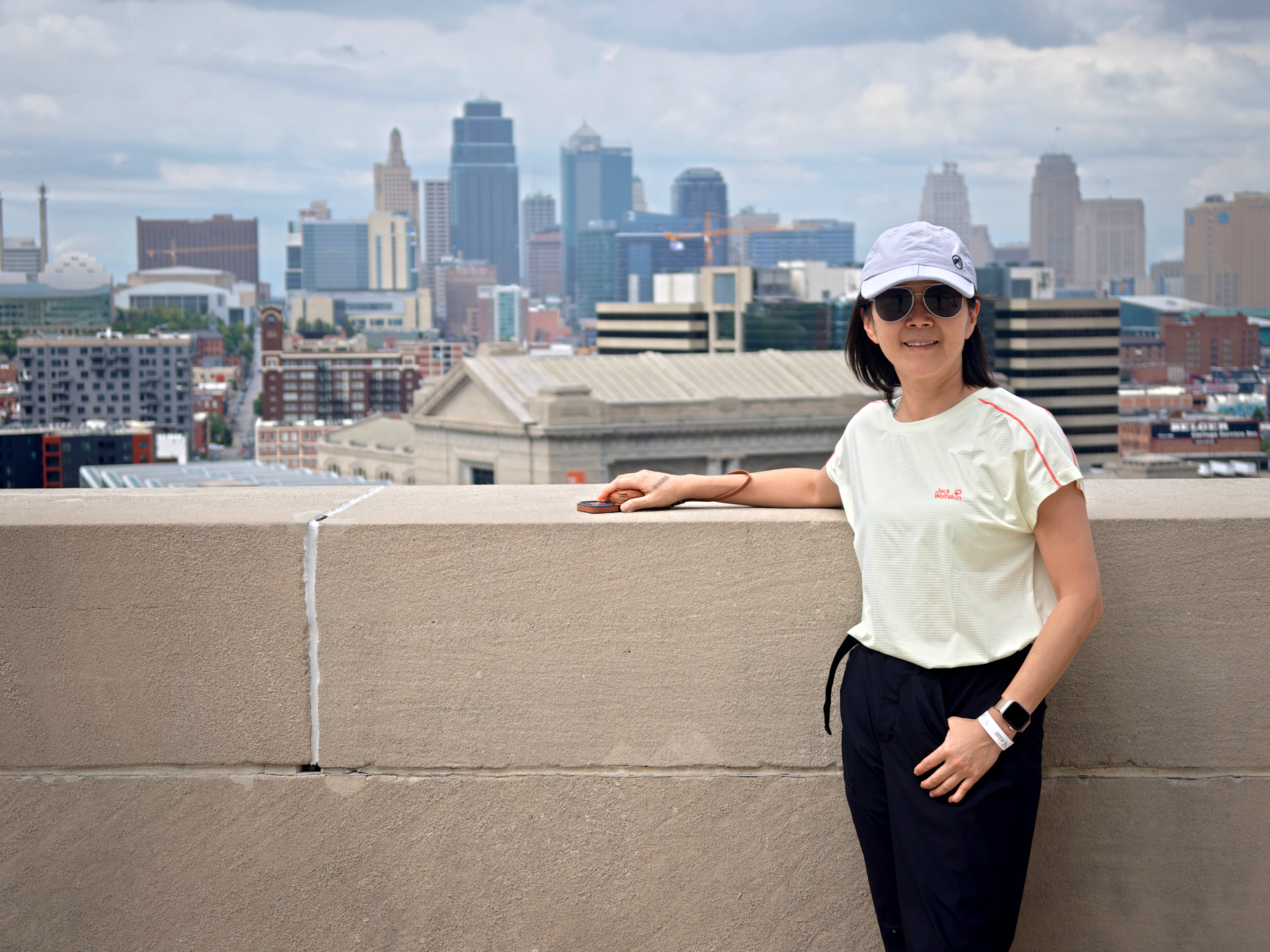
- National World War I Museum and
Memorial
Soon after World War I ended, Kansas City leaders formed the
Liberty Memorial Association (LMA) to create a lasting monument to the men
and women who had served in the war. Opened in 1926 as the
Liberty Memorial, it was designated by the United States Congress in 2004 as
the country's official museum dedicated to World War I. In 2014, as part of
the Centennial recognition, Congress added the designation as the country's
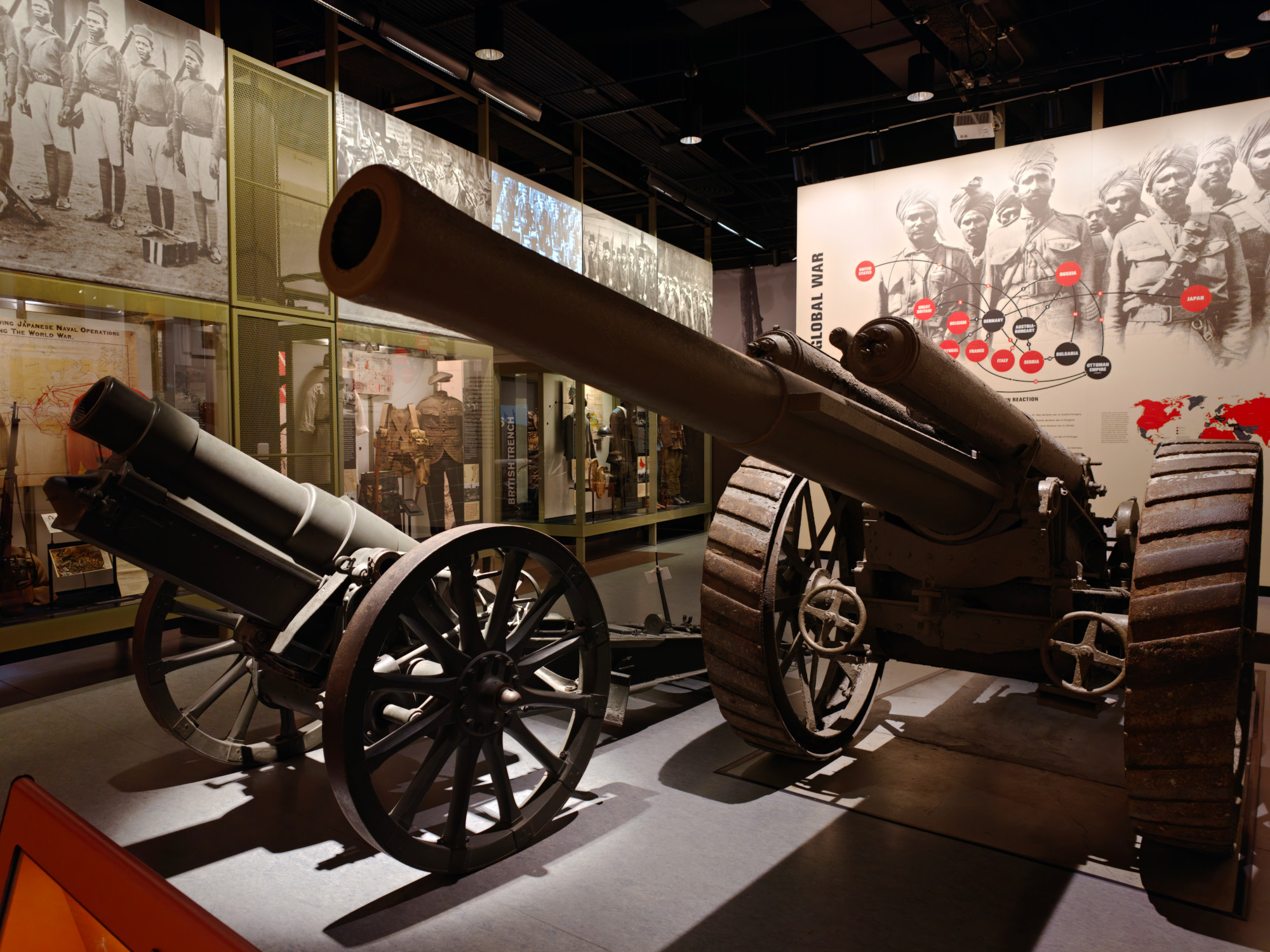
official war memorial. The museum focuses on global events from the
causes of World War I before 1914 through the 1918 armistice and 1919 Paris
Peace Conference.
Since there was also
World Cup Fan Festival
going on, the security was super tight so we had to put our backpacks back
to our car. The usual path to the museum was blocked due to the fan
festival, so there were some golf carts to take museum visitors to the
museum entrance via a longer route.
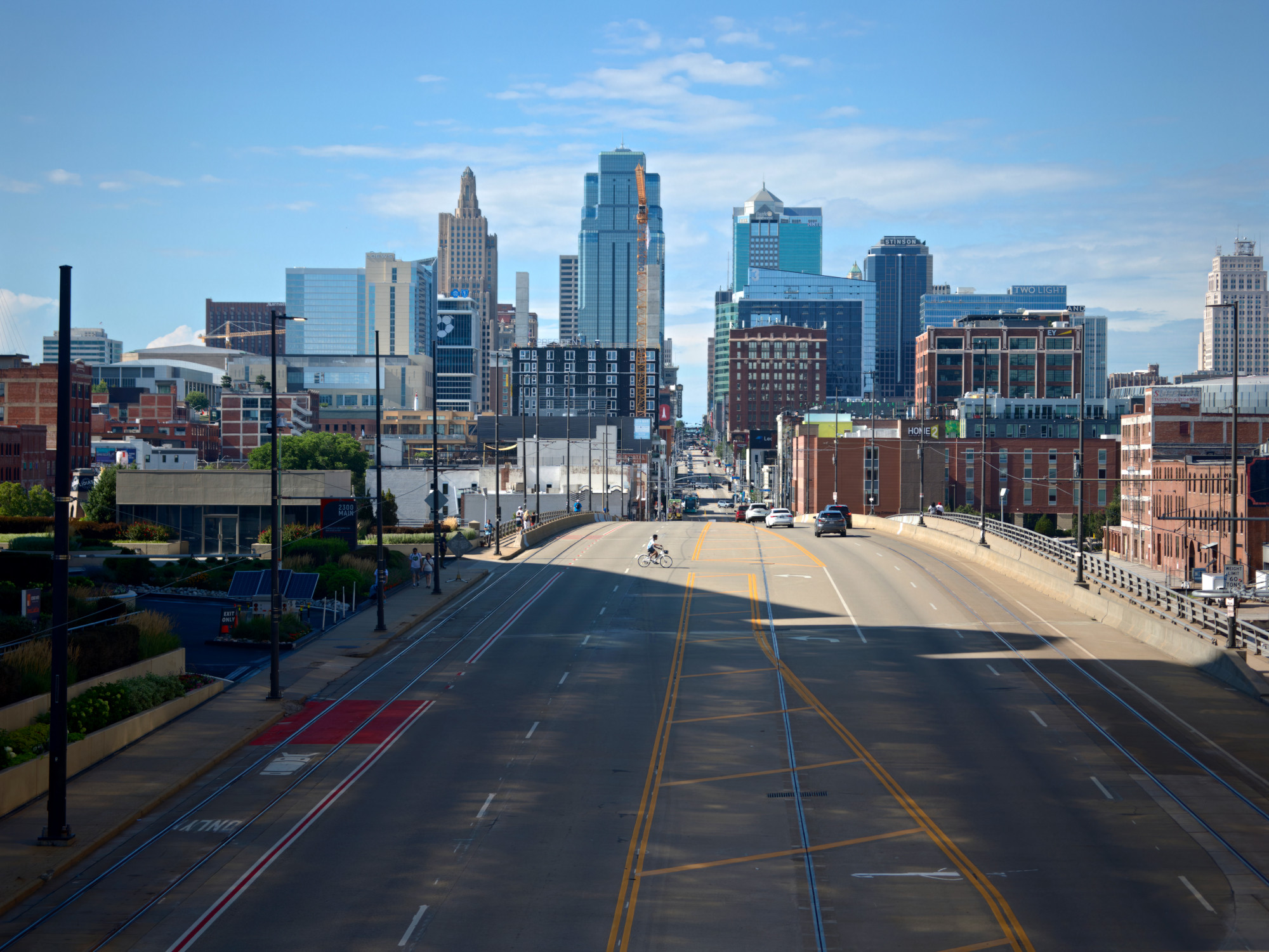
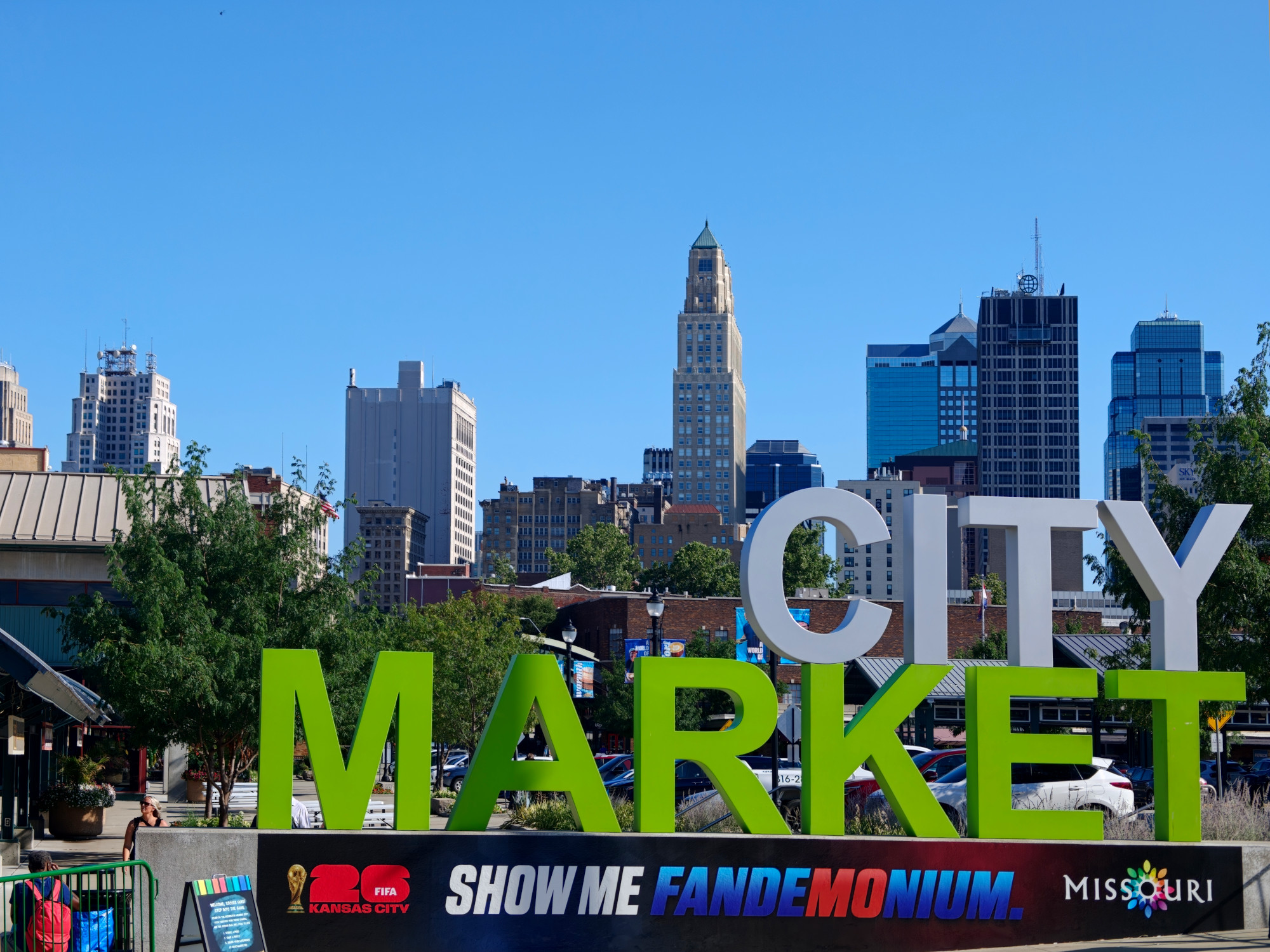
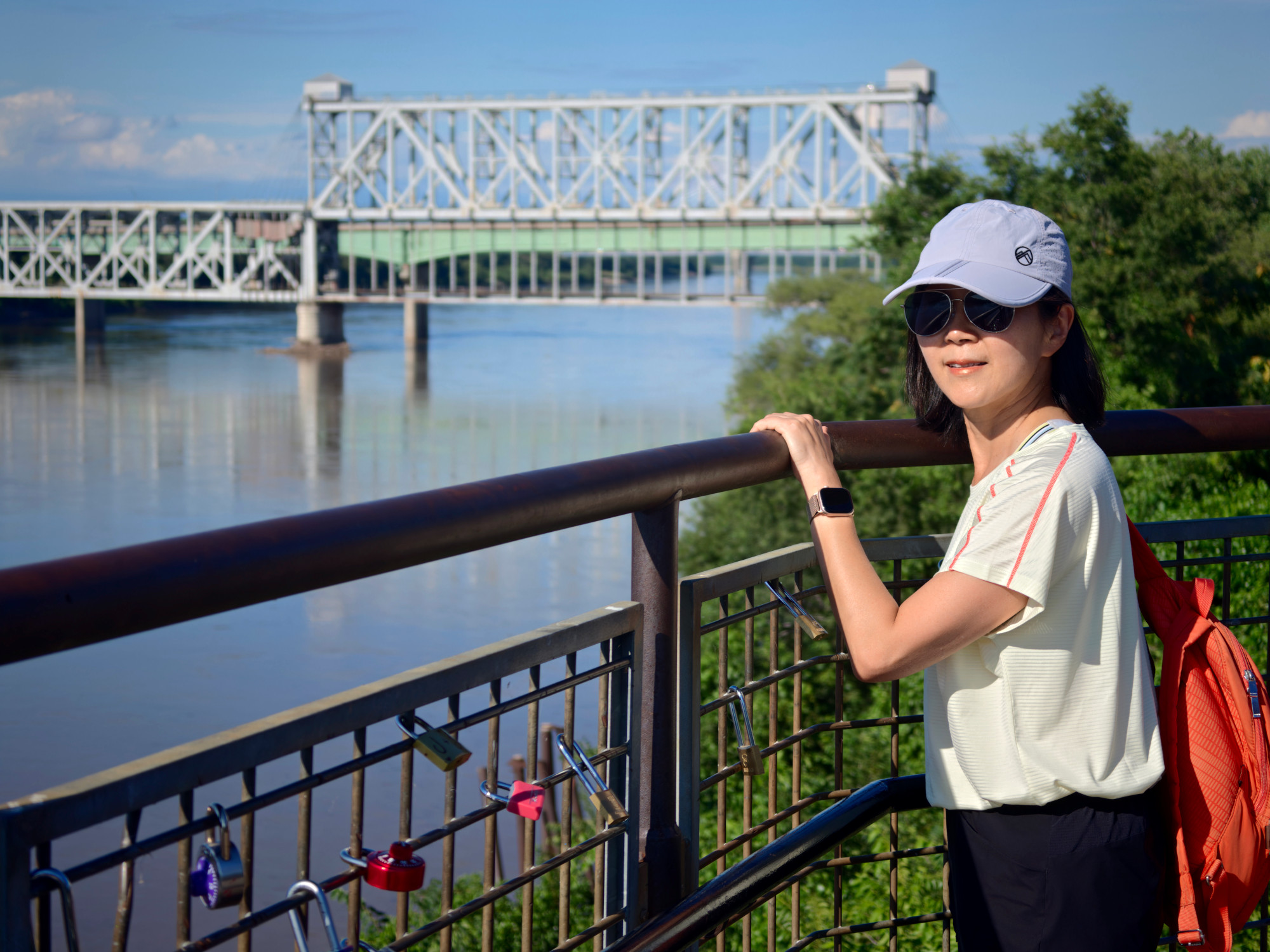
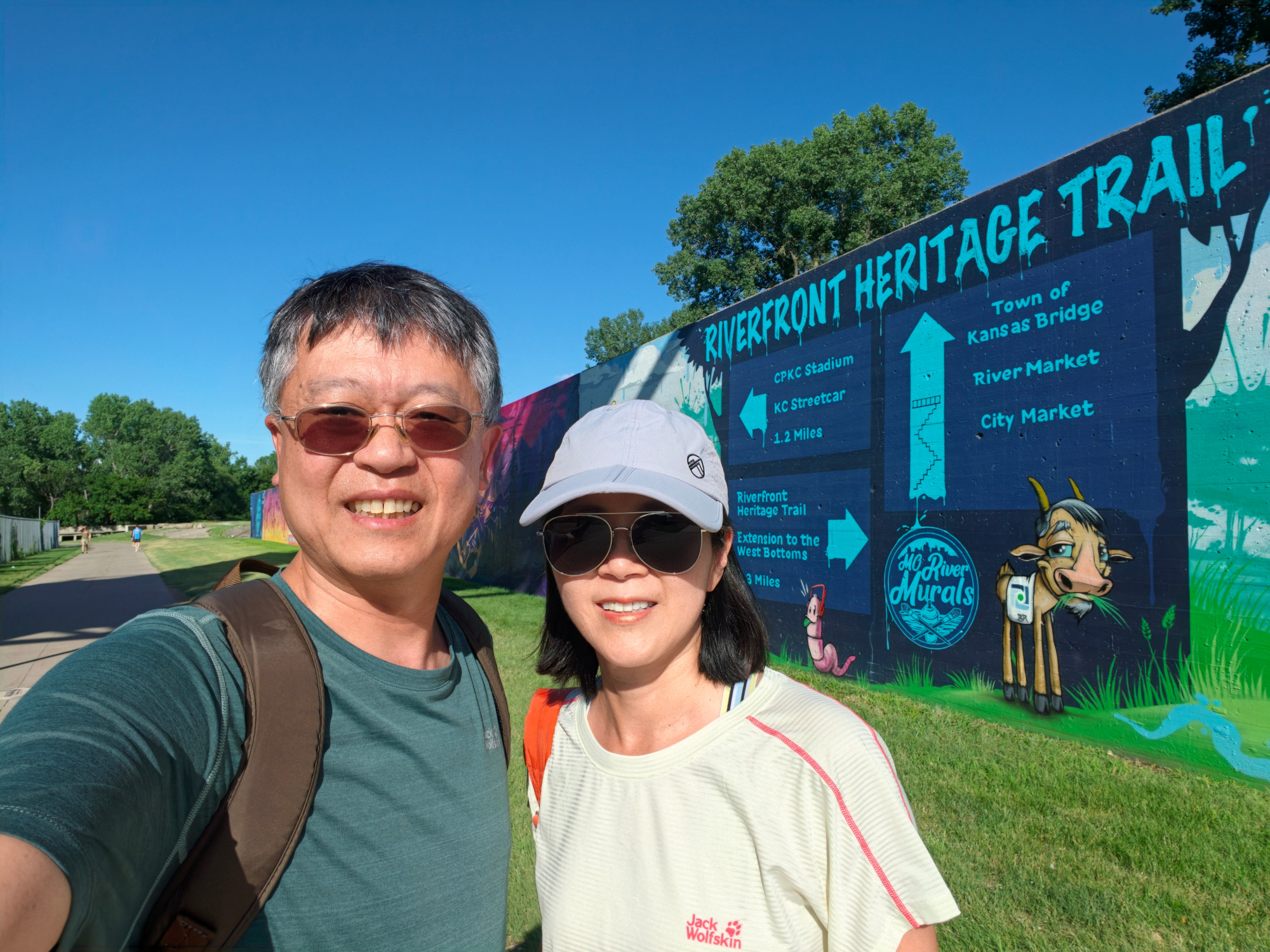
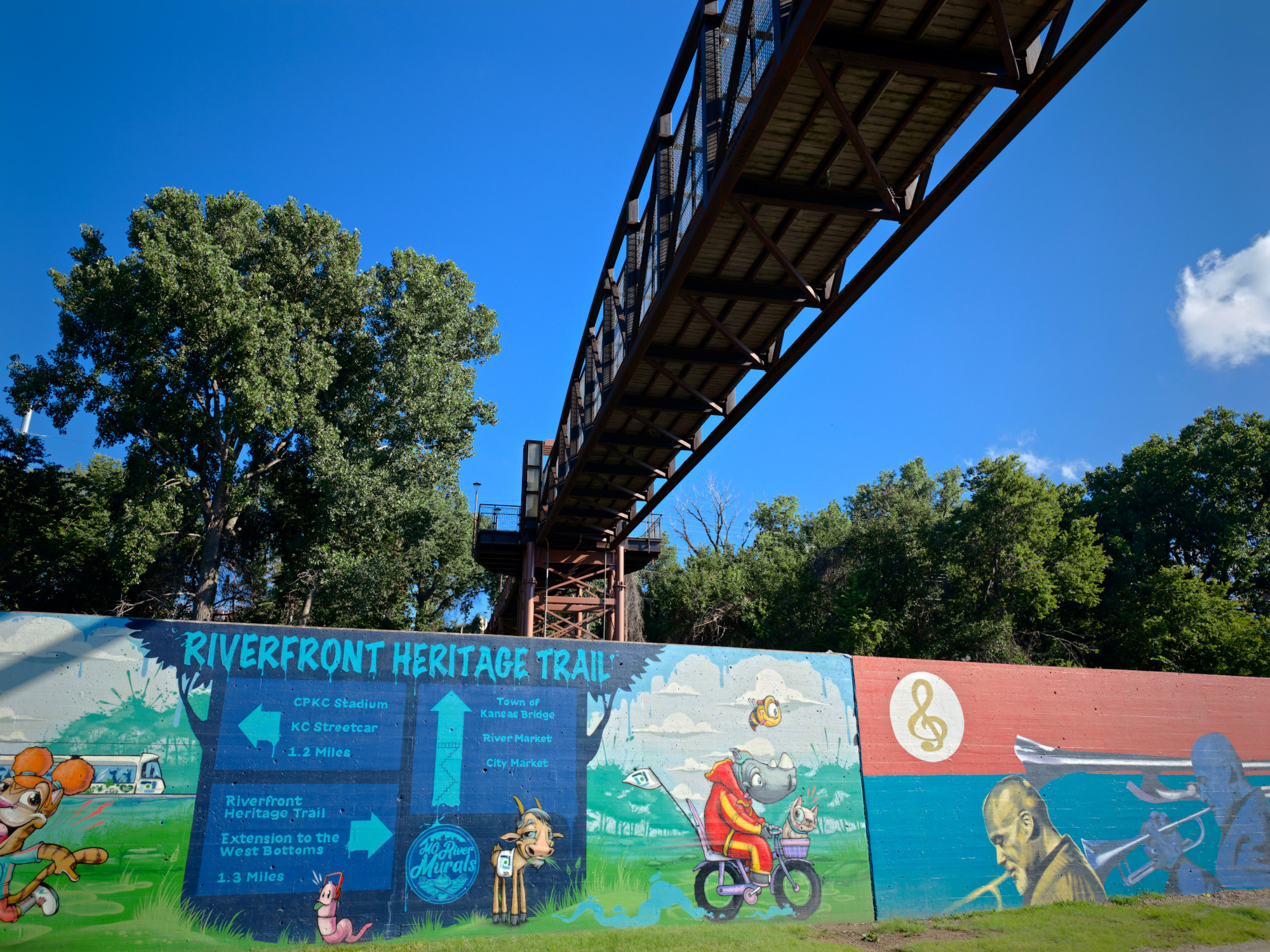
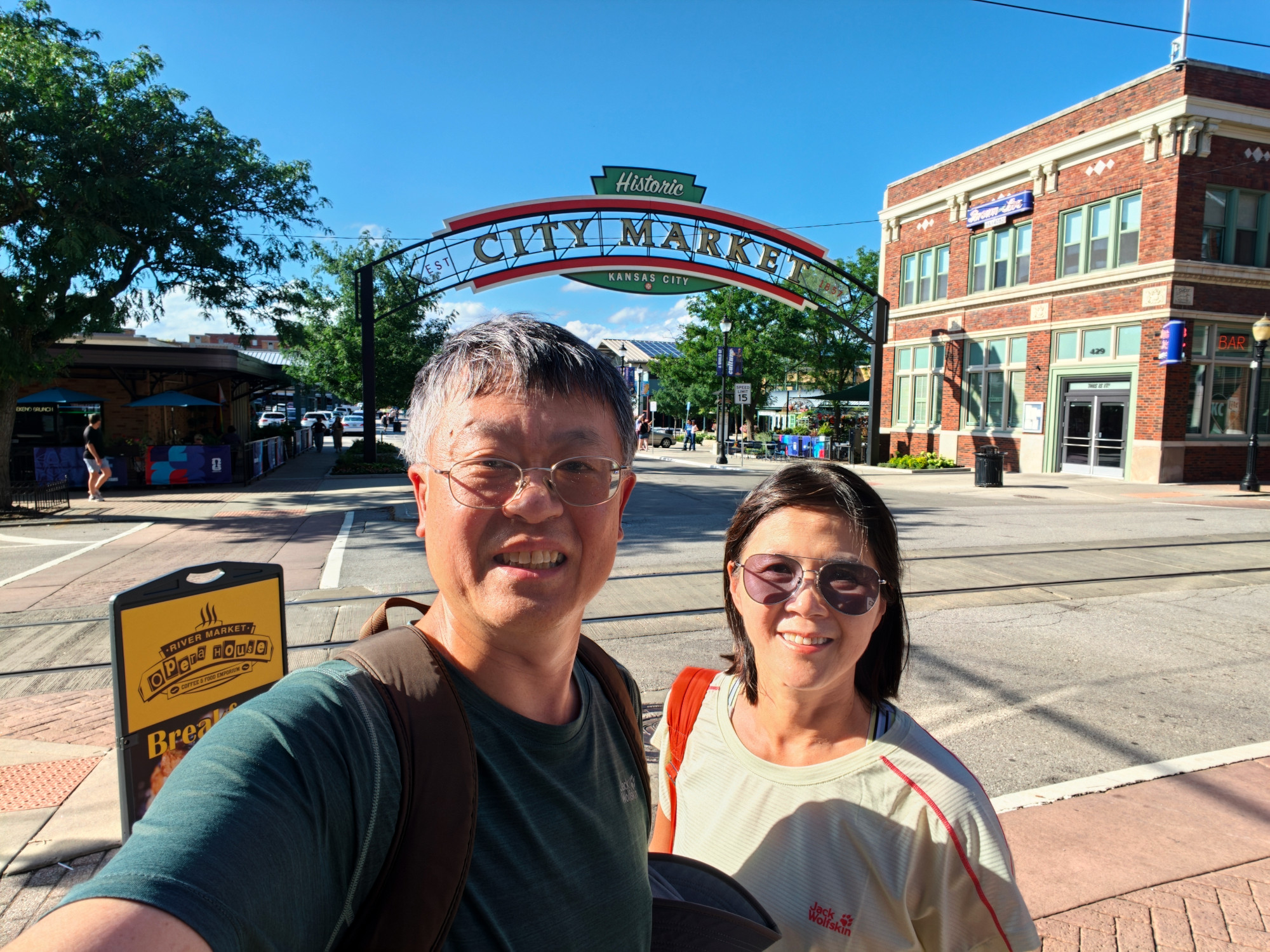
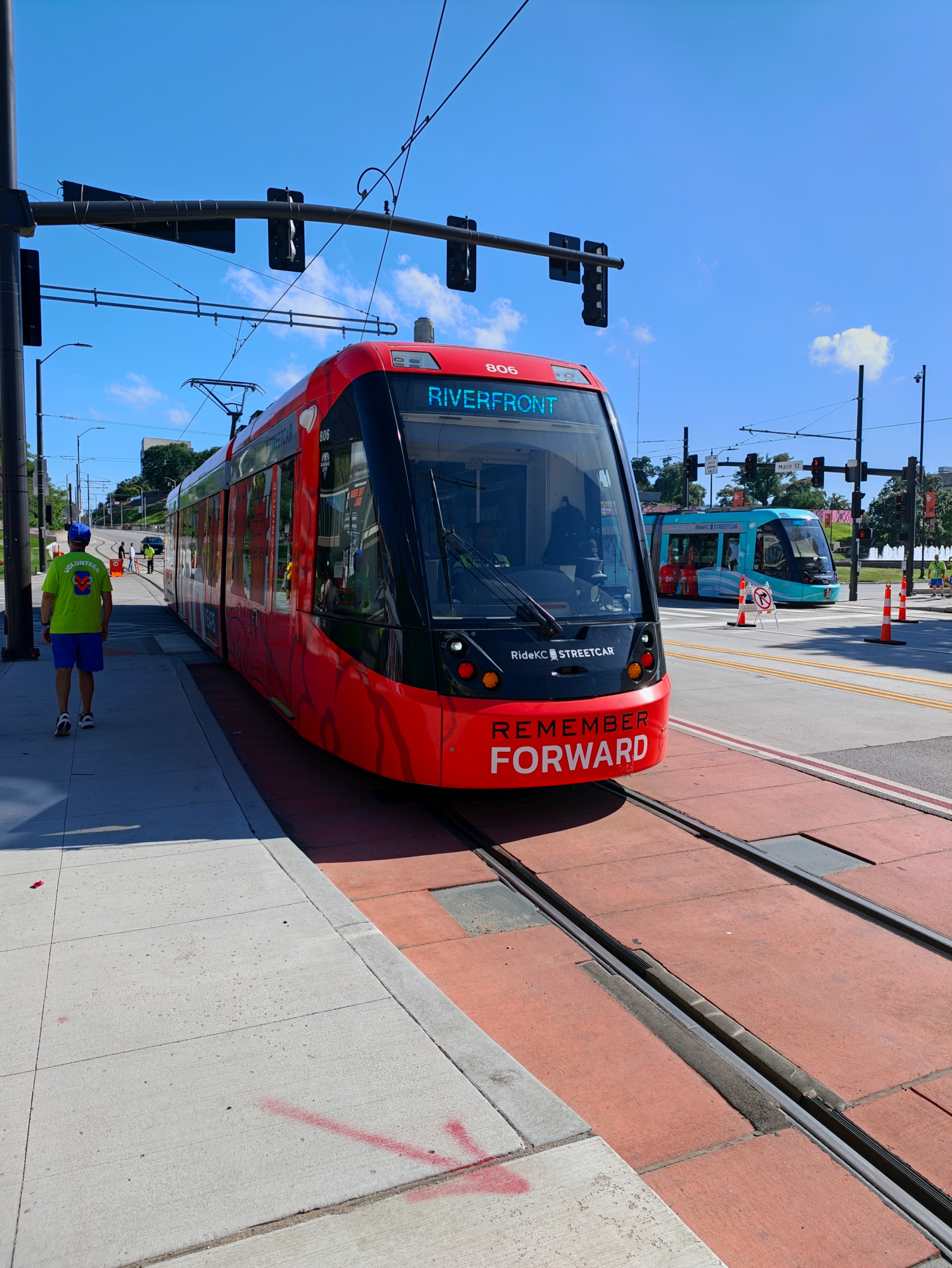
- City Market, Riverfront, and Union Station
We took the free streetcar
to the river front of Missouri River at the northern part of the city.
We took a walk around the city streets at the different parts of the city
(and found a nice Ramen restaurant for dinner).
Day 3 (7/11) ...
- Harry S Truman National
Historic Site
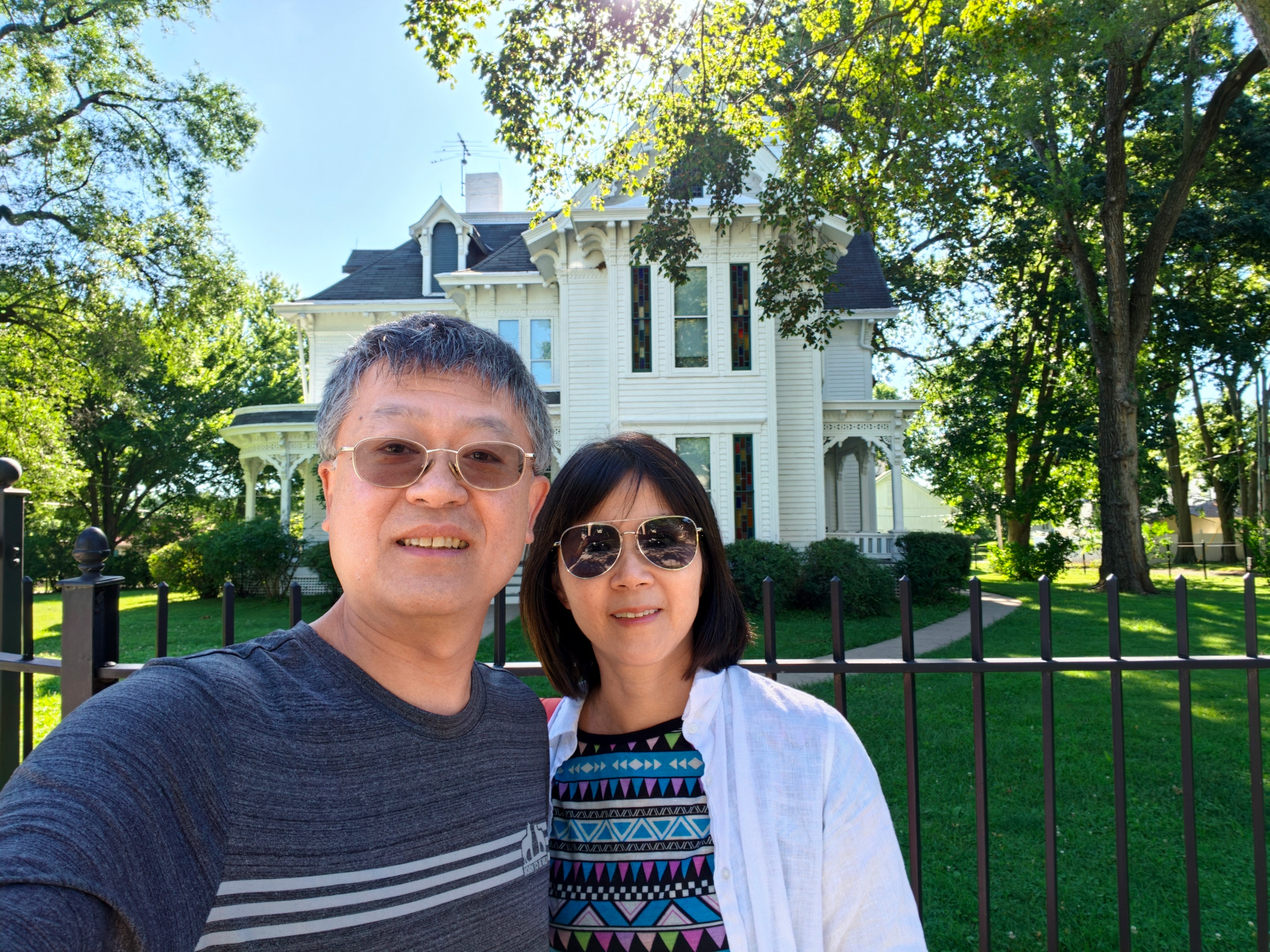
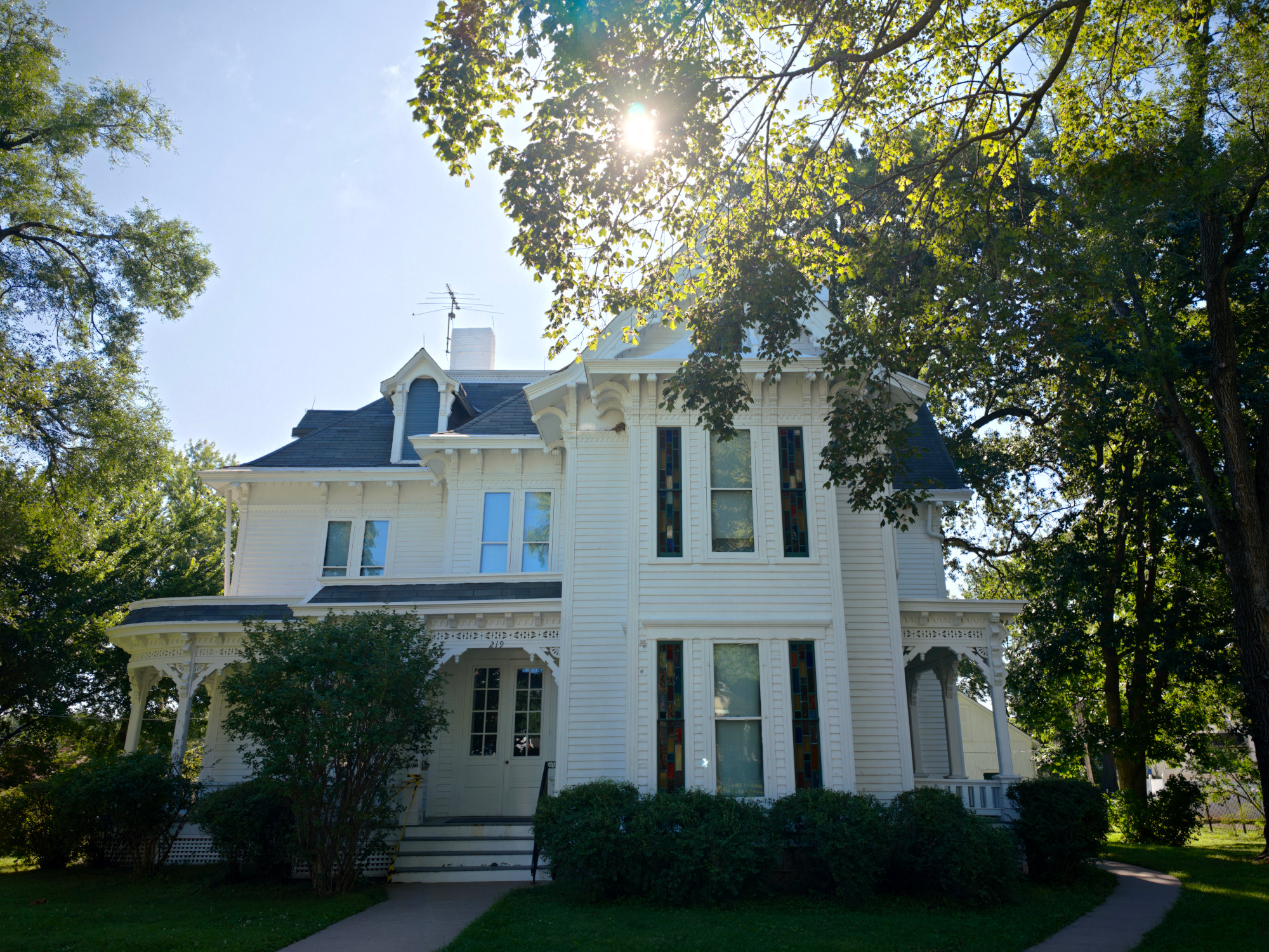
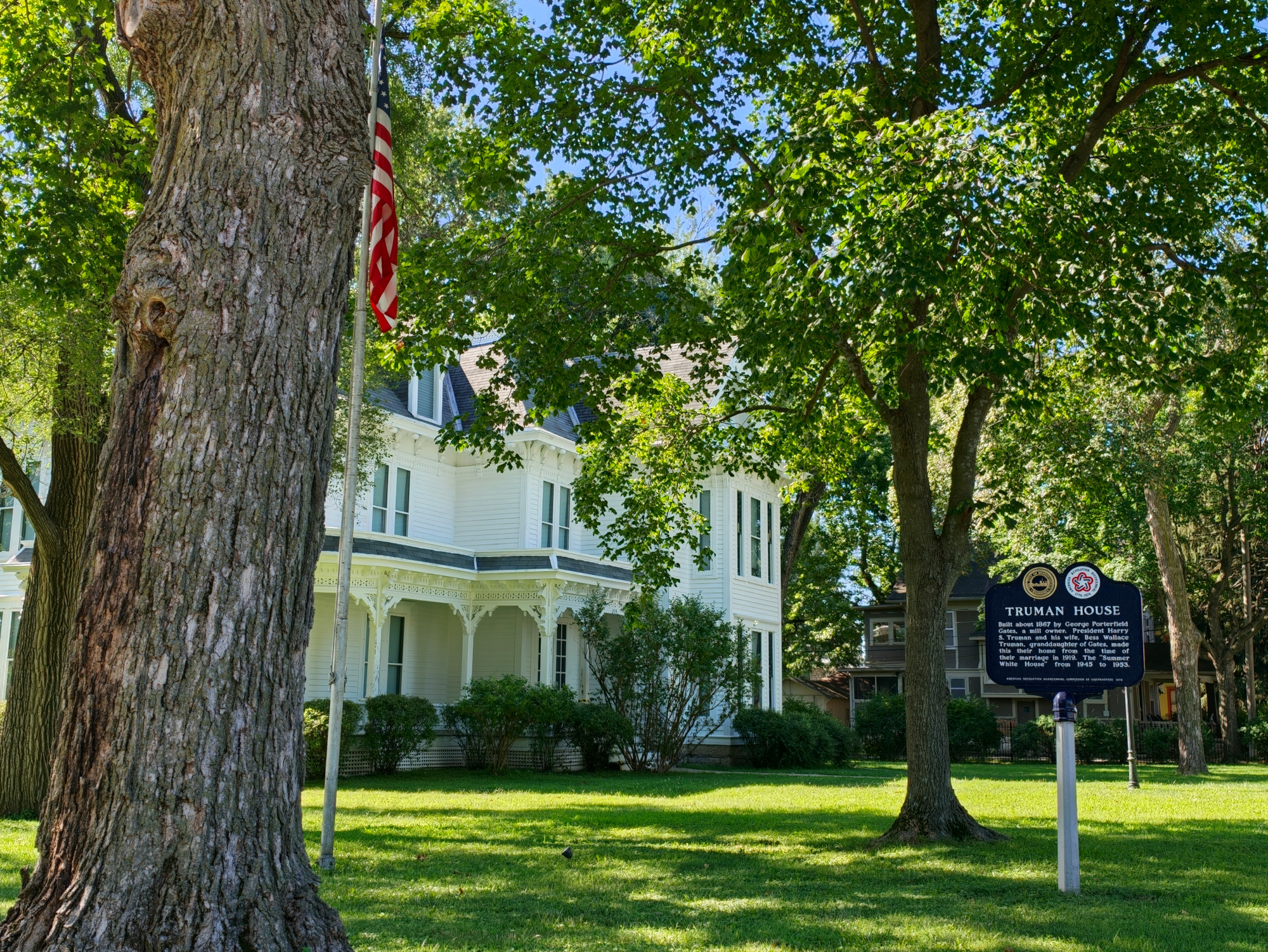
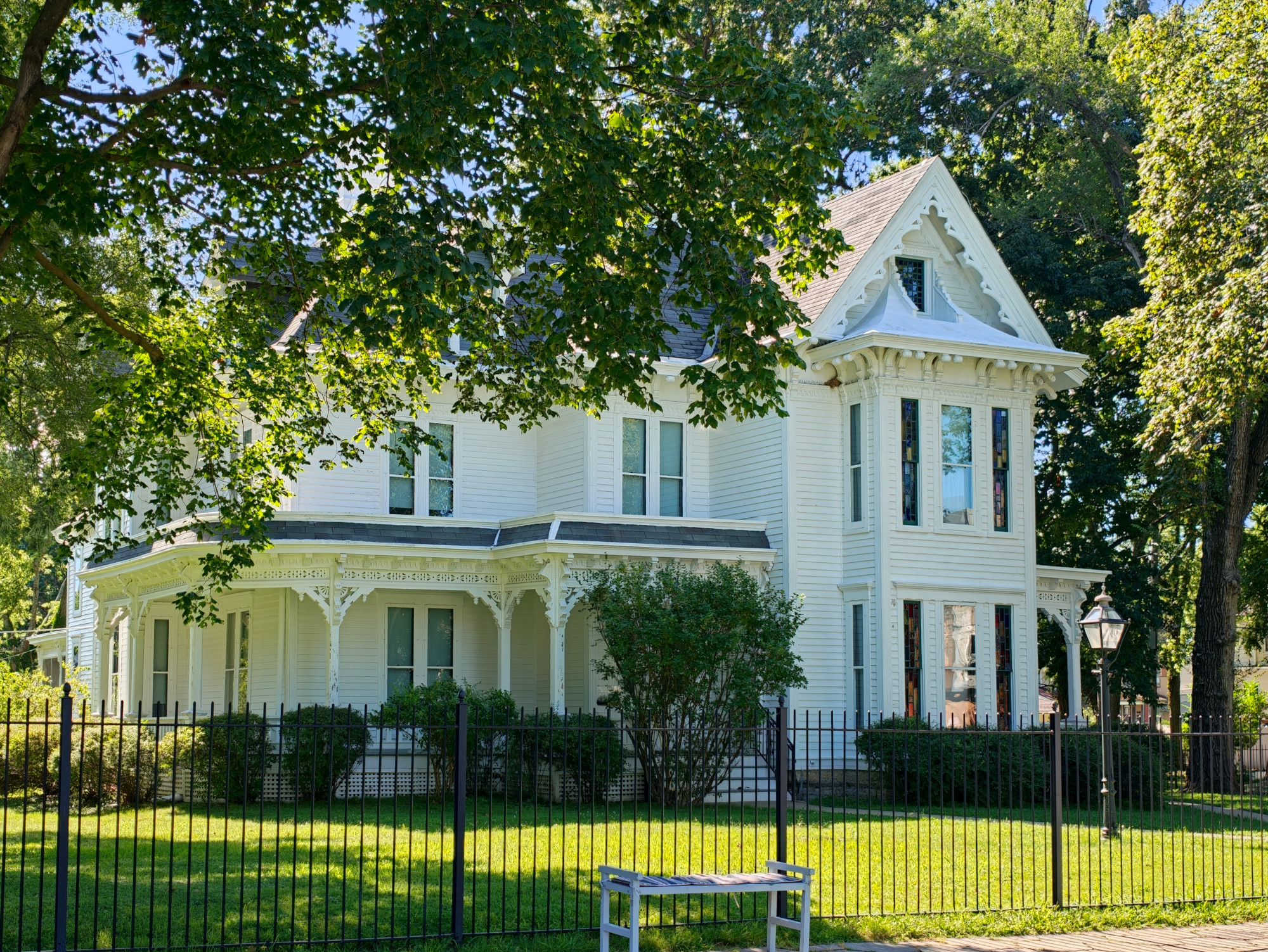
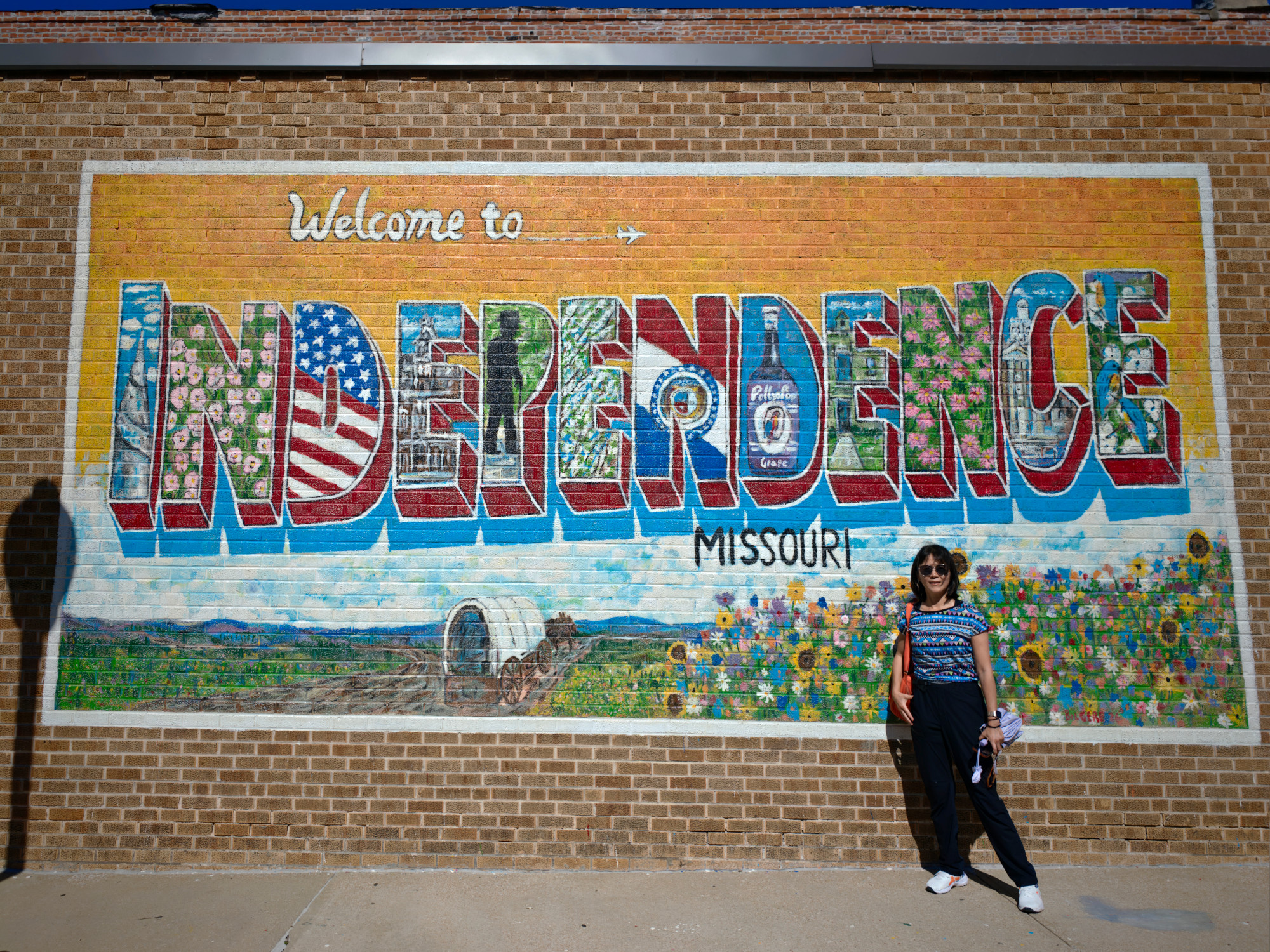
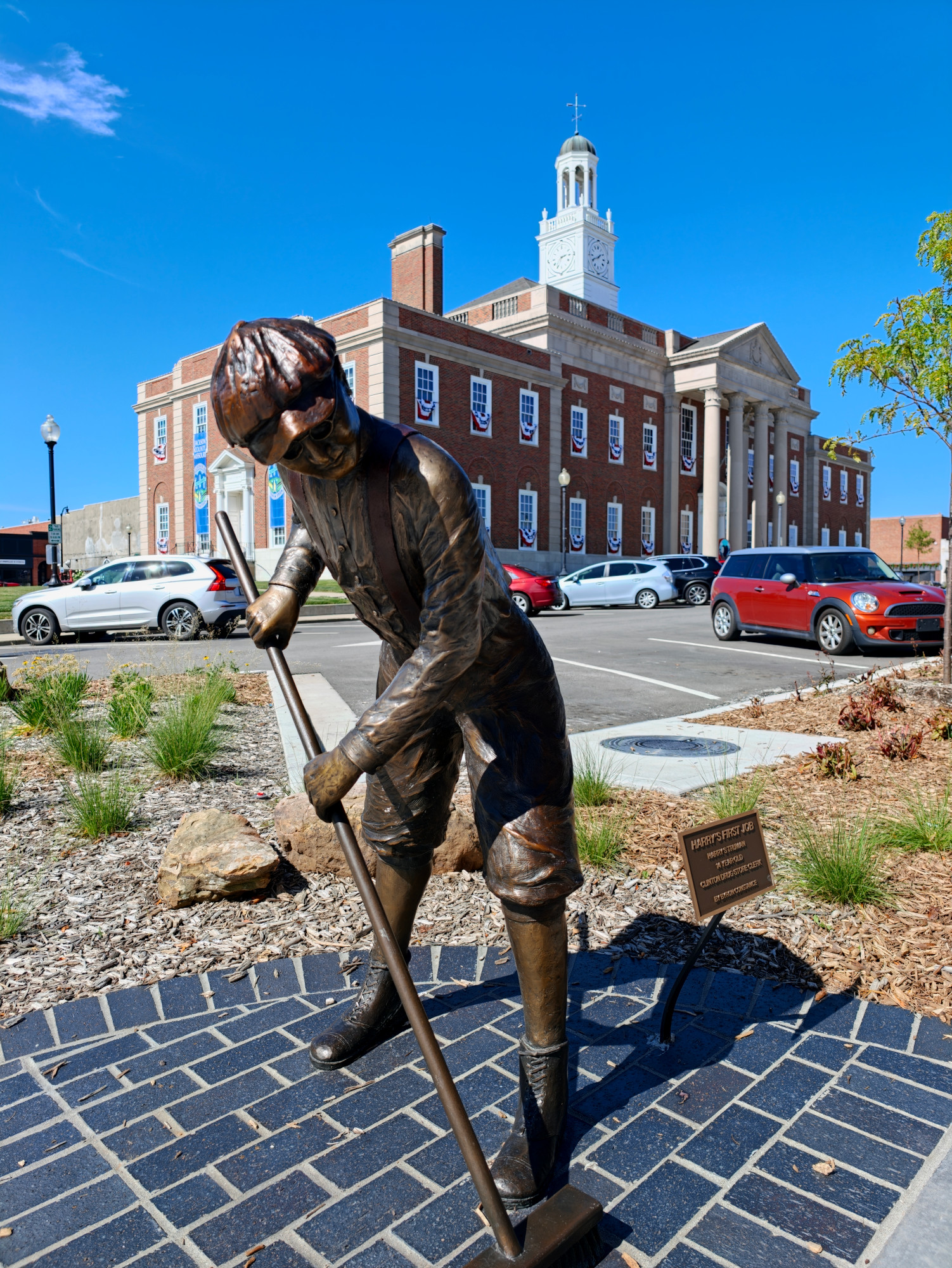
We came to the small town Independence to visit the
Truman Historical Site. The Truman Home in Independence, Missouri, was
the home of Harry S. Truman, the 33rd president of the United States, from
the time of his marriage to Bess Wallace on June 28, 1919, until his death
on December 26, 1972. To visit the Truman House, you have to go
to the visitor center first to sign up a tour. Tours are given every
30 minutes and last for about 20 minutes, and each tour can take maximum 8
people. We got to the visitor center at about 9AM and signed up the
first tour at 9:30AM. After finished the introductory movie at the
visitor, we drove to the Truman House for the tour (no photos are allowed
inside the boundary of the house).
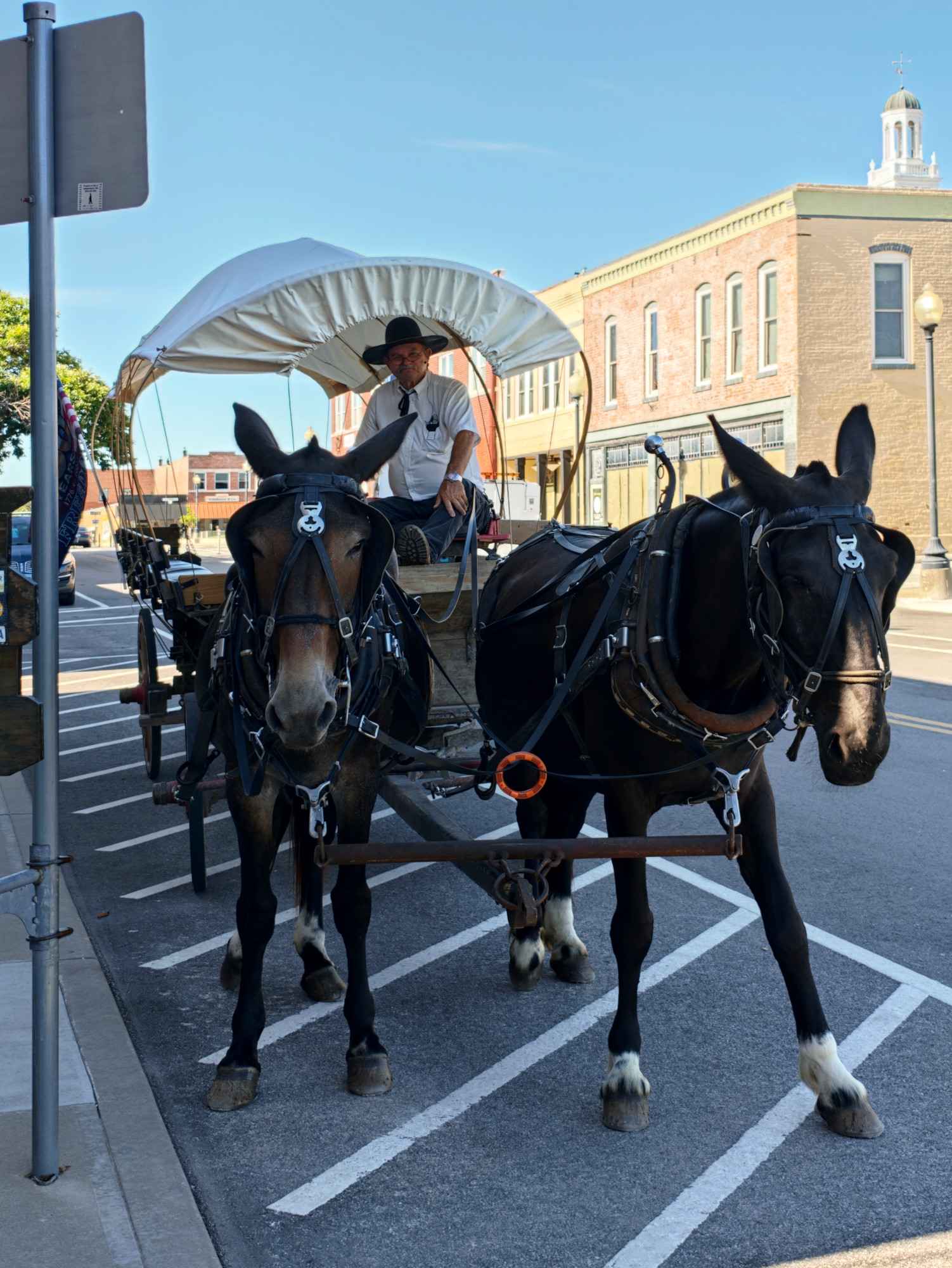
- Independence, MO
After the tour, we walked around the small town, and
had a brunch with Woanyu's friend and her husband at a local cafe. It
turned out her husband's family was from this small.
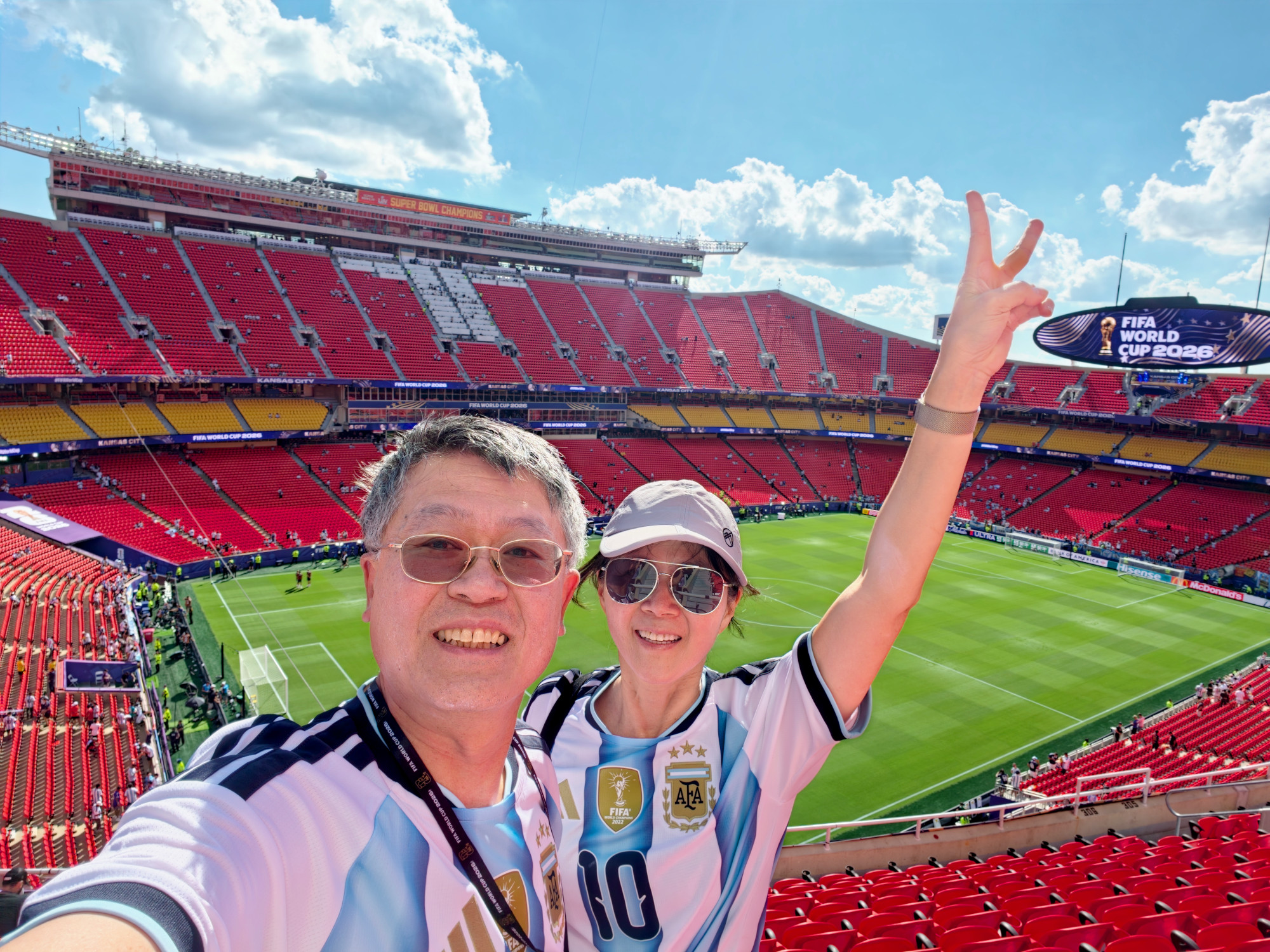
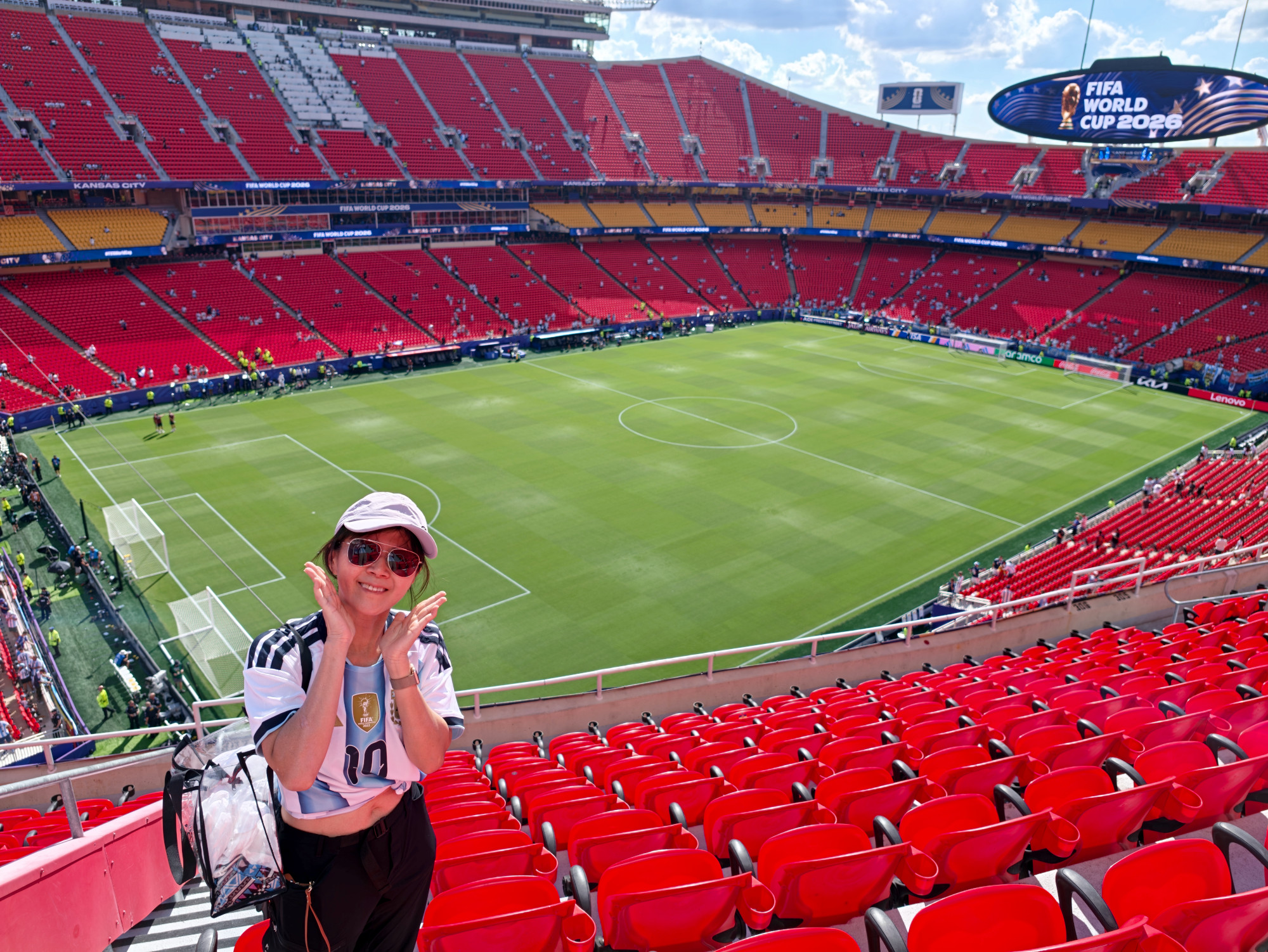
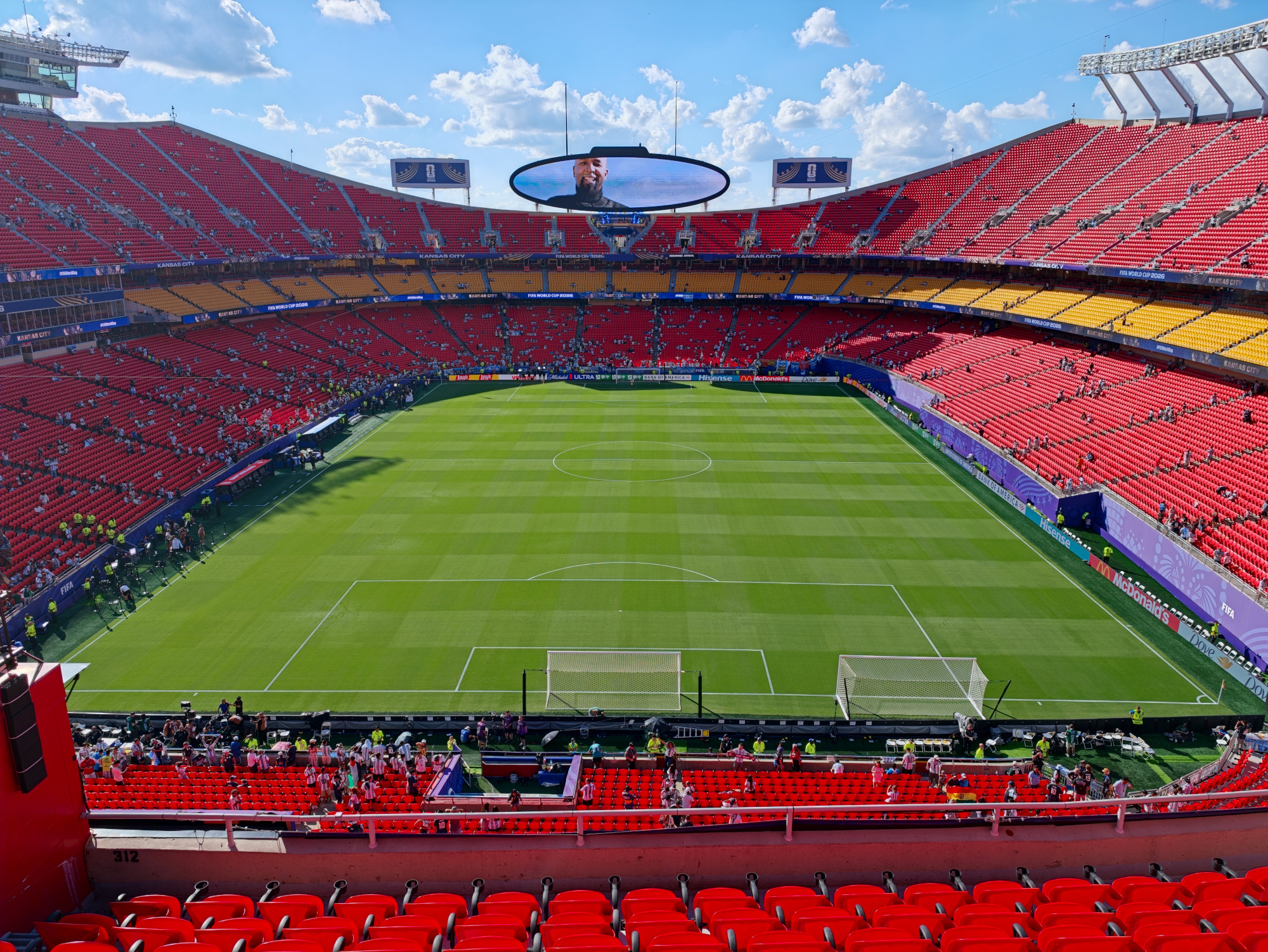
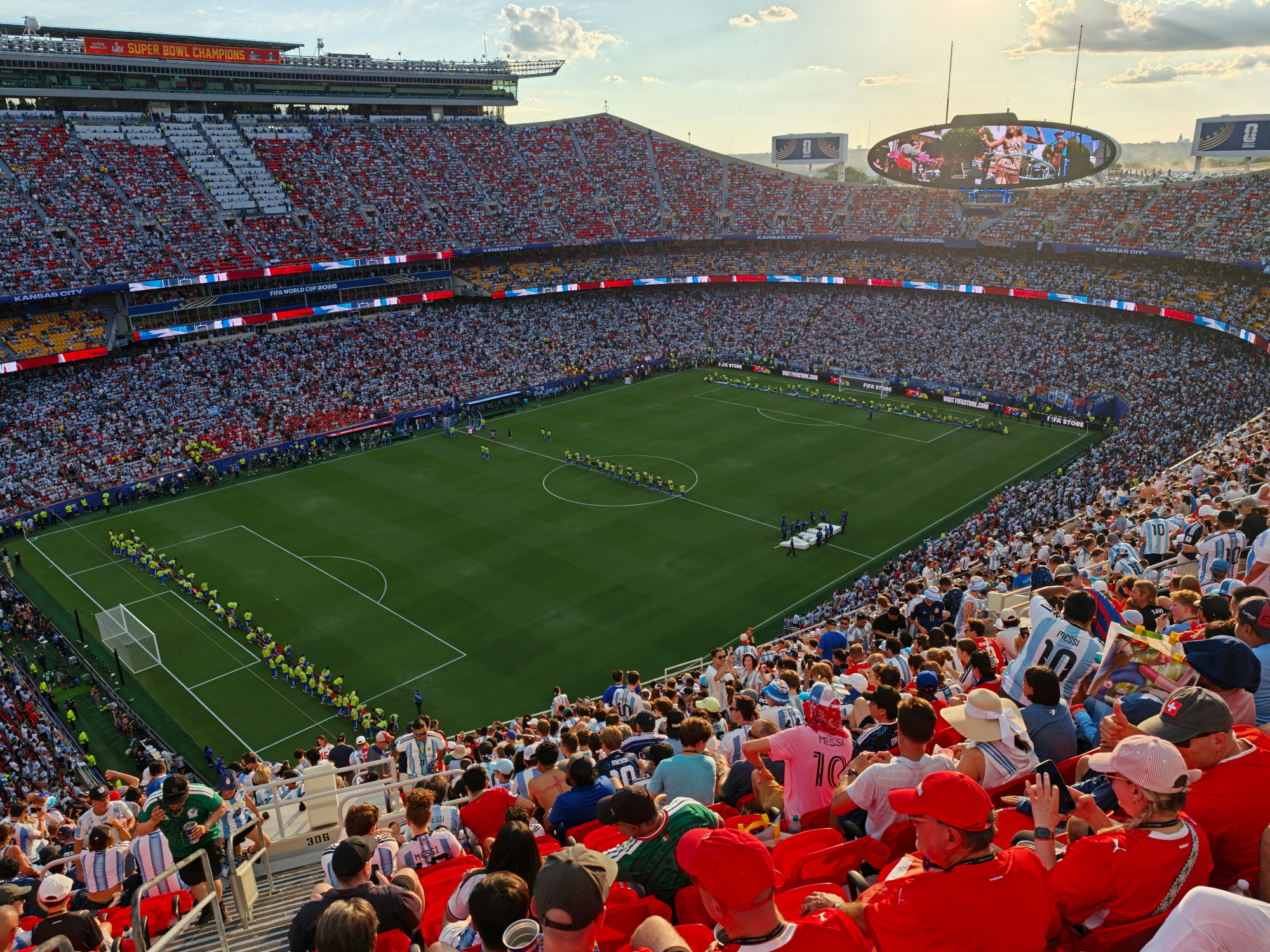
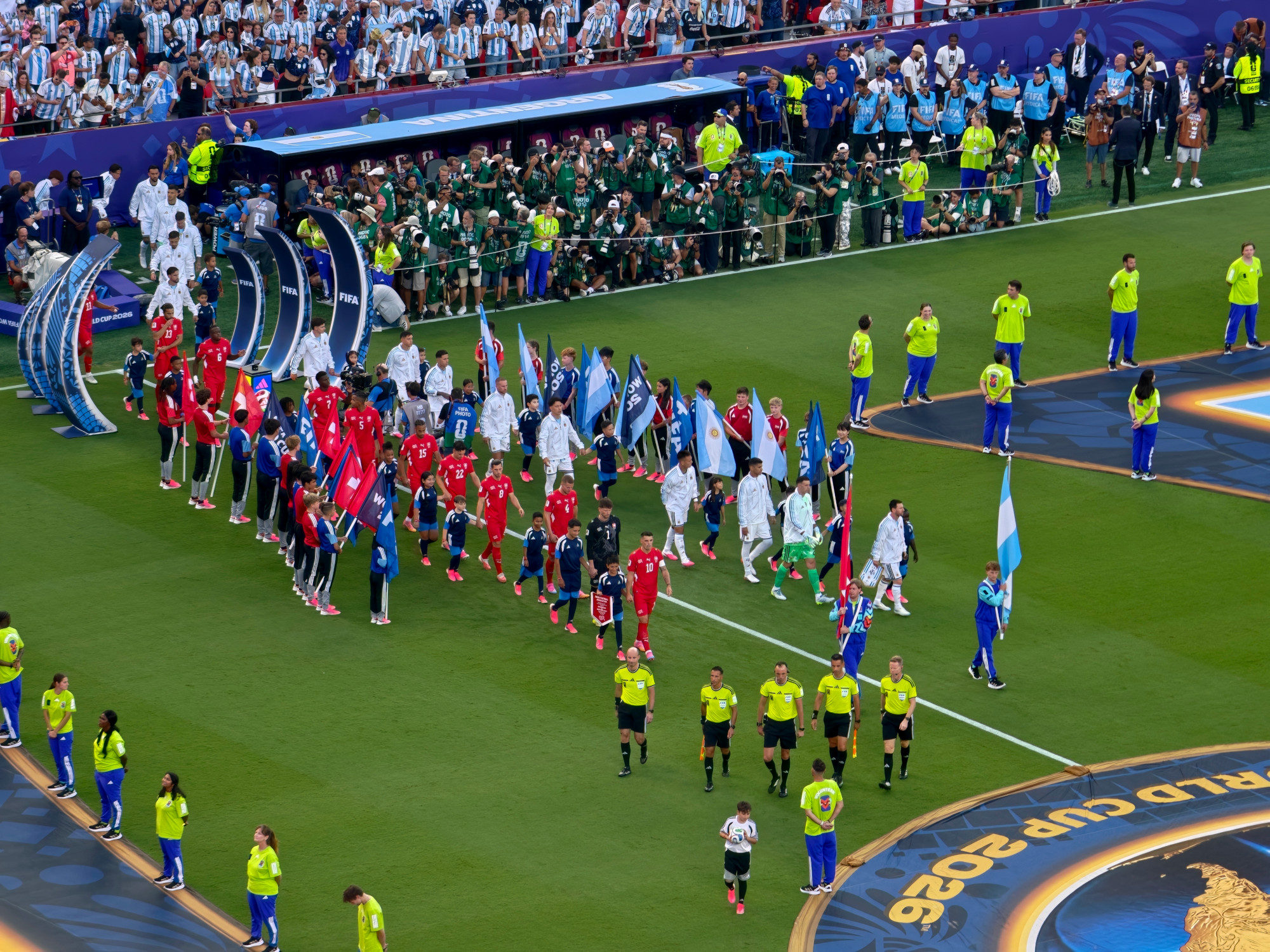
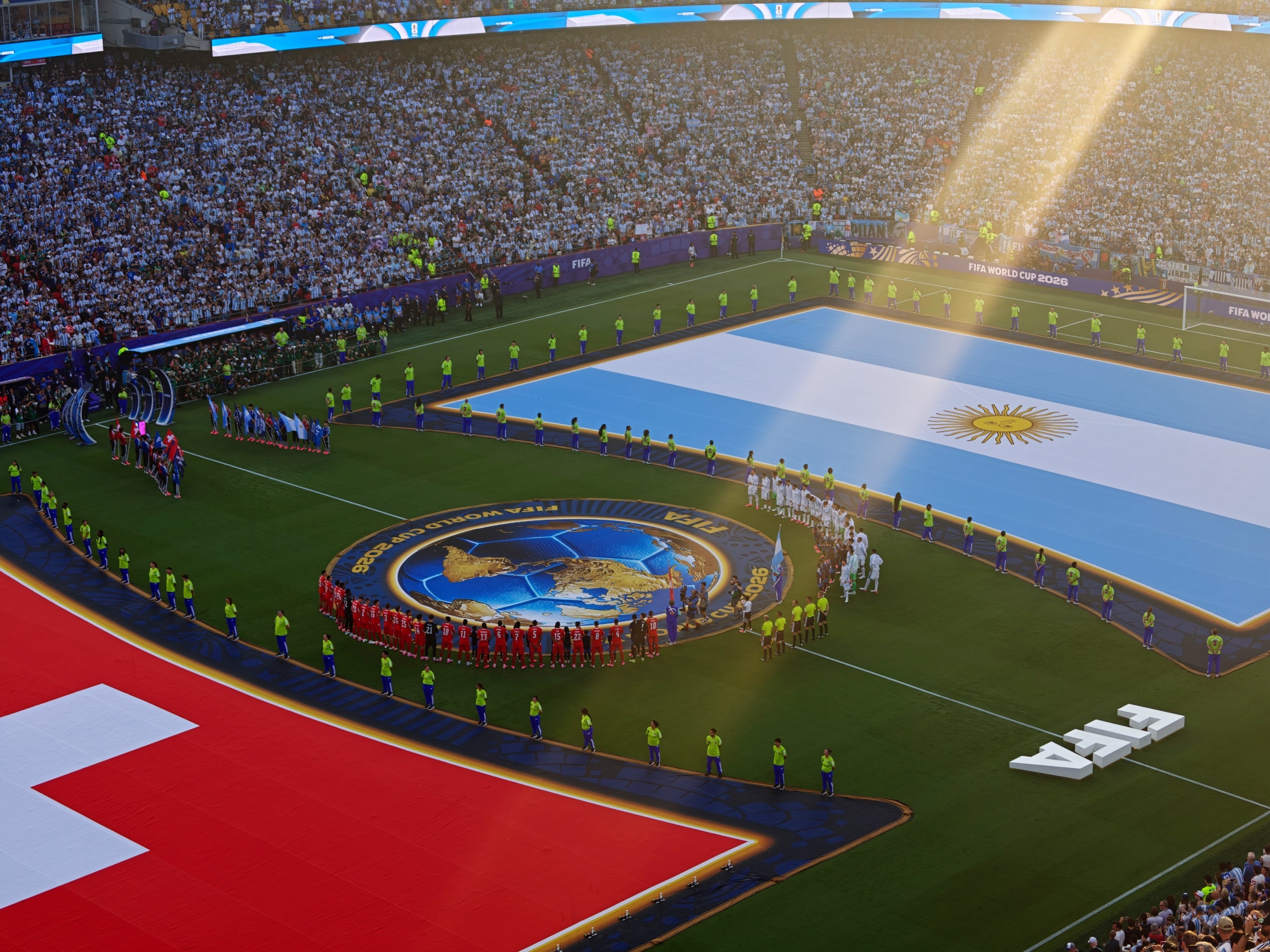
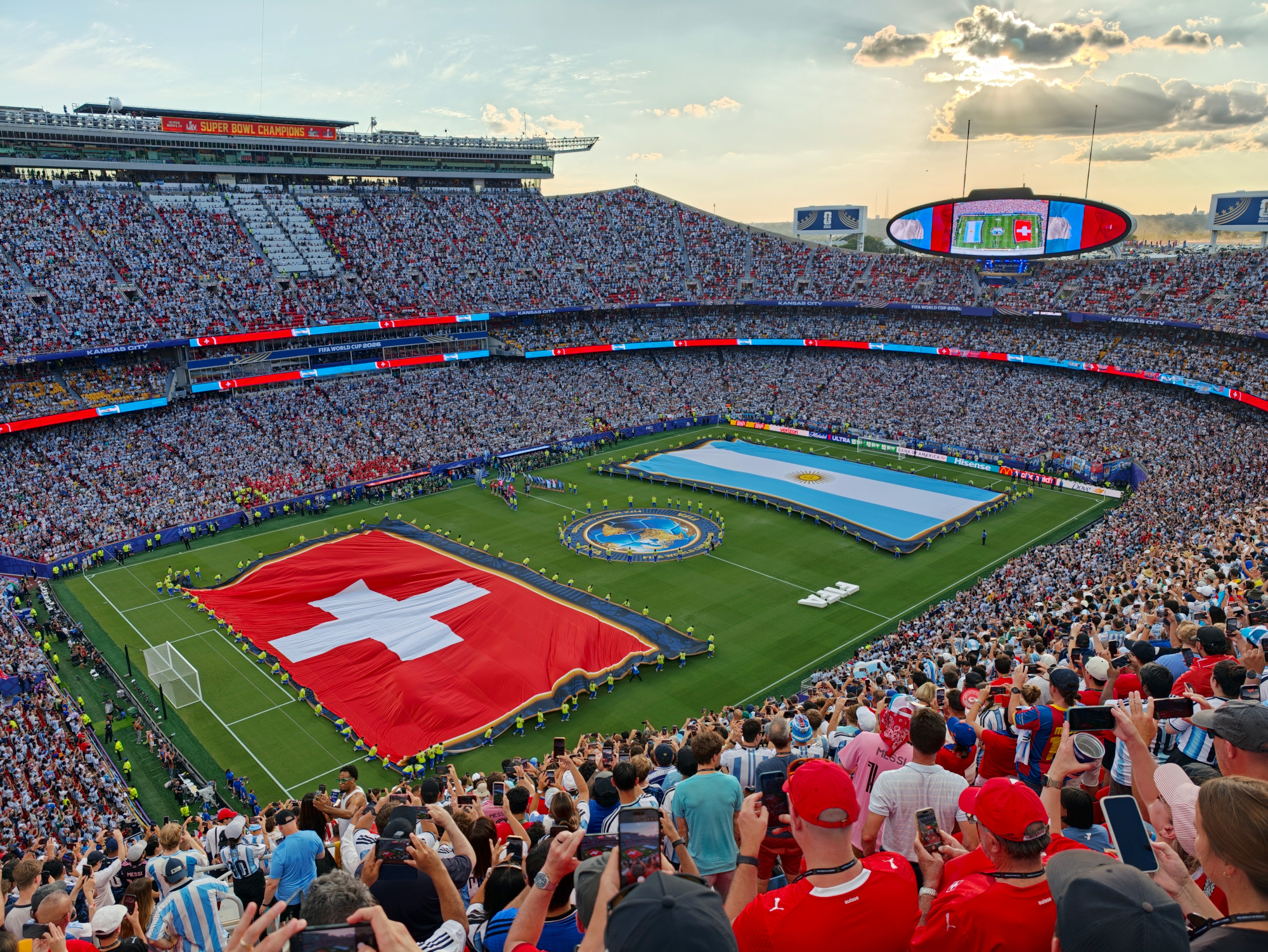
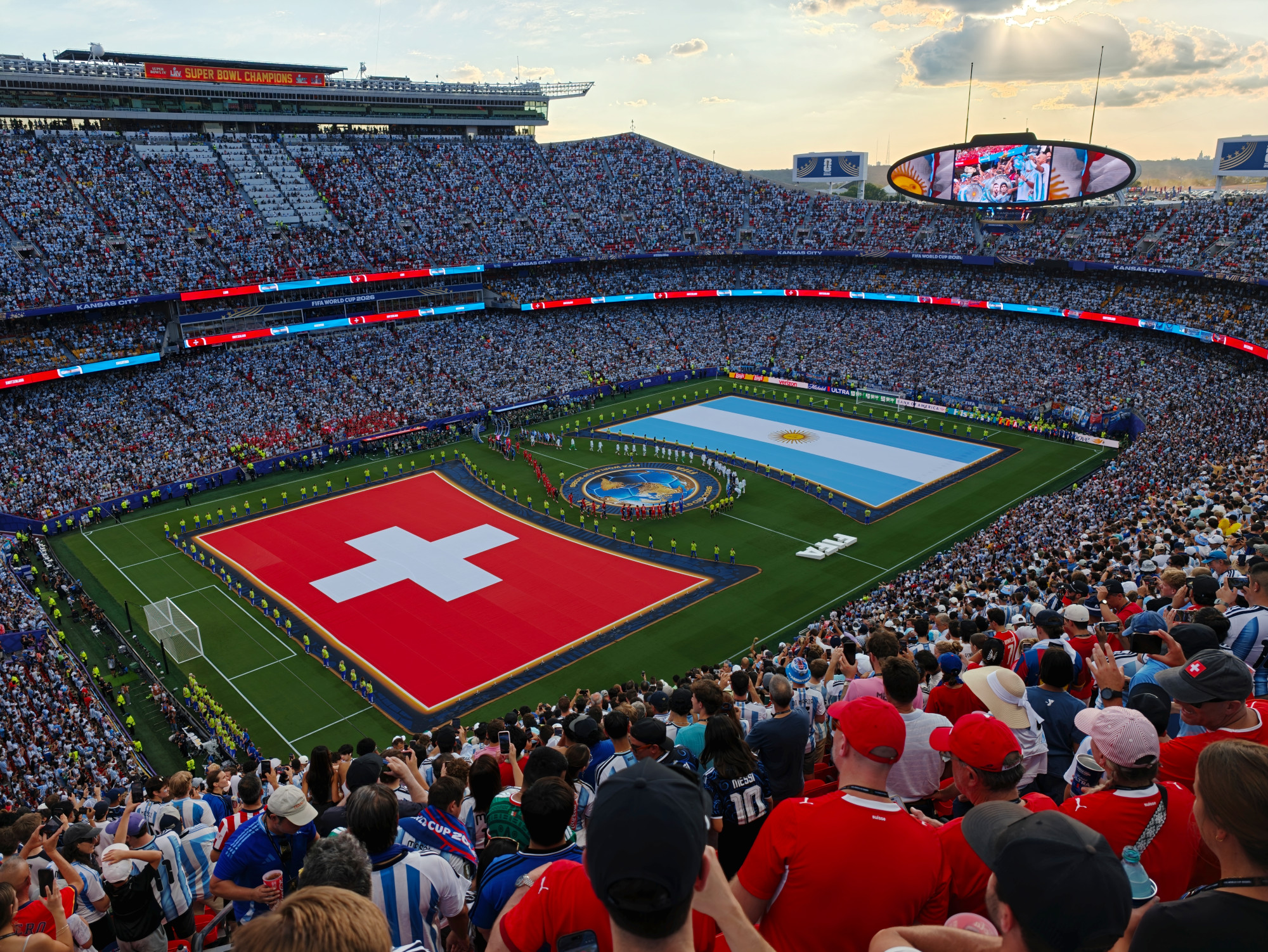
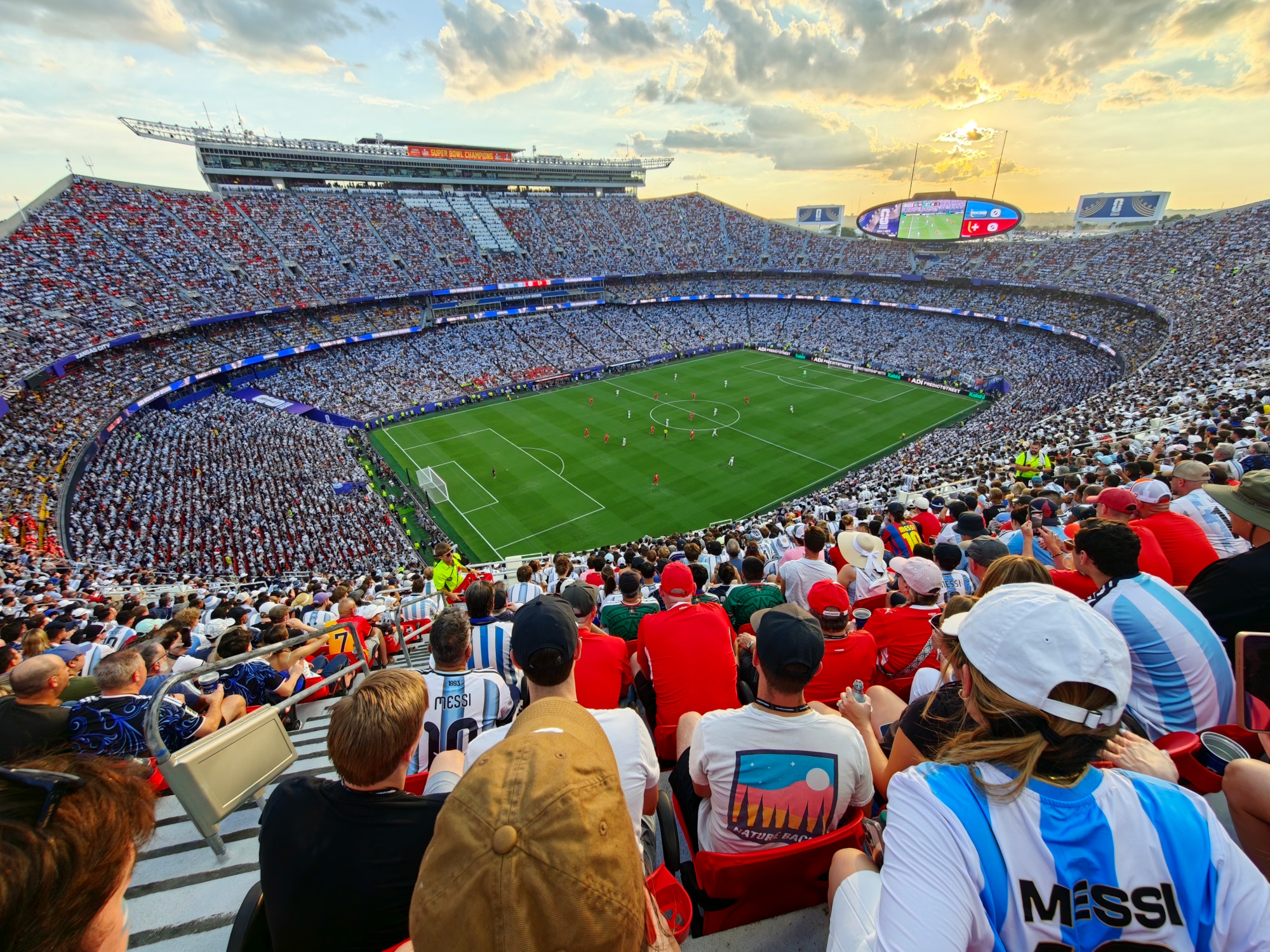
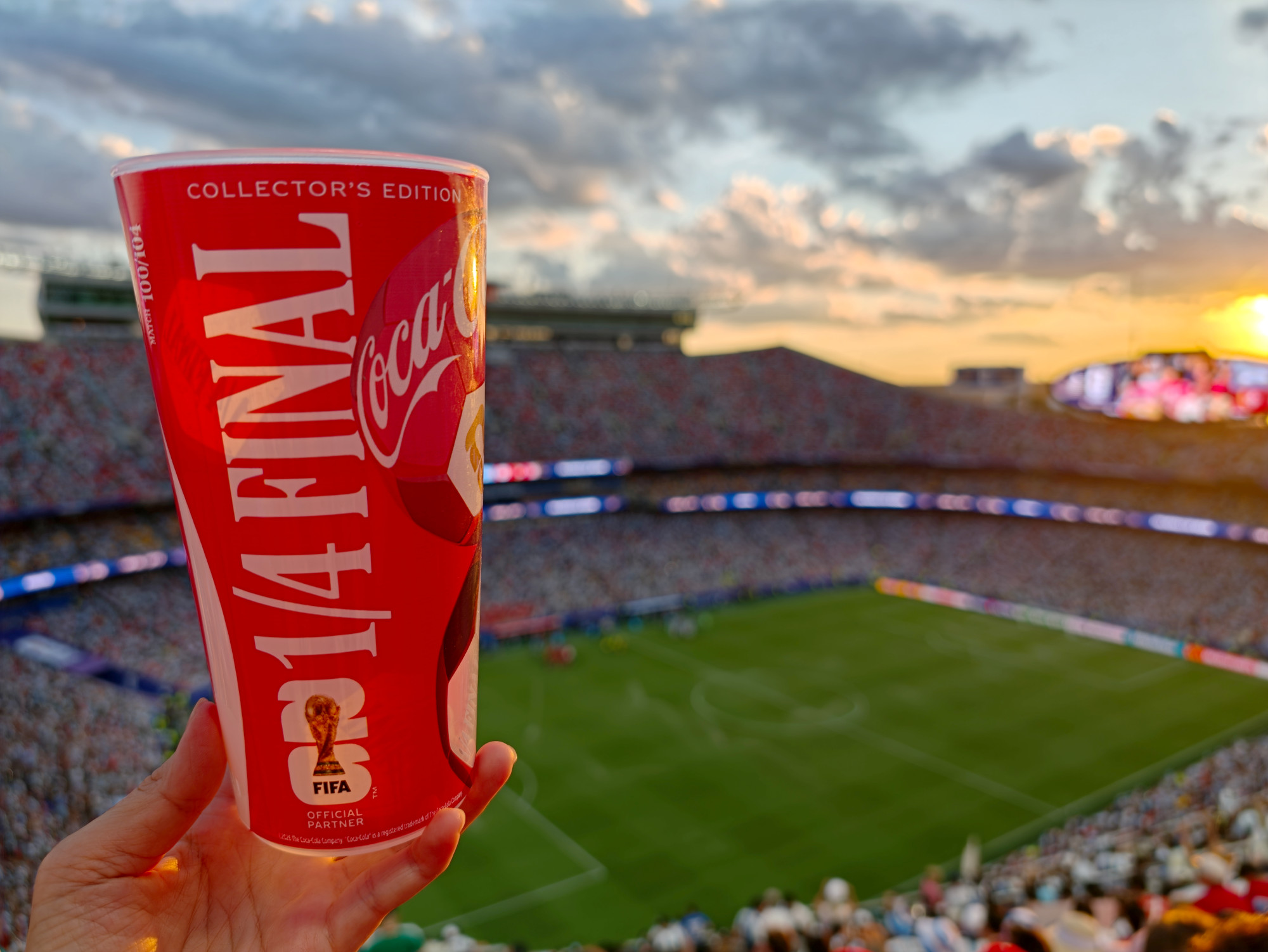
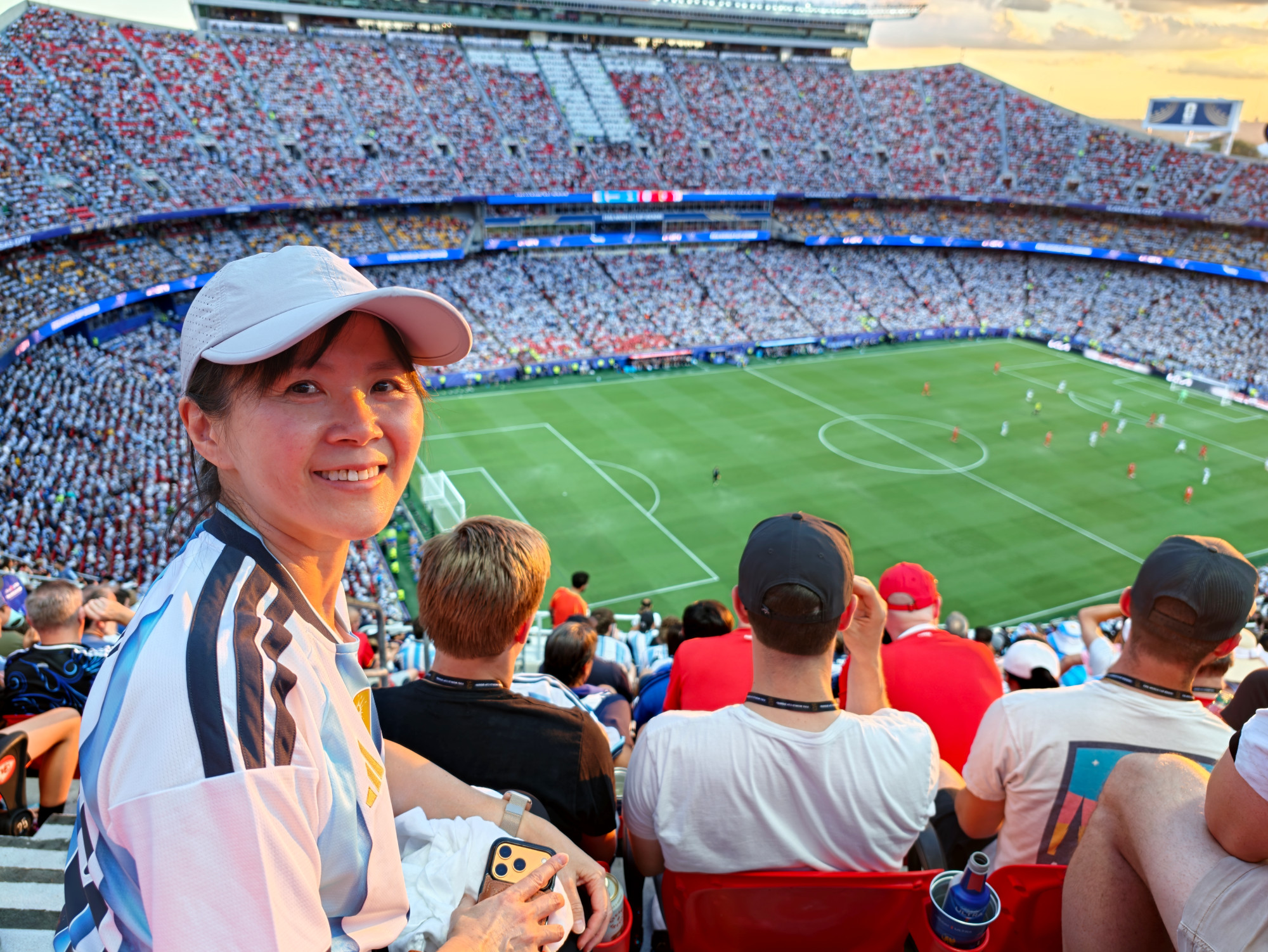
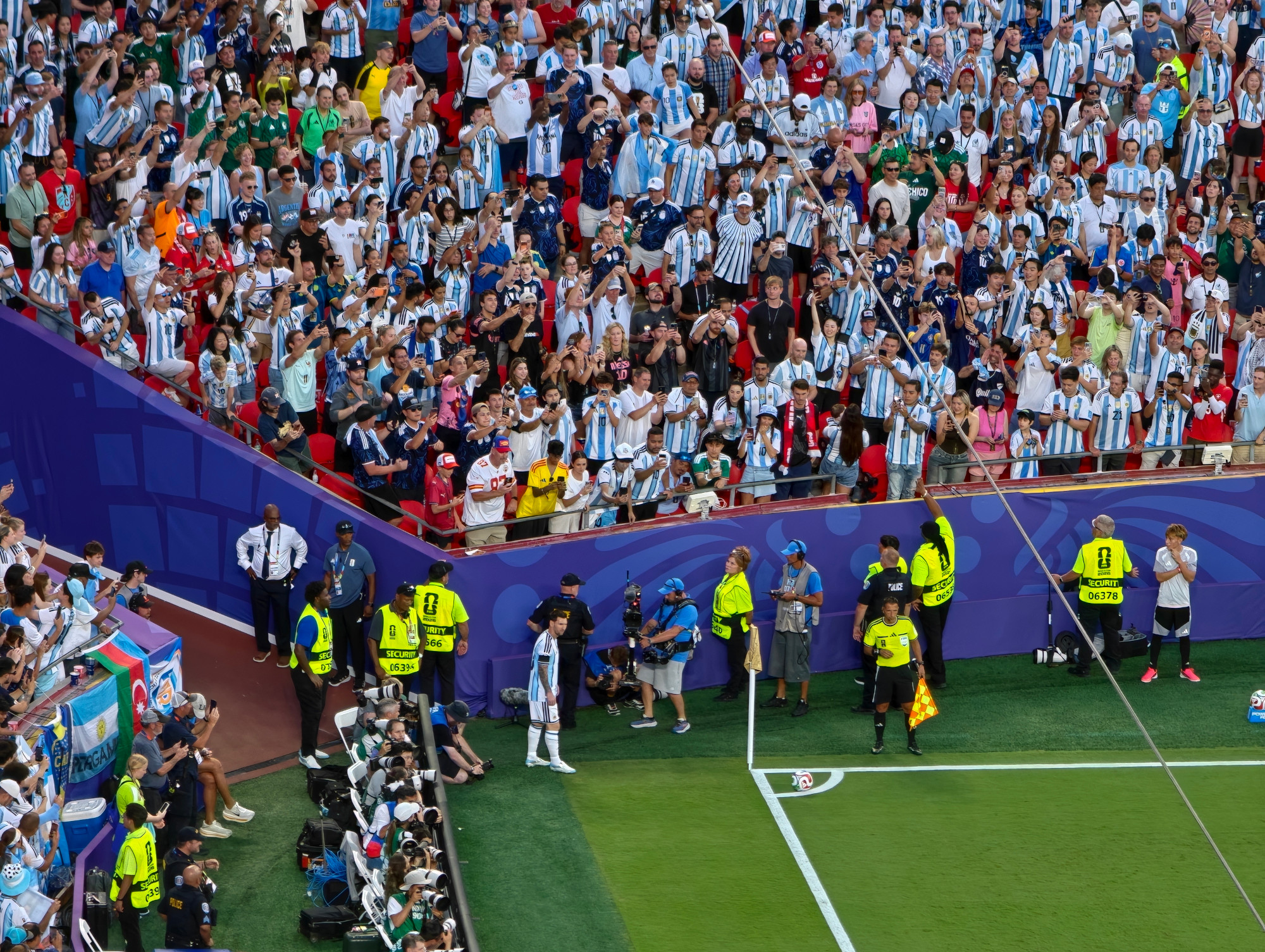
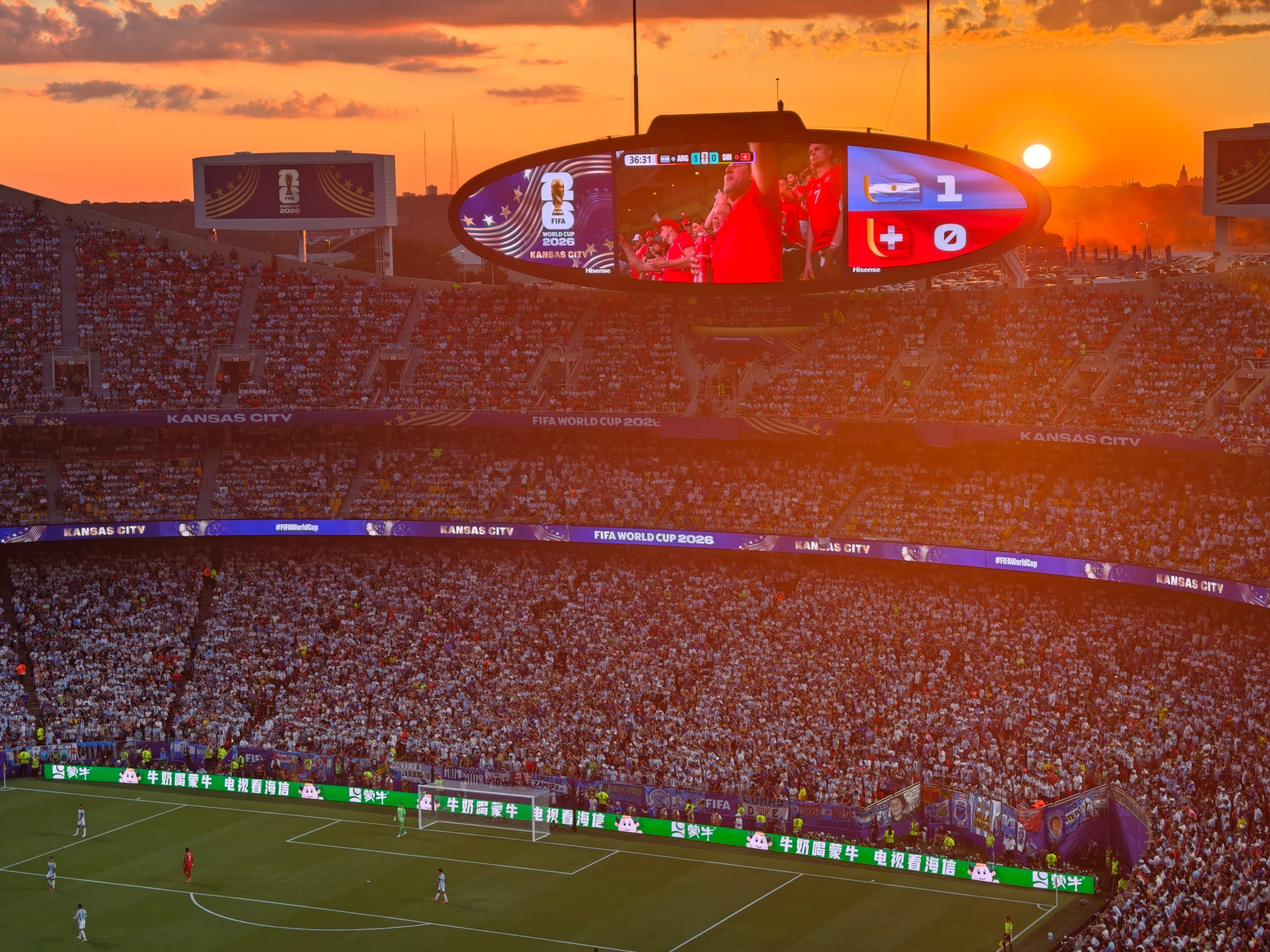
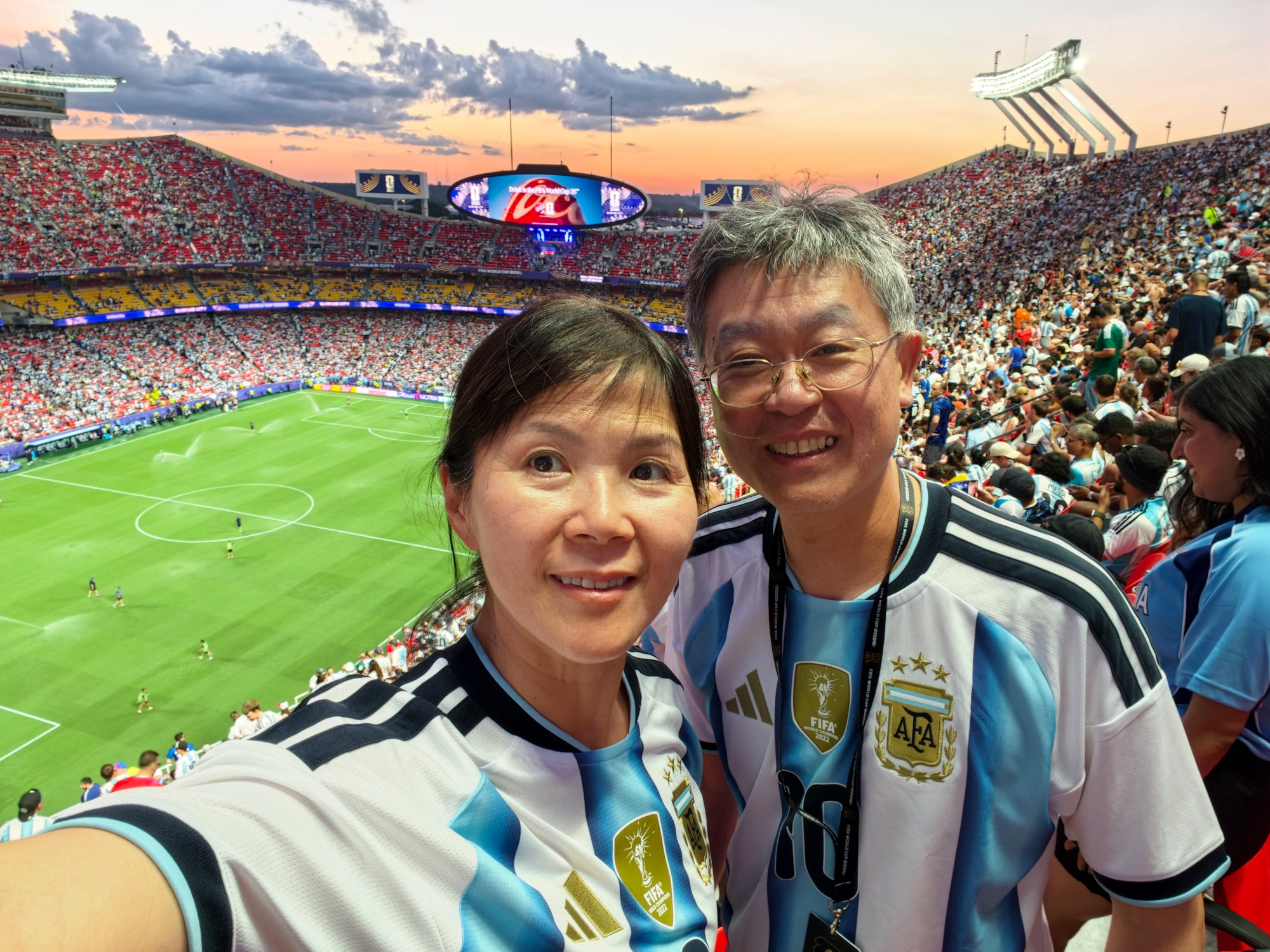
- World Cup quarter final game: Argentina vs. Switzerland
After
some break in the hotel, we headed to the Kansas City Stadium at about 4PM
(the stadium gate opened at 5PM and the game started at 8PM). The
traffic into the parking lot was terrible with very confusing traffic flow
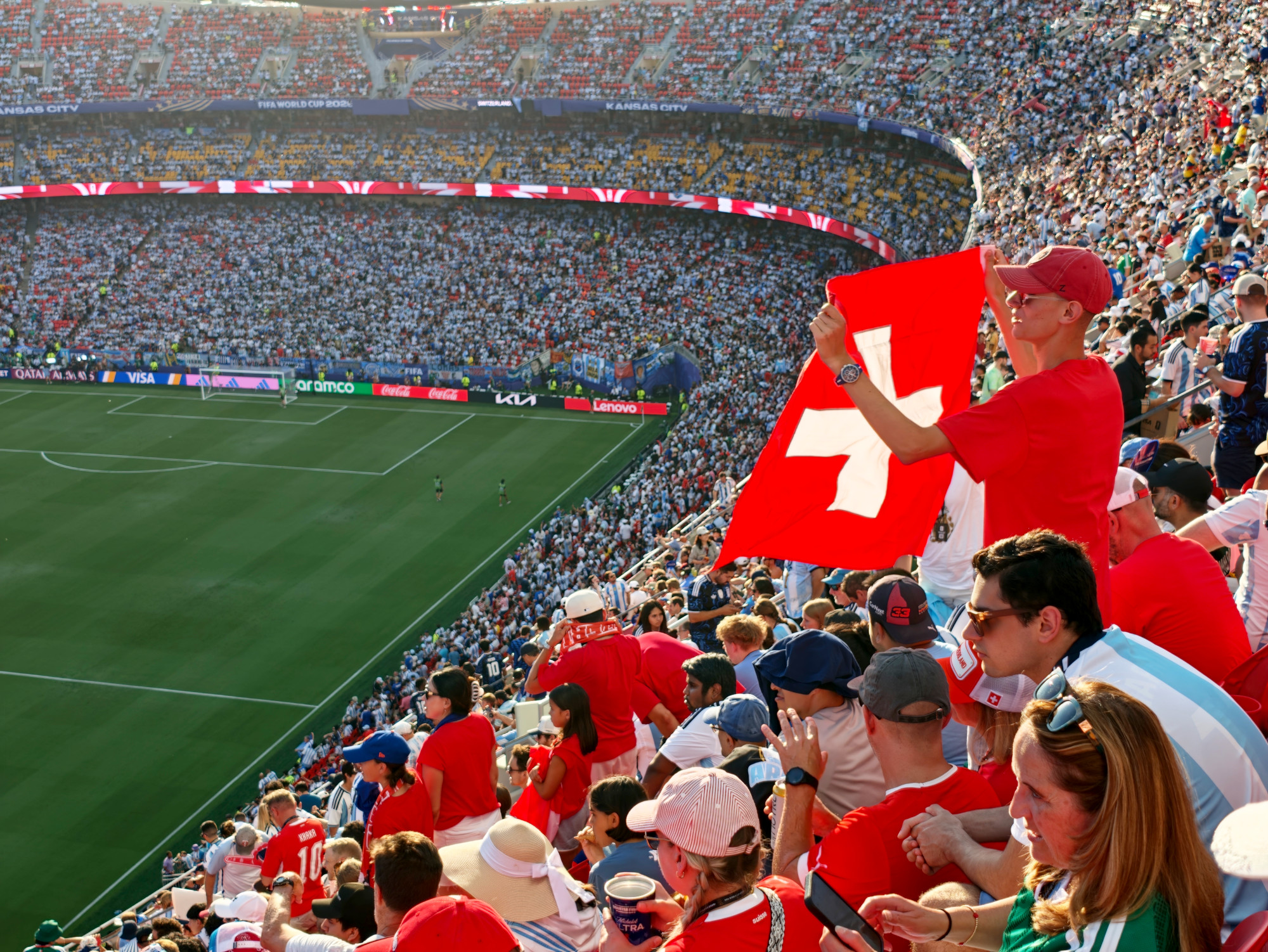
control. The Argentina fans were everywhere (ourselves included
because we wore #10 jerseys) and they were chanting and singing all night
long. The final score, 3:1, Argentina won in the overtime!
Day 4 (7/12) ... ...
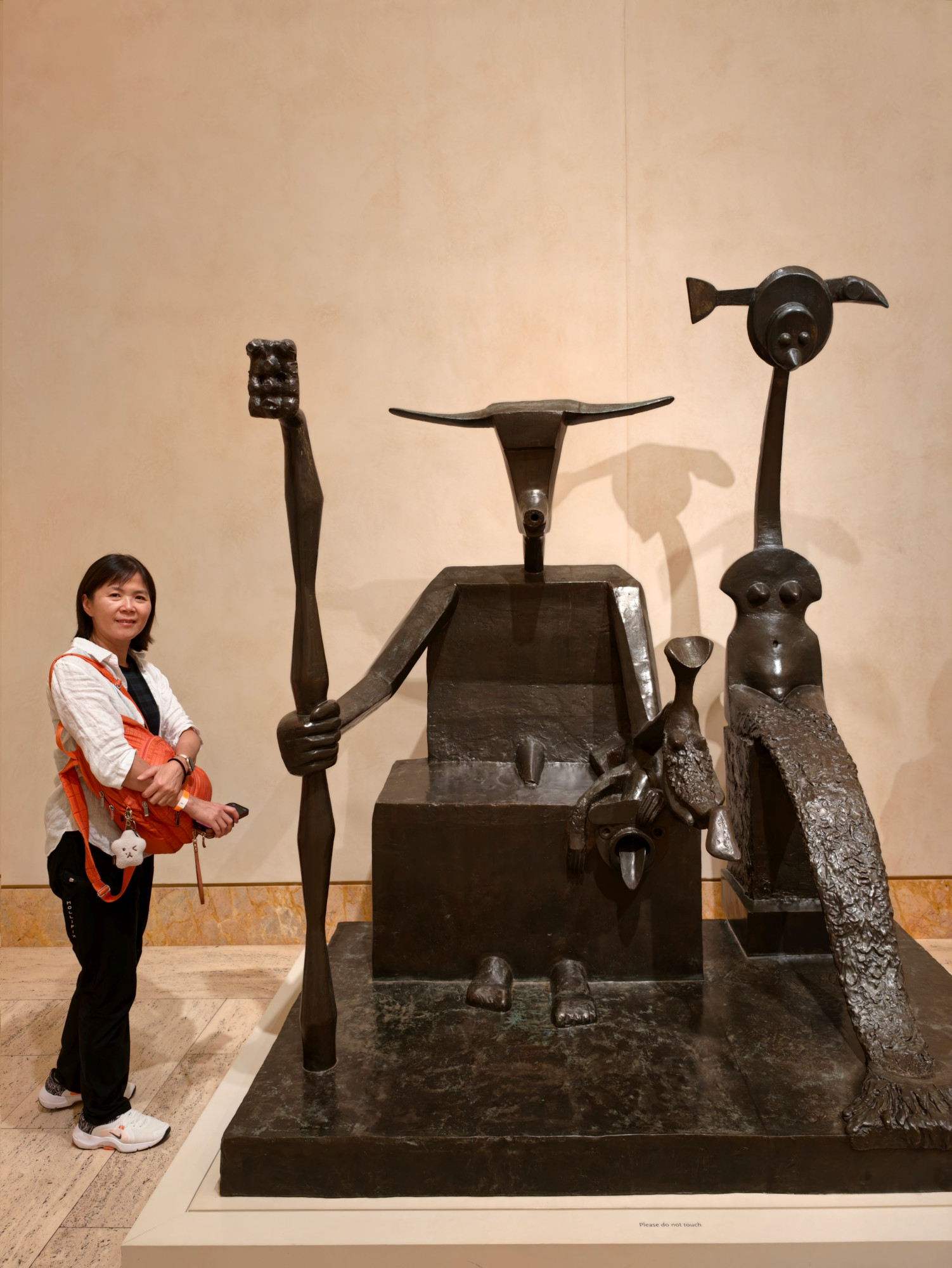
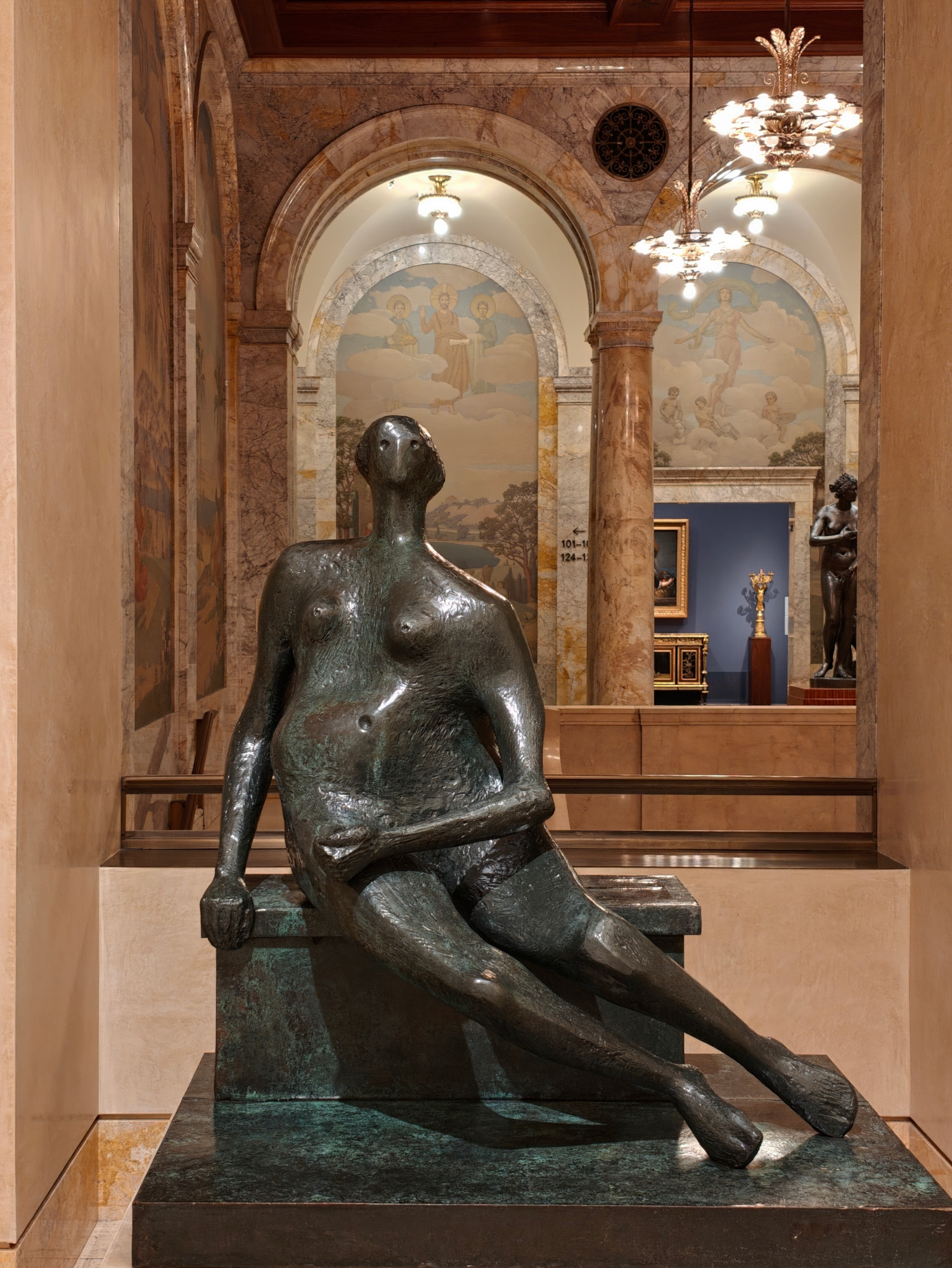
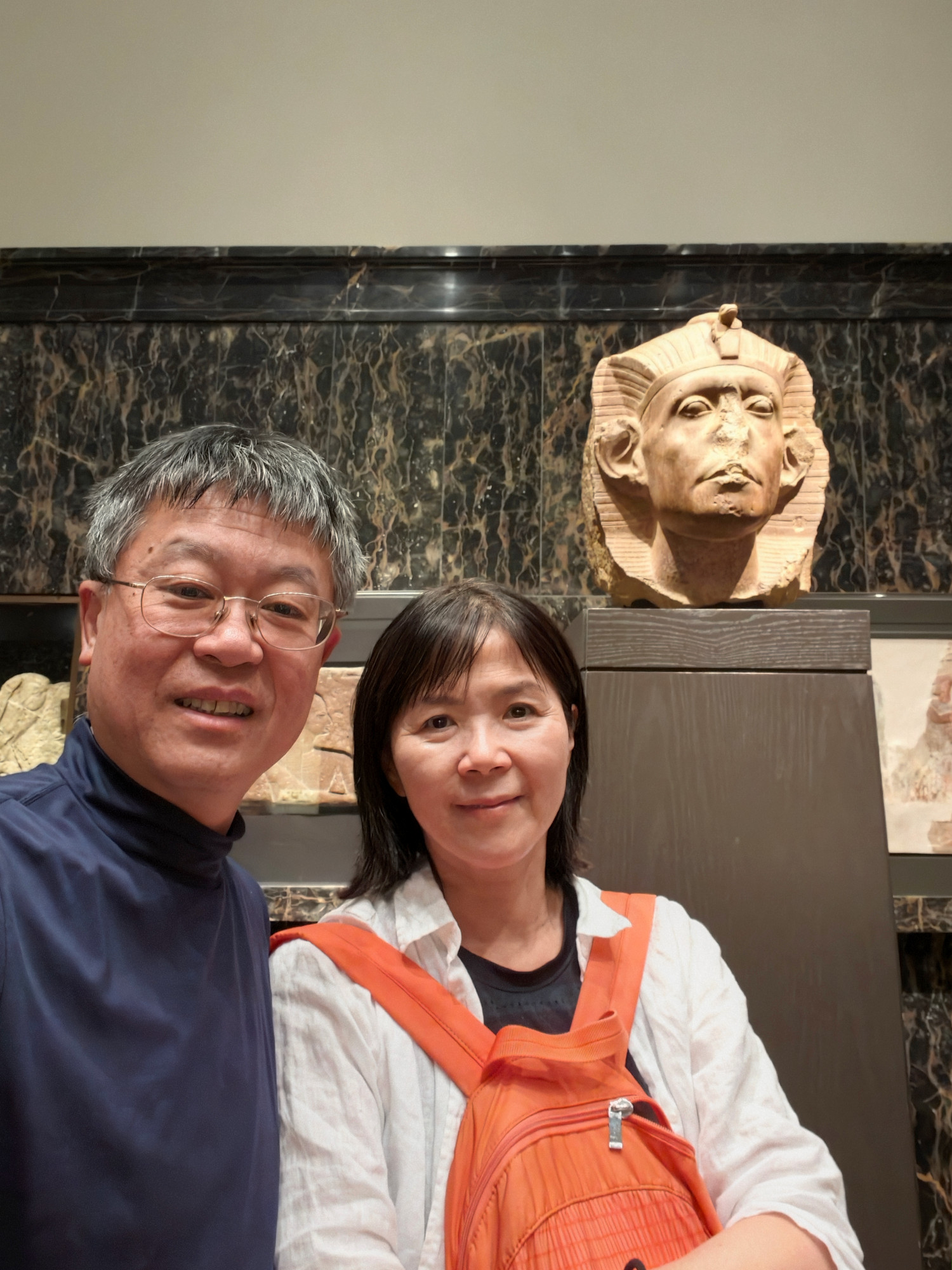
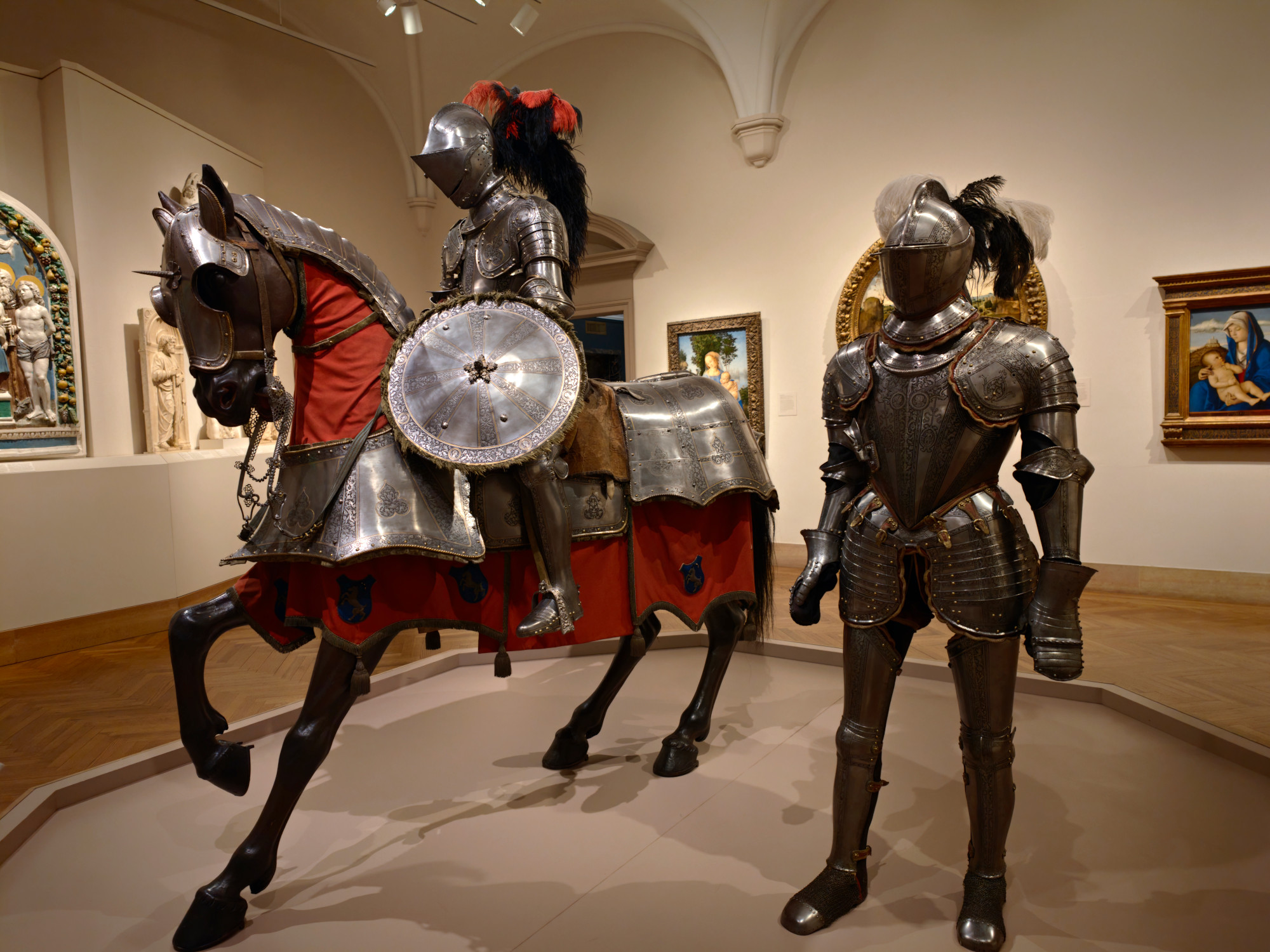
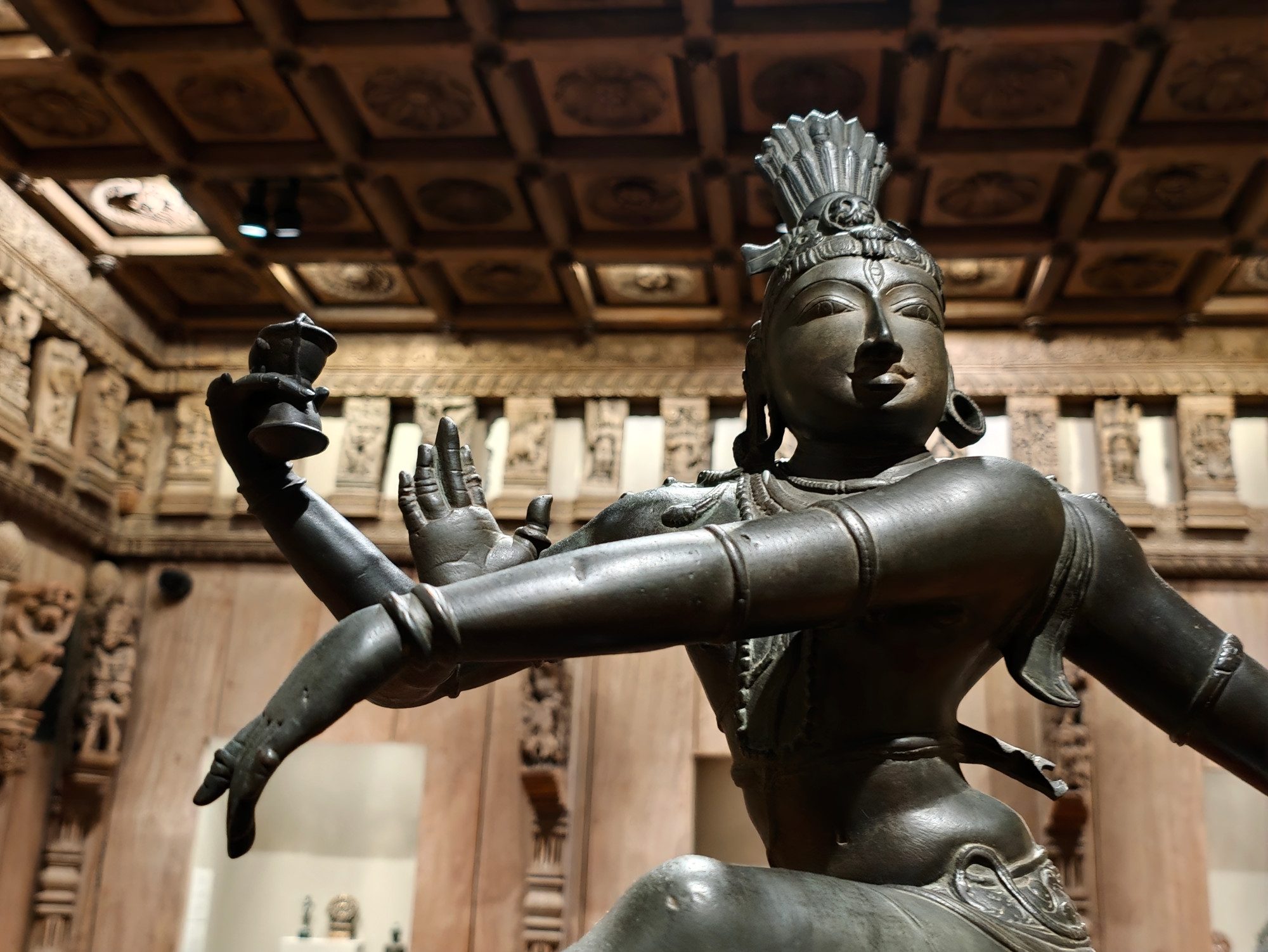
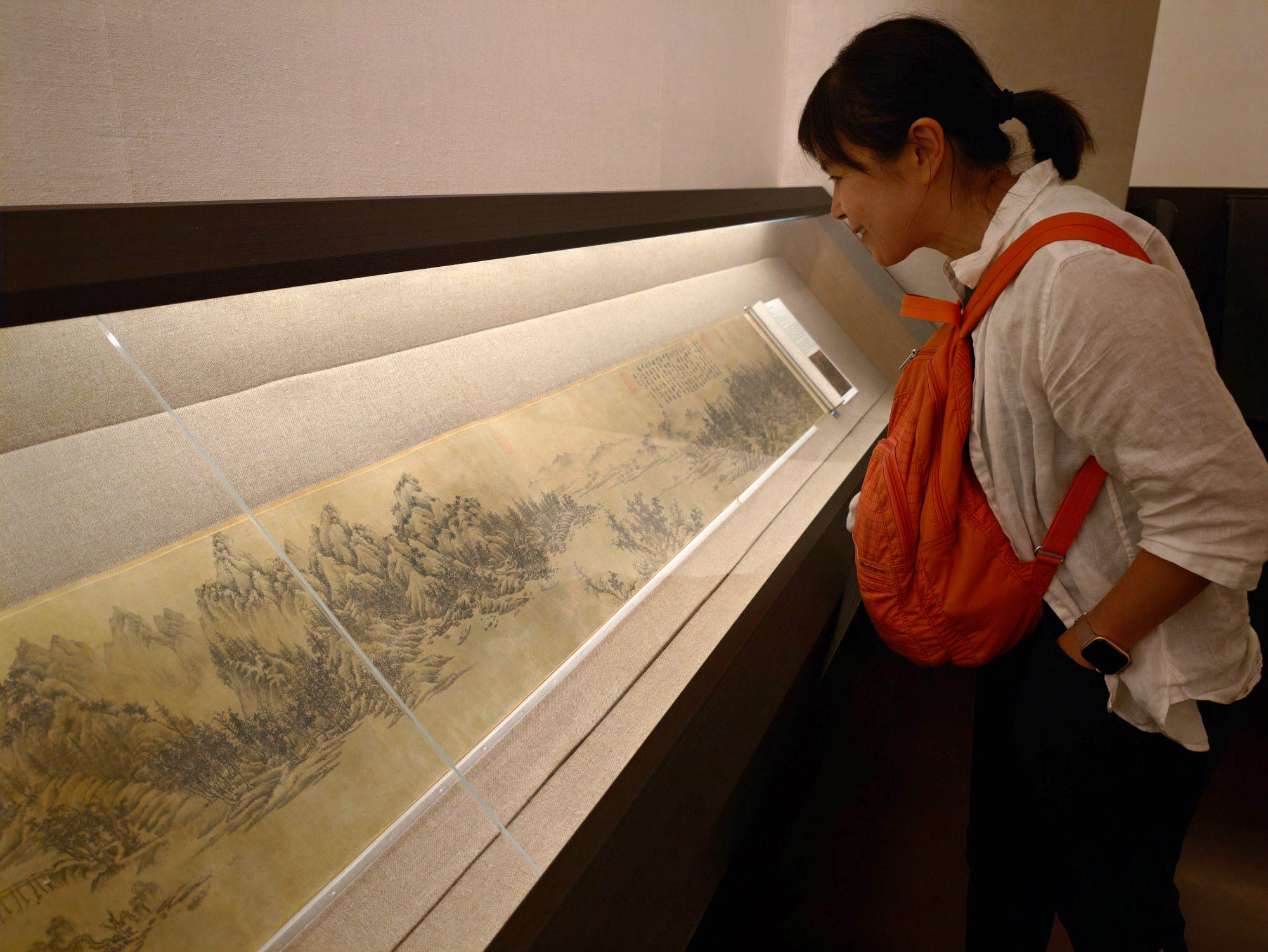
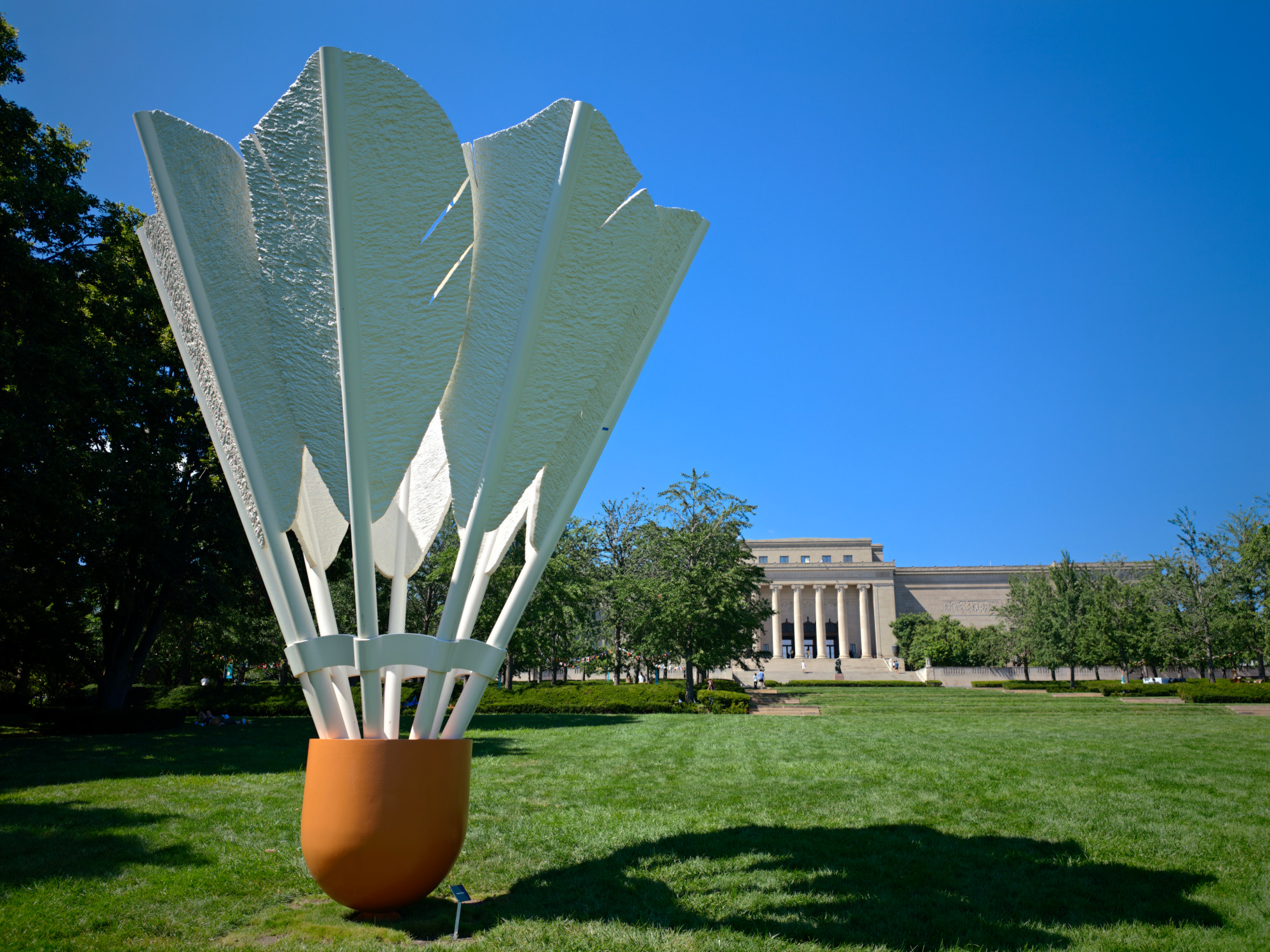
- The Nelson-Atkins Museum of Art
The Nelson-Atkins Museum of Art arose from the aspirations of two
individuals who likely never met, who had vastly different lives.
William Rockhill Nelson, founder of The Kansas City Star and a real estate
developer, was convinced that for a city to be truly civilized, art and
culture were necessities. When he died in 1915, at the direction of his will
the bulk of his estate was used to establish the William Rockhill Nelson
Trust for the purchase of works of art. Mary McAfee Atkins, a retired school
teacher and real estate investor, was inspired by the art she encountered on
trips to Europe. When she died in 1911, she provided the city with
approximately one-third of her estate to purchase land for a public art
museum. The two estates were combined to build an art museum for
the people of Kansas City. The museum opened to the public
on Dec. 11, 1933. The east wing was named the Atkins Museum of Fine Arts,
and the remainder of the building was called the William Rockhill Nelson
Gallery of Art. In 1982 the institution became known as The Nelson-Atkins
Museum of Art. As the major contributors, Nelson and Atkins, donated
money rather than a personal art collection, the curators were able to
assemble a collection from scratch.
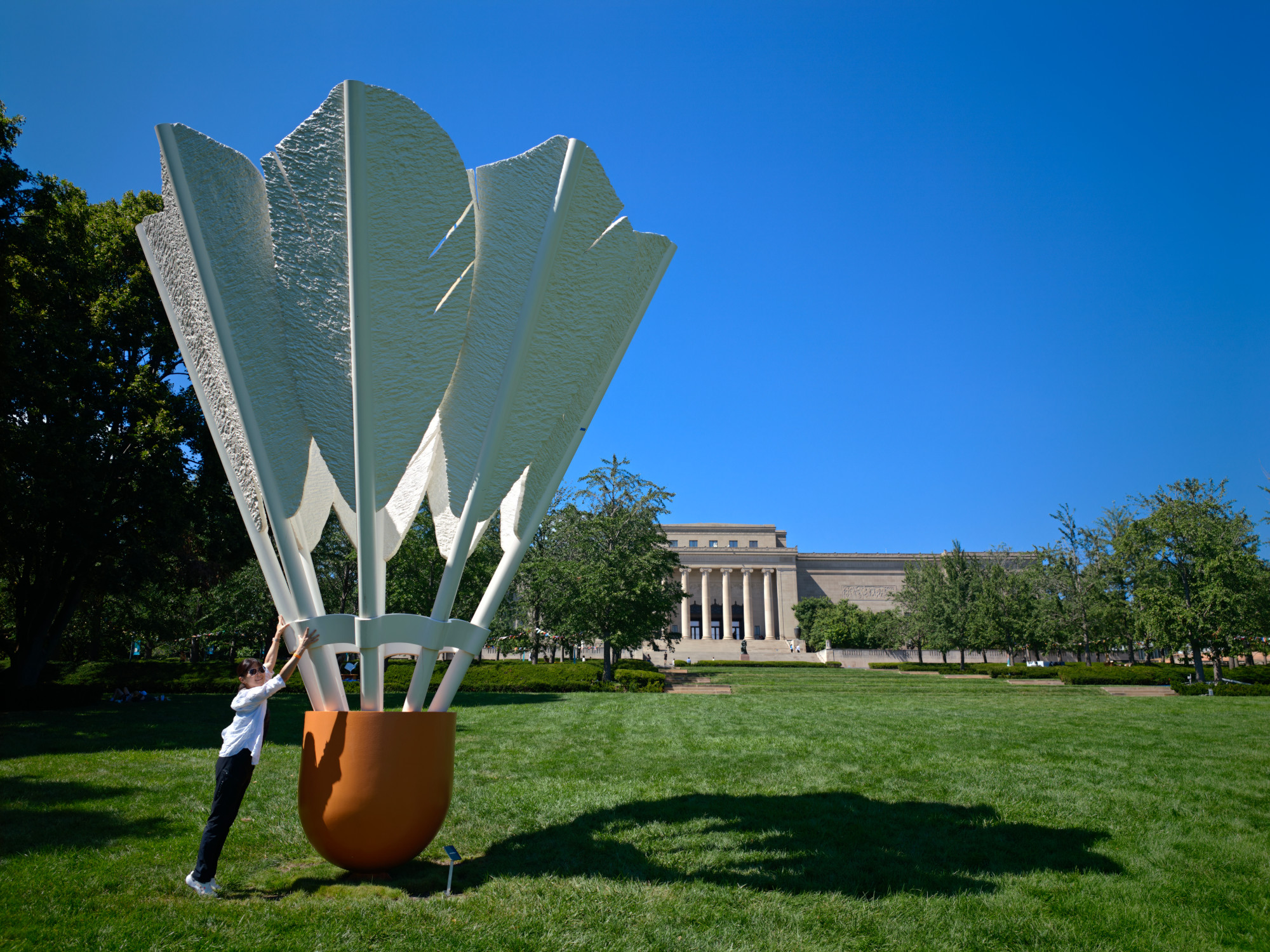
We met our friends at the Rozzelle Court Restaurant in
the museum to have an afternoon coffee and snack, and a long chat before we
headed to outdoor for some photos of the
Shuttlecock.
Going Home ...
We left the museum at about 5PM when it was about to close, and drove back to
MCI airport. Although our flight was delayed for about 2 hours (from 8PM
to ~10PM) and we were both very tired when we got home after mid-night (Woanyu
started to have some cold symptoms), it was a great trip to see a World Cup game
with so many enthusiastic fans and visited Kansas City and some friends that
otherwise we may not have thought about visiting at all.
[Back to Photo Page]