Mallorca is the largest island in Spain's Balearic archipelago, located in
the western Mediterranean Sea. Famed for its diverse landscape, it features the
limestone peaks of the UNESCO-protected Serra de Tramuntana mountains, dramatic
coastline and secluded turquoise coves, sprawling agricultural plains, and the
vibrant cosmopolitan capital city of Palma. Along with other Balearic
Islands (Menorca, Ibiza, and Formentera, etc.), Mallorca is a highly popular
holiday destination especially for tourists from other European countries.
Getting there ...
Continuing from our Norway trip,
we had a flight from Oslo (at 11:35AM) to Palma (3:05PM). The
international airport, Palma de Mallorca Airport, is the third busiest airport
in Spain (after Madrid and Barcelona). When we got our luggage, we went
to take a taxi to the city. Although the line for taxi was very long, it
moved smoothly and swiftly, and we got on our taxi only with ~10 minutes of
wait time.
Day 1 (8/10) ...
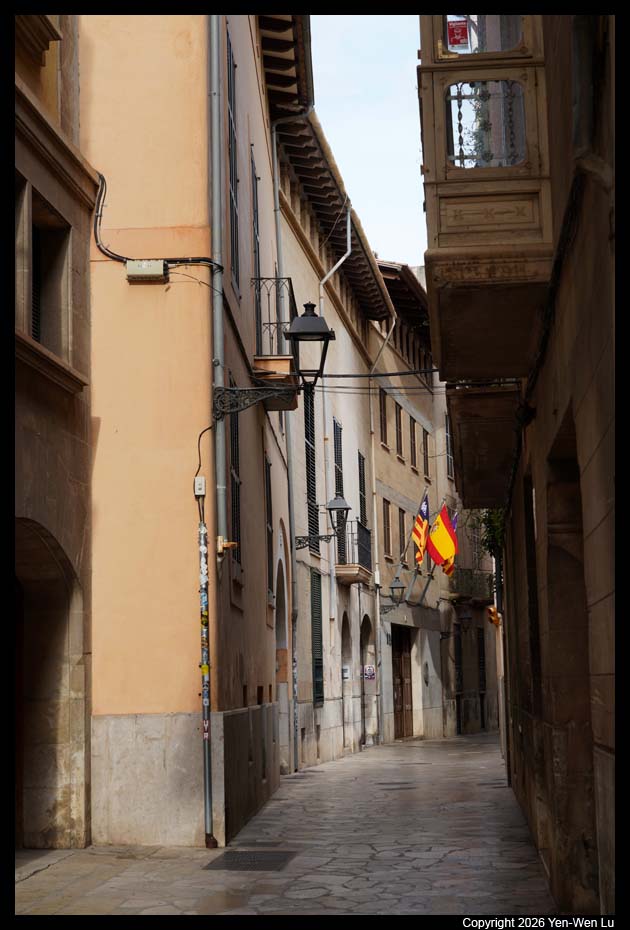
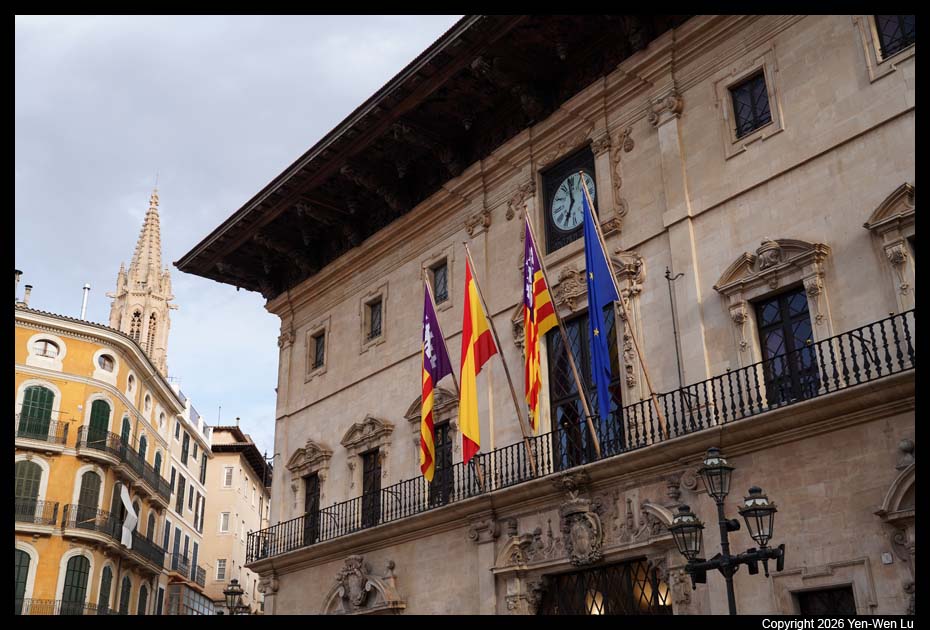
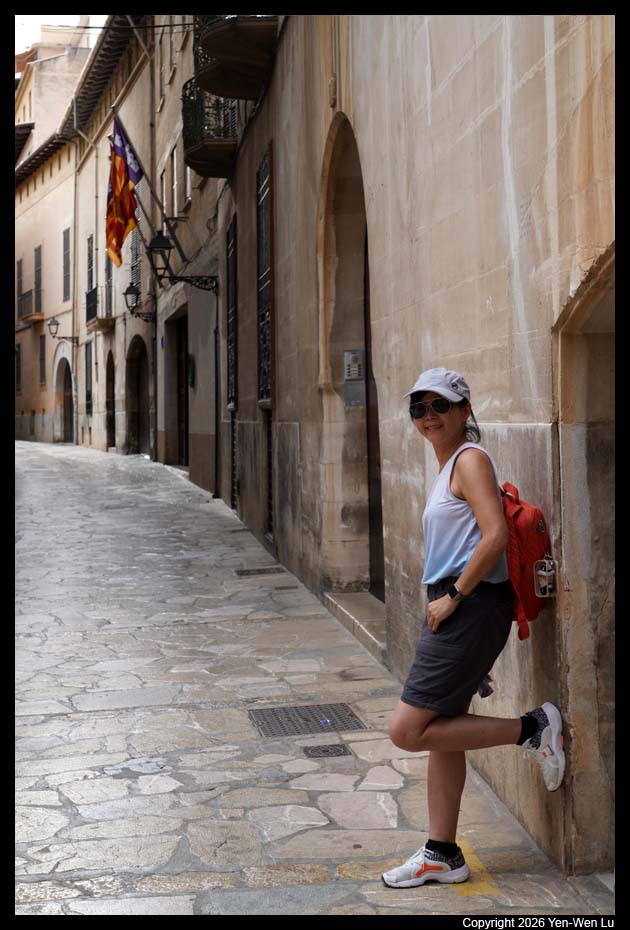
Palma de Mallorca is the vibrant capital and largest city of Mallorca, Spain,
serving as the cultural, historical, and economic heart of the Balearic Islands.
Home to roughly half of the island's population, it blends medieval Gothic
architecture with a modern Mediterranean lifestyle.
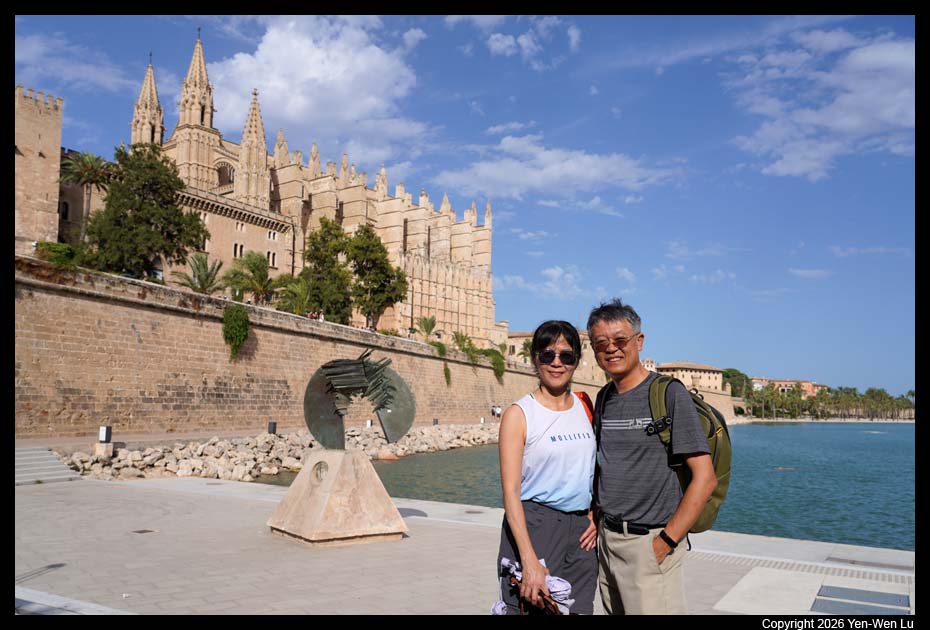
- Palma de Mallorca
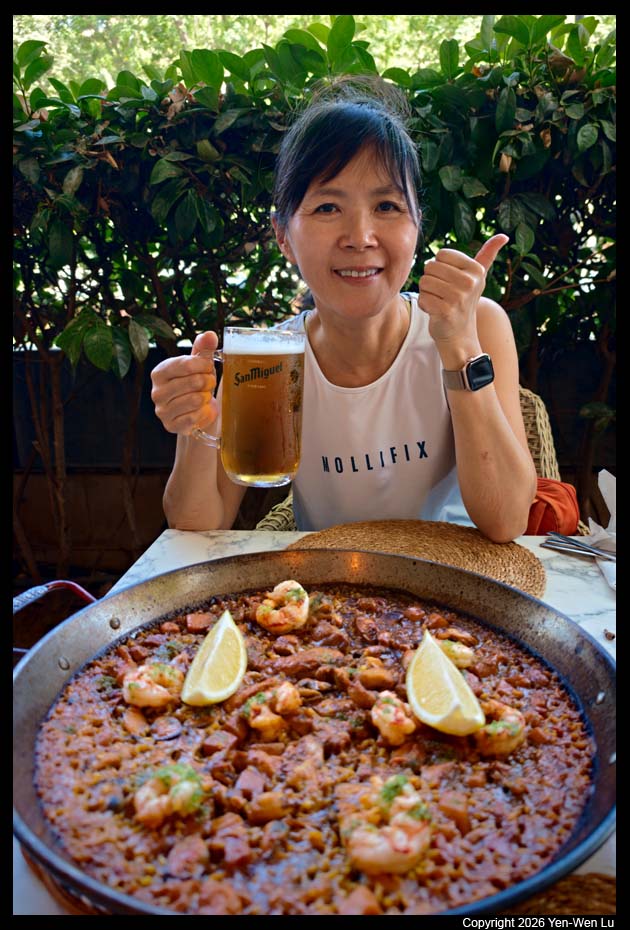
After checked in to the hotel (Hotel
Saratoga!), we went out for an early dinner (Woanyu's favorite
seafood paella). After
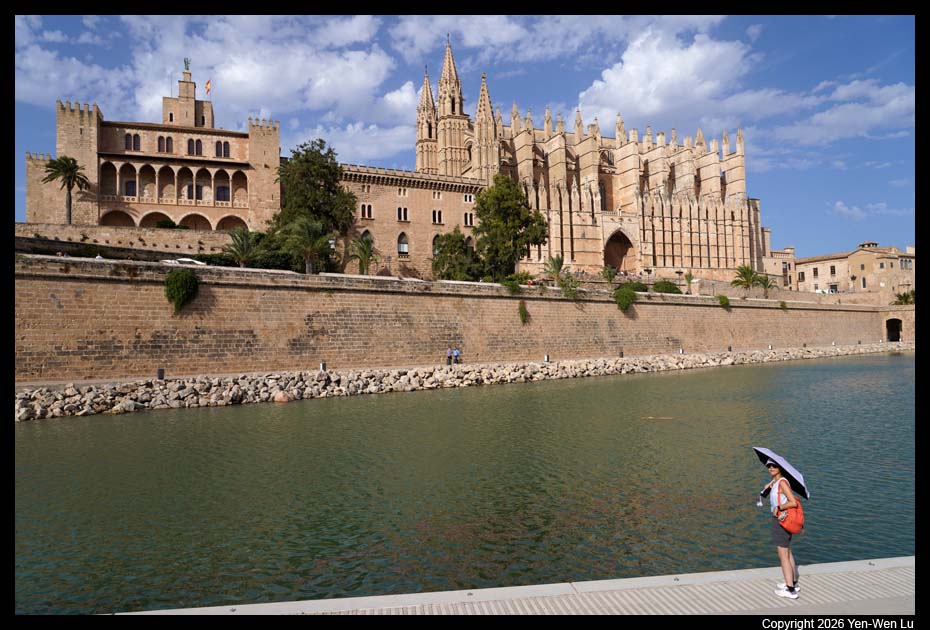
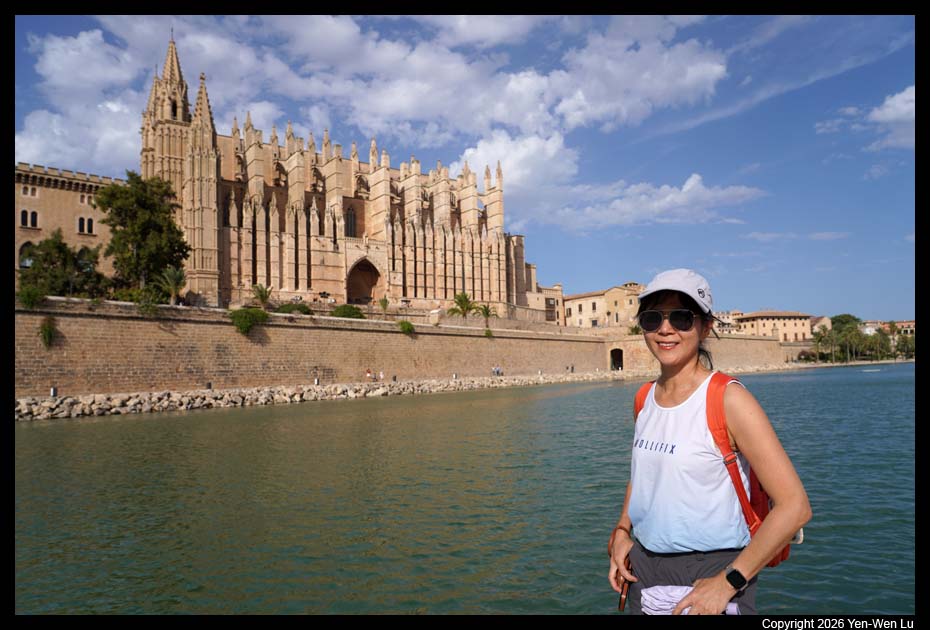
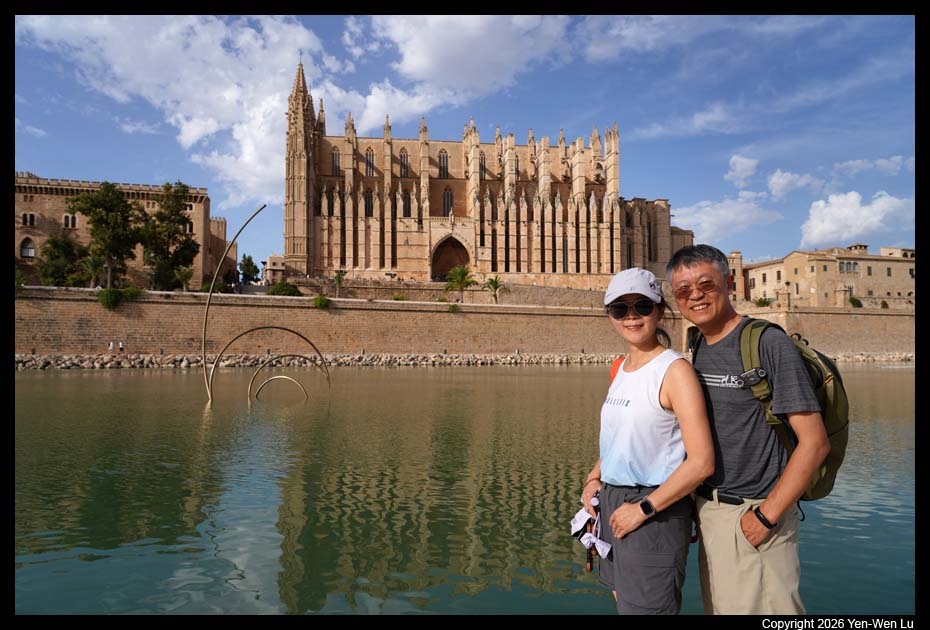
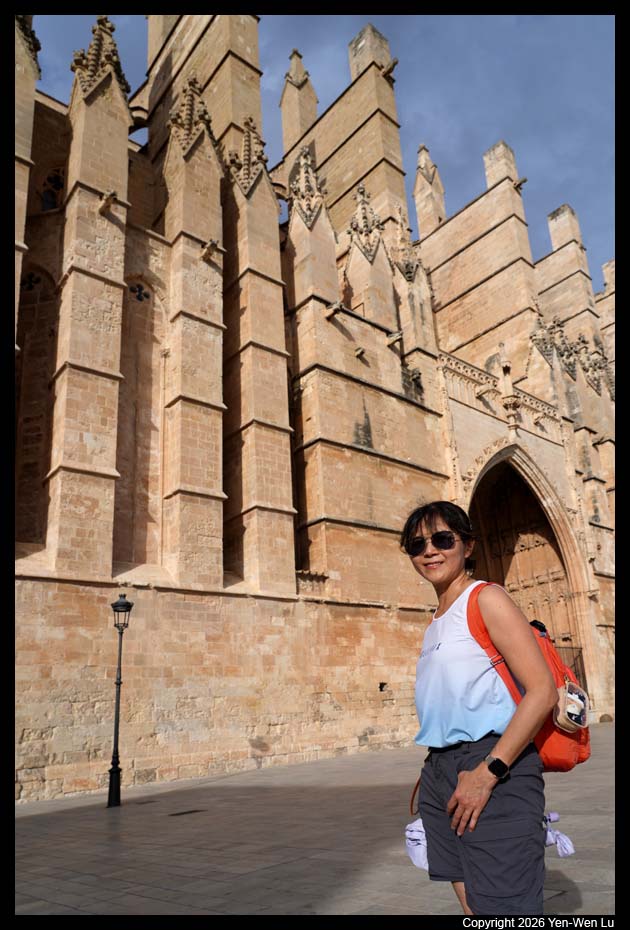
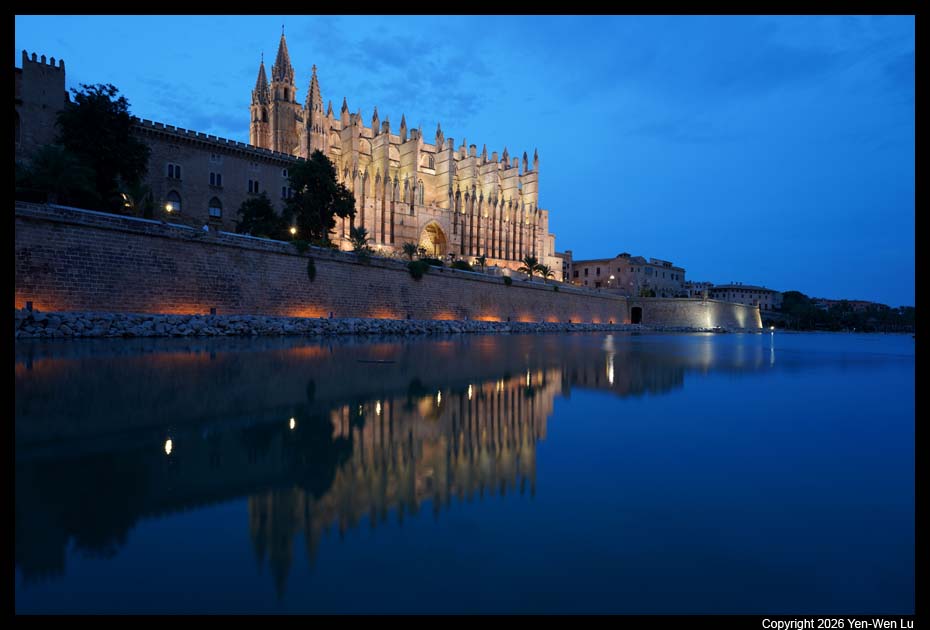
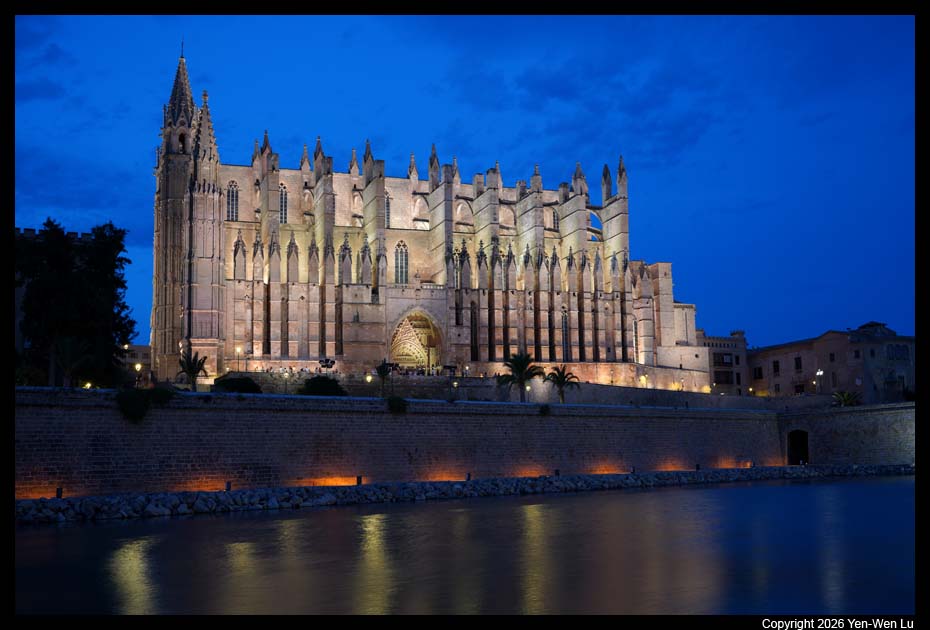
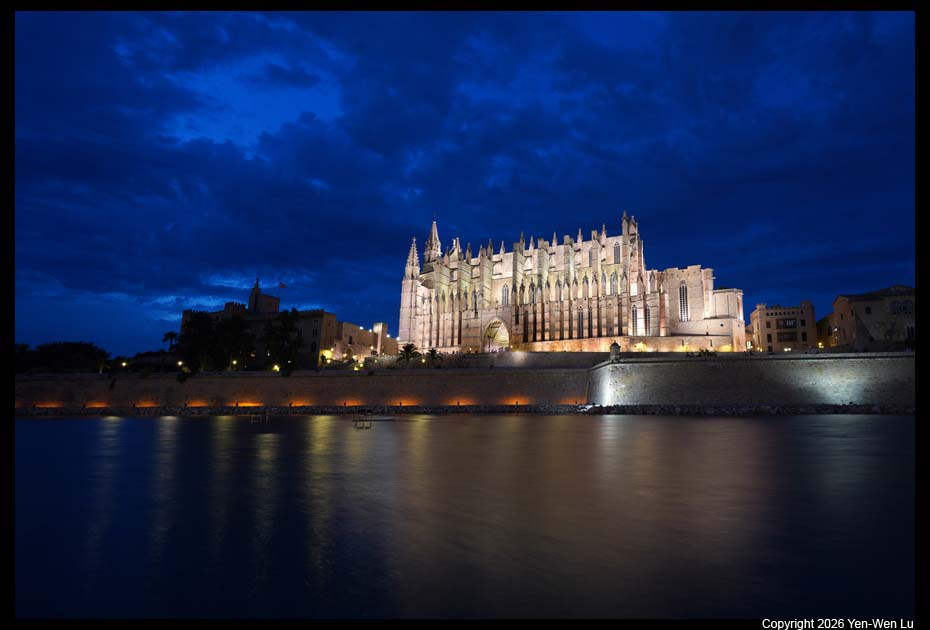
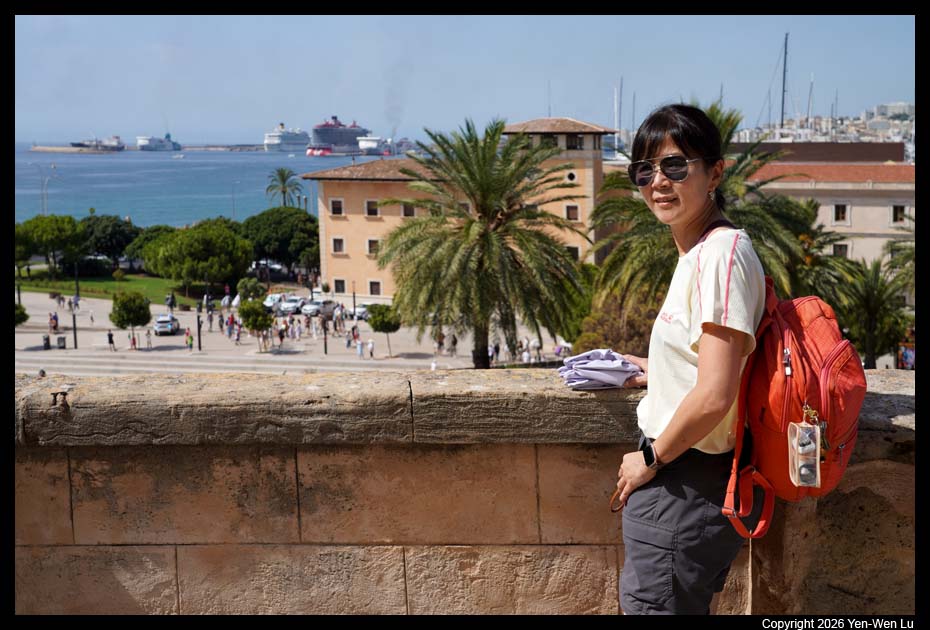
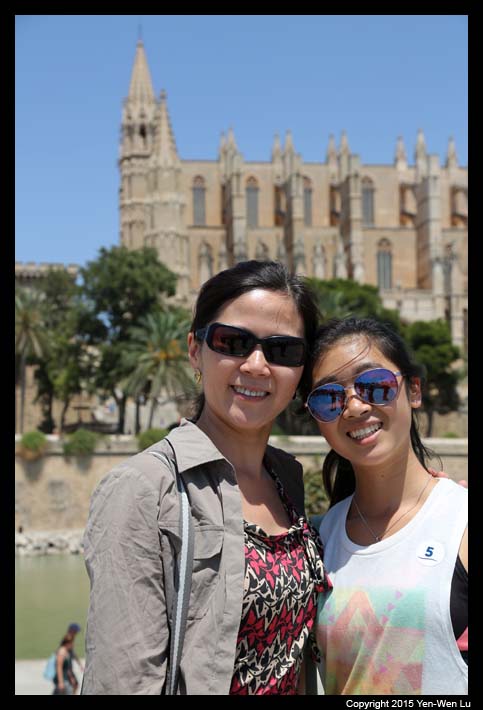
dinner, we walked to the cathedral area for some pictures. This was
actually our 2nd time to visit Palma. We have been here on the
western
Mediterranean cruise in 2015. Although it was a brief visit in
2015, Woanyu had zero memory about Palma and could not recognize any of the
Palma landmarks even I showed her the
old photos...
- I went out to the cathedral again after sunset for some blue hour
photos.
Day 2 (8/11) ...
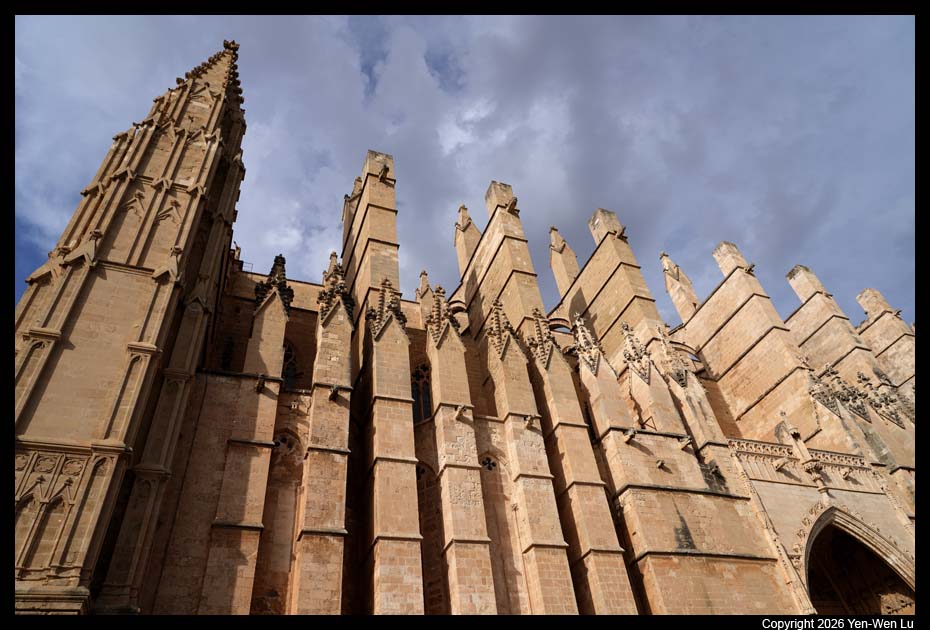
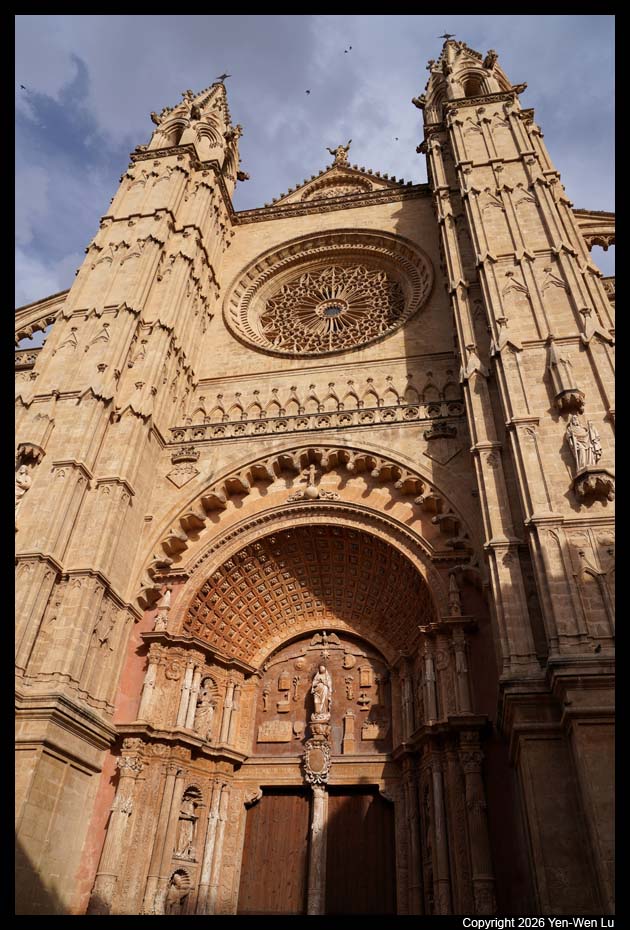
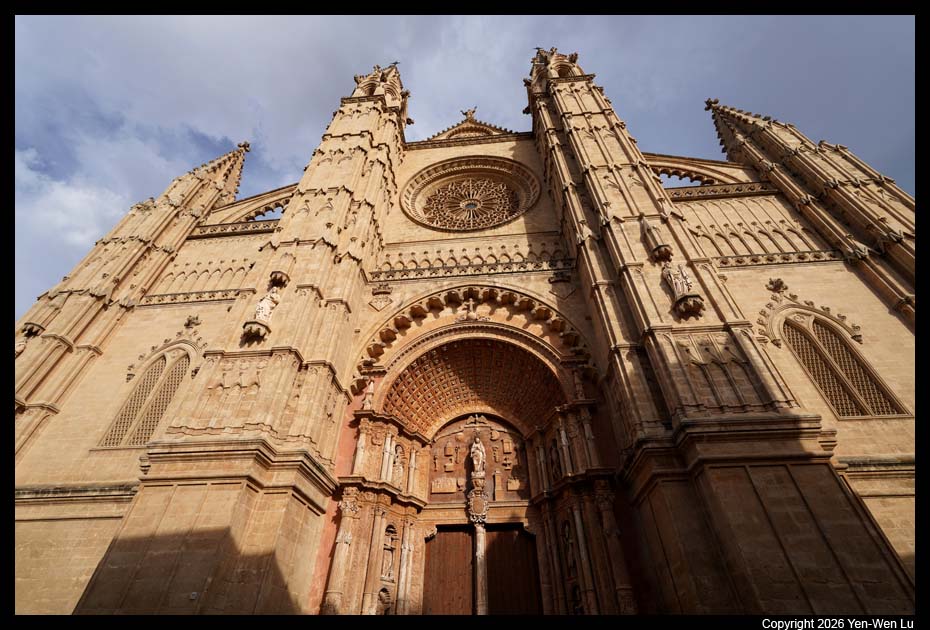
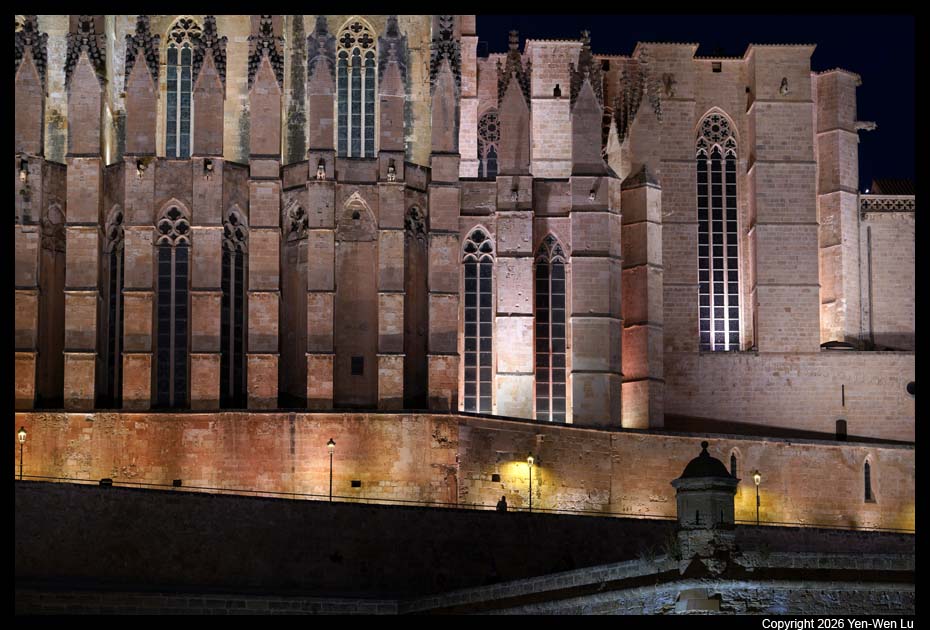
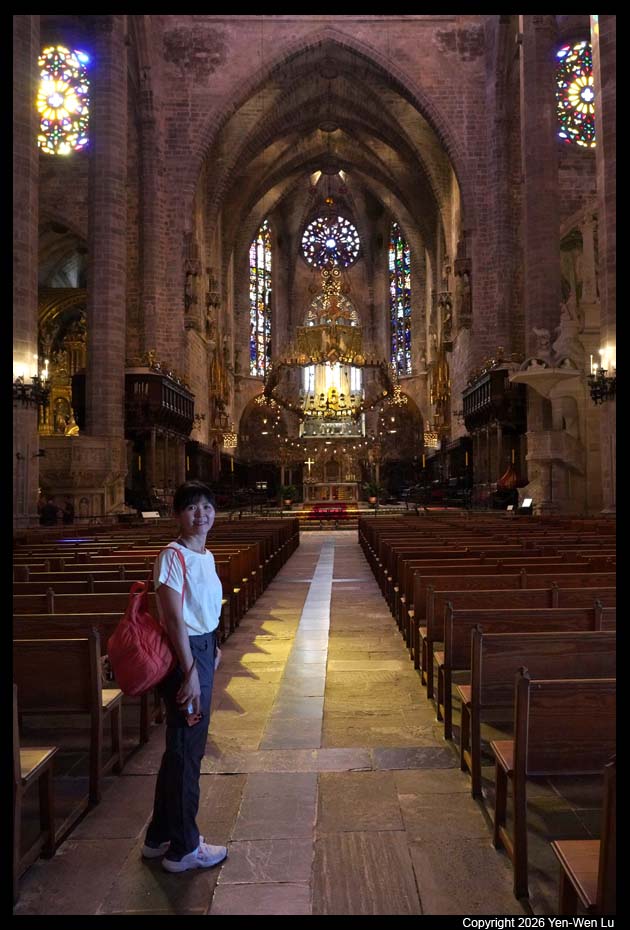
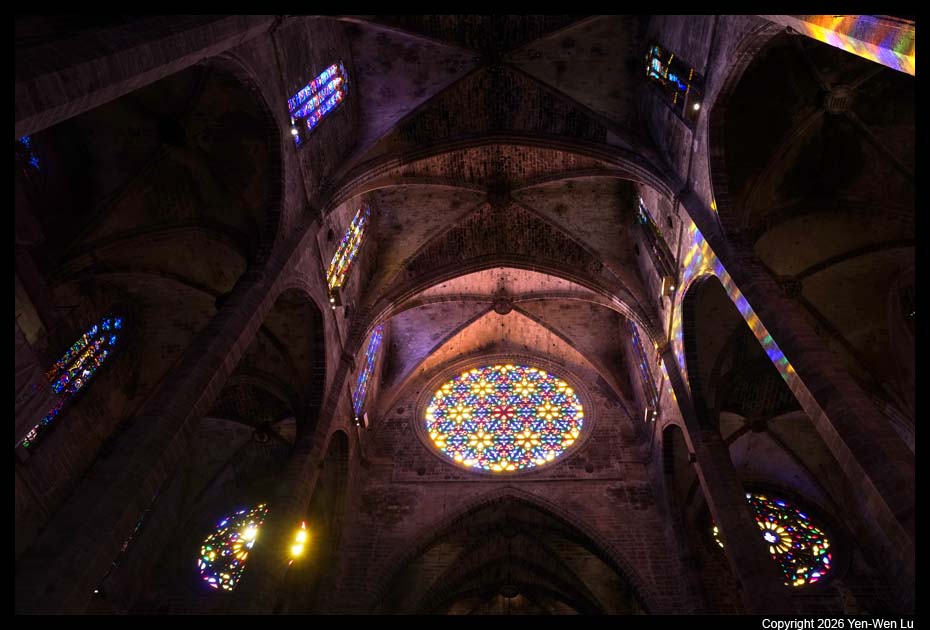
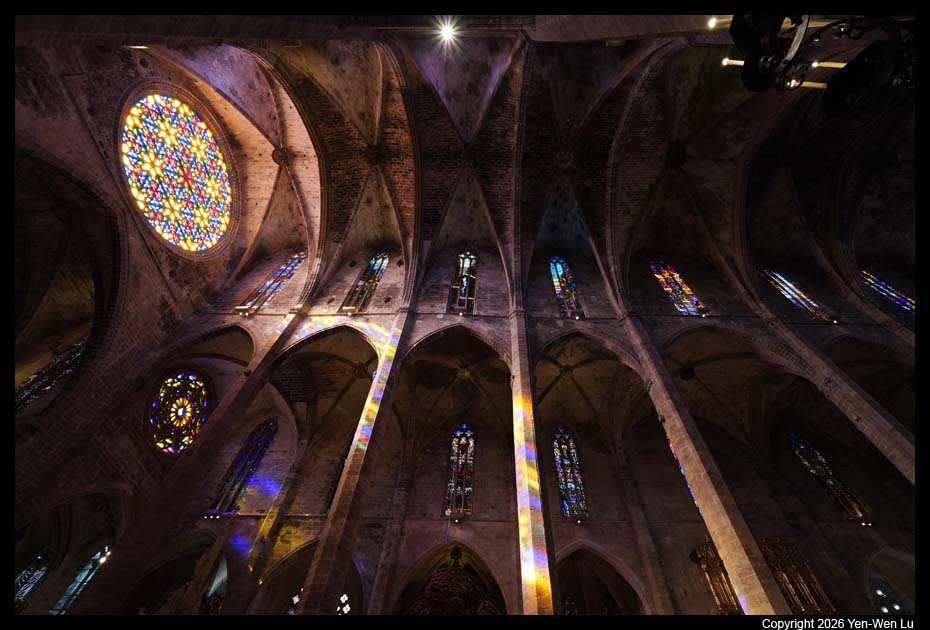
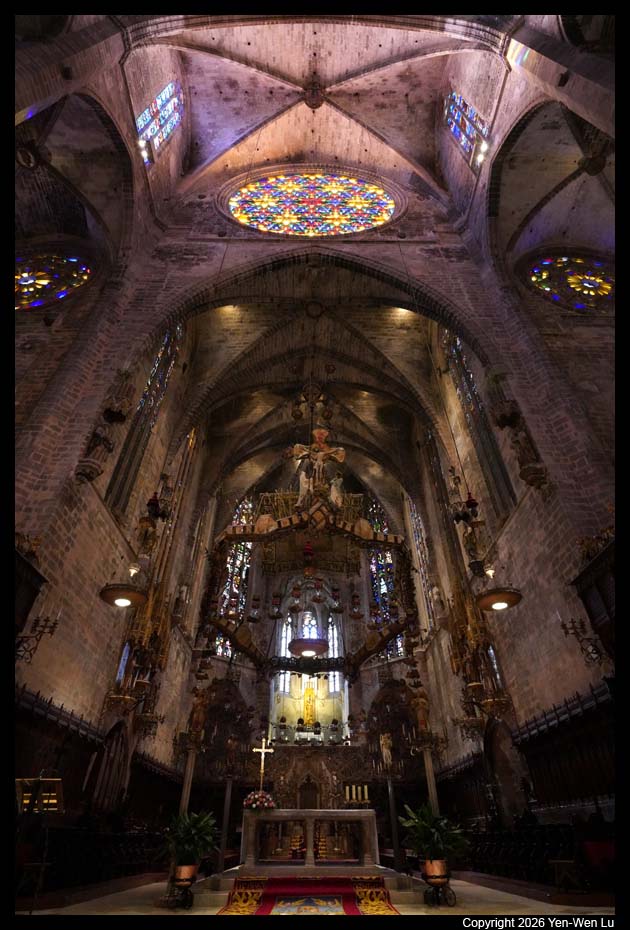
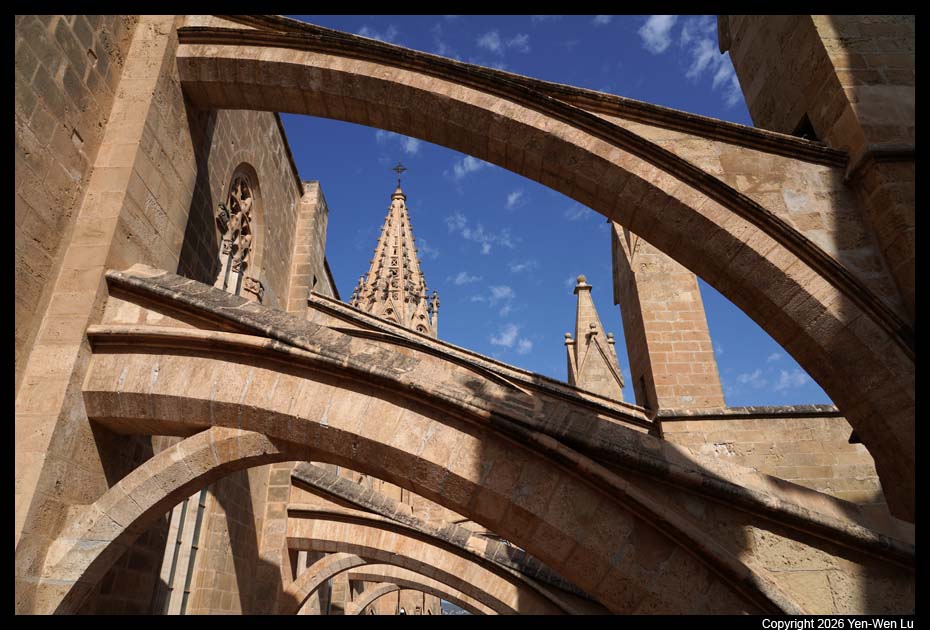
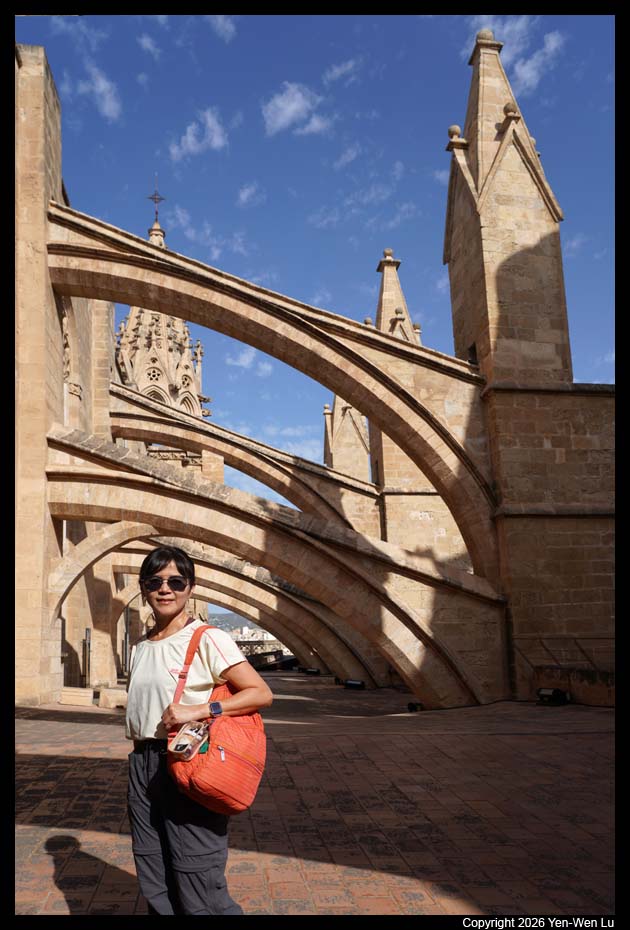
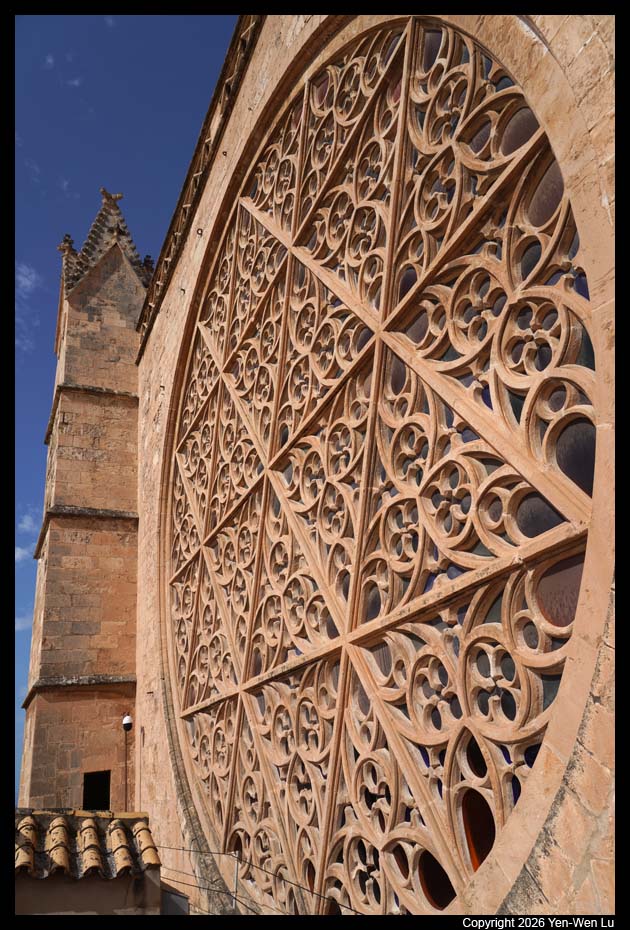
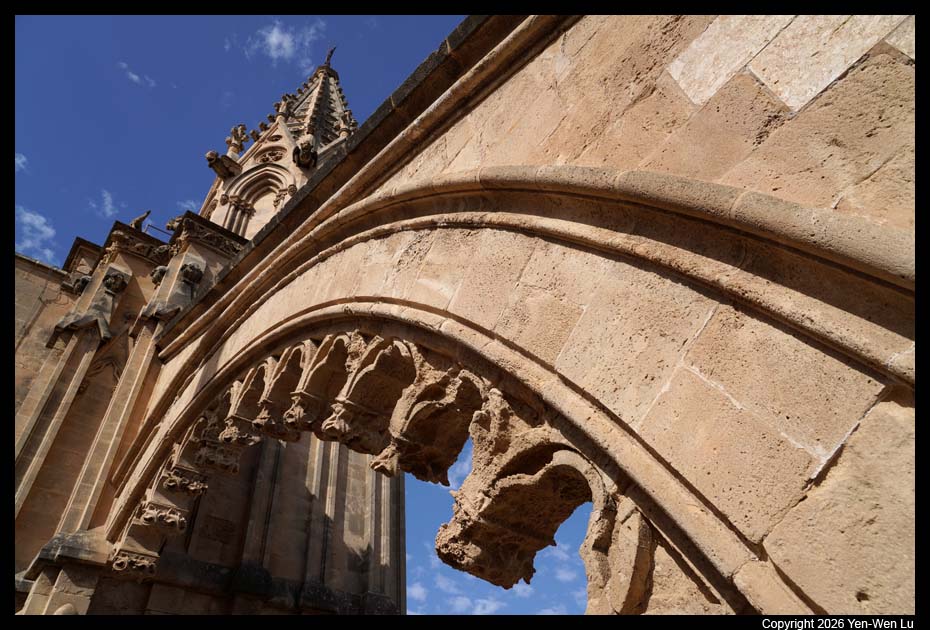
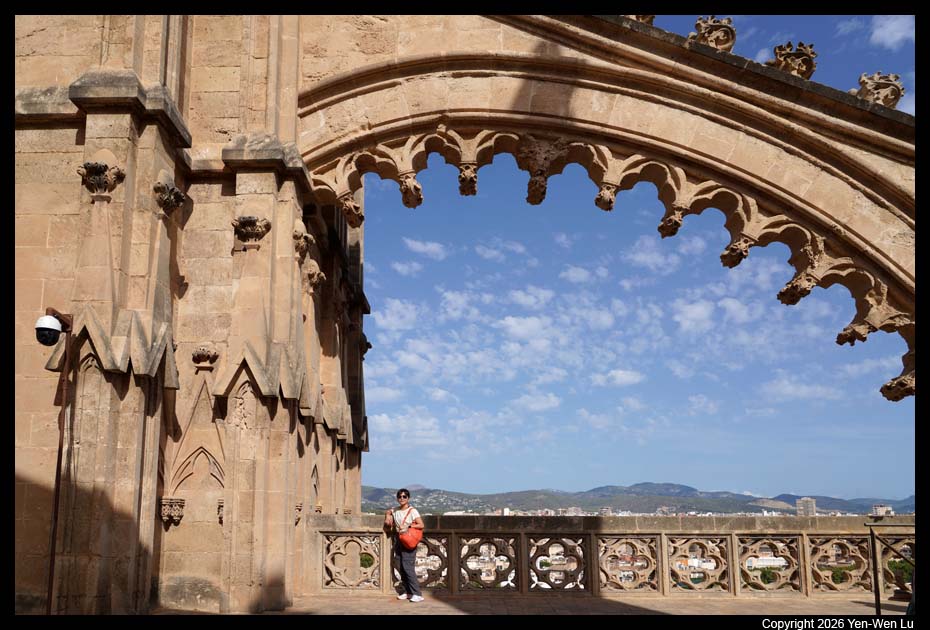
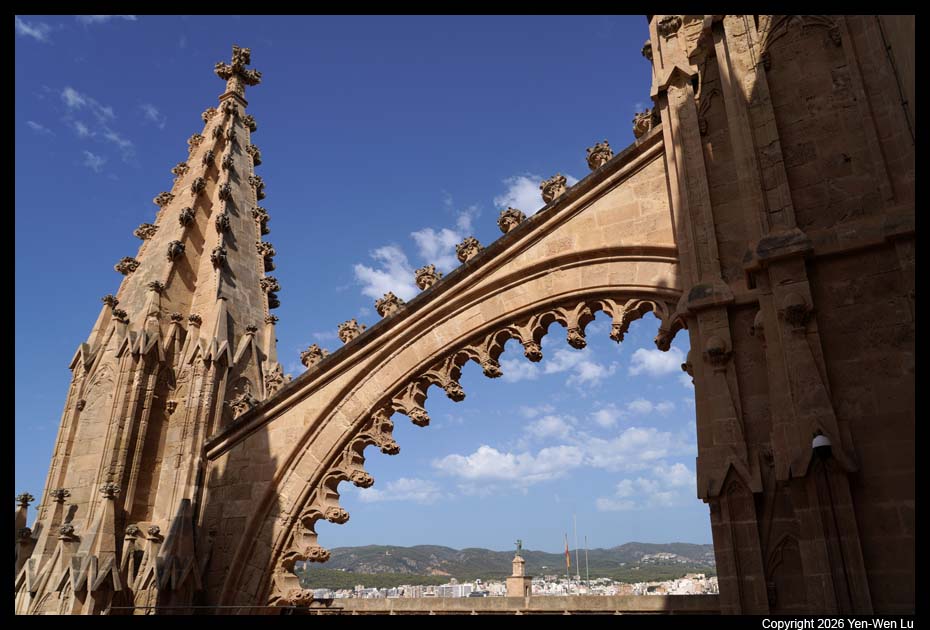
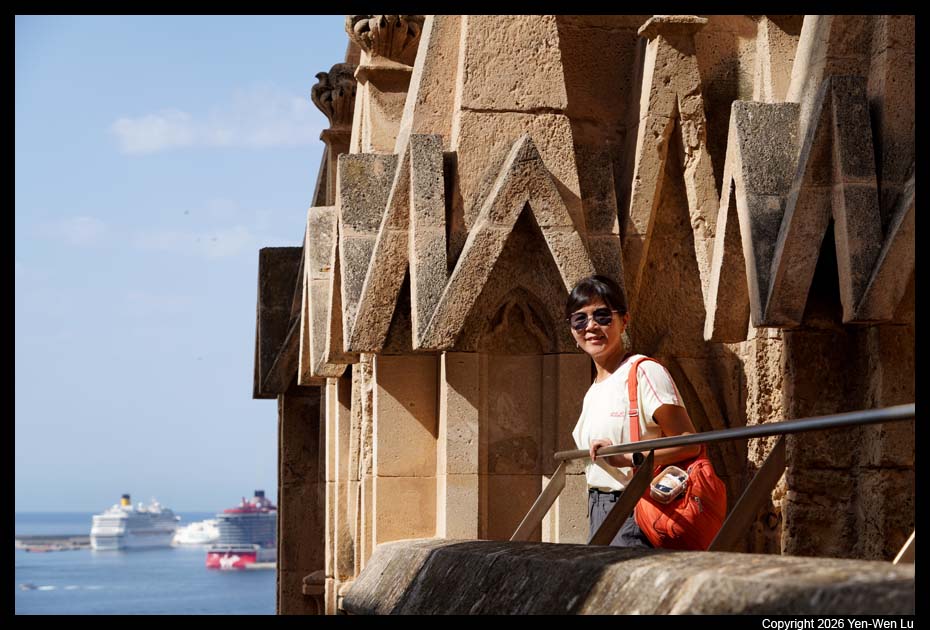
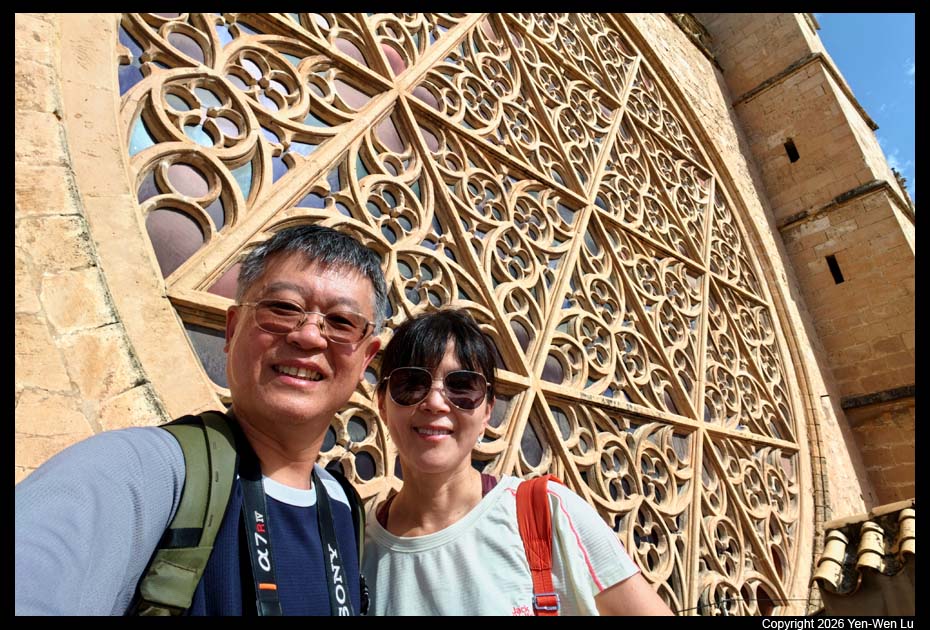
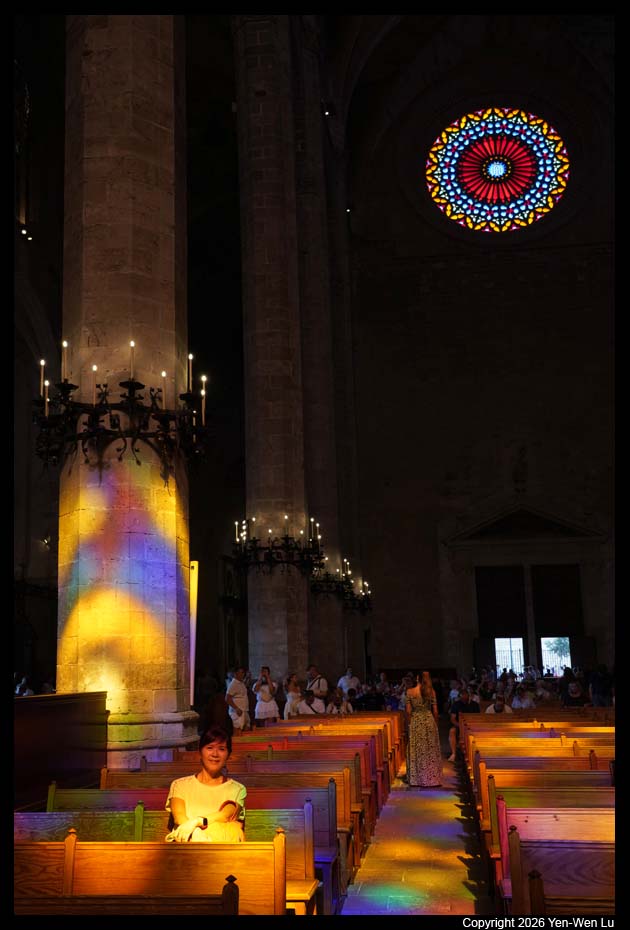
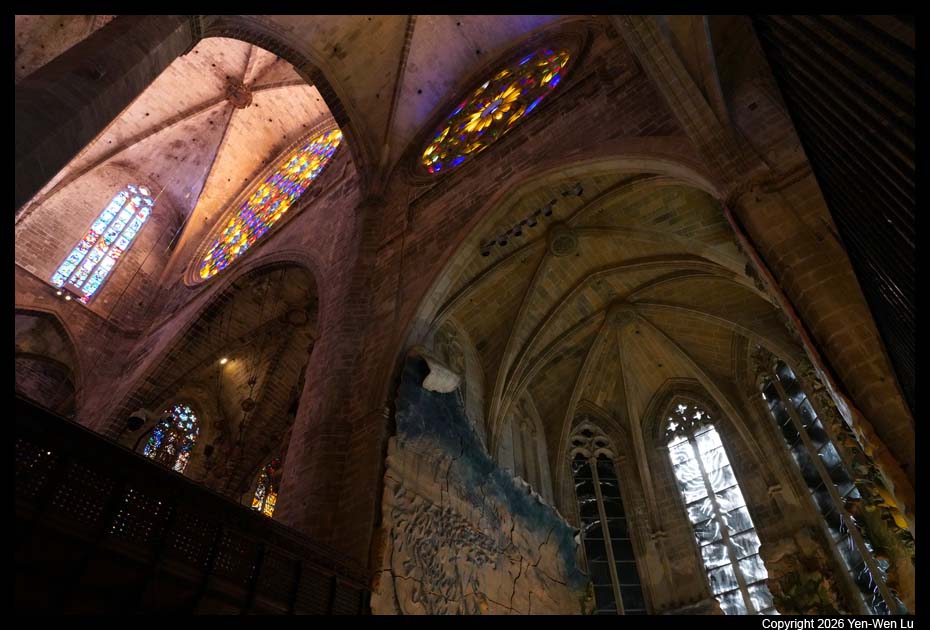
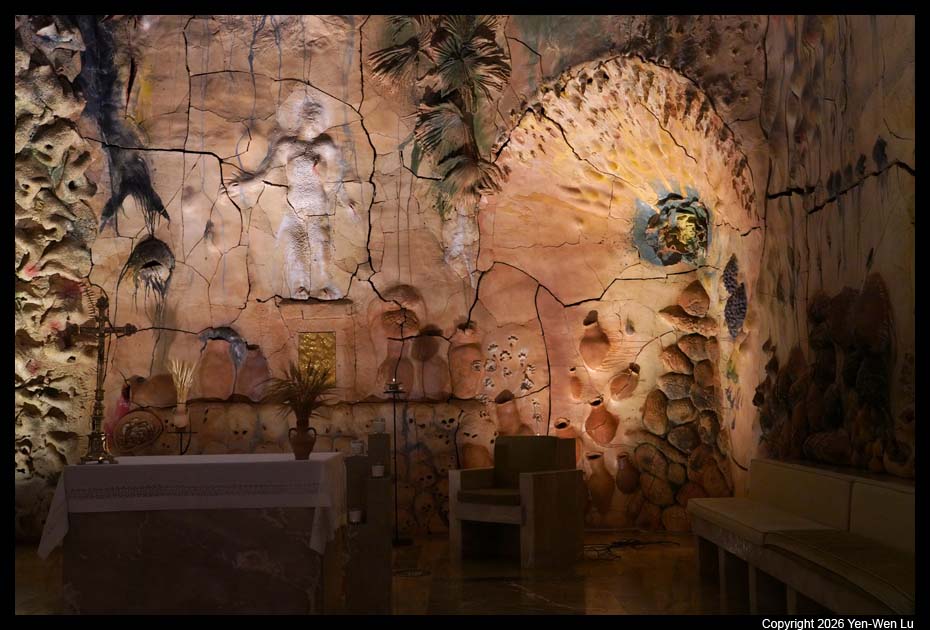
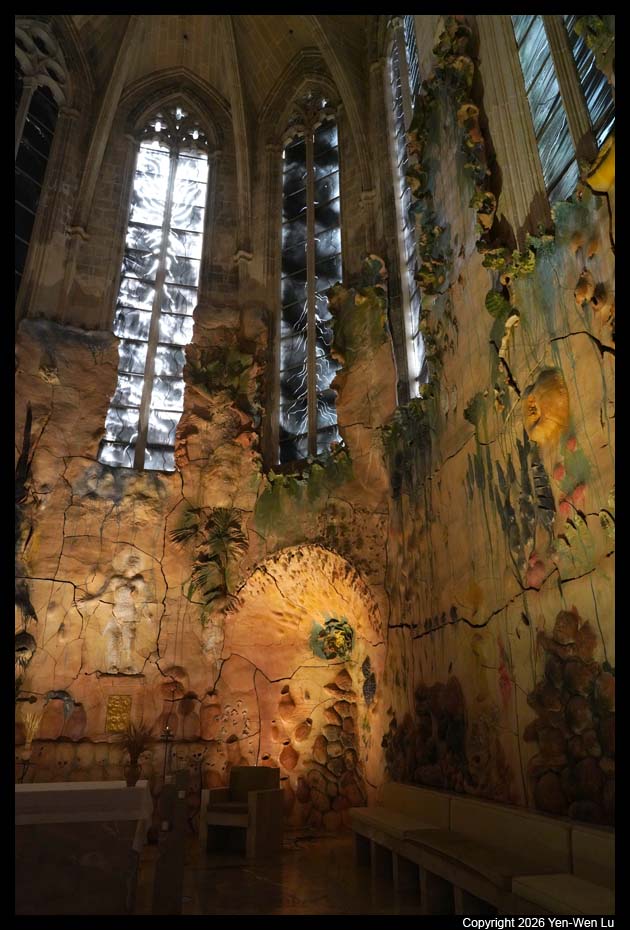
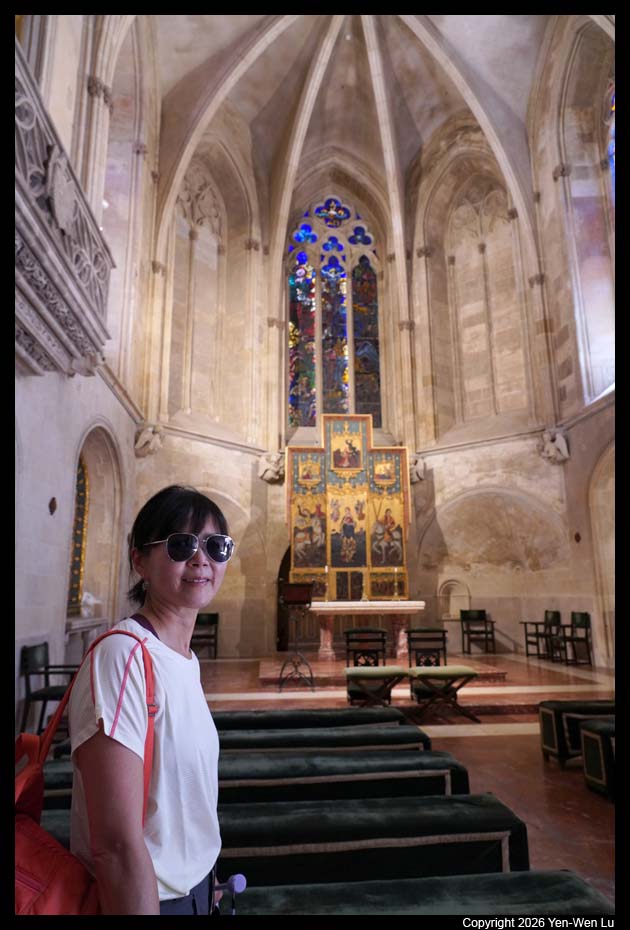
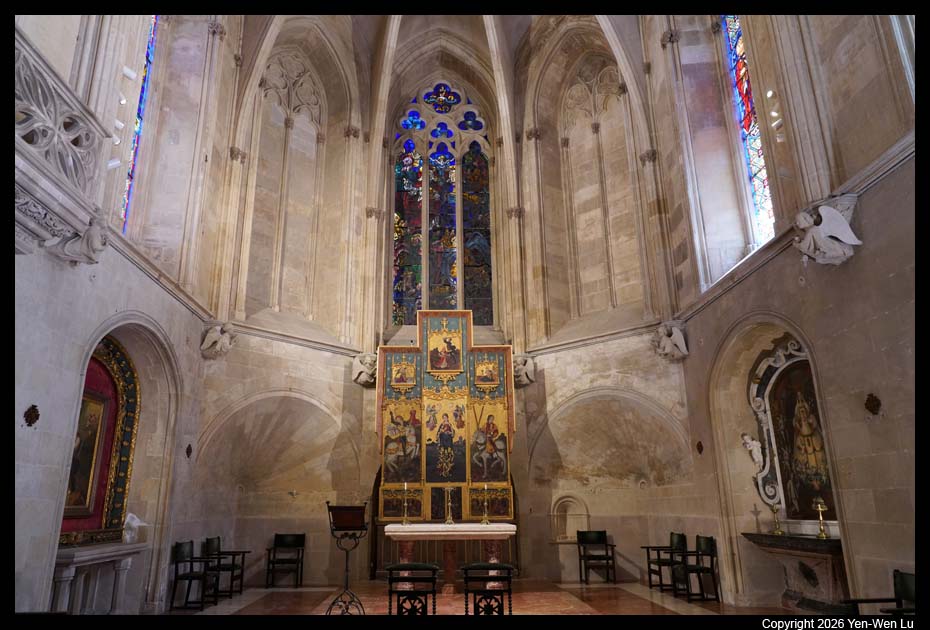
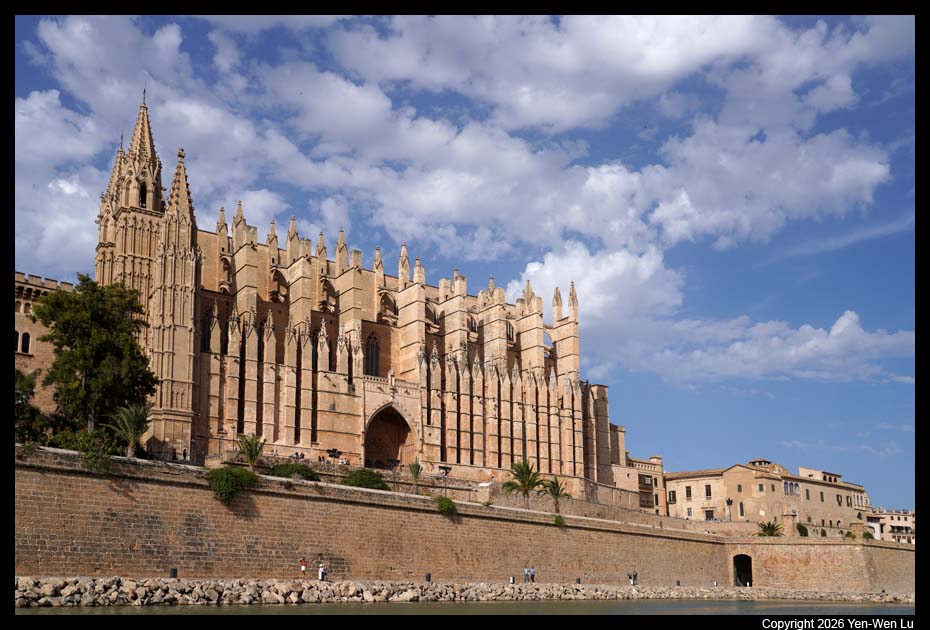
- Cathedral of Santa Maria of Palma
The Cathedral of Santa Maria of
Palma, more commonly referred to as La Seu, is a magnificent 14th-century
Gothic Roman cathedral overlooking the sea, featuring one of the world's
largest rose windows. According to the legend, when Jaime I of Aragon
was caught in a storm on his way to conquer Mallorca in 1229, he vowed that
he would build a great church if God led him to safety. On New Year's Day
1230, the foundation stone was symbolically laid on the site of the city's
main mosque. Work continued for 400 years - and had to resume in 1851 when
an earthquake destroyed the west front. More touches were added in 1900's by
the Catalan architect, Antoni Gaudi.
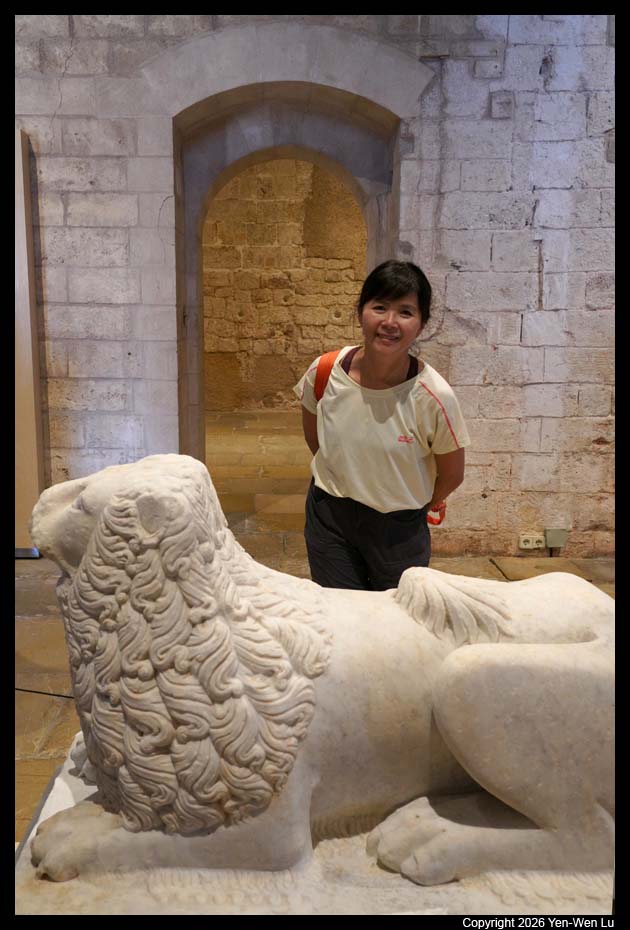
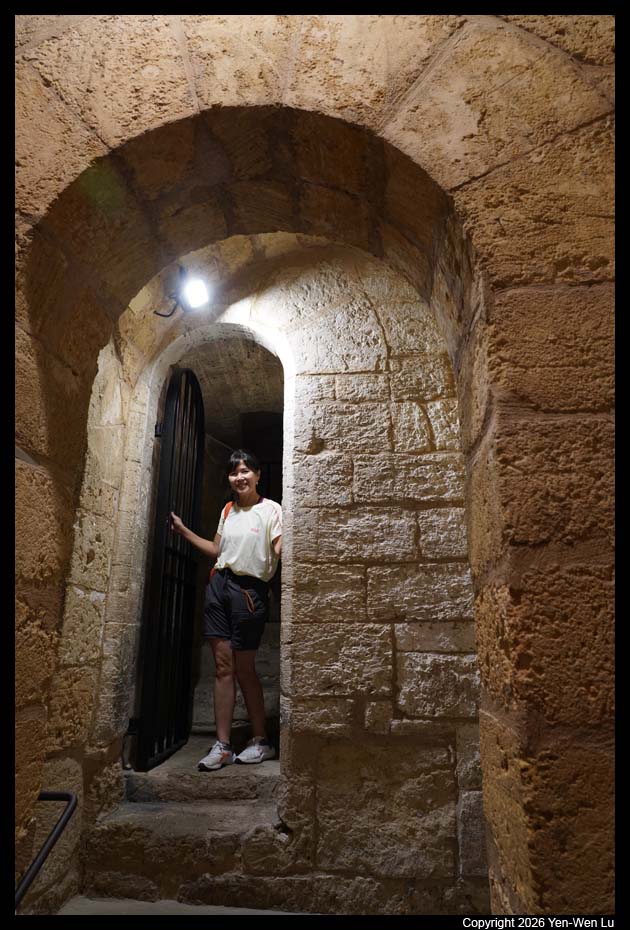
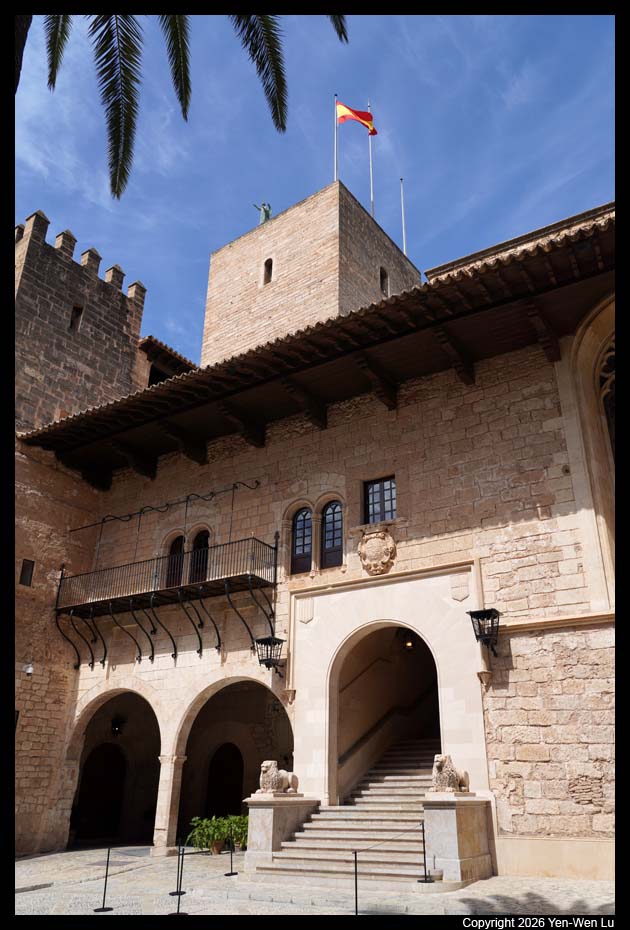
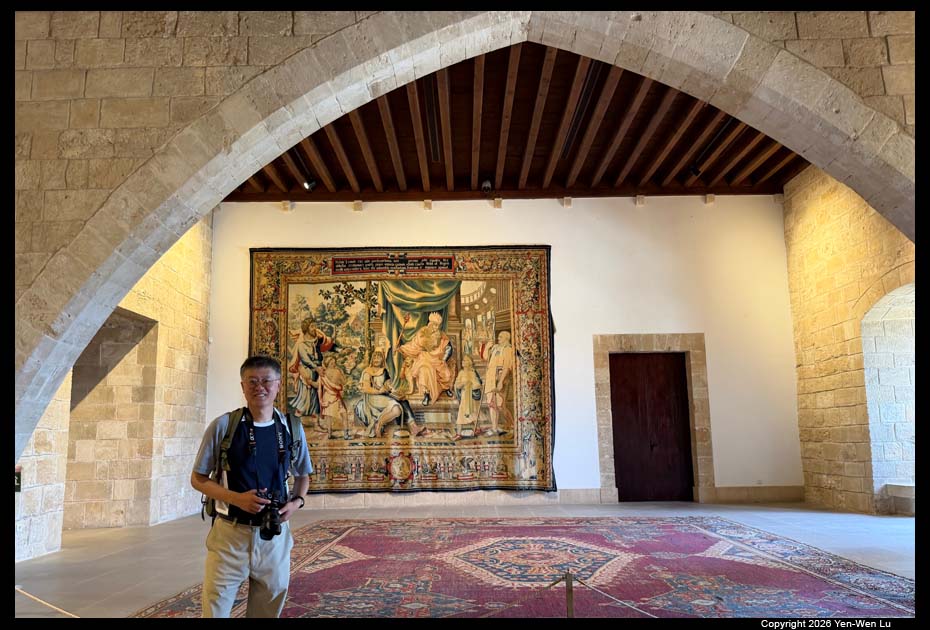
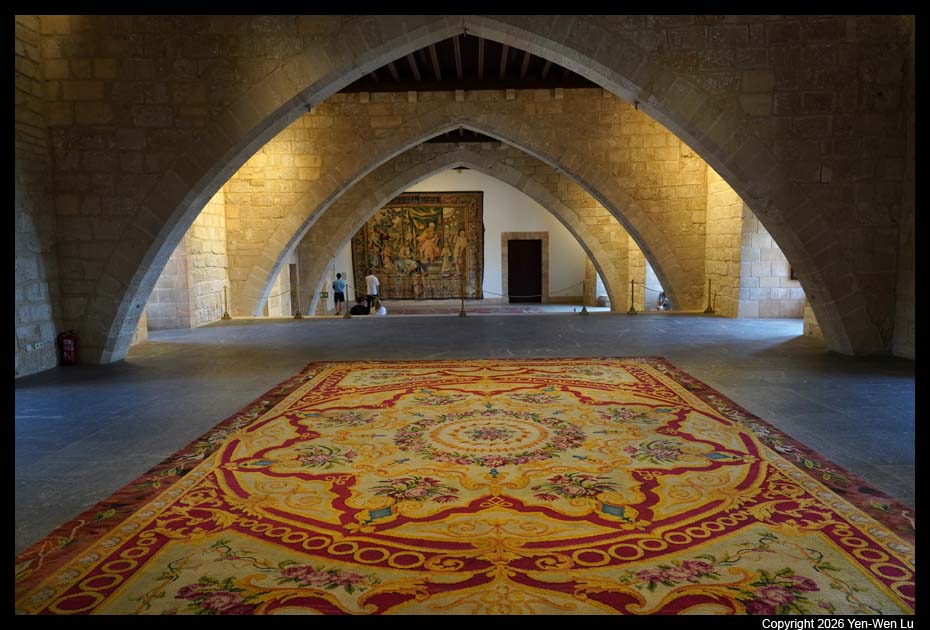
- Palma Palace
The Royal Palace of La Almudaina, which dates back to
the 14th century, is the official residence of the King and Queen during
their stays in Mallorca. The palace is a historic fortress adjacent to
the cathedral that originally served as an Islamic alcazar before becoming
the official residence of the Kings of Mallorca.
- After the lunch in Palma, we got a Uber (a long wait time to get a
Uber...) to move to our next destination in Mallorca, Port de Sóller.
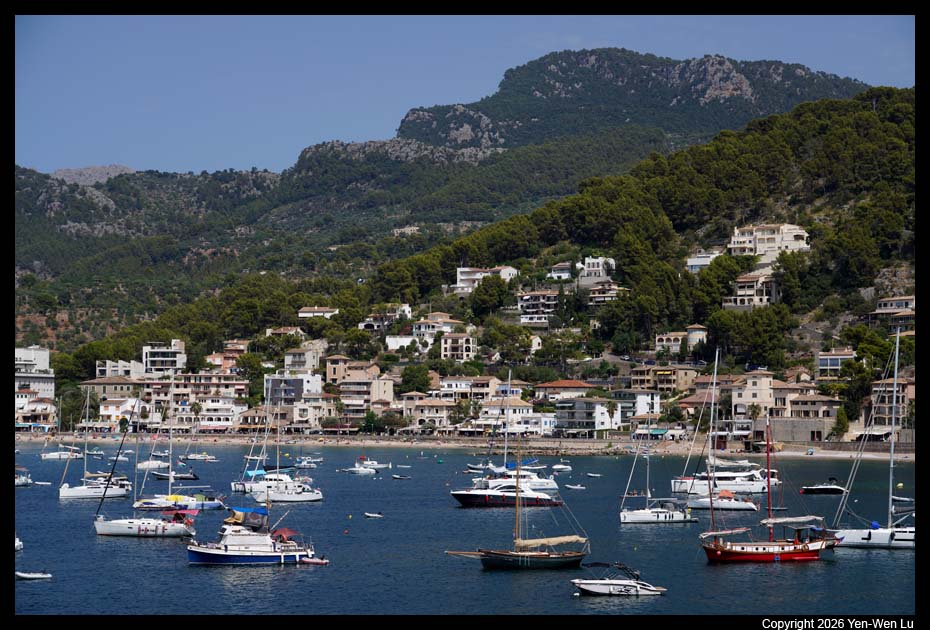
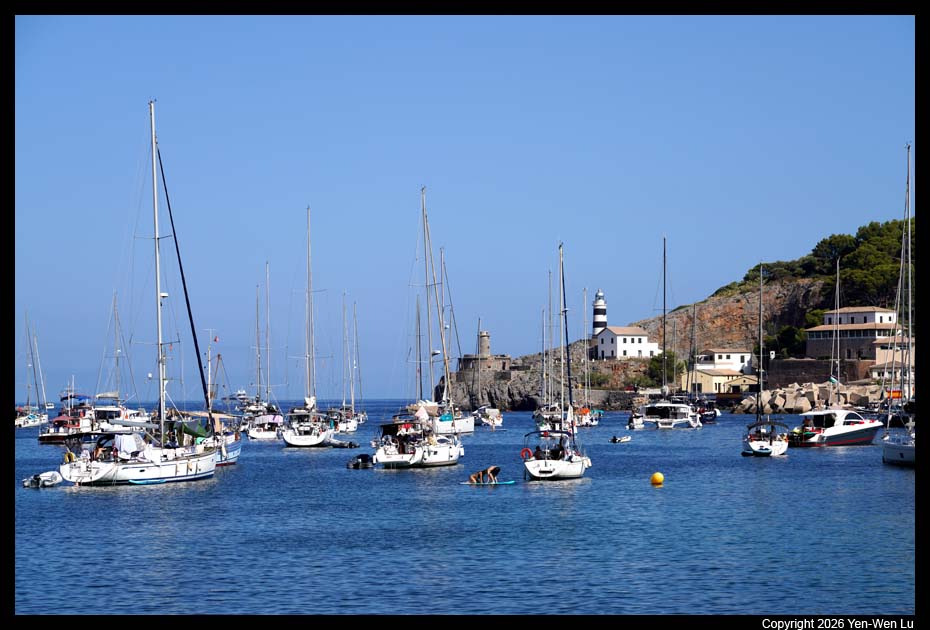
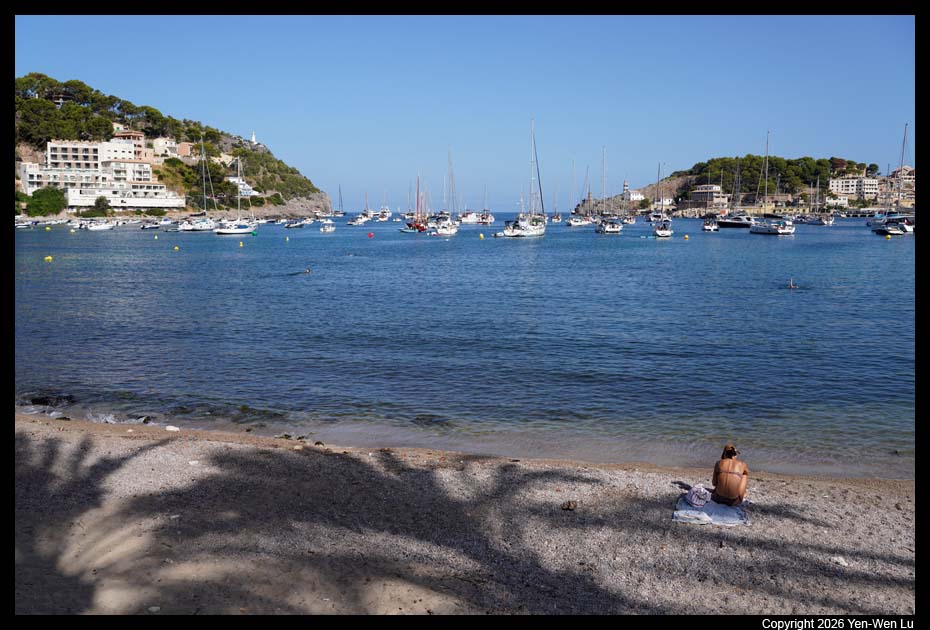
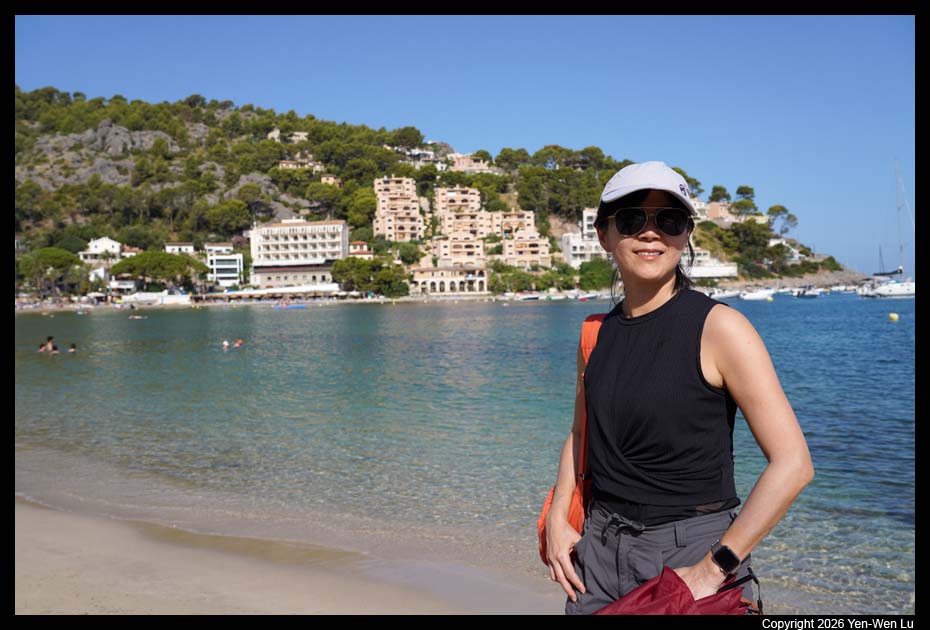
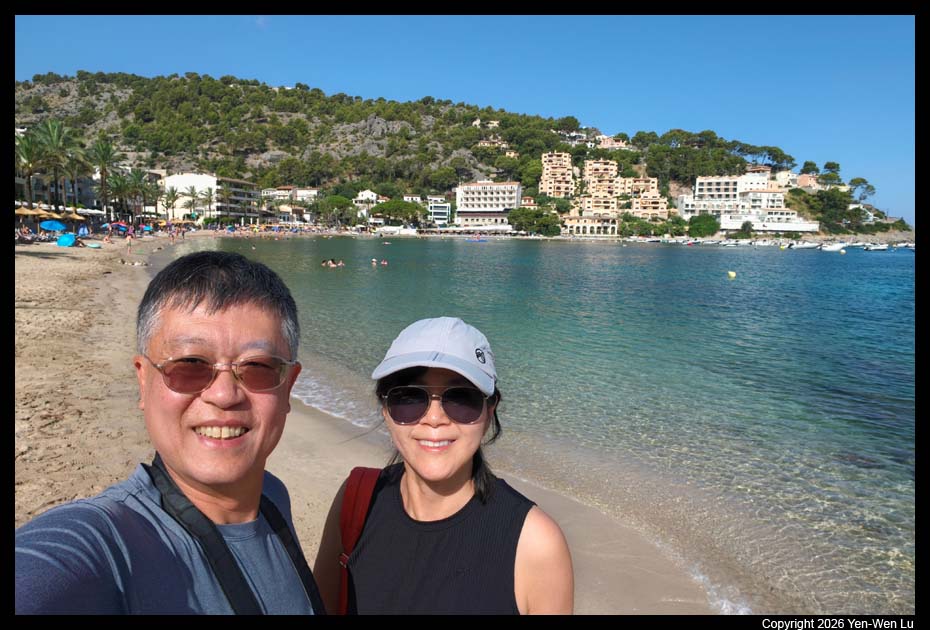
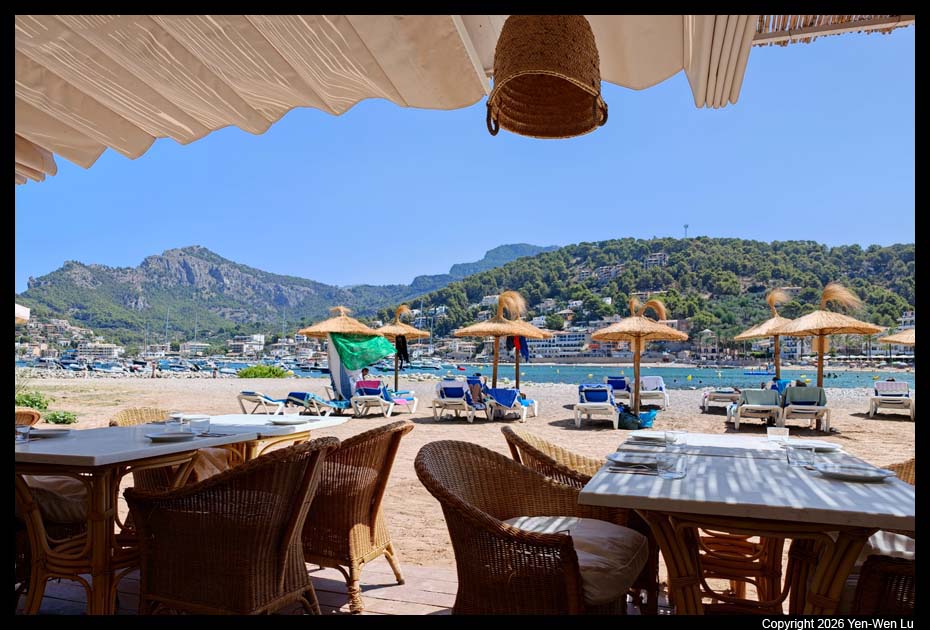
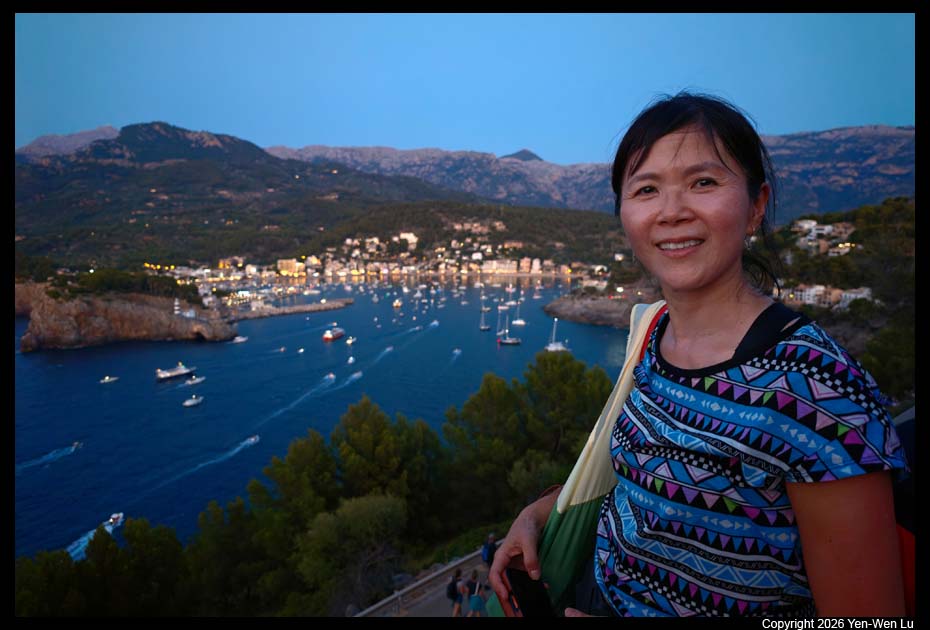
Port de Sóller is a picturesque coastal village and natural harbor located
in northwest Mallorca, serving as the beachside gateway for the inland town
of Sóller. Sheltered by a large, crescent-shaped bay, it stands as the only
protected port along an otherwise rugged 80-kilometer stretch of Tramuntana
coastline.
In the evening at about 7:30PM, we took a walk to hike up to
the historic Far de Cap Gros lighthouse to scout some good locations for
tomorrow's big event, total solar eclipse of 2026.
Day 3 (8/12) ...
- Port de Sóller
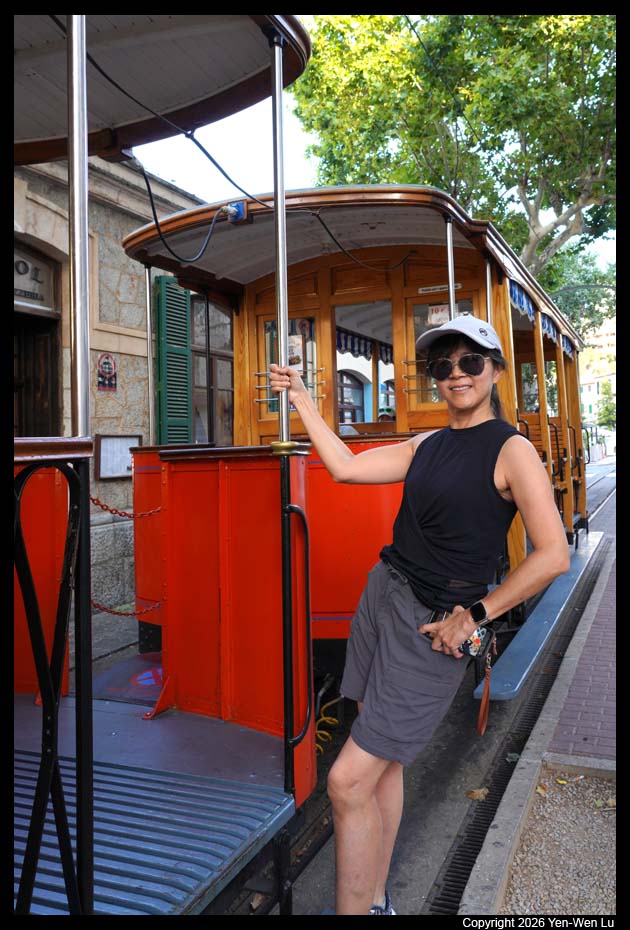
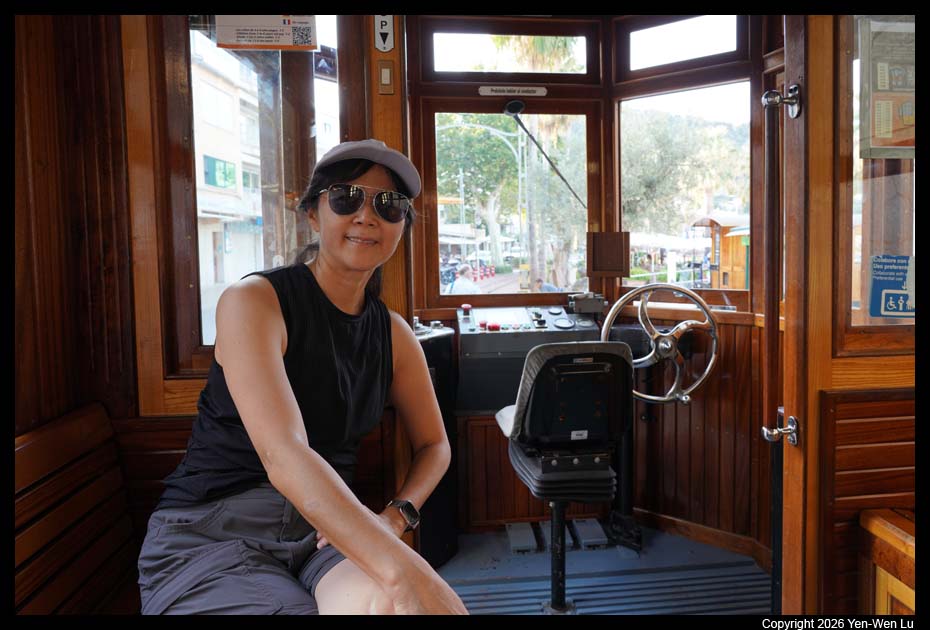
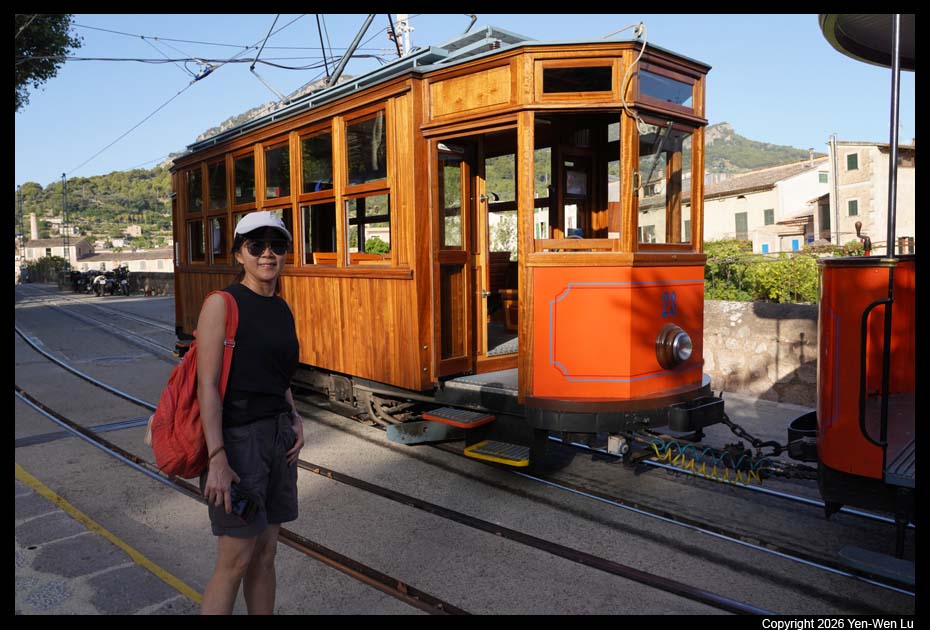
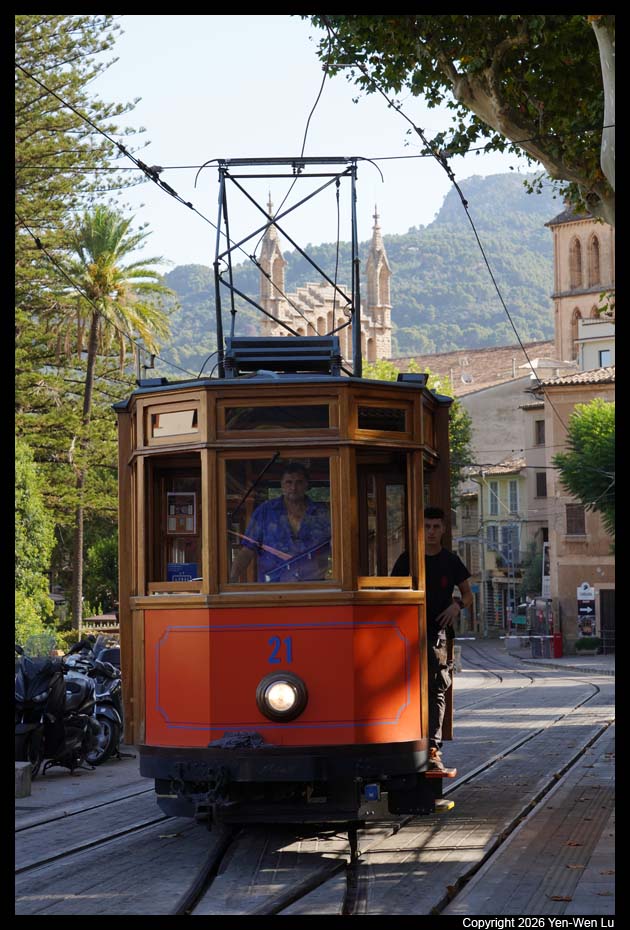
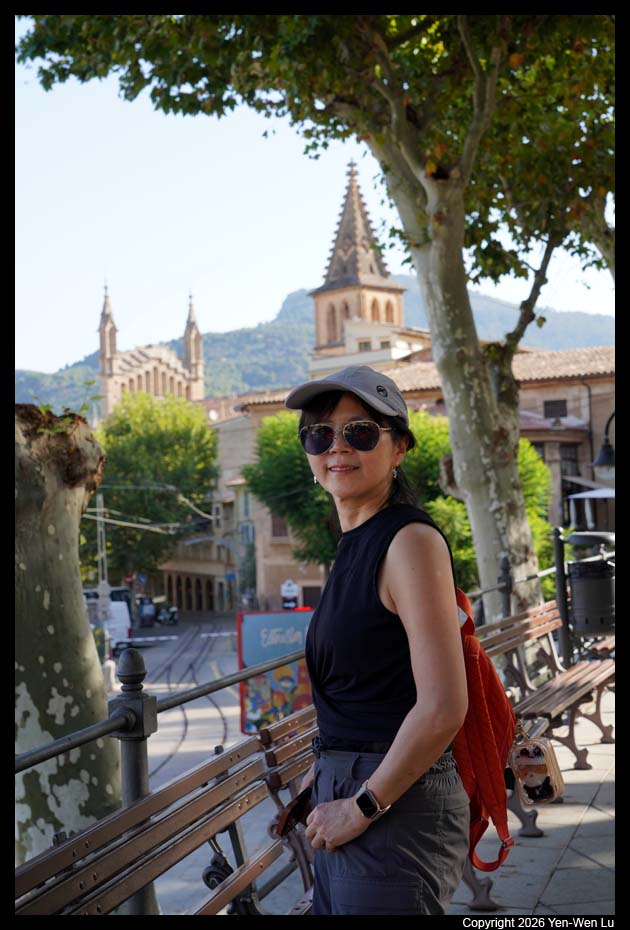
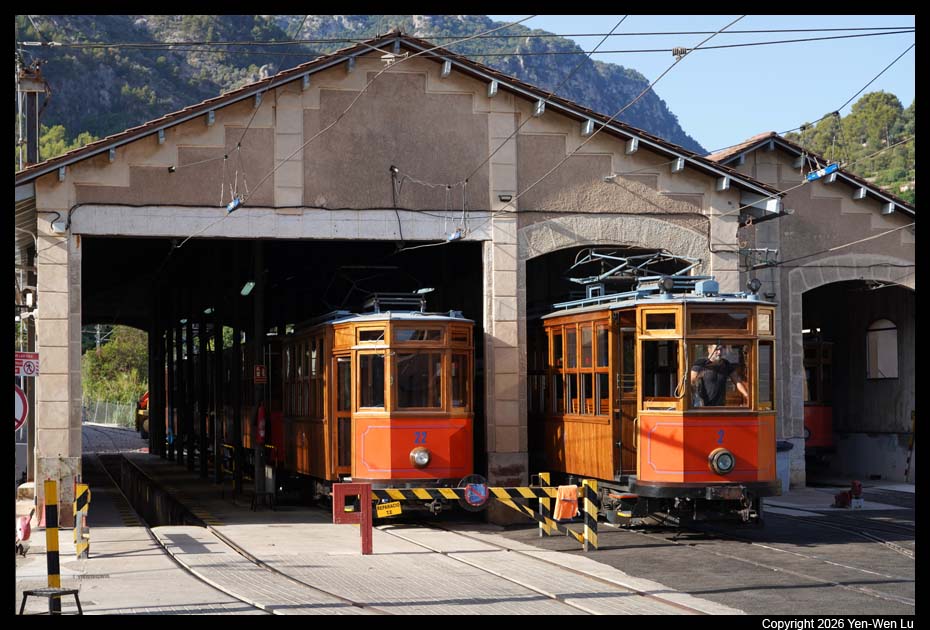
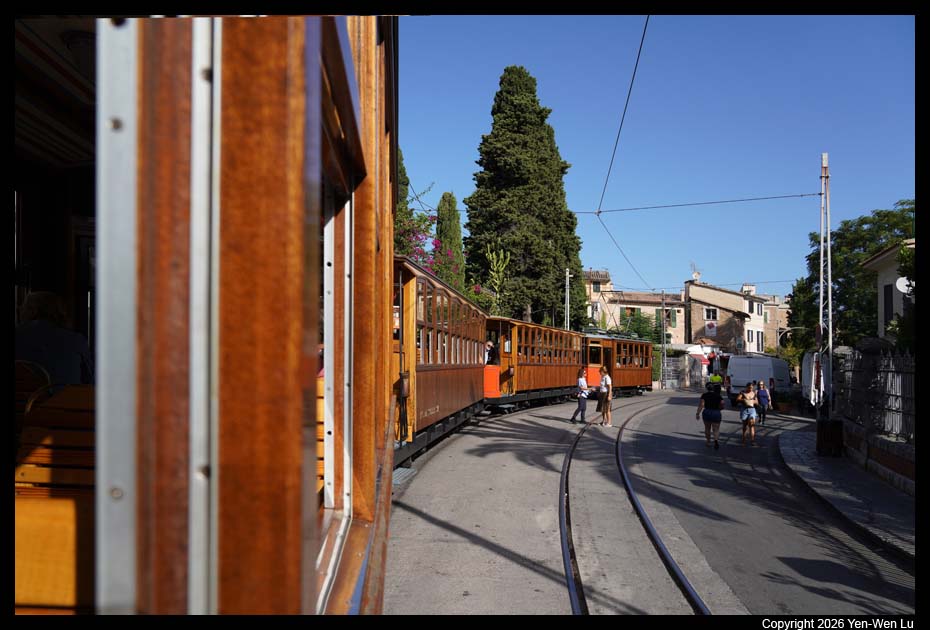
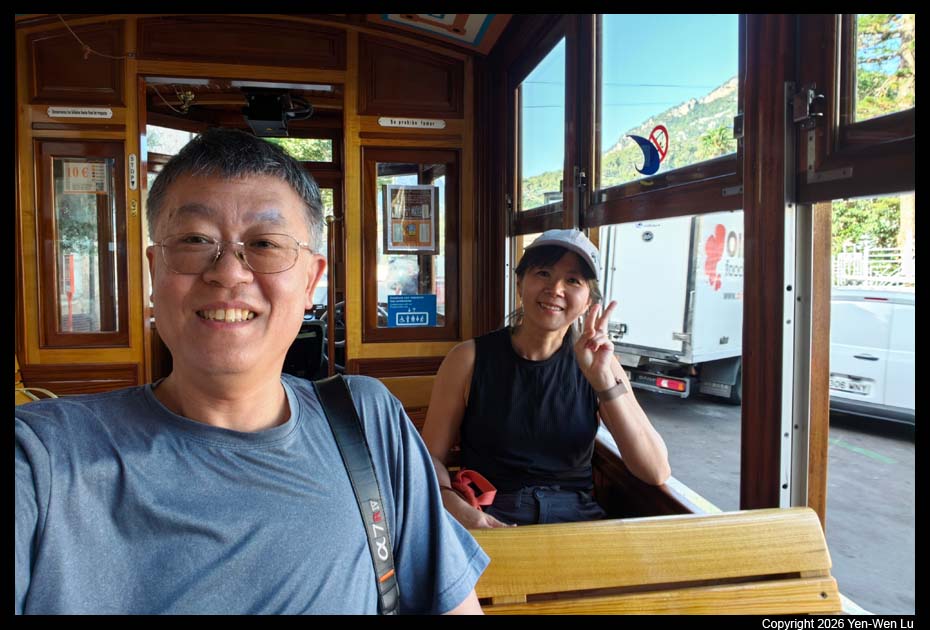
After the breakfast in the hotel, we went to take the
famous historical tram from Port de Sóller to Sóller (the first tram at
8:30AM). The tram ride from Port de Sóller to Sóller is a
beautiful, 20-minute sensory journey that takes you from the sparkling
Mediterranean Sea into a historic mountain valley.
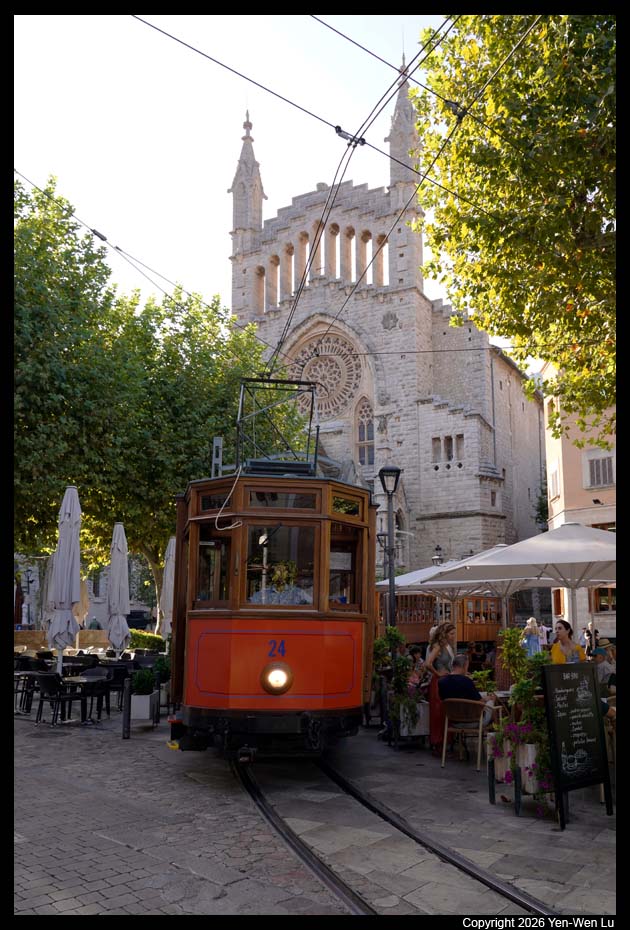
- Sóller
Sóller is a historic town nestled in a lush valley of orange
groves within Mallorca's Serra de Tramuntana mountains. Known as the "Golden
Valley," it sits three kilometers inland from its coastal counterpart, Port
de Sóller, and is famous for its early 20th-century architecture and vintage
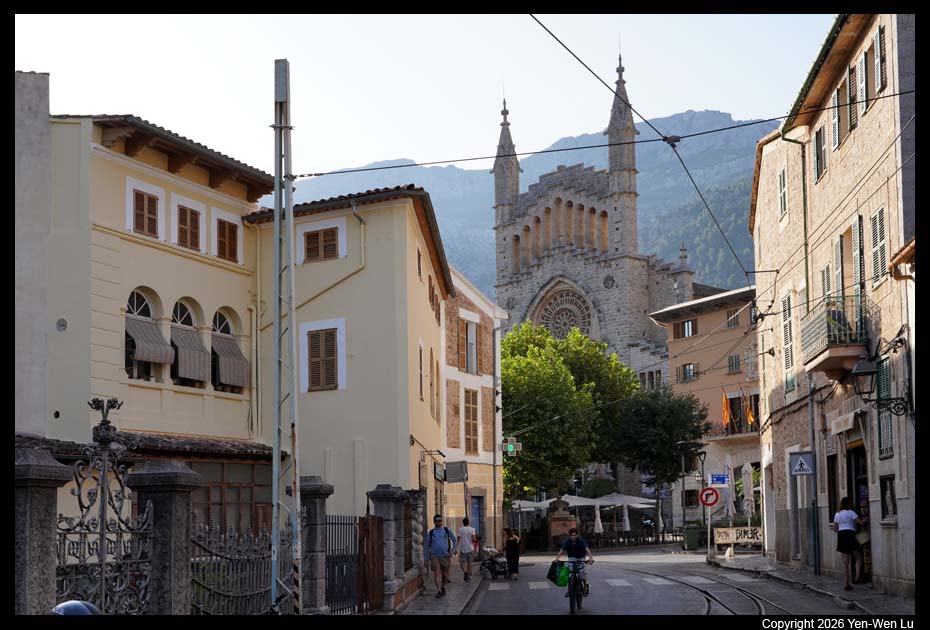
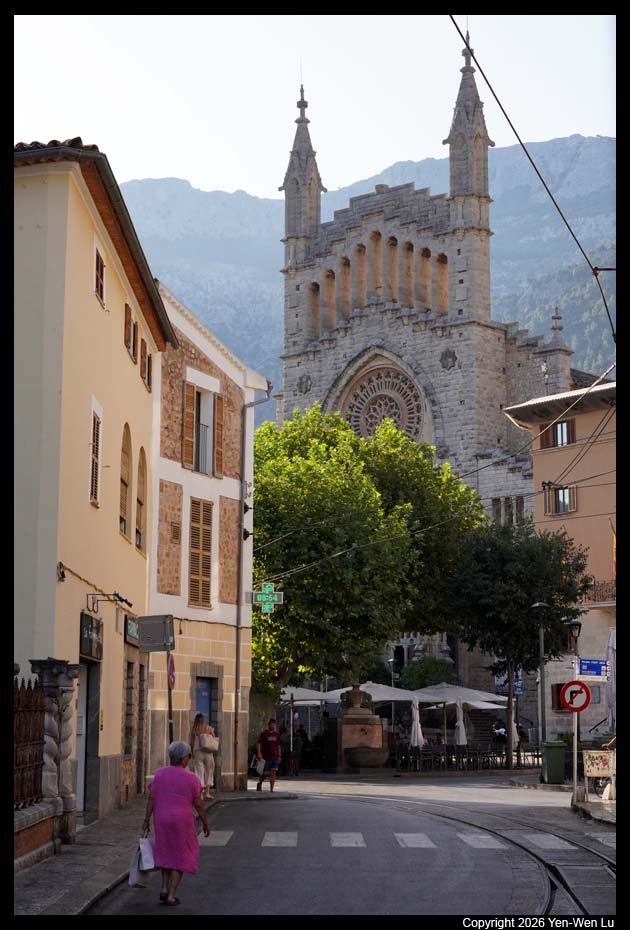
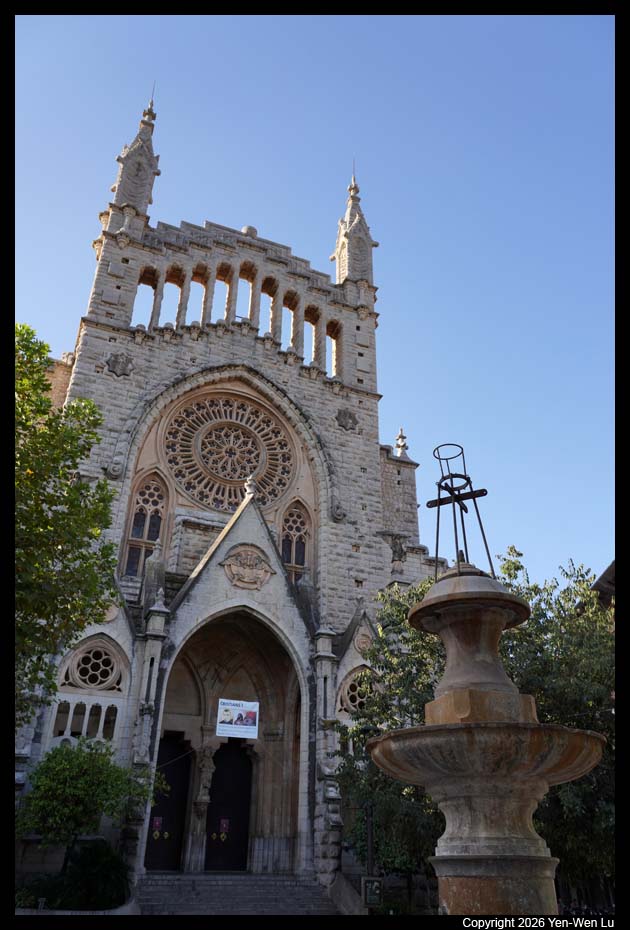
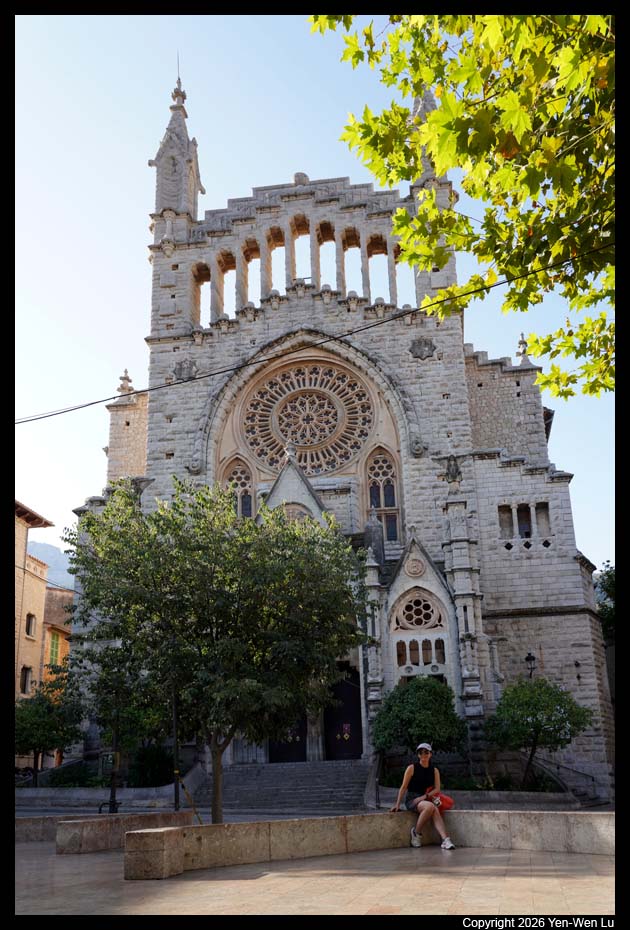
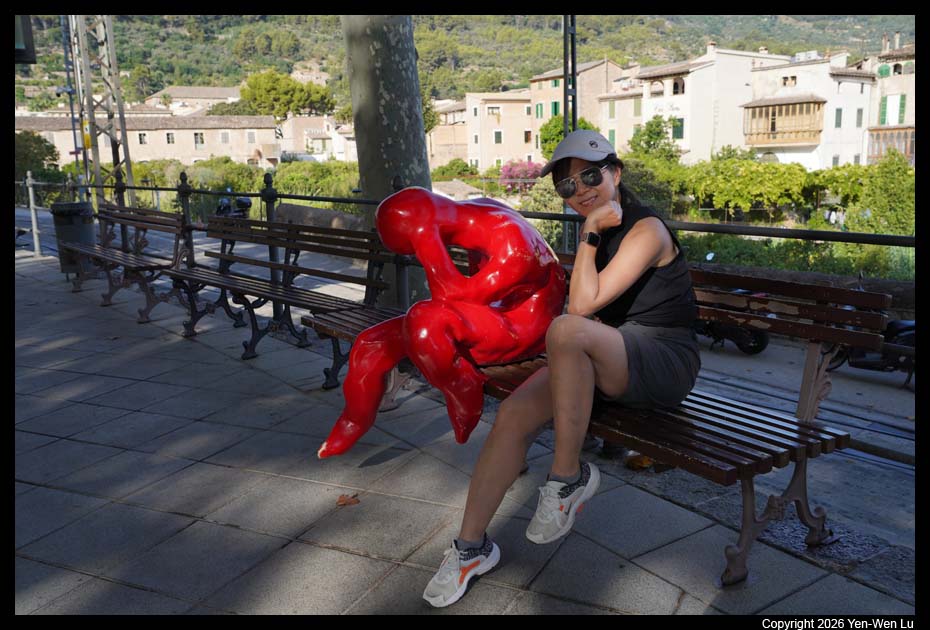
transport systems. After getting off the tram, we walked around the
Plaça de la Constitució, the vibrant main town square, shaded by trees and
lined with many lively outdoor cafes.
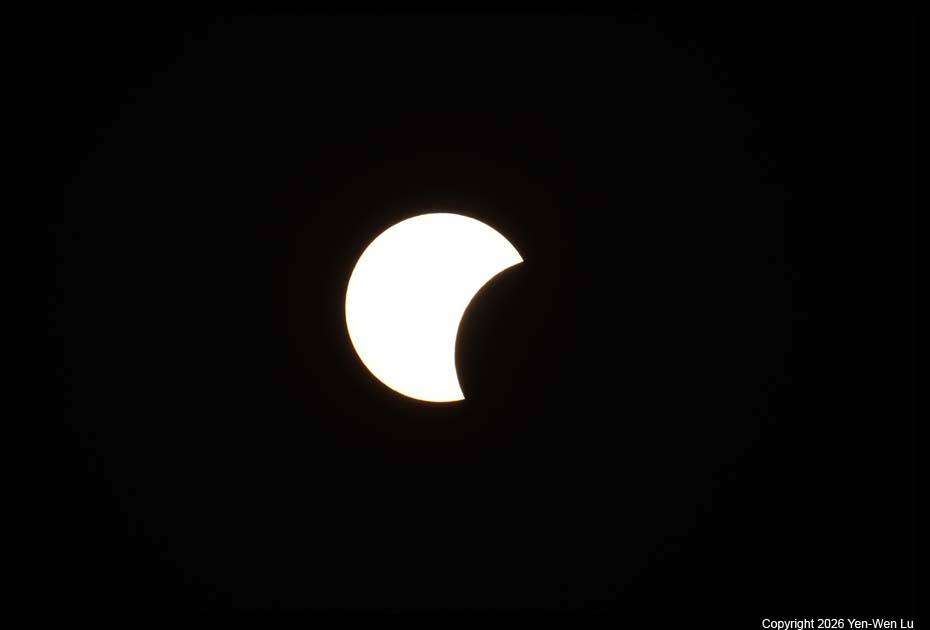
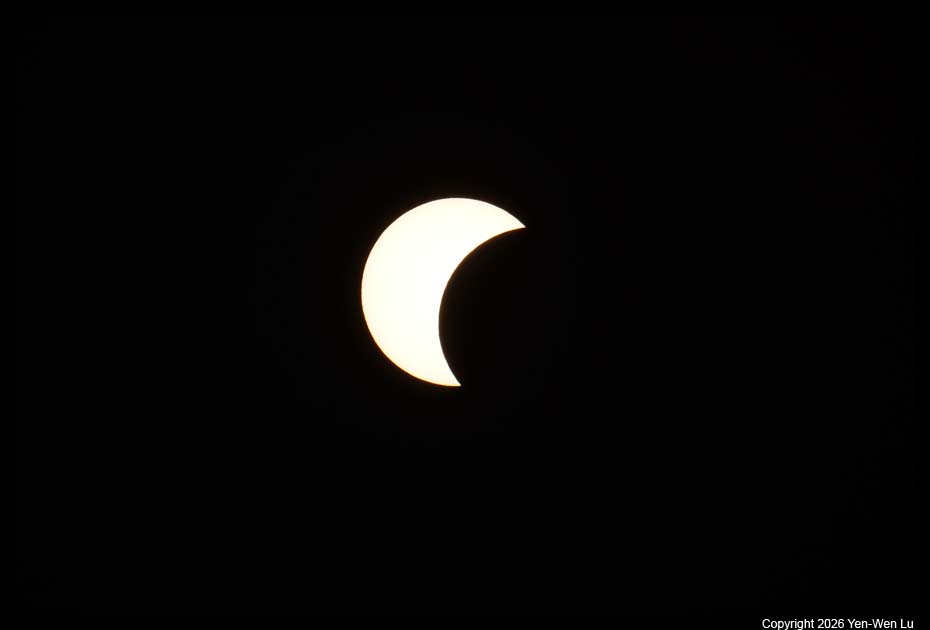
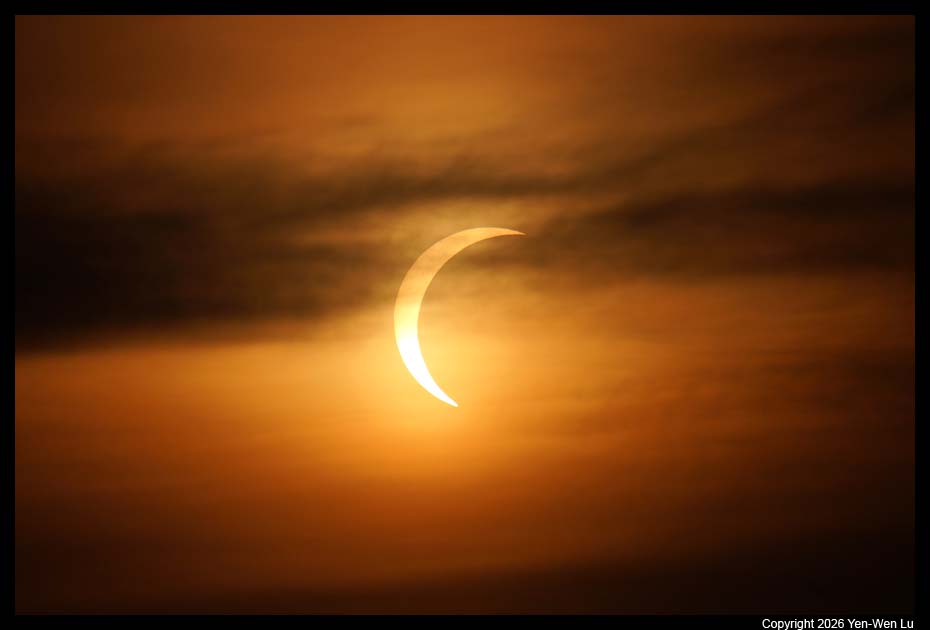
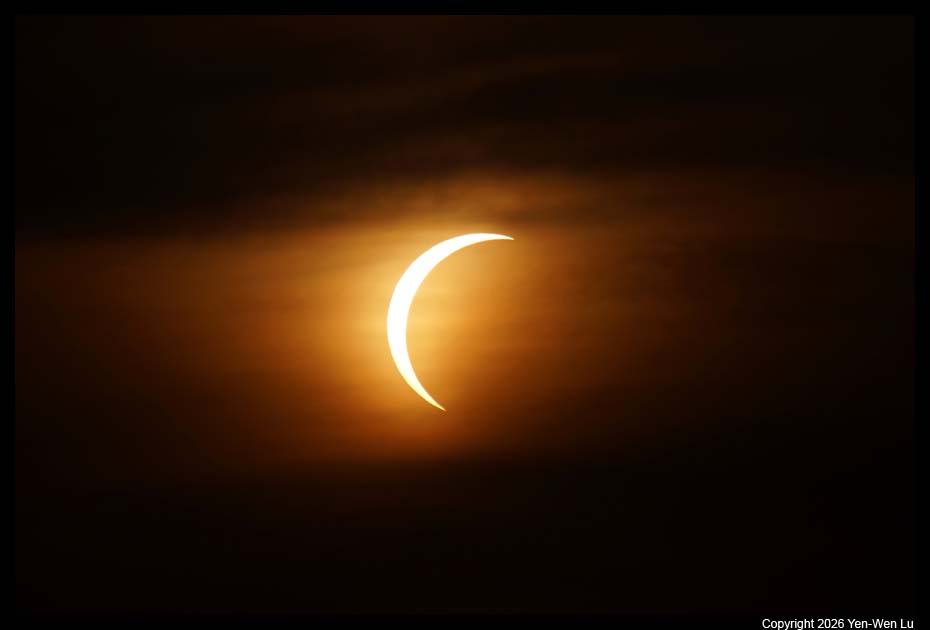
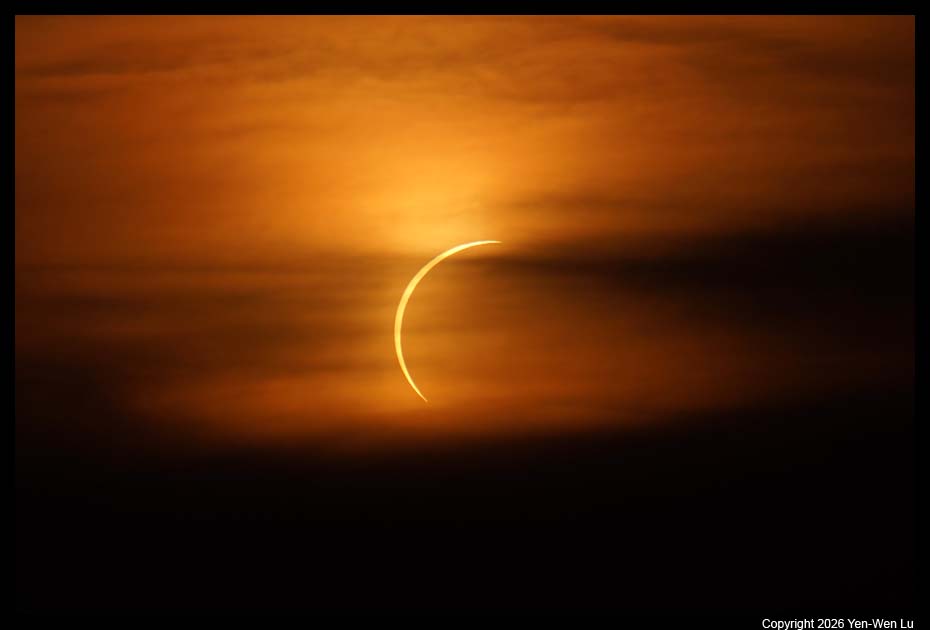
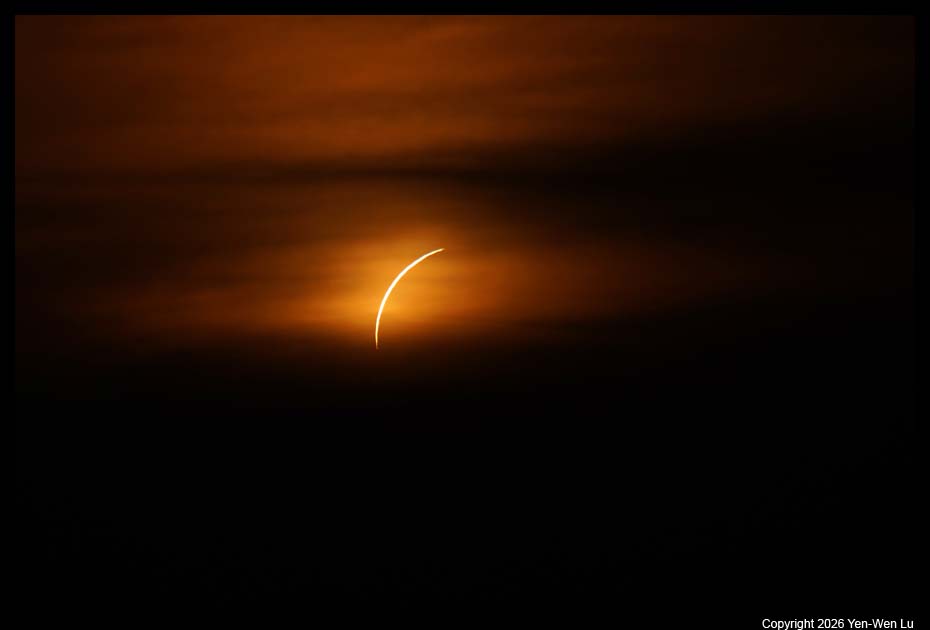
- Solar Eclipse
At about 4:30PM, we started to walk up to Far de Cap Gros
lighthouse. The location we planned has already been occupied by
someone, so I had to adjust a little bit to set up my stuff (2 tripods and a
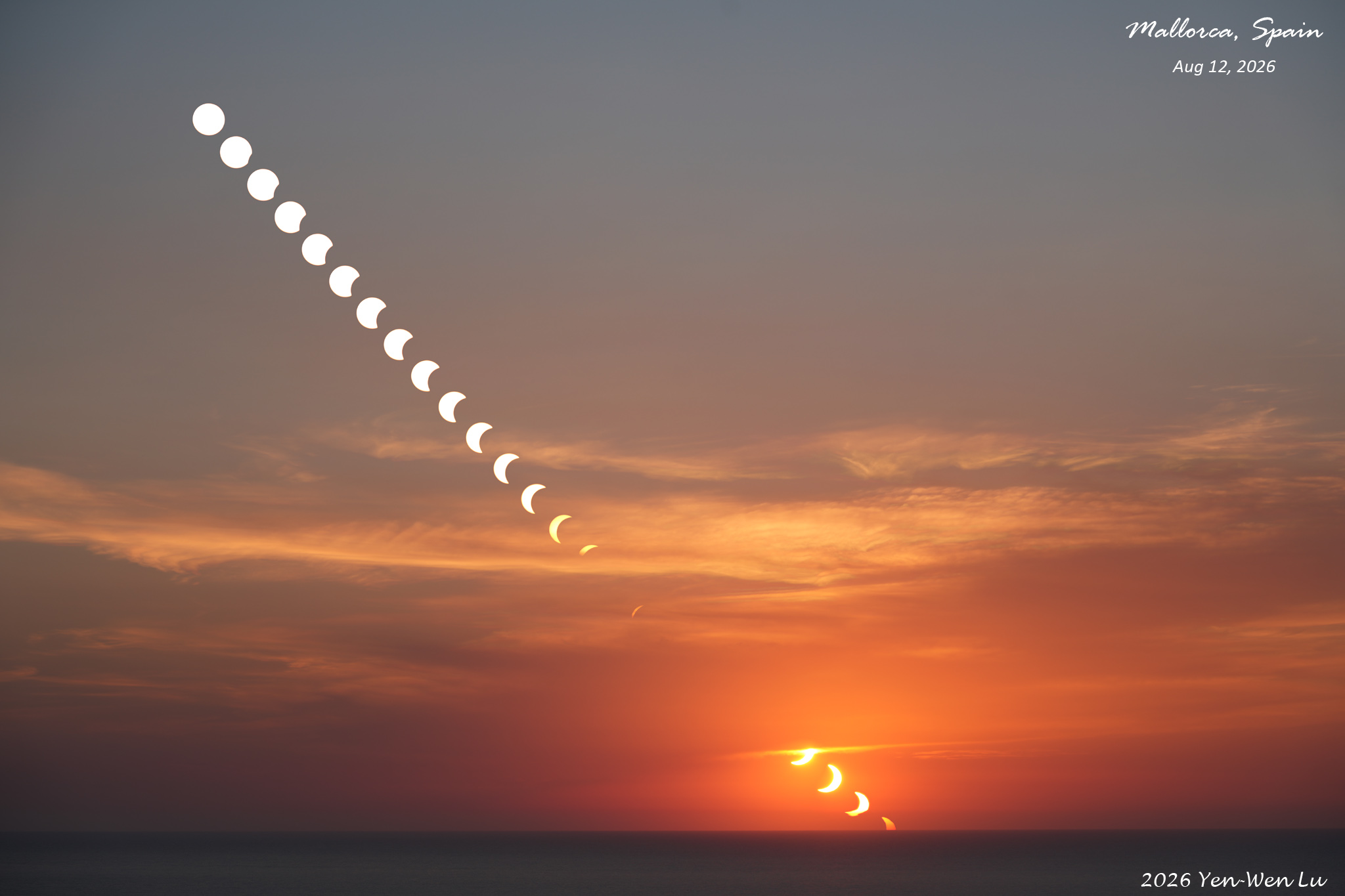
lawn chair) at an adjacent flat rock. The solar eclipse began at 7:38PM,
and the totality started at 8:31:05PM and ended at 8:32:41PM, and sunset at
8:49PM while it was still in the partial eclipse phase.
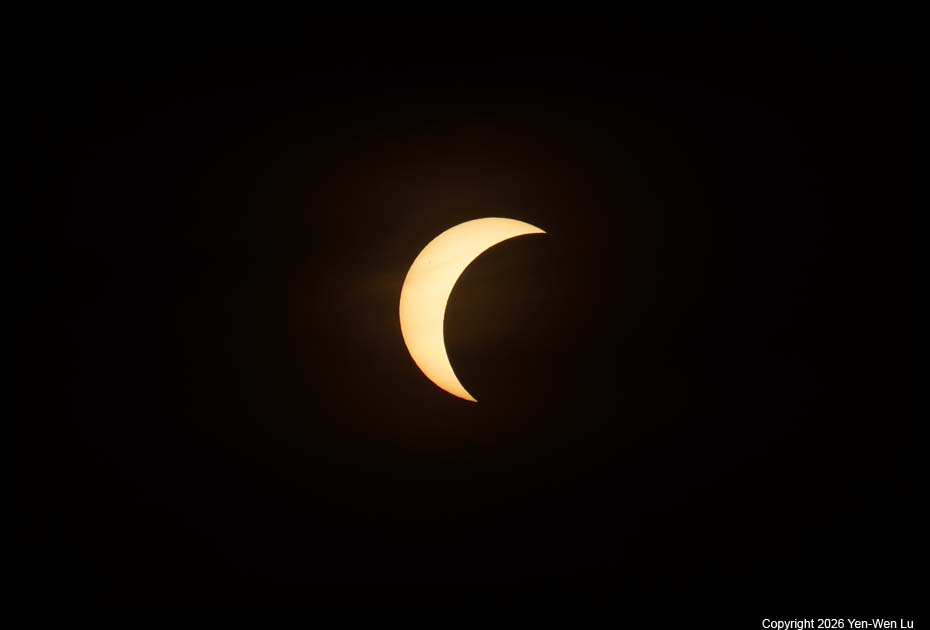
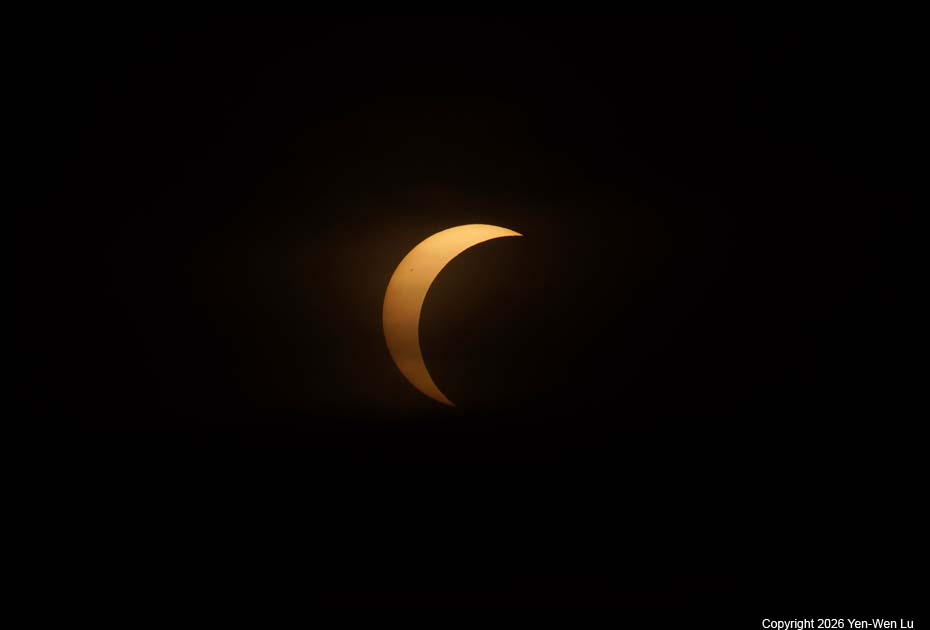
Unfortunately, the sun was blocked by some cloud during the crucial totality
moment, so we could not really see the typical total solar eclipse (Baily's
beads and eclipse diamond ring, etc.), but we could still feel the coolness
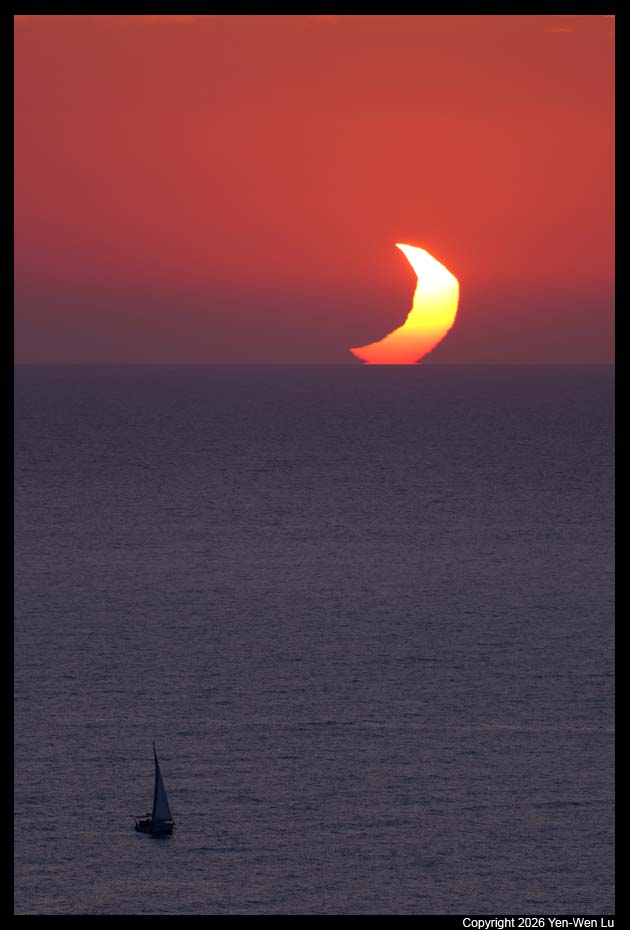
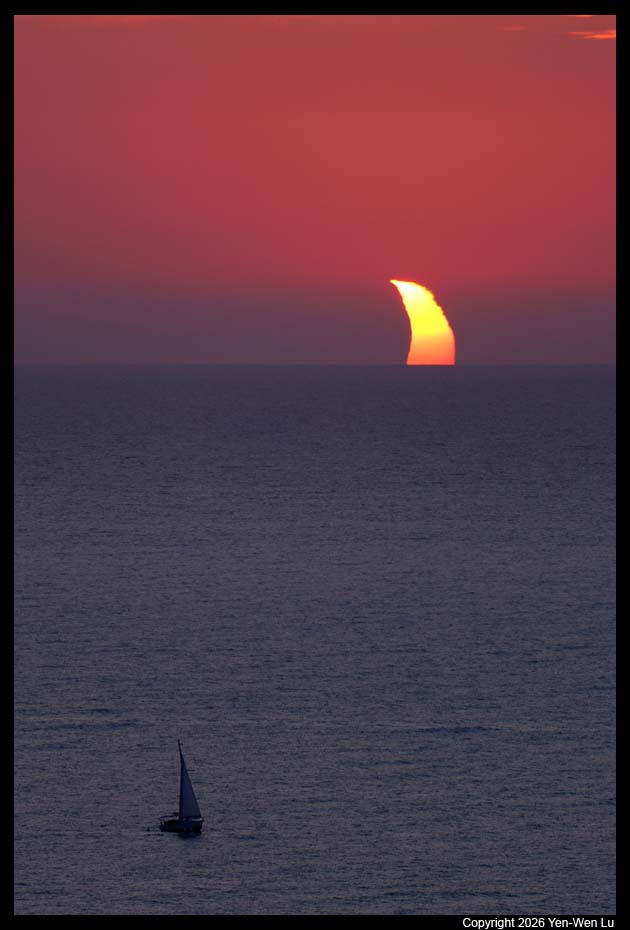
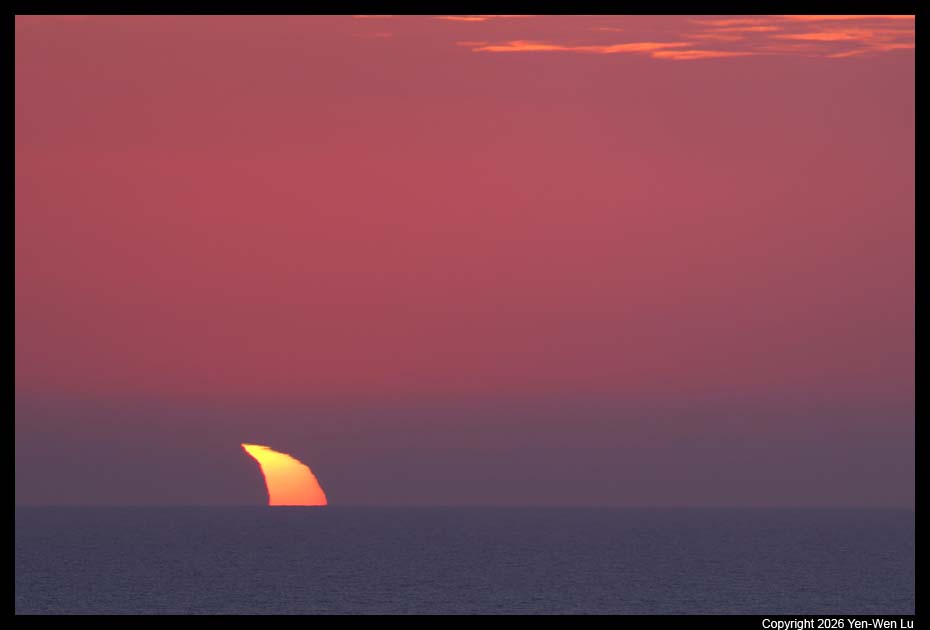
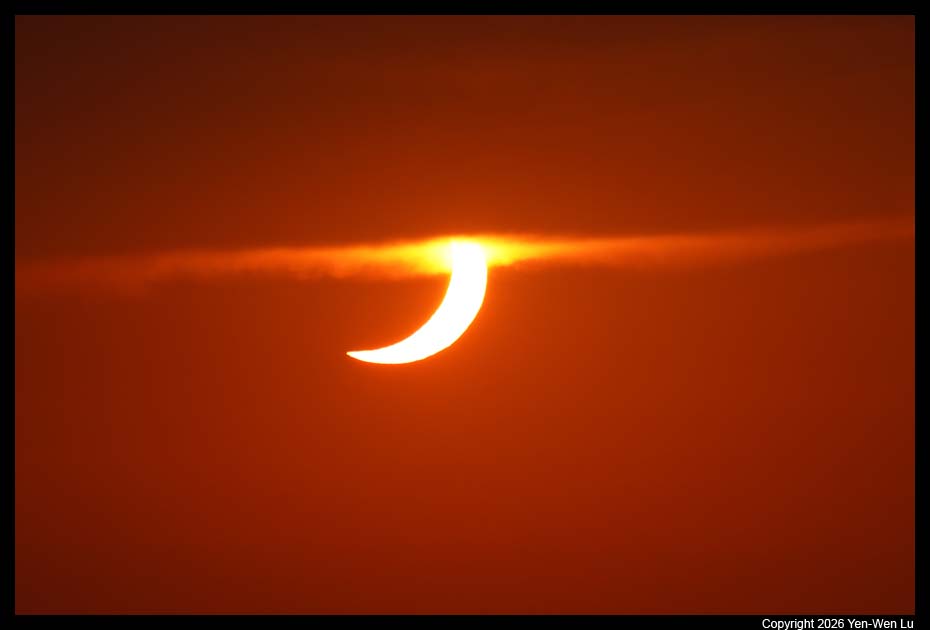
and darkness during the totality. It was so amazing to see the crescent
sunset. It's truly a unique experience that we will probably not have
the chance to see it again.
Next ...
Seeing the crescent sunset with sailboat and golden color was really like a
dream. In some sense, it was even more beautiful than the totality (which
we have already seen twice,
2017 in
Oregon and
2024 in Arkansas). It's time to plan our next solar eclipse trip: we
decided to skip 2027 in northern Africa because it will be too hot; we may go to
Australia on 7/22/2028. With the conclusion of the solar eclipse in
Mallorca, our journey continued to
Lisbon, Portugal.
[Back to Photo Page]